The best walks and hikes around Stainborough
4.5
(1264)
9,467
hikers
540
hikes
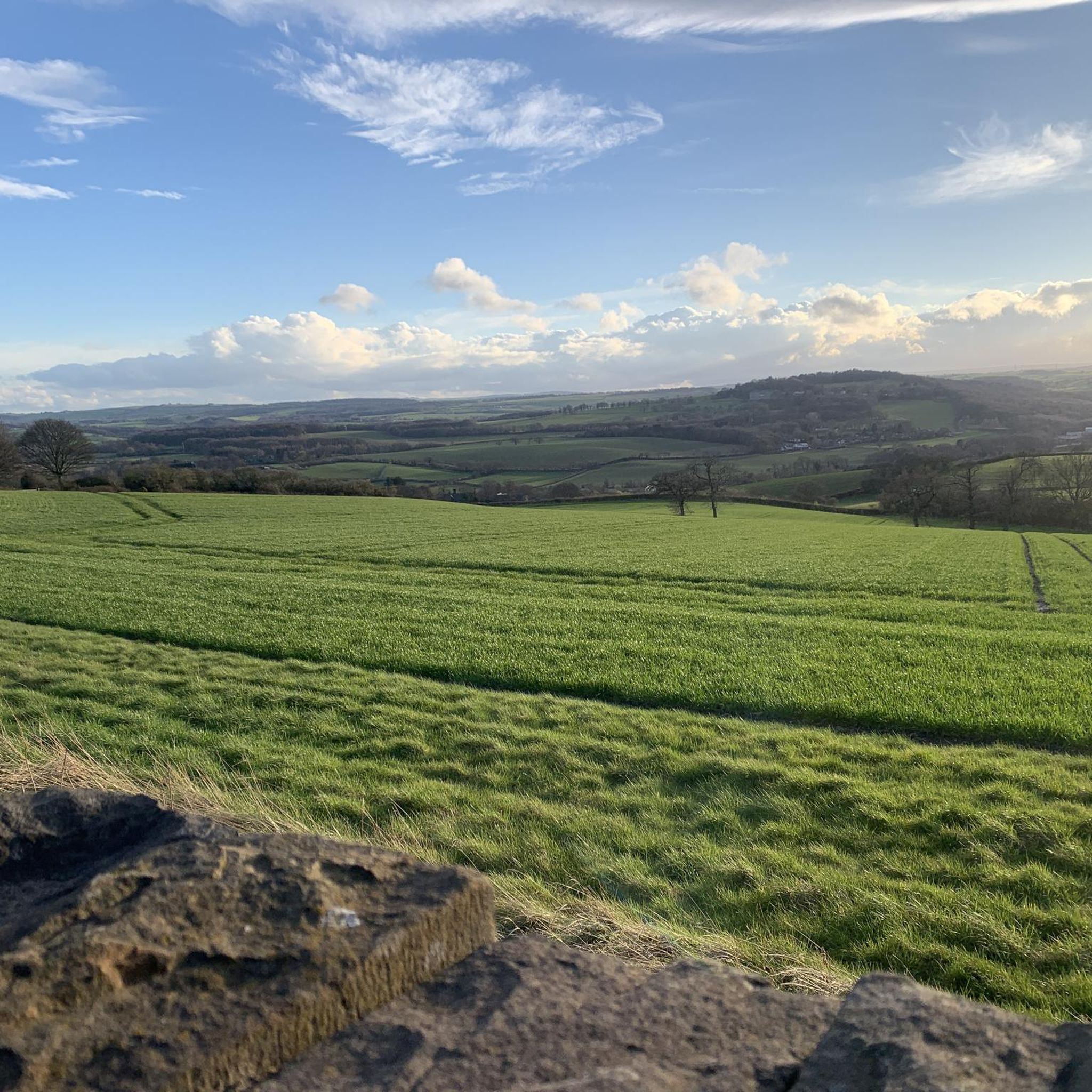
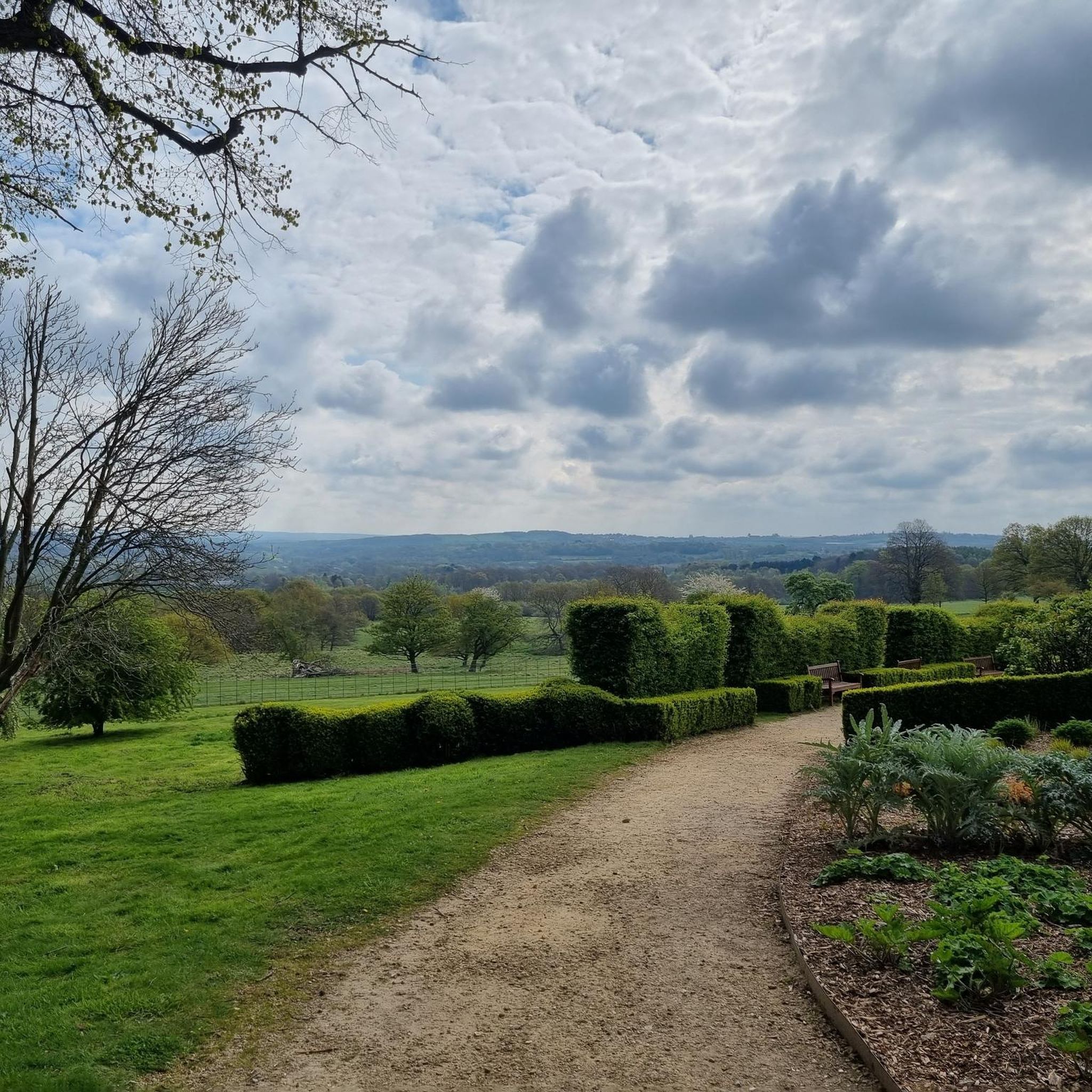
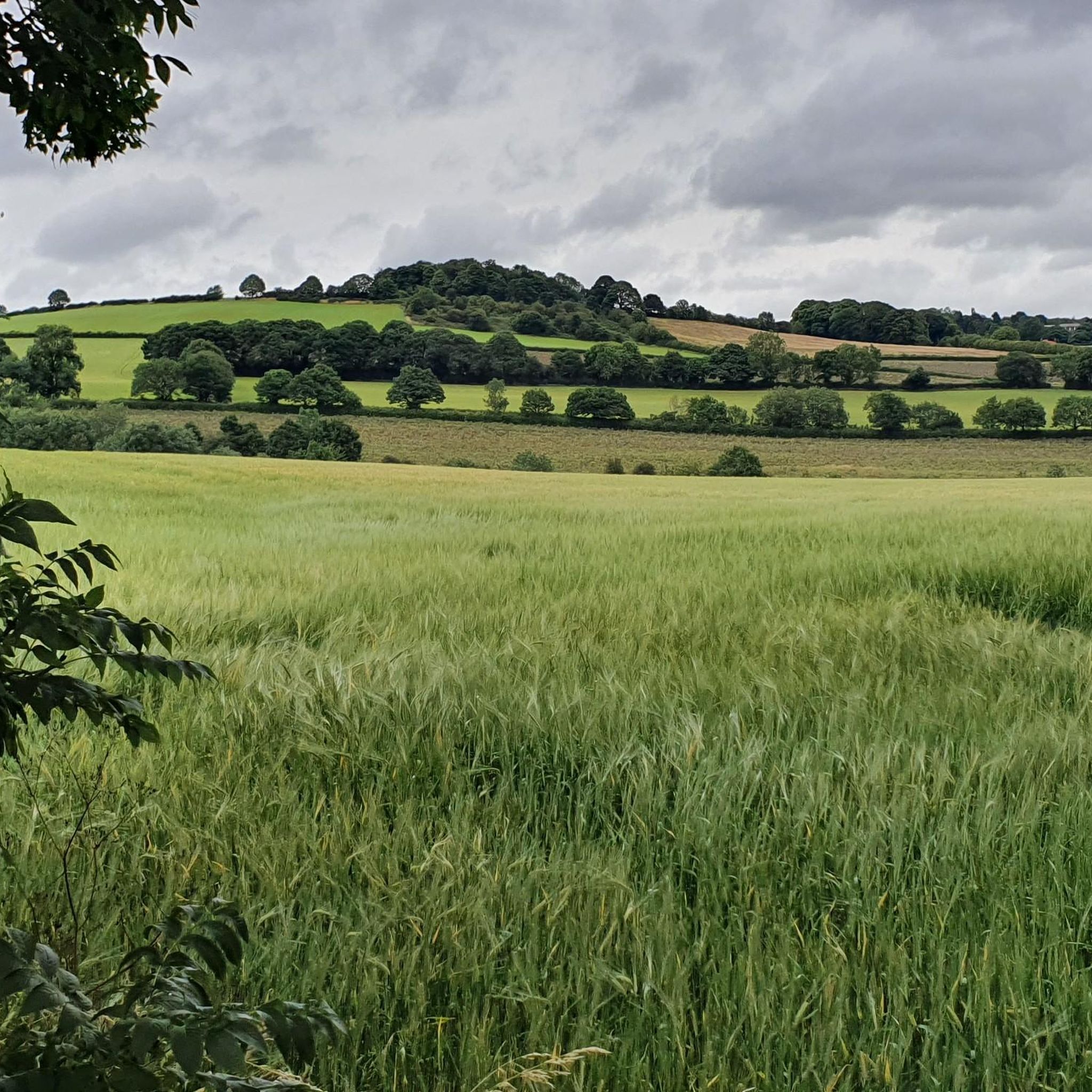
Hikes around Stainborough explore a landscape of historic parkland, landscaped gardens, and rolling countryside in South Yorkshire. The area is characterized by its 18th-century designed park, which includes features like a serpentine lake and herds of deer. The terrain consists of gentle hills, woodland footpaths, and trails around reservoirs, offering a variety of walking experiences.
Best hiking trails around Stainborough
- The most popular hiking route is Wentworth Castle – Stainborough Castle loop from Stainborough, a 3.3 mile (5.4 km)…
Last updated: October 7, 2026
4.3
(7)
68
hikers
4.83km
01:20
80m
80m
Easy hike. Great for any fitness level. Easily-accessible paths. Suitable for all skill levels.
4.9
(8)
155
hikers
3.36km
00:52
10m
10m
Easy hike. Great for any fitness level. Easily-accessible paths. Suitable for all skill levels.

4.8
(4)
34
hikers
6.49km
01:48
110m
110m
Easy hike. Great for any fitness level. Easily-accessible paths. Suitable for all skill levels.
5.0
(1)
20
hikers
5.91km
01:32
40m
40m
Easy hike. Great for any fitness level. Easily-accessible paths. Suitable for all skill levels.
5.0
(4)
8
hikers
20.1km
05:31
330m
330m
Hard hike. Very good fitness required. Easily-accessible paths. Suitable for all skill levels.
Get access to more routes and recommendations from other explorers.
Already have an account?
Our route recommendations are based on thousands of hikes, rides, and runs completed by other people on komoot.
Start today with a free account
Your next adventure awaits.
Tips from the Community

The serpentine water feature was added to create the illusion of a picturesque river when viewed from the house. However, most of the Serpentine no longer holds water due to past coal mining activity and requires significant investment over many years if it is to return to its former glories.
0
0
The Rotunda's construction began in 1739 and was completed three years later, although it had first been planned as far back as 1708. Modelled after an Ionic temple, Thomas had seen the Temple of Vesta at Tivoli during his grand tour and wanted to recreate something very similar at Wentworth. The interior of the Rotunda is a single room where the family would hold dinner and entertainments whilst beneath ground another room would allow servants to prepare refreshments, ensuring that guests were kept fed and watered despite being away from the main house. Sadly, as the centuries passed the Rotunda fell into a state of acute disrepair and was at risk of demolition. £280,000 later, the Rotunda was fully restored in 2010.
0
0
Named after the 1st Earl's head gardener, John Arnold, who planted and nurtured the site's Baroque landscape from the late 17th century until the 1740s.
0
0
An 18th-century, neo-classical garden structure built for the Second Earl of Strafford in 1766. While not a true temple, this prostyle temple features four Corinthian columns and was designed to complement the Palladian style of the main house. The temple overlooks the south lawn.
0
0
The Victorian era saw the Vernon-Wentworths move in, creating an impressive conservatory to grow unusual and exotic plants. This was among the first places in the country to have electric lighting – even before Buckingham Palace.
0
0
The Stainborough Castle folly is an 18th-century "sham ruin" built on the grounds of Wentworth Castle, to give the impression of ancient family history. Originally featuring four towers, only two remain after storm damage, and visitors can climb a spiral staircase. Beware of the dragon at the top!
0
0
The Wentworth Castle Sun Monument is a Grade II* listed obelisk, erected in the 18th century and dedicated to Lady Mary Wortley Montagu. The monument celebrates her pioneering introduction of smallpox inoculation to England from Turkey, making her the first non-royal woman in England to be honored with a landscape monument for her intellectual achievements.
0
0
The geometric design of this maze-like garden was very fashionable when it was first created for Thomas Wentworth in 1713. But there’s a patriotic message here too: Thomas created the design to combine the crosses of St George and St Andrew, celebrating the union of Scotland and England in 1707. This union was a proud moment in Queen Anne’s reign, and so even after her death this garden stands as proof of his loyalty to her.
0
0
Frequently Asked Questions
Are there any good circular walks in Stainborough?
Yes, the area is well-suited for circular hikes. Many trails loop through the historic parkland and surrounding countryside. For a straightforward loop that explores the wider area beyond the main park, consider the Kendal Grange Crossing – Wigfield Farm loop from Stainborough. It's an easy walk of about 5.7 km.
What are the best options for easy, family-friendly walks?
Stainborough offers several gentle walks perfect for families. The paths within Wentworth Castle Gardens are particularly suitable, with manicured trails and points of interest. For a short and easy walk near the water, the Doe Lane Footpath – Worsbrough Reservoir loop from Worsbrough is a great choice, covering about 4 km.
Can I bring my dog on hikes around Stainborough?
Dogs are welcome in the wider Stainborough parkland, but they must be kept on a lead, especially around the deer and livestock. Please note that within the formal Wentworth Castle Gardens, only assistance dogs are permitted. Always check local signage for the most current rules.
Are there any challenging long-distance hikes in the area?
Yes, for those seeking a more demanding trek, the Worsbrough Reservoir – Doe Lane Footpath loop from Crane Moor is a challenging 19.4 km route. This hike combines waterside paths with trails through woods and farmland, involving a significant amount of ascent.
What is the terrain like for hiking in Stainborough?
The hiking terrain is quite varied. You'll find a mix of well-maintained paths in the formal gardens, broader tracks through historic parkland, and more rugged footpaths in the surrounding woodlands and farmland. Most routes involve gentle, rolling hills rather than steep climbs.
Is it possible to see wildlife while hiking?
Yes, one of the highlights of hiking in Stainborough Park is the chance to see the resident herd of deer. They often graze in the open parkland, offering a great wildlife-watching opportunity. The woodlands and areas around Worsbrough Reservoir also support a variety of birdlife.
Where can I park to access the trails?
The main access point is the National Trust - Wentworth Castle Gardens, which has a large, dedicated car park. From here, you can access both the formal gardens (entry fee may apply) and the free-to-access public footpaths through the wider Stainborough parkland.
How can I get to Stainborough using public transport?
The most direct way to reach the trailheads is by car. There is no train station in Stainborough itself. Several bus services run to the nearby villages and Barnsley, but you may have a considerable walk from the bus stop. It's best to check current local bus timetables to plan your journey.
Are there any cafes or toilets available near the trails?
Yes, facilities are available at the visitor centre for the National Trust - Wentworth Castle Gardens. You'll find a cafe, gift shop, and toilets conveniently located near the main car park before you enter the gardens or set off on the parkland trails.
What do other hikers enjoy most about the area?
The komoot community rates the trails here highly. Reviewers frequently praise the beautiful blend of landscaped gardens and wilder, historic parkland. The impressive views from Stainborough Castle and the peaceful atmosphere of the deer park are often mentioned as highlights.
How many hiking trails are there around Stainborough?
There is a wide variety of options to explore, with over 500 routes mapped on komoot around Stainborough. These range from short, easy strolls to more strenuous all-day hikes, ensuring there's a trail for every fitness level.
What is Stainborough Castle?
Stainborough Castle is not a true medieval castle but an elaborate garden folly built in the 18th century to look like one. It sits on a hill within the parkland, serving as a dramatic landmark and a rewarding destination for a walk, offering panoramic views of the surrounding area.
Most popular attractions around Stainborough

Get inspired with the komoot mobile app


Explore more
Browse the best Hikes in other regions.
