Attractions and Places To See around Thwing - Top 15
Best attractions and places to see around Thwing include a blend of historical landmarks, cultural sites, and natural beauty. Situated in the Yorkshire Wolds, a region characterized by chalk geology and dry dales, Thwing offers an elevated, gently rolling plateau. The village is approximately 13 km west of the North Sea coast at Bridlington. Evidence of human activity in the area dates back to at least the Neolithic Era, with ancient settlements and historical sites.
Best attractions and places to see around Thwing
- The most popular attractions is Burton Agnes Hall and Gardens, a historical site that is a magnificent stately home built in 1598. It showcases an impressive collection of artifacts, including contemporary furniture, tapestries, modern art, and French impressionist paintings.
- Another must-see spot is Sledmere House, a man-made monument. This beautiful estate, designed in the late 1700s, features a Grade I listed Georgian country house set among gardens and parkland.
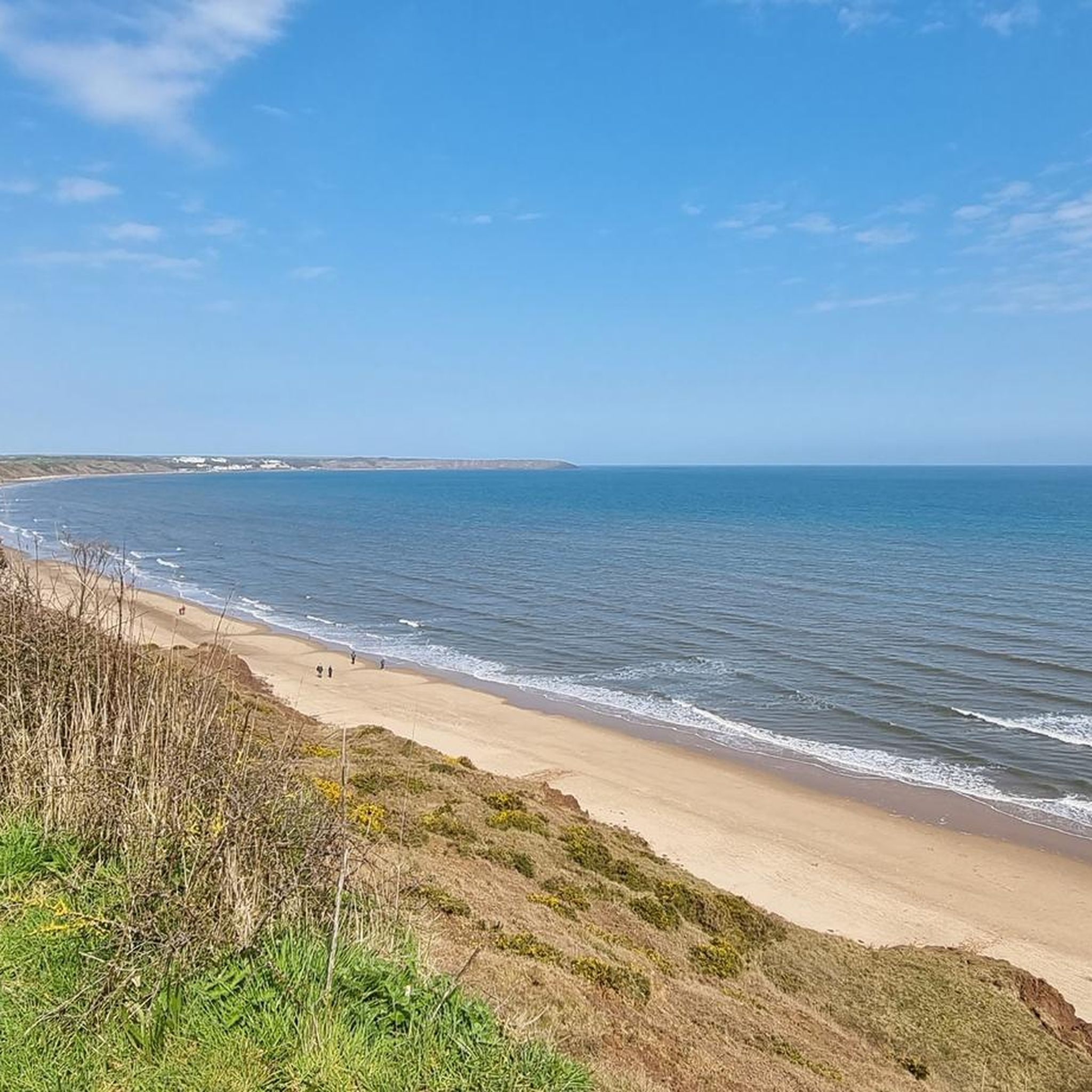
- Visitors also love Hunmanby Sands Beach, a tranquil beach. This vast beach is generally quiet, offering a place to walk along the coast.
- Thwing is known for its historical estates, ancient sites, and coastal natural features. Visitors can explore a variety of landmarks near Thwing, from stately homes to beaches.
- The attractions around Thwing are appreciated by the komoot community, with 17 upvotes and 10 photos shared by visitors.
Last updated: October 5, 2026
Rudston Monolith
Highlight • Natural
Tip by

Sledmere House
Highlight • Monument
Tip by

Sign up now to discover places like this
Get recommendations on the best single tracks, peaks, & plenty of other exciting outdoor places.
Burton Agnes Hall and Gardens
Highlight • Historical Site
The house and gardens are now open to the public from 11 am to 5 pm. There is also a cafe serving delicious cakes. Entrance to the hall and gardens costs £11 per adult. More information: burtonagnes.com
Tip by
Hunmanby Sands Beach
Highlight • Beach
Tip by

World War II Pillboxes on Cayton Bay Beach
Highlight • Monument
Tip by
Sign up for free to discover even more attractions around Thwing.
Already have an account?
Start today with a free account
Your next adventure awaits.
Tips from the Community

A beautiful old mansion with a unique interior and a lovely garden. There's also a good café next door. Ideal for a stop.
0
0

The Rudston monolith is the tallest prehistoric standing stone in Britain, measuring almost 8 metres high, nearly 2 metres wide, a metre thick and estimated to weigh somewhere in the region of a massive 26 tons. This giant block of grey sandstone or gritstone was errected here either in the late Neolithic or early Bronze Age and is thought to have been quarried more than 10 miles away in the Cayton Bay area south of Scarborough, although the glacial transportation of a large block of stone that was then shaped and utilised by the prehistoric residents of the area cannot be ruled out. The top of the stone has been weathered and eroded into a fluted peak similar to the stones of the Devil's Arrows and a lead cap was first added to try to preserve it in the 18th century. The churchyard of All Saints that it stands in is of course much younger and although the christianisation of the site took place around 1100AD the stone had already stood here for at least 3000 years. The monolith stands close to the Gypsey Race, an occasional stream that flows along the floor of the Great Wold Valley from close to the barrow of Duggleby Howe in the east, past another pair of barrows at Wold Newton and Willie Howe before turning south past the Argham Henge and Cursus down to Rudston itself where it bends sharply and heads eastwards to the sea at Bridlington. The whole of the Gypsey Race landscape was obviously important in prehistoric times and holds a rich selection of sites, most of which have been destroyed or badly damaged by ploughing, including many round barrows, several long barrows, four cursuses and at least one henge. It continued to retain its importance into the historic period - a major Roman villa was discovered to the southwest of Rudston village. In the corner of the churchyard is a much smaller stone presumably brought here from a local barrow and also the remains of a double cist that was removed from a nearby barrow on Rudston Beacon by the antiquarian Canon Greenwell in the late 19th century.
0
0

Situated in the churchyard in the village of Rudston, this monolith, which stands at over 25 feet, is the tallest megalith in the United Kingdom.
0
0

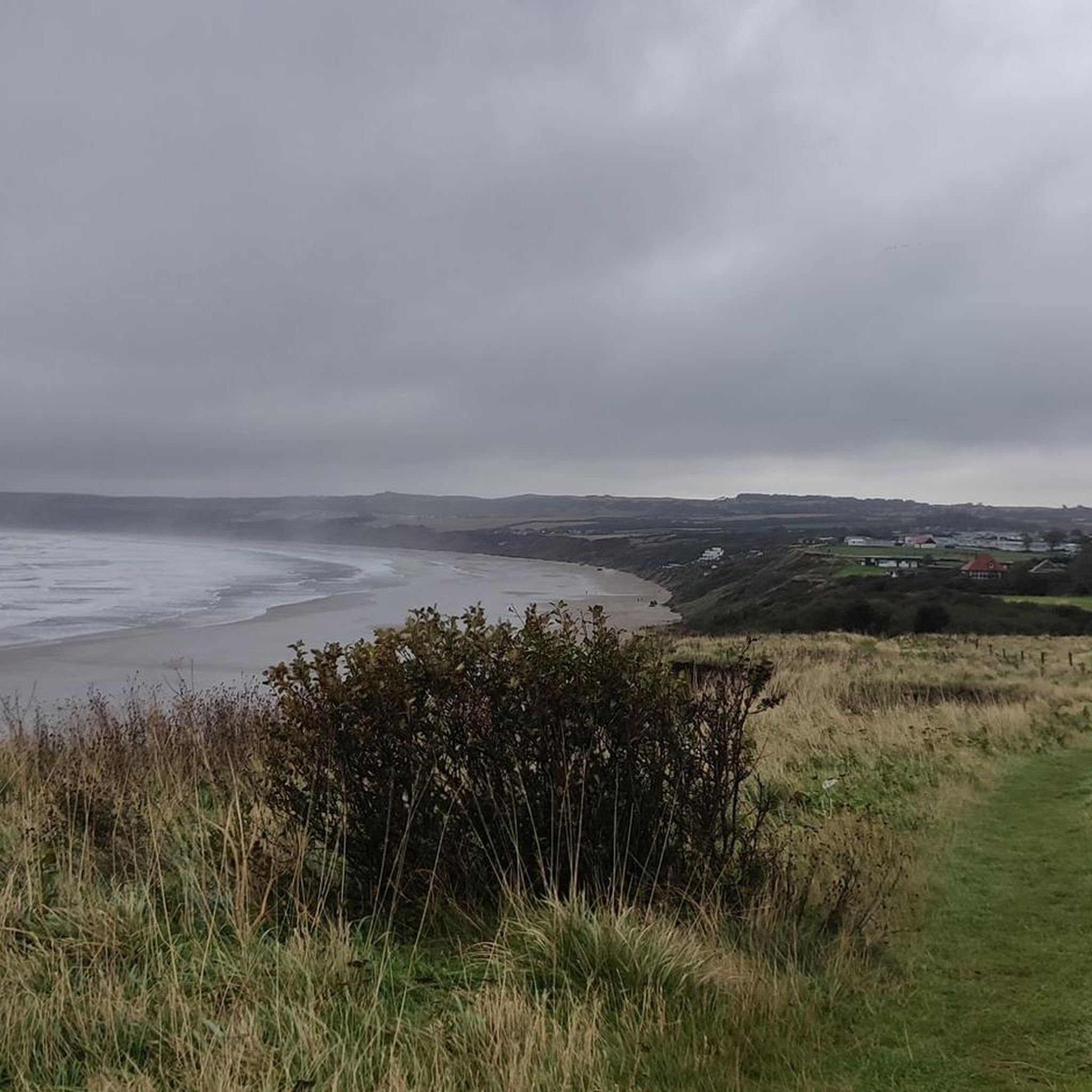
It’s a lot better than the pictures make it look, it was a great ride to the holiday park
0
0

Rudston Monolith is the tallest standing stone in Britain, but receives very few visitors relative to its high standing. The monolith dates from around 2000BCE and is quarried from the Cleveland Hills, west of Whitby. At just shy of 8m high, it would have involved a significant project to shape and transport and install it.
1
0

The monolith is 8 metres high, nearly 2 metres wide and a metre thick. The nearest source for the stone is 10 miles away in the Cayton Bay area. It is unclear if the stone was moved by man or by glacial transport.
0
0

One of the best thing about Hunmanby is the beach at Hunmanby Gap. Drive down Sands Lane and park in the field (the farmer charges a couple of pounds for the whole day). The beach is vast and generally empty. There are no annoying rules so you can take your dog, have a barbecue etc.
0
0

good cafe stop and house and gardens if thats your thing
0
0
Frequently Asked Questions
What historical sites can I explore around Thwing?
Thwing and its surroundings are rich in history. You can visit the magnificent Burton Agnes Hall and Gardens, a stately home built in 1598, or the beautiful Sledmere House, a Georgian country house with extensive parkland. The village itself is home to the 12th-century All Saints' Church and the Wold Cottage Meteorite Monument, commemorating a meteorite fall in 1795. Evidence of ancient settlements, including a Neolithic henge and Bronze Age hill fort, also dots the landscape.
Are there any natural attractions or scenic viewpoints near Thwing?
Yes, Thwing is nestled in the picturesque Yorkshire Wolds, offering an elevated, gently rolling plateau with chalk geology and dry dales. You can enjoy the tranquil Hunmanby Sands Beach, which is generally quiet and perfect for coastal walks. The area also features Willy Howe, a large round barrow, and the dramatic chalk cliffs of Flamborough Head where the Wolds meet the North Sea, providing stunning views.
What outdoor activities can I do near Thwing?
The region around Thwing is excellent for outdoor activities. You can find various routes for road cycling, hiking, and running. For example, there are several easy road cycling loops like the 'Rudston Monolith – Wold Newton Village Green loop from Thwing' or easy hikes such as the 'South Side Plantation – Zigzag Plantation loop from Rudston'. Explore more options on the Road Cycling Routes around Thwing, Easy hikes around Thwing, and Running Trails around Thwing guide pages.
Are there family-friendly attractions in the Thwing area?
Absolutely. Both Sledmere House and Burton Agnes Hall and Gardens are marked as family-friendly, offering gardens and estates to explore. Hunmanby Sands Beach is also a great spot for families to enjoy the coast. Additionally, the Cayton Bay Beach Cafe provides a convenient stop for refreshments near the beach.
Where can I find a good cafe or pub near Thwing?
For refreshments, Sledmere House has a cafe and farm shop that are free to visit and offer homemade cakes. Burton Agnes Hall and Gardens also features a cafe with delicious cakes. Near the coast, the Cayton Bay Beach Cafe is known for its quality food and local knowledge. In Thwing village, The Falling Stone pub (formerly The Rampant Horse) is a local option.
What is the best time to visit Thwing for outdoor activities?
The Yorkshire Wolds and coastal areas around Thwing are enjoyable throughout the warmer months, typically from spring to autumn, when the weather is milder and more conducive for hiking, cycling, and exploring the estates and gardens. However, the cafes and farm shops at Sledmere House and Burton Agnes Hall are open for much of the year, providing options even in cooler weather.
Are there any dog-friendly places or walks around Thwing?
Yes, Hunmanby Sands Beach is noted as dog-friendly, allowing visitors to enjoy walks along the vast, generally quiet coastline with their pets. Many of the public footpaths and trails in the Yorkshire Wolds are also suitable for dog walking, though it's always advisable to keep dogs on a lead, especially near livestock.
What are some lesser-known historical points of interest in the area?
Beyond the stately homes, the area around Thwing holds fascinating archaeological history. Evidence of human activity dates back to the Neolithic Era, with a henge discovered at Paddock Hill. There are also indications of a Bronze Age hill fort, Anglo-Saxon settlements, and Roman occupation. The Wold Cottage Meteorite Monument commemorates a significant event in natural history.
Can I find any World War II historical sites near Thwing?
Yes, along the coastline, you can discover World War II Pillboxes on Cayton Bay Beach. These old pillboxes were originally used as lookouts to spot approaching enemy forces. Many have fallen onto the beaches due to erosion, but some still stand as a testament to the area's wartime past.
What do visitors enjoy most about the attractions around Thwing?
Visitors particularly appreciate the blend of historical grandeur and natural beauty. The stately homes like Burton Agnes Hall and Gardens and Sledmere House are praised for their unique interiors, beautiful gardens, and excellent cafes. The tranquil and immaculate Hunmanby Sands Beach is loved for its quiet atmosphere and opportunities for peaceful walks.
Are there any specific cycling routes recommended near Thwing?
Yes, the area offers several cycling routes. For road cyclists, you can find easy to moderate loops such as the 'Rudston Monolith – Burton Agnes Hall and Gardens loop from Burton Fleming' or the 'Sledmere House – Sledmere War Memorial loop from Wold Newton'. These routes allow you to explore the scenic Wolds and visit key landmarks. More details are available on the Road Cycling Routes around Thwing guide page.
What kind of terrain can I expect on walks around Thwing?
Walks around Thwing primarily traverse the Yorkshire Wolds, characterized by an elevated, gently rolling plateau. The terrain is largely chalk-based, featuring numerous dry dales formed during the last ice age. You can expect a mix of open fields, quiet country lanes, and some wooded sections, with generally manageable inclines suitable for various fitness levels.
Most popular routes around Thwing

Get inspired with the komoot mobile app


Explore more
Still not found the Highlight you’re looking for? See guides of the top attractions in other regions:
