Attractions and Places To See around Lyng - Top 20
Best attractions and places to see around Lyng, a village in Norfolk, UK, offer a blend of natural beauty and historical insights. The area features serene nature reserves, ancient churches, and engaging trails. Visitors can explore diverse landscapes, from woodlands and meadows to riverside paths along the tranquil River Wensum. Lyng provides opportunities to connect with nature and discover local heritage.
Best attractions and places to see around Lyng
- The most popular attraction is Marriott's Way, a cycle way that runs 39.5 km from Norwich to Aylsham. This traffic-free path is open to walkers, cyclists, and horse riders, following the route of a railway that operated until 1985.
- Another must-see spot is Sparham Pools Nature Reserve, a wetland nature reserve in a former gravel quarry. Its clear chalk streams support a diverse array of wildlife, including various duck species.
- Visitors also love St Agnes' Church, Cawston, a religious building with parts dating back to about 1300. The church features interesting gargoyles, a hammerbeam roof with carved angels, and a 15th-century rood screen.
- Lyng is known for its nature reserves, historical churches, and scenic trails. The area offers a variety of attractions to see and explore, from natural landscapes to significant historical sites.
- The attractions around Lyng are appreciated by the komoot community, with 9 upvotes and 14 photos shared by visitors.
Last updated: May 4, 2026
Sparham Pools Nature Reserve
Highlight • Natural
Tip by

Marriott's Way
Highlight • Cycleway
Tip by

Sign up now to discover places like this
Get recommendations on the best single tracks, peaks, & plenty of other exciting outdoor places.
Sign up for free
St Edmund's Church, Taverham
Highlight • Historical Site
Tip by
Marriott's Way
Highlight • Trail
Tip by

St Agnes' Church, Cawston
Highlight • Religious Site
Tip by

Sign up for free to discover even more attractions around Lyng.
Sign up for free
Already have an account?
Start today with a free account
Your next adventure awaits.
Login or Signup


Tips from the Community

Sparham Pools is a wetland nature reserve in a former gravel quarry. The chalk streams that feed the ponds are clear and clean and the area is now rich in wildlife. Look out for a variety of duck species, including Shoveler, Gadwall, Pochard, and Tufted duck, as well as the less common Goldeneye and Goosander.
0
0

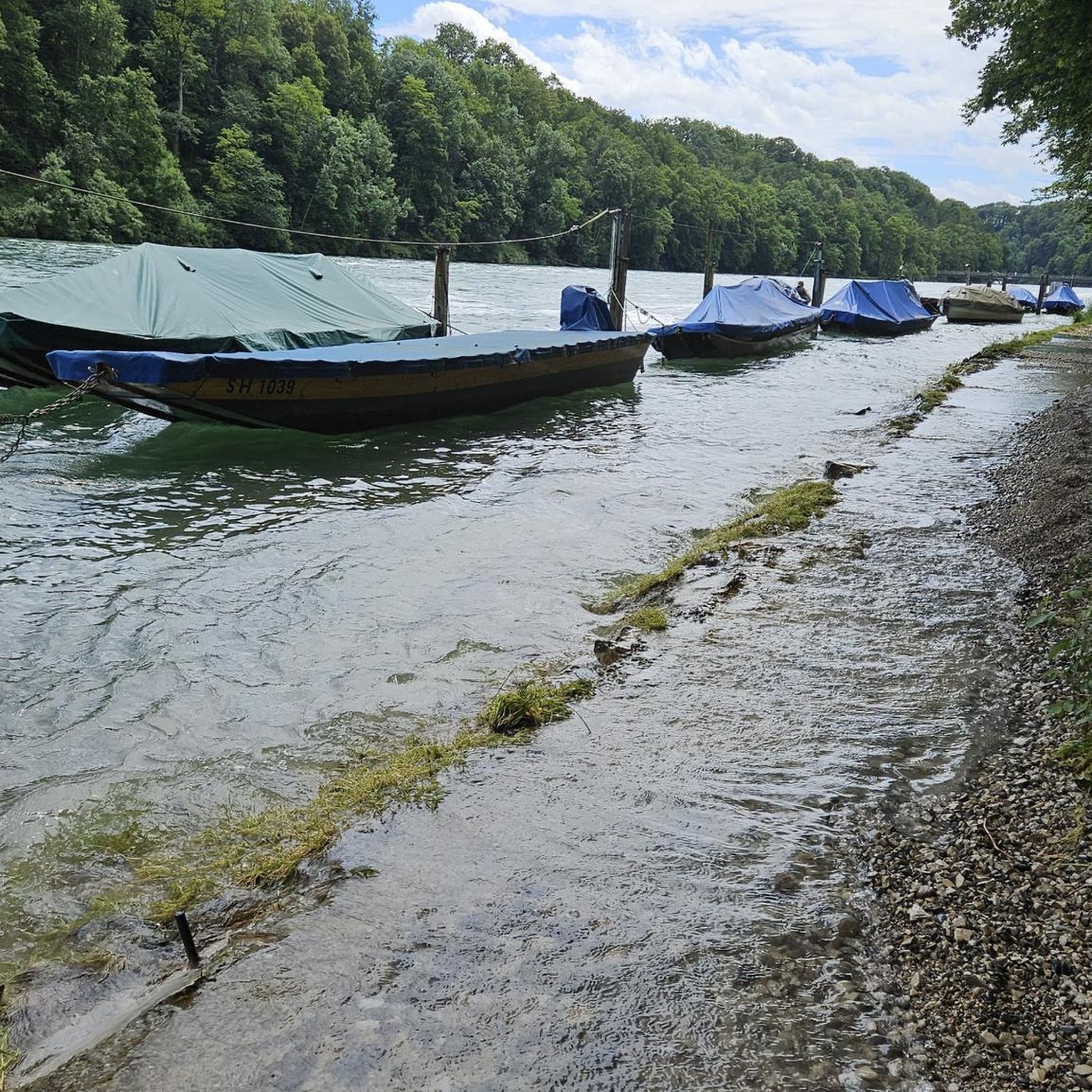
A walk along Wensum Way offers a delightful experience filled with beautiful scenery, diverse wildlife, and charming views. Here are some highlights you can expect: 1. **Picturesque Landscapes**: The Wensum Way winds through varied landscapes, including woodlands, meadows, and riverside paths, providing picturesque views of the Norfolk countryside. 2. **Rich Wildlife**: As you stroll along the path, you'll have the opportunity to spot a variety of wildlife, such as deer, hares, otters, and a wide range of bird species. 3. **Tranquil Rivers**: The walk follows the River Wensum, offering peaceful riverside views and the soothing sounds of flowing water. 4. **Historic Sites**: Along the way, you'll encounter historic sites, including medieval churches, old mills, and charming villages, providing insight into the region's rich history and culture. 5. **Relaxation and Exercise**: The Wensum Way offers a relaxing and enjoyable walk, allowing you to connect with nature while engaging in physical activity.
0
0

As of 9th May 2023, parts of Marriotts Way north of Drayton are a total mudbath and only suitable for MTBs. The surface coming into Norwich is worn out and bumpy but at least dry.
0
0

Journeying between Aylsham and Norwich, Marriott's Way is a traffic free trail for hikers and cyclists. It follows the routes of two disused railway lines for 26 miles (42 km). The route makes an intriguing curve, known as the Themelthorpe Loop, around Reepham which can be made into a circular hike of around six miles (10 km). This was said to be the sharpest railway bend in the UK and was created to join the two railway lines. For more information see the guidebook https://www.marriottsway.info/assets/marriotts-downloads/guides/Marriotts-Way-Guide-Book.pdf
0
0

St Edmund’s church in Taverham has an unusual outer appearance with its thatched chancel which looks slightly higher than the nave. The tower here has 11th century origins, with a lower, west slit window having a flint frame. Higher up on the south side is a stone-framed window, which indicates later 11th century work. It is reported that there was a lightning strike in 1459, causing much damage to the tower, nave and chancel. More: https://www.roundtowerchurches.net/norfolk/norfolk-s-y/taverham-2/
0
0
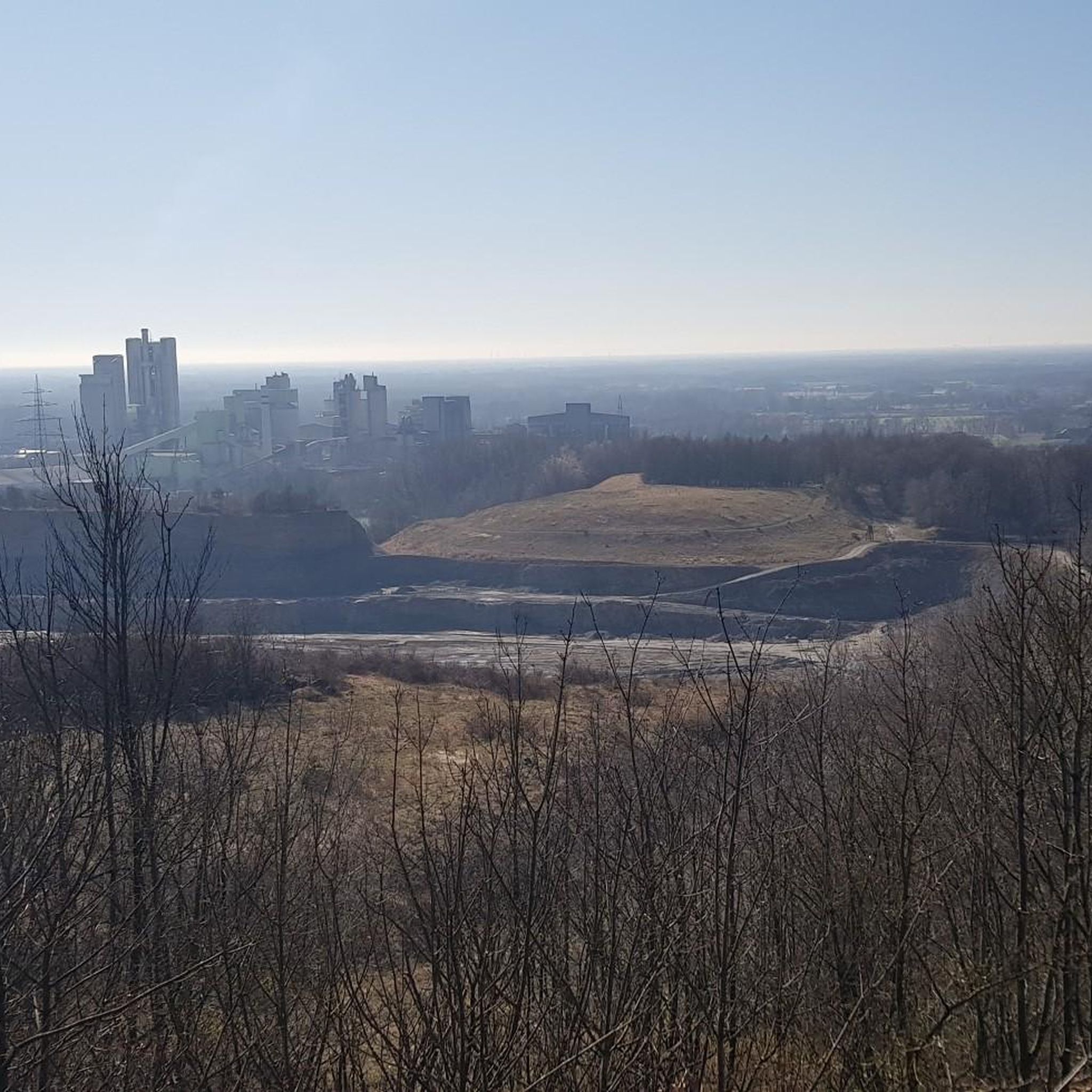
Nature at its best. This area can get flooded in the winter months. Waterproof boots are a must have.
1
0


The church consists of a tall west tower, nave, north and south aisles, north and south transepts, chancel and south porch. The earliest parts are the chancel and north transept, which are from about 1300. The rest of the building is late 14th and early 15th century, and was built by Sir Michael De La Pole, first Earl of Suffolk, and his wife Catherine (except the north aisle, built by Robert Oxburgh). Construction is of flint, except the tower, which is faced in freestone. There are interesting gargoyles below the parapets. Inside is a hammerbeam roof to the nave with carved angels, a 15th century rood screen with original painted panels, medieval stained glass, poppy-headed benches, a 15th century pulpit and a medieval alms box.
1
0
Frequently Asked Questions
What natural attractions can I explore around Lyng?
Lyng offers several natural attractions. You can visit Sparham Pools Nature Reserve, a wetland reserve known for its clear chalk streams and diverse birdlife, including Shoveler, Gadwall, and Goldeneye ducks. The reserve is a former gravel quarry, now a haven for nature. Additionally, the Wensum Way provides picturesque landscapes along the tranquil River Wensum, where you can spot deer, hares, and various bird species.
Are there any historical sites or churches to visit near Lyng?
Yes, Lyng and its surroundings are rich in history. You can explore St Agnes' Church, Cawston, a significant historical site with parts dating back to about 1300, featuring interesting gargoyles and a 15th-century rood screen. Another notable site is St Edmund's Church, Taverham, a Grade-I listed church thought to be pre-Norman with a striking round tower. The fragmentary ruins of St Edmund's Chapel, Lyng, also offer a glimpse into the area's past.
What outdoor activities are available for cyclists and walkers near Lyng?
The area around Lyng is excellent for outdoor activities. The Marriott's Way is a popular traffic-free path running 39.5 km from Norwich to Aylsham, suitable for walkers, cyclists, and horse riders. It follows the route of a former railway line. For more cycling options, you can explore various routes in the Cycling around Lyng guide, which includes easy to moderate routes like the 'Marriott's Way – Plantation Bridge loop from Reepham'.
Are there family-friendly attractions in the Lyng area?
Beyond the natural beauty and historical sites, the wider Norfolk area near Lyng offers several family-friendly attractions. ROARR! in Lenwade is a popular tourist attraction for all ages, located approximately 2.5 miles away. Redwings Horse Sanctuary Aylsham and Bure Valley Railway in Aylsham are also suitable for families and are within a short drive.
What is the Lyng Heritage Trail?
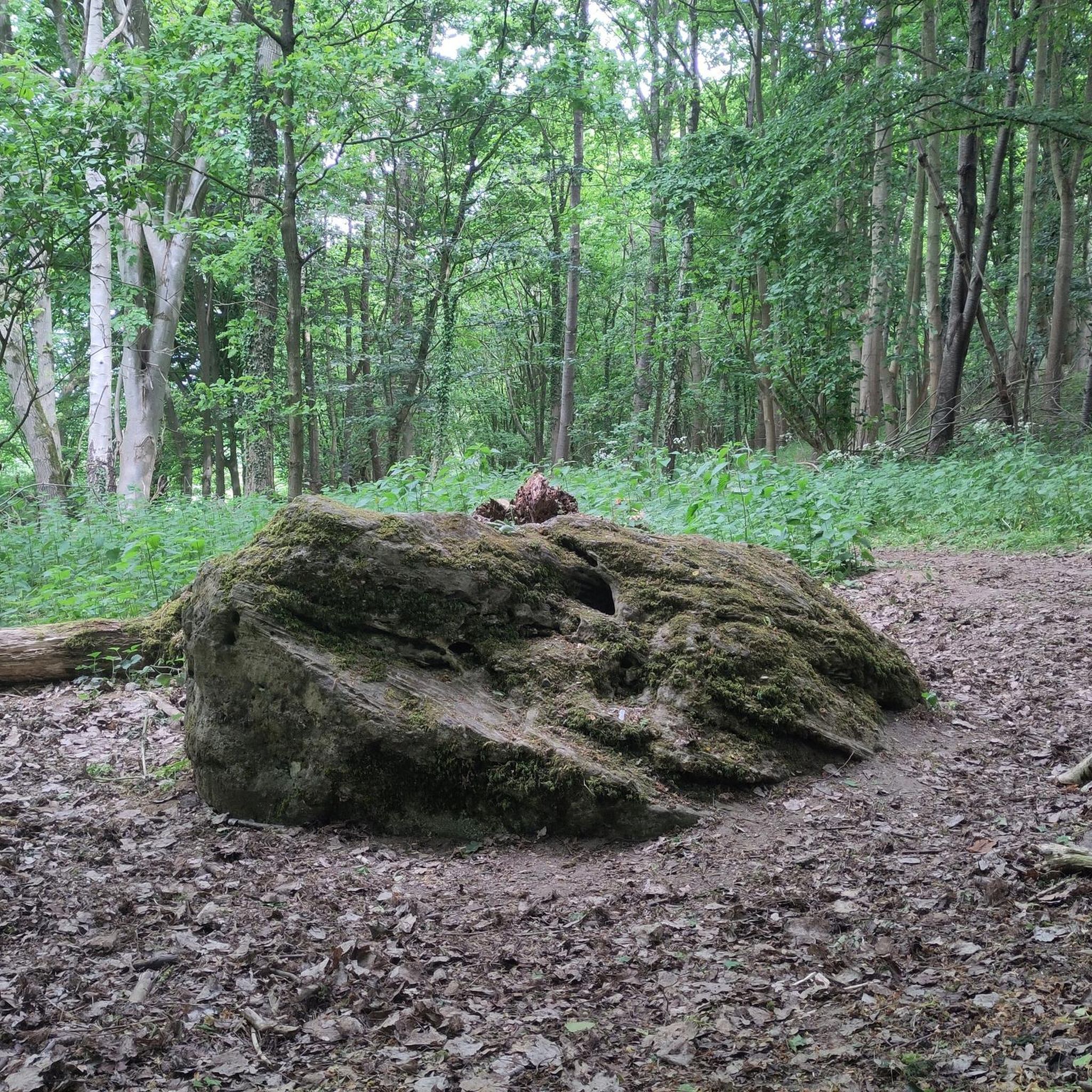
The Lyng Heritage Trail offers fine views over the Wensum valley and includes points of interest such as a World War Two pillbox and the ruins of St Edmund's Chapel. It also highlights the Great Stone of Lyng, which is shrouded in local legends, including tales of it bleeding and buried treasure. You can find more details about the trail on the Norfolk Heritage Explorer website.
What kind of wildlife can I expect to see at Sparham Pools Nature Reserve?
Sparham Pools Nature Reserve is known for its diverse wildlife, particularly various duck species. Keep an eye out for Shoveler, Gadwall, Pochard, and Tufted duck, as well as the less common Goldeneye and Goosander. The clear chalk streams also support a rich ecosystem, making it a great spot for nature observation.
Are there any running trails near Lyng?
Yes, there are several running trails around Lyng. You can find options ranging from easy to difficult, such as the 'Whitwell Cut-Through – Wasp Beetle loop from Sparham' or the '100 Year Wood loop from Lyng'. For a comprehensive list and details, refer to the Running Trails around Lyng guide.
What is the significance of the Great Stone of Lyng?
The Great Stone of Lyng is a local landmark featured on the Lyng Heritage Trail. It is steeped in local legends, with tales suggesting it bleeds, that birds do not sing nearby, and that buried treasure lies beneath it. It's a point of local folklore and interest for visitors.
What is the best time to visit Sparham Pools Nature Reserve?
While Sparham Pools Nature Reserve offers nature at its best year-round, it's important to note that the area can get flooded in the winter months. If visiting during winter, waterproof boots are highly recommended to ensure a comfortable experience.
What is the Marriott's Way and how long is it?
The Marriott's Way is a traffic-free path that runs for 39.5 km (24.6 miles) from Norwich to Aylsham. It follows the route of a railway that operated until 1985 and is open to walkers, cyclists, and horse riders. The path features varied surfaces, so be prepared for mud if it has been raining.
Are there any unique architectural features in the churches around Lyng?
Yes, the churches in the area boast unique architectural features. St Agnes' Church, Cawston, is known for its interesting gargoyles, a hammerbeam roof with carved angels, and a 15th-century rood screen with original painted panels. St Edmund's Church, Taverham, stands out with its striking round tower, which gives it a castle-like appearance and dates back to pre-Norman times.
What is the Mill House in Lyng?
The Mill House, located east of Lyng village on the River Wensum, is the site of an 18th-century paper mill. Although the mill itself was rebuilt multiple times after fires and riots, the attractive 18th-century brick mill house, with its unusual central chimney stack and a narrow three-arched bridge, still stands today.

Get inspired with the komoot mobile app


Explore more
Still not found the Highlight you’re looking for? See guides of the top attractions in other regions:
