The best walks and hikes around Catfield
4.6
(798)
4,658
hikers
196
hikes
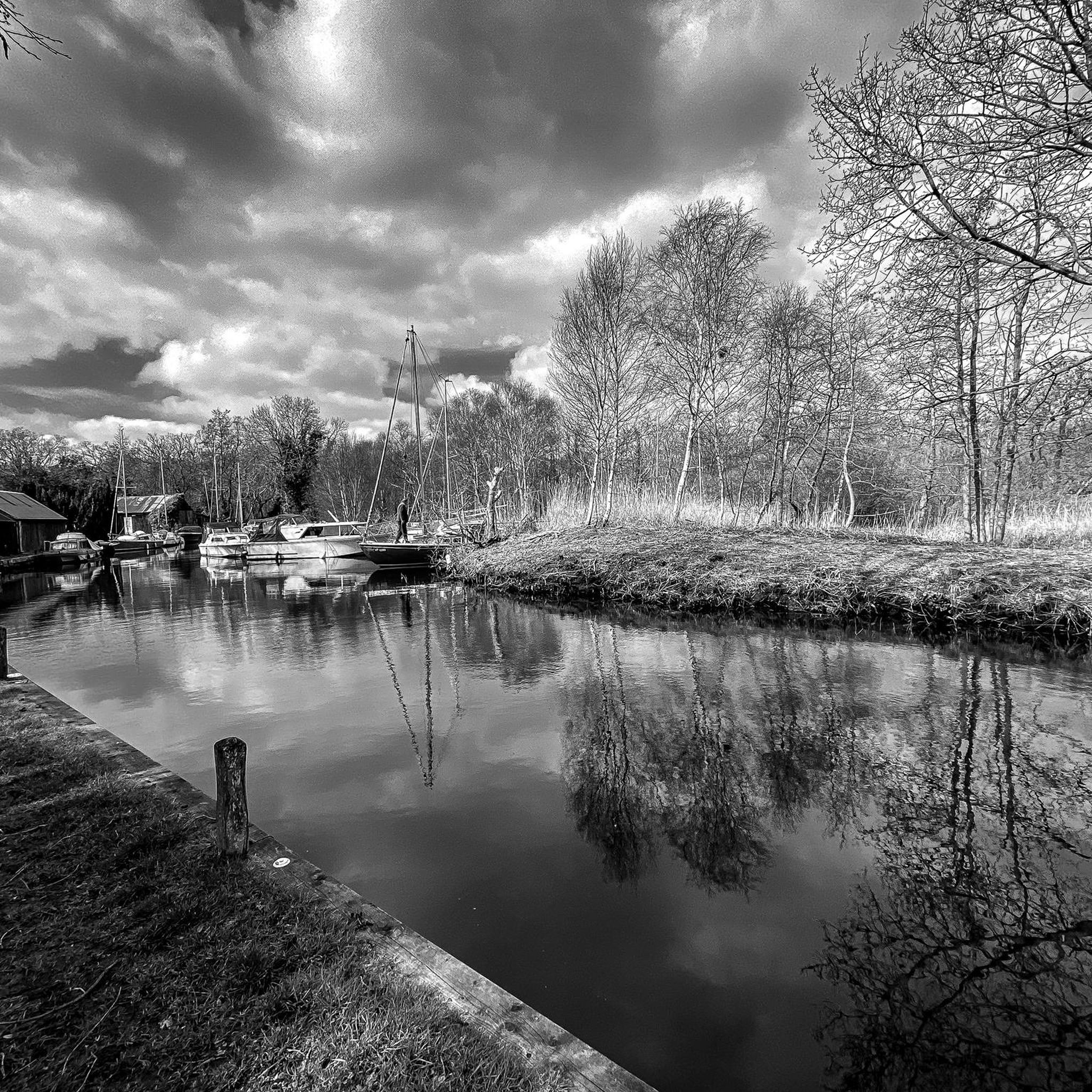
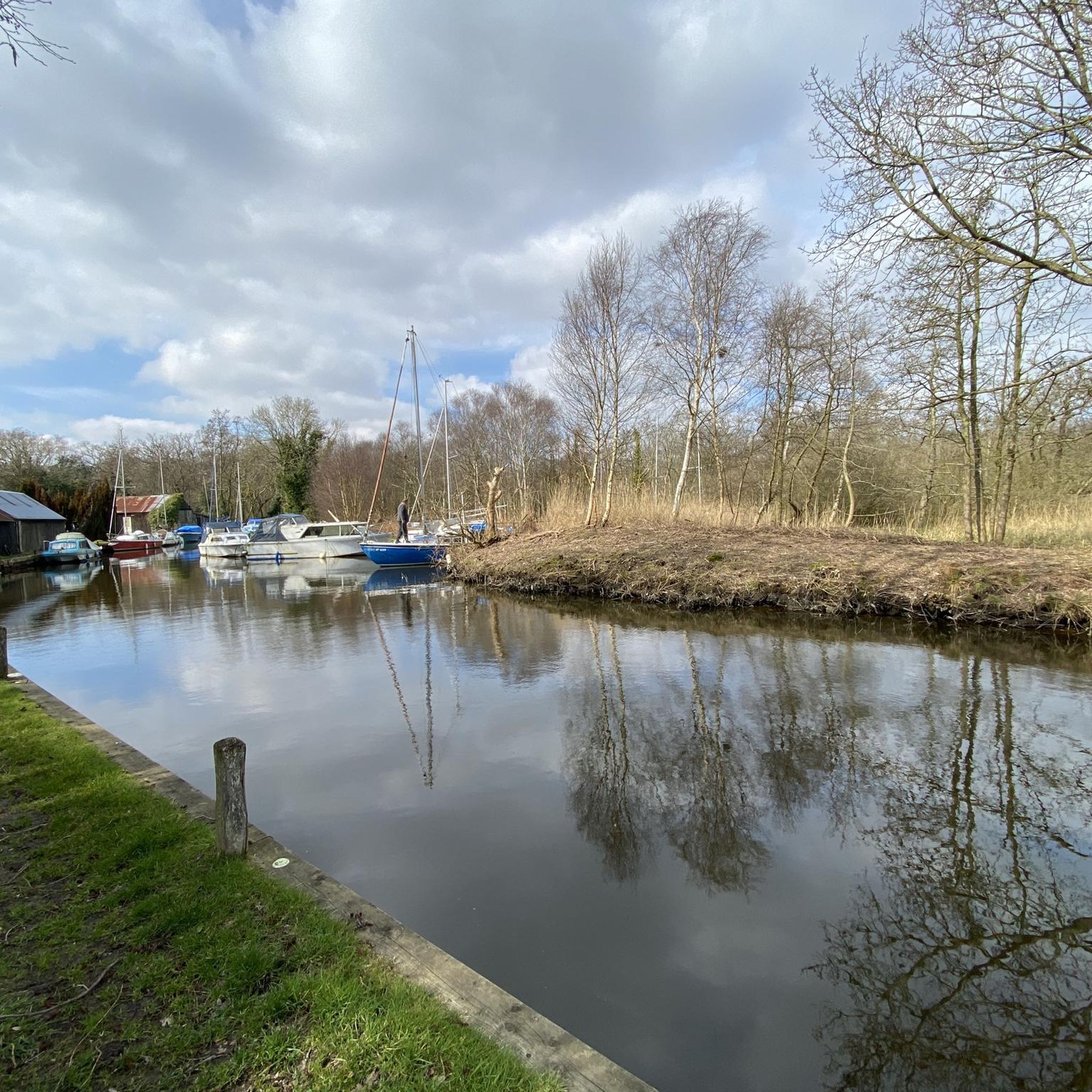
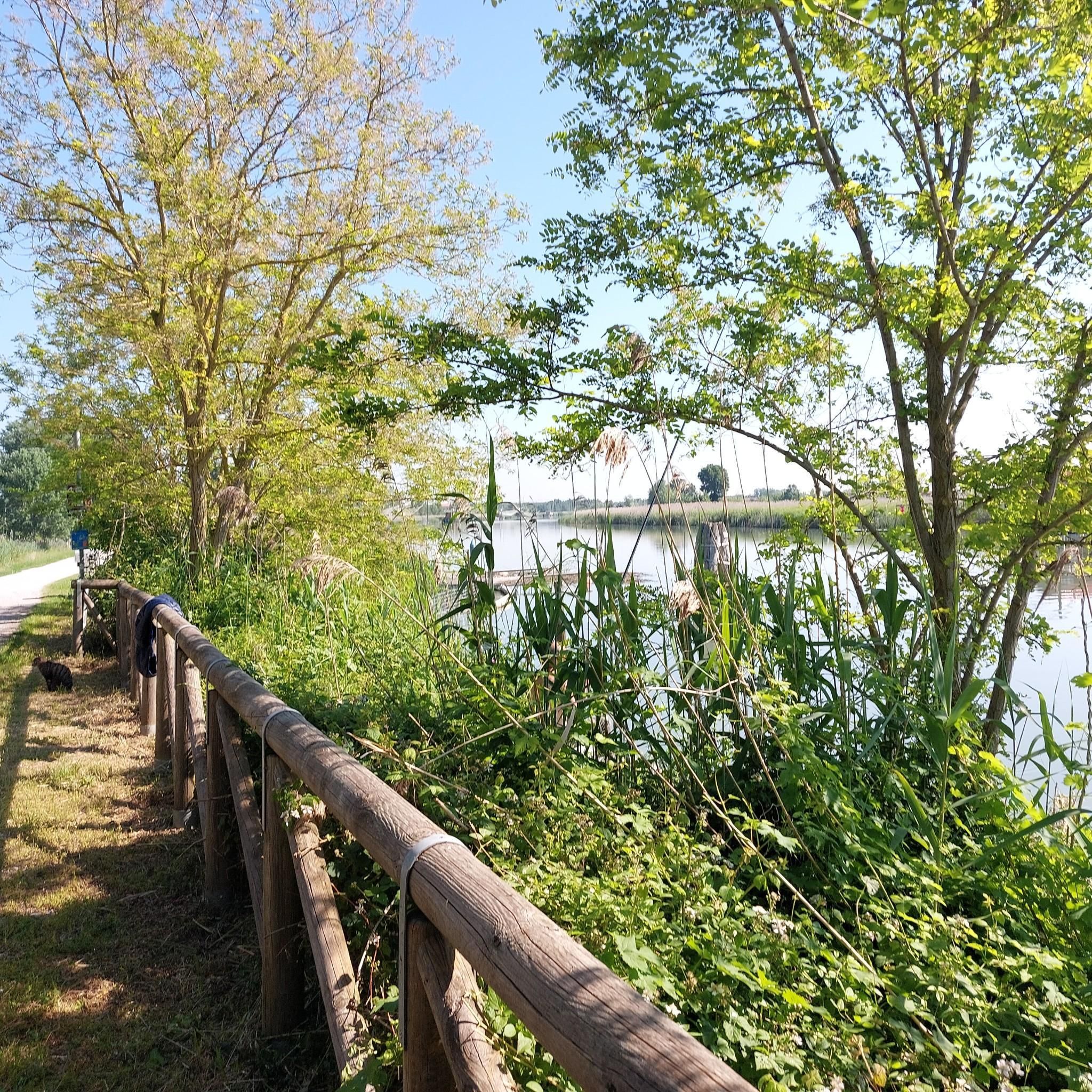
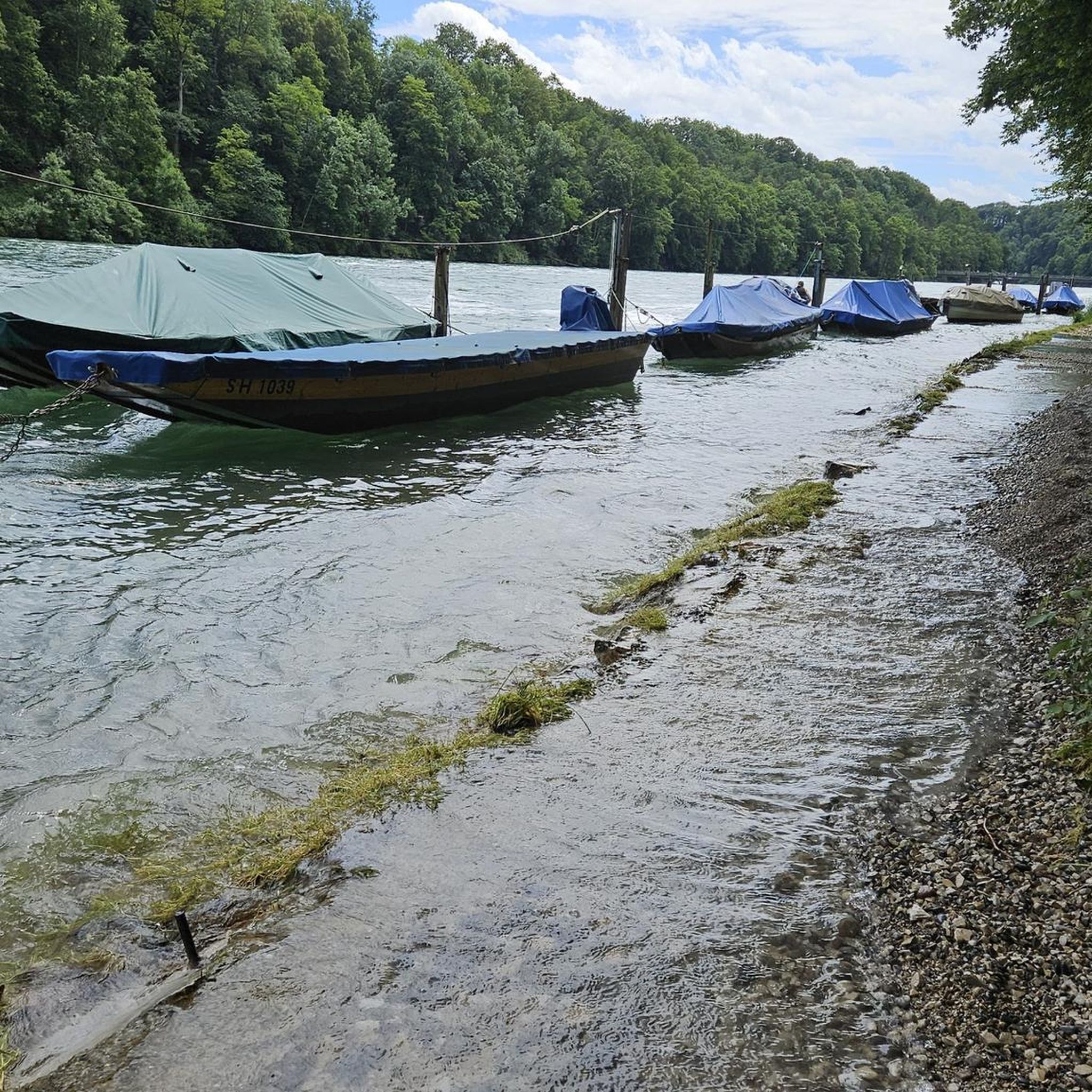
Hikes around Catfield explore the landscape of the Norfolk Broads, Britain's largest protected wetland. The region is characterized by a mosaic of open water, reedbeds, and fens connected by quiet country lanes and riverbank paths. The terrain is predominantly flat, making it accessible for various fitness levels.
Best hiking trails around Catfield
- The most popular hiking route is How Hill to St. Benet’s Abbey – best walks in the Broads, a 6.6 mile (10.7 km) trail that takes about 2 hours 45 minutes to complete. This route combines broadland scenery with a visit to the historic ruins of St. Benet's Abbey.
- Another top favourite among local hiking enthusiasts is Potter Heigham to Hickling Broad – autumn in the Broads, an easy 3.8 mile (6.1 km) path. The trail offers views across Hickling Broad, the largest of the Norfolk Broads.
- Local hiking enthusiasts also love the Barton Broad boardwalk loop from Irstead — The Broads, a 2.5 mile (4.1 km) trail leading through wetland habitats, often completed in about 1 hour.
- Hiking around Catfield is defined by wetland fens, riverbank paths, and expansive broads. The network of walking trails in the Catfield Broads offers routes suitable for different ability levels, from short boardwalks to longer circular hikes.
- The routes in Catfield are highly rated by the komoot community with an average score of 4.6 stars from over 650 reviews. More than 4,300 hikers have used komoot to explore Catfield's varied terrain.
Last updated: August 12, 2026
4.4
(12)
87
hikers
10.7km
02:43
30m
30m
Moderate hike. Good fitness required. Easily-accessible paths. Suitable for all skill levels.
4.3
(7)
32
hikers
6.10km
01:32
10m
10m
Easy hike. Great for any fitness level. Easily-accessible paths. Suitable for all skill levels.

Sign up for free
4.0
(2)
21
hikers
4.07km
01:02
10m
10m
Easy hike. Great for any fitness level. Easily-accessible paths. Suitable for all skill levels.
4.8
(15)
74
hikers
7.51km
01:54
20m
20m
Easy hike. Great for any fitness level. Easily-accessible paths. Suitable for all skill levels.
5.0
(2)
32
hikers
14.8km
03:46
30m
30m
Moderate hike. Good fitness required. Easily-accessible paths. Suitable for all skill levels.
Get access to more routes and recommendations from other explorers.
Sign up for free
Already have an account?
Our route recommendations are based on thousands of hikes, rides, and runs completed by other people on komoot.
Start today with a free account
Your next adventure awaits.
Login or Signup

Tips from the Community

Owned by the Norfolk Archaeological Trust, the ruin of St Benet's Abbey is an evocative sight. At the height of the 12th century, this monastery would have been a major force in the region. Today, the remains stand silent on the banks of the River Bure, testament to a former glory.
1
0
One of three official visitor centres in the Broads, Toad Hole Cottage is full of information regarding the national park. This delightful marshman's cottage was inhabited during Victorian times and has been left in its original state, allowing visitors to imagine what it was like to live and work here. You can also buy tickets for a local wildlife walking trail.
0
0
A wonderful place for a gentle amble all year round, Hickling Broad is a haven for wildlife. The nature reserve here covers 1,500 acres (600 ha), while the lake is the largest of all in the Broads, as well as having the largest reedbed in England. The birdlife is a treat at any time of year, while there's always the chance of spotting the iconic swallowtail butterfly.
0
0
A wonderfully attractive building, St Nicholas' is known for its hammerbeam roof and its unique 15th-century brick font. It’s set slightly away from the village, overlooking picturesque fields. The round tower originated in the 12th century, though its superb octagonal extension dates from the 14th century.
0
0

Things to know: First of all, it is a delightful walk. If you begin at Ludham Bridge, there are plenty of places to park along the road. They are free parking pull-outs, so you're not exposed to parking on a narrow street. There is a bakery and public toilets. Although the walk parallels the river, you're not really next to it, except for a couple of spots. Nonetheless it's still very picturesque. Most of the path was easy to navigate accept for one short stretch where the tall grass had obscured the trail. It was very short, and if you look to your left, you'll see the posts of a short bridge, so just aim for that. At about the halfway point is How Hill Estate. It's rather a dramatic building with a thatched roof. Unusual for a building that size. I think you can get a room there if you're not from the area. There's a large lawn there, a place to watch the boats and, most importantly, public toilets and take-away café. It can be busy on the weekends so pick your day. Although we were there on a Sunday in July and it wasn't bad. Then it's back the way you came. FYI The Dog pub is just a short, safe, walk up the road from the start/end of the walk, in case you're interested.
0
0

The idyllic village of Irstead is located on the edge of the Norfolk Broads, nestled alongside the river Ant. The village features a number of quaint thatched cottages, a picturesque church, and a pleasant rural charm.
1
0
This viewpoint looks over the expansive freshwater lake of Barton Broad in Norfolk. The lake features gorgeous reed beds and waterlilies that provide home for a number of wonderful bird species including marsh harriers, bitterns, and great crested grebes. Boating enthusiasts are often seen exploring the lake's waters too.
1
0

Only reachable by boat across the River Ant, Turf Fen Drainage Mill is an attractive 19th-century windmill. It was built to drain the marsh behind it so that livestock could graze on the land. It has been restored by the Norfolk Windmills Trust, after falling out of use in 1920.
0
0
Frequently Asked Questions
Are there many circular walks available around Catfield?
Yes, the area is well-suited for circular hikes. A great example is the Turf Fen Drainage Mill – River Ant in The Broads loop from Irstead Street, a 7.5 km walk that showcases the region's iconic drainage mills and follows the River Ant.
Can I bring my dog on the trails?
Many trails in the Norfolk Broads are suitable for dogs, especially those on public footpaths and quiet lanes. However, when walking near nature reserves like Catfield Fen or areas with livestock and ground-nesting birds, it's crucial to keep your dog on a lead to protect the sensitive wildlife.
What are some good, easy walks for families?
The terrain around Catfield is mostly flat, making it ideal for family outings. The Barton Broad boardwalk loop from Irstead — The Broads is particularly good for all ages. It's a short, accessible 4.1 km trail that offers an immersive experience of the wetland habitat without being too strenuous.
What kind of wildlife can I expect to see?
The Catfield area is a wildlife paradise. It's a stronghold for the UK's largest native butterfly, the swallowtail butterfly, and the rare fen orchid. Birdwatchers can look for bitterns and marsh harriers, while the dykes are home to Norfolk Hawker dragonflies and water voles.
Is it possible to visit Catfield Fen itself?
Public access to the Catfield Fen reserve is restricted to protect its fragile ecosystem. However, you can get excellent views of this unique wetland habitat from a public footpath located at the end of Fenside Lane.
What is the terrain like on the hikes around Catfield?
The hiking is predominantly flat, following river banks, quiet country lanes, and designated footpaths through the fens and broads. While most routes are easy, you'll find some moderate options like the 14.8 km River Ant in The Broads – Turf Fen Drainage Mill loop from Irstead Street, which requires more stamina due to its length.
Where can I park for walks in the area?
Parking is available at various points depending on your chosen trail. For walks starting at How Hill, there is a car park at the How Hill National Nature Reserve, where a donation is often requested. Other trailheads may have lay-bys or designated village parking, so it's best to check the start point of your specific route.
Can I reach the trailheads using public transport?
Reaching trailheads in this rural area by public transport can be challenging. Bus services connect some of the larger villages, but they may be infrequent. For the most flexibility in accessing different walks, travelling by car is generally recommended.
What do other hikers say about the trails around Catfield?
The komoot community rates the routes around Catfield very highly, with an average score of 4.6 stars. Hikers often praise the serene atmosphere, the unique Broads landscape with its reedbeds and mills, and the abundant opportunities for wildlife spotting.
Are there any historic sites to see on the walks?
Yes, several walks incorporate local history. A popular choice is the How Hill to St. Benet’s Abbey – best walks in the Broads hike, which leads you directly to the historic ruins of a medieval monastery, a key landmark in the Broads.
What is the best time of year to hike in Catfield?
Hiking is rewarding year-round, but late spring and summer are ideal for seeing the famous swallowtail butterflies and fen orchids. Autumn offers beautiful colours across the Broads, as highlighted by the Potter Heigham to Hickling Broad – autumn in the Broads walk.
How many hiking trails are there to choose from?
There is a wide variety of options, with over 200 hiking routes to explore around Catfield. These range from short, easy strolls of just a few kilometres to longer, more challenging day hikes, ensuring there's a trail for every fitness level.
Most popular routes around Catfield
Most popular attractions around Catfield

Get inspired with the komoot mobile app


Explore more
Browse the best Hikes in other regions.
