Top 3 Castles around Rougham
Castles around Rougham, Suffolk, offer a journey through historical landscapes and architectural remnants. The area is characterized by deep historical roots, including the significant ruin of Rougham Hall, which dates back to the early 19th century and was damaged during World War II. Lawneys Farmhouse, a moated medieval dwelling mentioned in the Domesday Book, provides further insight into the region's past. These sites, along with others in the surrounding areas, offer diverse exploration opportunities for those interested in Rougham Hall history and visitor information.
Best castles around Rougham
- The most popular castles is Castle Acre Castle and Bailey Gate, a castle that is an extraordinarily well-preserved example of a motte-and-bailey castle. It is hailed as one of the country's most impressive Norman earthworks and is free to enter.
- Another must-see spot is Castle Acre Priory, a religious building and historical site. This site is one of England's most extensive and best-preserved monastic sites, dating to 1090, and was home to the first Cluniac order of monks in England.
- Visitors also love Mileham Castle Ruins, a historical site. This site features the largest motte and bailey castle in Norfolk, with its layout and moat clearly visible.
- Rougham is known for historical sites including castle ruins, monastic sites, and motte-and-bailey castles. The variety of historical structures provides diverse exploration opportunities for visitors.
- The castles around Rougham are appreciated by the komoot community, with more than 60 upvotes and 17 photos shared by users.
Last updated: May 4, 2026
Castle Acre Castle and Bailey Gate
Highlight • Castle
Tip by

Castle Acre Priory
Highlight • Religious Site
Tip by
Sign up now to discover places like this
Get recommendations on the best single tracks, peaks, & plenty of other exciting outdoor places.
Sign up for free
River Nar Ford at South Acre Road
Highlight • River
Tip by

Mileham Castle Ruins
Highlight • Historical Site
Tip by

Start today with a free account
Your next adventure awaits.
Login or Signup



Tips from the Community

One of the most impressive set of priory ruins in the east of England. Only visit if you're not wearing road cleats though.
0
0

Castle Acre Priory is one of the largest and best-preserved monastic sites in England, dating back to 1090. It was the home of the first Cluniac order of monks in England and the Cluniac love of decoration is everywhere reflected in the extensive ruins. There is much to see at the priory, including the beautiful west end church gable, prior’s lodging and substantial remains of many of the buildings round the cloister. Herbs are grown in the recreated herb garden, which the monks would have used for medicinal, culinary and decorative purposes. Such an amazing place and very atmospheric around sunset, it does cost to get in and closes early but is worth, you can walk around the outskirts for free and this is best down at sunset or sunrise, a truly beautiful spot full of history. https://www.english-heritage.org.uk/visit/places/castle-acre-castle-acre-priory/
0
0
Lovely crossing to the south of Castle Acre if you come in following the Peddars way, there is a view out to the old Monastery.
0
0
Impressive remains but only viewable from a distance unless you're an English Heritage member or pay the entrance fee.
0
0
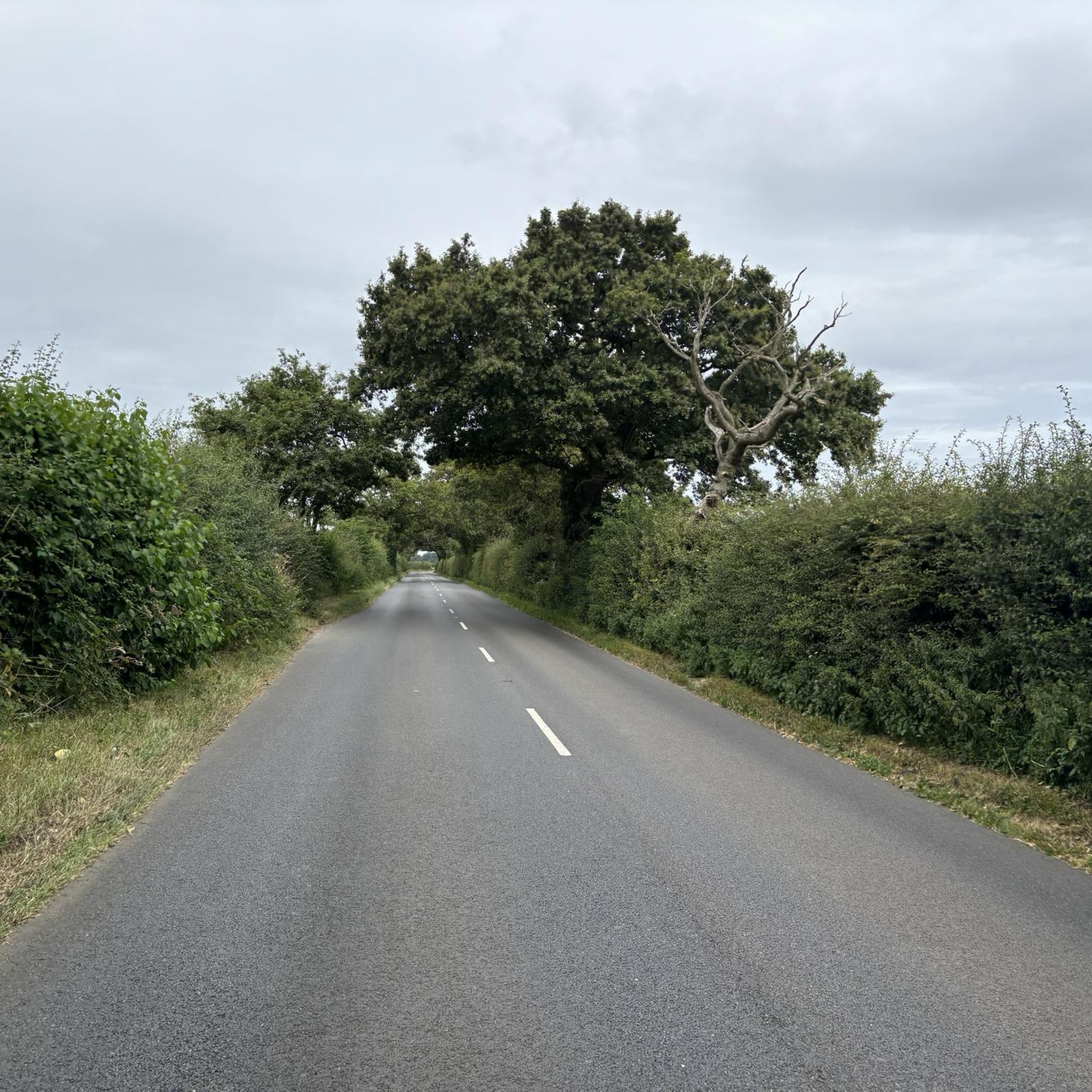
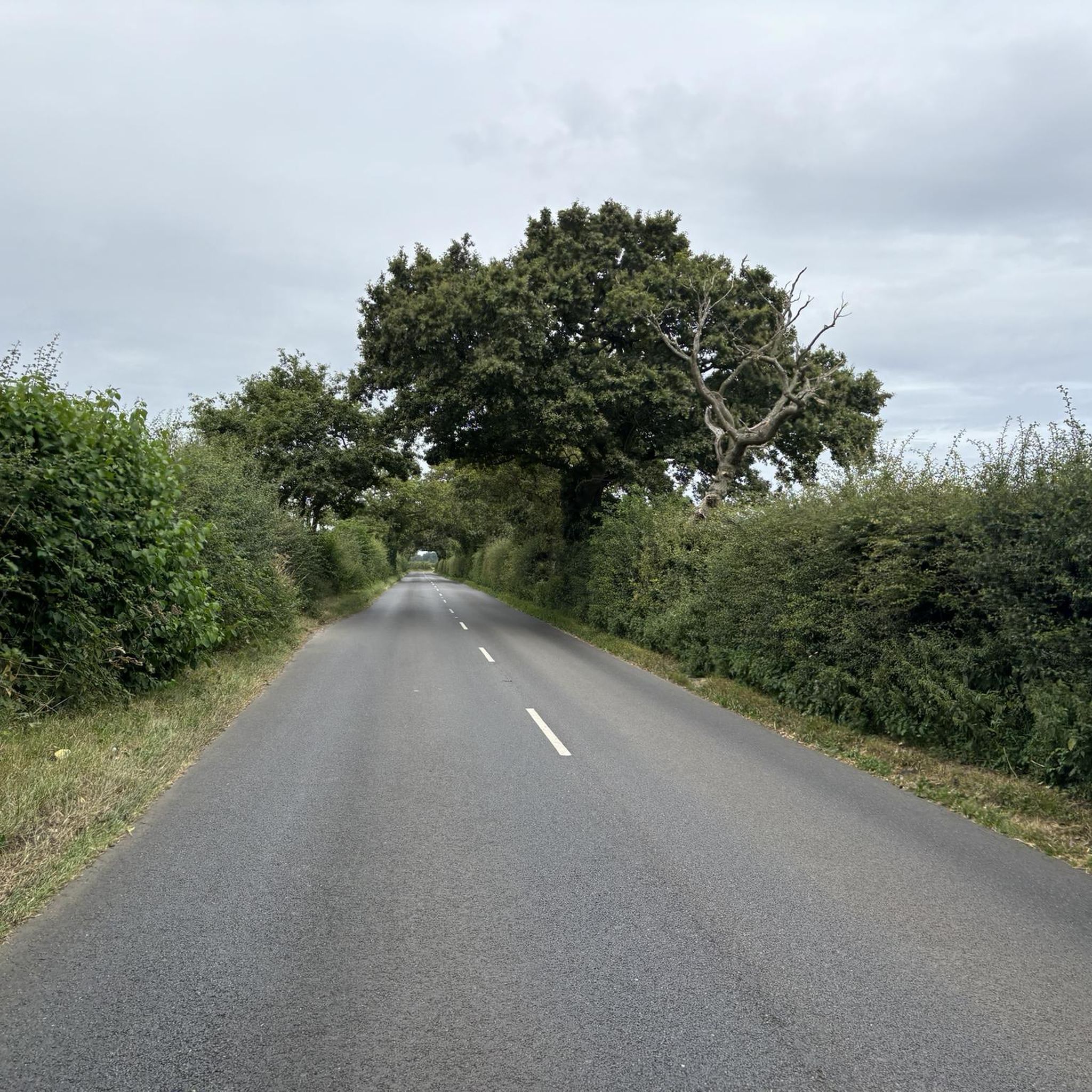
The lane south of the ford is narrow with a very poor surface. It, and the ford, are passable on a road bike but better suited to a gravel bike.
0
0


This fantastically well preserved motte and bailey castle is free to enter and explore. It was built shortly after the Norman Conquest in the 11th century by the first William de Warenne, a close associate of William the Conqueror.
0
0
Until recently, Mileham Castle was covered in undergrowth and forgotten. However, it is the largest motte and bailey castle in Norfolk. Dating from the 12th century, the ruins are open to the public. You can clearly see the layout of the castle from the top of the mound and the moat around its edge.
1
0
Frequently Asked Questions
What is the history of Rougham Hall in Suffolk?
Rougham Hall, a Grade II listed ruin on the Rougham Estate in Suffolk, has a rich history dating back to Roman times. The estate was owned by a Saxon noble and later Bury St Edmunds Abbey. The current Tudor Gothic-style mansion was built starting in 1821. A wing of the house was destroyed during a 1940 bombing raid in World War II, leading to its current ruined state. The estate itself has a history spanning over 2000 years, including Roman, Saxon, and Viking influences.
Are there any traditional medieval castles directly in Rougham, Suffolk?
While Rougham, Suffolk, is home to the historic Rougham Hall ruin, it is not a traditional medieval castle. It's important not to confuse it with Brougham Castle in Cumbria, which is a well-preserved medieval castle. Rougham Hall is an early 19th-century mansion that became a ruin after WWII.
What are the most significant castle ruins to visit near Rougham?
Near Rougham, you can explore several significant historical sites. Castle Acre Castle and Bailey Gate is an extraordinarily well-preserved example of a motte-and-bailey castle, considered one of the country's most impressive Norman earthworks. Additionally, Castle Acre Village and Castle Ruins offers a glimpse into historical architecture and past fortifications.
Is <a href="https://www.komoot.com/highlight/445861" target="_blank" rel="noopener">Castle Acre Castle and Bailey Gate</a> suitable for families?
Yes, Castle Acre Castle and Bailey Gate is considered family-friendly. It's an English Heritage site with massive earthworks that children can enjoy exploring, and it's free to enter.
What makes <a href="https://www.komoot.com/highlight/445859" target="_blank" rel="noopener">Castle Acre Priory</a> a notable historical site?
Castle Acre Priory is one of England's most extensive and best-preserved monastic sites, dating back to 1090. It was home to the first Cluniac order of monks in England. Visitors can explore the beautiful west-end church gable, substantial remains of buildings around the cloister, and a recreated herb garden.
Are there any lesser-known castle ruins worth exploring near Rougham?
Yes, Mileham Castle Ruins is a lesser-known but significant site. It is the largest motte and bailey castle in Norfolk, dating from the 12th century. The ruins are open to the public, and you can clearly see the layout of the castle from the top of the mound and the moat around its edge.
What kind of outdoor activities can I do near the castles around Rougham?
The area around Rougham offers various outdoor activities, particularly hiking and mountain biking. You can find numerous routes, including those around Castle Acre. For hiking, explore options like the 'Castle Acre Circular (Long)' or shorter routes like 'Castle Acre Castle – View of Castle Acre Priory loop from Newton by Castle Acre'. Mountain biking trails are also available, such as the 'Beech Plantation loop from Harpley'. You can find more details on these activities in the Hiking around Rougham and MTB Trails around Rougham guides.
Are there hiking trails that include castle visits near Rougham?
Absolutely. Many hiking routes in the area incorporate visits to historical sites. For example, you can find easy hikes like the 'Castle Acre Bailey Gate – View of Castle Acre Priory loop from Newton by Castle Acre' or the 'Castle Acre Castle – View of Castle Acre Priory loop from Newton by Castle Acre'. These routes allow you to combine outdoor activity with exploring the castle ruins. More options are available in the Easy hikes around Rougham guide.
Is there an entrance fee for <a href="https://www.komoot.com/highlight/445861" target="_blank" rel="noopener">Castle Acre Castle and Bailey Gate</a>?
No, Castle Acre Castle and Bailey Gate is owned by English Heritage and is free to enter.
What are the parking options when visiting castles like <a href="https://www.komoot.com/highlight/445861" target="_blank" rel="noopener">Castle Acre Castle</a>?
For Castle Acre Castle and Bailey Gate, there is a small car park available. It is advisable to arrive early to secure a space, especially during peak times.
Can I visit Rougham Hall, and what can I expect to see?
Rougham Hall is not generally open to the public. However, it can be visited as part of organized walks by the Rougham Estate, which offers a unique and guided experience of its history and grounds. You can see the architectural remnants of the Tudor Gothic-style mansion, including the clock tower and gatehouse, and learn about the estate's extensive history.
Are there any cafes or pubs near the castle sites for refreshments?
Yes, if you visit Castle Acre Village and Castle Ruins, the village offers a well-stocked shop, a cafe, and a pub, which are convenient for refreshments or a meal during your visit.
What is the significance of the River Nar near Castle Acre?
The River Nar flows through the area, and you can find the River Nar Ford at South Acre Road. This ford is part of the Peddars Way, a fantastic route that stretches for about 50 miles. While it's a notable natural feature, caution is advised when crossing the ford, especially on a road bike, due to a fairly steep drop-off into the water.
Most popular attractions around Rougham

Get inspired with the komoot mobile app


Explore more
Looking for the best castles somewhere else? Discover other guides around Rougham:
