Attractions and Places To See around Kneeton - Top 20
Best attractions and places to see around Kneeton, a village in Nottinghamshire, offers a blend of historic charm and serene natural surroundings. Situated on a ridge south of the River Trent, it provides views over the Trent valley. The area features well-preserved traditional architecture and a rural landscape with grass verges and hedgerows. Visitors can explore historic landmarks and natural points of interest within and near the village.
Best attractions and places to see around Kneeton
- The most popular attractions…
Last updated: July 2, 2026
Oxton Bank Climb
Highlight (Segment) • Climb
Tip by

Southwell Minster
Highlight • Religious Site
Tip by

Sign up now to discover places like this
Get recommendations on the best single tracks, peaks, & plenty of other exciting outdoor places.
Sign up for free
St Peter and St Paul's Church, Oxton
Highlight • Other
Tip by

Gunthorpe Riverside and The Unicorn Hotel
Highlight • Settlement
Tip by
Caudwell's Mill
Highlight • Monument
When Charles Caudwell, whose family originated from Derbyshire, bought the mill in 1851 he made …
Tip by

Sign up for free to discover even more attractions around Kneeton.
Sign up for free
Already have an account?
Start today with a free account
Your next adventure awaits.
Login or Signup
Tips from the Community

The Church has a history dating back to the 11th century, with significant structural changes throughout the centuries. While the Domesday Book doesn't explicitly mention a church, evidence suggests Norman stonework and possible Saxon artifacts exist within the current structure. Evidence points to a possible Saxon presence, with Norman stonework in the chancel and artifacts of Saxon origin. The nave and chancel were added in the 12th century. The late 14th-century tower intrudes into the early 14th-century nave, reducing it from four bays to three and a half.
0
0

St Peter & St Paul's Church dates from the 12th century and is grade 1 listed. It's a serving Church of England church in the Diocese of Southwell and Nottingham.
0
0

Oxtons a small village, the church is probably the biggest building there is. There is a pup where people were grouping in the evening as I rode past.
0
0
Caudwell's Mill stands on the River Greet on the site of Southwell’s mediaeval Burgage mill. When Charles Caudwell, whose family originated from Derbyshire, bought the mill in 1851 he made changes, thus greatly increasing the mill’s capacity. Wheat was transported to the mill by road, rail and water. Local corn arrived by horse and cart, supplies from further afield came from the R.Trent by barge to a wharf at Fiskerton which still stands. The mill suffered serious fires on three occasions in 1867, 1893 and 1917. On each occasion the opportunity was taken to modernise the plant. Local bakers took their supply of flour from the mill, best known was ‘Mosedale’s’ Bakery and Caudwell’s ‘Greet Lily Flour’ won the Nottinghamshire’s Bakers Cup in 1907, 1908, 1909, 1912 and 1914. The mill was taken over by Associated British Foods, who closed it in 1977 and in 1989 the mill was converted into residential apartments.
0
0
The earliest church on the site is believed to have been founded in 627 by Paulinus, the first Archbishop of York, when he visited the area while baptising believers in the River Trent. The legend is commemorated in the Minster's baptistry window. In 956 King Eadwig gave land in Southwell to Oskytel, Archbishop of York, on which a minster church was established. The Domesday Book of 1086 recorded the Southwell manor in great detail. The Norman reconstruction of the church began in 1108, probably as a rebuilding of the Anglo-Saxon church, starting at the east end so that the high altar could be used as soon as possible and the Saxon building was dismantled as work progressed. Many stones from this earlier Anglo-Saxon church were reused in the construction. The church was originally attached to the Archbishop of York's Palace which stood next door and is now ruined.
0
0
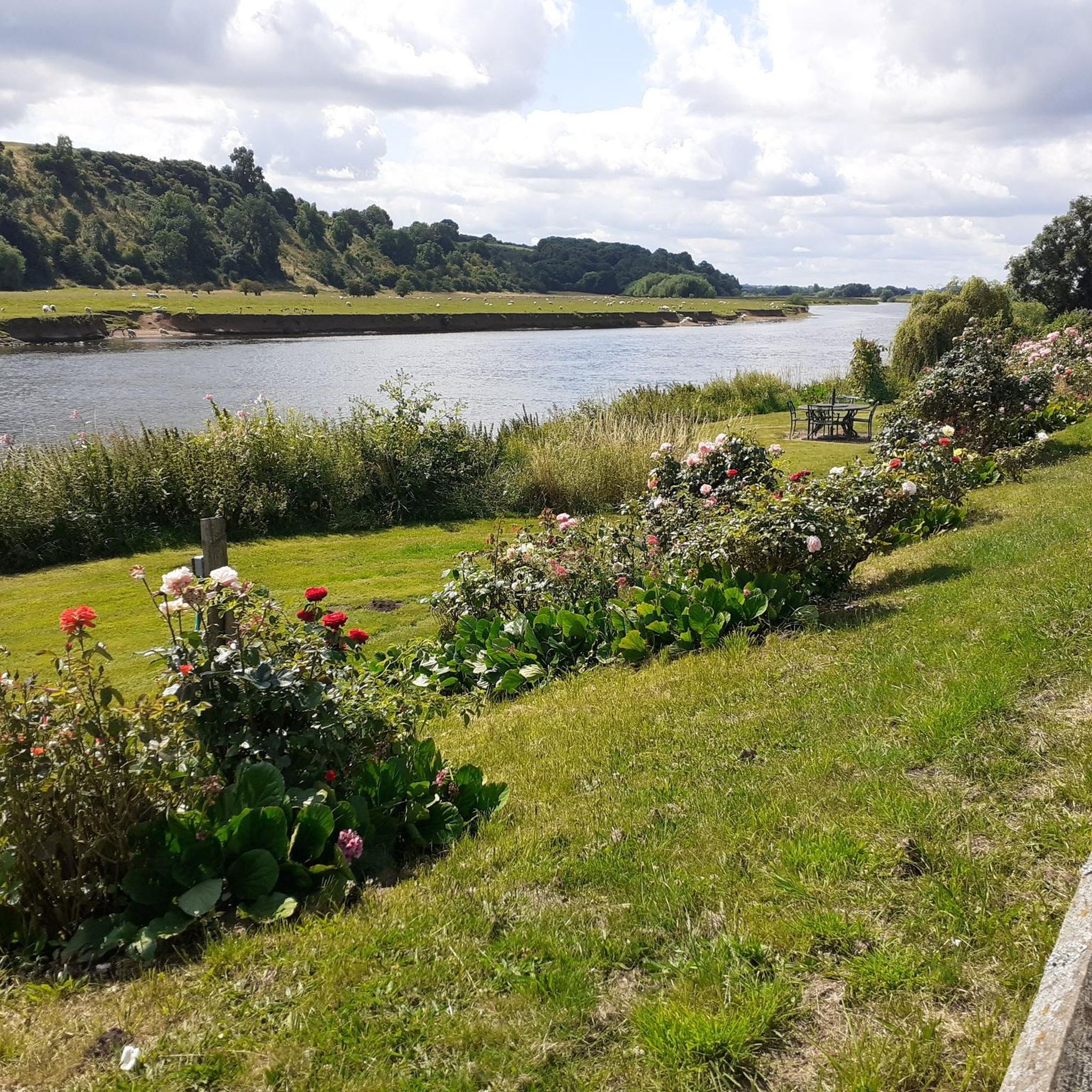
Lovely location on the Trent. Lots of easy, flat, traffic-free roads around here. Regularly use this as a lunch stop on rides in the southern half of the Vale of Belvoir. There is an easy 30 mile loop to Newark and back, going through quiet lanes up one side of the Trent and back down the other. I have used the riverside Unicorn pub as an overnight base for cycle-touring in this area.
0
0

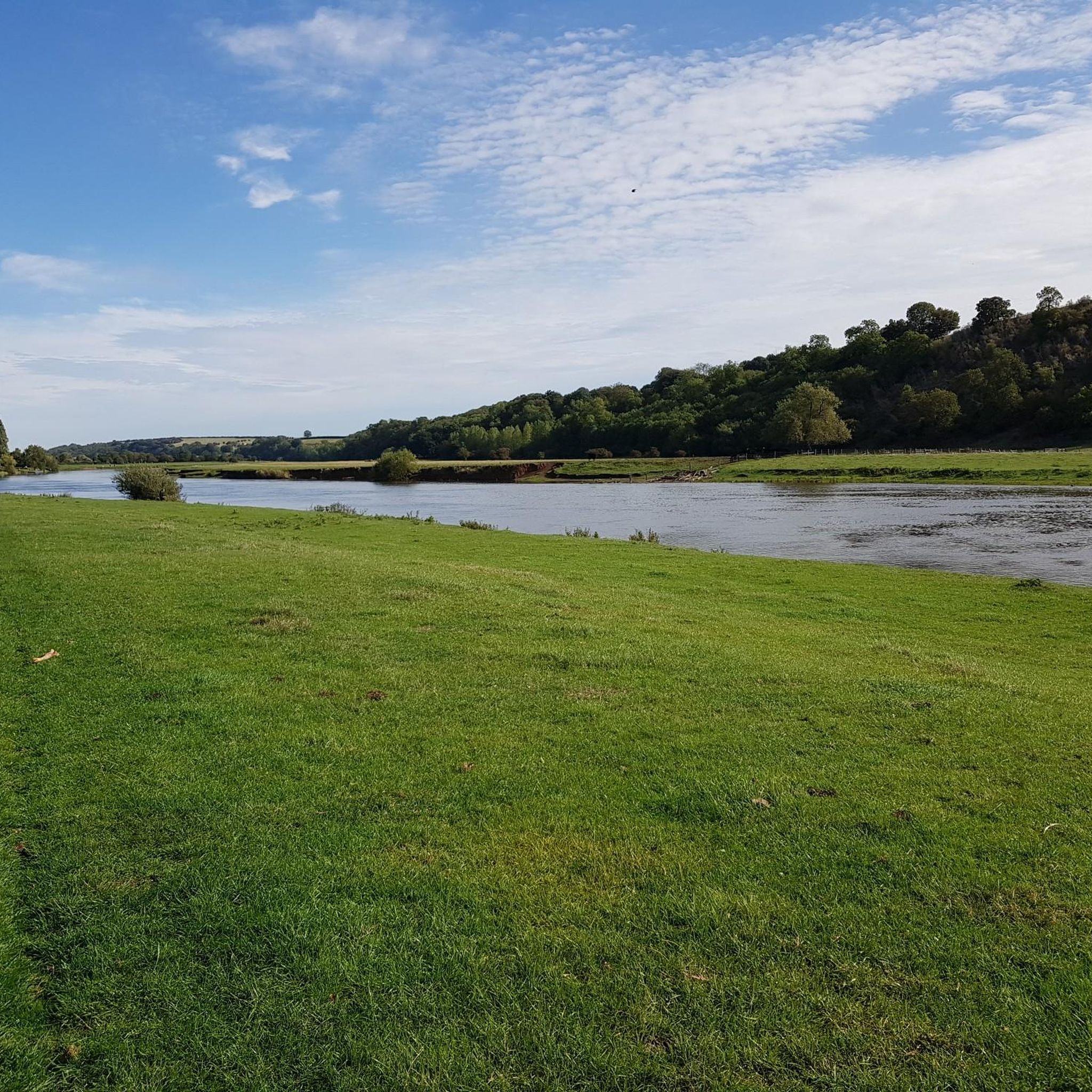
Very nice village next to the Trent. Easily accessed by the cycle way. Suitable for all riders.
0
0

A lovely riverside village with a pub and a nice pier - ideal for taking a good photo of your machine!!
0
0
Frequently Asked Questions
What historical sites can I visit in Kneeton?
Kneeton itself is rich in history. You can explore the Grade II listed St. Helen's Church, which features elements from the 14th and 15th centuries and a distinctive circular churchyard. The village also boasts other historic buildings like the Old Vicarage and Hall Farmhouse. A short drive away, you'll find the significant Southwell Minster, a cathedral with roots dating back to 627 AD.
Where can I find scenic views around Kneeton?
Kneeton is situated on a ridge south of the River Trent, offering picturesque views over the Trent valley. For a charming riverside experience, visit Gunthorpe Riverside and The Unicorn Hotel, a well-maintained village perfect for enjoying the river scenery.
Are there nature reserves for wildlife viewing near Kneeton?
Yes, the Netherfield Lagoons Nature Reserve is located on the Trent Valley Flood Plain. This local nature reserve, partly made up of former coal slurry and gravel ponds, attracts a variety of wildfowl and smaller birds like warblers, making it an excellent spot for nature enthusiasts.
What outdoor activities are available near Kneeton?
The area around Kneeton offers various outdoor activities. You can explore numerous routes for hiking, running, and mountain biking. For example, you can find detailed hiking trails, running routes, and mountain biking trails in the surrounding region.
Are there challenging cycling climbs in the area?
Cyclists looking for a challenge can head to Oxton Bank Climb. It's known as the biggest hill in that part of Nottinghamshire, offering a significant test for riders with rewarding views from the top.
Are there family-friendly attractions around Kneeton?
Absolutely. For families, Gunthorpe Riverside and The Unicorn Hotel is a charming spot by the river. The Netherfield Lagoons Nature Reserve is also suitable for families interested in wildlife. Additionally, Ferry Farm Park, a children's farm with indoor and outdoor activities, is located very close to Kneeton.
Where can I find cafes or pubs near Kneeton?
The nearby village of Gunthorpe, home to Gunthorpe Riverside and The Unicorn Hotel, is noted for its charm and riverside location, offering a pleasant spot for a stop and a pub. Many of the nearby hiking and running routes also pass by local pubs and cafes.
What is the historical significance of Southwell Minster?
Southwell Minster is one of the smallest yet most architecturally significant cathedrals in the country. Its history traces back to 627 AD, with a minster church established in 956. The current Norman reconstruction began in 1108, and it was originally attached to the Archbishop of York's Palace. It's a must-see for its rich historical and architectural background.
Are there any historic mills in the vicinity of Kneeton?
Yes, you can visit Caudwell's Mill, located on the River Greet. This historic mill, which suffered and was rebuilt after several fires, played a significant role in the local economy, supplying flour to bakers until its closure in 1977.
What kind of architecture can I expect to see in Kneeton?
Kneeton is known for its well-preserved traditional appearance. You'll find a blend of historic charm with traditional architecture, including the Grade II listed St. Helen's Church, Old Vicarage, and Hall Farmhouse. The village also retains characterful properties like Slate Row and historic public infrastructure such as a K6 public telephone kiosk and a Victorian post box.
What do visitors enjoy most about the attractions around Kneeton?
Visitors appreciate the blend of historic charm and serene natural surroundings. The well-maintained villages like Gunthorpe, the architectural significance of places like Southwell Minster, and the challenging yet rewarding climbs like Oxton Bank Climb are frequently highlighted. The area's rural landscape and views over the Trent valley also receive positive feedback.
Most popular attractions around Kneeton

Get inspired with the komoot mobile app


Explore more
Still not found the Highlight you’re looking for? See guides of the top attractions in other regions:
