Attractions and Places To See around Marston Montgomery - Top 20
Best attractions and places to see around Marston Montgomery include a variety of historical sites, natural features, and cycling routes. The region offers opportunities to explore historical ruins, ancient woodlands, and converted railway lines. Visitors can find locations with cultural significance and natural beauty. Marston Montgomery provides diverse points of interest for those exploring the area.
Best attractions and places to see around Marston Montgomery
- The most popular attractions is Ramblers Retreat, a historical site and cafe that serves as a superb location for many walks. The food is locally sourced where possible, and it was originally one of two gatehouses within the Alton Towers Estate.
- Another must-see spot is Ashbourne Tunnel, a cycle way. This wide tunnel is lit and tarmaced, providing an impressive drive through as part of the Tissington trail.
- Visitors also love The Chained Oak, a natural monument with a historical legend. According to local folklore, the branches of this oak tree were chained together to prevent a curse from causing further family deaths.
- Marston Montgomery is known for historical sites, natural monuments, and cycling routes. These attractions offer a variety of experiences, from exploring ancient ruins to enjoying scenic trails.
- The attractions around Marston Montgomery are appreciated by the komoot community, with over 180 upvotes and 40 photos shared by visitors.
Last updated: October 18, 2026
Ashbourne Tunnel
Highlight (Segment) • Cycleway
Translated by Google •
Tip by

Ramblers Retreat
Highlight • Historical Site
Tip by

Sign up now to discover places like this
Get recommendations on the best single tracks, peaks, & plenty of other exciting outdoor places.
Dimmingsdale Mill Pond
Highlight • Structure
Lead smelting mill described as new in 1741 and converted to corn grinding in 1784. Single high breast water wheel and three pairs of stones.
The Alton Mill, situated at the mouth of Dimmingsdale, is still known at the Smelting Mill even though it had longers use as a corn mill. In 1741 Geroge Talbot, Earl of Shrewsbury, leased out a 'newly erected building for the smelthing of lead commonly called a smelting mill, refinery and slag hearth...' at Alton Common. In 1760 lead was still being smelted and the site had a smiths shop, two houses, a barn, nine acres and a pool. The will of Edward Coyney, 1772, mentions his share in the mill along with his share in the mines at Ecton, which is the most likely source for the lead being produced at Dimmingsdale.
Source: Churnet Valley Guide
Tip by
Croxden Abbey Ruins
Highlight • Religious Site
Now managed by English Heritage it's open 10:00 - 17:00 everyday. Entry is free.
Tip by

The Chained Oak
Highlight • Natural
The coach stopped to find why she was there at which point the old woman begged for a coin.
The Earl cruelly dismissed her, so the old woman stated that she would place a curse on him.
The old woman told the Earl that for every branch on the Old Oak Tree that fell, a member of the Earl’s family would die.
The Earl dismissed this and carried on his way.
That the same night, a violent storm caused a single branch from the old oak tree to break and fall.
Later that evening, a member of the Earl’s family suddenly and mysteriously died.
Now firmly believing the power of the curse, the Earl is said to have ordered his servants to chain every branch together to prevent other branches from falling."
The Oak tree remains chained up.
Tip by
Sign up for free to discover even more attractions around Marston Montgomery.
Already have an account?
Start today with a free account
Your next adventure awaits.
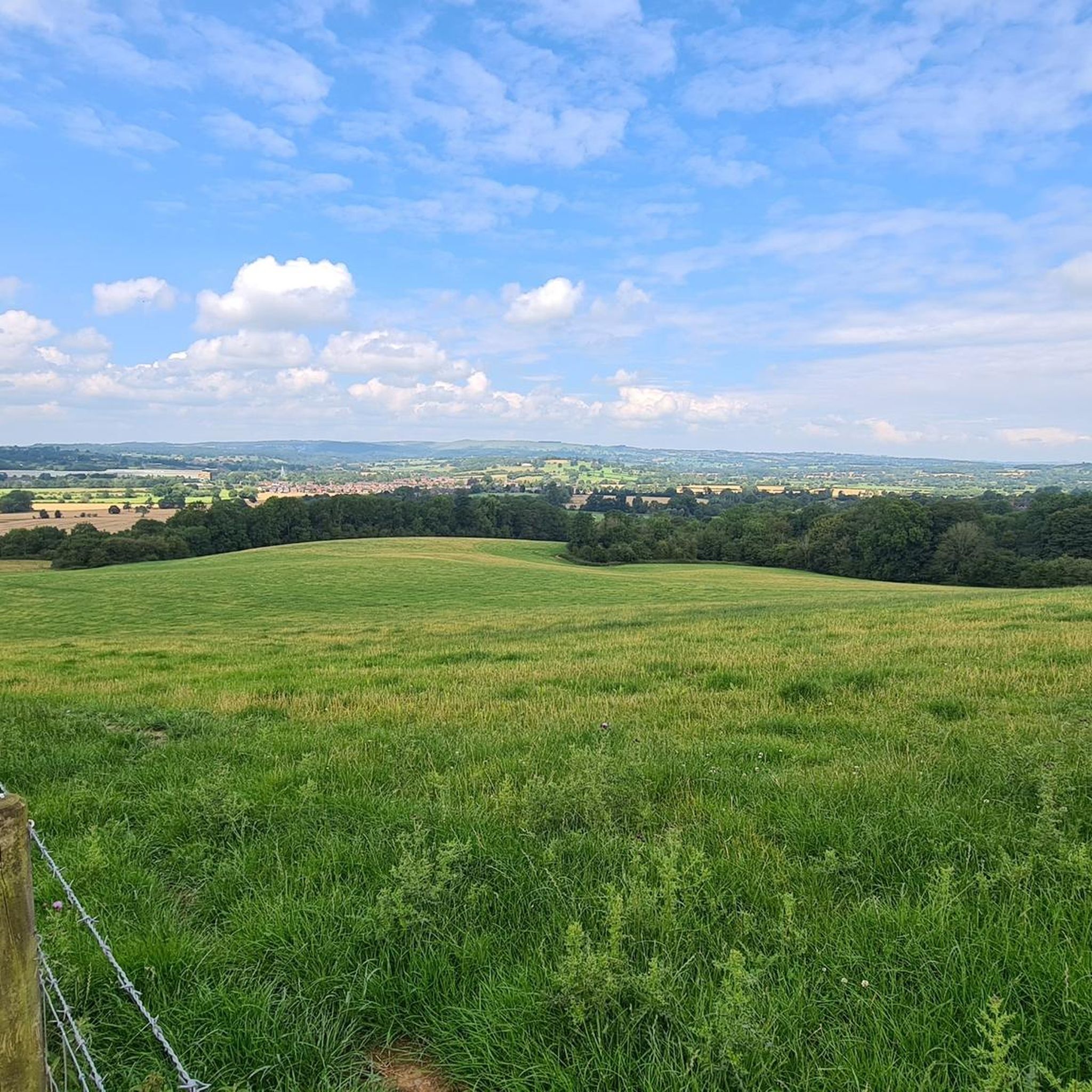
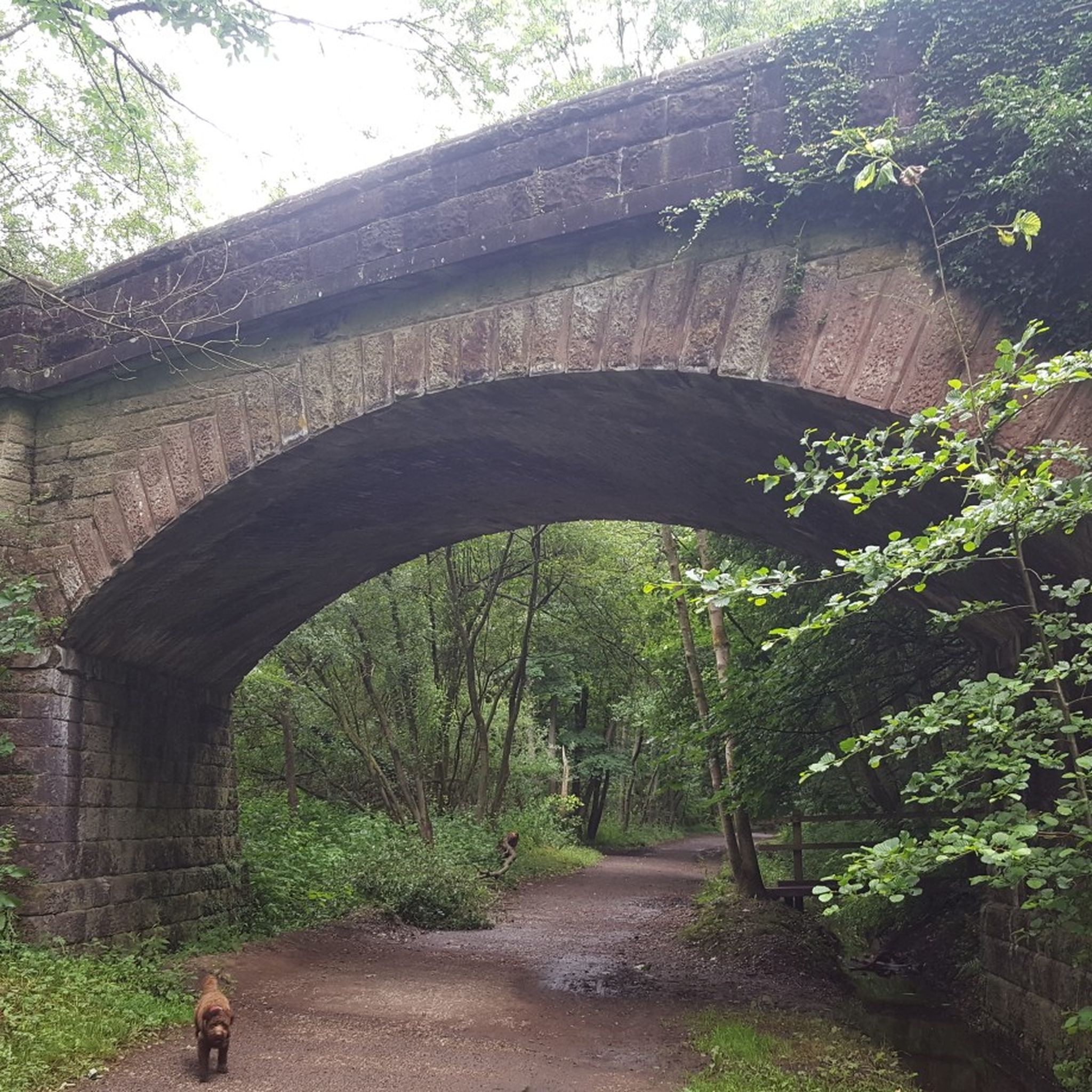
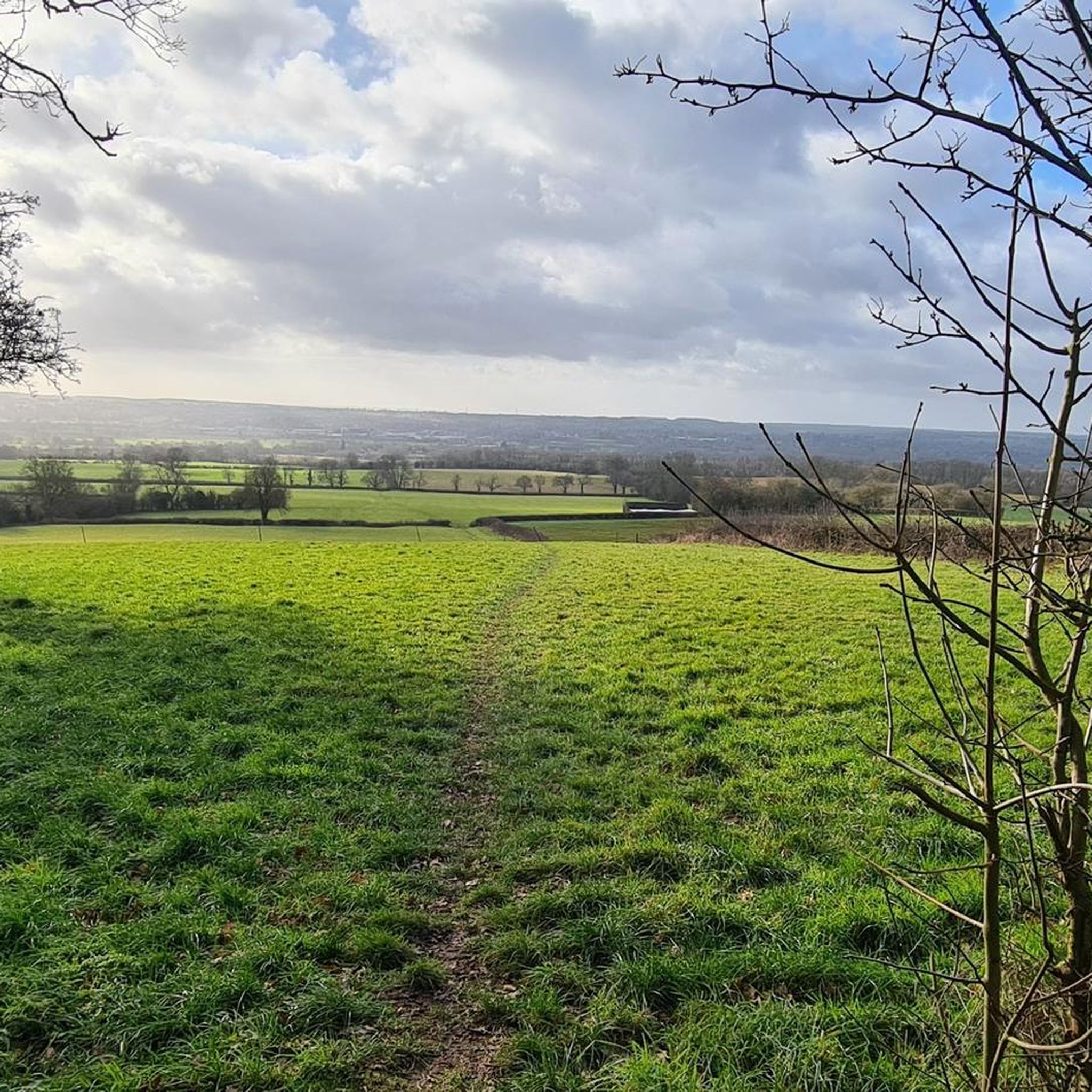
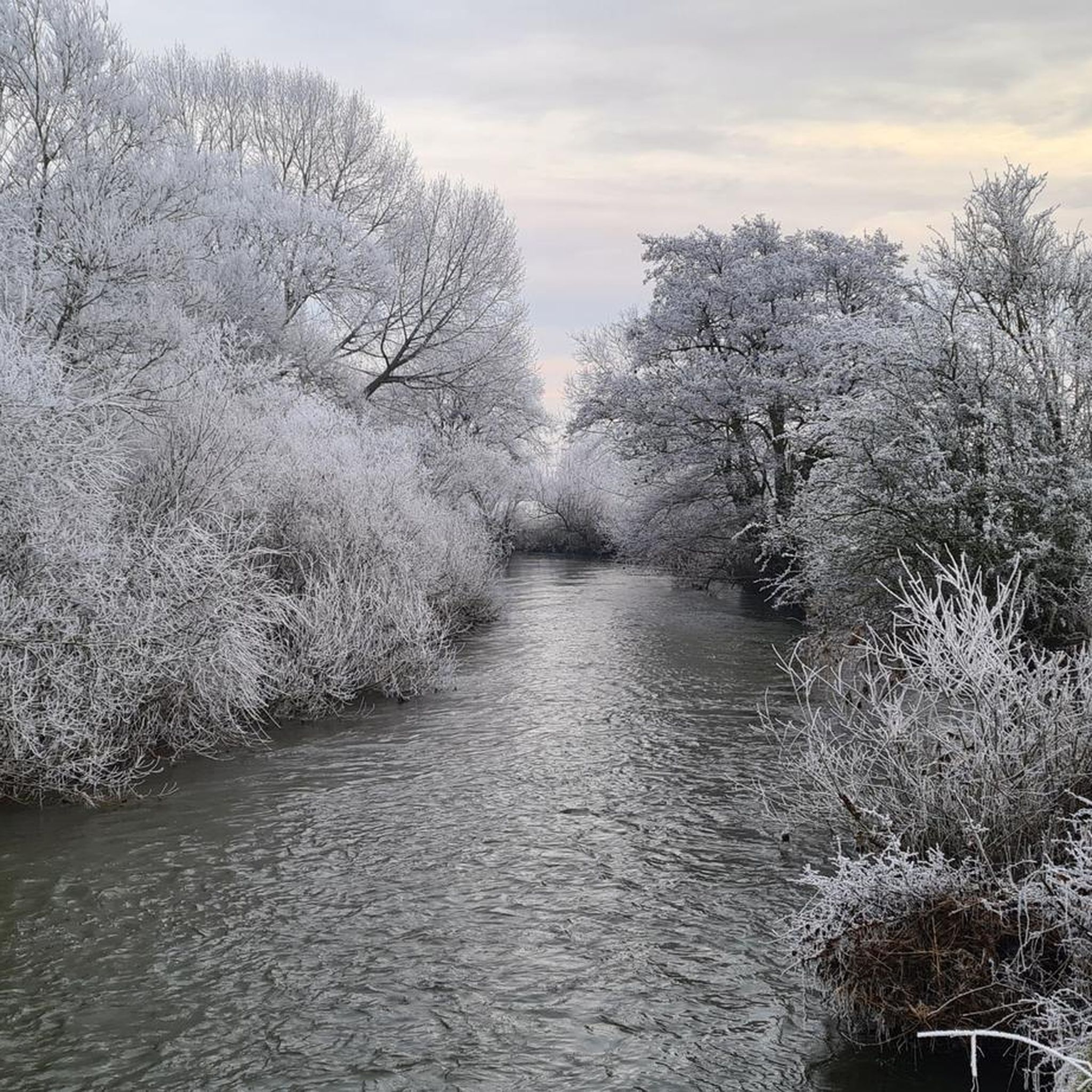
Tips from the Community


Worth a stop and have a wonder around. plenty to see. 10-15 minutes is enough.
0
0


Beautiful tunnel which is very photogenic from Ashbourne end
0
0

Croxden Abbey, also known as "Abbey of the Vale of St. Mary at Croxden", was a Cistercian abbey. A daughter house of the abbey in Aunay-sur-Odon, Normandy, the abbey was founded by Bertram III de Verdun of Alton Castle, Staffordshire, in the 12th century. The abbey was dissolved in 1538. In 1176, Bertram III de Verdun, the lord of the manor of Croxden, endowed a site for a new abbey near Alton, Staffordshire, to a group of 12 Cistercian monks from Aunay-sur-Odon, Normandy. Bertram founded the abbey, like many noblemen of his time, for the souls of his family. The monks remained at the Alton site until 1179, before moving to land near Croxden, a few miles south. Croxden was relatively prosperous, drawing the majority of its wealth from sheep farming. By 1315, the monks were supplying more wool to the continent than any other religious house in the county, with transactions being recorded with Florentine merchants well into the 1420s.
0
0
The Ashbourne Tunnel runs below the town of Ashbourne itself, and serves as the begining – or, alternatively, the ending – of the Tissington Trail: a 13-mile hike, much of which comprises of disused railway lines, connecting the towns of Ashbourne and Parsley Hay. Recently renovated with speakers that transmit authentic steam-powered engine noise, Ashbourne Tunnel is a highly evocative experience that is sure to transport visitors back to the age of industry. Ashbourne was first included in the North Staffordshire Railway line in 1852, as the trade of limestone grew around the town. At the end of the 19th century, this line was taken over by the London & South Western line, who were seeking a line south of Buxton, and connected Ashbourne to the junction at Parsley Hay. This saw the construction of the Ashbourne Tunnel, which was first opened in 1899.
0
0

Nice gravel surface ,gradually rising. 16 mile long, with 2 cafe stops
0
0

Frequently Asked Questions
What types of attractions can I find around Marston Montgomery?
The area around Marston Montgomery offers a diverse range of attractions, including historical sites, natural monuments, and cycling routes. You can explore ancient ruins, enjoy scenic trails, and visit places with cultural significance.
Are there any family-friendly attractions in the Marston Montgomery area?
Yes, several attractions are suitable for families. Ramblers Retreat is a historical site with a cafe, perfect for starting walks. The Ashbourne Tunnel offers an impressive, lit, and tarmaced cycle way that's part of the Tissington Trail. Additionally, Croxden Abbey Ruins and Dimmingsdale Mill Pond are also considered family-friendly.
What historical sites are worth visiting near Marston Montgomery?
You can explore several historical sites. Croxden Abbey Ruins, a 12th-century Cistercian monastery, offers a glimpse into medieval history and is managed by English Heritage with free entry. Ramblers Retreat, originally a gatehouse for Alton Towers Estate, also holds historical significance. The Dimmingsdale Mill Pond is a former lead smelting and corn mill site with a rich past.
Where can I find natural monuments or unique natural features?
The most notable natural monument is The Chained Oak. This ancient tree is steeped in local folklore, with its branches famously chained together due to a historical legend involving the Earl of Shrewsbury. It's a unique sight with an intriguing story.
Are there good cycling routes or trails in the area?
Yes, the region is excellent for cycling. The Ashbourne Tunnel is a highlight of the Tissington Trail, providing a wide, lit, and tarmaced path. For more cycling options, you can explore various routes, including those for gravel biking and touring, by visiting the Cycling around Marston Montgomery guide or the Gravel biking around Marston Montgomery guide.
What kind of walks or hiking trails are available near Marston Montgomery?
The area offers many opportunities for walking. Ramblers Retreat is a popular starting point for numerous walks, and the Dimmingsdale Mill Pond area is also very popular with walkers. For specific running and walking trails, you can check out the Running Trails around Marston Montgomery guide, which includes routes like the Hope Wood loop.
What do visitors enjoy most about the attractions around Marston Montgomery?
Visitors frequently praise the unique blend of history and nature. The Ramblers Retreat is loved for its superb location as a base for walks and its locally sourced food. The impressive drive through the long, lit Ashbourne Tunnel is also a highlight for many cyclists.
Are there any cafes or places to eat near the attractions?
Yes, Ramblers Retreat is a historical site that also functions as a cafe, offering locally sourced food. It's a great spot to refuel before or after a walk.
Is there an entry fee for Croxden Abbey Ruins?
No, entry to Croxden Abbey Ruins is free. It is managed by English Heritage and is open daily from 10:00 to 17:00.
Can I visit the attractions around Marston Montgomery using public transport?
While some attractions might be accessible via local bus services to nearby towns like Ashbourne, many of the specific highlights around Marston Montgomery are best reached by car or bicycle, especially those located along rural trails or in more secluded natural settings. It's advisable to check local bus schedules for specific routes if relying on public transport.
What is the best time of year to visit Marston Montgomery's attractions?
The spring and summer months (April to September) generally offer the most pleasant weather for exploring the outdoor attractions and trails. However, places like the Ashbourne Tunnel are accessible year-round, though it can be icy in winter. The historical sites are also generally open regardless of the season.
Most popular routes around Marston Montgomery
Most popular attractions around Marston Montgomery

Get inspired with the komoot mobile app


Explore more
Still not found the Highlight you’re looking for? See guides of the top attractions in other regions:
