Attractions and Places To See around Clay Cross - Top 20
Best attractions and places to see around Clay Cross include a blend of historical sites, industrial heritage, and access to the Derbyshire countryside. The town is known for its Victorian engineering feats, such as the "Mile Long" railway tunnel, and its historic market hall. Visitors can explore local parks like Kenning Park and Sharley Park, or venture into the surrounding Derbyshire countryside for walks and exploration. This area offers a variety of experiences, from historical trails to natural landscapes.
Best…
Last updated: October 9, 2026
High Tor and Giddy Edge
Highlight (Segment) • Viewpoint
Tip by

High Peak Junction
Highlight • Historical Site
Tip by

Sign up now to discover places like this
Get recommendations on the best single tracks, peaks, & plenty of other exciting outdoor places.
Cromford Canal towpath
Highlight (Segment) • River
Tip by

Hall Leys Park, Matlock
Highlight • Settlement
Tip by

Southeast corner of Linacre Middle Reservoir
Highlight • Trail
Tip by

Sign up for free to discover even more attractions around Clay Cross.
Already have an account?
Start today with a free account
Your next adventure awaits.
Tips from the Community

A towpath (also known as a towpath or towpath), which runs alongside the river or canal, was an indispensable part of the transport infrastructure in earlier times. Before ships could be propelled by motor power, horses walked along the bank and pulled the vessel against the current. This activity was called "treideln" in German, and that's how the towpath got its name. Where these paths – running directly along the bank – have survived to this day, they no longer serve their original purpose, but are still popular with hikers and cyclists.
0
0


A really pretty and scenic stretch of canal with sparkling turquoise water. Amenities are available at High Peak Junction and Cromford Wharf.
0
0

Good foot paths around Linacre , very wet and muddy once you leave them . Good waterproof boots and gaiters recommend .
0
0

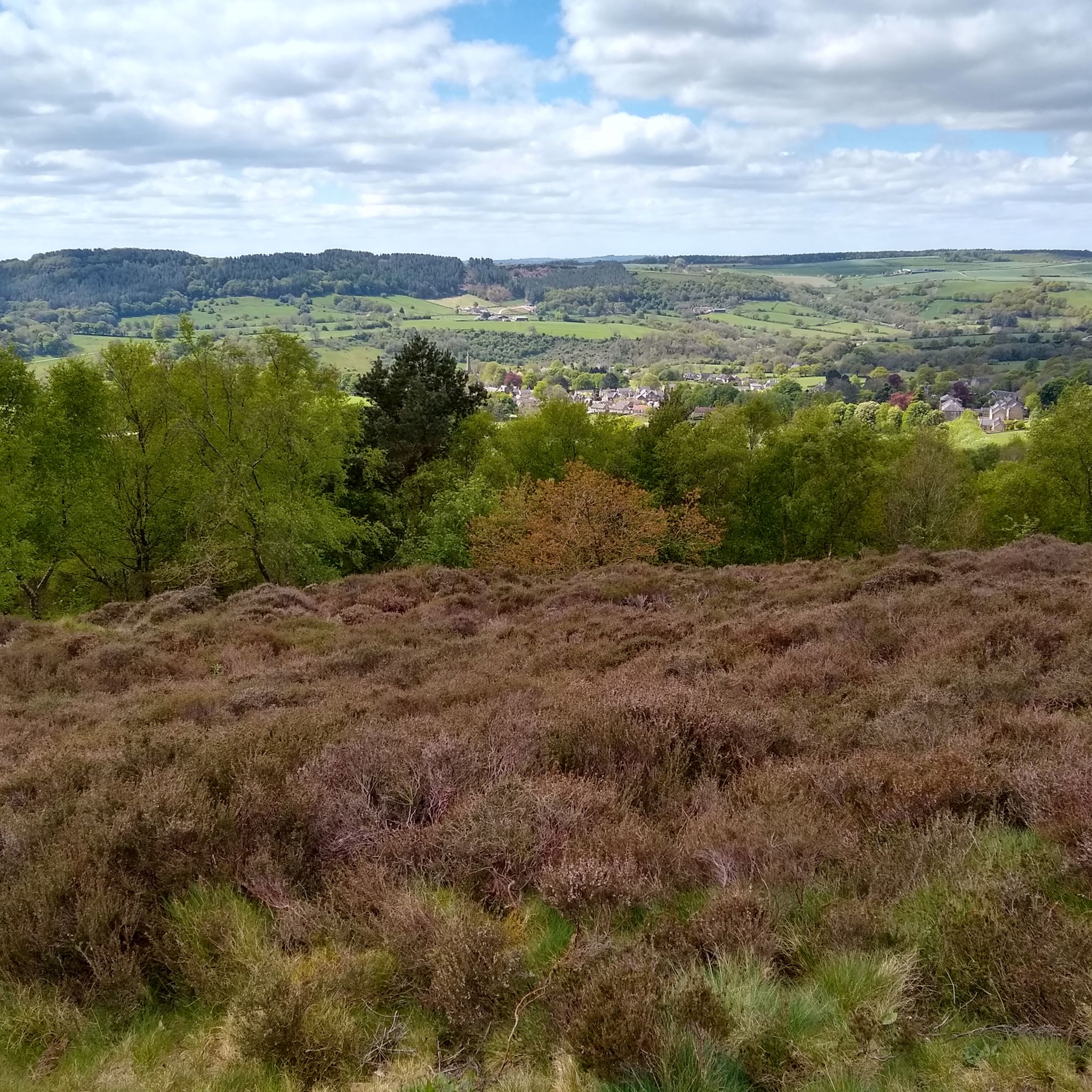
There are three beautiful reservoirs at Linacre, aptly named Lower, Middle, and Upper, going from east to west. The reservoirs are surrounded by fields and woodland with a network of trails and footpaths. The woods are beautiful and include oak, beech, alder, larch, and pine, and in the springtime they are carpeted with bluebells. It is a scenic area, and there is a public car park on the northern edge of the woods of the Lower Reservoir.
1
0

A ford originally crossed the river at this point, and the side became a major crossing point. A settlement developed around the bridge, known as Matlock Bridge, which later became part of modern Matlock. The downstream side of the bridge dates from the 15th century.
0
0
19th century pleasure ground which exploited the dramatic qualities of the Derwent valley. Peter Arkwright of Willersley Castle enclosed the grounds c 1860 and constructed pedestrian paths from a new entrance on the south side approached from the bridge to Matlock Bath railway station. The entrance from Starkholmes Road was retained and could be used by carriages. A pathway was formed through Fern Cave (scheduled ancient monument) and another on a narrow ledge along part of the cliff face. In 1879 the grounds were leased to the Matlock and High Tor Recreation Grounds Company Ltd and Milner of London was retained to supervise landscaping. Arkwright's Grand Walk, also used by carriages, was created, leading south to the summit from a gateway in Pig Tree Lane, now Pic Tor Lane. A refreshment room was erected near the summit, tennis and quoit or skittle grounds were constructed close to a modified southern entrance and additional paths put in with a broad flight of steps.
0
0
Frequently Asked Questions
What natural features and viewpoints can I explore around Clay Cross?
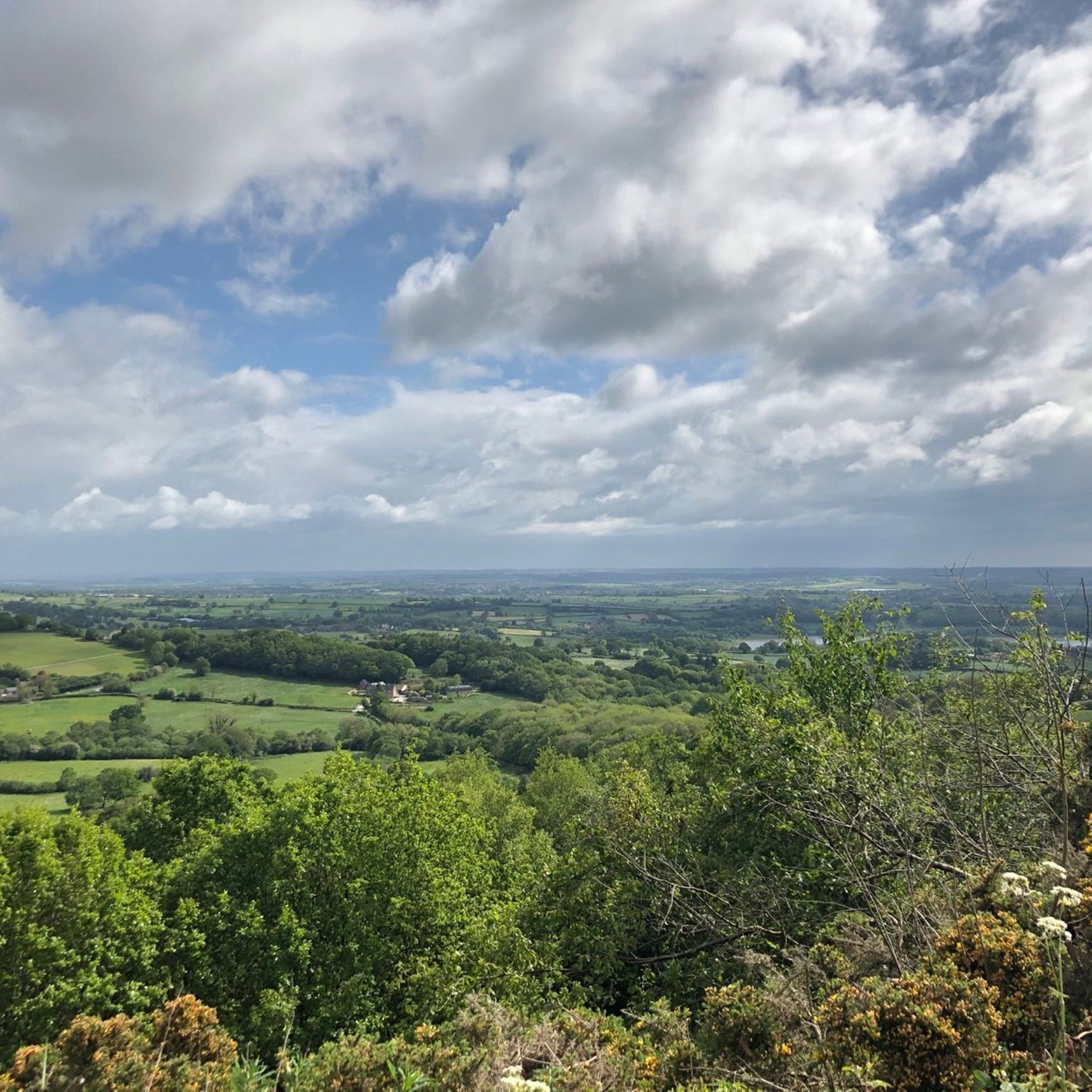
You can experience impressive views from High Tor and Giddy Edge, which offers spectacular vistas over Matlock Bath. For a more tranquil natural setting, visit the Southeast corner of Linacre Middle Reservoir, known for its woodlands, lake, and bluebells in spring. Within Clay Cross itself, Kenning Park features woodlands and a pond, while Sharley Park offers walking trails.
Are there historical sites to visit in and around Clay Cross?
Yes, Clay Cross is rich in industrial heritage. You can explore the historic High Peak Junction, where the Old Cromford and High Peak railway met the Cromford Canal towpath. The town also features the impressive Victorian-era Clay Cross Tunnel, St Bartholomew's Church, and the Historic Market Hall. You can follow the Clay Cross Heritage Trail to discover more about the town's past, including its Roman road foundations.
What are some family-friendly attractions near Clay Cross?
For families, the Southeast corner of Linacre Middle Reservoir offers easy, well-surfaced paths through woods and around the lake, with trunk carvings that children enjoy. High Peak Junction is also family-friendly with a shop, museum, and toilets. Additionally, Hall Leys Park in Matlock provides a pleasant setting for a family outing.
Are there accessible trails for wheelchairs or strollers?
Yes, the Cromford Canal towpath is a gentle, scenic stretch suitable for all, including those with wheelchairs or strollers. High Peak Junction, located along the canal, is also wheelchair accessible and offers facilities.
What outdoor activities, like hiking or cycling, can I do near these attractions?
The area around Clay Cross offers various outdoor activities. You can find numerous easy hiking trails, such as those around Kenning Park Lagoon or Hardwick Wood. For cycling, there are routes like the Five Pits Trail, and mountain biking options are also available. You can explore more routes and guides for easy hikes, cycling, and MTB trails around Clay Cross.
What do visitors enjoy most about the attractions near Clay Cross?
Visitors particularly enjoy the impressive views from places like High Tor and Giddy Edge, noting the spectacular vistas over Matlock Bath. The Cromford Canal towpath is appreciated for its pretty and scenic stretch of canal. The reservoirs, such as the Southeast corner of Linacre Middle Reservoir, are loved for their natural beauty, family-friendly paths, and the bluebells in spring.
Are there any dog-friendly walks or attractions?
Yes, several areas are dog-friendly. The High Peak Junction and the Southeast corner of Linacre Middle Reservoir are noted as dog-friendly. Many of the surrounding Derbyshire countryside walks and local parks like Kenning Park also welcome dogs.
When is the best time to visit Clay Cross to see its natural beauty?
Spring is an excellent time to visit, especially to see the bluebells carpeting the woodlands around the Linacre Middle Reservoir. The surrounding Derbyshire countryside is beautiful year-round for walks, but spring and summer offer pleasant weather for exploring the natural features and trails.
Where can I find easy walking routes near Clay Cross?
You can find several easy walking routes around Clay Cross, including loops around Kenning Park Lagoon, through Hardwick Wood, or near Danesmoor War Memorial. These routes are generally well-suited for a relaxing stroll. For more options, refer to the guide on easy hikes around Clay Cross.
Are there any hidden gems or less crowded places to explore?
While popular spots like High Tor offer stunning views, exploring the lesser-known paths within the surrounding Derbyshire countryside or the Clay Cross Heritage Trail can provide a quieter experience. The various loops around Kenning Park and Sharley Park also offer peaceful walks away from the busiest tourist spots.
What is the significance of the Cromford Canal towpath?
The Cromford Canal towpath is a historical site and a scenic trail. It was once a vital transport link during the Industrial Revolution and now offers a beautiful, gentle walk suitable for all. It can be linked with other paths for longer excursions and features amenities at High Peak Junction and Cromford Wharf.
Can I find places for wildlife spotting near Clay Cross?
Yes, areas like Kenning Park with its pond, and the woodlands around the Linacre Reservoirs, are good for wildlife observation. The surrounding Derbyshire countryside also provides habitats for various birds and small animals, making it ideal for nature enthusiasts.
Most popular routes around Clay Cross
Most popular attractions around Clay Cross

Get inspired with the komoot mobile app


Explore more
Still not found the Highlight you’re looking for? See guides of the top attractions in other regions:
