Dethick, Lea And Holloway
Dethick, Lea And Holloway
Attractions and Places To See around Dethick, Lea And Holloway - Top 20
Best attractions and places to see around Dethick, Lea And Holloway include a diverse range of historical landmarks, natural landscapes, and cultural sites. This civil parish in Derbyshire, England, offers opportunities to explore ancient history and engage in outdoor activities. The region is characterized by verdant woodlands, waterways like the Lea Brook and River Derwent, and modest peaks providing panoramic views. Visitors can discover a rich heritage through its various points of interest.
Best attractions and places to see around…
Last updated: April 24, 2026
Nine Ladies Stone Circle
Highlight • Historical Site
Tip by

Cork Stone
Highlight • Climb
Tip by
Sign up now to discover places like this
Get recommendations on the best single tracks, peaks, & plenty of other exciting outdoor places.
Sign up for free
High Tor and Giddy Edge
Highlight (Segment) • Viewpoint
Tip by

Stanton Moor Trig Point
Highlight • Viewpoint
Tip by
High Peak Junction
Highlight • Historical Site
Tip by

Sign up for free to discover even more attractions around Dethick, Lea And Holloway.
Sign up for free
Already have an account?
Start today with a free account
Your next adventure awaits.
Login or Signup
Popular around Dethick, Lea And Holloway
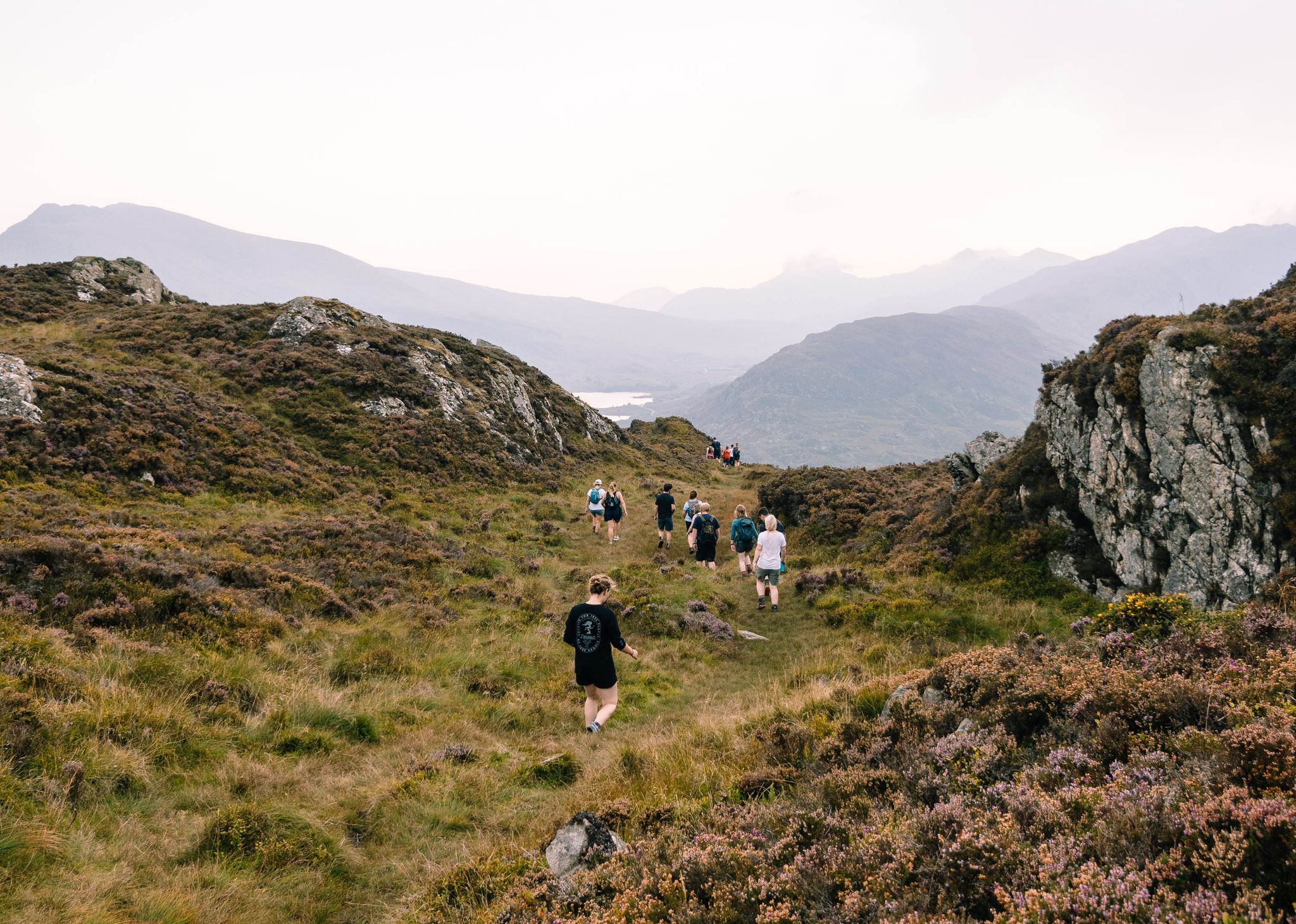
Connect with Nature – Purposeful Adventures in 2024
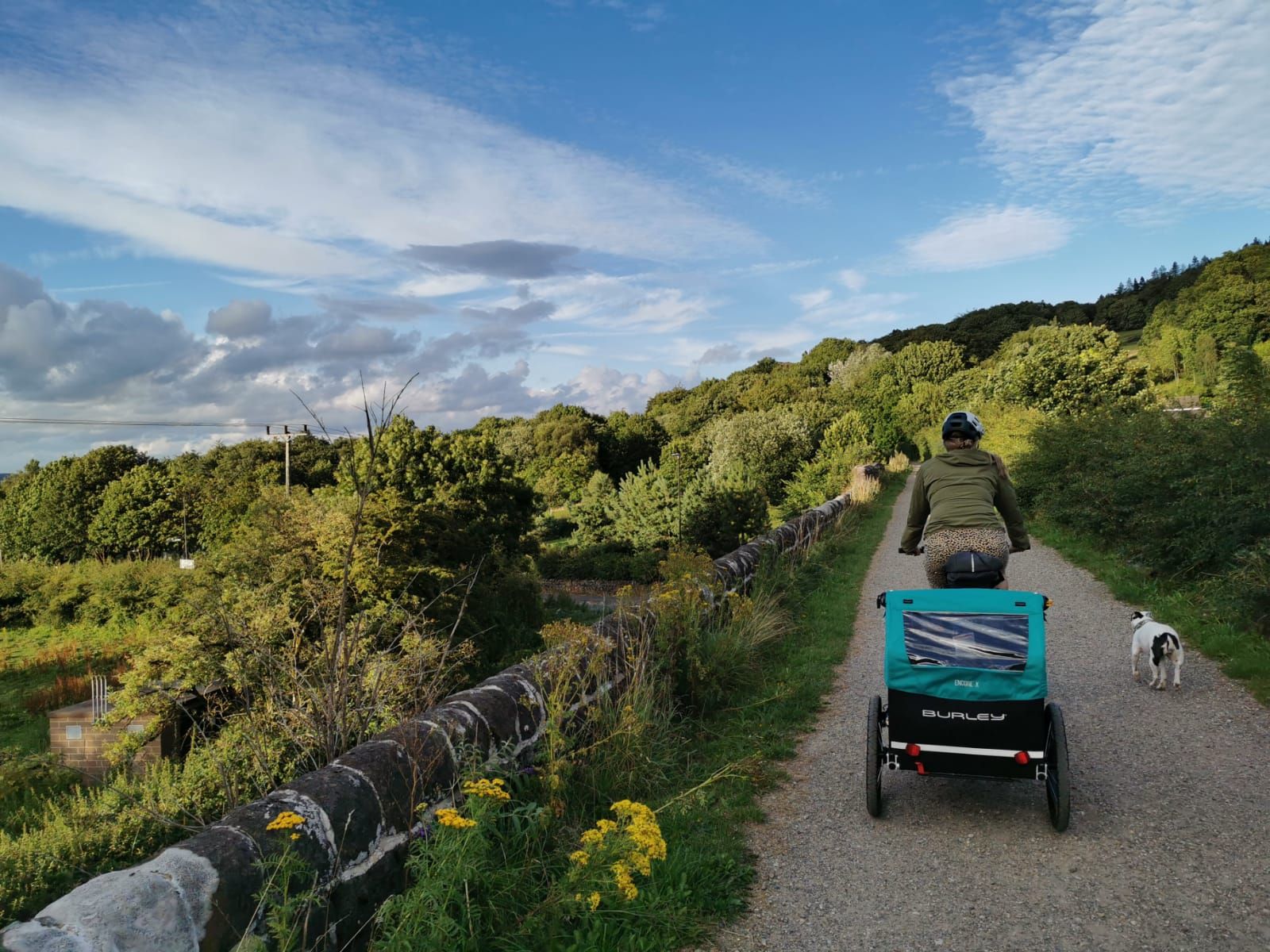
Family-friendly bikepacking – High Peak Trail and Tissington Trail
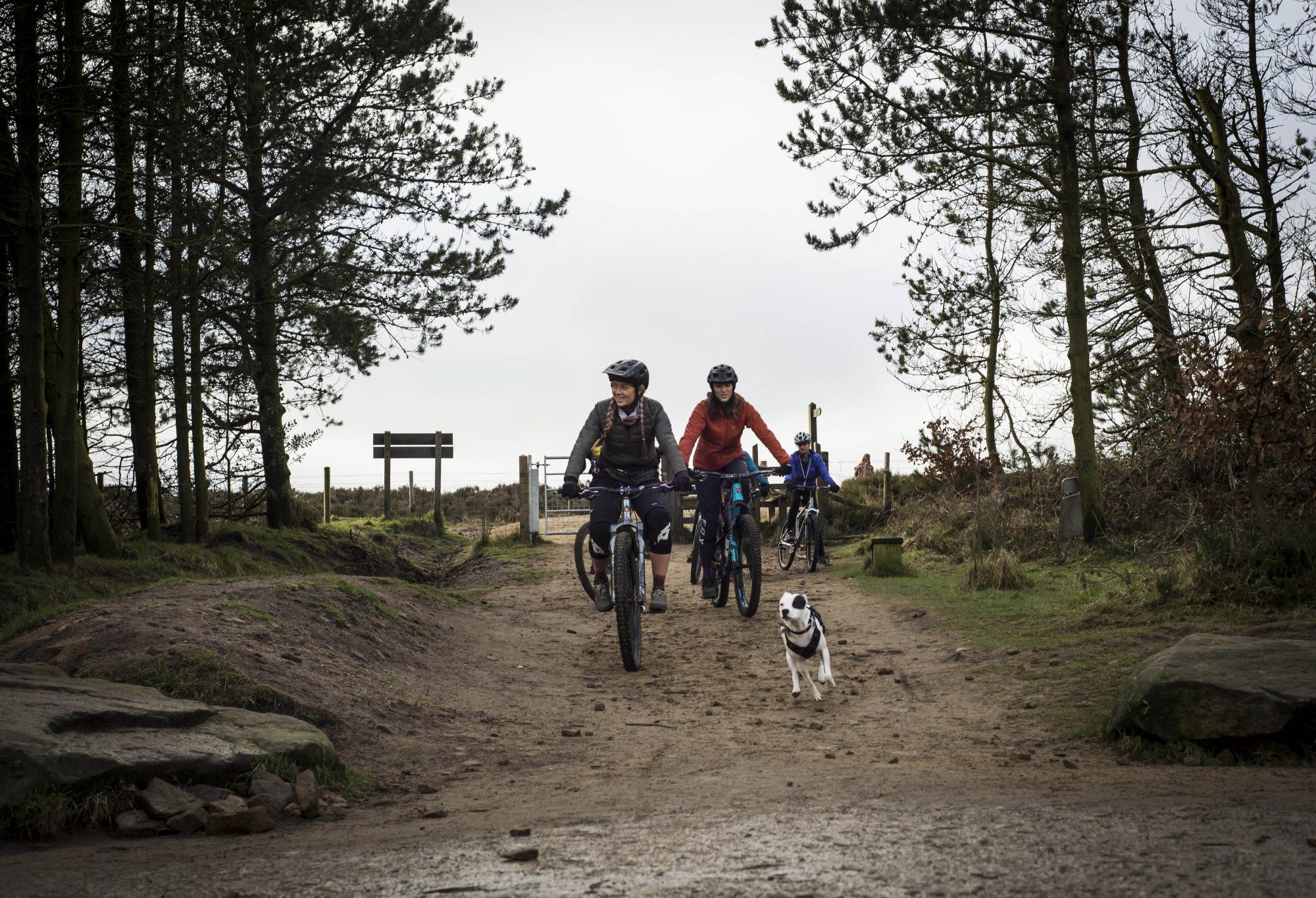
My favourite trail dog rides with Bell
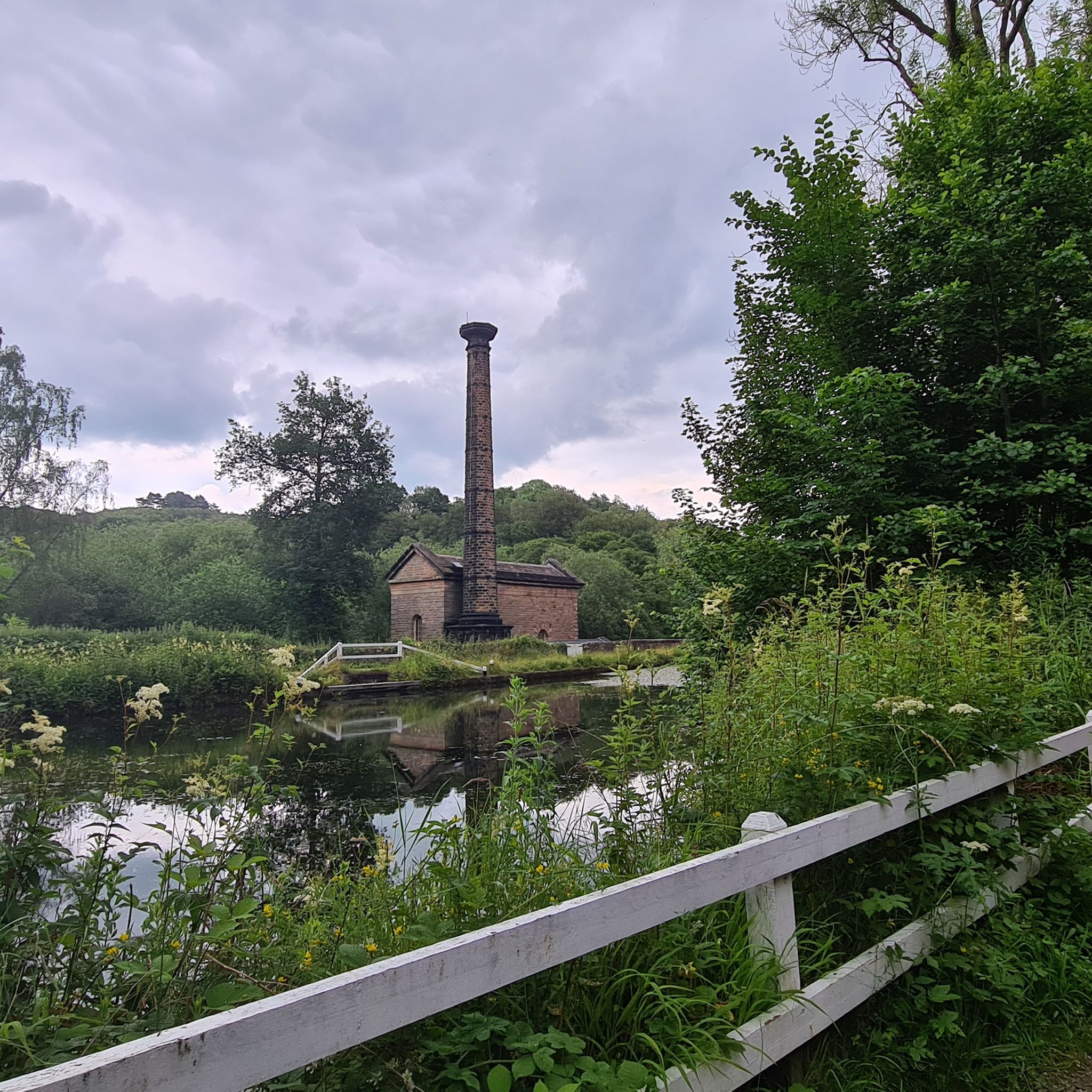
Hiking around Dethick, Lea And Holloway
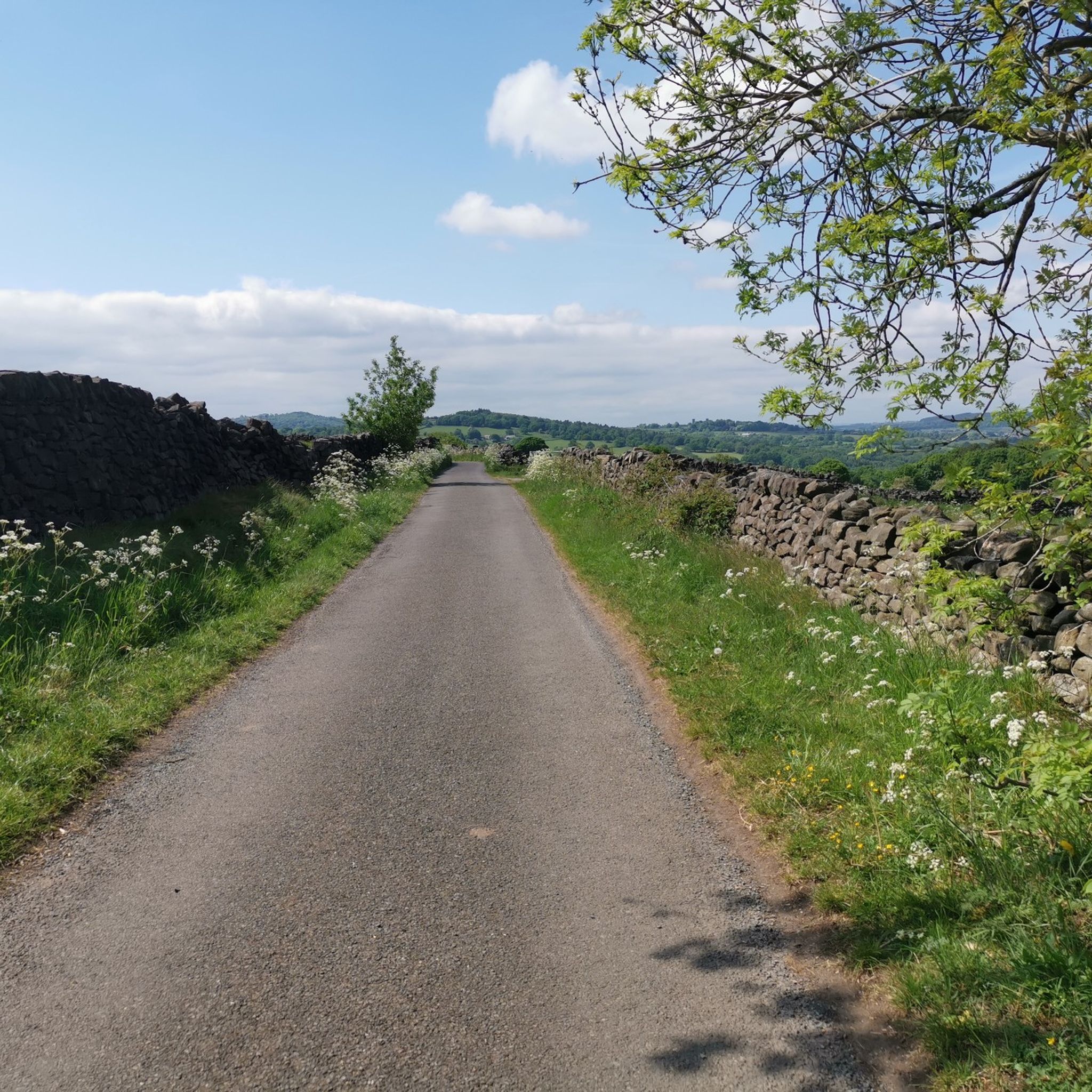
Cycling around Dethick, Lea And Holloway
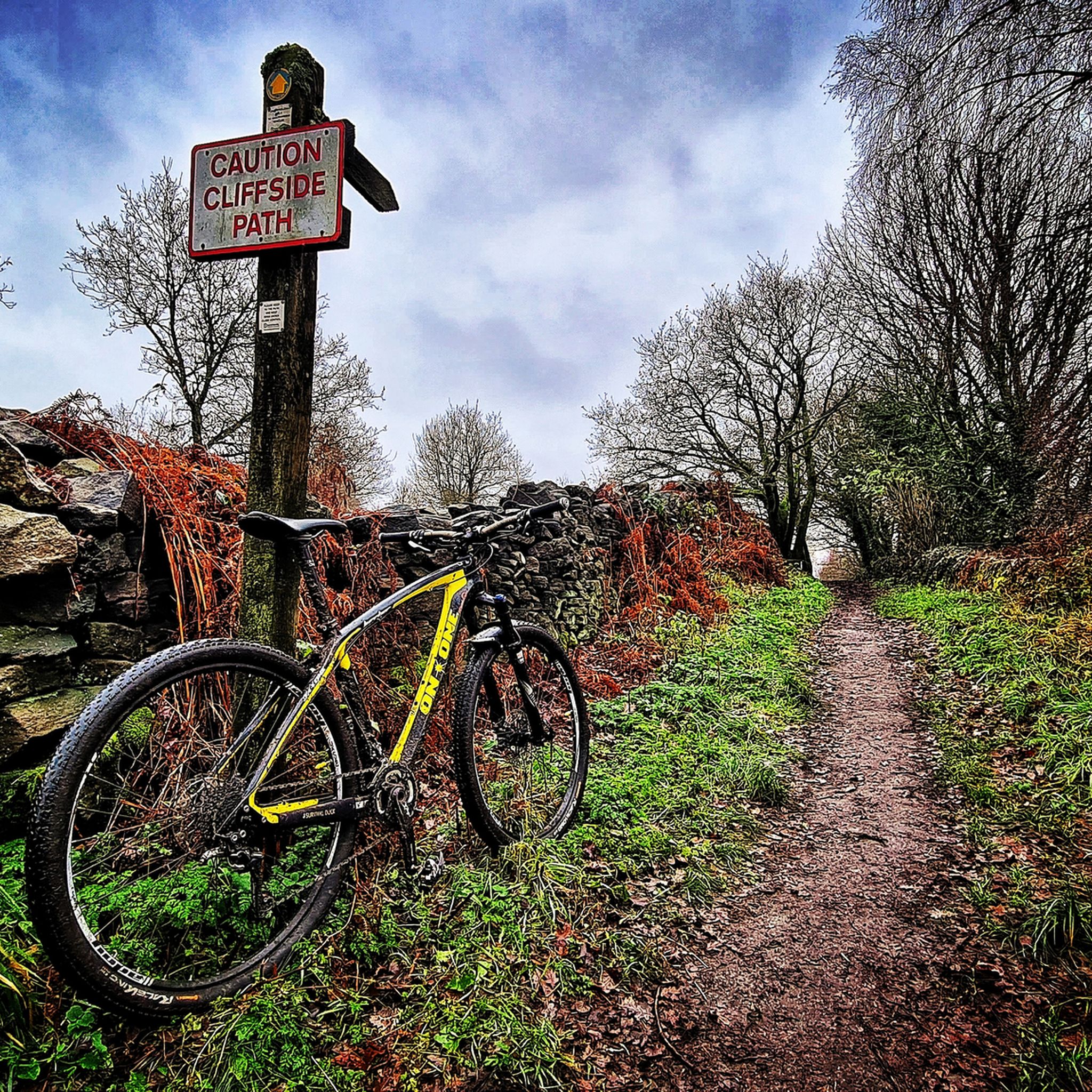
MTB Trails around Dethick, Lea And Holloway
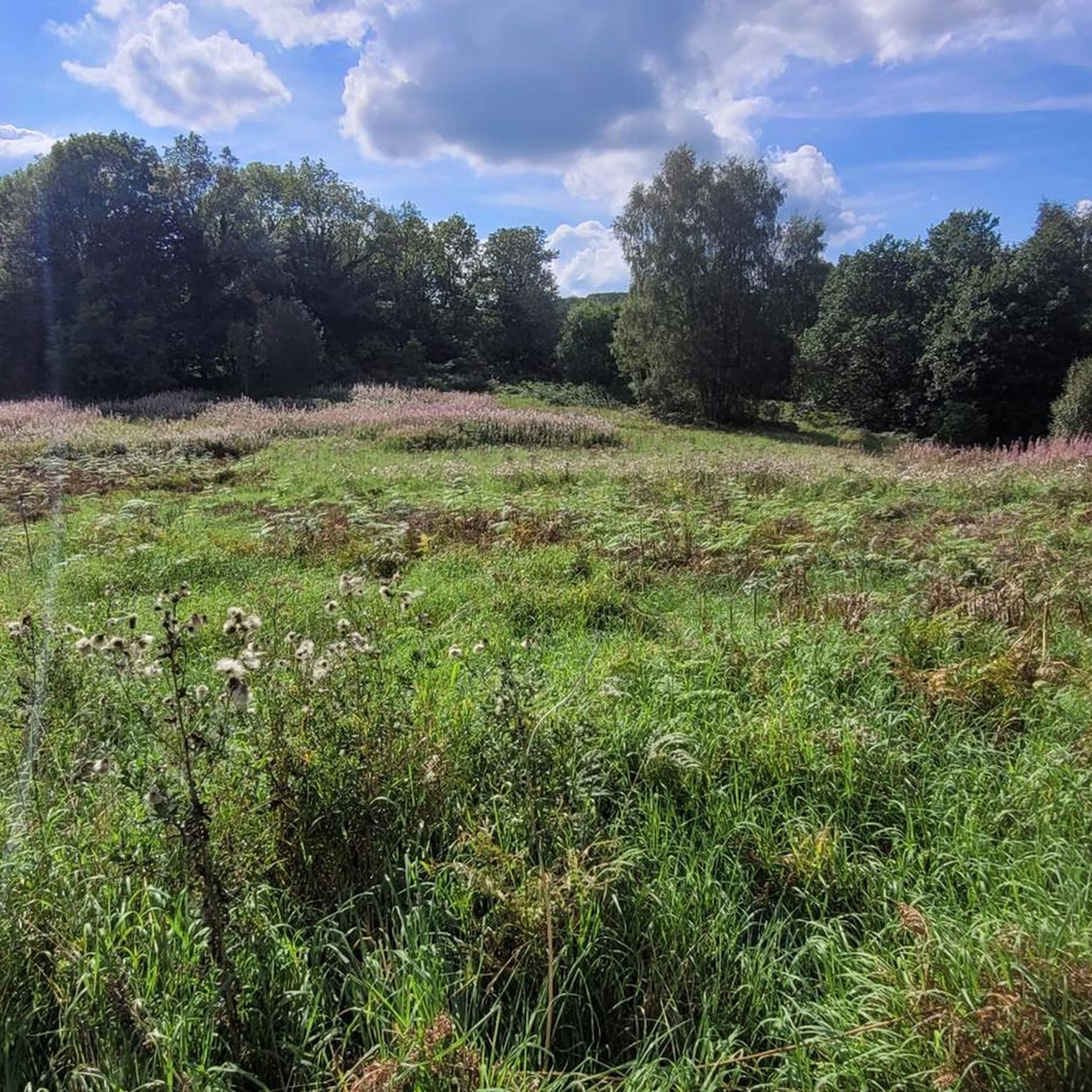
Running Trails around Dethick, Lea And Holloway
Road Cycling Routes around Dethick, Lea And Holloway
Gravel biking around Dethick, Lea And Holloway


Tips from the Community

Cork Stone is one of several interesting standing stones on Stanton Moor. It is 5m tall piece of weathered sandstone located above the remnants of a quarry site. At some point hollowed out steps and metal rings were added to allow people (kids and their grownups!) to climb to the top
0
0

This stone circle from the Bronze Age, built thousands of years before the beginning of the Christian era, is neither as large nor nearly as famous as the legendary "Stonehenge" on the plains near Amesbury (which is, after all, a UNESCO World Heritage Site; if you're interested, see =>> https://www.komoot.com/de-de/highlight/960007 ), but this one can be visited without much tourist hustle and bustle, and it also has a much more interesting-sounding name...
0
0


19th century pleasure ground which exploited the dramatic qualities of the Derwent valley. Peter Arkwright of Willersley Castle enclosed the grounds c 1860 and constructed pedestrian paths from a new entrance on the south side approached from the bridge to Matlock Bath railway station. The entrance from Starkholmes Road was retained and could be used by carriages. A pathway was formed through Fern Cave (scheduled ancient monument) and another on a narrow ledge along part of the cliff face. In 1879 the grounds were leased to the Matlock and High Tor Recreation Grounds Company Ltd and Milner of London was retained to supervise landscaping. Arkwright's Grand Walk, also used by carriages, was created, leading south to the summit from a gateway in Pig Tree Lane, now Pic Tor Lane. A refreshment room was erected near the summit, tennis and quoit or skittle grounds were constructed close to a modified southern entrance and additional paths put in with a broad flight of steps.
0
0


The footpath along the summit is commonly known as Giddy Edge, unfenced and not recommended for small children . There is a small metal handrail afixed to the inside edge (of the cliff) totally spectacular.
4
0

Claimed to be among the world’s oldest surviving railway workshops, the High Peak Junction Workshops were built around 1830 and are now faithfully restored to how they would have looked in the 1880s.
2
0

High Peak Junction was where the Old Comford and High Peak railway met the Cromford Canal. It is now a great spot to take a break with a shop that sells hot drinks and snacks.
3
0
Frequently Asked Questions
What historical sites can I explore in Dethick, Lea and Holloway?
The area is rich in history. You can visit the ancient Nine Ladies Stone Circle, an early Bronze Age site steeped in legend. Also, explore the 13th-century Dethick Church (Church of St John the Baptist) and the historic High Peak Junction, where the Cromford Canal met the Old Cromford and High Peak railway. Don't miss Lea Hurst, the former summer home of Florence Nightingale, and Lea Mills, the historic John Smedley clothing mill.
Where can I find natural beauty and scenic views in the area?
For breathtaking vistas, head to High Tor and Giddy Edge, offering impressive views over Matlock Bath. Stanton Moor Trig Point also provides panoramic views overlooking Bakewell and Matlock. The region is characterized by verdant woodlands like Lea Wood Ancient Woodland and Coombs Wood, and picturesque waterways such as the Lea Brook and River Derwent.
Are there family-friendly attractions around Dethick, Lea and Holloway?
Yes, several spots are great for families. The Nine Ladies Stone Circle offers an intriguing historical experience for all ages. The Cork Stone on Stanton Moor, with its carved steps and handles, is a unique natural feature that kids often enjoy climbing. High Peak Junction also has facilities and a museum, making it a good stop for families.
What outdoor activities can I do near these attractions?
The area is excellent for outdoor enthusiasts. You can find numerous routes for mountain biking, cycling, and running. For mountain biking, explore trails like the 'Carsington Water and Black Rocks loop' or the 'Ambergate Station Bus Stop – High Peak Junction loop'. Cyclists can enjoy routes such as the 'High Peak Trail – High Peak Trail loop'. Runners have options like the 'Cromford Wharf – Cromford Canal towpath loop'. You can find more details and routes in the MTB Trails, Cycling, and Running Trails guides for the region.
Are there good walking routes in Dethick, Lea and Holloway?
Absolutely. The region is crisscrossed with walking paths through its verdant woodlands and along waterways. Popular spots for walks include the areas around the Nine Ladies Stone Circle and Stanton Moor Trig Point, which offer beautiful moorland and woodland trails. The nearby Cromford Canal also provides serene walking opportunities. Look for routes that incorporate the Lea Brook Stepping Stones for a unique experience.
What cultural sites or points of interest are there?
Beyond historical landmarks, the area offers cultural insights. Visit Lea Gardens, famous for its extensive rhododendron collection, open during summer. The parish also hosts art galleries like Studio 61 and the Little London Gallery. The Grade II Listed Jug and Glass public house in Lea, dating back to 1782, has links to the Nightingale family, and the Florence Nightingale Memorial Hall in Holloway honors her legacy.
When is the best time to visit Dethick, Lea and Holloway?
The area is beautiful year-round, but spring and summer offer particularly vibrant experiences. Spring is ideal for seeing bluebells in Coombs Wood and the rhododendrons in full bloom at Lea Gardens. The warmer months are also perfect for enjoying the numerous hiking and walking trails and outdoor activities.
Are there any hidden gems or lesser-known spots worth discovering?
Beyond the main attractions, keep an eye out for hidden caves along the trails, remnants of the region's geological past. The Lea Brook Stepping Stones offer a charming feature on a loop walk from Dethick, Lea, and Holloway. Exploring the general forested hills can also lead to peaceful, secluded spots away from the main paths.
What do visitors particularly enjoy about Dethick, Lea and Holloway?
Visitors frequently praise the atmospheric and magical setting of sites like the Nine Ladies Stone Circle. The breathtaking views from Stanton Moor Trig Point and the unique climbing experience at the Cork Stone are also highly rated. The blend of ancient history, stunning natural landscapes, and diverse outdoor activities makes the area a cherished destination.
Are there any accessible trails or attractions for visitors with mobility considerations?
While many trails in the region involve varied terrain, High Peak Junction is noted as being wheelchair accessible, offering a good starting point for exploring the Cromford Canal path. It also provides facilities, a shop, and a museum. It's always advisable to check specific trail conditions for accessibility before visiting.
Where can I find local pubs or cafes near the attractions?
The historic Jug and Glass public house in Lea is a Grade II Listed establishment dating back to 1782, offering a taste of local heritage. At High Peak Junction, you'll find a shop that sells hot drinks and snacks, perfect for a break. Lea Gardens also features a café during its opening months.
Most popular routes around Dethick, Lea And Holloway
Most popular attractions around Dethick, Lea And Holloway

Get inspired with the komoot mobile app


Explore more
Still not found the Highlight you’re looking for? See guides of the top attractions in other regions:
