The best cycling routes around Flamborough
4.3
(62)
562
riders
47
rides
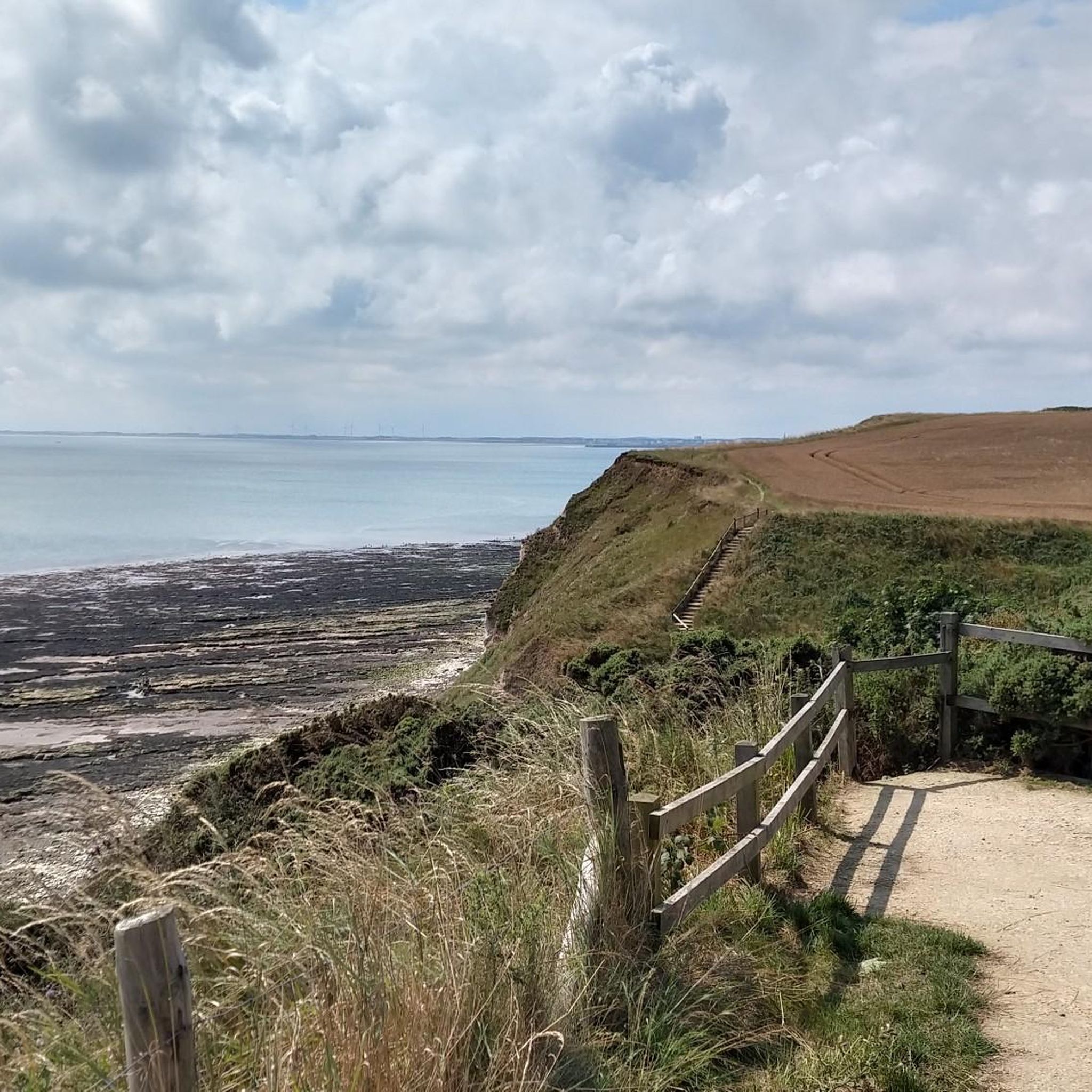
Touring cycling around Flamborough offers routes along the distinctive chalk cliffs and coastal paths of the headland. The region features a mix of rural roads connecting small villages and scenic stretches overlooking the North Sea. Cyclists can expect varied terrain, from gentle coastal routes to paths with moderate ascents, providing diverse experiences. The landscape is characterized by its maritime environment and open vistas.
Best touring cycling routes around Flamborough
- The most popular touring cycling route is Seaside Bike Path – Flamborough Lighthouse loop from Flamborough, a 17.1 miles (27.5 km) trail that takes 1 hour 39 minutes to complete. This route offers views of the coastline and passes the Flamborough Lighthouse.
- Another top favourite among local touring cyclists is Bempton Village – The Ship Inn Sewerby loop from Flamborough, an easy 11.0 miles (17.7 km) path. This route explores the rural landscape between Bempton Village and Sewerby, offering a relaxed ride.
- Local touring cyclists also love the Flamborough Lighthouse – Flamborough Old Lighthouse loop from Sewerby, a 9.0 miles (14.4 km) trail leading through coastal scenery, often completed in about 50 minutes.
- Touring cycling around Flamborough is defined by coastal paths, rural roads, and views of the North Sea. The network offers options for different ability levels, from easy village loops to moderate coastal rides.
- The routes in Flamborough are highly rated by the komoot community with an average score of 4.2 stars from over 50 reviews. More than 500 touring cyclists have used komoot to explore Flamborough's varied terrain.
Last updated: October 11, 2026
4.3
(8)
50
riders
28.2km
01:41
160m
160m
Moderate bike ride. Good fitness required. Mostly paved surfaces. Suitable for all skill levels.
7
riders
17.3km
01:02
120m
120m
Easy bike ride. Great for any fitness level. Mostly paved surfaces. Suitable for all skill levels.

5.0
(2)
17
riders
Easy bike ride. Great for any fitness level. Mostly paved surfaces. Suitable for all skill levels.
5.0
(2)
13
riders
Easy bike ride. Great for any fitness level. Mostly paved surfaces. Suitable for all skill levels.
4.0
(2)
9
riders
42.7km
02:35
300m
300m
Moderate bike ride. Good fitness required. Mostly paved surfaces. Suitable for all skill levels.
Get access to more routes and recommendations from other explorers.
Already have an account?
Our route recommendations are based on thousands of hikes, rides, and runs completed by other people on komoot.
Start today with a free account
Your next adventure awaits.
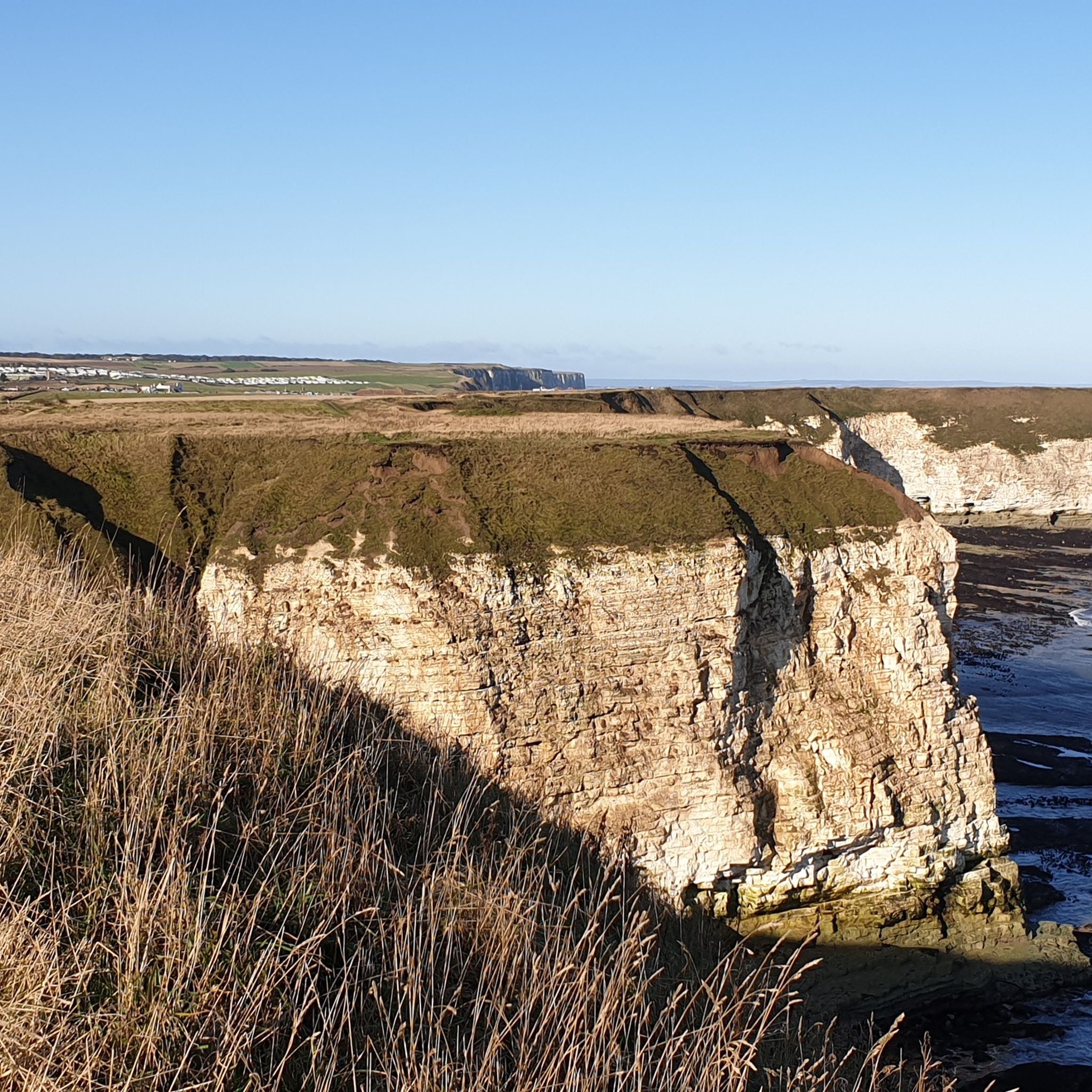
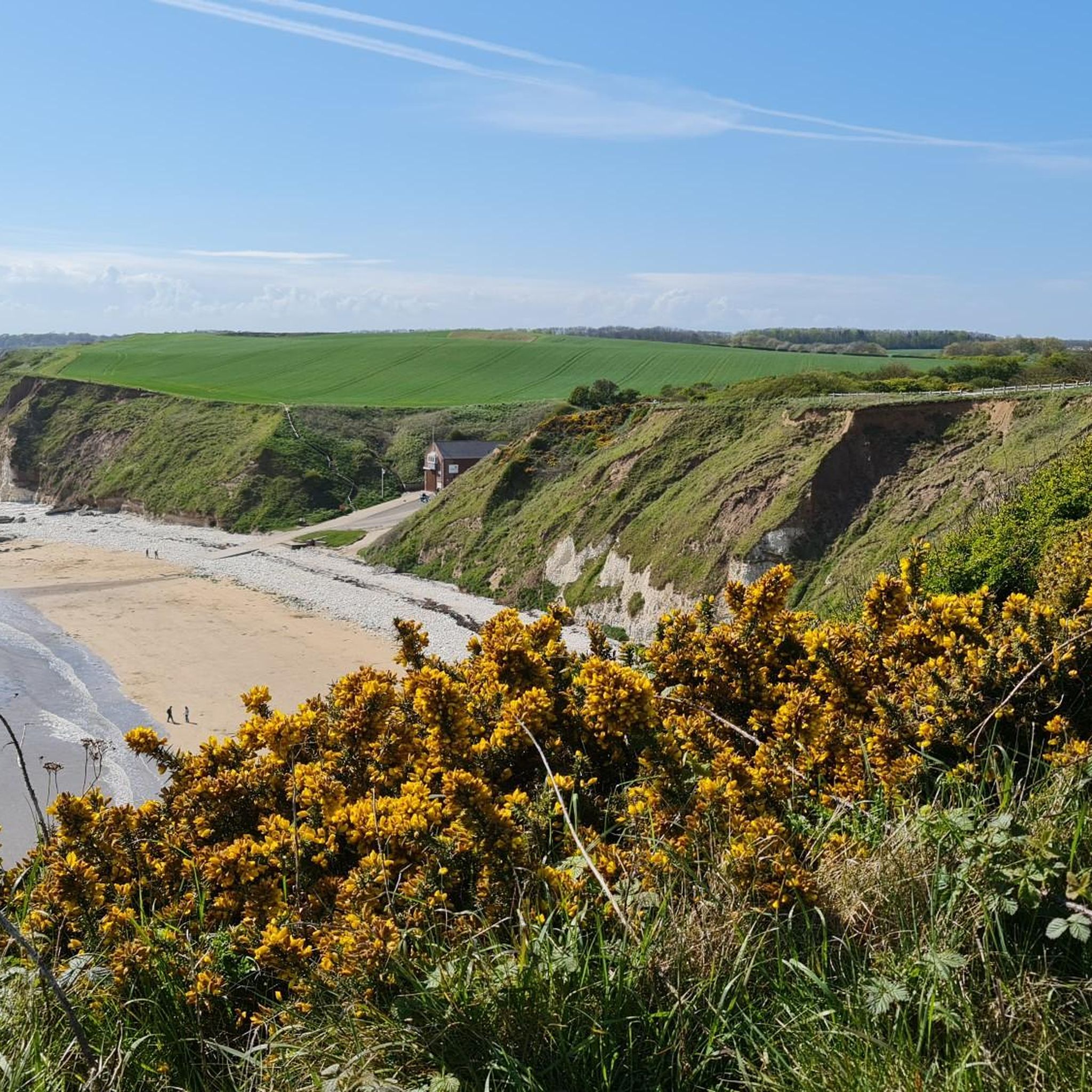
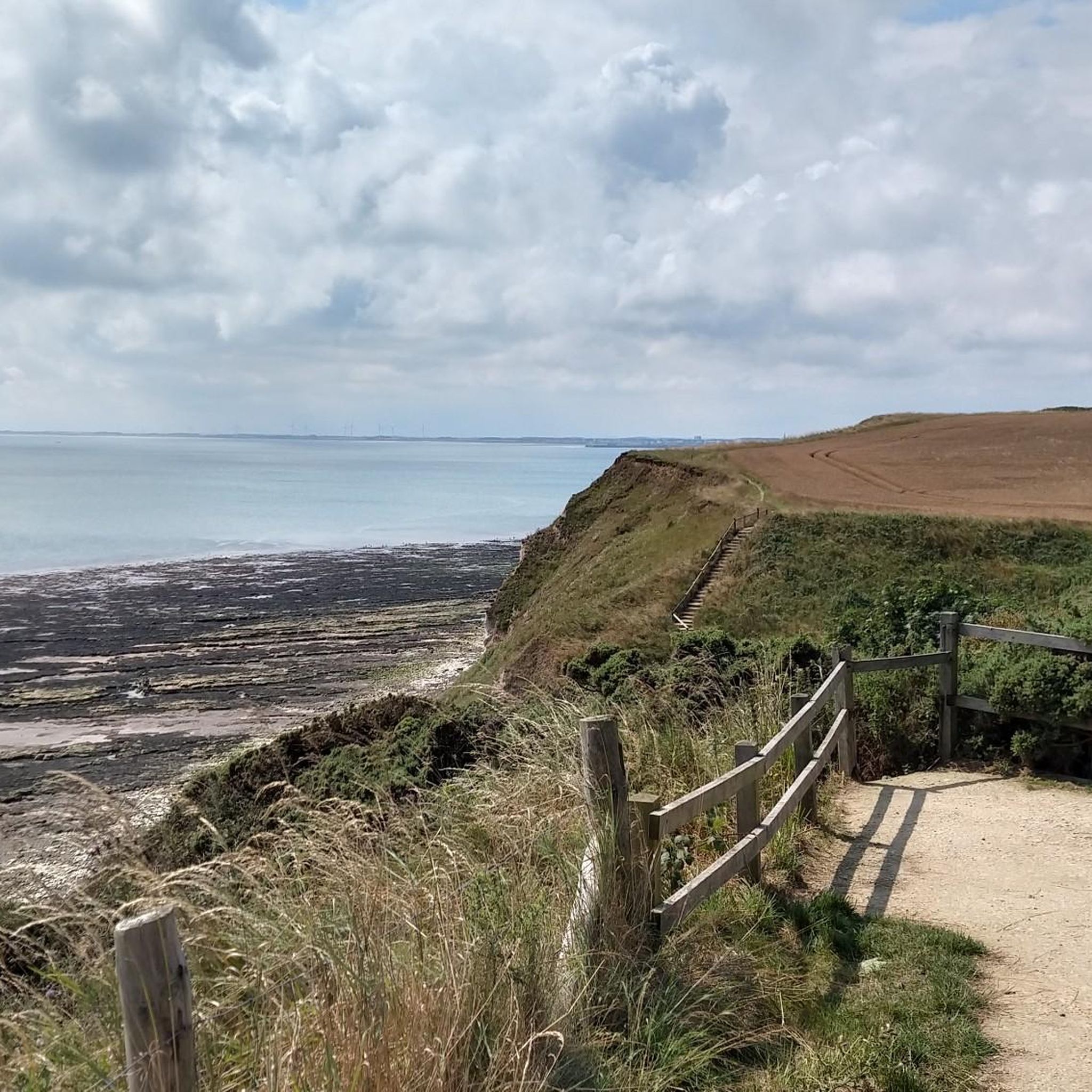
Other adventures around Flamborough

Tips from the Community

A beautiful whitewashed lighthouse and chalk cliffs with a natural arch, and Atlantic grey seals visit
0
0
Situated on a golf course so be careful but a nice old lighthouse with some historical facts on a board
0
0
Flambourgh Head is a great place to visit with it's chalk cliffs Atlantic grey seals and whiteashed lighthouse maybe get there early to miss the crowds
0
0

Mid way point between lands end and John O Groats 362 miles from both. Plus memorial information and plaque on the battle of Flambrough head.
0
0

Nice snack hut. Coffee and cake a must
0
0

It's really cool that you go past the old lighthouse en route to the new one!
0
0
Frequently Asked Questions
How many touring cycling routes are available in Flamborough?
There are nearly 50 touring cycling routes around Flamborough, offering a variety of experiences from easy coastal rides to more challenging inland explorations.
Are there easy touring cycling routes suitable for beginners or families in Flamborough?
Yes, Flamborough offers several easy routes perfect for beginners or families. For example, the Bempton Village – The Ship Inn Sewerby loop from Flamborough is an easy 11.0-mile (17.7 km) path that explores the rural landscape. Another gentle option is the Flamborough Lighthouse – Flamborough Old Lighthouse loop from Flamborough, which is 6.9 miles (11.1 km) long.
What kind of distances and elevations can I expect on touring bike trails in Flamborough?
Routes in Flamborough vary in length and elevation. You can find shorter, flatter rides like the 9.0-mile (14.4 km) Flamborough Lighthouse – Flamborough Old Lighthouse loop from Sewerby with moderate elevation gain. Longer routes, such as the Seaside Bike Path – Bridlington Priory Church loop from Sewerby, cover over 26 miles (42 km) and include more significant ascents, reaching around 300 meters of elevation gain.
Are there challenging touring cycling routes in the Flamborough area?
While many routes are easy to moderate, there are options for those seeking a challenge. The region features routes with moderate ascents and longer distances, particularly those extending further inland or along more undulating coastal sections. Overall, 4 of the nearly 50 routes are rated as difficult.
What are the best times of year to go touring cycling in Flamborough?
The spring and summer months (April to September) generally offer the most favorable weather for touring cycling in Flamborough, with milder temperatures and longer daylight hours. However, the coastal nature of the area means conditions can change rapidly, so it's always advisable to check the forecast before heading out.
What kind of attractions or viewpoints can I see along the touring cycling routes?
Flamborough's touring cycling routes offer stunning coastal views and access to several notable attractions. You can cycle past the iconic Flamborough Lighthouse, experience the dramatic cliffs at RSPB Bempton Cliffs Nature Reserve, or explore the unique rock formations at Smugglers' Caves at Thornwick Bay. Many routes also provide panoramic vistas from places like North Landing Beach and Cliffs.
Are there circular touring cycling routes in Flamborough?
Yes, many of the touring cycling routes in Flamborough are designed as loops, allowing you to start and finish at the same point. A popular example is the Seaside Bike Path – Flamborough Lighthouse loop from Flamborough, which offers coastal views and passes the lighthouse.
Can I spot wildlife while cycling in Flamborough?
Absolutely. Flamborough Head is a significant area for wildlife, especially seabirds. Cycling near the coast, particularly around areas like RSPB Bempton Cliffs Nature Reserve, offers excellent opportunities to see gannets, puffins, and other species, especially during nesting season.
What do other touring cyclists enjoy most about cycling in Flamborough?
The touring cycling experience in Flamborough is highly rated by the komoot community, with an average score of 4.2 stars from over 50 reviews. Cyclists frequently praise the stunning coastal scenery, the variety of routes catering to different abilities, and the well-maintained paths that offer views of the North Sea and charming rural landscapes.
Are there options for parking near the touring cycling routes in Flamborough?
Yes, Flamborough and its surrounding villages typically offer various parking options, including public car parks, often near popular starting points for routes or attractions like the lighthouse and coastal access points. It's advisable to check local signage for any parking fees or restrictions.
Is public transport accessible for reaching touring cycling routes in Flamborough?
Public transport options, such as local bus services, connect Flamborough with nearby towns like Bridlington. While some routes might be accessible directly from bus stops, planning your journey in advance to ensure your chosen route's start point is conveniently located is recommended.
Most popular attractions around Flamborough

Get inspired with the komoot mobile app


Explore more
Browse the best Cycling routes in other regions.
