Top 17 Lakes on the Derbyshire Dales
Lakes on the Derbyshire Dales offer a diverse range of natural beauty and recreational activities within a captivating landscape. The region is characterized by its rolling hills, valleys, and significant water bodies, including several large reservoirs. These lakes play a crucial role in water supply and provide extensive opportunities for outdoor pursuits. The area combines natural features with historical significance, particularly around the Upper Derwent Valley.
Best lakes on the Derbyshire Dales
- The most popular lakes is Carsington Water, a lake that offers a major center for leisure activities. It is England's ninth-largest reservoir and features a circular path for walkers, cyclists, and horse riders.
- Another must-see spot is Longshaw Pond, an other natural feature within ancient woodlands and open moorlands. This pond, created around 1827, is a serene spot for appreciating nature and birdwatching.
- Visitors also love Shirley Park Woodland and Pond, a lake within a family-friendly forest and park setting. It offers a pleasant environment for walks and enjoying the natural surroundings.
- Derbyshire Dales is known for large reservoirs, historic ponds, and smaller park lakes. The variety of lakes provides options for different activities, from extensive cycling routes to quiet natural retreats.
- The lakes on the Derbyshire Dales are appreciated by the komoot community, with over 260 upvotes and more than 40 photos shared across 17 highlights.
Last updated: October 17, 2026
Carsington Water
Highlight • Lake
Tip by

Foolow Village
Highlight • Pub
Tip by

Sign up now to discover places like this
Get recommendations on the best single tracks, peaks, & plenty of other exciting outdoor places.
Mill Pond
Highlight • Structure
Tip by

Whitworth Park Pond
Highlight • Lake
Tip by

Osmaston Park Sawmill
Highlight • Structure
Tip by

Bentley Brook and Upper Pond
Highlight • Natural
The Upper Pond was constructed in the 1780s by Watts, Lowe and Co to supply water for their cotton mill. It has silted up since the dam wall broke in 1947 and is now a designated nature reserve. The Middle Pond was also from the 1780s and was restored in 2014 (funded by the Heritage Lottery) after being dry and overgrown. The Lower Pond was originally a quarry but was converted into a reservoir in 1850.
Tip by
Shirley Park Woodland and Pond
Highlight (Segment) • Lake
Tip by

Cromford Mill Pond and Waterfall
Highlight • Waterfall
Tip by

Roadford Lake Dam
Highlight (Segment) • Structure
Tip by
Tansley Pond (Middle Pond at Lumsdale)
Highlight • Natural
Tansley Pond (AKA The Middle Pond at Lumsdale) is a mixed fishery with carp to 10lb and a good shoal of Chub to 4lb. Perch, Tench, roach, bream, skimmers, gudgeon, crucians, rudd are also in the pond.
Tip by
Sign up for free to discover even more lakes on the Derbyshire Dales.
Already have an account?
Start today with a free account
Your next adventure awaits.
Popular around Derbyshire Dales
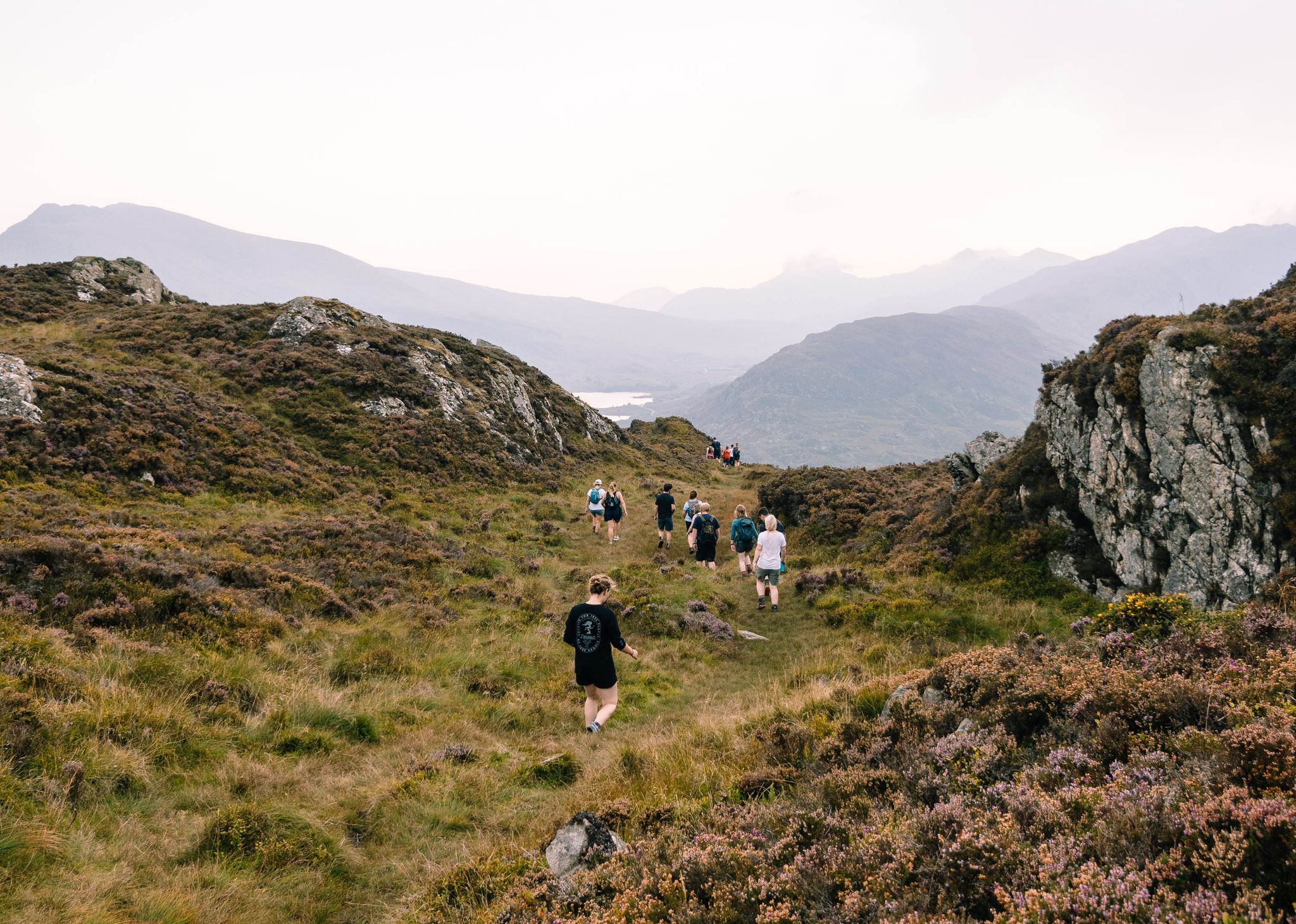
Connect with Nature – Purposeful Adventures in 2024
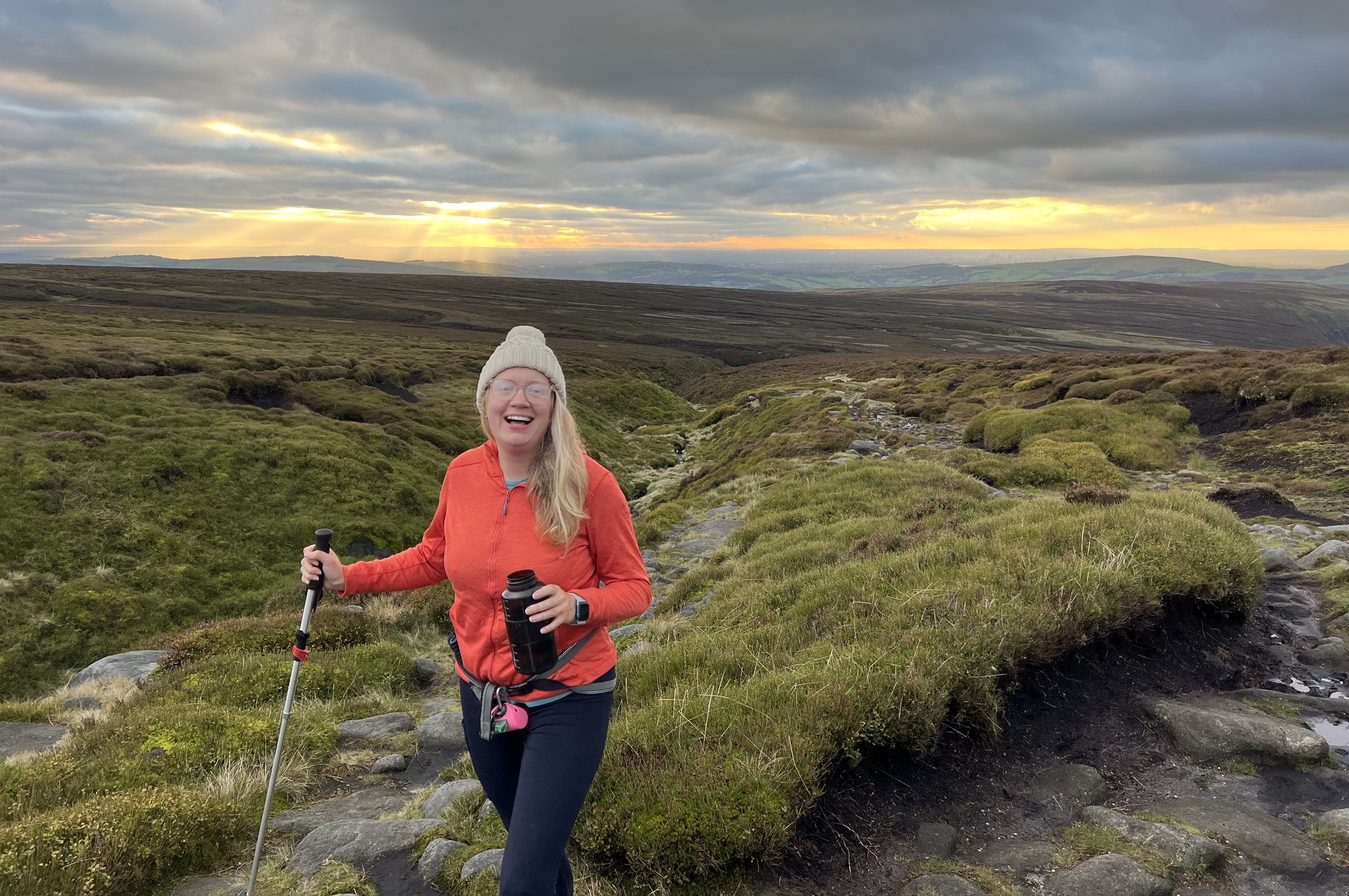
Peak District National Park – A Walk in the Parks
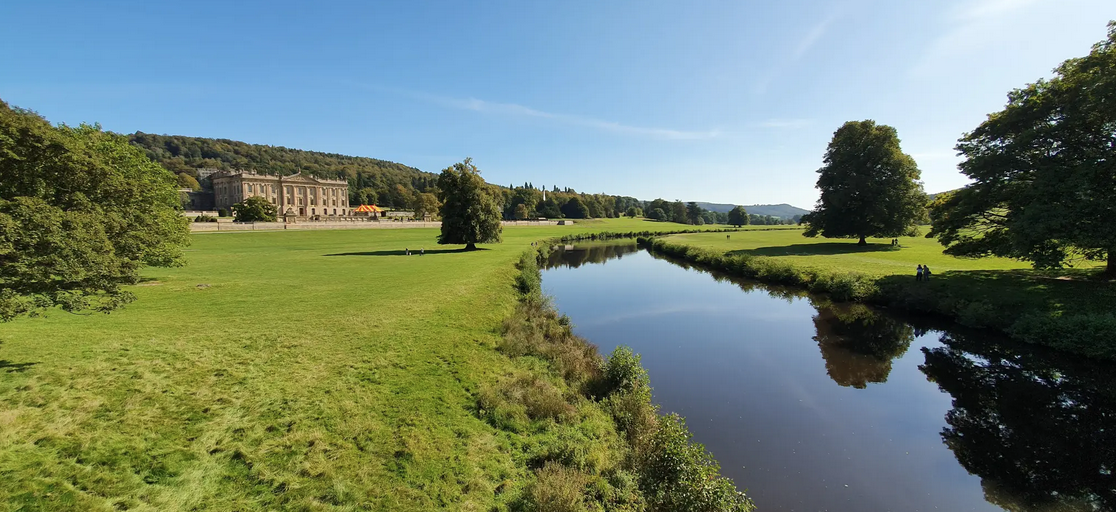
Derwent Valley Heritage Way — Hike a river that changed the world
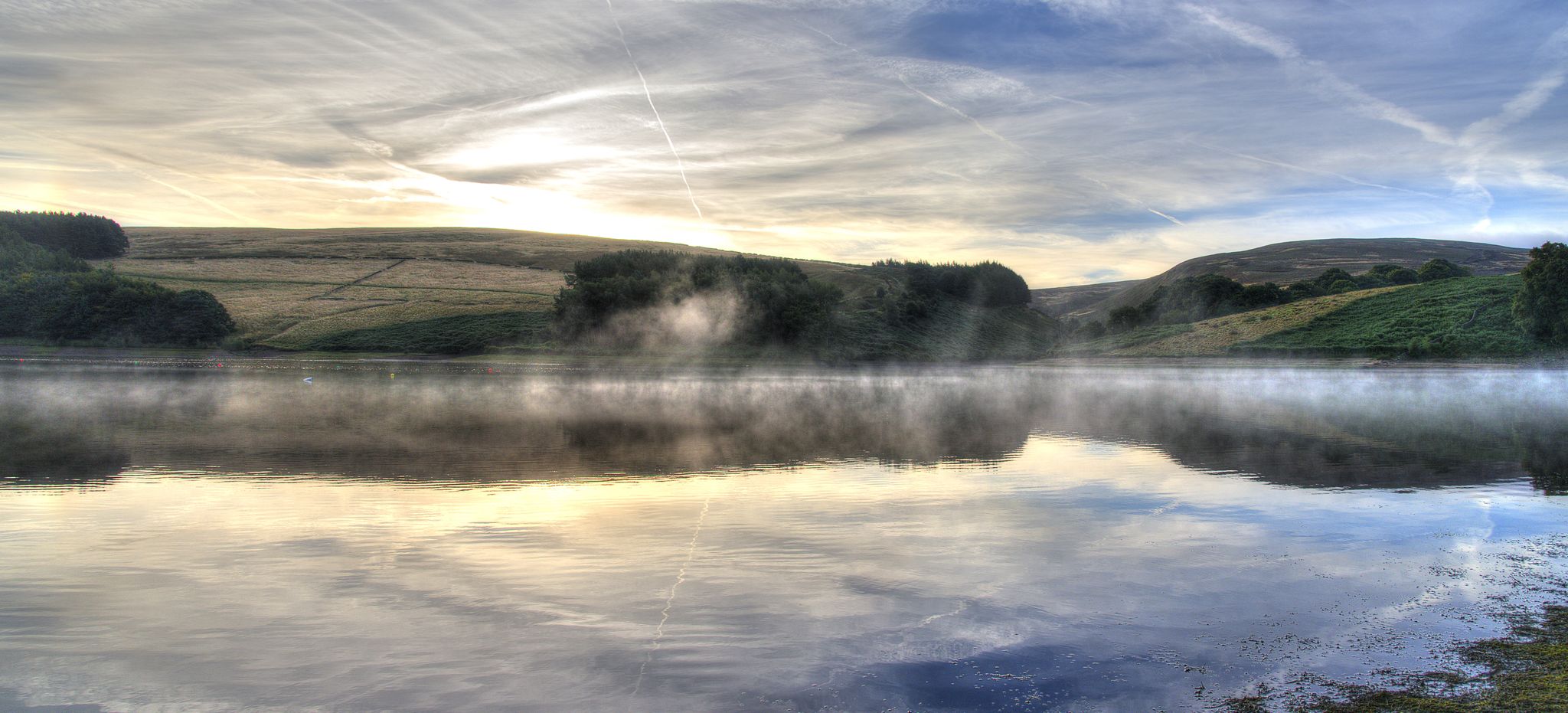
Midshires Way — An epic hike through England's rural heart
The Derbyshire Portway — crossing the Peak District by bike
Limestone Way — Hike the dales and meadows of the White Peak
Great North Trail — From the Pennine Hills to the tip of Scotland
The Pennine Bridleway — Climbing the 'backbone of England'
Pennine Cycleway – An epic adventure along the UK's toughest ride
Family friendly cycle routes in England
Other adventures on the Derbyshire Dales


Tips from the Community

Arrive mid-morning on a crisp autumn day to wander the quaint village green with its medieval cross, duck pond, and bull-ring—perfect for photos of the limestone cottages without crowds. Grab a hearty pub lunch at The Bull’s Head, savoring local ales and farm-fresh dishes, then embark on the easy 2.4-mile walk to nearby Eyam (the “Plague Village”) for a dose of history amid rolling dales. Park at the edge of the village (limited spots), wear comfy shoes for the quiet lanes, and time your visit for late August if you can catch the colorful well dressings festival
0
0


"Spring has arrived – and the sun has melted the ice on the mill pond. Its rays reach to the bottom of the pond – and tickle awake the little water sprite, who has been hibernating with his mermaid parents. And what's the first thing a curious little water sprite does? Spring cleaning with his mother? Repairing the broken roof of the water sprite's house? Wrong! Of course, the little water sprite's first priority is to meet his old friend, Cyprinus the carp... The little water sprite isn't quite as cheeky here as in the 1955 original – but Daniel Napp's little spring story has been enchantingly illustrated. A magical, endearing, and ageless reading experience for children ages 4 and up." The Stiftung Lesen (Reading Foundation) reviews a four-volume sequel to the popular "The Little Water Sprite" by Otfried Preußler (1923 to 2013), which guides children through the seasons in this children's book series.
1
0

Planning for the reservoir started in the 1960s and construction started in 1979. In 1984, there was a partial collapse of the dam before it was filled. The dam was removed before the construction of a new dam began in 1989. The finished reservoir was opened by Queen Elizabeth II in 1992.
0
0

Not just a pond but the reservoir for the nearby Arkwright's Cromford Mills. You've hiked this far so a slight detour? to the Mills would be worth the effort.
0
0
The Whitworth building and park are steeped in Victorian industrial history. Lady Louisa Whitworth, wife of the industrialist Sir Joseph Whitworth, had a vision of creating a place where people could meet for leisure, recreational and educational purposes. The Whitworth is unique in that it is the only surviving Whitworth foundation that continues to operate under the terms of its original endowment. Once a Victorian boating lake the ponds are now home to an abundance of wildlife all year round.
0
0
Bentley Brook runs through Lumsdale Valley into the River Derwent. The Upper Pond was constructed in the 1780s by Watts, Lowe and Co to supply water for their cotton mill. It has silted up since the dam wall broke in 1947 and is now a designated nature reserve. The Middle Pond was also from the 1780s and was restored in 2014 (funded by the Heritage Lottery) after being dry and overgrown. The Lower Pond was originally a quarry but was converted into a reservoir in 1850.
0
0
Frequently Asked Questions
What types of activities can I enjoy around the lakes in Derbyshire Dales?
The lakes in Derbyshire Dales offer a wide range of activities. You can enjoy walking, cycling, and horse riding around Carsington Water, which is also a major center for watersports like sailing, canoeing, and windsurfing. The Upper Derwent Valley reservoirs (Ladybower, Derwent, and Howden) are popular for hiking and biking, with many scenic trails. Birdwatching is also a popular pastime at several locations, including Longshaw Pond.
Are there family-friendly lakes or activities in Derbyshire Dales?
Yes, many lakes in Derbyshire Dales are family-friendly. Carsington Water has a visitor complex, retail outlets, and a water sports hire center, making it ideal for families. Shirley Park Woodland and Pond offers a pleasant environment for walks within a forest and park setting. Other spots like Longshaw Pond and Foolow Village (with its duck pond) are also great for families.
Which lakes have historical significance in the Derbyshire Dales?
The Upper Derwent Valley reservoirs are rich in history. Ladybower Reservoir was created by flooding the villages of Derwent and Ashopton, whose remains can sometimes be seen during low water levels. Derwent Reservoir is famous as a practice site for the RAF's 617 Squadron, the 'Dambusters,' during World War II, with a small museum at the dam telling its story. Howden Reservoir features a historic brick dam from the early 1900s. Additionally, Longshaw Pond was created around 1827 and has historical ties to the Duke of Rutland.
What are the best lakes for walking and cycling in the region?
For walking and cycling, Carsington Water is excellent, featuring a circular path around the reservoir. The Upper Derwent Valley, encompassing Ladybower, Derwent, and Howden reservoirs, offers numerous circular walking and cycling routes, including a popular 10.5-mile loop through mixed woodlands. You can find more routes for hiking and gravel biking on the Derbyshire Dales by visiting our guides for Easy hikes on the Derbyshire Dales and Gravel biking on the Derbyshire Dales.
Are there any less crowded lakes for a peaceful experience?
For a more serene atmosphere, Howden Reservoir, the uppermost of the three Upper Derwent Valley reservoirs, is nestled in forested hills and offers breathtaking views. Longshaw Pond, while easily accessible, can be peaceful during off-peak times, offering a quiet spot for birdwatching and appreciating nature within ancient woodlands.
What natural features can I expect to see around the lakes?
The lakes are set amidst diverse natural landscapes. Ladybower Reservoir is known for its distinctive bellmouth spillways, locally called 'plugholes,' and is surrounded by stunning countryside with views of water, woodland, and moorland. Howden Reservoir is nestled in forested hills, offering vibrant tree colors in mid-Autumn. Longshaw Pond is within ancient woodlands and open moorlands, providing a habitat for ducks and herons. Carsington Water has been carefully landscaped with over half a million trees and shrubs, creating a rich habitat for wildlife.
When is the best time to visit the lakes in Derbyshire Dales?
The lakes can be enjoyed year-round. Spring and summer are ideal for watersports and longer walks. Mid-Autumn is particularly beautiful around Howden Reservoir due to the vibrant tree colors. During wetter months, Ladybower Reservoir's 'plugholes' are a captivating sight when overflowing. Winter offers unique opportunities for tranquil walks, though conditions can be challenging.
Are there facilities available at the lakes, such as visitor centers or cafes?
Yes, facilities vary by location. Carsington Water has a comprehensive visitor complex with a cafe, retail outlets, and a water sports hire center. Ladybower Reservoir has the Fairholmes visitors' centre, providing information and facilities. Foolow Village, with its duck pond, also boasts a very lovely pub, The Bull's Head, which is a great place to stop and refuel.
Can I go fishing in the lakes of Derbyshire Dales?
Yes, fishing is an option at some lakes. Derwent Reservoir is a well-known spot for trout fishing, with beginner lessons often available. Carsington Water also offers fly fishing opportunities.
What are some popular hiking routes near the lakes?
There are many popular hiking routes. A notable one is the 10.5-mile circular walk that encompasses Howden, Derwent, and Ladybower reservoirs in the Upper Derwent Valley. You can also find various easy hikes on the Derbyshire Dales, such as 'Fin Cop and Monsal Dale from Ashford in the Water' or 'Chatsworth Park & Woodland loop'. For more details, explore our guide on Easy hikes on the Derbyshire Dales.
Are there any specific viewpoints or scenic spots around the lakes?
Absolutely. Ladybower Reservoir offers viewpoints like Bamford Edge, providing stunning vistas of the reservoir and surrounding landscape. Howden Reservoir provides breathtaking views, especially in mid-Autumn. Longshaw Pond is a serene spot to appreciate natural beauty, and Osmaston Park Sawmill offers a lovely view of its adjacent lake.
What wildlife can I observe around the lakes?
The lakes and their surroundings are home to diverse wildlife. Longshaw Pond is known for birdwatching, with ducks and herons frequently spotted. Carsington Water, with its extensive landscaping, provides a rich habitat for various species. The forested areas around the Upper Derwent Valley reservoirs also support a range of woodland creatures and birds.
Can I drive along the water's edge at any of the reservoirs?
Yes, at Howden Reservoir, visitors can drive along the water's edge on weekdays, offering convenient access and scenic views.
Most popular routes on the Derbyshire Dales
Most popular attractions on the Derbyshire Dales

Get inspired with the komoot mobile app


Didn’t find what you were looking for?
Find the best lakes on the Derbyshire Dales per region:
Explore more
Still not found your perfect lake on the Derbyshire Dales? Check out the guides of these regions to see even more beautiful places.
