Top 20 Natural Monuments in West Devon
Best natural monuments in West Devon encompass a diverse range of landscapes, from rugged granite tors and ancient woodlands to deep river valleys and cascading waterfalls. Much of the region's natural beauty is found within Dartmoor National Park, which features extensive walking and cycling trails. These areas provide opportunities to experience England's natural environment and geological formations.
Best natural monuments in West Devon
- The most popular natural monuments is Yes Tor summit, a summit that offers vistas of North…
Last updated: June 26, 2026
Yes Tor summit
Highlight • Summit
Tip by

High Willhays summit
Highlight • Natural Monument
Tip by

Sign up now to discover places like this
Get recommendations on the best single tracks, peaks, & plenty of other exciting outdoor places.
Sign up for free
Bellever Tor
Highlight • Summit
I almost always hike in from the North, coming …
Tip by

Wistman's Wood
Highlight • Forest
Tip by

Postbridge Clapper Bridge
Highlight • Bridge
Tip by

Hunter’s Tor
Highlight • Natural Monument
Tip by
Sharp Tor (Teign Gorge)
Highlight • Viewpoint
Tip by
Widgery Cross at Brat Tor
Highlight • Natural Monument
Tip by

Lydford Gorge
Highlight • Waterfall
Tip by
Dartmeet and Clapper Bridge
Highlight • Natural Monument
Tip by

Sign up for free to discover even more natural monuments in West Devon.
Sign up for free
Already have an account?
Start today with a free account
Your next adventure awaits.
Login or Signup
Popular around West Devon
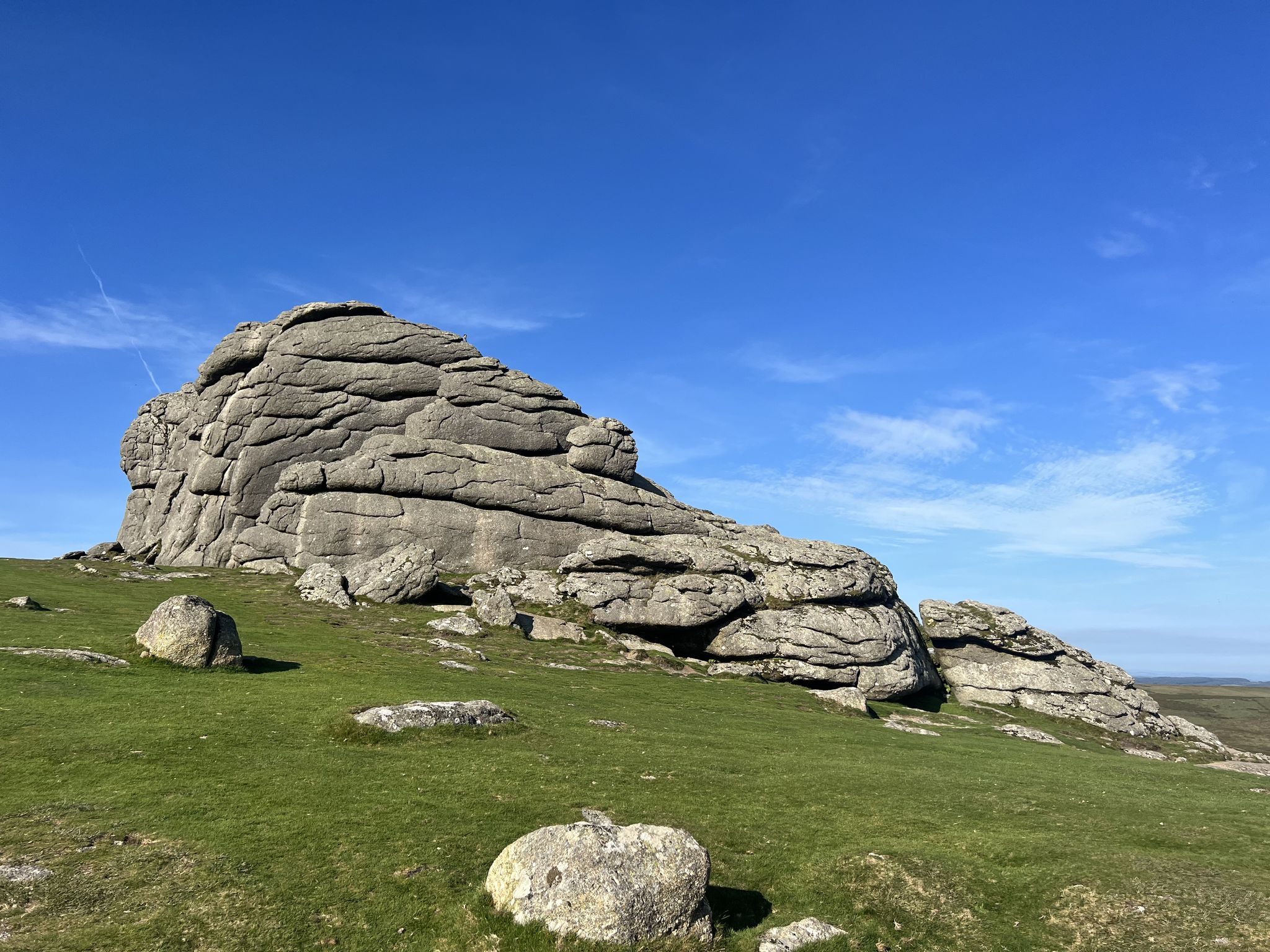
Dartmoor National Park – A Walk in the Parks
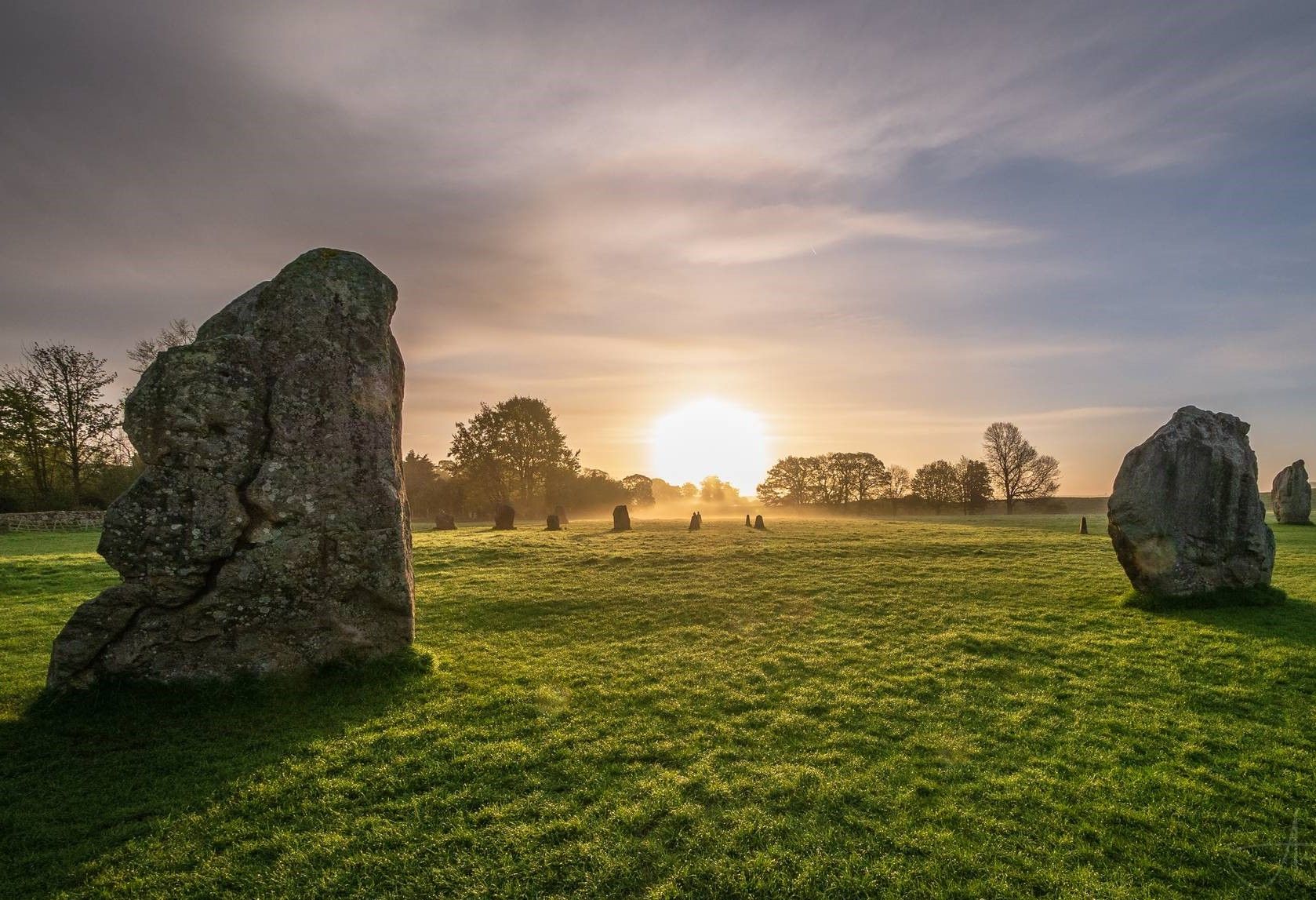
Celtic Way — An epic pilgrimage through prehistory and wild beauty
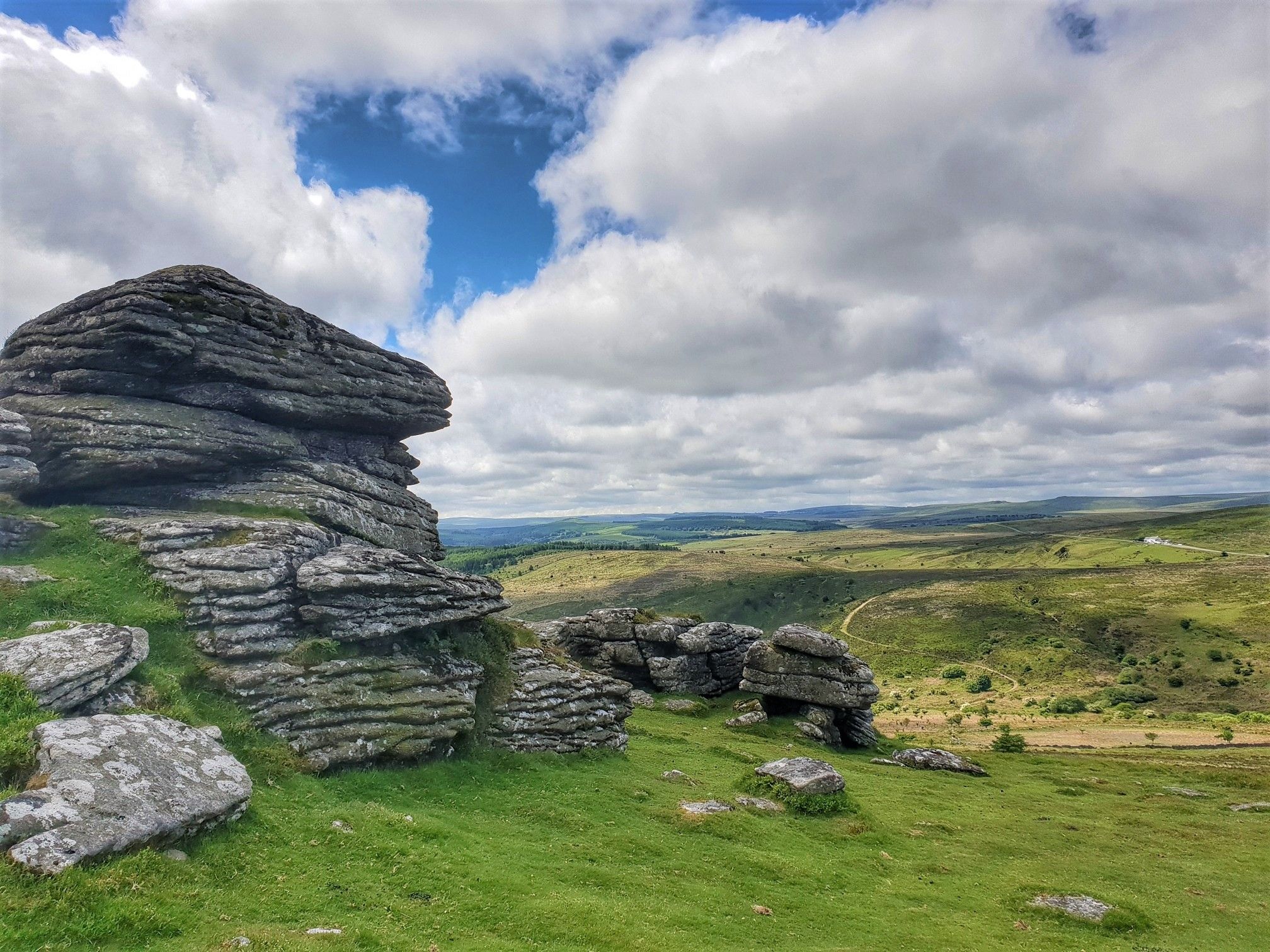
Two Moors Way — Wild coast-to-coast over Dartmoor and Exmoor
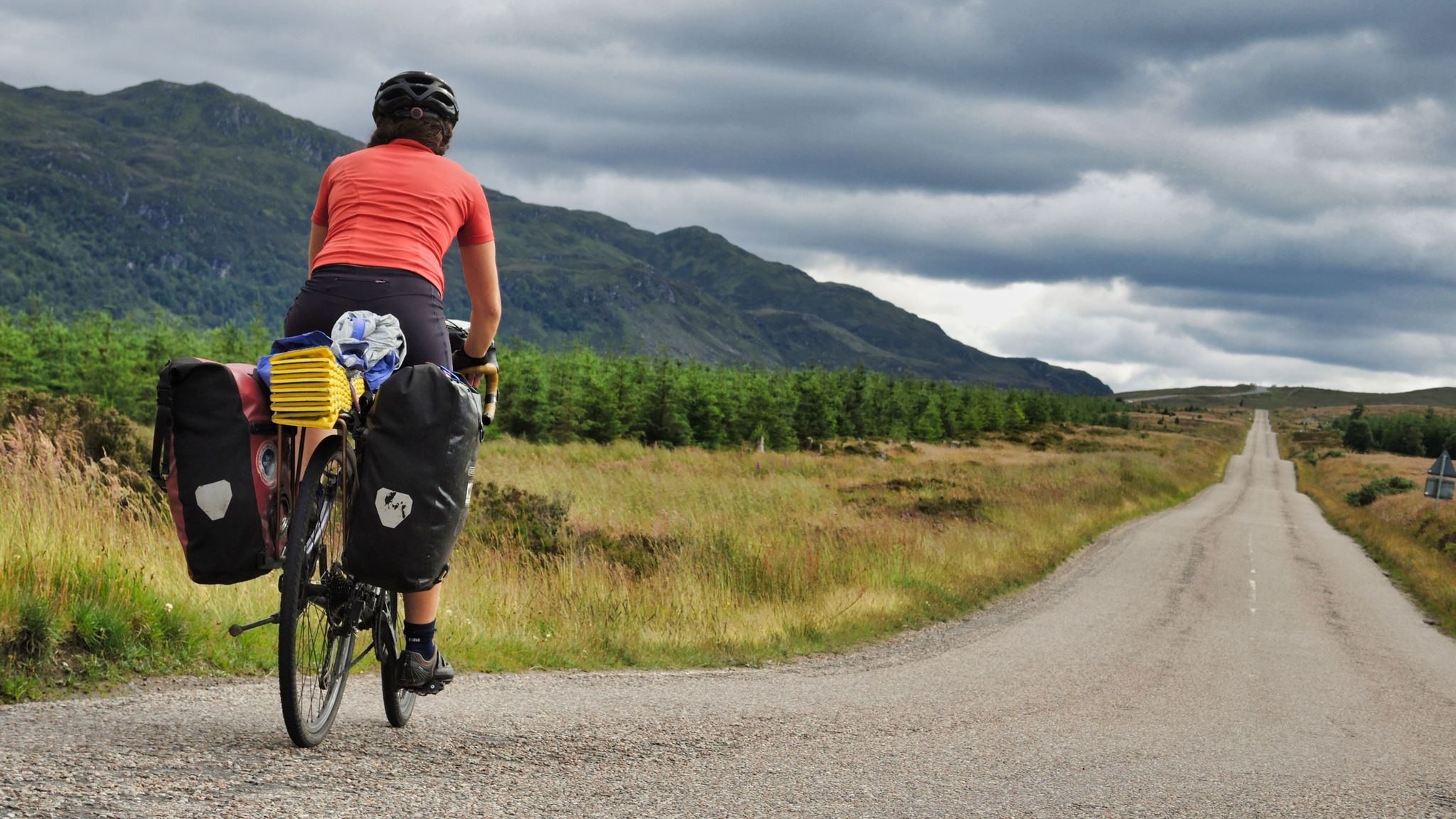
Land's End to John O'Groats – an unforgettable ride
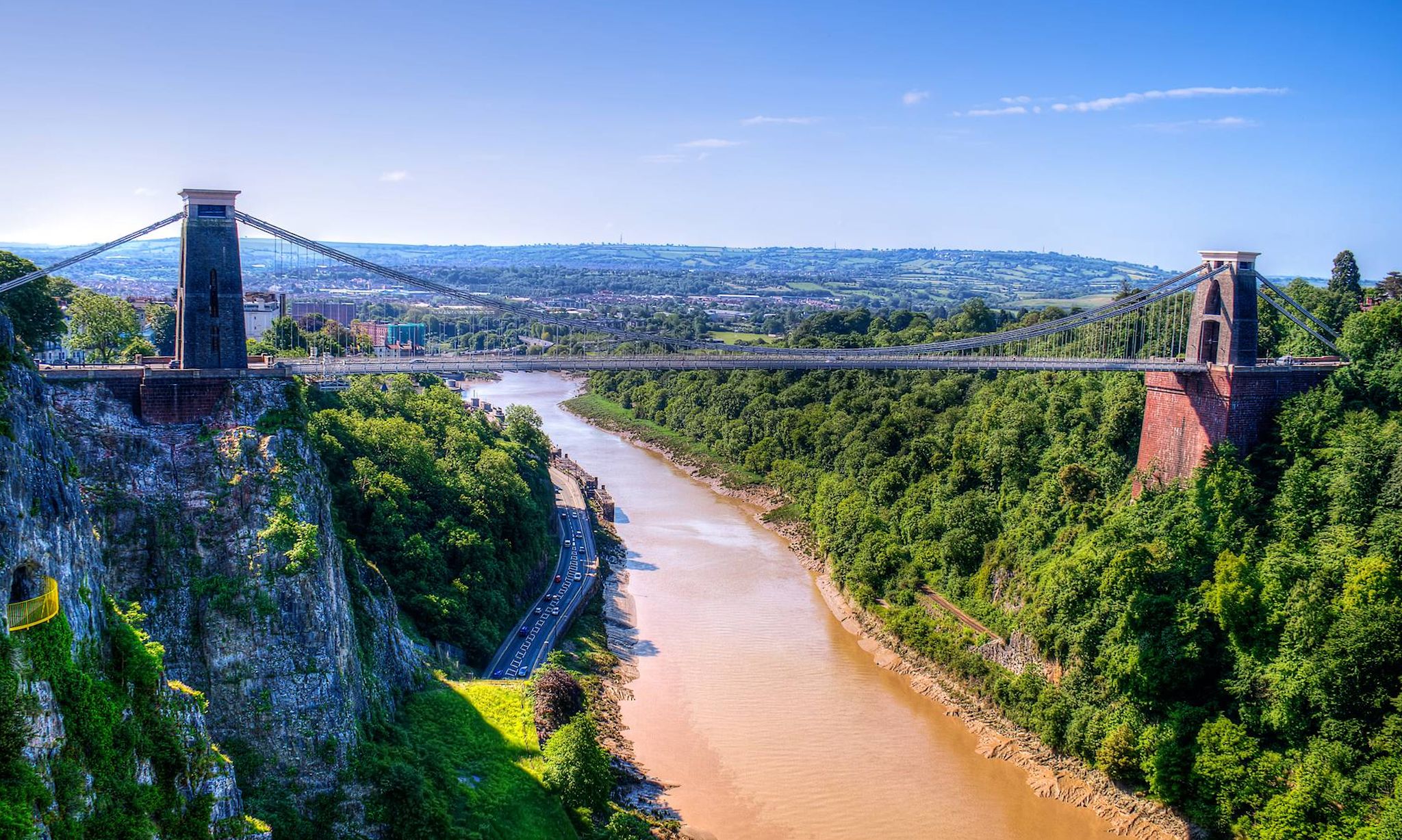
West Country Way – Vibrant cities and emerald hills

Devon Coast to Coast – Pristine beaches to vast moorlands
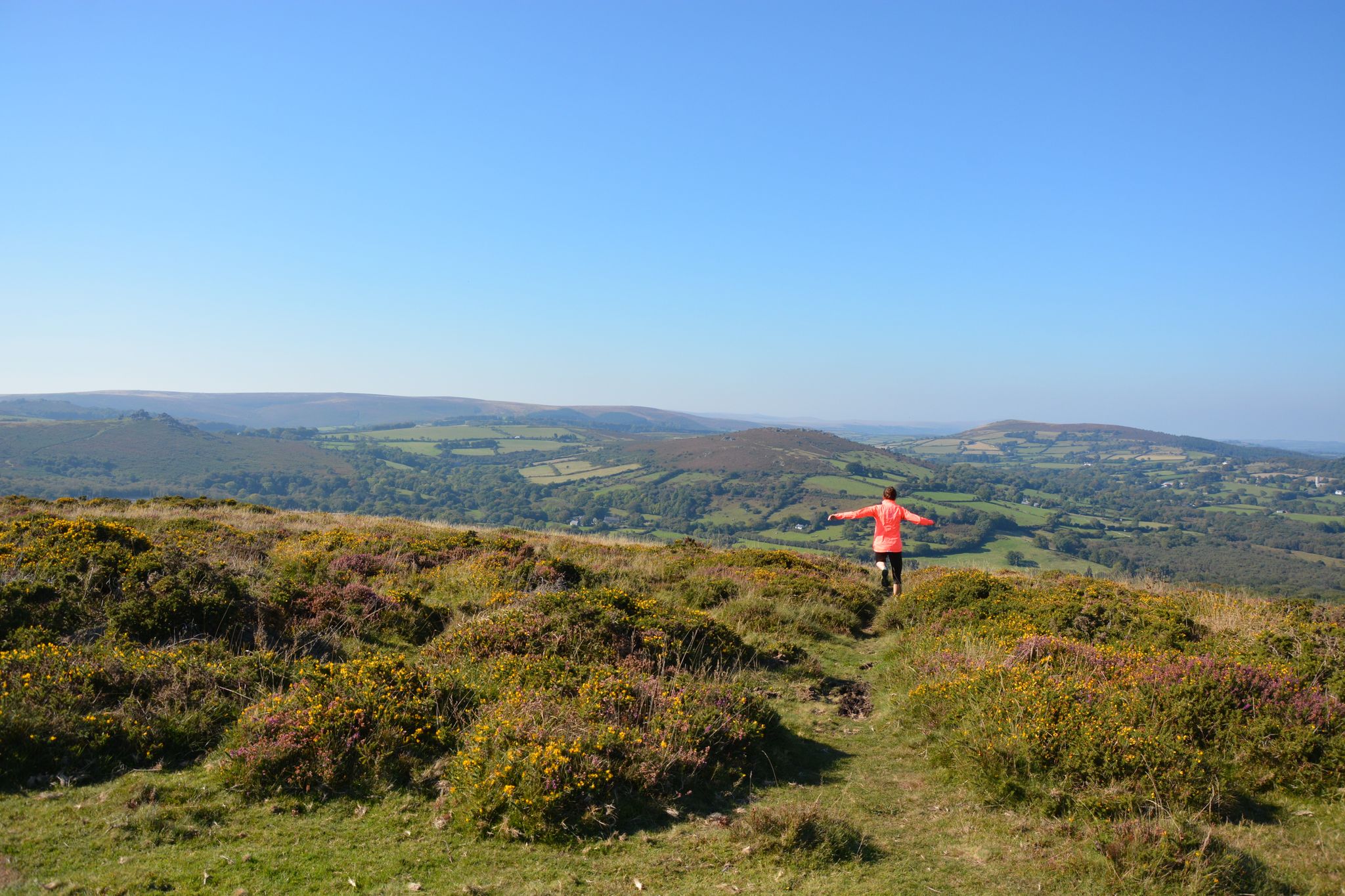
Footsteps through time – trail running in Dartmoor National Park
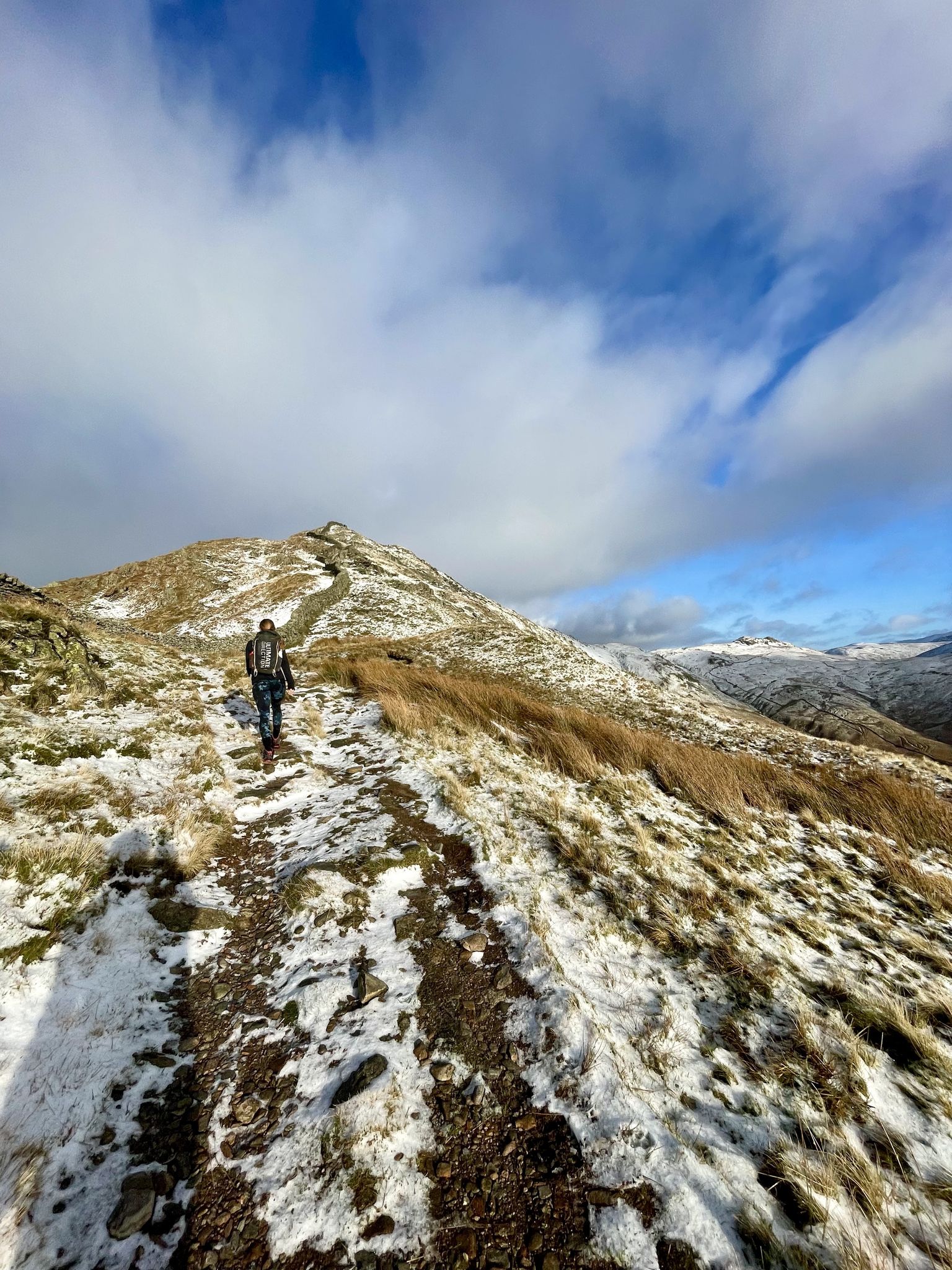
Walk Britain – 90 car-free adventures in England, Wales and Scotland
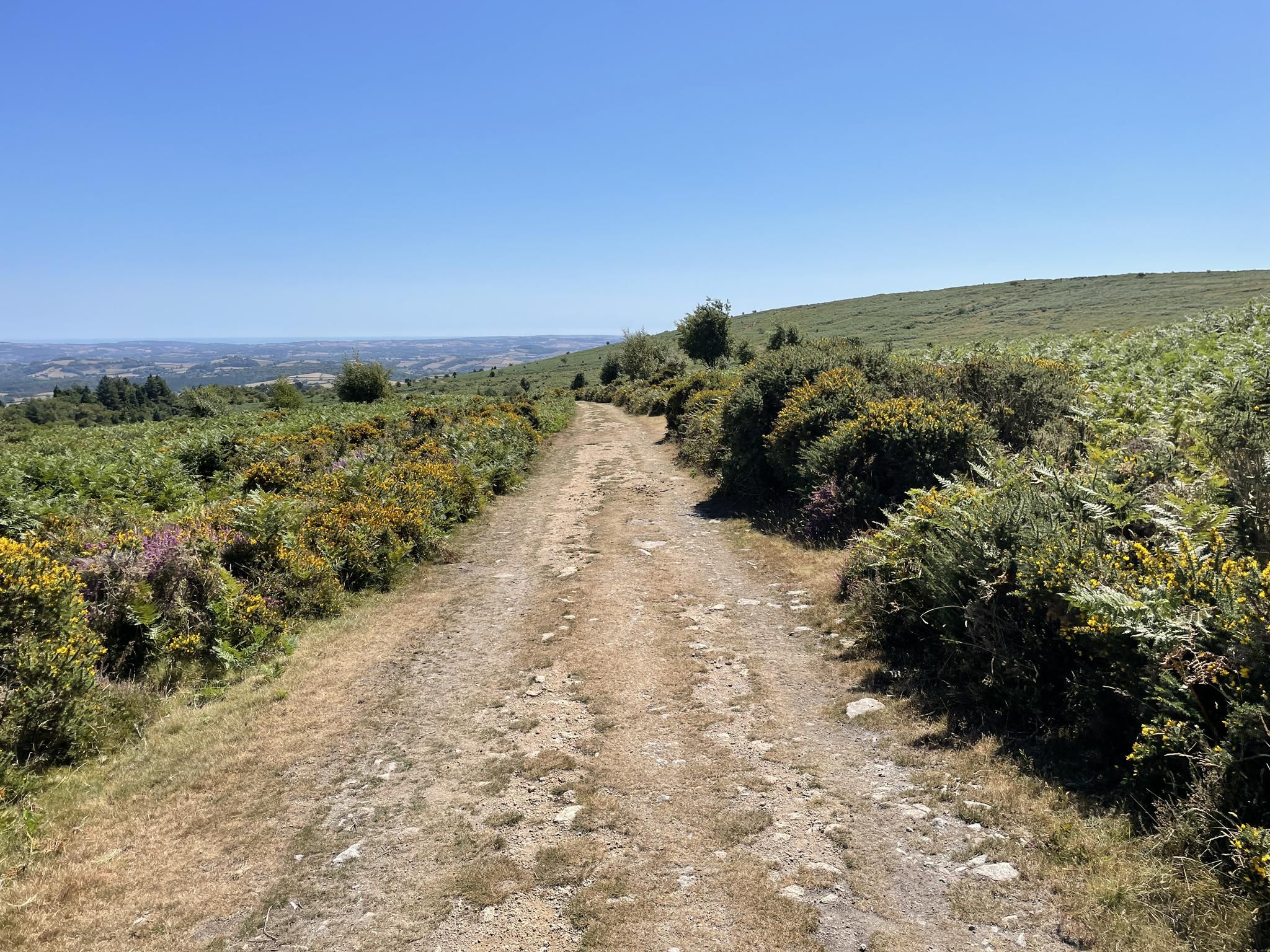
Accessible adventures for all – Dartmoor Miles Without Stiles
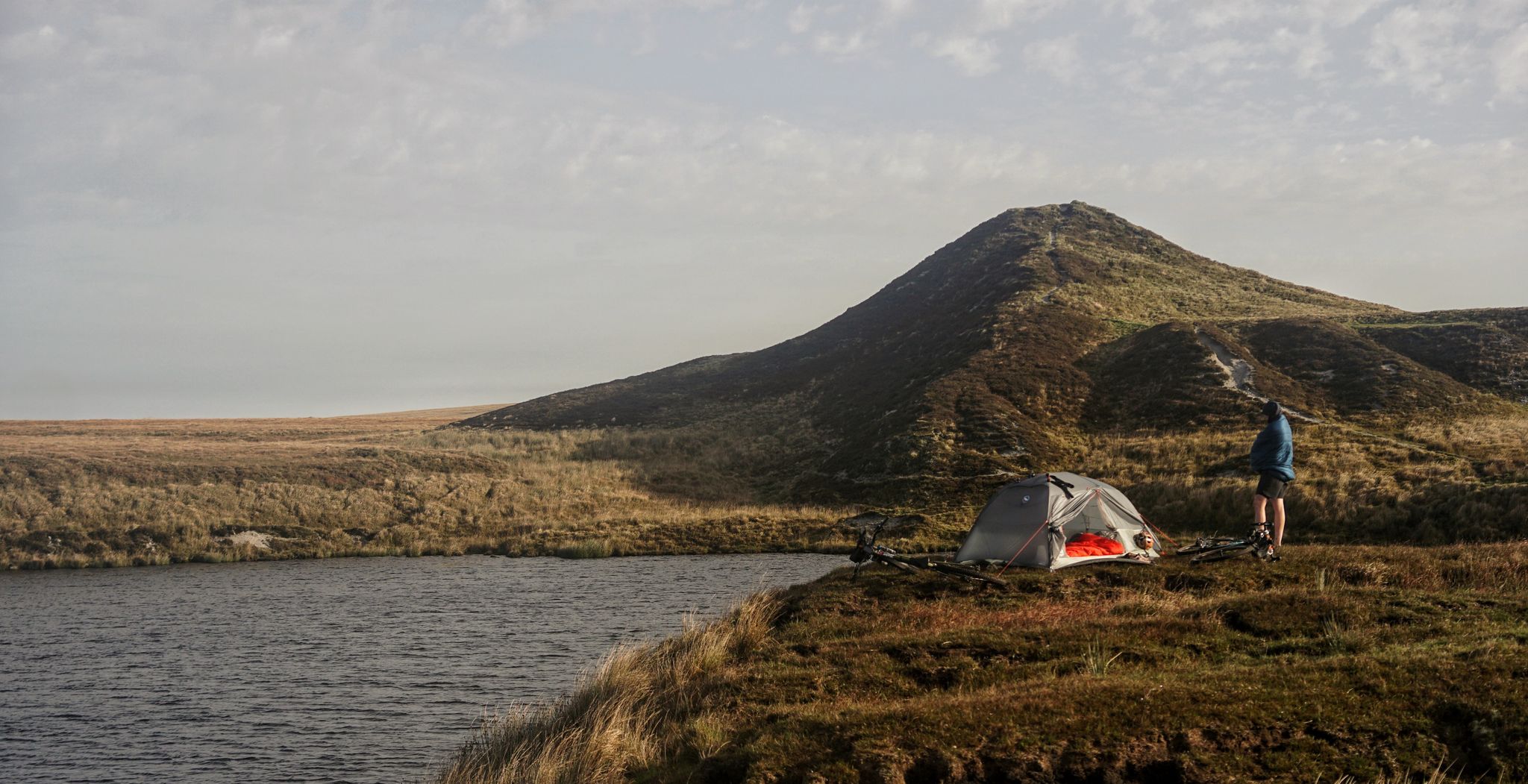
A classic South Dartmoor off-road loop – Red Lake overnighter
Other adventures in West Devon


Tips from the Community

Hunters Tor on Dartmoor – overview and practical guide Notes on the feature Name variants: Hunters Tor (also found in some guides as “Hunters’ Tor” or “Hunters Tor” with occasional apostrophe usage). It is one of the granite tors you’ll encounter on the eastern Dartmoor plateau. Location context: Situated on the eastern Dartmoor moor, in the general area between Widecombe-in-the-Moor and the higher moorland to the north and east. It’s often visited as part of longer routes from classic eastern Dartmoor starting points. What to expect Elevation and geology: A granite tor typical of Dartmoor—weathered outcrops with rough boulder features and exposed granite. Provides a vantage point to survey surrounding moorland. Scenery: Wide moorland views with horizon lines; potential for good visibility across East Dartmoor on clear days. Getting there Access points: Likely starting points include car parks and laybys near the eastern moor, with access from roads serving Widecombe-in-the-Moor, Ashburton, or Two Bridges. Public transport: Buses to nearby villages with a short walk onto the moor; check current timetables. Parking: Local parking areas around the eastern moorland; follow local signage and
0
0
Sharp Tor on Dartmoor – overview and tips Notes on the name Sharp Tor is a well-known tor on Dartmoor, sometimes spelled “Sharp Tor” or “Sharp’s Tor” in regional references. It is one of the classic granite tors that dot the eastern moor. Location context: Sharp Tor sits in the eastern part of Dartmoor National Park, behind or near the villages of Widecombe-in-the-Moor and intersecting with other moorland features such as Haytor and Hound Tor in the wider area. What to expect Elevation and geology: Granite tor forming a rocky outcrop that offers elevated views over the surrounding moor. Typical Dartmoor granite features, weathered by wind and rain into distinctive boulders and crags. Scenery: Expansive moorland around, open horizons, and, on clear days, distant views toward the coast. Getting there Access points: - Likely starting points include nearby car parks on the eastern Dartmoor plateau and routes from towns like Ashburton or Widecombe-in-the-Moor. Public transport: Bus routes to nearby villages with a short walk onto the moor. Parking: Depending on the exact access point, there are local parking areas; check current signage and National Trust/ Dartmoor NPA guidance. Popular routes and what to expect Short circulars: There are moorland circuits that incorporate Sharp Tor as a highlight, often around 2–4 miles (3–6 km) depending on the exact start point. Longer explorations: Combine Sharp Tor with adjacent tors such as Hound Tor, Widecombe area, or more northern tors for a full moorland day. Expect rolling moorland
0
0


Bellever Tor is a hill near Postbridge in Dartmoor. It feels a bit like something from Lord of the Rings...
0
0

The views from both Great Links and Brat Tor are incredible. On a clear day you can see both the North Coast and South Coast as well as Bodmin Moor. The River Lyd stepping stone crossing is nice but there is still a wooden bridge crossing if you are a little unsteady on your feet.
0
0

So if you're in the area and willing to pay the entrance fee, then you can take a look. If you don't see it, you're not missing much. It's really just a small area that's well worth seeing. But I have to be fair ☝️... ... the circular trail was closed because of a landslide. So we're missing half of the trail. Maybe the other half would have changed our minds. For people who spend a lot of time in nature, it's OK, nothing more. I hope I'm not lynched here now 😬🙈. There's really beautiful nature in Dartmoor and it's free too 😉.
7
0

Warning! Apparently there was a landslide, so the path along the river is closed. You can only get to the waterfall through the National Trust area. Entry fee is £11 per person! It's no longer a quiet place. Children play right by the waterfall, so you can't take any nice photos. It's a real shame! We would have liked to have known this before the hike. Then we definitely wouldn't have done it!!!
0
1

The first impression of this simple but solidly crafted small sacred monument from 1887 is powerful and imposing. The lonely stone cross can be seen from afar thanks to its exposed location. The ancient, venerable cross is a natural part of this environment and one could almost think that it is literally growing out of the rock from which it rises to a proud height.
2
0
Frequently Asked Questions
What are some of the most popular natural monuments in West Devon for hikers?
West Devon offers numerous natural monuments popular with hikers. Yes Tor summit is the second highest point in Dartmoor National Park, providing stunning vistas of North Devon and Cornwall. Another favorite is High Willhays summit, the highest point on Dartmoor, offering expansive views. Both are considered accessible hikes for most people.
Are there family-friendly natural monuments in West Devon?
Yes, several natural monuments in West Devon are suitable for families. Bellever Tor is a great option, with wide paths that can accommodate pushchairs to its base, and fun rock formations for children to explore. Postbridge Clapper Bridge is also family-friendly, offering a picturesque spot by the river and serving as a starting point for gentle walks.
What unique natural features can I expect to see in West Devon's natural monuments?
West Devon is rich in diverse natural features. You'll find distinctive granite tors like Bellever Tor and Sharp Tor (Teign Gorge), ancient woodlands such as the 'fairytale' Wistman's Wood with its moss-covered trees, and dramatic river valleys like Lydford Gorge, home to the 30-foot Whitelady Waterfall. The region also features iconic clapper bridges, ancient examples of engineering spanning rivers.
What historical landmarks are integrated with the natural monuments in West Devon?
West Devon's natural monuments often have historical significance. The Postbridge Clapper Bridge is a medieval structure spanning the East Dart River. Another notable historical landmark is Widgery Cross at Brat Tor, an impressive granite cross erected in 1887 to commemorate Queen Victoria's Golden Jubilee, offering wonderful views from its elevated position.
What outdoor activities can I do near the natural monuments in West Devon?
Near the natural monuments in West Devon, you can enjoy a variety of outdoor activities. For mountain biking, consider routes like the 'Granite & Gears: Princetown and Burrator Loop' or the 'Merrivale Range, Bellever Forest & Yelverton loop from Tavistock'. Gravel biking options include the 'South Hessary Tor – Burrator Reservoir and Dam loop from Princetown'. For mountain hikes, explore trails such as the 'Yes Tor summit – High Willhays summit loop from Meldon Viaduct'. You can find more details on these and other routes in the MTB Trails in West Devon, Gravel biking in West Devon, and Mountain Hikes in West Devon guides.
Where can I find the best panoramic views of the West Devon countryside?
For breathtaking panoramic views, head to Bellever Tor, where on a clear day you might even see both the North and South Coasts. Sharp Tor (Teign Gorge) also offers exceptional views of the Teign Gorge, Castle Drogo, and Dartmoor's high north plateau once you've ascended its crags.
What is the best time of year to visit West Devon's natural monuments?
The best time to visit West Devon's natural monuments largely depends on your preferred activities. Spring and summer offer pleasant weather for hiking and exploring, with wildflowers blooming and longer daylight hours. Autumn brings beautiful foliage, especially in wooded areas like Wistman's Wood. While winter can be challenging due to weather, it offers a stark, dramatic beauty to the moorland and tors, though checking military firing times for areas like Yes Tor is crucial year-round.
Are there any natural monuments in West Devon that are less crowded?
While popular spots can get busy, exploring areas slightly off the main trails can lead to quieter experiences. For example, while Hunter’s Tor offers great views, it might be less frequented than some of the higher, more prominent tors. Exploring the wider Dartmoor National Park away from specific hotspots can also lead to more secluded natural discoveries.
What should I wear when hiking to natural monuments in West Devon?
When hiking in West Devon, especially on Dartmoor, it's essential to be prepared for changeable weather. Layers are key, including waterproof and windproof outer shells. Sturdy hiking boots with good ankle support are recommended due to uneven terrain, especially around tors and in ancient woodlands like Wistman's Wood. Always carry navigation tools, sufficient water, and snacks.
Can I find amenities like parking or cafes near the natural monuments?
Many natural monuments in West Devon have nearby amenities. For instance, Postbridge Clapper Bridge has parking and a small shop. Lydford Gorge, managed by the National Trust, typically has visitor facilities. For other locations, parking is often available in designated car parks, though some may require a donation. Villages and towns surrounding Dartmoor National Park offer cafes, pubs, and accommodation.
What makes Wistman's Wood a unique natural monument?
Wistman's Wood is unique due to its ancient dwarf oak trees, which are gnarled and covered in thick moss, creating an otherworldly, 'fairytale' atmosphere. It's a remnant of ancient forests that once covered Dartmoor, growing amidst jumbled granite boulders. Its distinctive appearance and ecological significance make it a truly special place to visit.
Are there any natural monuments in West Devon suitable for dog walking?
Many areas within Dartmoor National Park, including trails around natural monuments, are dog-friendly, provided dogs are kept under control, especially near livestock. Burrator Reservoir and Forest, for example, offers marked trails and a fenced dog exercise area. Always check local signage for specific restrictions, particularly during bird nesting seasons or near sensitive wildlife habitats.
What is the significance of the clapper bridges in West Devon?
Clapper bridges like the Postbridge Clapper Bridge and those found at Dartmeet are significant examples of ancient engineering. These bridges, constructed from large, flat granite slabs laid across stone piers, have spanned Dartmoor's rivers for centuries, serving as vital crossing points. They offer a glimpse into the region's historical infrastructure and are picturesque natural monuments in their own right.
Most popular routes in West Devon
Most popular attractions in West Devon

Get inspired with the komoot mobile app


Didn’t find what you were looking for?
Find even more amazing natural monuments in West Devon by checking out the top Highlights region by region:
Explore more
Extend your search for the best caves by checking out these guides of the top ones in West Devon:
