Attractions and Places To See in East Dorset - Top 20
Best attractions and places to see in East Dorset include a blend of historical sites, expansive country parks, and natural landscapes. The region features ancient landmarks such as Iron Age hillforts and medieval churches, alongside significant natural features like heathlands and river valleys. Visitors can explore a diverse range of outdoor spaces and cultural points of interest. It offers opportunities for engaging with historical architecture and natural environments.
Best attractions and places to see in East Dorset
- The most popular attractions is Castleman Trailway — gravel route from Ringwood, a cycleway that follows the disused Southampton to Dorchester railway line for about 15 miles. This route connects 3 country parks and is suitable for cycling and walking.
- Another must-see spot is Wimborne Minster and Chained Library, a religious building with a history spanning over 1,300 years. It houses a rare chained library, one of the few surviving examples globally.
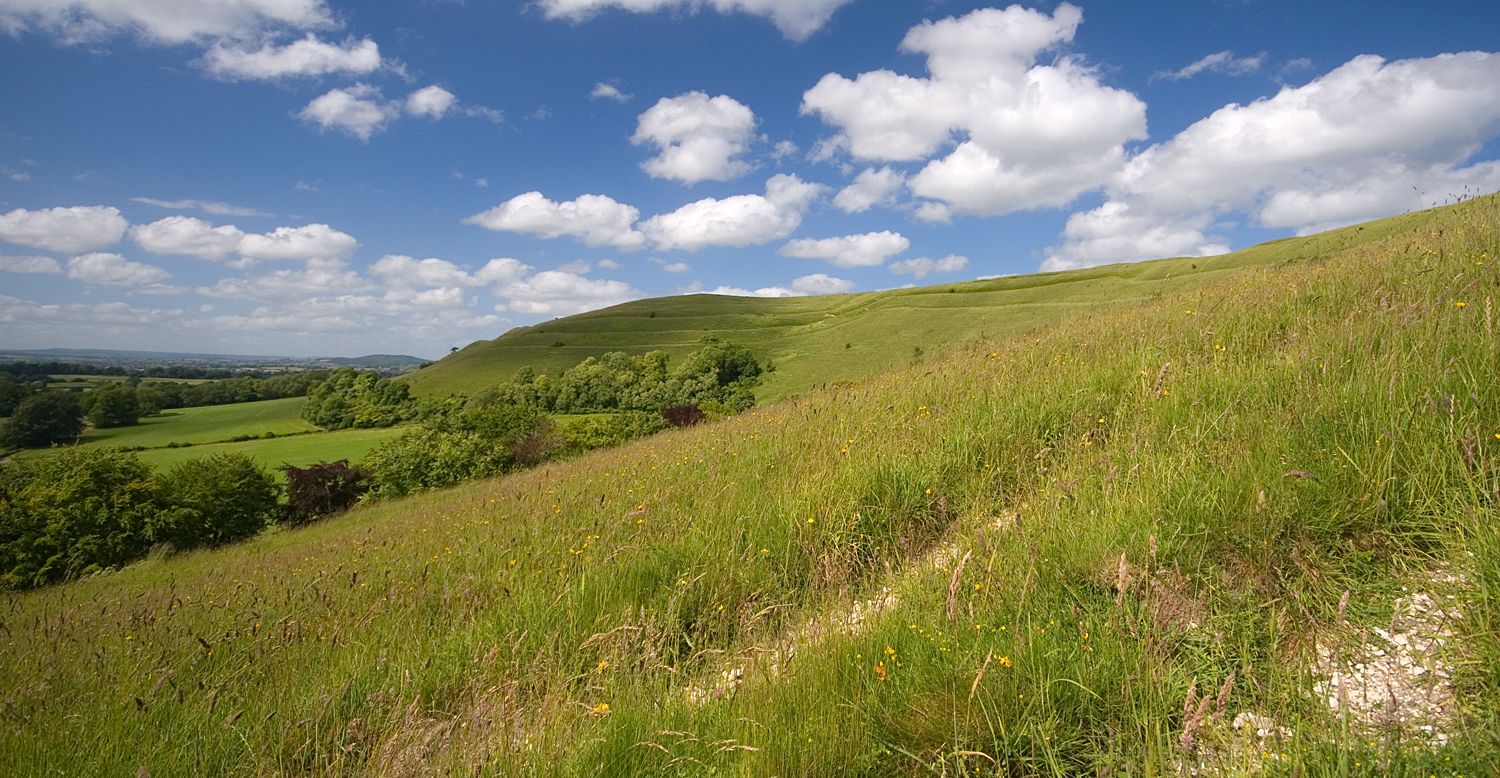
- Visitors also love Badbury Rings Iron Age hillfort, a viewpoint and Iron Age hillfort believed to be over 2,000 years old. It provides panoramic views of the Dorset countryside.
- East Dorset is known for historical sites, natural parks, and scenic trails. The area offers a variety of attractions to see and explore, from ancient earthworks to restored watermills.
- The attractions in East Dorset are appreciated by the komoot community. Over 115 upvotes and 19 photos have been contributed by visitors exploring these places.
Last updated: October 9, 2026
Castleman Trailway — gravel route from Ringwood
Highlight • Cycleway
The trail runs for a distance of about 15 miles on a fairly flat path so it's a good ride for families or anyone looking for an easy, sheltered walk.
Tip by

Wimborne Minster and Chained Library
Highlight • Religious Site
Tip by

Sign up now to discover places like this
Get recommendations on the best single tracks, peaks, & plenty of other exciting outdoor places.
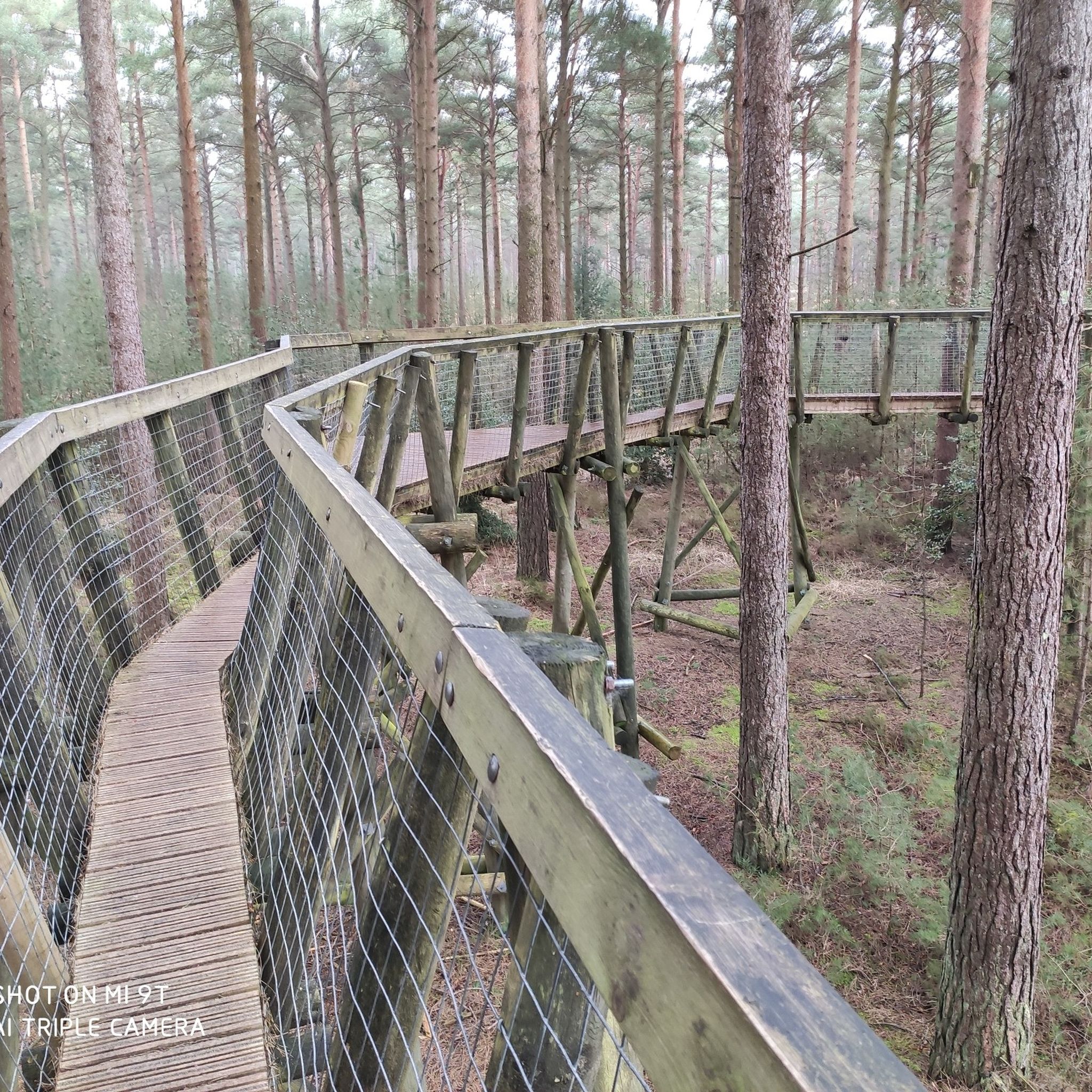
Moors Valley Forest Trails
Highlight • MTB Park
Tip by

Badbury Rings Iron Age hillfort
Highlight • Viewpoint
It sits over 300 feet above sea level, and there are two main phases of construction; the first covered 18 acres and was defended by multiple ditches, while the second was more than twice the size, covering 41 acres and defended by a single ditch and rampart. These ramparts make for great walking, but imagine the terror of trying to scale one whilst under attack from the occupants. Once you'd scaled one, there were more waiting for you. No wonder it was the last fort to be sacked by the Romans. Wonder just how many soldiers died trying to take it.
Until 1983 Badbury Rings was privately owned as part of the Kingston Lacy estate, and the owners discouraged investigation of the site.[2] The site now belongs to the National Trust.[2] A survey of the hillfort by the RCHME was begun in 1993. The summit area was cleared of undergrowth by the National Trust in 1997 and the conifer plantation was thinned out. A survey in 1998, which recorded 28 potential hut sites within the ramparts, although some depressions are probably caused by uprooted trees. The first excavations, led by Martin Papworth, took place in 2004, when three evaluation trenches were dug. Almost all of the pottery found was dated to the Late Iron Age. The current evidence does not suggest that the hillfort was a principal settlement in the Early Iron Age. It seems likely that the hillfort became depopulated towards the end of the Late Iron Age, perhaps as the Vindocladia settlement near Shapwick developed.
Tip by

White Mill Bridge
Highlight • Historical Site
The bridge is a grade 1 listed 14th century stone bridge.
The National Trust managed White Bridge Mill is close by. A 18th century corn mill which still houses the old wooden machinery. You can visit the mill from 12:00 - 16:00 on weekends.
Tip by

Bokerley Dyke
Highlight • Trail
Tip by

Canford Suspension Bridge
Highlight • Viewpoint
2013 saw six months of renovation work during which the bridge was closed. The renovations helped secure the bridge and repair corrosion, restoring it considerably to its prior beauty.
Tip by
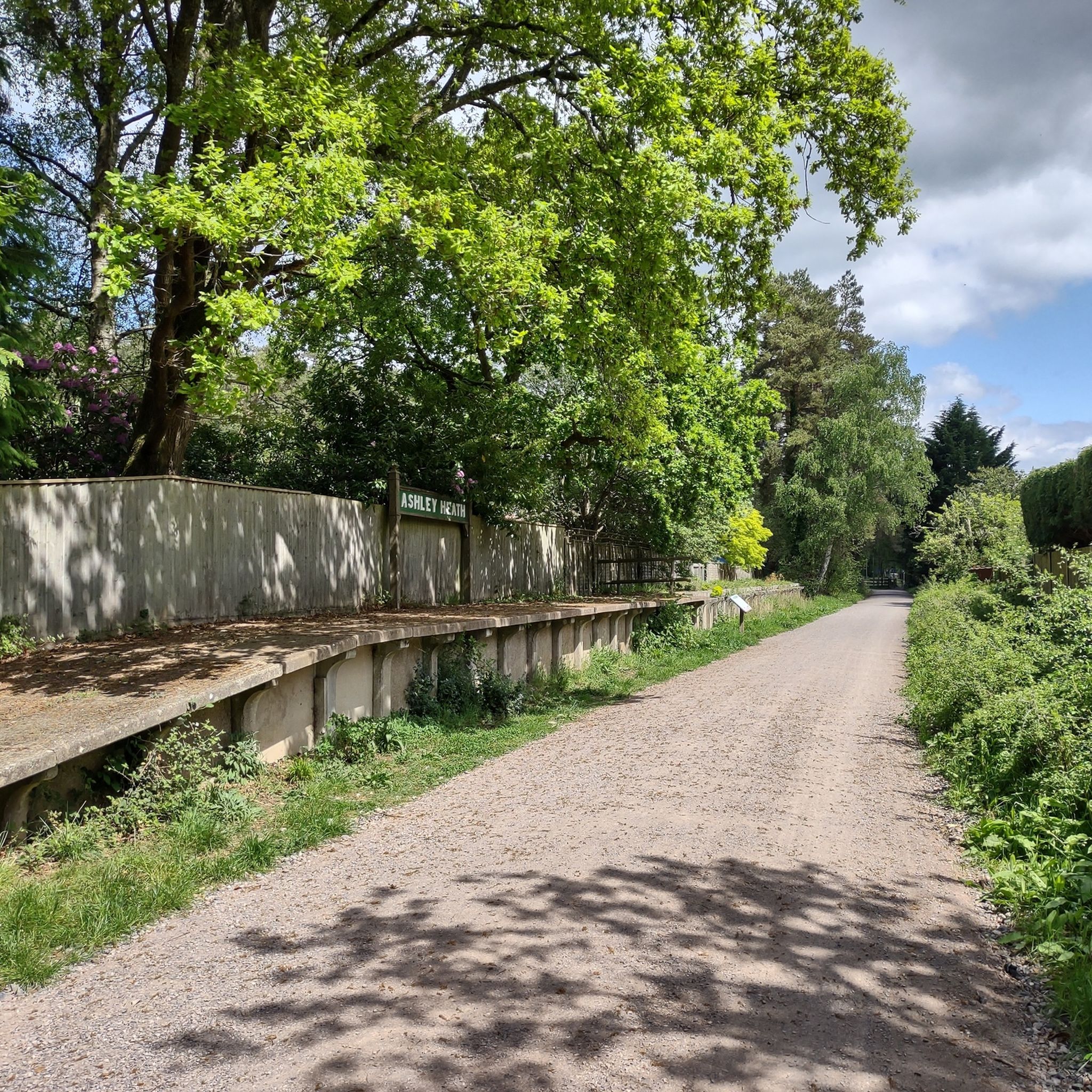
Ashley Heath Halt (Castleman Trailway)
Highlight • Historical Site
The trail runs for a distance of about 15 miles on a fairly flat path so it's a good ride for families or anyone looking for an easy, sheltered walk.
Tip by
Horton Tower
Highlight • Viewpoint
Tip by

Wimborne St Giles Village and Church
Highlight • Religious Site
The church's origins date back to at least the 13th century, with the first recorded rector in 1207. The current building is a fascinating mix of architectural styles due to its turbulent history.
18th-Century Georgian: The church was almost entirely rebuilt in 1732 by the Dorset architects John and William Bastard, who were also responsible for much of the reconstruction of the town of Blandford Forum after a fire. The exterior of the church, with its greensand and flint walls, still largely reflects this Early Georgian design.
Tip by
Sign up for free to discover even more attractions in East Dorset.
Already have an account?
Start today with a free account
Your next adventure awaits.




Tips from the Community

Be aware there are steps at the Wimborne side, so it's not super accessible.
1
0
Lovely place overall, but the visitor centre area can get very busy. We found the trails a bit tricky to locate at first—look out for the “dog wash area” and then the “bike hire” just after it; they’re good waypoints to find the trail access, which is to the right and slightly behind the visitor centre (when facing it from the car park). Also worth noting there’s free parking at Potterne Park, not far from the centre.
0
0

Lots of fun to cross. Either wheelie your bike across or sit on it and scoot over. Watch your tyres don't fall into the gaps!
1
0

St. Giles Church is known for its numerous monuments, particularly those dedicated to the Earls of Shaftesbury. Sir Anthony Ashley's Tomb: A historic highlight is the spectacular gilded tomb of Sir Anthony Ashley, dating to 1628. The tomb features intricate classical columns and symbolism. A curious detail is a sphere at his feet, which has been the subject of various theories, including that it represents a globe, a jewel, or even a cabbage. Ashley-Cooper Family Memorials: The church houses several other memorials to the Ashley-Cooper family, including tombs for the 1st, 3rd, 4th, 7th, and 9th Earls. The 1st Earl's memorial includes a bust by Rysbrack, and the 3rd Earl's is a grand wall monument by Scheemakers. Crusader Effigy: There is a much-restored 14th-century effigy of a crusading knight, believed to be Sir John de Plecy. Comper's Work: The interior is almost entirely a result of Sir Ninian Comper's restoration. This includes the highly decorated screen separating the nave and chancel, new stained glass windows, and the gilded tester over the altar.
1
0
19th-Century Gothic Revival: In the 19th century, the church was remodeled twice. The most significant work was in 1887, a Gothic Revival-style memorial to the 8th Earl of Shaftesbury. The 1908 Fire and Comper's Restoration: A catastrophic fire in 1908 destroyed most of the church's interior, leaving only the walls standing. The 9th Earl of Shaftesbury commissioned the renowned Gothic Revival architect Sir Ninian Comper to restore and rebuild the church. Comper's work, completed between 1908 and 1910, is considered one of his masterpieces. He kept the 18th-century external walls but completely redesigned the interior, adding a new north aisle and a lady chapel. His intricate work, including stained glass, a wooden screen, and numerous sculptures, makes the church a "treasure-house of Comper work," as described by Sir John Betjeman.
1
0
St. Giles Church is the parish church for the village of Wimborne St Giles in Dorset. It has a rich and complex history, marked by several rebuilds, a major fire, and the patronage of the Ashley-Cooper family, the Earls of Shaftesbury. The church's origins date back to at least the 13th century, with the first recorded rector in 1207. The current building is a fascinating mix of architectural styles due to its turbulent history. 18th-Century Georgian: The church was almost entirely rebuilt in 1732 by the Dorset architects John and William Bastard, who were also responsible for much of the reconstruction of the town of Blandford Forum after a fire. The exterior of the church, with its greensand and flint walls, still largely reflects this Early Georgian design.
1
0
Bokerley Dyke is a substantial linear earthwork, approximately 5.75 kilometers (3.6 miles) long, located on Cranborne Chase. It runs along part of the border between Dorset and Hampshire, specifically between Woodyates and Martin. It is part of a larger Scheduled Monument that also includes Grim's Ditch and other earthworks. The dyke has a multi-period history. It is believed to have originated in the Bronze Age or Early Iron Age as an important political and cultural boundary. In the 1st century, it was cut through by a Roman road, Ackling Dyke, which ran between Old Sarum and Badbury Rings. In the 4th century, the dyke was remodeled and brought back into use. During this period, the Roman road was blocked. A coin of Valens found during excavations dates this activity to shortly after 364 AD, with some sources suggesting it was built between 367-368 AD. This remodeling may have been a defensive measure against attacks on Britain by Picts, Scots, and Saxons. The Roman road was eventually reopened, but the dyke may have continued to be used as a boundary after the Roman administration ended. Today, it still forms part of the border between the counties of Dorset and Hampshire.
0
0

Frequently Asked Questions
What are some unique historical sites to visit in East Dorset?
East Dorset is rich in history. You can explore the medieval Wimborne Minster and Chained Library, which has a history spanning over 1,300 years and houses a rare chained library. Other notable sites include the remains of Christchurch Castle and the 12th-century Constable's House, or the impressive stately home of Kingston Lacy, a National Trust property with classic English gardens.
Where can I find family-friendly attractions in East Dorset?
For families, Castleman Trailway — gravel route from Ringwood is excellent for cycling and walking, connecting three country parks. Moors Valley Country Park and Forest offers miles of trails, a steam railway, Go Ape treetop adventure, and play areas. The Wimborne Model Town is also a fascinating 1/10th scale replica of the town from the 1950s, complete with interactive model trains.
What natural landscapes and outdoor spaces can I explore in East Dorset?
East Dorset boasts stunning natural beauty. Moors Valley Country Park and Forest is ideal for outdoor enthusiasts, offering walking and cycling trails. Cranborne Chase and the Chase & Chalke Landscape (AONB) provides scenic walking paths, ancient woodlands, and chalk grasslands. Holt Heath is one of the largest remaining heathland areas, and Wareham Forest offers 14 square miles of woodland and heaths rich in wildlife.
What are the best walking and cycling routes in East Dorset?
The Castleman Trailway — gravel route from Ringwood is a popular 15-mile route, perfect for walking and cycling, following a disused railway line and connecting several country parks. For more options, you can find various cycling routes in the region, including the 'National Byway and Cranborne Chase Loop' and the 'Castleman Trailway and Moors Valley Country Park loop' on the Cycling in East Dorset guide.
Are there easy walking trails suitable for everyone?
Yes, East Dorset offers several easy walking trails. The Castleman Trailway — gravel route from Ringwood is fairly flat and suitable for easy walks. Moors Valley Country Park also has accessible nature trails. For more easy hiking options, explore routes like the 'Longham Lakes loop' or the 'Lady Wimborne Bridge – Canford Suspension Bridge loop' in the Easy hikes in East Dorset guide.
Can I find dog-friendly walks in East Dorset?
Many of East Dorset's outdoor spaces are dog-friendly. Badbury Rings Iron Age hillfort is ideal for dog walking, offering panoramic views. Moors Valley Country Park and Forest, Avon Heath Country Park, and Cranborne Chase also welcome dogs on their extensive trail networks. Always check local signage for specific rules regarding leads.
What is the best time of year to visit East Dorset attractions?
East Dorset attractions can be enjoyed year-round. Spring and summer offer pleasant weather for exploring country parks, gardens like Knoll Gardens, and outdoor trails. Autumn brings beautiful foliage to the woodlands of Wareham Forest and Cranborne Chase. Winter can be a quieter time to visit historical sites like Wimborne Minster or enjoy crisp walks on the heathlands.
Are there any ancient earthworks or hillforts to explore?
Absolutely. East Dorset is home to significant ancient earthworks. Badbury Rings Iron Age hillfort is a prominent example, over 2,000 years old, offering expansive views. Another impressive site is Bokerley Dyke, a substantial linear earthwork on Cranborne Chase with a multi-period history dating back to the Bronze Age or Early Iron Age.
Where can I experience local village life and history?
The charming market town of Wimborne Minster offers a glimpse into local life with its historic church, Georgian architecture, and lively market. The Wimborne St Giles Village and Church is another historic village with a rich past, featuring a church with origins dating back to the 13th century. Shapwick Village Centre also provides a historical village experience.
What kind of mountain biking trails are available in East Dorset?
East Dorset offers a variety of mountain biking trails, particularly within Moors Valley Country Park and Forest. You can find routes like 'Through the Forest Singletrack – Moors Valley Forest Trails loop'. For more challenging options, consider the 'Sixpenny Handley & Pentridge Hill loop' in Cranborne Chase. Details on these and other routes are available in the MTB Trails in East Dorset guide.
What do visitors enjoy the most about East Dorset attractions?
Visitors frequently praise the diverse range of experiences, from the historical depth of sites like Wimborne Minster with its unique chained library, to the expansive outdoor opportunities provided by the Castleman Trailway and country parks. The panoramic views from Badbury Rings and the well-maintained trails for cycling and walking are also highly appreciated.
Are there any specific gardens or unique natural features to visit?
Yes, Knoll Gardens in East Dorset is home to over 5,000 plant species, including many rare varieties, offering a beautiful horticultural experience. Compton Acres also features ten acres of diverse gardens. For unique natural features, the confluence of the rivers Avon and Stour at Christchurch Quay, near Place Mill, provides a picturesque setting.
Most popular routes in East Dorset
Most popular attractions in East Dorset

Get inspired with the komoot mobile app


Didn’t find what you were looking for?
Are you keen on exploring more awesome places nearby? Browse our guides:
Explore more
Still not found the Highlight you’re looking for? See guides of the top attractions in other regions:
