The 5 Most Amazing Peaks in North Devon
Best mountain peaks in North Devon include prominent hills and dramatic coastal cliffs that offer expansive views. The region features diverse landscapes, from the highest sea cliffs in England to ancient burial grounds. These locations provide opportunities for walks and exploration along the South West Coast Path and within Exmoor. North Devon's peaks are characterized by their geological formations and historical significance.
Best mountain peaks in North Devon
- The most popular mountain peaks is Little Hangman, a natural monument that is one of the main prominent landmarks in the area, along with its 'big brother' The Great Hangman. From this point, visitors can enjoy a privileged view of the coastline.
- Another must-see spot is Codden Beacon Viewpoint, a historical site that provides views south towards Dartmoor, northeast towards Exmoor, and northwest across Barnstable Bay towards Lundy Island. The hill features a Bronze Age bowl barrow to its east.
- Visitors also love Butter Hill Summit, a viewpoint that is one of the highest cliffs in England, reaching 302 m. It is also a high point of the South West Coast Path, offering views of Lynton and Lynmouth.
- North Devon is known for dramatic coastal cliffs, prominent hills, and prehistoric burial grounds. These include high sea cliffs, hills with panoramic vistas, and sites of historical significance.
- The mountain peaks in North Devon are appreciated by the komoot community, with 79 upvotes and 19 photos shared across the highlights.
Last updated: June 17, 2026
Little Hangman
Highlight • Natural Monument
Tip by

Butter Hill Summit
Highlight • Viewpoint
To the west are beautiful views of Lynton and Lynmouth. If you have come from that direction it gives you a true sense of how far you have climbed.
Tip by

Sign up now to discover places like this
Get recommendations on the best single tracks, peaks, & plenty of other exciting outdoor places.
Sign up for free
Butter Hill Trig Point
Highlight • Natural Monument
Tip by

Great Hangman
Highlight • Summit
Tip by

Holdstone Hill Summit View
Highlight • Viewpoint
You might just get more than lovely views, though. According to the religious beliefs of the Aertherius Society, Holdstone Down is a very special place. Aertherians believe that Jesus appeared to their founder Dr George King — in a spaceship, no less — on Holdstone Down on July 23,1958. His followers hold a service to connect with space people on Holdstone Down as it is believed to be the site of contacts with extraterrestrial beings or alien peoples.
Tip by
Codden Beacon Viewpoint
Highlight • Historical Site
Tip by

Start today with a free account
Your next adventure awaits.
Login or Signup
Popular around North Devon
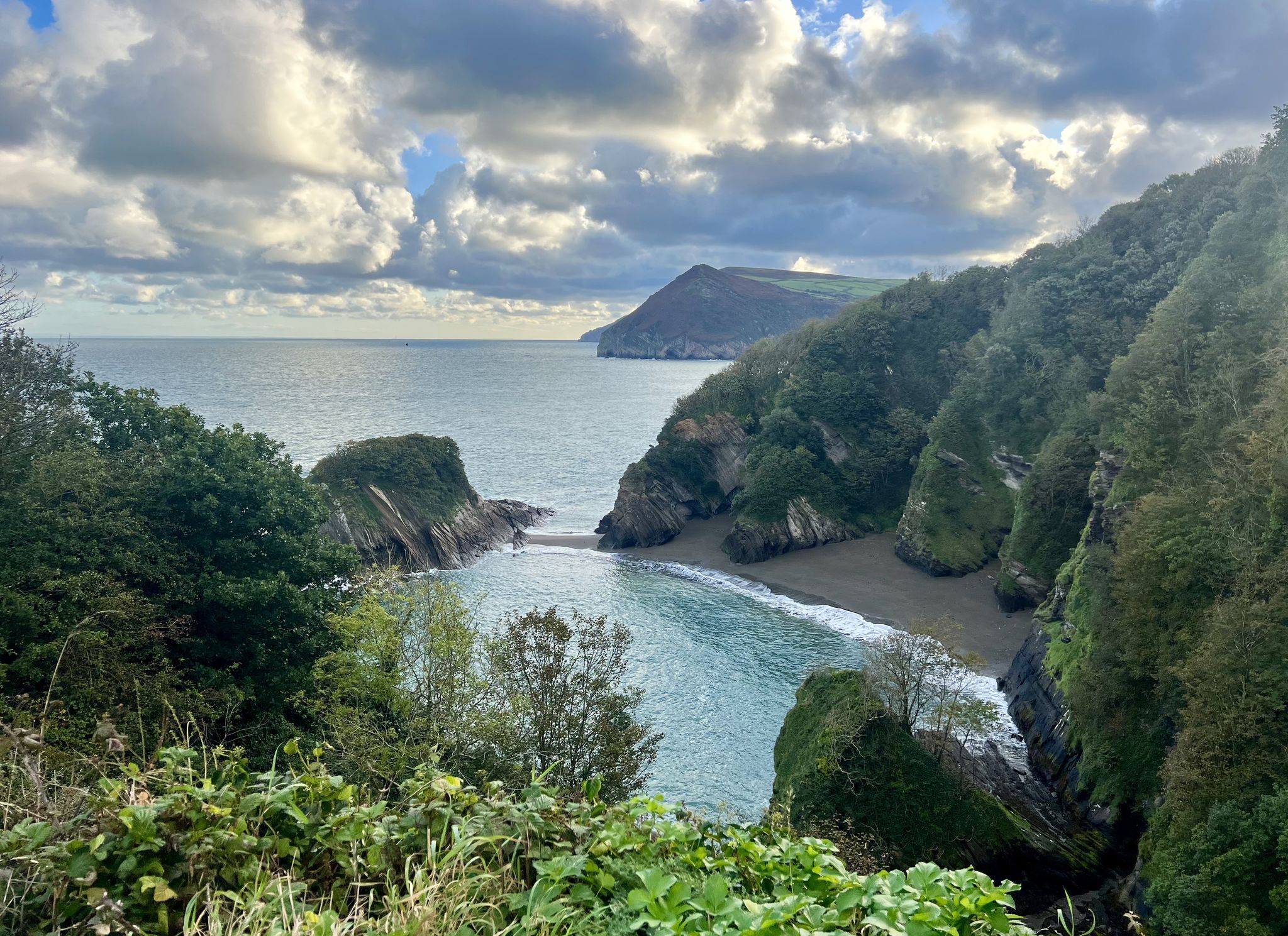
Exmoor National Park – A Walk in the Parks
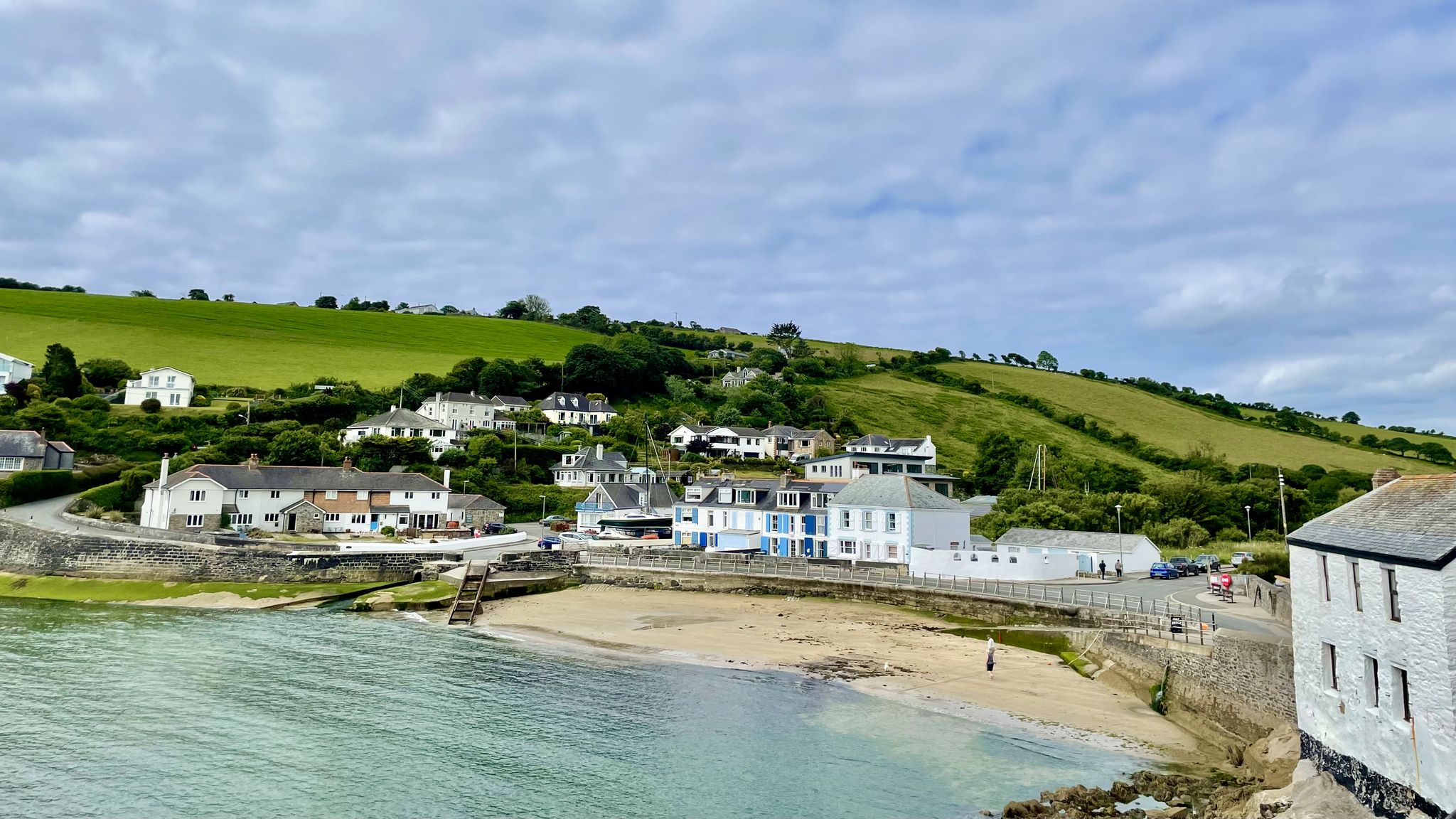
National Cycle Network Route 3 — Land's End to Bristol
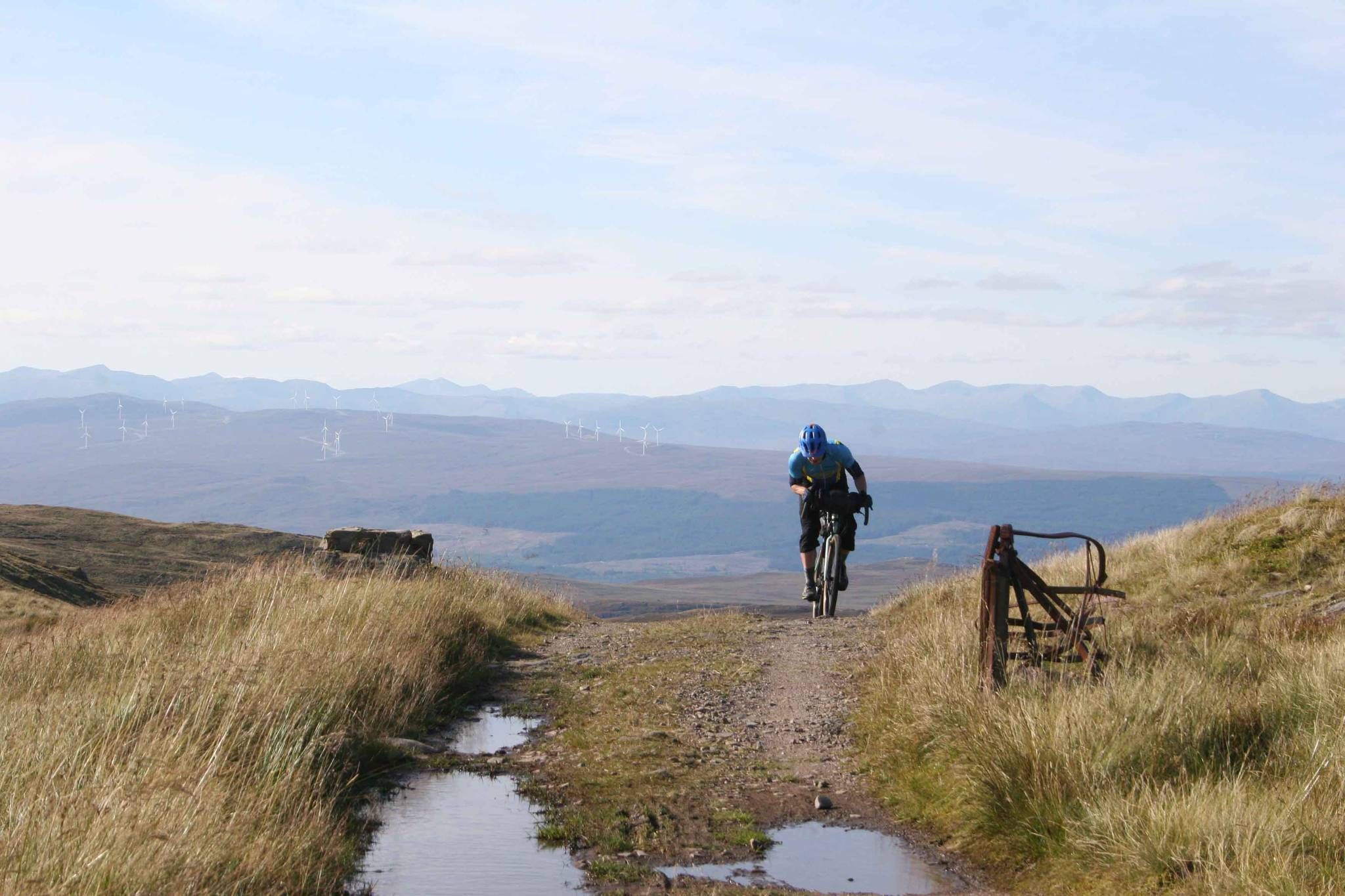
GB Divide — Great Britain end to end off-road on GBDURO
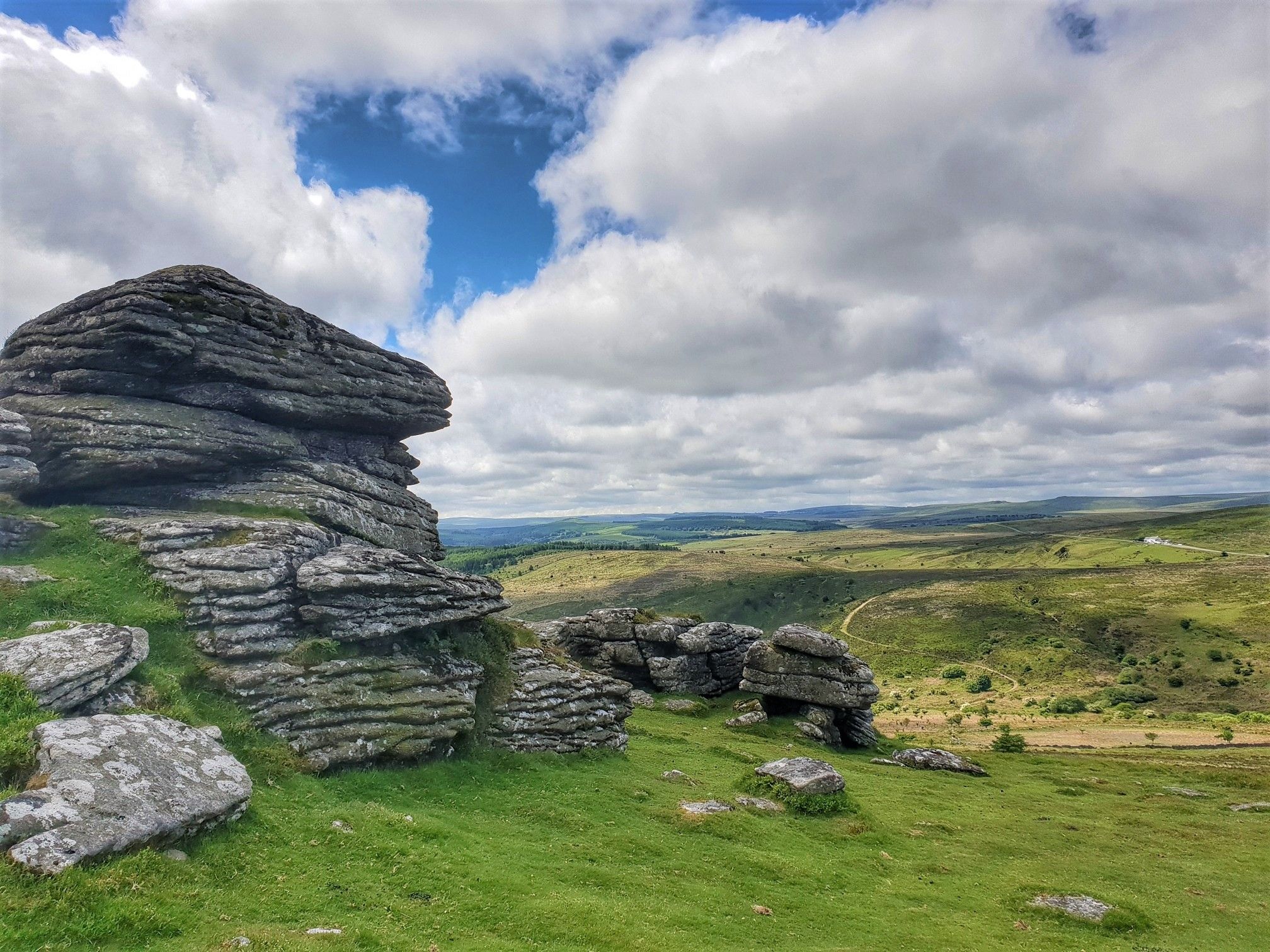
Two Moors Way — Wild coast-to-coast over Dartmoor and Exmoor
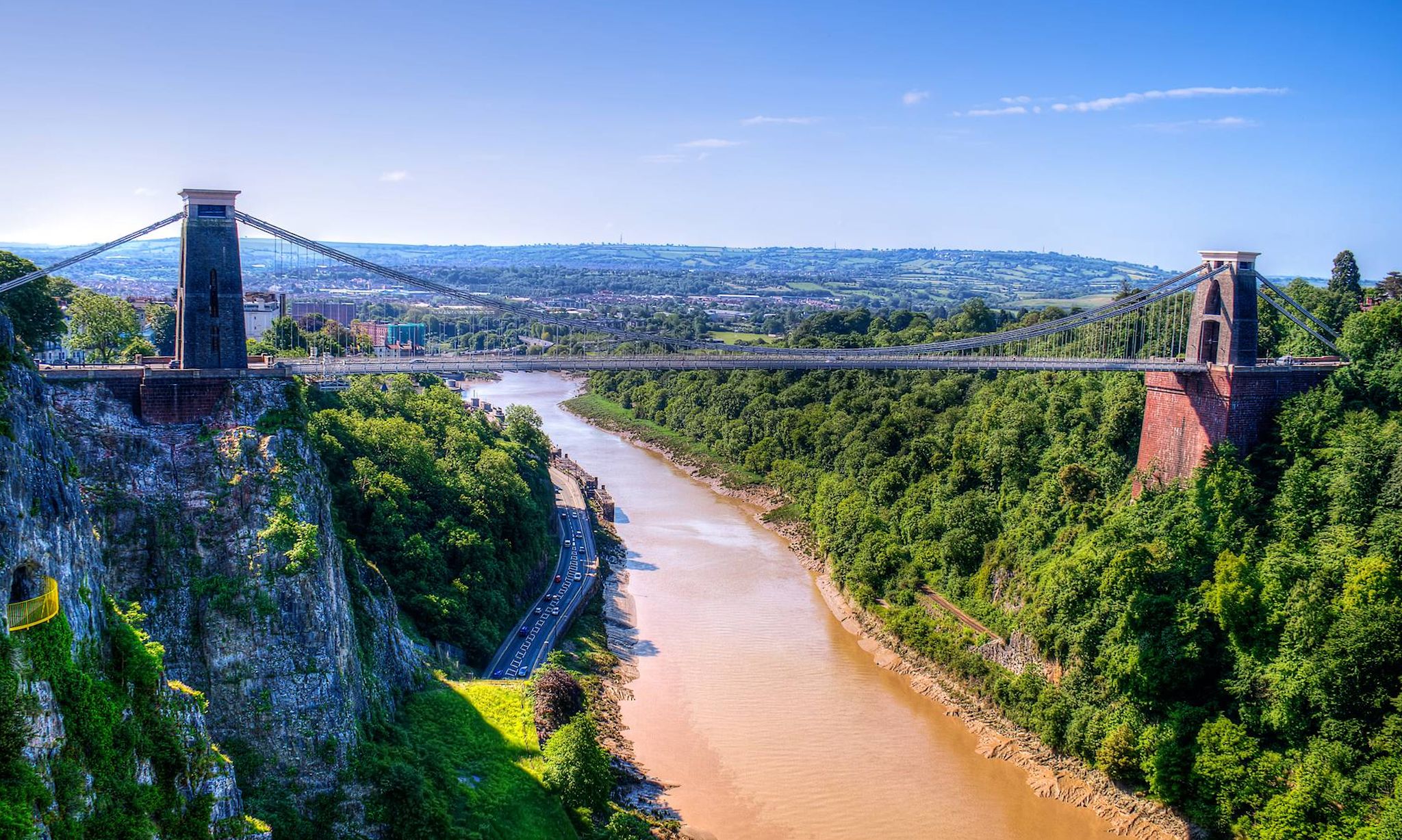
West Country Way – Vibrant cities and emerald hills

Devon Coast to Coast – Pristine beaches to vast moorlands
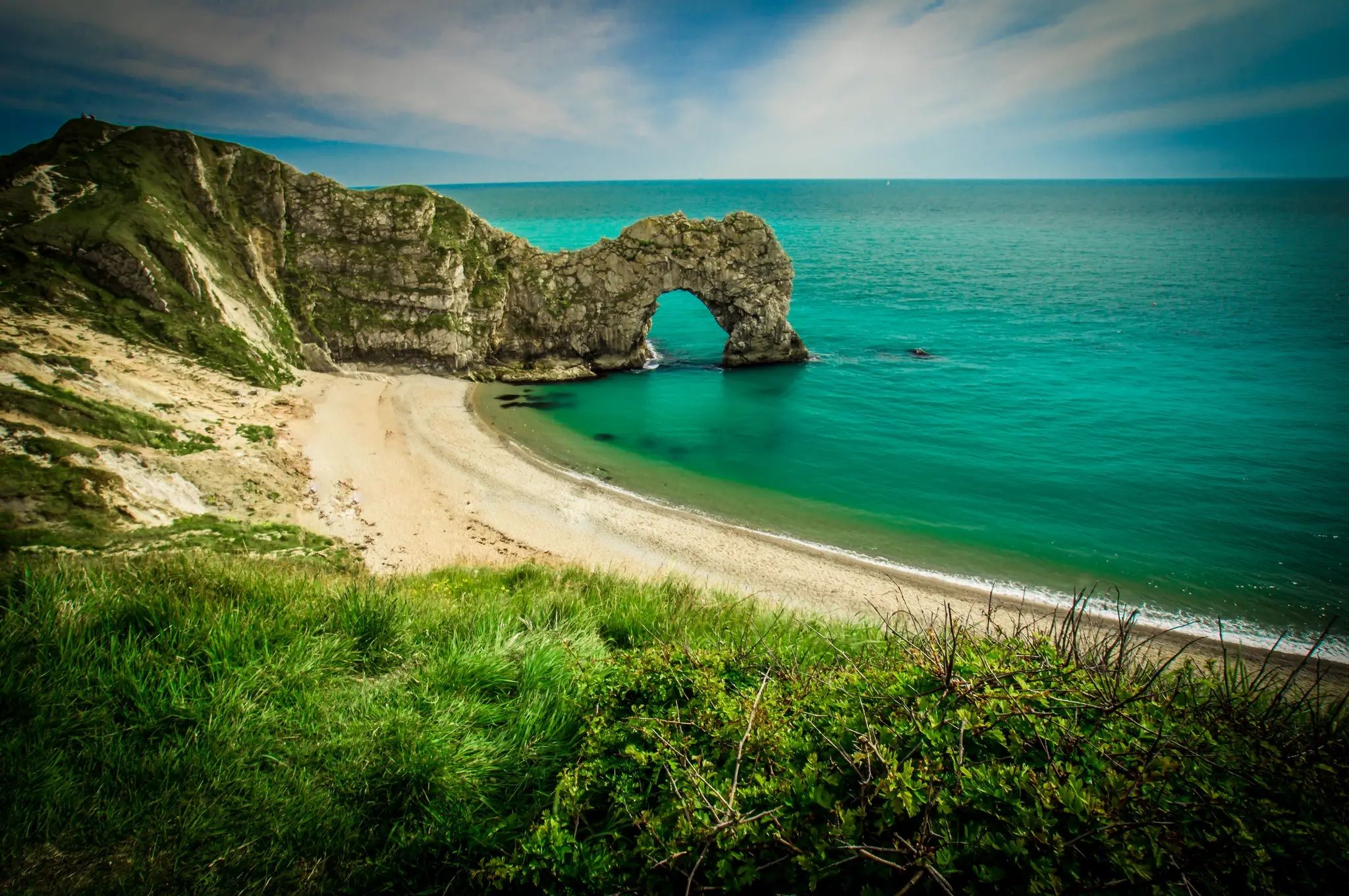
South West Coast Path — Explore Britain's longest trail
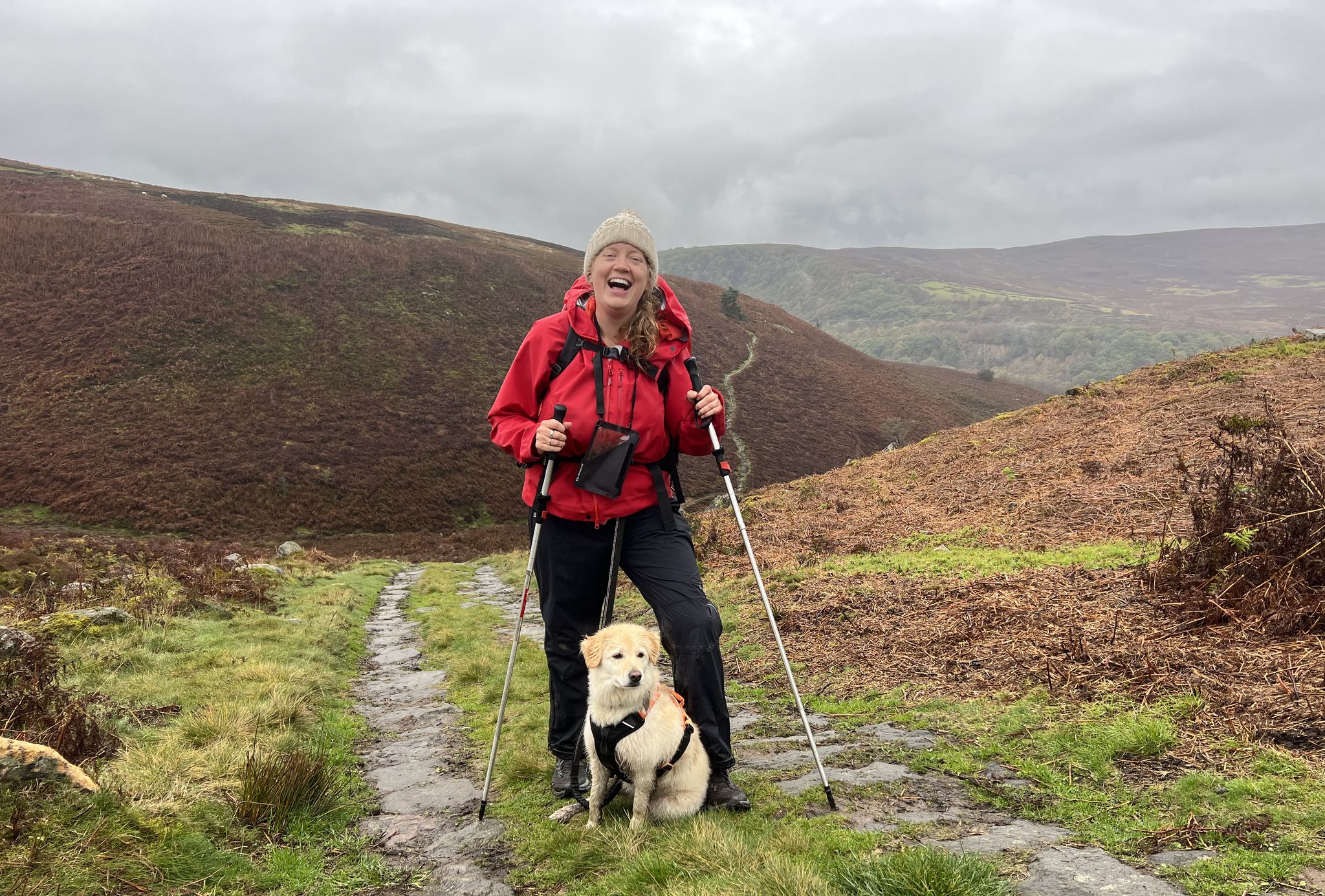
A Walk in the Parks – hikes across all of England’s national parks
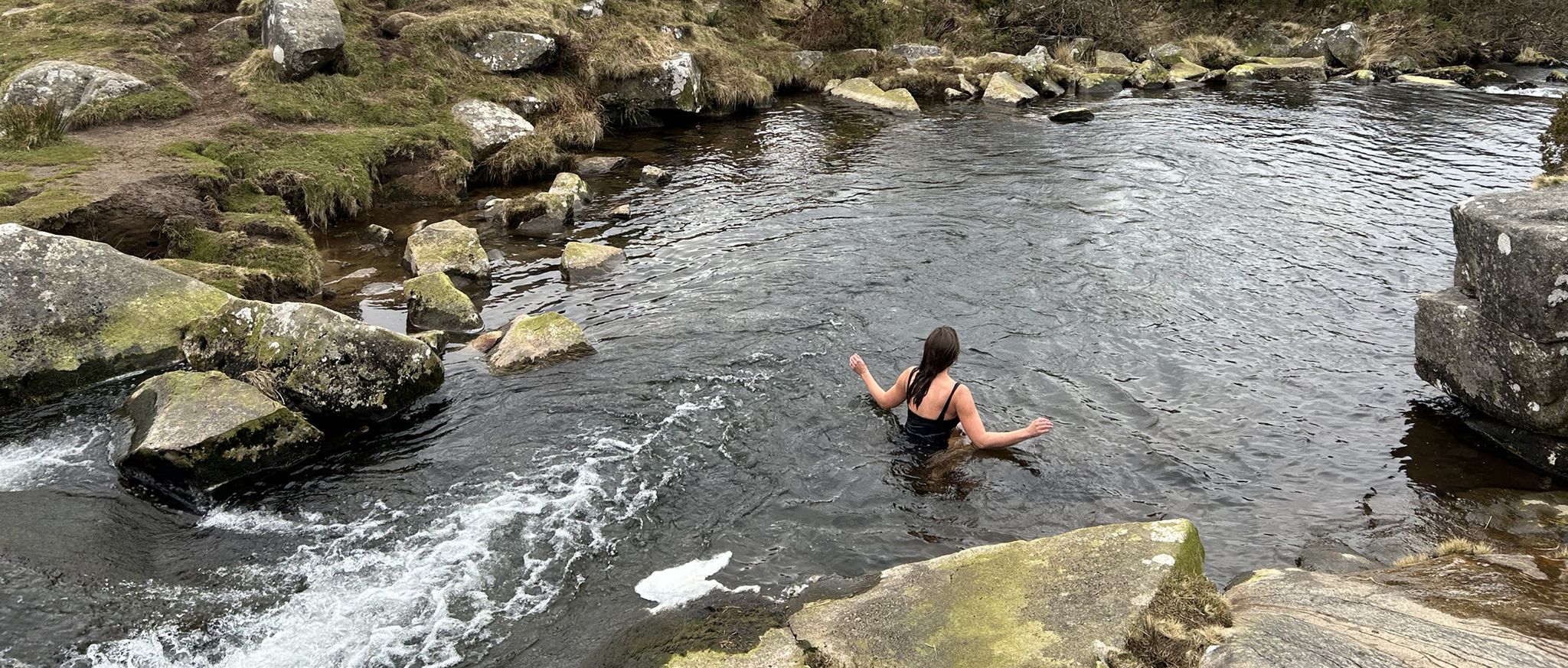
Wonderful wild swimming walks in Devon's national parks
Around the edge in 80 days — cycling the coastline of Britain
Other adventures in North Devon


Tips from the Community

From the Butter Hill trigpoint you are afforded expansive views over the Bristol Channel with deep, wooded valleys stretching down to Lynmouth and the dramatic Exmoor coast meeting the sea.
1
0

Codden Beacon is well-placed to provide amazing views south towards Dartmoor, northeast towards Exmoor and northwest across Barnstable Bay towards Lundy Island. The hill itself is one of a series of rounded hills caused by tectonic movement. There is a Bronze Age bowl barrow to the east.
2
0

With an elevation of 318 metres and a cliff face of 244 metres, it is the tallest sea cliff in England and the highest point along the South West Coast Path, which passes through this area. The easiest way to reach here is from Combe Martin.
0
0
Little Hangman is one of the main cliffs in Combe Martin, and from this point, you will enjoy a privileged view of the coastline.
1
0
Little Hangman is one of the main prominent landmarks in the area, along with its 'big brother' The Great Hangman. One way to explain its name is likely the local legend that tells of a sheep rustler. This rustler once took a ram tied with a rope, when suddenly, the ram escaped, falling off a cliff and taking the rustler with it. As they fell, the rope snagged onto a rock, and the next morning, it is said that a sailor passed by and saw the man hanging from the rope.
3
0

Moderate trail with amazing views and high elevation , good footwear required
1
1

Butter Hill is one of the highest cliffs in England, reaching 1,000 feet (302 m). It's also the highest point of the South West Coast Path. To the west are beautiful views of Lynton and Lynmouth. If you have come from that direction it gives you a true sense of how far you have climbed.
2
0

Great Hangman, at 1,043 feet (318 m), is one of the highest points on the Devon coastline. From this point, you are afforded spectacular views over the cliffs and beyond. In summer, let the heady aroma of wildflowers and sea air reinvigorate the senses.
4
0
Frequently Asked Questions
Which mountain peaks in North Devon offer the most impressive views?
For breathtaking vistas, consider visiting Butter Hill Summit, which provides beautiful views of Lynton and Lynmouth. Holdstone Hill Summit View offers superb panoramic views along the coast, with Lundy Island, Exmoor, and even the Welsh shores visible on a clear day. Codden Beacon Viewpoint is also strategically placed for views towards Dartmoor, Exmoor, and Lundy Island.
What are the highest points or most prominent cliffs in North Devon?
The region is known for its dramatic coastal cliffs. Great Hangman, near Combe Martin, stands at 1,043 feet (318m) with an 800-foot (244m) cliff face, making it the highest sea cliff in England and the highest point on the South West Coast Path. Its 'sister cliff,' Little Hangman, is 716 feet (218m) high. Butter Hill Summit also reaches 1,000 feet (302 m) and is one of England's highest cliffs.
Are there any historical or archaeological sites among North Devon's peaks?
Yes, Codden Beacon Viewpoint features a Bronze Age bowl barrow to its east. Additionally, Chapman Barrows, located on a prominent ridge, is a significant prehistoric round barrow cemetery consisting of eleven circular mounds, offering a glimpse into the region's ancient past.
What kind of outdoor activities can I do near these mountain peaks?
North Devon offers a variety of outdoor activities. You can explore numerous hiking trails, including easy options like the Valley of the Rocks loop or the Heddon's Mouth Circular Walk. For cycling enthusiasts, there are road cycling routes and mountain biking trails available throughout the region.
Are there family-friendly walks around the peaks in North Devon?
While some peaks involve moderate to challenging climbs, many areas offer family-friendly sections. The South West Coast Path, which passes by many of these peaks, has varied terrain. For easier walks, consider routes like the Valley of the Rocks or Baggy Point, which are generally suitable for families.
Which peaks are dog-friendly in North Devon?
Codden Beacon Viewpoint is noted as dog-friendly. Generally, many trails and open access land in North Devon, including sections of the South West Coast Path, welcome dogs, though it's always advisable to keep them on a lead, especially near livestock or cliff edges.
What is the best time of year to hike the mountain peaks in North Devon?
Spring and autumn often provide the most pleasant conditions for hiking in North Devon, with milder temperatures and fewer crowds. Summer can be popular but also warmer, while winter offers dramatic scenery but requires appropriate gear for potentially wet and windy weather. Always check local weather forecasts before heading out.
What are the geological features of the Hangman Cliffs?
The Hangman Cliffs, including Great Hangman and Little Hangman, are formed from thick sandstone known as 'Hangman Grits.' These distinctive rock formations were laid down during the Devonian Period, contributing to the dramatic coastal scenery where Exmoor meets the sea. You can learn more about them on Wikipedia.
Are there any unique stories or legends associated with North Devon's peaks?
Yes, the name 'Hangman' for Great Hangman and Little Hangman is associated with a local legend. It tells of a sheep rustler who, while attempting to steal a ram, fell from the cliff. The rope snagged, leaving him hanging, which a passing sailor discovered the next morning. Additionally, Holdstone Hill is considered a very special place by the Aertherius Society, who believe it to be a site of extraterrestrial contact.
What can I expect when hiking to <a href="https://www.komoot.com/highlight/5228528" target="_blank" rel="noopener">Butter Hill Summit</a>?
Butter Hill Summit is a high point on the South West Coast Path, reaching 1,000 feet (302 m). The trail is considered moderate, and good footwear is recommended due to the elevation. From the summit, you'll be rewarded with beautiful views of Lynton and Lynmouth, giving a true sense of the climb you've accomplished.
Where can I find amenities like cafes or pubs near the peaks?
Areas like Combe Martin, near the Hangman Cliffs, and Lynton and Lynmouth, close to Butter Hill Summit, offer various amenities including cafes, pubs, and accommodation options. These towns serve as convenient bases for exploring the surrounding peaks and coastal paths.
What makes <a href="https://www.komoot.com/highlight/637760" target="_blank" rel="noopener">Holdstone Hill</a> a unique place to visit?
Holdstone Hill offers superb views along the coast, with Lundy Island, Exmoor, and the Welsh shores visible. Beyond its natural beauty, it holds a unique spiritual significance for the Aertherius Society, who believe it was the site of an appearance by Jesus to their founder, Dr. George King, in 1958, making it a place of pilgrimage for them.
Most popular routes in North Devon
Most popular attractions in North Devon

Get inspired with the komoot mobile app


Didn’t find what you were looking for?
Discover North Devon’s best peaks and summits by region:
Explore more
See even more amazing summits in North Devon with these guides:
