Attractions and Places To See around Waverley - Top 20
Best attractions and places to see around Waverley offer a diverse landscape in southwest Surrey, United Kingdom. The region features historical sites, expansive natural reserves, and scenic routes along rivers and heathland. It is characterized by a blend of cultural heritage and varied outdoor environments, providing opportunities for exploration. Waverley includes parts of the Surrey Hills Area of Outstanding Natural Beauty, offering a mix of woodlands, open heathland, and historical landmarks.
Best attractions and places to see around Waverley
- The most popular attractions is Celtic Cross on Gibbet Hill, a man-made monument that commemorates a historical event. This cross was erected in 1851 to signify safety in an area previously associated with executions.
- Another must-see spot is Frensham Little Pond, a lake surrounded by pine trees and sandy hills. Visitors can expect varied walks and scenery, with a circular route around the pond being under 3 km.
- Visitors also love Bramley and Wonersh Disused Railway Station, a historical site. This location features a nicely restored green open space with platforms, signs, and shelters, serving as a point of interest on the Downs Link.
- Waverley is known for historical sites, natural reserves, and scenic routes. The area offers a variety of attractions to see and explore, from ancient ruins and disused railway stations to expansive heathlands and tranquil ponds.
- The attractions around Waverley are appreciated by the komoot community, with more than 100 upvotes and 14 photos shared by visitors.
Last updated: August 16, 2026
The Sailor's Stone
Highlight • Historical Site
Tip by

Celtic Cross on Gibbet Hill
Highlight • Monument
Three thieves were executed and their bodies hung on the hill as a warning to others. They murdered an unknown sailor they had befriended in the Red Lion in nearby Thursley. His memorial stone is closeby. Locals began to fear the area so in 1851, Sir William Erle erected this cross to show that it was safe.
Tip by

Sign up now to discover places like this
Get recommendations on the best single tracks, peaks, & plenty of other exciting outdoor places.
Sign up for free
Bramley and Wonersh Disused Railway Station
Highlight • Historical Site
Tip by

Devil's Punch Bowl Picnic Site
Highlight • Viewpoint
Tip by

Barhatch Lane Climb
Highlight (Segment) • Cycleway
Tip by

Baynards Station
Highlight • Historical Site
(You can take a look from outside though 😉)
Tip by

Farnham Castle Keep
Highlight • Historical Site
Tip by
Hydon's Ball Summit
Highlight • Forest
The hill is home to a lovely variety of heathland and woodland, and there are some lovey views on offer of the surrounding countryside from the top. Keep your eyes peeled for wildlife whilst you're here, including butterflies and birds of prey.
Tip by

Old A3 Pathway, Hindhead
Highlight • Trail
Until 2011, the A3 bottlenecked at Hindhead, going from two lanes to one. There was always traffic, air pollution was high there was a significant number of accidents. The Hindhead Tunnel was dug to allow the road to continue as a dual carriageway. Even in the short time since the tunnel opened the difference is incredible. Walking along here it is hard to imagine traffic crawling along the way.
Tip by
Frensham Little Pond
Highlight • Lake
There as been a lake here since the 13th century when the Bishop of Winchester decreed a dam be built. The resulting pond provided fish for when he was staying at nearby Farnham Castle.
Tip by
Sign up for free to discover even more attractions around Waverley.
Sign up for free
Already have an account?
Start today with a free account
Your next adventure awaits.
Login or Signup
Popular around Waverley
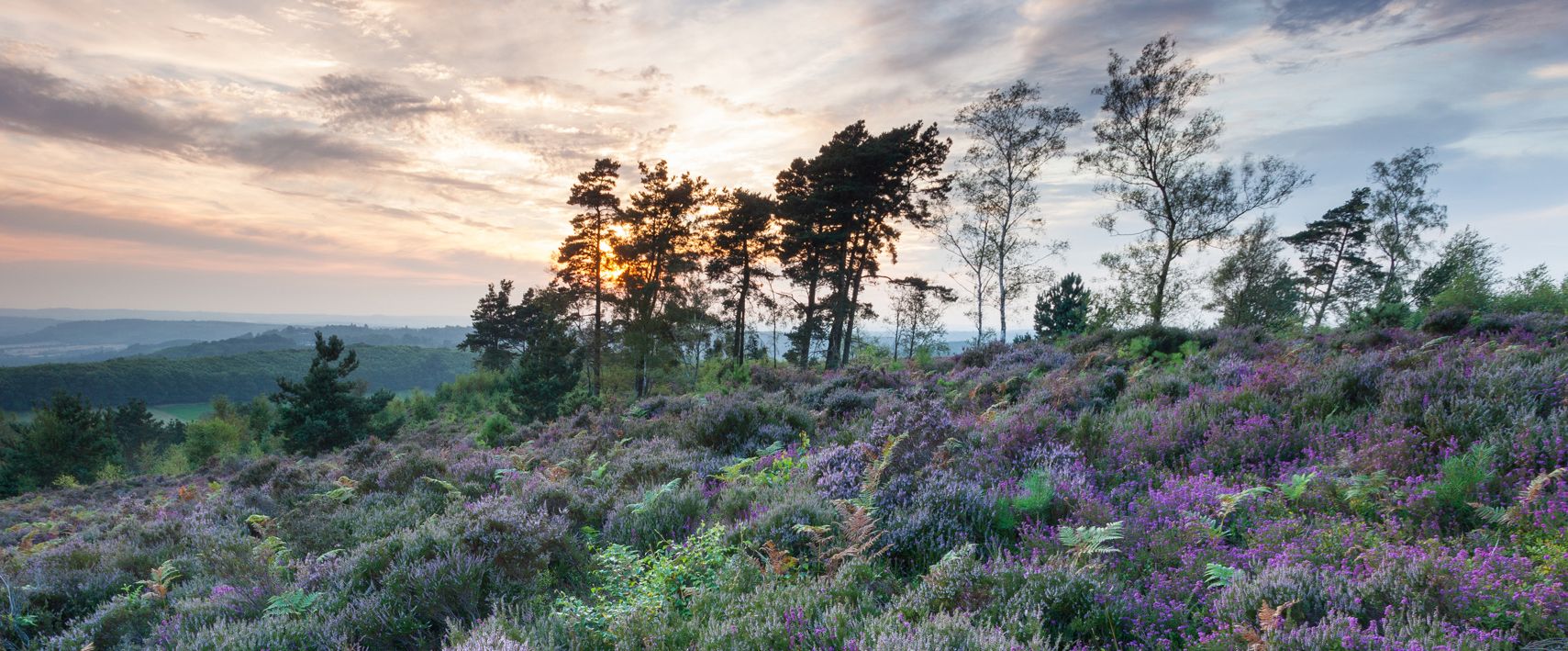
Hiking the Serpent Trail — Snake across Sussex's vibrant Greensand Hills
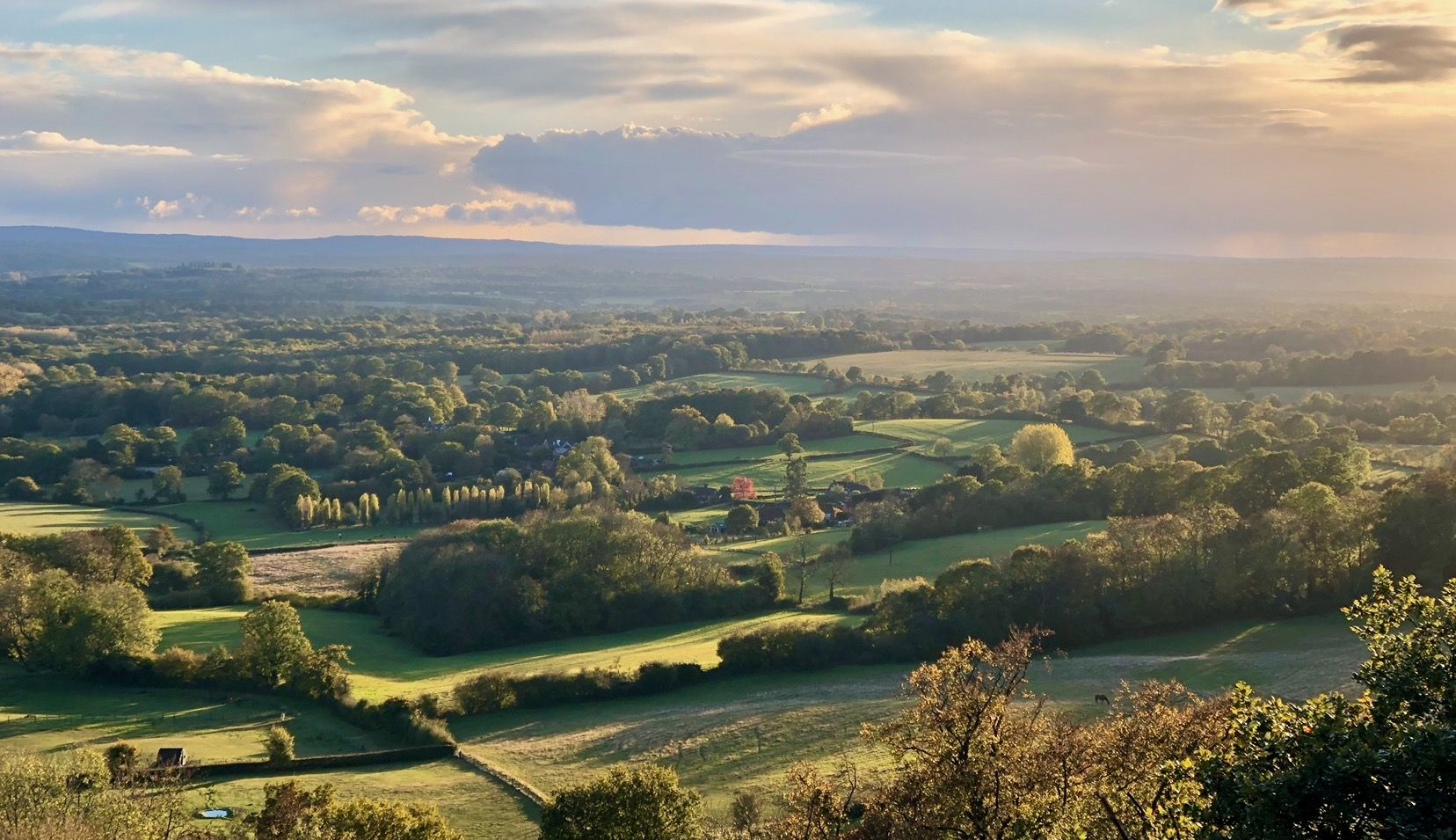
Greensand Way — A spellbinding ridge-hike across Surrey and Kent
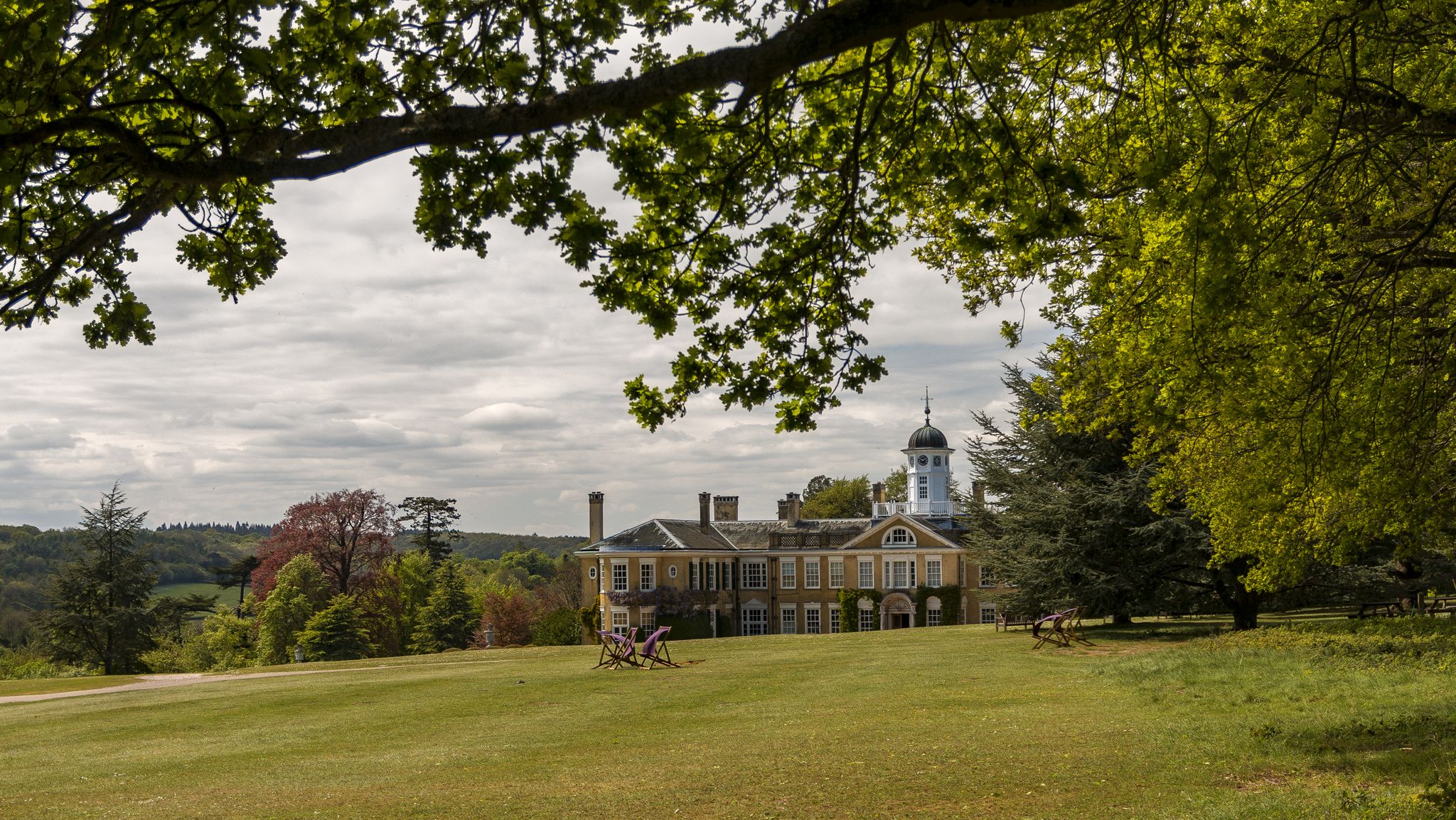
Surrey Cycleway – Abundant history and olympic hills
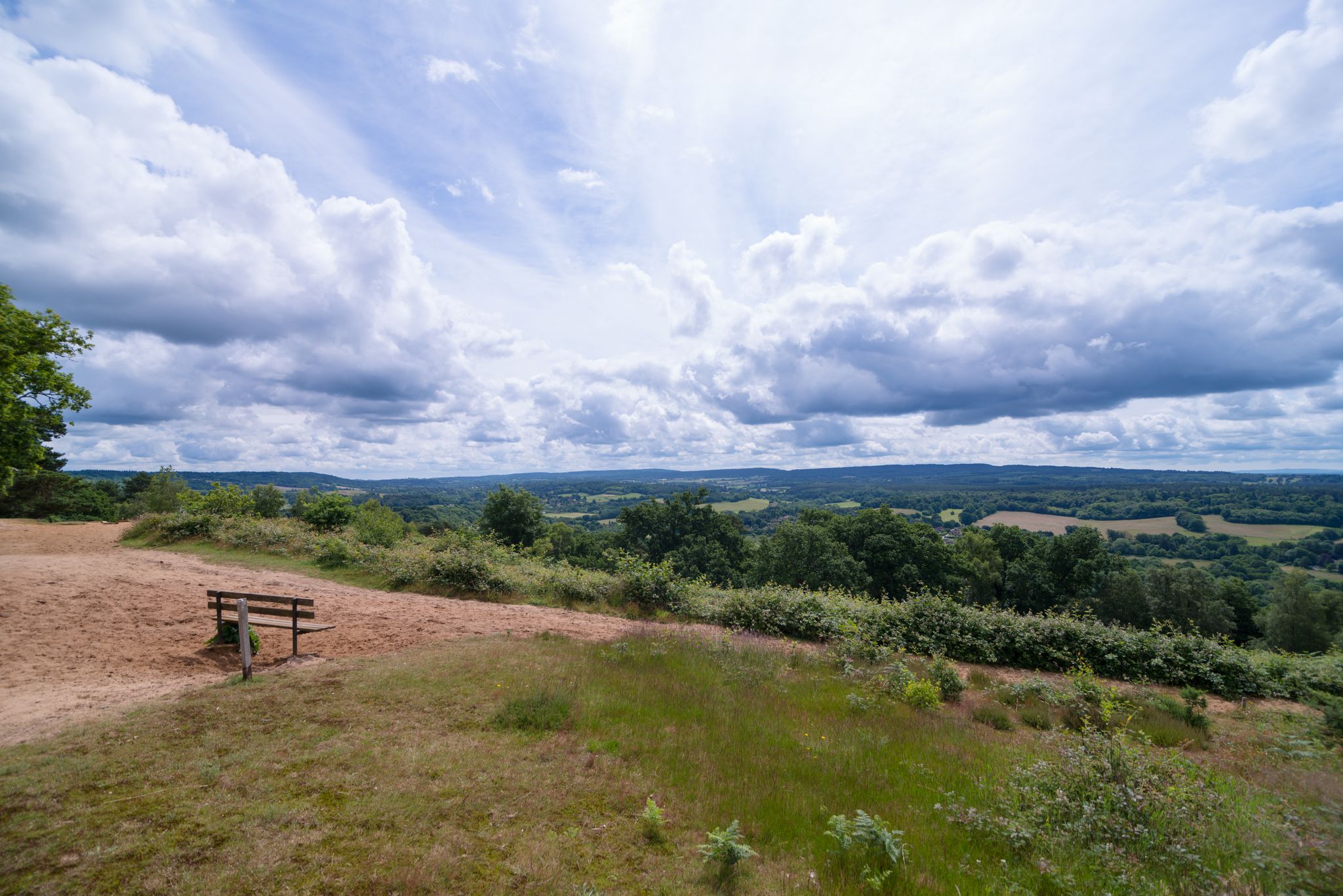
North Downs Way — Hike through 3,000 years of heavenly history
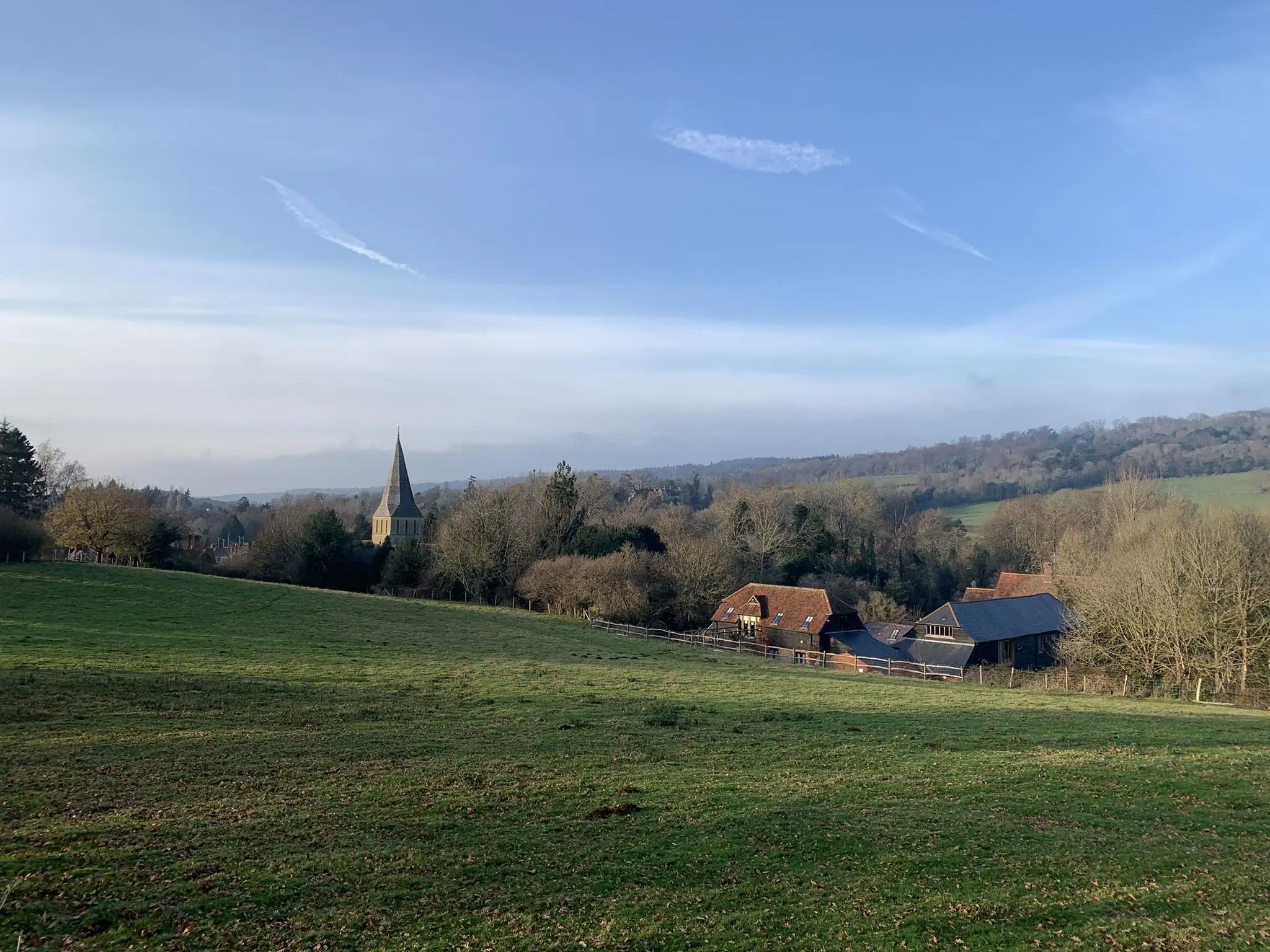
Accessible beauty – Easier Access Routes in the Surrey Hills
Rail to Ramble routes – gorgeous walks in the Surrey Hills
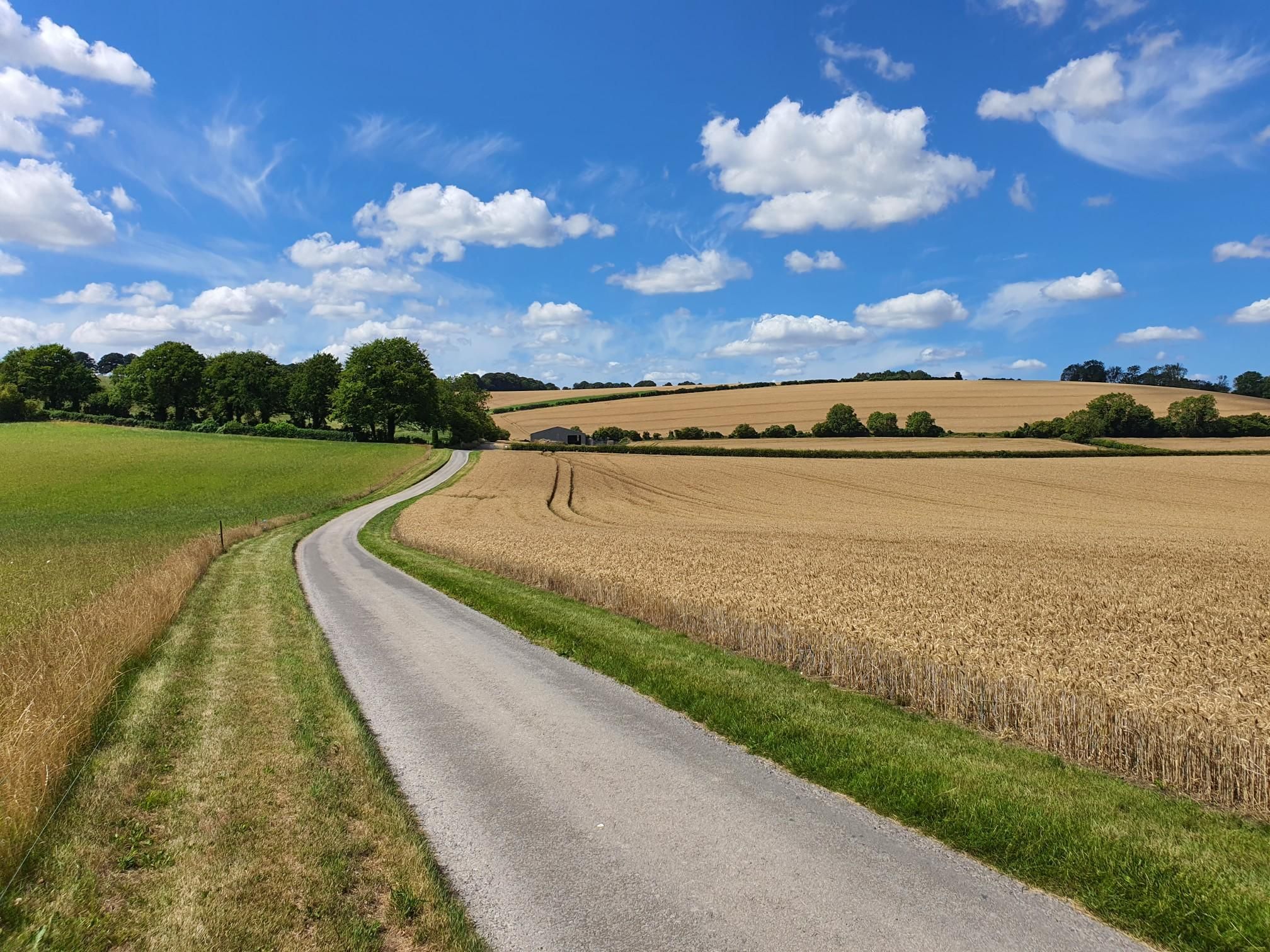
Spectacular ascents in the South Downs – Brighton to Winchester
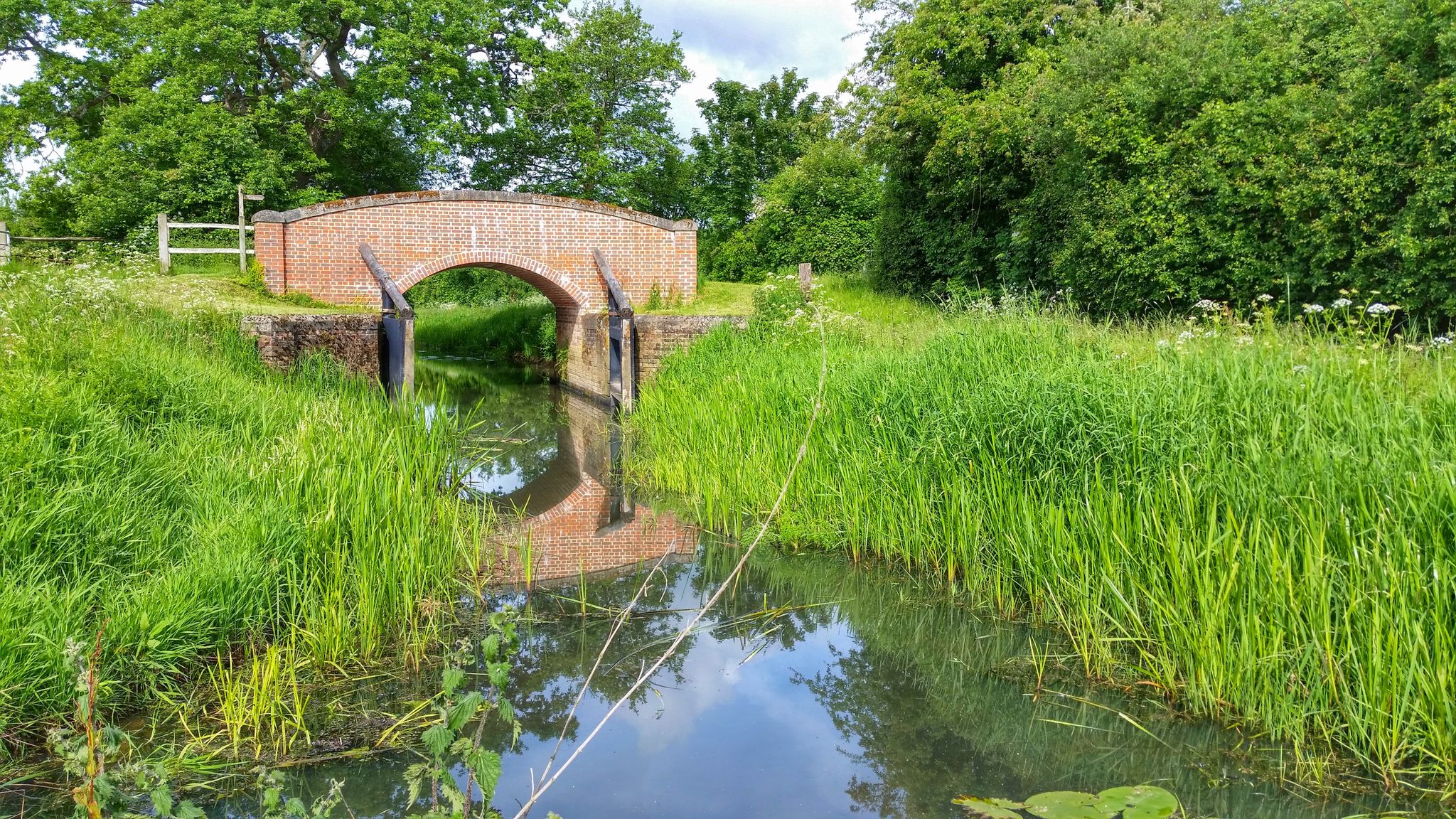
Tracing a historic canal through the South — Wey-South Path
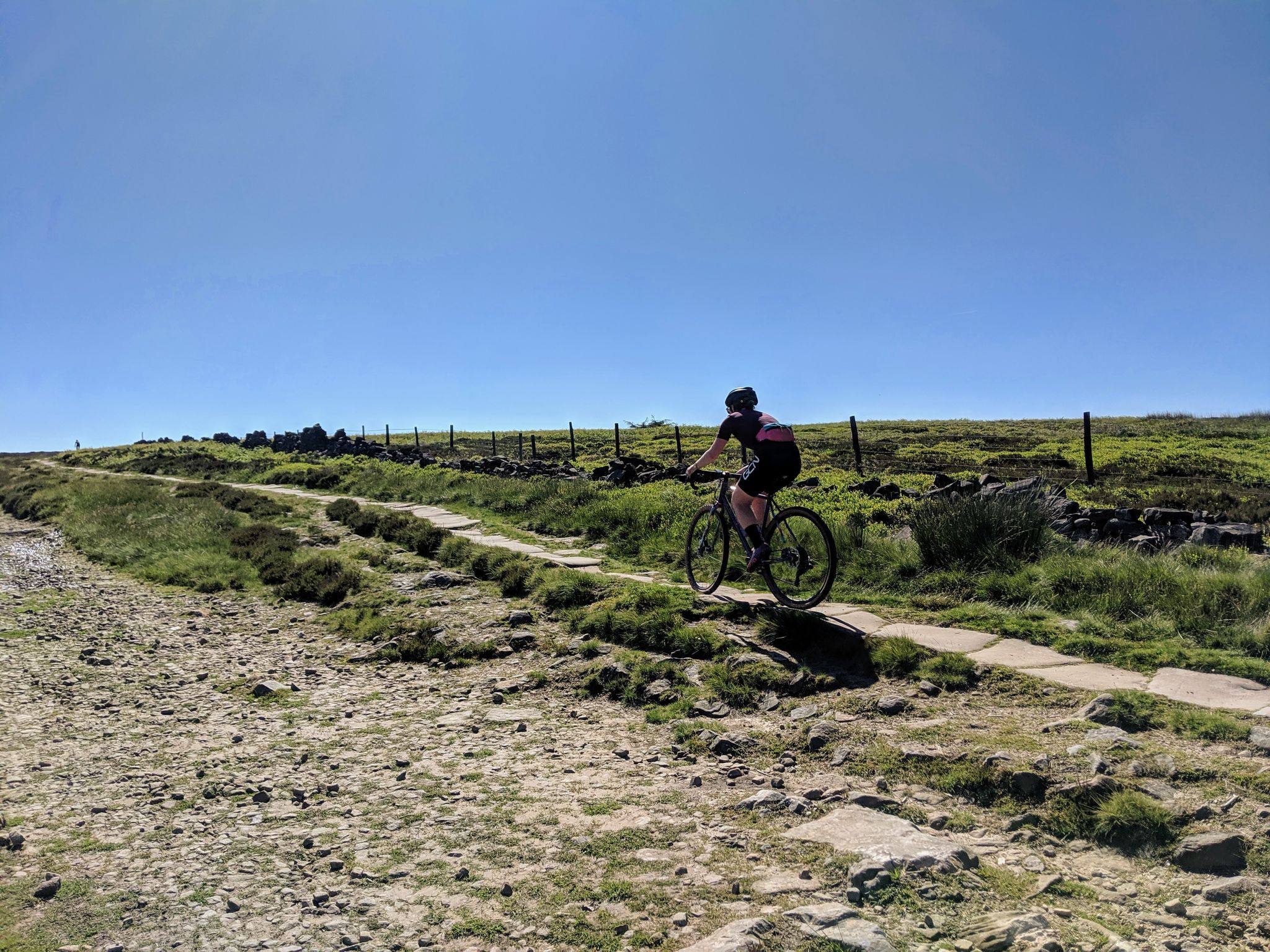
UK alternative gravel rides — Sand, rock, slate and urban riding
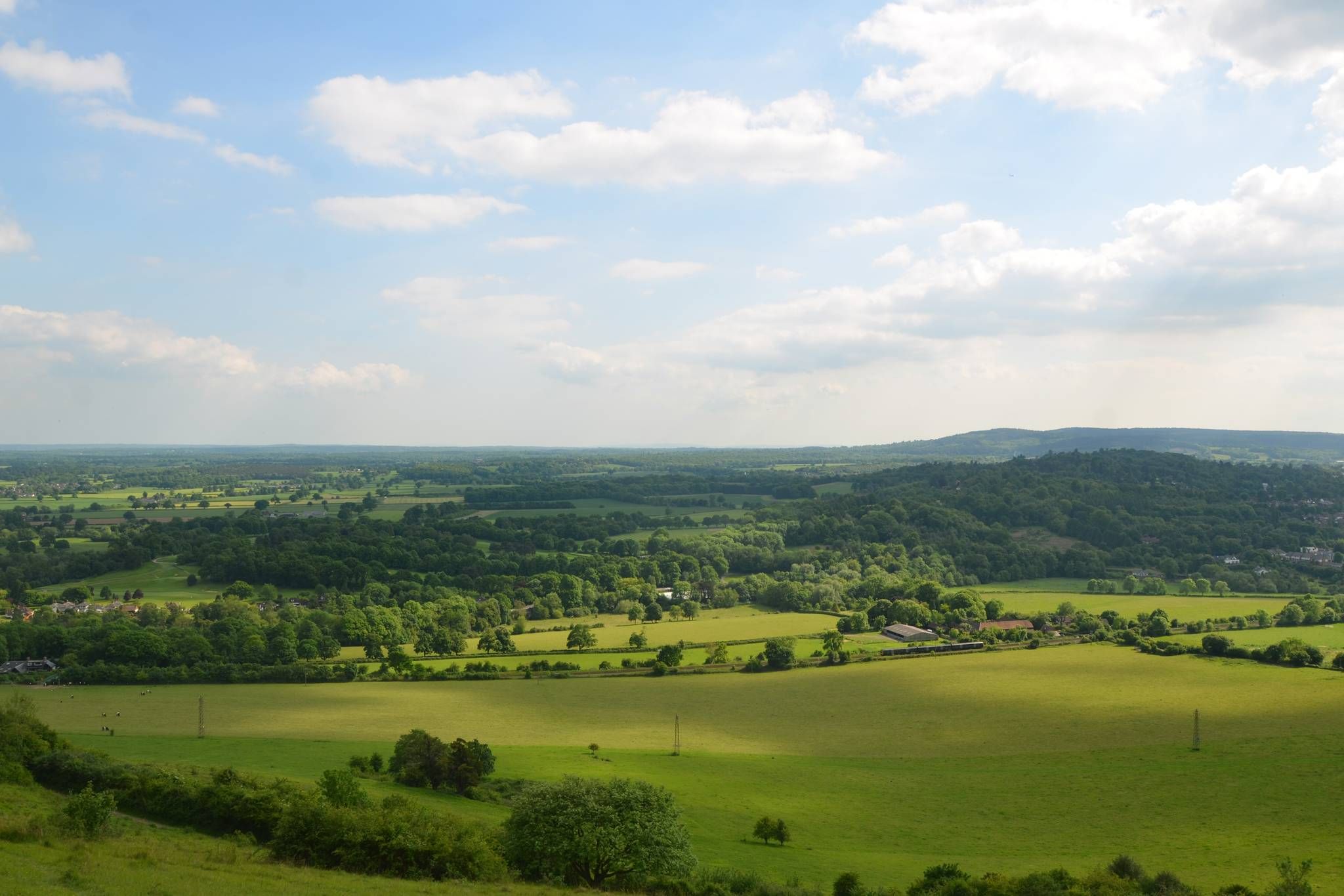
The best of Surrey and Kent off-road – North Downs Way
Other adventures around Waverley


Tips from the Community

The old A3, historically the Portsmouth Road, was a vital 67-mile artery linking London to England’s premier naval port. Its strategic military importance peaked during the Napoleonic Wars, though it was notorious in the 18th century for daring highwaymen and smugglers. Turnpiked to accelerate horse-drawn mail coaches, the route was officially designated as the A3 in 1922. For decades, it suffered severe bottlenecks, most famously the narrow single-carriageway wrapping tightly around the Devil’s Punch Bowl. The opening of the Hindhead Tunnel finally bypassed this stretch, allowing the old road to be reclaimed by nature as scenic trails.
0
0
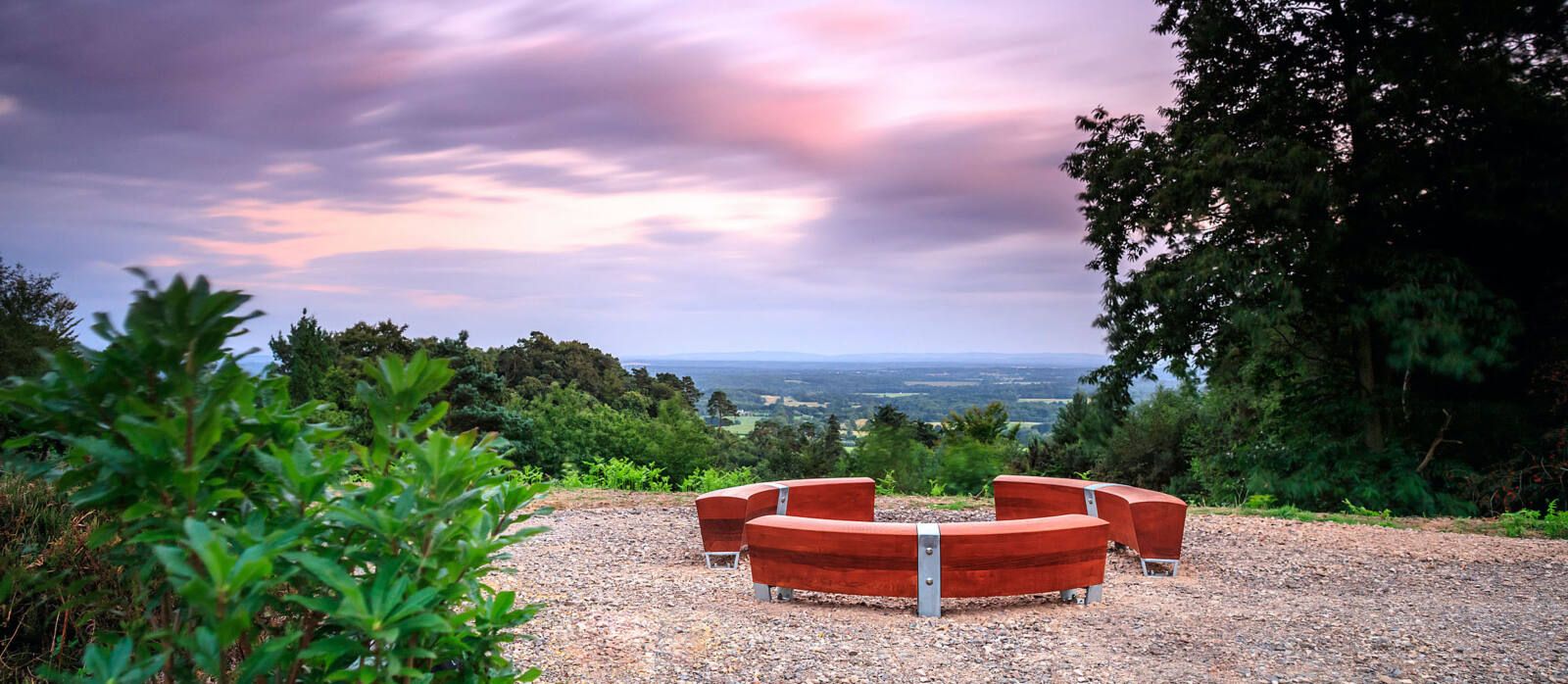
The picnic area at the Devil's Punch Bowl provides an ideal outdoor setting to relax and dine before or after exploring the Surrey Hills. Located right next to the main Devil's Punchbowl Car Park, this family-friendly zone serves as the central hub for visitors preparing to take on the nearby walking trails. The area is beautifully integrated into the surrounding landscape, featuring open, grassy spots sheltered by mature trees.
0
0
Erected in 1786 along the Old Portsmouth Road, the Sailor’s Stone is a historic boundary marker commemorating a notorious local tragedy. It marks the exact spot where an unknown seafaring traveler was brutally murdered and robbed by three men he had just befriended in a nearby pub. The stone features a stern biblical inscription condemning the crime and features a famous, ominous curse on its reverse warning anyone against moving it.
0
0
Erected in 1851 by judge Sir William Erle, the granite Celtic cross on Gibbet Hill was built to dispel local fears of evil spirits. It marks the notorious site where three highwaymen were hanged and displayed in chains in 1787 for the brutal murder of an unknown sailor.
0
0

Generally quiet lanes around this area with sandy paths to jump on and off.
0
0

The most typical feature in the design of Celtic crosses is the circle connecting the horizontal and vertical bars. This is sometimes interpreted as a symbol of the sun; in this sense, Celtic crosses are sometimes also called sun crosses. I found the following meditative reflection on this topic while working as a chaplain in the Protestant deanery of Nassauer Land: "The sun cross is a special symbol of Celtic Christianity. It can become a symbol of spirituality. + What you can practice – the horizontal arm of the cross. Your conscious rituals, prayers, quiet moments. The attention you give to the sacred. + What happens to you – the vertical arm of the cross. Experiences that touch and transform you. Moments in which you sense something greater than yourself. + What gives you interpretation – the circle that encloses both. Words, stories, and traditions that help you understand and share these experiences. Spirituality connects you to sources of strength that reach deeper than what you can see. For me as a Christian, spirituality is a word for encountering the God who revealed himself in Jesus."
2
0

Frequently Asked Questions
What historical sites can I explore in Waverley?
Waverley is rich in history. You can visit the impressive 13th-century ruins of Waverley Abbey, England's first Cistercian monastery. Other historical points of interest include the Bramley and Wonersh Disused Railway Station, which features a nicely restored green open space, and Farnham Castle Keep. The region also boasts historic market towns with buildings dating back to the 15th century.
Where can I experience nature and scenic beauty in Waverley?
Waverley offers diverse natural landscapes. Explore the expansive Wealden Heaths National Nature Reserve, which includes popular spots like the Devil's Punchbowl, Puttenham Common, and Thursley Common, home to scarce wildlife. You can also enjoy the tranquil Frensham Little Pond, surrounded by pine trees and sandy hills, or take in views from Hydon's Ball Summit, one of Surrey's highest points. Miles of riverside walking are available along the River Wey.
Are there family-friendly attractions in Waverley?
Yes, Waverley has several family-friendly options. Frensham Little Pond offers an easy circular walk under 3 km, perfect for families. The Bramley and Wonersh Disused Railway Station is a restored historical site that can be an interesting stop. Many of the natural areas, such as the Wealden Heaths National Nature Reserve, offer opportunities for family walks, though visitors are encouraged to stay on marked paths and keep dogs on leads, especially during nesting season.
What outdoor activities can I do near these attractions?
Waverley is ideal for outdoor enthusiasts. You can enjoy hiking on trails like the 'Medieval Waverley (SCC) Trail' or the 'Frensham Little Pond Family Walk'. Cycling is popular, with routes such as the 'Cycle Surrey Hills: Elstead and Puttenham Loop'. Mountain biking trails are also available, including the 'Hankley Common loop'. For more details on routes, visit the Hiking around Waverley or MTB Trails around Waverley guides.
Are there easy walks or family-friendly trails around Waverley?
Absolutely. The 'Frensham Little Pond Family Walk' is an easy 2.8 km loop, perfect for a leisurely stroll. Another easy option is 'The Devil's Punchbowl & The Temple of the Four Winds loop from Hindhead', which is around 6.7 km. You can find more easy hiking options in the Easy hikes around Waverley guide.
Where can I find scenic walks with good views in Waverley?
For scenic walks with views, consider the areas around Celtic Cross on Gibbet Hill, which offers great vistas. Hydon's Ball Summit also provides lovely views of the surrounding countryside. The Greensand Way offers scenic routes for walking, biking, or riding, and the National Trust Heathland at Hindhead and Frensham provides expansive views.
What is the best time of year to enjoy outdoor activities in Waverley?
The spring and summer months (March to September) are generally ideal for outdoor activities in Waverley, especially for enjoying the heathlands and spotting wildlife like ground-nesting birds. However, the natural beauty of the area, including the River Wey and various commons, can be enjoyed year-round, with each season offering a different charm.
Are there dog-friendly places to visit in Waverley?
Many of Waverley's natural areas, such as the Wealden Heaths National Nature Reserve and the National Trust Heathland, are popular for dog walking. However, during nesting season (March to September), it's crucial to keep dogs on leads to protect scarce wildlife. Always check local signage for specific rules and restrictions.
Are there any unique or quirky attractions in Waverley?
Beyond the well-known sites, you might find the Celtic Cross on Gibbet Hill to be a unique monument with a fascinating, albeit dark, history. The Bramley and Wonersh Disused Railway Station, with its restored platforms and shelters, offers a glimpse into a bygone era of transport.
What do visitors enjoy most about Waverley?
Visitors frequently appreciate the diverse landscape, from historical ruins to expansive natural reserves. The blend of cultural heritage and varied outdoor environments, including woodlands, open heathland, and tranquil ponds like Frensham Little Pond, is a major draw. The opportunity for varied walks and scenic views, as well as the historical significance of sites like Celtic Cross on Gibbet Hill, are often highlighted.
Is parking available at Waverley's main attractions?
Parking availability varies by attraction. For popular natural sites like Frensham Little Pond and areas within the Wealden Heaths National Nature Reserve, designated car parks are generally available, though they can become busy during peak times. For historical sites like Waverley Abbey, parking is typically provided nearby. It's always advisable to check specific location details before your visit.
What are the best free attractions to visit in Waverley?
Many of Waverley's natural attractions are free to access. Exploring the ruins of Waverley Abbey, walking around Frensham Little Pond, or hiking through the Wealden Heaths National Nature Reserve (including the Devil's Punchbowl) are all excellent free activities. Visiting the Celtic Cross on Gibbet Hill also offers great views without an entrance fee.
Most popular routes around Waverley
Most popular attractions around Waverley

Get inspired with the komoot mobile app


Didn’t find what you were looking for?
Are you keen on exploring more awesome places nearby? Browse our guides:
Explore more
Still not found the Highlight you’re looking for? See guides of the top attractions in other regions:
