Attractions and Places To See around Swale - Top 20
Best attractions and places to see around Swale, a borough in North Kent, England, offers a diverse range of attractions. The region encompasses historical landmarks, rich natural landscapes, and significant cultural sites. Visitors can explore ancient churches, expansive nature reserves, and engaging museums, providing varied points of interest.
Best attractions and places to see around Swale
- The most popular attraction is Oare Marshes Nature Reserve, a viewpoint that is an internationally important wildlife habitat on The Swale. It is…
Last updated: August 16, 2026
St Thomas the Apostle Church, Harty
Highlight • Religious Site
It's a basic church in a remote setting and has no electricity.
Tip by

Church of St Mary Magdalene and St Lawrence, Faversham
Highlight • Historical Site
Tip by

Sign up now to discover places like this
Get recommendations on the best single tracks, peaks, & plenty of other exciting outdoor places.
Sign up for free
Abbey Street, Faversham
Highlight • Historical Site
Tip by

St John the Baptist Church, Doddington
Highlight • Historical Site
Tip by

Oare Marshes Spring
Highlight • Natural
Tip by
Kingsferry Bridge
Highlight • Bridge
The seven-span bridge has a central lifting span which allows for ships to pass.
Tip by
Faversham Creek
Highlight • Viewpoint
Tip by
Conyer Creek Marina
Highlight • Viewpoint
Tip by

Mount Ephraim Gardens
Highlight • Viewpoint
Tip by
Faversham Road Climb
Highlight (Segment) • Climb
Tip by

Sign up for free to discover even more attractions around Swale.
Sign up for free
Already have an account?
Start today with a free account
Your next adventure awaits.
Login or Signup
Popular around Swale
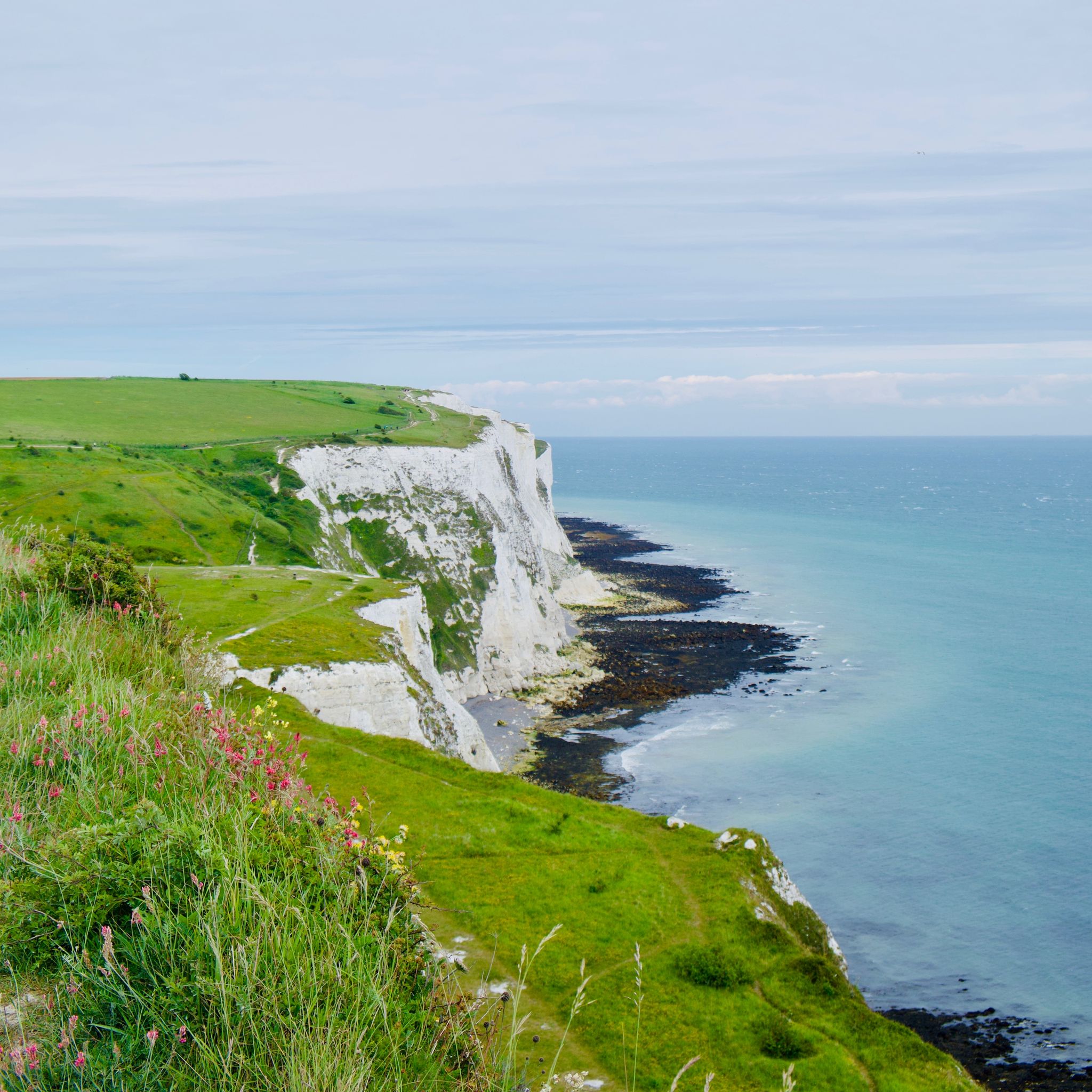
From Amsterdam to London - along the North Sea and across the water
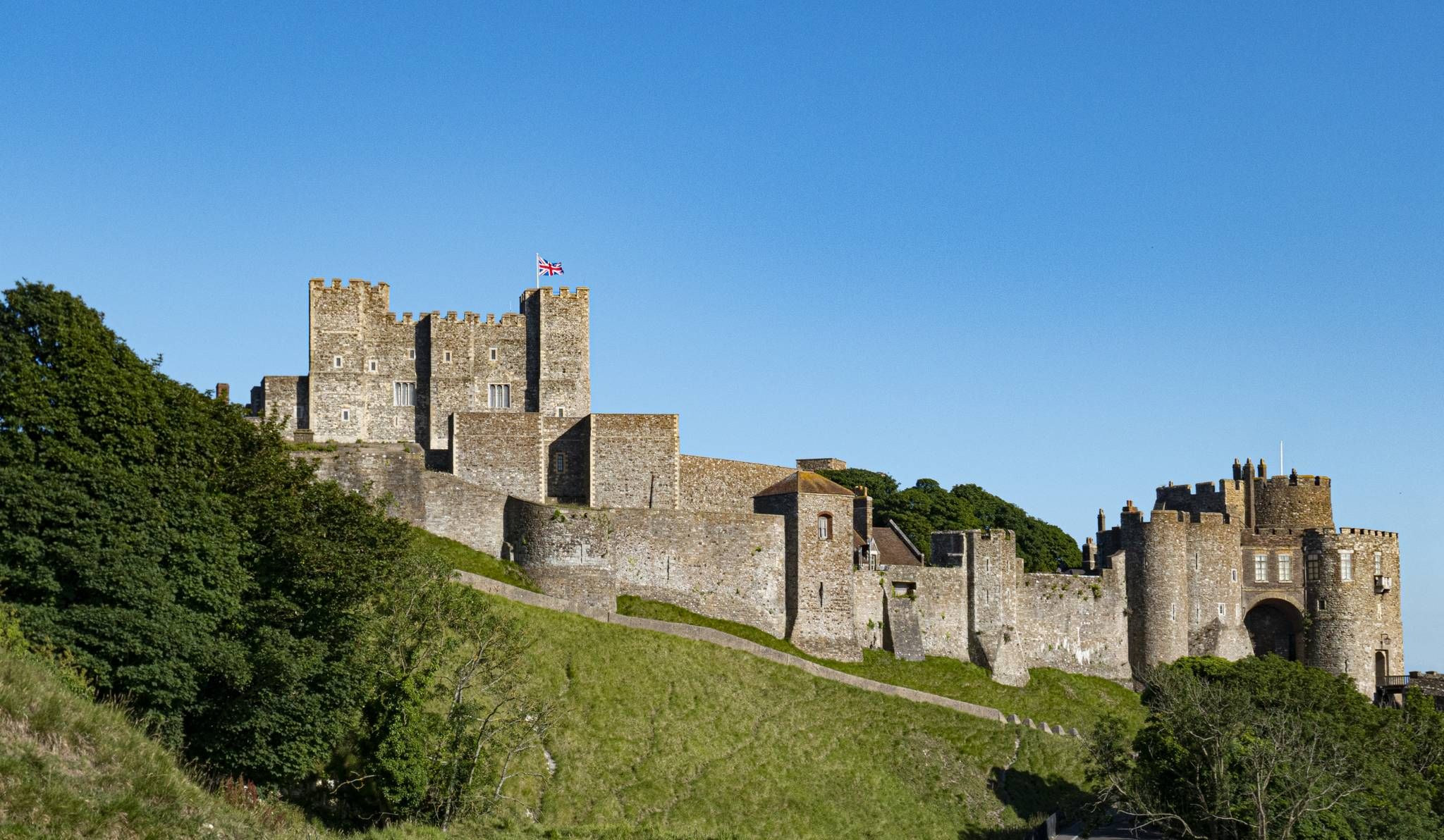
Cycling the Garden of England – orchards, cliffs and maritime history
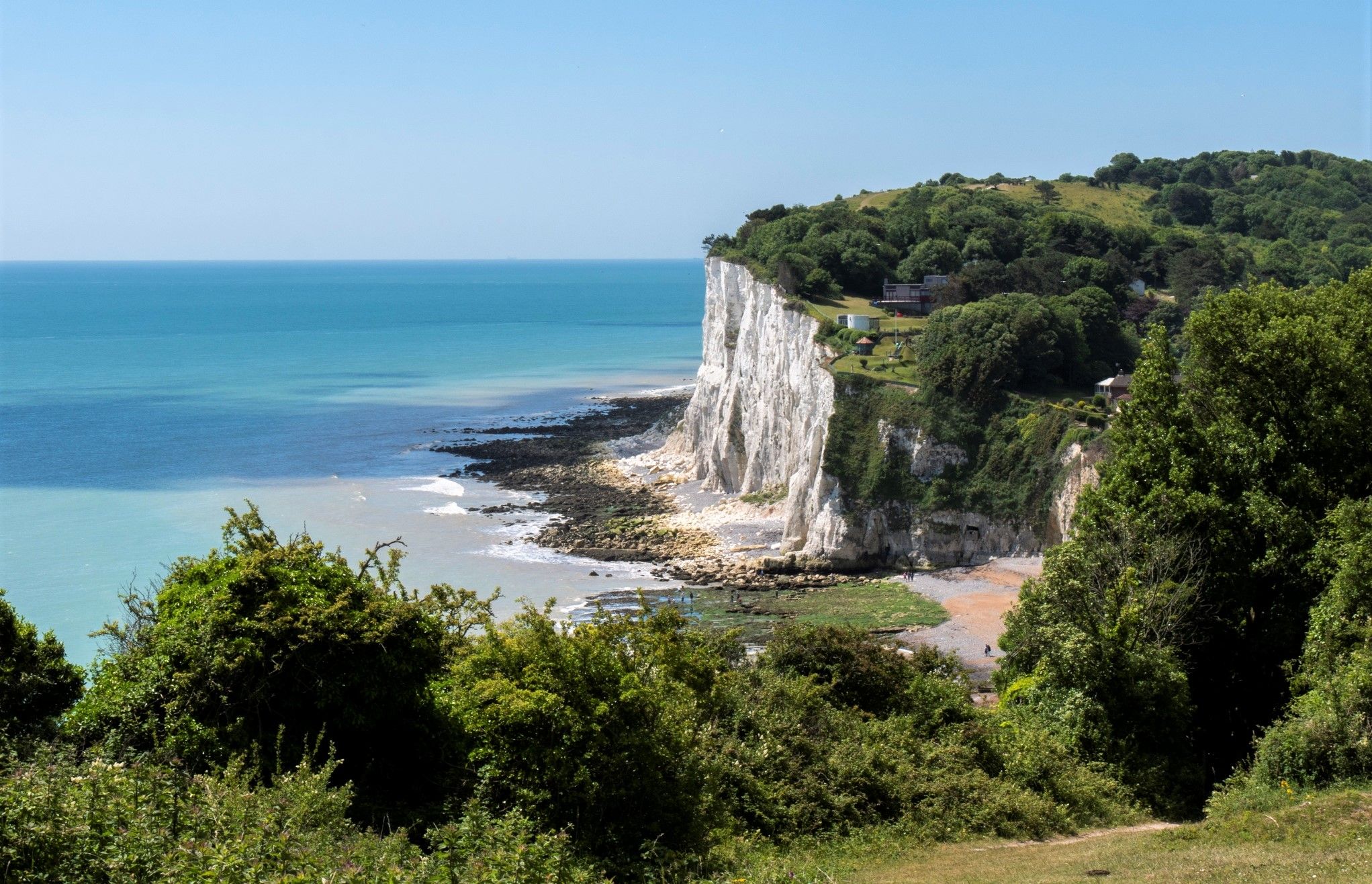
Saxon Shore Way — A historic hike along breathaking coastline
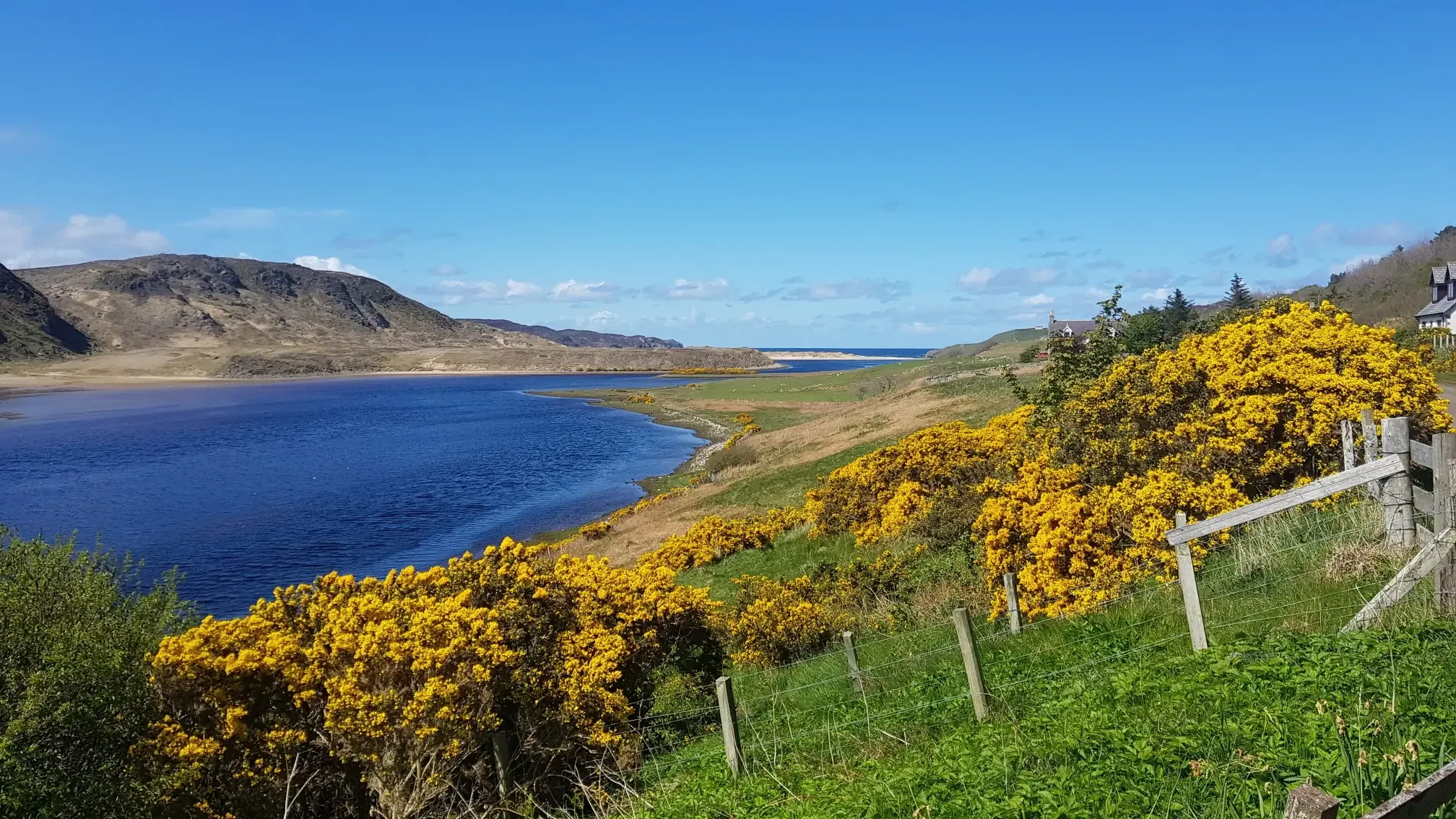
A fantastic journey along Britain’s entire East Coast – NCN 1
Around the edge in 80 days — cycling the coastline of Britain
Coastal mountain biking in the South of England and Wales
Road Cycling Routes around Swale
Hiking around Swale
Running Trails around Swale
Cycling around Swale
Other adventures around Swale


Tips from the Community

Beauiful gardens to spend a few hours walking and exploring in Kent. The garden of England.
0
0


Regarding the patronage of this church: The apostle Thomas, one of the twelve whom Jesus called into the inner circle of his disciples, is not often mentioned in the biblical writings of the New Testament. The passage probably best known to most Christians is the one following the resurrection of Jesus Christ, which has earned him the unflattering nickname "Doubting Thomas" in popular parlance. The Evangelist John reports on this in the 20th chapter of his version of the "Good News" (this is the translation of the word "Gospel"). This theme, of course, also provided an opportunity for dissemination in religious art throughout many eras, for example in one of Caravaggio's most famous paintings – if you're interested, see =>> https://de.wikipedia.org/wiki/Der_ungl%C3%A4ubige_Thomas_(Caravaggio)#/media/Datei:The_Incredulity_of_Saint_Thomas.jpg – The feast day of the Apostle Thomas in the calendar of saints is sometimes celebrated on July 3rd, sometimes on December 21st.
0
0

In the 12th century a highway was laid out as a grand approach to the Abbey which had survived Henry VIII's dissolution of the monasteries to become a residential area popular with anyone who owed their livelihood to the Creek, whether as merchant, craftsman or seaman. Toward the end of the 19th century its middle-class residents started moving to new houses elsewhere in the town, and many of its properties became tenanted. The new occupiers were often much poorer than their predecessors. Landlords neglected the properties and so the street came to look 'down-at-heel'. Determination to build a 'brave new world' after the end of the Second World War encouraged local councils to sweep away houses that lacked modern amenities. Most of those in Abbey Street qualified, but they were also historic buildings of importance. After intervention by the Society for the Protection of Ancient Buildings, an ingenious pioneering scheme launched by Faversham Borough Council in the late 1950s saved them from the fate that overtook many of their counterparts elsewhere. Apart from Arden's House (No 80), none of the properties is of outstanding national importance, and so they were not eligible for historic building repair grants. However, collectively they are of national importance, and so the first 'town scheme' was introduced to make them eligible. Most of them were bought by the council under slum-clearance powers, and their occupants re-housed elsewhere. However, instead of being demolished the properties in Abbey Street were sold to sympathetic owners who covenanted with the council to restore them under the supervision of an architect with experience of historic building care. To cover its costs, the council made a slight profit on each - buying the smaller houses for about £250 each and then selling them for about £300. In other historic towns, streets were being brutally widened, but in Abbey Street the carriageway was actually narrowed - the first in the UK - to reduce traffic nuisance. At the same time, the street was planted with trees. Abbey Street is sometimes said to be the finest medieval street in southeast England. It is certainly a wonderful "gallery" of old buildings, mainly timber-framed. As already noted, the ace in the pack is Arden's House, one of the few surviving buildings of Faversham Abbey, and possibly its guesthouse. With 81 (Arden's Cottage), it originally formed a big "open courtyard" house. It dates from around 1450-1500, with remains of the Abbey outer gatehouse of c 1200, which spanned the street here.
1
0
Saint JOHN BAPTIST, to whom this church in Doddington is dedicated, is a person on the threshold of the Old and New Testaments (just like the Holy Family with Mary and Joseph). His parents are Zacharias and Elizabeth. After the announcement of the Incarnation of God through them, the Mother of God visits her relative Elizabeth, who will give birth to a son in old age, namely John the Baptist. He is half a year older than Jesus and is considered his forerunner/pioneer. He lives in the desert, preaches repentance from sin to the Jewish population and baptizes them in the Jordan. Jesus also comes there to be baptized, and is filled with the Holy Spirit who descends upon him from heaven. The feast day of Saint John Baptist in the calendar of saints is June 24th, exactly half a year before 'Christmas Eve'.
0
0
On the secondary patronage of this church: "Saint LAWRENCE" is one of the early Christian Roman martyrs from a time when Christianity was still strictly forbidden. He was archdeacon of Pope Sixtus II and after his execution was ordered by the pagan emperor Valerian to hand over the treasure of the church. Laurentius asked for three days to do this, distributed the church's assets among the poor inhabitants of Rome and, after the agreed time, came to the emperor with the poor to present them to him as the treasure of the church. He was then tortured to death. Legend has it that he was roasted alive on a grate - this attribute can be seen in many depictions of Saint Lawrence - over coals. He is said to have been in good spirits and asked his executioner if he would turn him over. The memorial day of Saint Lawrence in the calendar of saints is August 10th, the recorded date of his execution in A.D. 258.
1
0
On the main patronage of this church: After the Mother of God, "MARY MAGDALENA" is the woman most frequently mentioned in the writings of the New Testament. Originally known as "Mary of Magdala" - after her place of origin on the Sea of Galilee - the name "Mary Magdalene" has been formed over time. According to the testimony of the evangelists, she is one of the women and men who followed Jesus Christ. According to the biblical accounts, Mary Magdalene is also one of the three who wanted to anoint the body of Jesus on Easter morning after the crucifixion and burial of Jesus and the very first person who ever met the Risen One. Pope Francis has therefore honored her as the 'Apostle of the Apostles', saying at a general audience: + "She shows us the God who knows us humans, cares for us and looks after our lives. Every person is a story of love that God writes on earth. As with Mary Magdalene, the life of every Christian is taken up in this overflowing joy: we have a God at our side who calls us by name and raises us up, who transforms us and the world through his resurrection." The feast day of Saint Mary Magdalene in the calendar of saints is unanimously July 22nd in the major Christian denominations.
1
0
Frequently Asked Questions
What natural attractions can I explore in Swale?
Swale boasts a rich natural landscape. Key natural attractions include Oare Marshes Nature Reserve, an internationally important habitat for birdwatching, and Elmley National Nature Reserve on the Isle of Sheppey, known for its vast marshland and diverse birdlife. You can also visit Milton Creek Country Park, explore the scenic Swale Estuary, or enjoy the beaches on the Isle of Sheppey, such as Minster, Sheerness, Leysdown, and Shellness Beach. Barton's Point Coastal Park offers facilities for water sports and cycling.
Are there historical sites and landmarks to visit in Swale?
Yes, Swale is rich in history. You can visit ancient churches like St Thomas the Apostle Church, Harty, a remote 11th-century building, or the 12th-century Church of St Mary Magdalene and St Lawrence in Faversham. Explore Abbey Street, Faversham, considered one of the finest medieval streets in southeast England. Other notable sites include Minster Abbey on the Isle of Sheppey, Belmont House and Gardens, and the ruins of Queenborough Castle.
What cultural attractions and museums are available in Swale?
For cultural insights, visit the Fleur de Lis Heritage Centre in Faversham, which also serves as a Visitor Information Service. On the Isle of Sheppey, the Blue Town Heritage Centre in Sheerness tells the story of the island's dockyard history, and the Minster Gatehouse Museum offers a timeline of Sheppey's past with great views. The Sittingbourne Heritage Museum houses local medieval artifacts, and the Aviation Centre in Eastchurch (Muswell Manor) explores the birth of aviation.
Are there family-friendly attractions in Swale?
Absolutely! Families can enjoy the natural play area and fishing lake at Milton Creek Country Park. The beaches on the Isle of Sheppey, including the Blue Flag Award-winning Minster on Sea Leas Beach, are great for summer outings. Brogdale Farm, home to the National Fruit Collection, offers events and excursions. The Sittingbourne & Kemsley Light Railway provides a unique experience, and Barton's Point Coastal Park has facilities for various leisure pursuits.
Where can I go birdwatching in Swale?
Swale is a prime location for birdwatching. The Oare Marshes Nature Reserve is an internationally important habitat where you can spot breeding species like pied avocet and common redshank, as well as migrating and overwintering birds. Elmley National Nature Reserve on the Isle of Sheppey is another vast marshland wilderness renowned for its diverse birdlife and stunning views.
What are the best walking and hiking opportunities in Swale?
Swale offers numerous walking and hiking opportunities, especially through its nature reserves and along its coastline. You can find easy hikes around Swale, including routes like 'The Shipwrights Arms – Faversham Creek loop from Faversham' or 'Oare Marshes Nature Reserve – Shipwrecks Along The Swale loop from Faversham'. Explore more options on the Easy hikes around Swale guide page.
Are there cycling routes available around Swale?
Yes, Swale provides diverse cycling experiences. You can find routes like the 'Luddersham Marshes & the River Swale loop from Faversham' for general cycling or more challenging road cycling routes such as the 'Pilgrims Way and the Rochester Castle loop'. Discover more routes on the Cycling around Swale and Road Cycling Routes around Swale guide pages.
What are some unique points of interest in Swale?
Beyond the main attractions, Swale offers several unique spots. Consider visiting Kemsley Mill, an old paper mill near Sittingbourne that offers guided tours detailing the history of papermaking. Doddington Place Gardens features beautiful seasonal flowers around a Victorian home. You can also explore Macknade Faversham, a leading food hall with a long history in food and farming, or enjoy the impressive views from the Sheppey Crossing.
What do visitors enjoy most about the attractions in Swale?
Visitors particularly appreciate the natural beauty and tranquility of places like Oare Marshes Nature Reserve, often described as a fantastic place for birdwatching and a 'desolate but lovely' escape. The remote and historic feel of St Thomas the Apostle Church, Harty, with its lack of electricity and old-world charm, is also highly valued. The fresh, cold drinking water at Oare Marshes Spring is a practical highlight for many.
Are there any accessible trails or attractions for wheelchairs in Swale?
While specific accessible trails are not extensively detailed, many natural parks and coastal areas in Swale offer relatively flat paths suitable for various mobility levels. For instance, the Kingsferry Bridge is noted as wheelchair accessible. It's always recommended to check specific venue websites or contact them directly for detailed accessibility information before your visit.
When is the best time to visit Swale for outdoor activities?
Swale's outdoor attractions can be enjoyed year-round, but spring and autumn are particularly pleasant for walking and birdwatching, as migratory birds are abundant. Summer is ideal for enjoying the beaches and water sports on the Isle of Sheppey. Some areas, like the Faversham Road Climb, are better avoided in winter due to potentially slippery conditions. Belmont House and Gardens are open year-round, with specific house tours available seasonally.
Where can I find scenic viewpoints in Swale?
For scenic views, head to Oare Marshes Nature Reserve, which offers expansive marshland vistas. The Minster Gatehouse Museum provides stunning views from its top. You can also enjoy picturesque views of the estuary from Queenborough Castle or breathtaking views across The Swale from the Sheppey Crossing. Faversham Creek and Conyer Creek Marina also offer lovely waterside perspectives.
Most popular routes around Swale
Most popular attractions around Swale

Get inspired with the komoot mobile app


Didn’t find what you were looking for?
Are you keen on exploring more awesome places nearby? Browse our guides:
Explore more
Still not found the Highlight you’re looking for? See guides of the top attractions in other regions:
