Attractions and Places To See around Fauske - Top 15
Best attractions and places to see around Fauske are found in this town located on the shores of the Skjerstad Fjord in Nordland county, Norway. The region offers a blend of natural beauty, historical sites, and cultural experiences. Fauske is characterized by its panoramic views and proximity to significant natural features like national parks and mountains.
Best attractions and places to see around Fauske
- The most popular attractions is Ruined Bridge Over Mountain Stream, a bridge that crosses a mountain stream. This challenging spot requires wading through the river on both sides of the bridge.
- Another must-see spot is Sorjostyllia Cabin, a hut located in a fantastic setting. This cozy cabin offers views of the lake and sunset from its terraces.
- Visitors also love Sårjåsjaure Mountain Cabin (Konsul Persson's Cabin), a small hut situated directly on a lake with a mighty waterfall. The location provides views of the mountains of Norway.
- Fauske is known for its historical sites, mountain cabins, and natural features. The region offers a variety of attractions to see and explore, from cultural landmarks to scenic landscapes.
- The attractions around Fauske are appreciated by the komoot community, with 8 upvotes and 6 photos shared.
Last updated: October 17, 2026
Sorjostyllia Cabin
Highlight • Mountain Hut
Translated by Google •
Tip by

Sårjåsjaure Mountain Cabin (Konsul Persson's Cabin)
Highlight • Mountain Hut
Translated by Google •
Tip by
Sign up now to discover places like this
Get recommendations on the best single tracks, peaks, & plenty of other exciting outdoor places.
Bridge over the deepest ravine of the mountain stream
Highlight • Bridge
Translated by Google •
Tip by
River Crossing Near Glacier in Norway
Highlight • River
Translated by Google •
Tip by

Sulitjelma Church
Highlight • Religious Site
In the 4th part of the first season of the documentary series "Forbannelsen" (NRK) the legend is reported that a curse lay over Sulitjelma and the place would go down if the sun were to shine on the top of the church tower and therefore the church would not have a real top . The tip should be hidden somewhere. After searching the whole place, it is finally clear that the Sulitjelma church spire is comparable to others in the area and is therefore not "missing".
Just behind the church begins the 4 km long and 10% average climb to Ny Sulitjelma fjellstue.
Translated by Google •
Tip by

Sign up for free to discover even more attractions around Fauske.
Already have an account?
Start today with a free account
Your next adventure awaits.
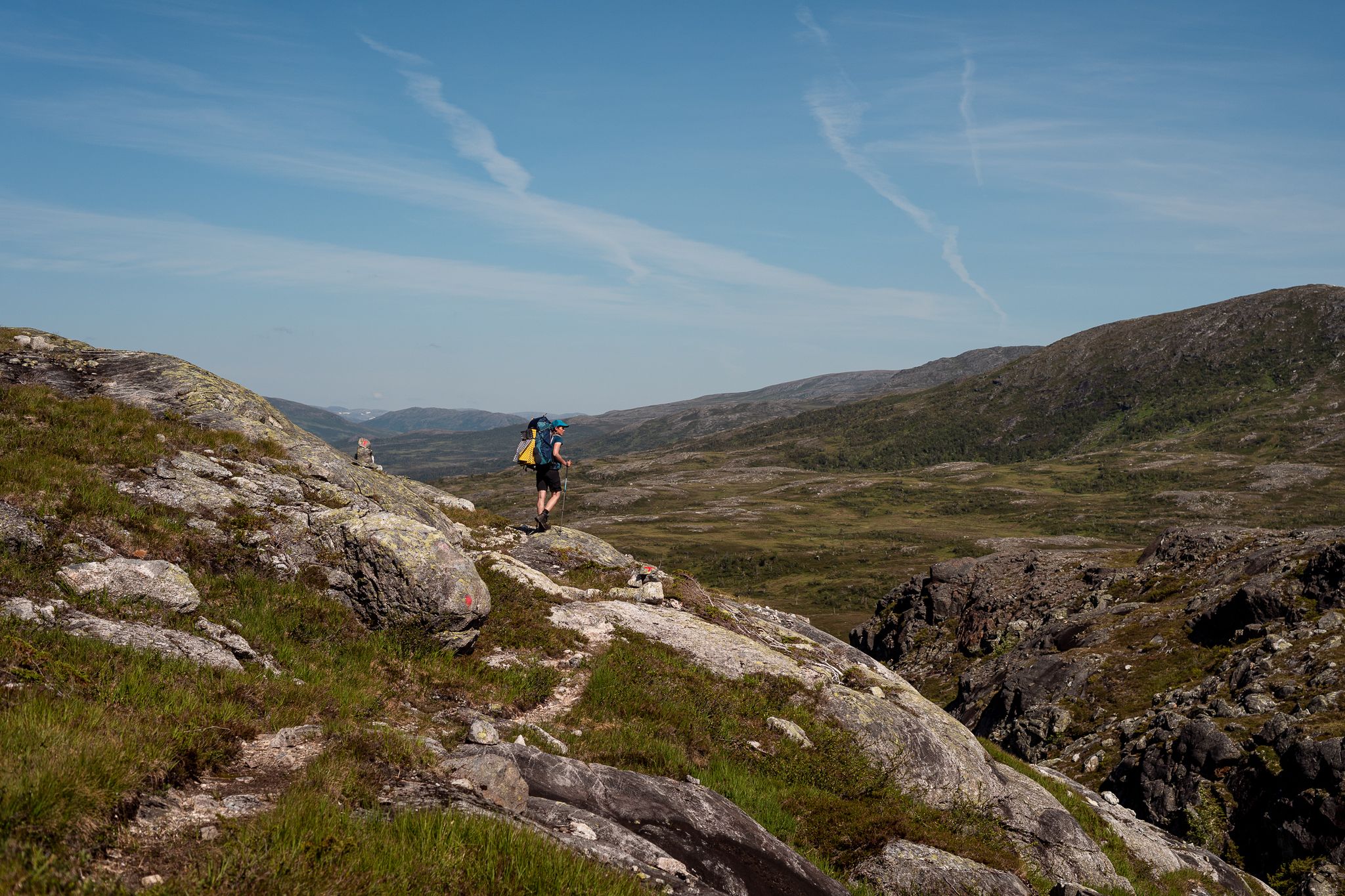
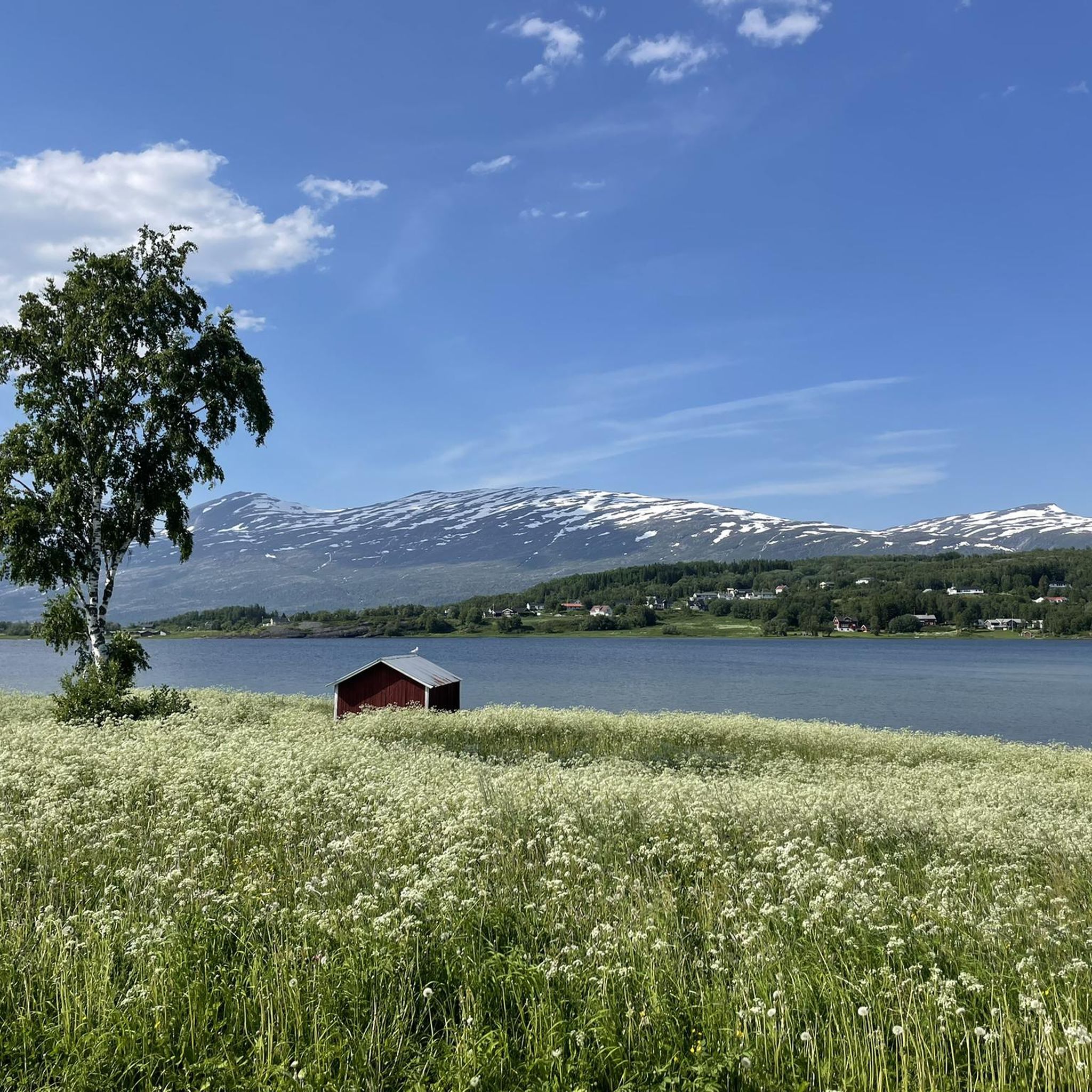
Other adventures around Fauske

Tips from the Community

There can be snow fields here well into the summer and the water level can therefore be relatively high. The bridge a little further up the river no longer exists. In dry weather, crossing the river is cold, but the current is not a problem and the water is no more than knee deep.
0
0
At first glance, this bridge seems quite pointless because it appears to be in the middle of the river. Because of the snow fields, I ended up walking along there, and the bridge is actually exactly where it should be: it is accessible through stones on both sides and you can even cross the river with dry feet when the water level is low.
0
0
The DNT Sorjushytte consists of two huts, a newer one with two bedrooms and a bright room, and an older hut, which is less bright and smaller. Both are closed with a DNT key. The cabins are in a fantastic setting. Coming from the south, the first view of the huts is one of the most beautiful things I have ever seen. The view of the lake and sunset from the terraces is also very beautiful. The elevation from Sulitjelma is immediately forgotten when you see this!
0
0

STF's Sårjåsjaure Fjällstuga impresses with its location. Located directly on a lake from which a mighty waterfall rushes into the valley. The mountains of Norway can be seen behind the lake. If the hut is occupied or too small, you can camp very nicely on the lake shore with a dream backdrop. There is also a small outhouse at the hut.
0
0

The church of Sulitjelma is a parish church erected in 1899. The building built of immaculate white wooden planks and which can contain up to 300 people responds to a typical architecture of the Scandinavian countries.
0
1

STF's Sårjåsjaure Fjällstuga is also known as "Konsul Perssons stuga" because the pit owner in Sulitjelma had this hut built for his daughter. The hut is very small (2 beds) and one should not count on getting a place here. However, you can pitch your tent next to the lake. https://www.svenskaturistforeningen.se/boende/stf-sarjasjaure-fjallstuga/
0
0
There used to be a bridge further upstream, but it no longer exists. So you have to wade through the 5-6 branches of the river for a length of approx. 100 m. The water is cold - it comes straight out of the glacier.
1
0
The bridge only crosses the deep part of the river with the strongest current. In front of and behind it means wading. When I was there, one of the stairs was on the bridge and the one on the other side was broken. That means climbing - it doesn't look elegant with a large backpack ;).
0
0
Frequently Asked Questions
What are some unique natural features to explore around Fauske?
Fauske is surrounded by diverse natural landscapes. You can find the Ruined Bridge Over Mountain Stream, which offers a challenging river crossing experience. The region also boasts prominent mountain ranges, particularly towards the Swedish border, with Sulitjelmakongen reaching 1907 meters. Distinctive valleys like Jordbrudalen, Fauskeeidet, and Sulitjelmadalføret characterize the landscape, and a protected wetland area near Kvitblikkvannet is known for its rich birdlife.
Are there any historical or cultural sites worth visiting in Fauske?
Yes, Fauske offers several historical and cultural sites. The Fauske Church, dating back to 1867, is a significant landmark. You can also visit the Fauske Folk Museum (Bygdetunet), which features traditional rural houses and insights into regional history. In nearby Sulitjelma, the Sulitjelma Gruvemuseum showcases over a century of mining heritage, and the Sulitjelma Church, built in 1899, is another notable historical religious building.
What kind of outdoor activities can I do near Fauske's attractions?
The Fauske area is excellent for outdoor activities. You can find numerous hiking trails, with options ranging from easy to challenging. For example, there are routes like Straumklumpen (moderate) or Kvalhornet (difficult). Cycling is also popular, with routes such as the Fauske and Nervatnet Loop (moderate). For more detailed information on routes and trails, you can explore the hiking guide and cycling guide for Fauske.
Are there any family-friendly attractions or activities in the Fauske region?
Absolutely! The Fauske Folk Museum (Bygdetunet) offers activities for children during the summer and its outdoor area is popular for picnics and barbecues. For nature lovers, Sjunkhatten National Park features child-friendly trails leading to caves, clifftop lookouts, and forests. The Sulitjelma Church is also listed as a family-friendly historical site.
Where can I experience the mining history of the region?
To delve into the region's mining history, head to Sulitjelma. The Sulitjelma Gruvemuseum provides a comprehensive look at over a century of mining heritage, displaying equipment from workshops and smelting works. For a more immersive experience, the Sulitjelma Besøksgruve allows visitors to dress in miner's clothing and take a train ride deep inside a mountain.
Are there any mountain cabins or unique accommodations in the area?
Yes, Fauske offers unique cabin experiences. The Sorjostyllia Cabin is a cozy hut in a fantastic setting, offering views of the lake and sunset. Another option is the Sårjåsjaure Mountain Cabin (Konsul Persson's Cabin), a small hut located directly on a lake with a mighty waterfall, providing stunning mountain views. For a unique nature experience, Birdbox Fauske offers comfortable accommodation with views of the Blegja mountain range and Førdefjord.
What national parks are accessible from Fauske?
Fauske is a gateway to several spectacular national parks. You can explore Sjunkhatten National Park, known for its child-friendly trails and diverse landscapes. Rago National Park offers mesmerizing wilderness, spectacular waterfalls, and opportunities to spot wildlife like elk and wolverine. Additionally, Saltfjellet–Svartisen National Park, home to Norway's second-biggest glacier, is within reach.
What is the best time to visit Fauske for outdoor activities?
The Fauske region offers activities year-round. Summer is ideal for hiking, cycling, and exploring the national parks, with opportunities for picnics and barbecues at places like the Fauske Folk Museum. Winter brings opportunities for skiing, especially in the areas around Valnesfjord and the heights of Sulitjelma. The specific 'best time' depends on your preferred activities.
Are there any challenging outdoor attractions for experienced adventurers?
For those seeking a challenge, the Ruined Bridge Over Mountain Stream requires wading through the river on both sides. Another challenging spot is the River Crossing Near Glacier in Norway, where you'll wade through cold glacier water. Hiking trails like Kvalhornet also offer a difficult grade for experienced hikers.
What is Sjønstå and why is it significant?
Sjønstå is an old settlement located in the innermost part of Øvervatnet (the Upper Lake), between Fauske and Sulitjelma. It's often described as a 'fairytale' location due to its meandering river, steep mountain sides, and beautiful old buildings. Historically, Sjønstå played a significant role as a transportation hub for the Sulitjelma mines, making it an interesting site for both its natural beauty and historical importance.
Can I find scenic viewpoints around Fauske?
Yes, the Fauske region offers several scenic viewpoints. The Sorjostyllia Cabin provides beautiful views of the lake and sunset from its terraces. Similarly, the Sårjåsjaure Mountain Cabin is situated directly on a lake with a mighty waterfall, offering views of the mountains of Norway. The entire area, located on the shores of the Skjerstad Fjord, provides panoramic views of the surrounding natural beauty.
What is Fauske known for besides its natural beauty?
Beyond its stunning natural landscapes, Fauske is also known for its mining industry and significant marble deposits. The town's historical sites, such as the Fauske Church and the Fauske Folk Museum, reflect its cultural heritage. Its strategic location on the European route E6 also makes it an accessible hub for exploring Northern Norway.
Most popular routes around Fauske
Most popular attractions around Fauske

Get inspired with the komoot mobile app


Explore more
Still not found the Highlight you’re looking for? See guides of the top attractions in other regions:
