The best cycling routes around Sykkylven
4.0
(178)
817
riders
19
rides
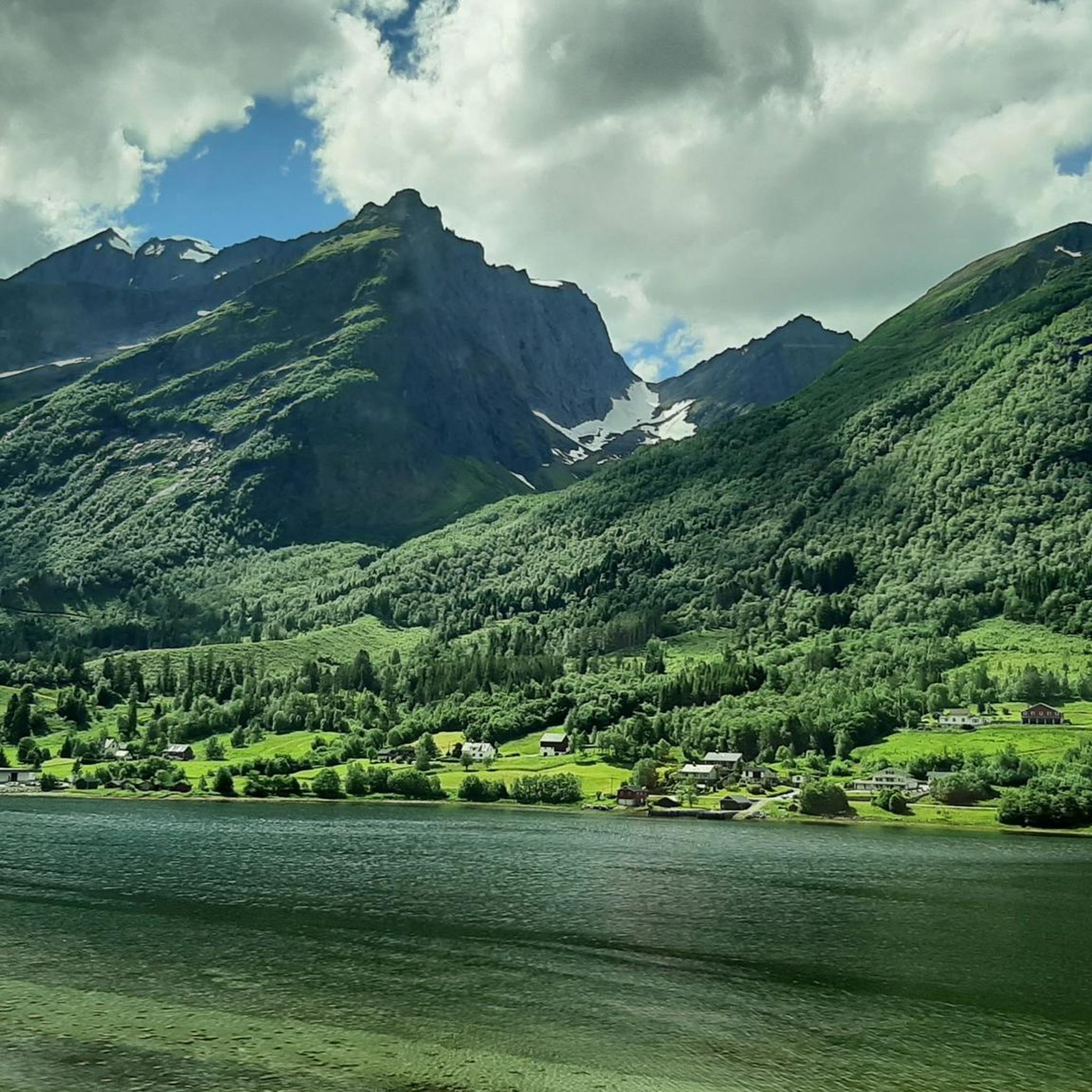
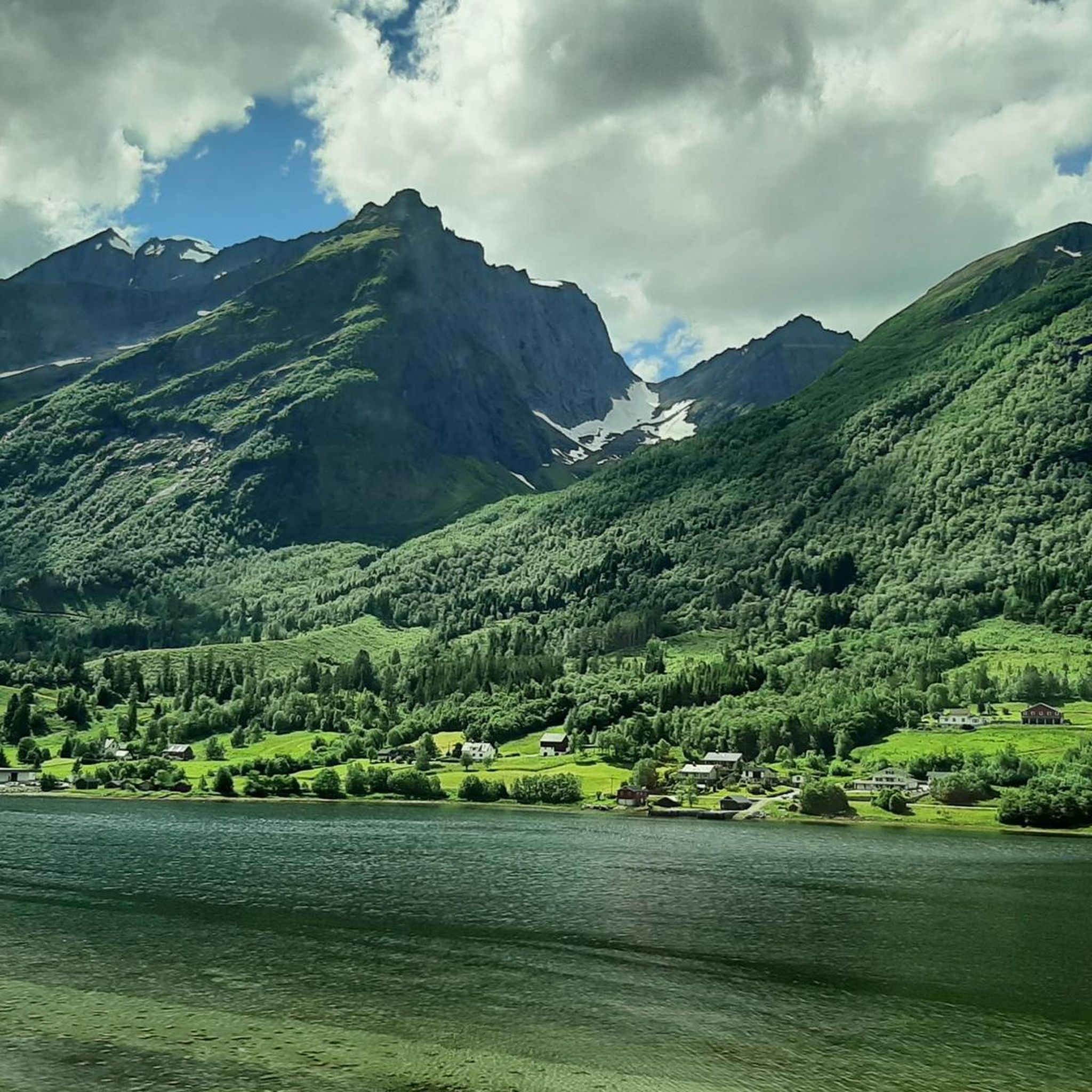
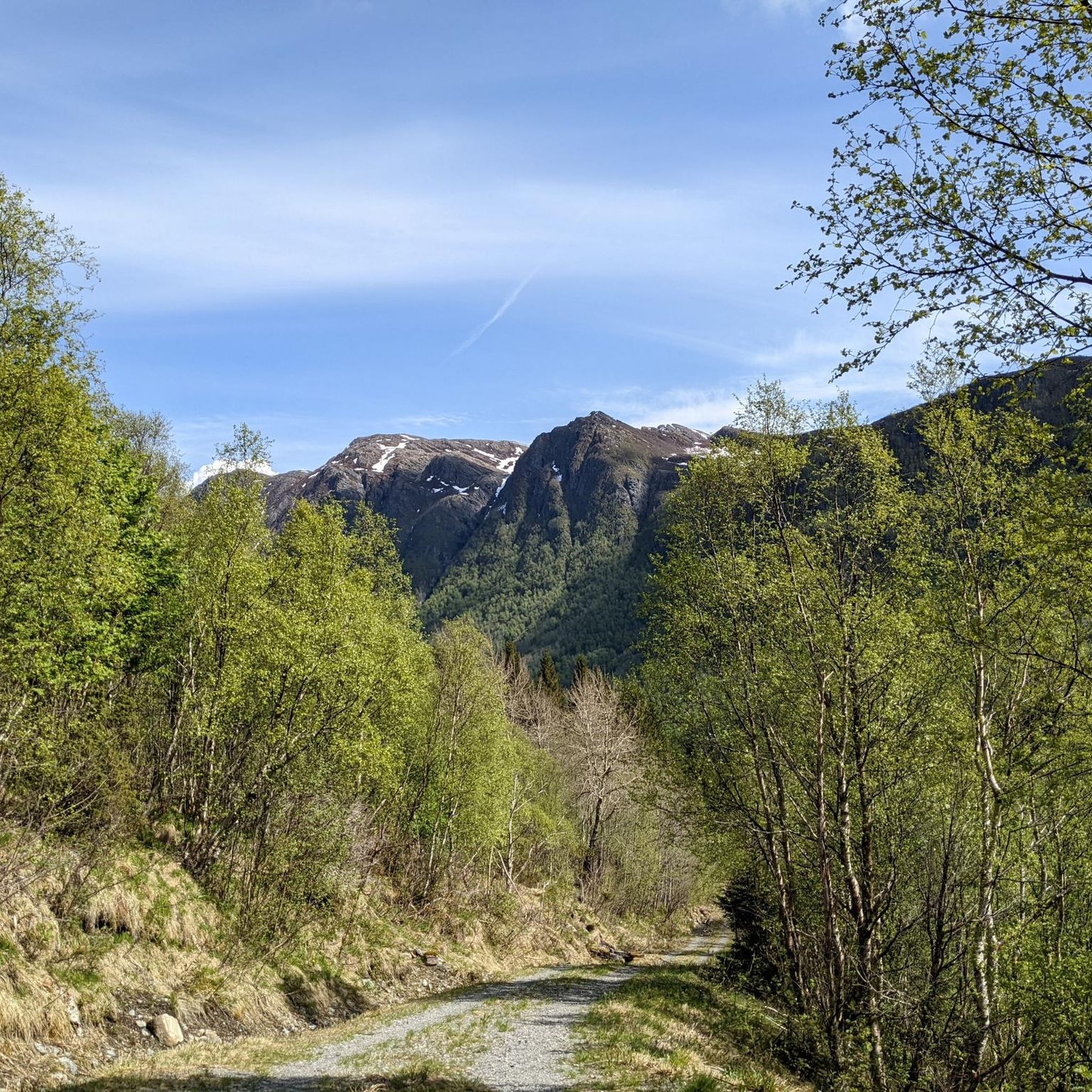
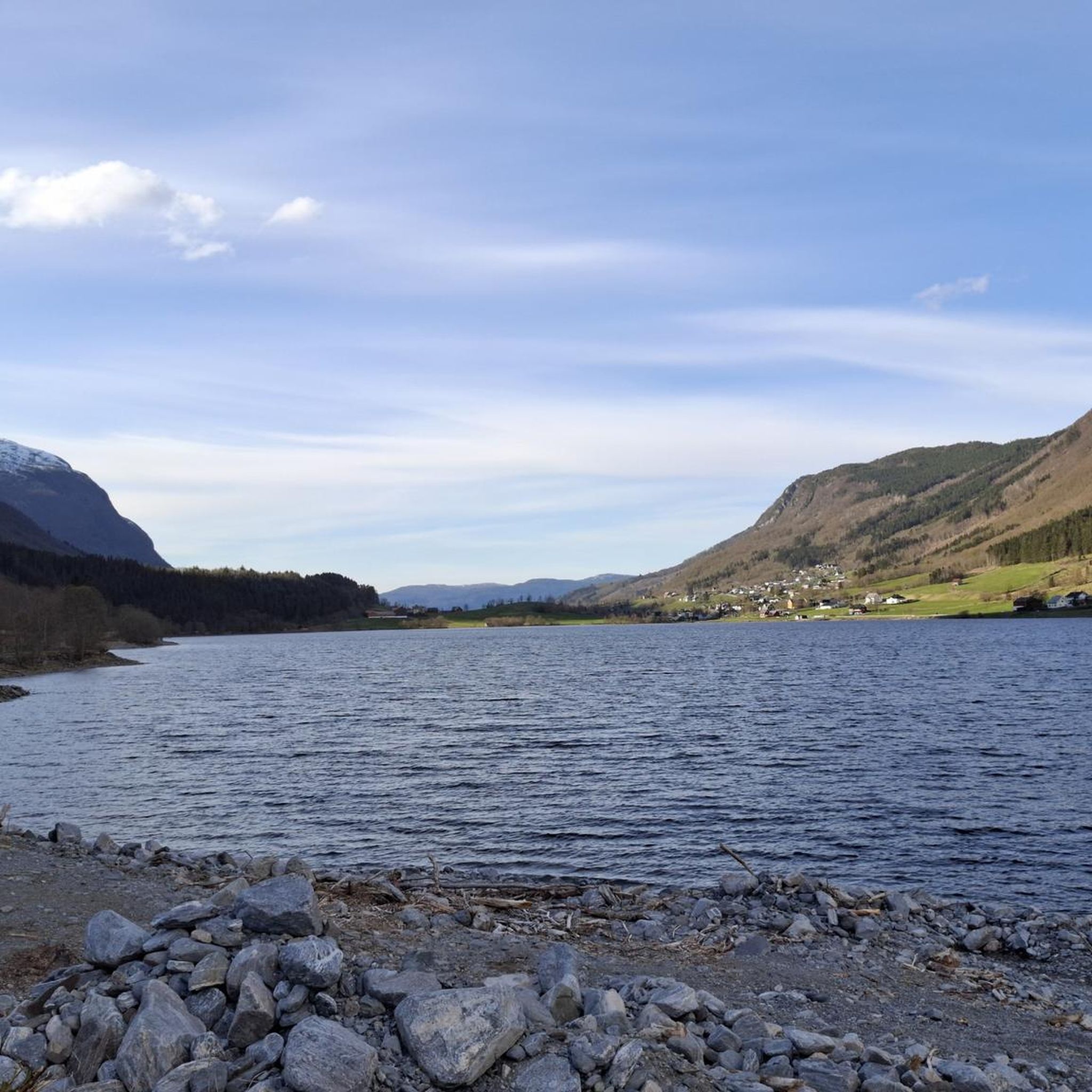
Touring cycling routes around Sykkylven are set amidst the dramatic fjords and the Sunnmøre Alps in Norway. The region features a diverse landscape with narrow fjords, lush valleys, and imposing mountains. Cyclists can expect varied terrain, including both paved and unpaved surfaces, offering a range of experiences. This area provides a backdrop of blue glaciers and wild mountain formations, shaped by ancient glaciers.
Best touring cycling routes around Sykkylven
- The most popular touring cycling route is Ålesund Harbour – Ålesund…
Last updated: October 15, 2026
3.4
(5)
51
riders
Moderate bike ride. Good fitness required. Mostly paved surfaces. Suitable for all skill levels.
4.8
(4)
29
riders
24.2km
01:32
290m
290m
Moderate bike ride. Good fitness required. Mostly paved surfaces. Suitable for all skill levels.

2.0
(1)
13
riders
25.8km
01:38
300m
300m
Moderate bike ride. Good fitness required. Mostly paved surfaces. Suitable for all skill levels.
4.5
(8)
16
riders
49.1km
03:05
510m
510m
Hard bike ride. Very good fitness required. Mostly paved surfaces. Suitable for all skill levels.
4.5
(8)
16
riders
50.0km
03:11
570m
570m
Hard bike ride. Very good fitness required. Mostly paved surfaces. Suitable for all skill levels.
Get access to more routes and recommendations from other explorers.
Already have an account?
Our route recommendations are based on thousands of hikes, rides, and runs completed by other people on komoot.
Start today with a free account
Your next adventure awaits.
Tips from the Community

Amazing views from this lovely little campsite. Huts are very well equipped too.
0
0

This panoramic road allows you to enjoy typical Norwegian views and an unforgettable experience.
0
0

The port city is located on Norway's west coast. Ålesund is notable for its Art Nouveau architecture. After a major fire in 1904, it was almost completely rebuilt, using this distinctive architectural style. This makes the city one of the most attractive in the country. Ålesund stretches across several islands connected by bridges and tunnels. This creates impressive views of the sea and the surrounding mountains. The viewpoint on the local mountain, Aksla, is famous – from here you can enjoy a magnificent view of the city and the harbor, as well as the Sunnmøre Alps in the distance. Source: seereiseplanung-kreuzfahrte.de A short trip to the Geirangerfjord is recommended.
0
0

Aksel Thalberg Holm (1890-1947) was born in Alesund and grew up in Molovein. He took over the company Oluf Holm A/S founded by his father and significantly expanded the business both at home and abroad. The main product was medicinal oil. The company dominated the world market. When war broke out in 1940, Holm was German consul and member of the Presidium. He gained a central position when the Presidium asked him to negotiate with the squatters, a task for which he received great thanks from the city's judicial authorities. For this legacy, as well as for his donations to the cultural life in the city, the municipality has the opportunity to connect this place. [ Source: https://www.hmdb.org/m.asp?m=243247 ]
0
0

Alesund has a beautiful old town with plenty to explore. If the weather is bad, you can visit one of the many museums or the Atlantic Park. Alesund is definitely worth a visit.
5
0

A major fire in 1904 almost completely destroyed the city center. The subsequent reconstruction of the city center, supported by the German Emperor Wilhelm II, transformed Ålesund into one of the finest examples of Art Nouveau architecture in Europe. From then on known as the City of Art Nouveau, the colorful facades with their intricate ornamentation and picturesque gables line the pedestrian zone of Kongensgata.
5
0

Beautiful little harbor in the middle of Alesund
4
0

It was a bit cloudy, but still a charming city.
5
0
Frequently Asked Questions
How many touring cycling routes are available in Sykkylven?
Sykkylven offers a diverse network of 24 touring cycling routes. These routes cater to various preferences, from easy rides to more challenging paths, all set against the stunning backdrop of fjords and mountains.
What kind of terrain can I expect on touring cycling routes in Sykkylven?
The terrain in Sykkylven is highly varied, reflecting its position between dramatic fjords and the Sunnmøre Alps. You'll encounter a mix of paved and unpaved surfaces, winding through lush valleys, along narrow fjords, and up into magnificent mountains. Expect views of blue glaciers and wild mountain formations, often on low-traffic roads.
What is the best time of year for touring cycling in Sykkylven?
The best time for touring cycling in Sykkylven is generally during the warmer months, from late spring to early autumn, when the weather is most favorable and all routes are accessible. The scenery is impressive in all weather conditions, but summer offers the most comfortable cycling experience.
Are there options for different fitness levels among the touring cycling routes?
Yes, Sykkylven caters to a wide range of fitness levels. There are 2 easy routes perfect for a relaxed ride, 13 moderate routes for those seeking a bit more challenge, and 9 difficult routes for experienced cyclists looking for a demanding adventure through mountainous terrain.
What do other cyclists say about the touring cycling routes in Sykkylven?
The touring cycling routes in Sykkylven are highly regarded by the komoot community, with an average rating of 4.1 stars from over 150 reviews. Cyclists often praise the dramatic fjords, the majestic Sunnmøre Alps, and the varied terrain that offers both scenic beauty and engaging rides.
Are there any circular touring cycling routes in Sykkylven?
Yes, many routes in Sykkylven are designed as loops, allowing you to start and end at the same point. An example is the Endrevatnet – Leira loop from Vegsundholmane-Veibustholmen naturreservat, a moderate 19.5-mile (31.3 km) route that offers a great overview of the local landscape.
Are there family-friendly touring cycling routes in Sykkylven?
While specific family-friendly routes are not detailed, Sykkylven does offer easy routes suitable for families. The region's low-traffic roads and gentle valleys provide a safe and enjoyable environment for cyclists of all ages. Look for routes categorized as 'easy' for the most suitable options.
What are some scenic viewpoints or natural features I can see while cycling in Sykkylven?
Sykkylven is rich in natural beauty. While cycling, you can enjoy views of the Hjørundfjord, known for its unspoiled beauty, and the majestic Sunnmøre Alps. For specific viewpoints, consider visiting View of Saebø and the Fjord from Gunnarråsa Swing or exploring the Norangsdalen Valley. The area also features the unique sunken village at Lygnstøylvatnet.
Can I combine cycling with other activities or explore nearby attractions?
Absolutely! Sykkylven's strategic location allows for combining cycling with visits to various attractions. You can explore the Natural History Museum or the Furniture Museum. For day trips, consider visiting the UNESCO World Heritage site Geirangerfjord, Trollstigen, or the art nouveau town of Ålesund. The area also has historical significance with ancient finds at Auremarka.
Is public transport available for cyclists in Sykkylven?
Sykkylven offers opportunities to combine cycling with ferry trips across the fjords, which can expand your touring possibilities and provide unique scenic experiences. For specific public transport options that accommodate bikes, it's advisable to check local ferry and bus schedules directly.
Where can I find parking for touring cycling routes in Sykkylven?
While specific parking locations for each route are not detailed, many routes start from towns or accessible areas like Vegsundholmane-Veibustholmen naturreservat or Sykkylven kyrkje, where parking facilities are generally available. It's recommended to check local maps or information for designated parking areas near your chosen starting point.
Are there any routes that offer a unique experience, like combining with a ferry?
Yes, Sykkylven's location on the fjords means you can integrate ferry trips into your cycling adventures. This allows for broader touring possibilities and offers stunning perspectives of the landscape from the water, connecting different parts of the region. While no specific route is listed, the option to combine cycling with ferries is a notable feature of the area.
Are there any challenging touring cycling routes for experienced riders?
Yes, Sykkylven has 9 difficult routes designed for experienced cyclists. For example, the Tregardane – Sykkylven loop from Lade is a challenging 31.3-mile (50.3 km) trail that leads through mountainous terrain, requiring good fitness and offering rewarding views.
Most popular routes around Sykkylven
Most popular attractions around Sykkylven

Get inspired with the komoot mobile app


Explore more
Browse the best Cycling routes in other regions.
