Top 20 Castles around Leuven
Best castles around Leuven are situated in a region known for its historical significance and varied landscapes, from urban settings to green valleys. The area features a mix of medieval fortifications and Renaissance châteaux, reflecting centuries of architectural evolution. These structures are often integrated into parks or natural surroundings, offering opportunities for exploration. The region's history as part of the Duchy of Brabant has left a legacy of defensive and noble residences.
Best castles around Leuven
- The most popular castles is Horst Castle, a moated castle from the 13th century. It is surrounded by an impressive moat and is known as the home of the comic book character De Rode Ridder.
- Another must-see spot is Ter Heyden Keep, a residential tower from the mid-fourteenth century. This tower is located in the middle of an artificial lake, offering a distinctive view.
- Visitors also love Schiplaken Castle, an old medieval castle site. The 18th-century neoclassical castle was rebuilt in its original style after being set on fire in 1914.
- Leuven is known for its moated castles, medieval keeps, and Renaissance châteaux. Visitors can explore a variety of historical sites, from defensive structures to noble residences.
- The castles around Leuven are appreciated by the komoot community, with more than 1200 upvotes and over 460 photos shared across 47 highlights.
Last updated: October 4, 2026
Horst Castle
Highlight • Castle
Translated by Google •
Tip by

Ter Heyden Keep
Highlight • Castle
Tip by

Sign up now to discover places like this
Get recommendations on the best single tracks, peaks, & plenty of other exciting outdoor places.
Mirror Pond with a view of the AfricaMuseum
Highlight • Lake
The Palais de l'Afrique quickly became too small, so Leopold II commissioned Charles Girault, architect of the Petit Palais in Paris, to build a new museum and redevelop the entire site. Leopold II died before the project was completed, and the museum was inaugurated in 1910 by King Albert I.
The museum was closed for five years, from 2013 to 2018, for major restoration and renovation work.
Translated by Google •
Tip by

Saint Hubert Chapel
Highlight • Religious Site
The chapel served as a place of worship for Tervuren Castle, one of the most important castles of the Dukes of Brabant.
Translated by Google •
Tip by

Ter Heiden Tower
Highlight • Castle
In 1619, the noble family from Eynatten acquired ownership of this site. She rebuilt the tower according to the original plans, with the exception of the wall walkway, which was replaced by a roof with a pear turret. In 1631, de Eynatten built the beautiful country house in Flemish Renaissance style.
In 1870 the complex was expanded to brew beer. Brewing has been carried out since 1870 by the Smedts family, who acquired ownership of this site in 1909. They stopped their activities in Rotselaar in 1938 and continued brewing in Kampenhout until 1993. The beautiful brick chimney is a silent witness to this.
The complex has been protected as a monument since 1942 with a thorough restoration of the tower in 1948. Today the entire property is in the hands of a private owner.
(donjonterheyden.be)
Translated by Google •
Tip by

Information board Domain Castle of Horst
Highlight • Rest Area
Translated by Google •
Tip by

Schiplaken Castle
Highlight • Castle
source: Hiking guide - Flanders route GR 128
Translated by Google •
Tip by

Arenberg Castle
Highlight • Castle
This green area on the outskirts of Leuven now belongs to KU Leuven and is the campus for Science and Technology.
Translated by Google •
Tip by

Kwabeek Castle and Park
Highlight • Castle
Translated by Google •
Tip by

Fort Leopold
Highlight • Historical Site
Translated by Google •
Tip by
Sign up for free to discover even more castles around Leuven.
Already have an account?
Start today with a free account
Your next adventure awaits.
Popular around Leuven
From Flanders to the Ardennes — GR 5 in Belgium
Streek-GR Hageland – Hollow roads and endless fields
Trappist abbeys cycle route – Between beers and heritage
Flanders Divide - Across Flanders
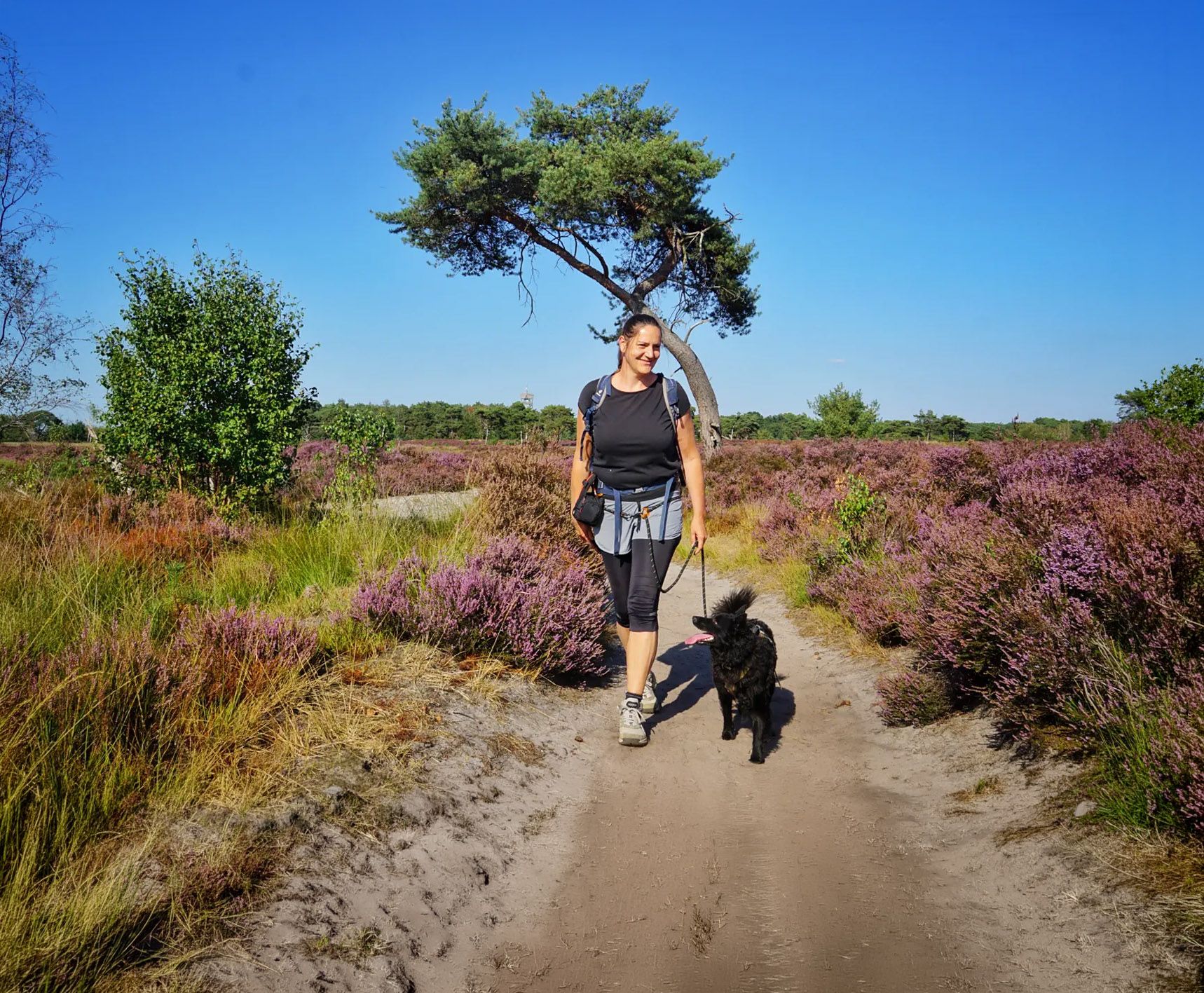
Purple trails and small discoveries – enjoyable hiking in Flanders
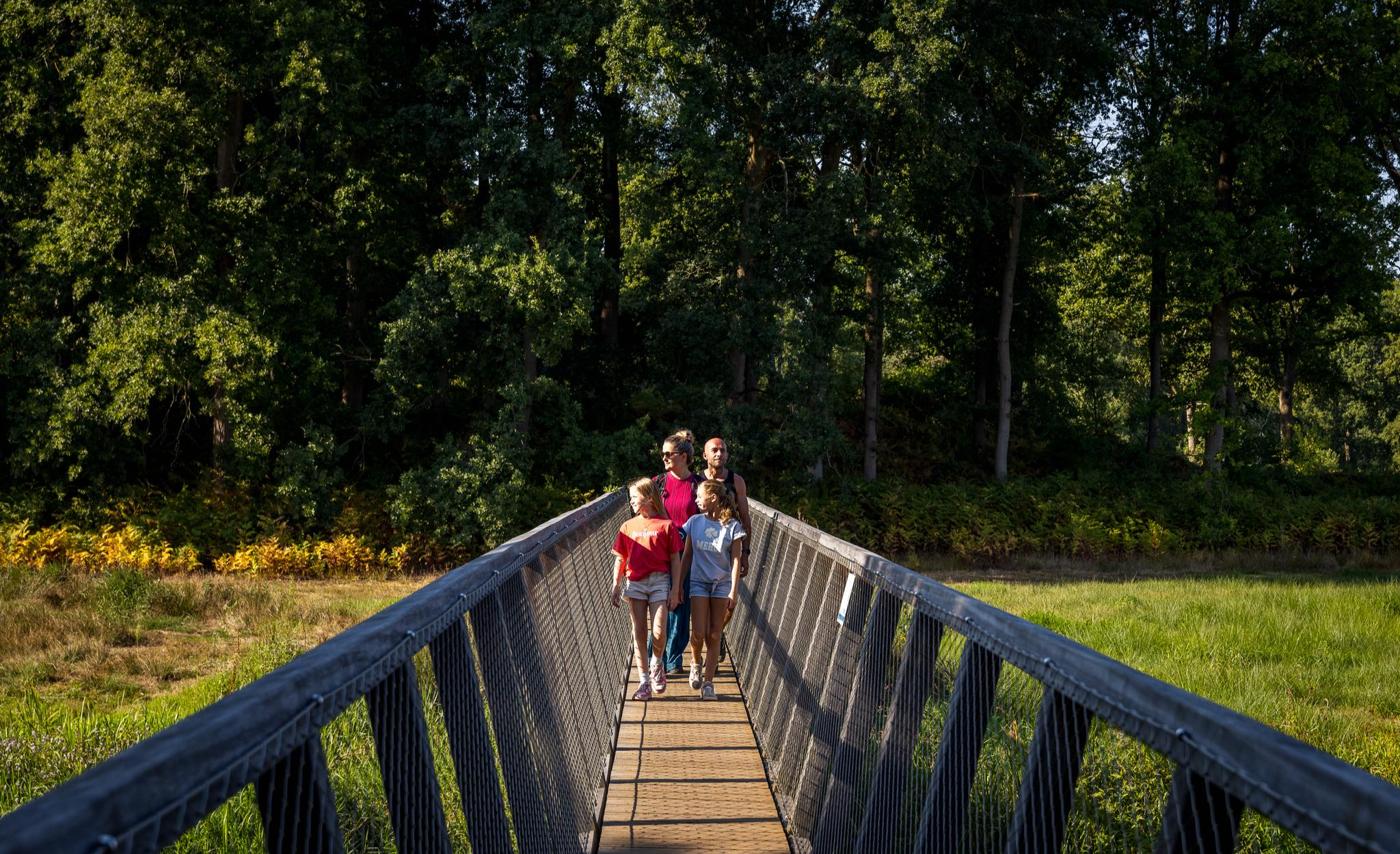
Flanders’ Finest Hiking Routes
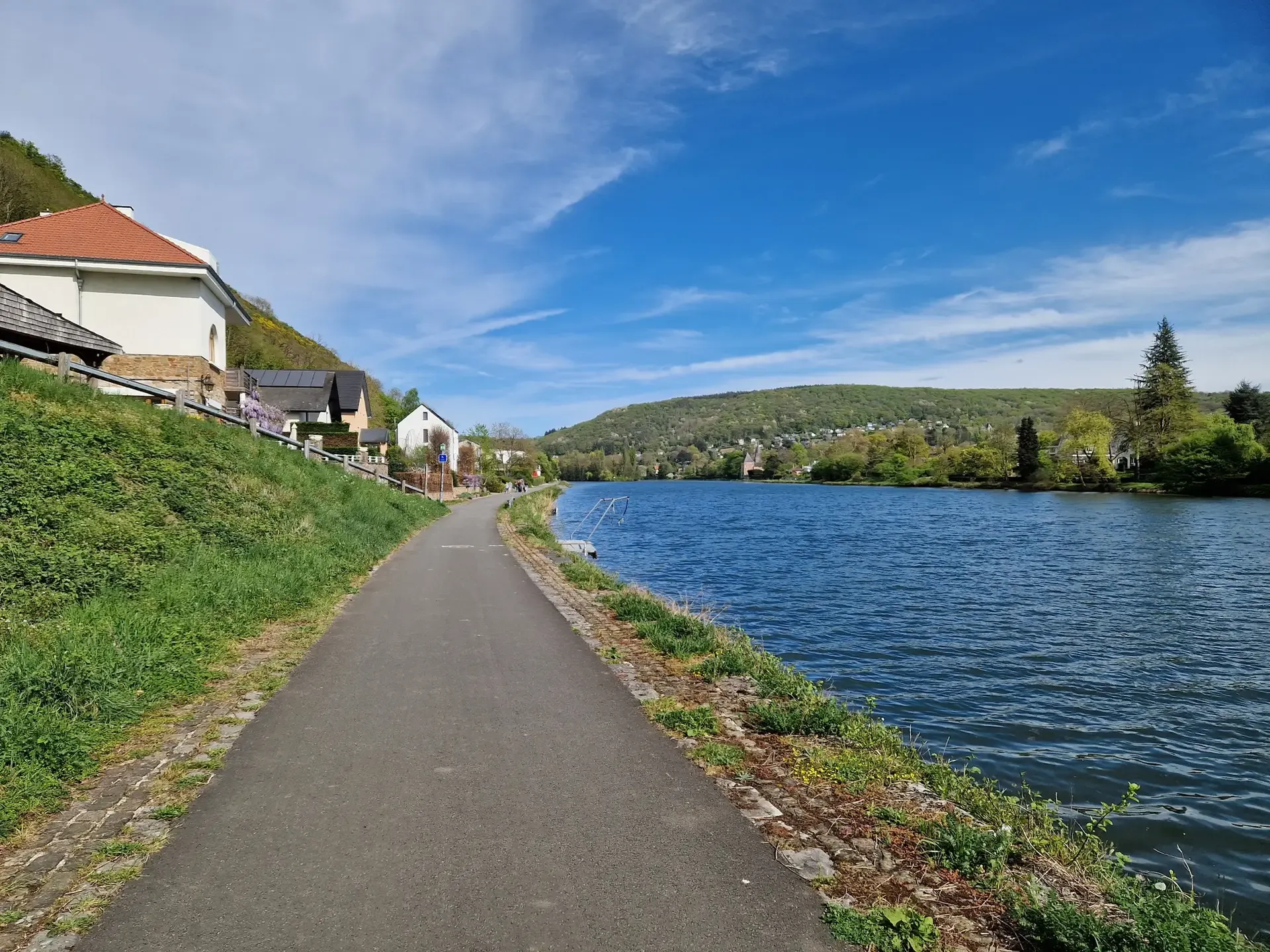
La Wallonie à vélo - RV2 : La Namuroise
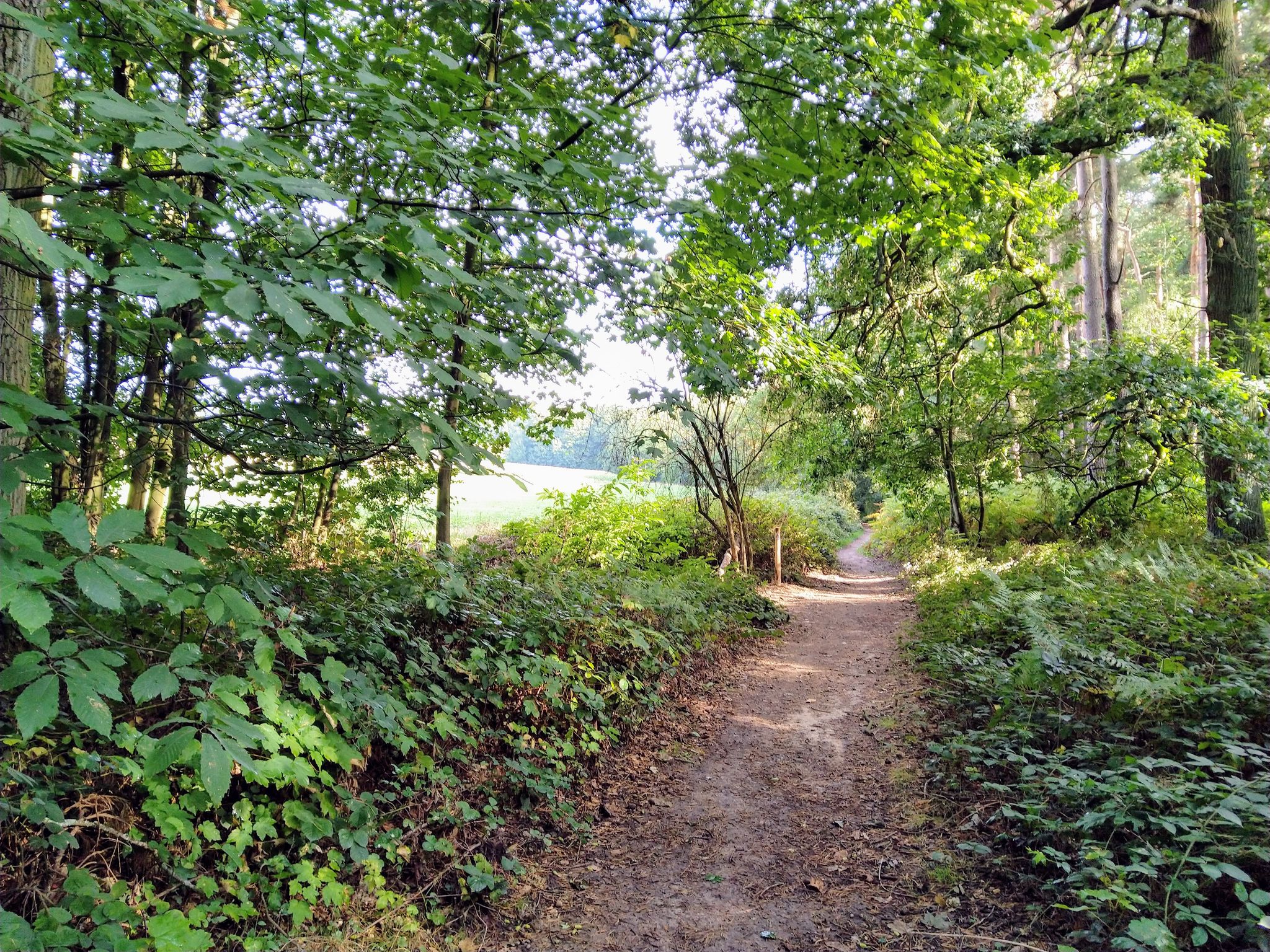
MTB Challenge – the Frans Claes route
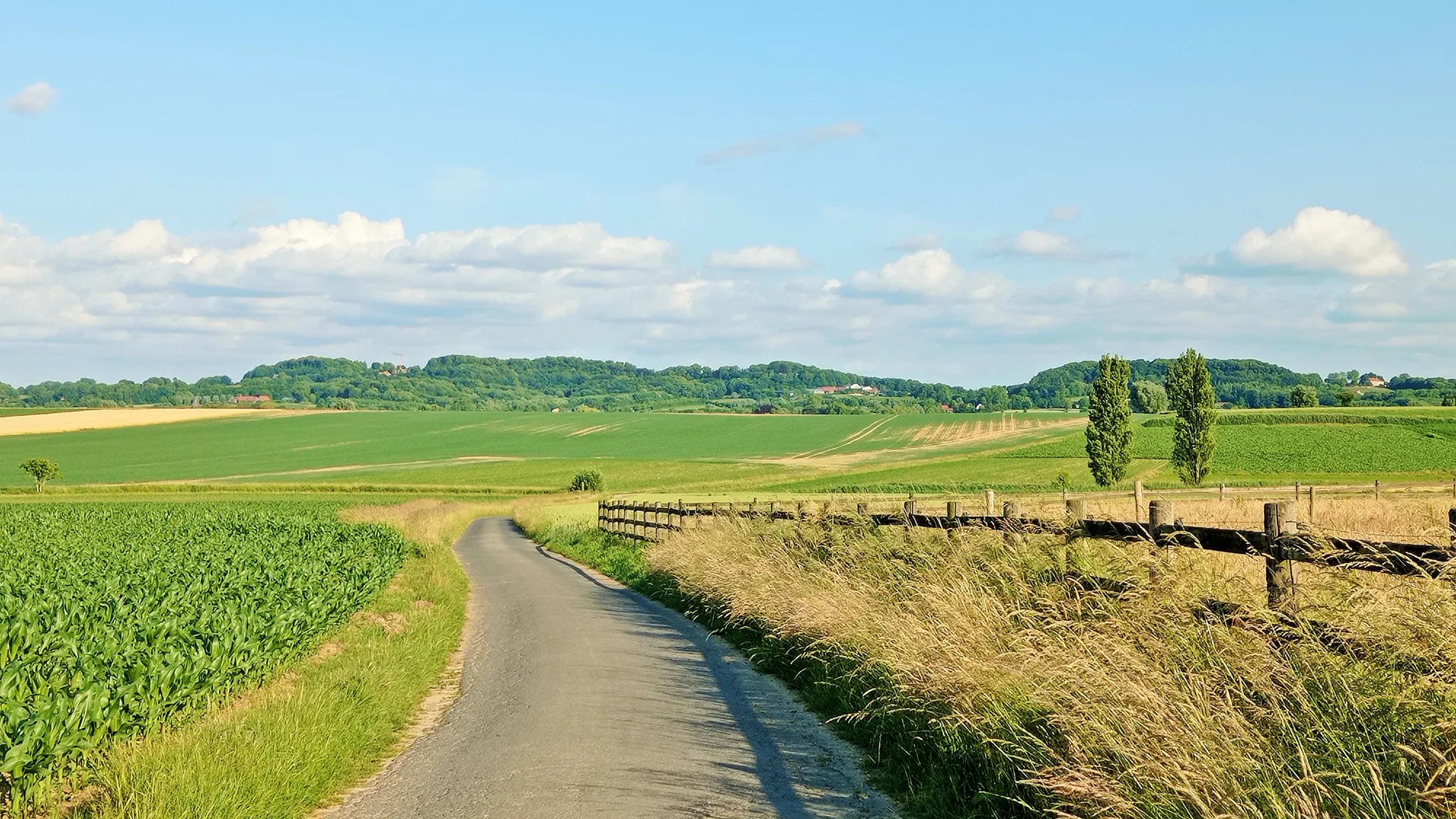
Seven-day Cycling tour through the South-Flemish hills – Hilly Route
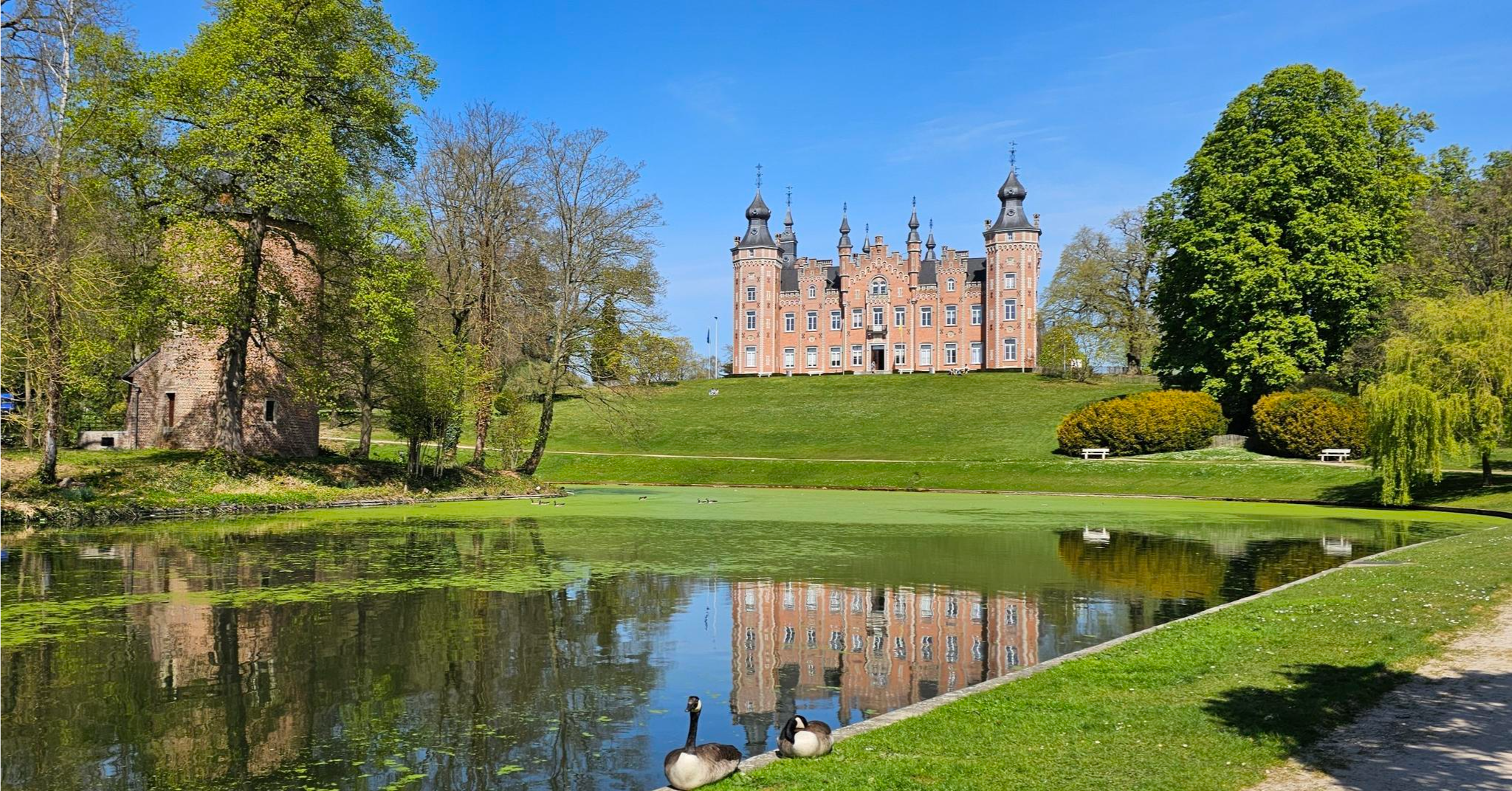
Tour around Brussels – Streek-GR Groene Gordel
Other adventures around Leuven


Tips from the Community

Fort Leopold was an important part of the defense belt around Diest in the nineteenth century. It is located on the Lazarijberg and offers a beautiful view of the city as well as the citadel located a little further away. The intention was for the fort to protect the city, but a few years after it was put into use, it was already converted into a prison. Punished soldiers from the Leuven prison were brought to the fort. Writings on the wall are still silent witnesses of that time. Prisoners were also locked up during the world wars. The fort was used by the paratroopers in the second half of the twentieth century, but they moved out more than 20 years ago. Since then, only a caretaker has been maintaining the building. In 1996 it became a protected monument. The building is made of hundreds of thousands of bricks and has very thick walls, making it very cold and dark, the ideal habitat for bats according to the Agency for Nature and Forest, which is the current owner.
2
0


Information board with a map of the Horst castle estate, there is also parking here.
3
0

After the gruesome murder of the last owner, Baroness Thérèse Ernst de Bunswyck, the municipality purchased part of the estate, including the castle, which now serves as Boutersem's town hall. Other lots went to different owners, so the heritage's unity is somewhat lost, with several buildings besides the castle itself. However, there's much more than meets the eye.
6
0
The castle's core dates back to 1718, modified several times during the 19th century, and eclectically renovated after 1922; the castle and its outbuildings are surrounded by a 16.5-hectare park, originally a high courtyard with a watermill and mill pond; a classic 18th-century valley floor site, redeveloped in an early landscape style around 1830-1835; redeveloped around 1900 in a late landscape style; municipally owned since 1980; ice and vegetable cellars, numerous old trees. Inventory of Immovable Heritage: Kwabeek Castle Estate, https://id.erfgoed.net/erfgoedobjecten/41588
7
0

A beautiful place for rest and walking: you can stroll along it, enjoy the greenery and water, and it is part of the historical and natural charm of Tervuren.
7
0

Schiplaken Castle is an old medieval castle site with a characteristic high court and farmyard. The 18th-century neoclassical castle was set on fire by the Germans in 1914 and was rebuilt in its original style after the war. An information board on site explains the destruction during WWI in 1914. Intrigued? Learn more by visiting https://onroerenderfgoed.github.io/la2001/ankerplaatsen/a20009.html
3
0
Frequently Asked Questions
What types of castles can I explore around Leuven?
The region around Leuven offers a diverse range of historical structures, including impressive moated castles like Horst Castle, medieval keeps such as Ter Heyden Keep, and Renaissance châteaux like Arenberg Castle. You can also find sites like Schiplaken Castle, which was rebuilt in its original style after being damaged.
Which castles near Leuven offer a particularly authentic historical experience?
Horst Castle is renowned for its authenticity, having remained largely untouched and unrenovated since the 17th century. It retains a genuine medieval feel with its square keep, traditional brick and sandstone wings, and wide moat.
Can I visit Arenberg Castle, and what makes it unique?
Arenberg Castle, located within Leuven, is unique for its integration into KU Leuven's academic life, housing the Faculty of Engineering Sciences. While the interior is generally reserved for university use, visitors can admire its stunning Renaissance and Neo-Gothic architecture from the outside and enjoy the beautiful surrounding Arenberg Park.
Are there family-friendly castles or areas suitable for children around Leuven?
Yes, several castles and their surrounding areas are marked as family-friendly. Horst Castle and its park are popular, and the castle is famously known as the fictional home of the Flemish comic book hero 'De Rode Ridder'. Arenberg Castle's park also offers a pleasant environment for family strolls.
What natural features or viewpoints can I find near the castles?
Many castles are set within scenic natural surroundings. Horst Castle is nestled in the green valley of the Wingebeek with a large pond and moat. Ter Heyden Keep is distinctively located in the middle of an artificial lake. Arenberg Castle is surrounded by the extensive Arenberg Park, offering peaceful walks and views.
Are there hiking or cycling trails near the castles around Leuven?
Yes, the region offers various outdoor activities. For instance, the Dijlepad – Arenberg Castle Park loop is a moderate running route near Arenberg Castle. Cyclists can explore the Horstroute, a moderate cycling route that passes by Horst Castle. You can find more options in the running, mountain hiking, and cycling guides for Leuven.
What is the current status of Horst Castle, and can I still visit?
Horst Castle is currently undergoing major restoration. However, the castle park and the brasserie 'Het Wagenhuys' (located in the coach house) remain open. Visitors can often still explore the grounds and appreciate its historical significance even during the restoration period. For more details, you can check castles.nl.
Are there any castles near Leuven that are less crowded but still offer historical interest?
While popular sites like Horst Castle attract many, exploring places like Ter Heyden Keep or Kwabeek Castle and Park might offer a quieter experience. These sites still provide significant historical context and unique architectural features.
What are the public transport options to reach castles near Leuven?
Public transport options vary by castle. Arenberg Castle is easily accessible within Leuven. For castles further afield like Horst Castle, located near Sint-Pieters-Rode, local bus services often connect from Leuven. It's advisable to check specific routes and schedules for your chosen destination.
Are dogs allowed at the castles or in their surrounding parks?
Policies vary by location. At Horst Castle, dogs are generally allowed on the castle grounds but not inside the castle itself. For other locations like Arenberg Park, dogs are typically welcome on leashes. Always check local signage or official websites for specific rules before visiting.
Are there cafes or pubs near the castles for refreshments?
Yes, many castle locations offer nearby amenities. For example, the Brasserie Wagenhuis is located in the coach house at Horst Castle, offering a cozy regional inn. Near Arenberg Castle, you'll find various cafes and eateries within the university area and Heverlee.
What is the significance of the Arenberg Watermill near Arenberg Castle?
Just a short walk from Arenberg Castle, the Arenberg Watermill is a remarkable medieval relic. Dating back to before 1286, it is considered the oldest existing watermill in Europe, offering a fascinating glimpse into the area's historical industrial heritage.
Is there a castle near Leuven that is still privately owned and inhabited?
While not directly in Leuven, Castle de Merode in Westerlo (Antwerp province) is a notable example. It has been home to the House of Merode for over five centuries and is still privately owned and inhabited. It can only be visited on certain cultural occasions.
Most popular routes around Leuven
Most popular attractions around Leuven

Get inspired with the komoot mobile app


Didn’t find what you were looking for?
Explore Leuven’s best castles region by region:
Explore more
Looking for the best castles somewhere else? Discover other guides around Leuven:
