Attractions and Places To See around Gent - Top 20
Best attractions and places to see around Gent include a mix of historical landmarks, waterways, and green spaces. This Belgian city is characterized by its medieval architecture and a network of rivers and canals, offering diverse exploration opportunities. Gent provides a range of urban and natural attractions, from ancient castles to scenic riverfronts. The area features numerous historical sites and natural features for visitors to discover.
Best attractions and places to see around Gent
- The most popular attractions is St. Michael's Bridge, a bridge that offers panoramic views of the city's historic core. From this stone arch bridge, visitors can see the Graslei, Korenlei, and the three iconic Ghent towers.
- Another must-see spot is Gravensteen Castle, a historical castle with an intact defense system. Visitors can explore its ramparts, keep, and count's residence, which once served as a court and prison.
- Visitors also love Graslei and Korenlei, Ghent, historical sites along the Leie River. These quays, once a medieval port, are now lined with well-preserved buildings and offer a vibrant riverside atmosphere.
- Gent is known for its historical sites, religious buildings, and scenic waterways. The city offers a variety of attractions, from ancient architecture to cycling paths along canals.
- The attractions around Gent are appreciated by the komoot community, with more than 790 upvotes and over 230 photos shared by visitors.
Last updated: October 9, 2026
St. Michael's Bridge
Highlight • Bridge
Translated by Google •
Tip by

Graslei and Korenlei, Ghent
Highlight • Historical Site
The Leie (French Lys, Latin Legia) is a river that runs in France and Belgium. It rises in the municipality of Lisbourg (Flemish: Liegesboort), in the French department of Pas-de-Calais, generally drained in a northeasterly direction and flows for a total of 202 kilometers in the city of Ghent, in the Belgian province of East Flanders, as the left tributary of the Scheldt.
Source: Wikipedia
de.wikipedia.org/wiki/Leie
Translated by Google •
Tip by

Sign up now to discover places like this
Get recommendations on the best single tracks, peaks, & plenty of other exciting outdoor places.
Gravensteen Castle
Highlight • Castle
gravensteengent.be
Translated by Google •
Tip by

Ghent Town Hall
Highlight • Historical Site
Translated by Google •
Tip by

Friday Market
Highlight • Historical Site
Of shop je gewoon suf in de winkels in de Serpentstraat of in de Baudelostraat. Snuister tussen de schat aan vintage lp’s en boeken. Puzzel de perfecte outfit bijeen in de vele hippe fashionstores. Hou even halt voor een verkwikkende thee. En laat je overspoelen door creatieve ideeën in de vele originele geschenkwinkels. Sommige zaakjes zijn echte juweeltjes, geloof ons. En krijg je trek? De restaurants op de Vrijdagmarkt zijn altijd vlakbij. En via de winkels in Oudburg wandel je het Patershol binnen, het culinaire hart van Gent.
De geschiedenis van de Vrijdagmarkt is een glanzende medaille met donkere keerzijde. Op het plein werden doorheen de eeuwen feesten gevierd. Vorsten plechtig ontvangen tijdens Blijde Inkomsten. En helaas ook executies uitgevoerd. Maar geen paniek, de brandstapels en guillotines zijn lang verleden tijd. De laatste openbare terechtstelling dateert van 1863. Het Toreken, dat er al stond in de 15de eeuw, is vrijwel het enige gebouw dat nog getuige was van gruwelpraktijken. De rest werd gebouwd in de negentiende eeuw. Het imposante socialistische volkshuis, dat Bond Moyson bloklettert op de gevel, werd zelfs pas begin 20ste eeuw opgetrokken.
Standbeeld Jacob van Artevelde
Jacob van Artevelde slaagde erin de boycot van de Engelse wolinvoer ongedaan te maken tijdens de 100-jarige oorlog tussen Engeland en Frankrijk in de 14de eeuw. De Gentse lakennijverheid kon herademen en van Artevelde werd een held. In 1345 werd hij tijdens een volksopstand vermoord. Sinds 1863 wijst hij op de Vrijdagmarkt richting Engeland.
Kan je maar niet genoeg krijgen van middeleeuwse verhalen? Vlakbij kan je een bezoekje brengen aan het Hof van Rijhove. Een authentieke Gentse patriciërswoning met een geschiedenis die teruggaat tot de 12de eeuw. Blijf je liever in de sfeer van het nabije verleden? Maak dan zeker de oversteek naar het Patershol. Het pittoreske Huis van Alijn over het water is echt de moeite! Dit pas vernieuwde museum – met zijn sfeervolle bijhorende volkscafeetje – is een nostalgische ontdekkingstocht voor alle zintuigen doorheen onze Vlaamse leefgewoontes en traditionele rituelen.
Bron: Visitgent
Tip by
Old Post Office
Highlight • Monument
In 1998 the building was sold by the Post Office. Then there was a shopping center on the ground floor with apartments above. Since the end of 2017, the upper floor has been furnished as a luxury hotel, while shops are located on the ground floor.
This impressive building is part of a zone formed by the Sint-Michielbrug, bordered by the Sint-Michiel house and the former postal building.
The building has been protected as a monument since 1999.
Source: Wikipedia
Translated by Google •
Tip by
Ghent–Bruges Canal Cycle Path
Highlight • Cycleway
Again and again there were disputes between the cities of Bruges and Ghent, because functioning waterways mean trade. The two economic centers eyed each other suspiciously and enviously, always looking out for their advantage. Who has the better connection? Who might outperform the other city?
However, the canal was not only used for shipping, but also as a line of defense in the 16th century. For this reason about twenty redoubts were erected on the southern dikes. The largest fortress, Fort Sint-Filips, was halfway between Bruges and Ghent.
Today the canal no longer separates, but is an important internal connection and, above all, a picturesque backdrop for your tour.
Translated by Google •
Tip by

Astene Lock and Drawbridge
Highlight • Bridge
Translated by Google •
Tip by

Saint Bavo's Cathedral
Highlight • Religious Site
Art history was written in Ghent in 1432. In the striking St Bavo's Cathedral, Jan van Eyck presented the world with a magnum opus: the Adoration of the Lamb of God. A monumental work of twelve panels, each depicting a biblical scene.
With the help of augmented reality glasses, the incredible history of the altar comes to life. You immerse yourself in the medieval hustle and bustle of the city of Ghent, stand in the first row when the Prussian king buys the panels or the Nazis almost destroyed them. Rating: Definitely worth seeing!
Translated by Google •
Tip by
Afsnee Ferry
Highlight • Bridge
Operating hours:
In May, June, July, August, and September, 7 days a week.
From October through April (except Easter holidays), it operates only on Saturdays, Sundays, and public holidays.
During Easter holidays, it operates 7 days a week.
Operating hours Monday through Sunday and public holidays:
9:00 AM to 12:00 PM and 1:00 PM to 7:00 PM
The ferry in Afsnee operates until 7:00 PM or sunset if earlier than 7:00 PM.
Translated by Google •
Tip by

Sign up for free to discover even more attractions around Gent.
Already have an account?
Start today with a free account
Your next adventure awaits.
Popular around Gent
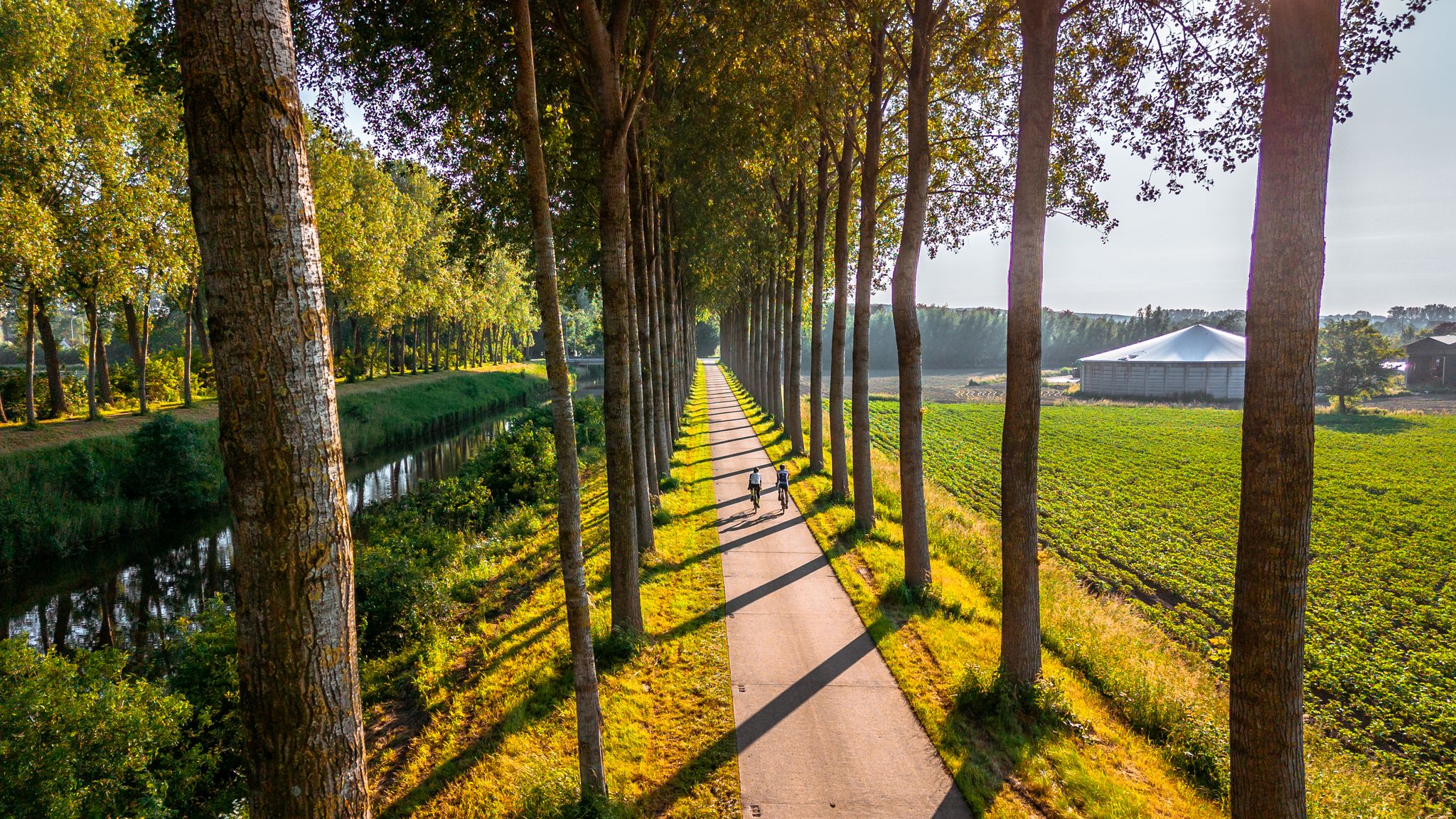
The six most beautiful cycling routes in East Flanders
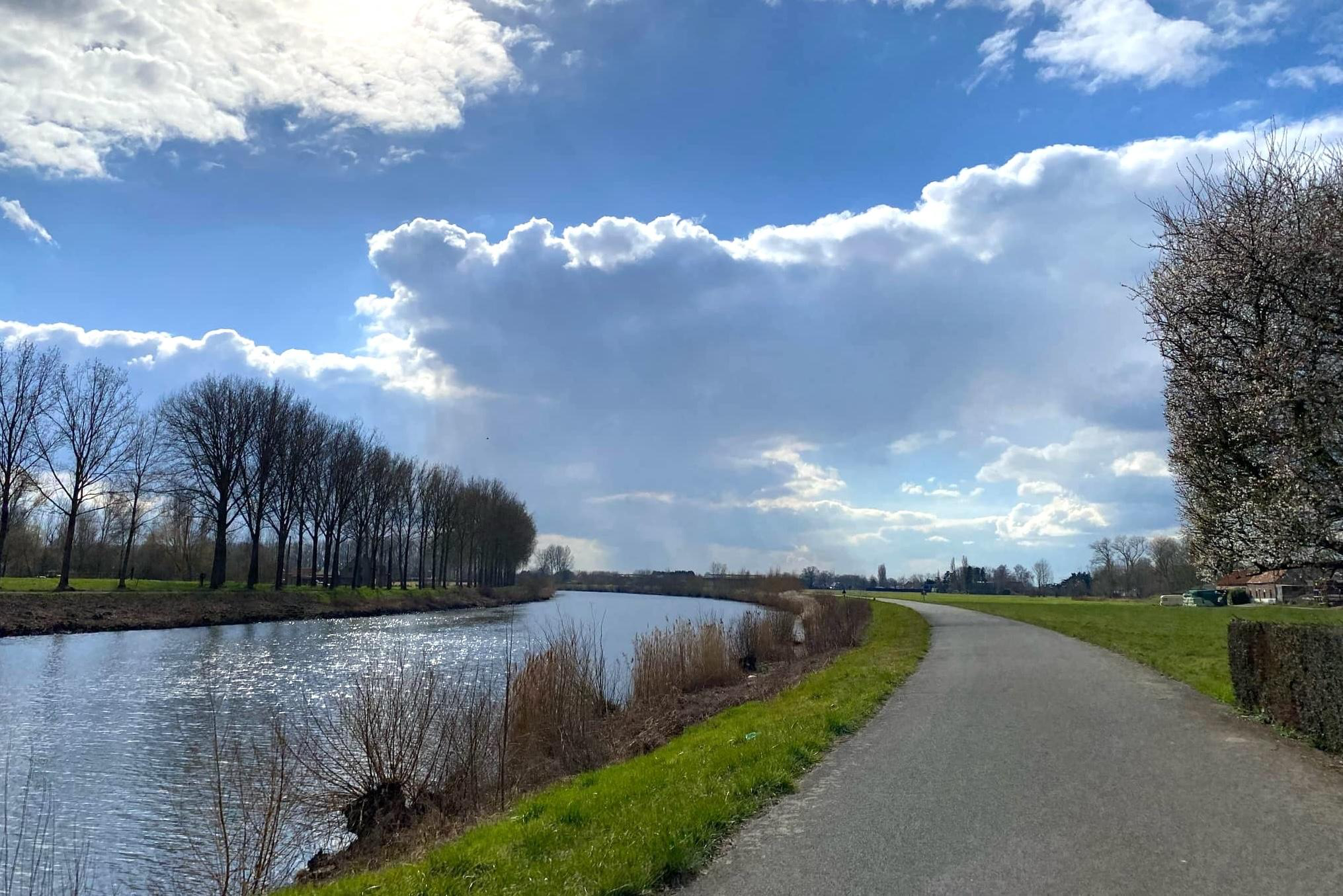
Three days of pure cycling pleasure from Spiere to Zandvliet – Schelderoute
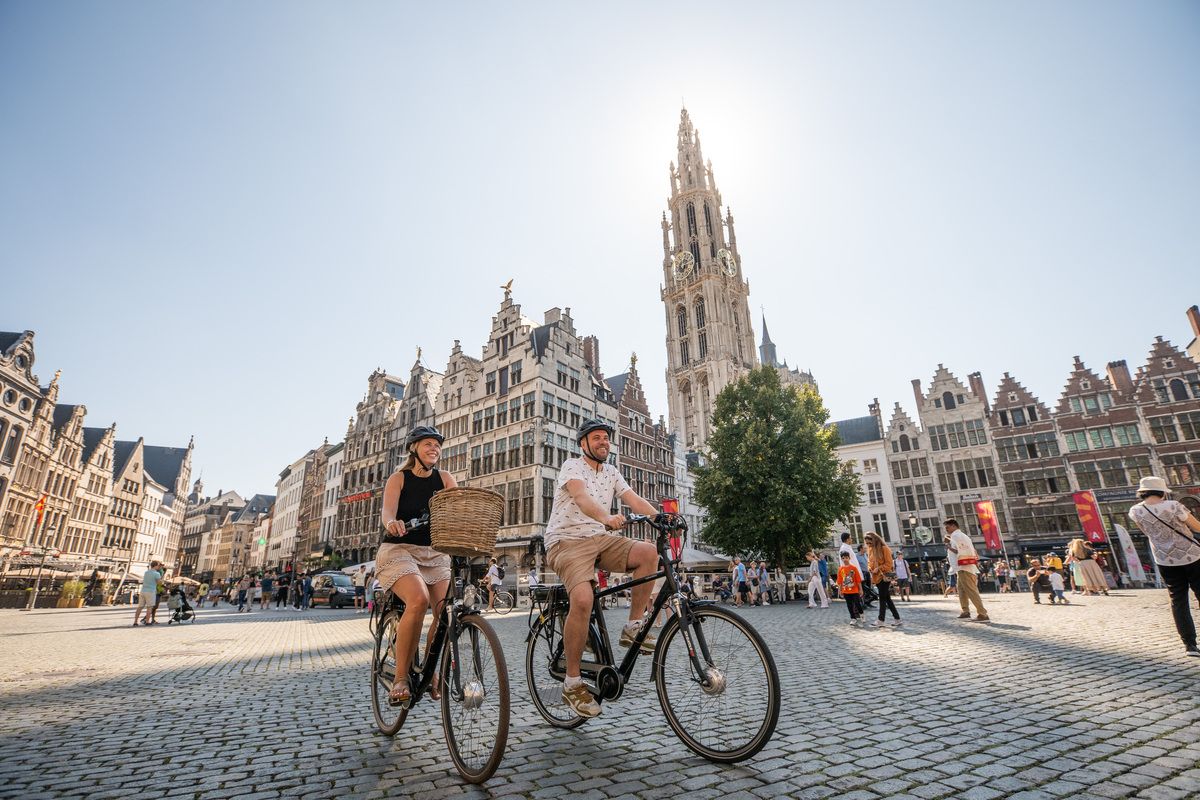
Flanders' Finest Cycle Routes: routes around the Flemish art cities
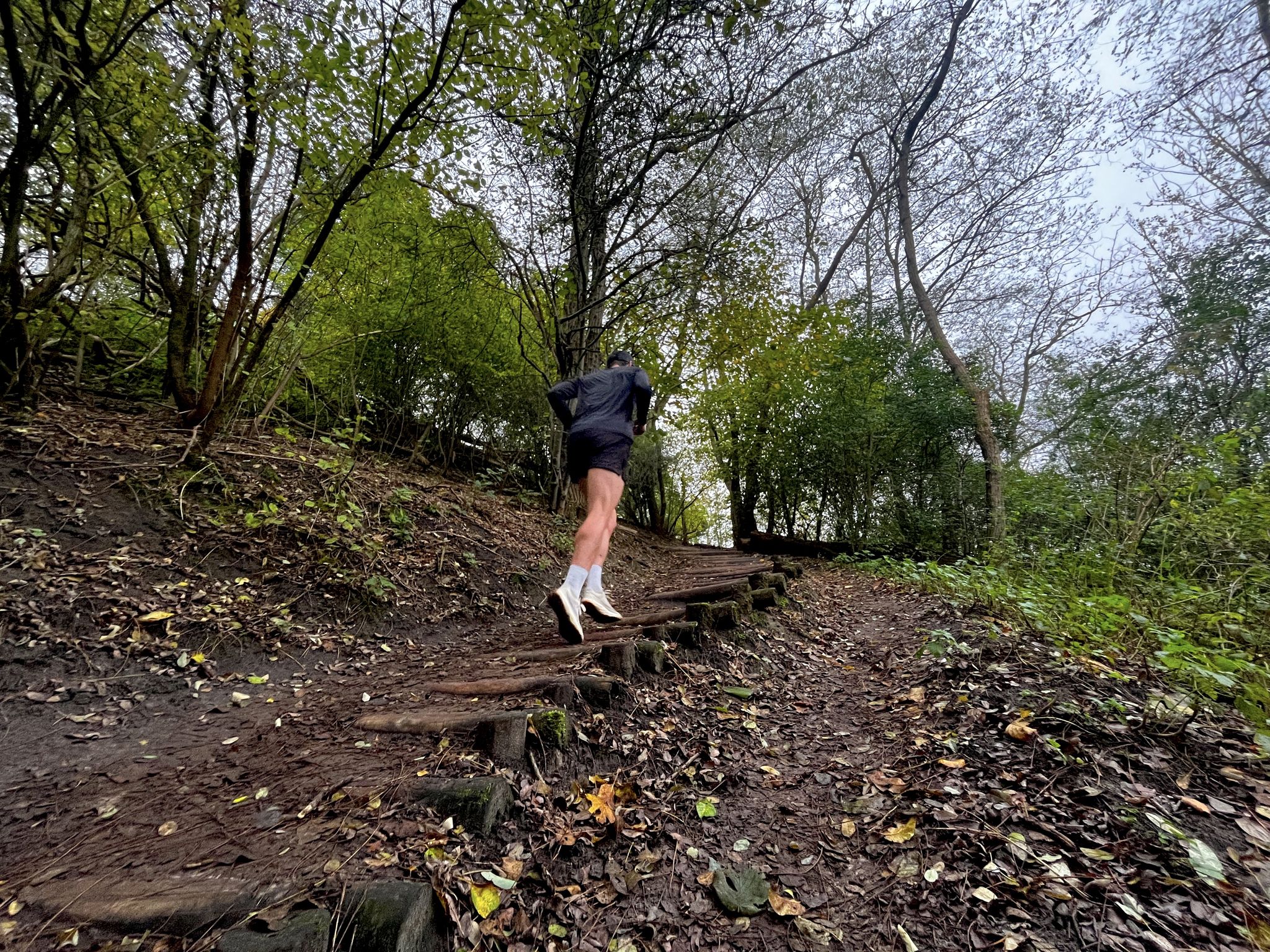
Between city and nature – running on the outskirts of Ghent
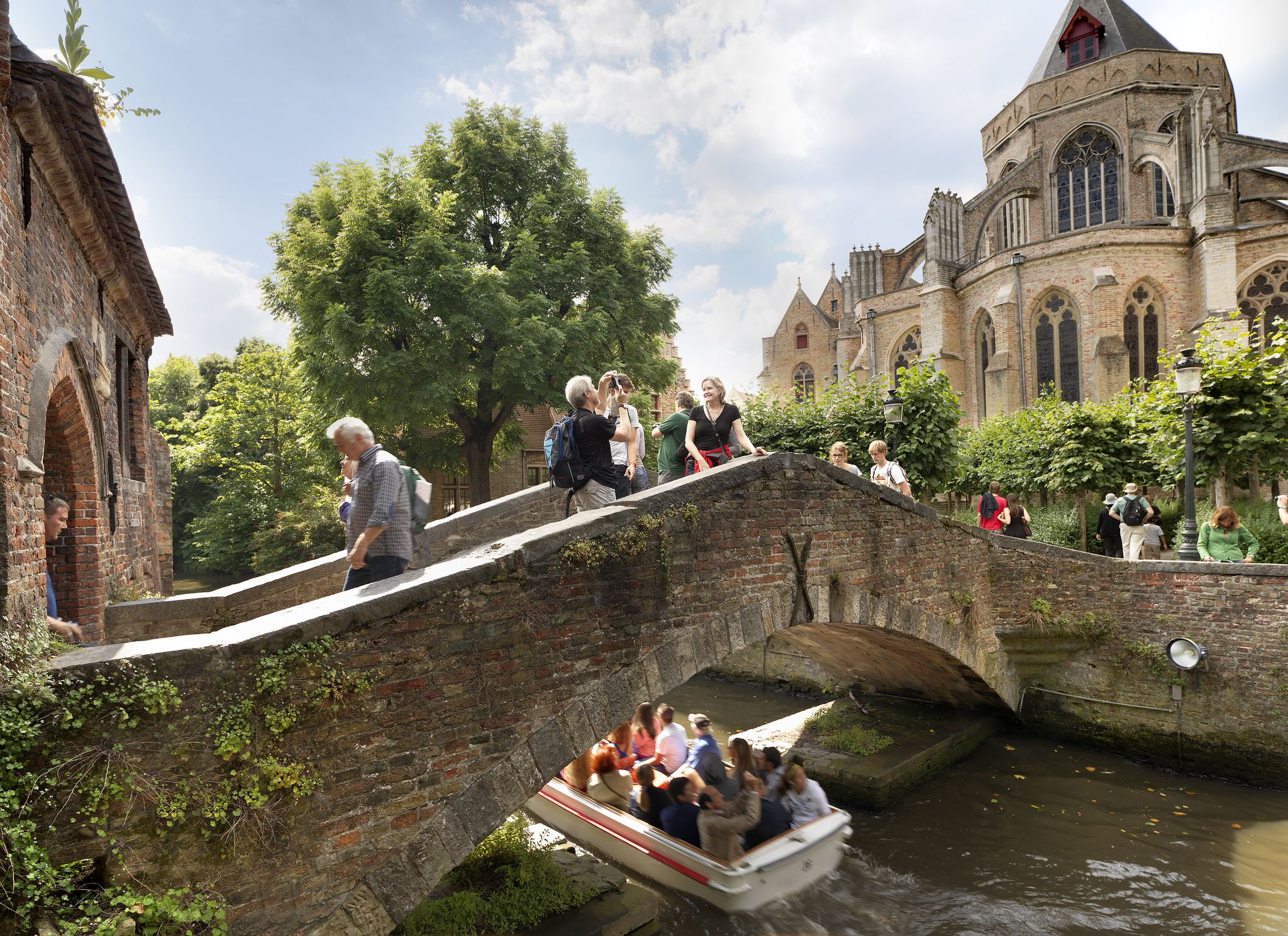
10,000 steps through Flanders' Art Cities
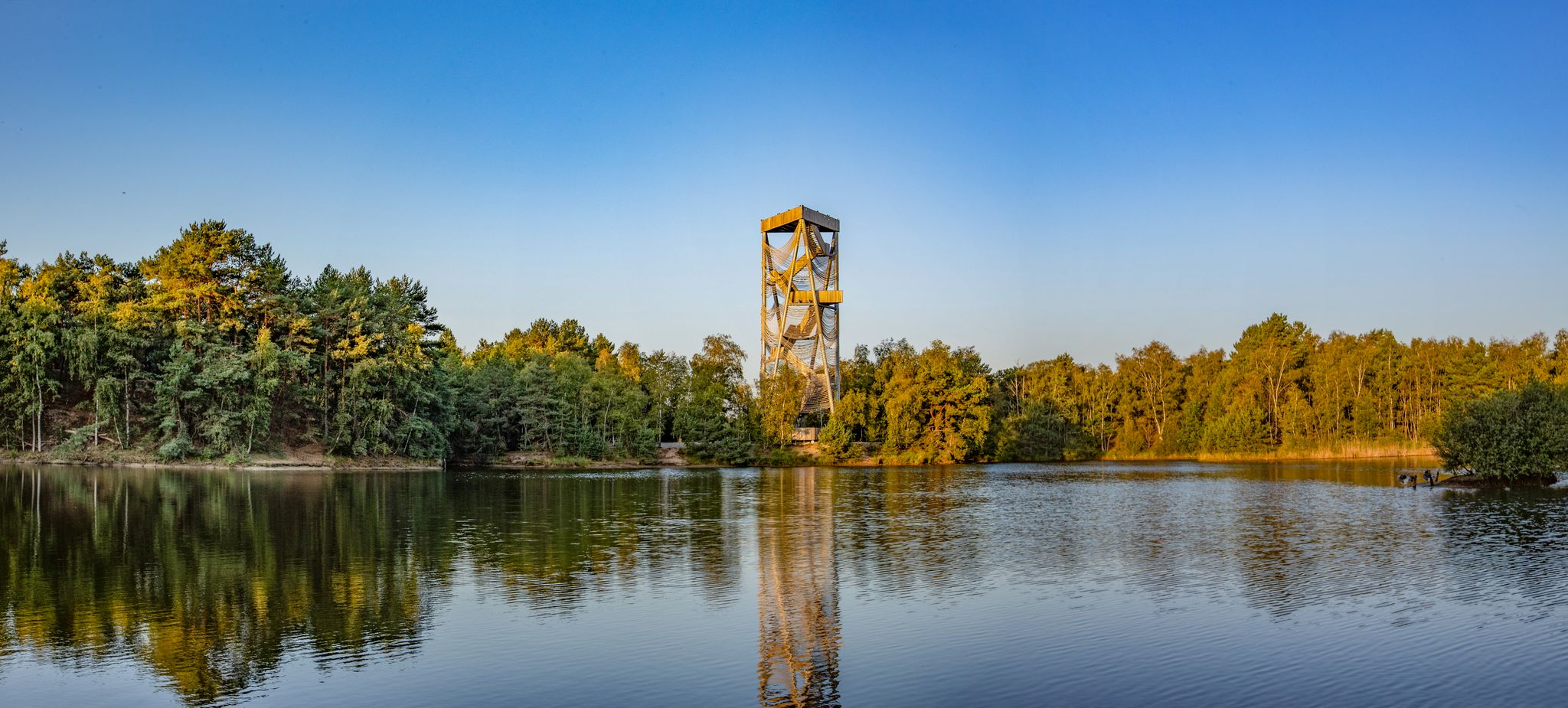
Art, culture and more – hiking in Belgium’s Flanders
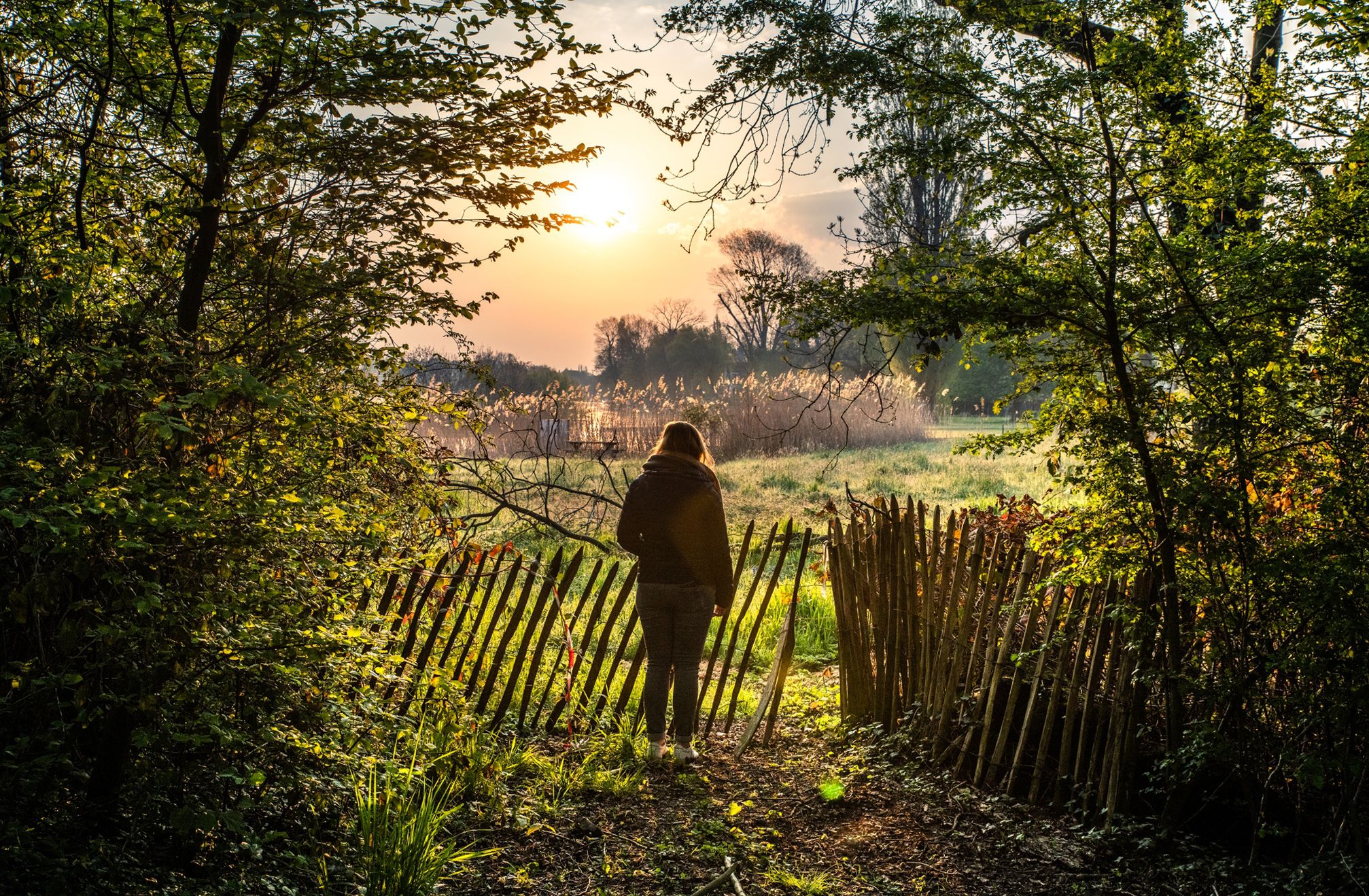
Waterside walks in Flanders
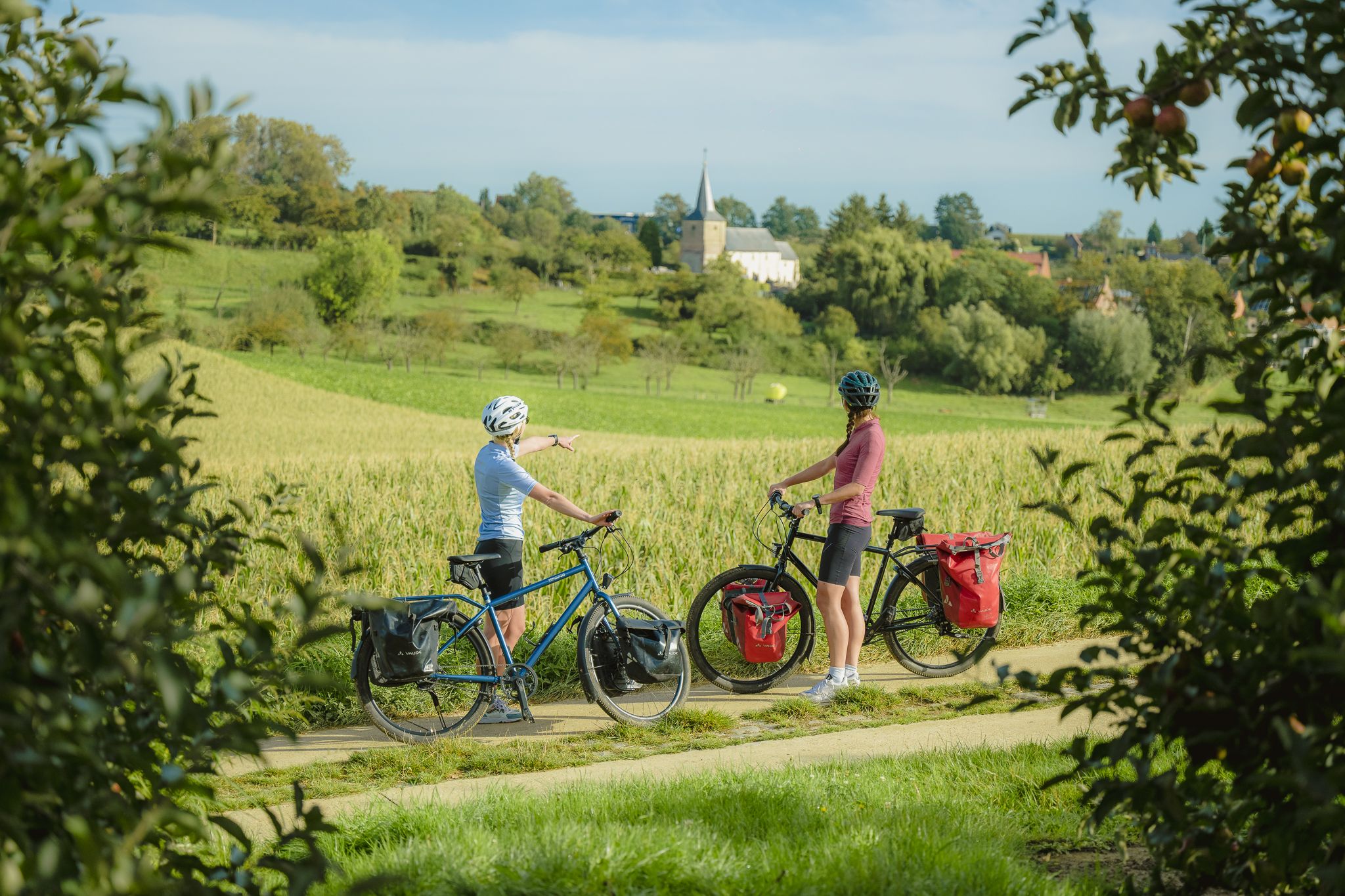
The best of Flanders — the Flanders Route
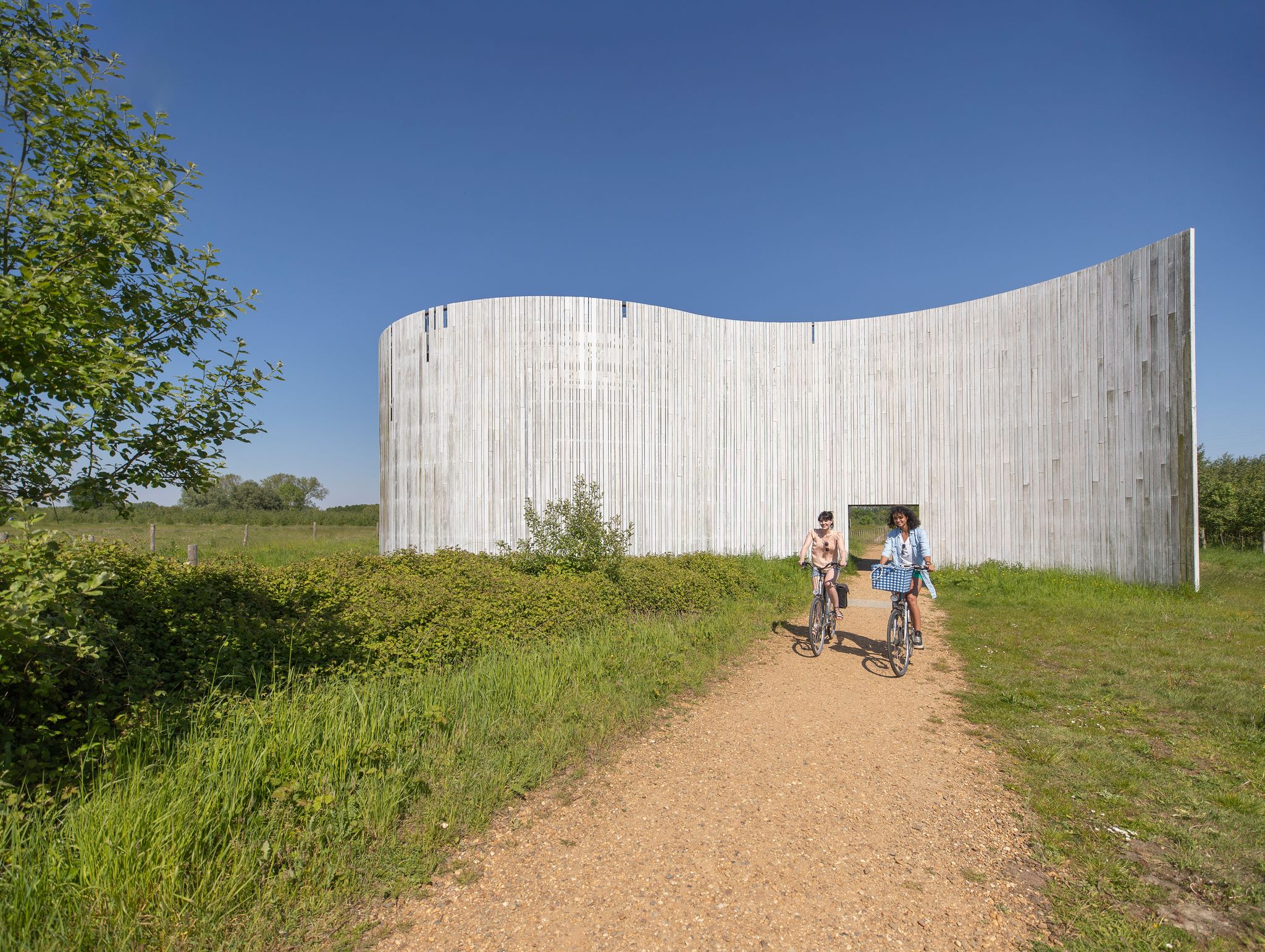
Flanders by bike – the Iconic Cultural Cycle Routes
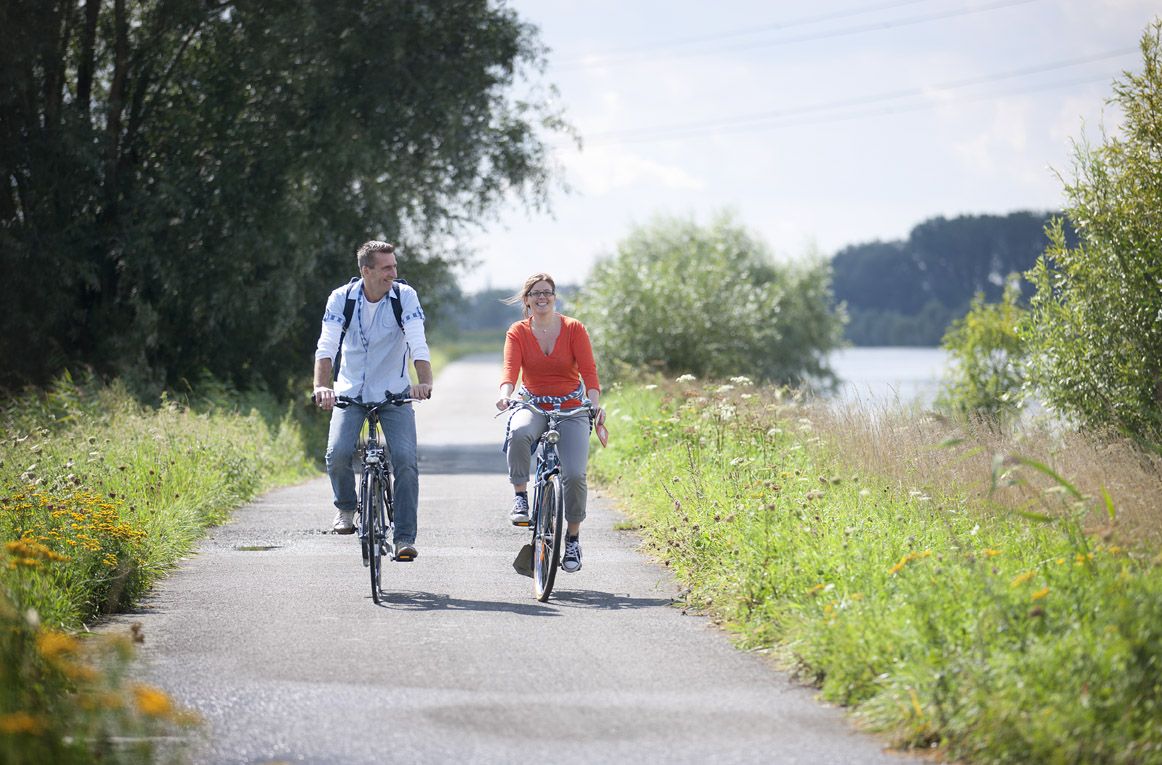
Flanders by bike: cycling along the water
Other adventures around Gent


Tips from the Community

The idyllic Astene Sas is a protected village view and a wonderful place to stop for a while. Babbling water, historic ships, the authentic lock house and one of the last manually operated bascule bridges in Flanders provide a particularly atmospheric setting here. The lock originated in 1860 to avoid a significant detour in the Leie. Cargo ships used to take a whole eight hours to navigate the winding meander between Astene and Bachte. A new, perfectly straight cut of barely 300 meters changed that. The characteristic green-iron bascule bridge dates from 1896 and is still operated by hand during the sailing season. If a boat approaches, you have to wait a moment until the bridge is lifted using pure muscle power. A beautiful piece of living heritage! Literature lovers will also get their money's worth here. The whitewashed lock keeper's house today houses 't Oud Sashuis, a cozy brown café. It is also the birthplace of the mother of Hugo Claus, who spent part of his childhood here. A place where water, heritage and stories come together – ideal for a short break during your cycling or walking tour.
3
0

The history of the 1898 The Post hotel begins at the end of the 19th century in the city of Ghent, Belgium. In 1898, architect Louis Cloquet brought to life an imposing neo-Gothic building that was intended to serve as the city's new central post office. Located between the historic quays of Ghent and the Korenmarkt, this 4-star hotel houses the city's former central post office, a neo-Gothic architectural gem designed by Louis Cloquet at the end of the 19th century. Source: https://www.hotels-insolites.com/de/1898-the-post.hotel
3
0
Old Post Office (Ghent) It is richly decorated - the building of the old post office on the Korenmarkt in Ghent. Once upon a time, postilions used to stop here - today it is a luxury hotel and offers numerous shopping opportunities. Both continue to carry the name "Post" within them: the shopping center "De Post" and the hotel "1898 ThePost", which is equipped with elegant antique furniture and therefore fits wonderfully with the magnificent building itself. Source: https://lion-tours.de/reiseservice/wissenswertes/europa/belgien/gent/
3
0

The building is constructed in an eclectic style with predominantly Neo-Gothic and Neo-Renaissance influences, following the beautiful facade of the Guildhouse of the Free Skippers on the Graslei. It has octagonal towers with spires, including the stair tower on the corner with Sterrenstraat and the entrance, also with a stair tower, on Korenmarkt. Furthermore, the 52-meter-high clock tower is striking. The racing pigeons painted on the walls still refer to the original function of the building. Despite these traditional elements, contemporary materials and techniques have been used. Hygiene was a strong focus. The glass and steel structures were hidden behind colorful natural stone. The facades are richly decorated with statues, heads, and coats of arms, more than 100 in total. The facade decoration has an international character with a depiction of Belgium at the time and its colony, the five continents, and the reigning heads of state of all countries that were then part of the Universal Postal Union.
2
0

In 1909, the former post office stood at a busy intersection of access roads to the city. Postilions and the first horse-drawn trams stopped here. The lavishly decorated building, constructed in various architectural styles, has now been transformed into the shopping center "De Post" and the luxury hotel "1898 The Post." Note the beautiful, 52-meter-high tower clock. The interior is also magnificent. The historic building has been renovated but has retained its industrial character. You can visit it for fashion, interior design, and beauty products, and for a delicious lunch, brunch, or breakfast. The 1898 The Post hotel is located on the top floor of the building. Be sure to stop by the stylish cocktail bar, The Cobbler, for a drink with a view of the Sint-Michielsbrug and the Graslei.
2
0
The St. Michael's Bridge is a stone arch bridge in the center of the Belgian city of Ghent. The bridge spans the Leie River, on the south side of the Graslei and Korenlei. The current monumental bridge was built between 1905 and 1909, after the construction of the post office. Both the St. Michael's Bridge and the Old Post Office were designed by architect Louis Cloquet. Previously, there was a flat swing bridge. The bridge is part of Sint-Michielshelling Street. From the bridge, one has a view to the north of the Graslei and Korenlei, and in the distance, the Gravensteen Castle. To the east, the bridge offers a characteristic view of Ghent's three towers: St. Nicholas' Church, the Ghent Belfry, and St. Bavo's Cathedral. St. Michael's Church stands on the southwest side. The bridge was designated a protected monument in 1983.
3
0

The richly decorated building, a blend of architectural styles, has been transformed into the "De Post" shopping center and the "1898 The Post" luxury hotel. Be sure to admire the 52-meter-high clock tower. The interior of the building is equally stunning. The historic structure has been renovated but retains its industrial character. Here you'll find fashion, interior design, and beauty products, and can enjoy a delicious lunch, brunch, or a delightful breakfast. The 1898 The Post Hotel is located on the top floor. A visit to the stylish cocktail bar, The Cobbler, is also highly recommended, where you can enjoy a drink with a view of St. Michael's Bridge and Graslei.
2
0

On the banks of the Leie River, in the heart of picturesque Afsnee, stands St. John the Baptist Church—a historic gem with roots dating back to the 10th century. The church has a Romanesque core from the 12th century and has been renovated and restored several times over the centuries, while retaining its character. Constructed of Tournai limestone, the building features a striking crossing tower and basilica-style nave, giving it a robust yet serene appearance. Inside, you'll find a baptismal font from 1601, a wooden statue of Christ from around 1700, and a beautiful stained-glass window depicting the baptism of Christ. The walled cemetery contains the gravestones of famous Ghent figures, including Count De Hemptinne and painter Karel De Bondt. I've included the dates.
4
0
Frequently Asked Questions
What historical landmarks can I explore in Gent?
Gent is rich in history. You can visit the imposing Gravensteen Castle, a 10th-century moated fortress with an intact defense system. Another significant site is Saint Bavo's Cathedral, a magnificent Gothic structure known for its architecture and the famous Ghent Altarpiece. Don't miss the St. Michael's Bridge, which offers panoramic views of the city's historic core, including the Graslei, Korenlei, and the three iconic Ghent towers.
Are there significant cultural sites to visit in Gent?
Beyond its landmarks, Gent offers several cultural highlights. The STAM - Ghent City Museum provides an interactive journey through the city's history. Art enthusiasts can explore the Museum of Fine Arts (MSK), the oldest museum in Belgium, or the Municipal Museum of Contemporary Art (S.M.A.K.). The charming medieval quarter of Patershol, with its cobblestone streets and canal views, is also considered the culinary heart of the city.
Where can I experience the historic atmosphere of Gent?
For a vibrant historic atmosphere, head to the Graslei and Korenlei. These historic quays along the Leie River, once a bustling medieval port, are now lined with well-preserved buildings and offer a lively riverside experience. The Korenmarkt is another central square surrounded by historic buildings, while the Vrijdagmarkt is one of the city's oldest squares, hosting a weekly market since the 12th century.
What natural attractions or green spaces are there in Gent?
Gent offers several tranquil green spaces. The Ghent University Botanical Garden spans 27,500m² and houses over 10,000 plant species. Citadelpark is a large urban park established in 1875, home to the Botanical Gardens and two major museums. Just outside the city, the Bourgoyen-Ossemeersen Nature Reserve is an extensive marshy grassland perfect for nature lovers and birdwatchers, featuring numerous walking trails.
Are there opportunities for wildlife spotting near Gent?
Yes, the Bourgoyen-Ossemeersen Nature Reserve, located just outside Gent, is an excellent spot for wildlife spotting. This extensive marshy grassland is a haven for various bird species and other local wildlife, offering numerous walking trails for observation.
What cycling routes are available around Gent?
There are many cycling opportunities around Gent. You can explore routes like the Ghent–Bruges Canal Cycle Path, which follows the historic canal. For more options, you can find various road cycling routes, including the 'Leurebroek route' and the 'Valeir Route', by visiting the Road Cycling Routes around Gent guide.
Are there hiking or running trails near Gent's attractions?
Yes, Gent offers several trails for hiking and running. The Bourgoyen-Ossemeersen Nature Reserve has many walking trails. You can also find routes like the 'Loop around the water sports course' or 'Running along the Lys'. For a comprehensive list, check out the Running Trails around Gent guide.
Are there any family-friendly attractions in Gent?
Many of Gent's attractions are suitable for families. Historical sites like Gravensteen Castle offer an engaging experience for all ages. The Graslei and Korenlei provide a pleasant riverside environment for walks and boat tours. Additionally, the Ghent University Botanical Garden and Citadelpark offer open spaces for children to explore.
What is the best way to see Gent's historic center?
One of the most picturesque ways to experience Gent's historic center is by taking a canal tour along the Leie River. This offers a unique perspective of the city's architecture and allows you to see landmarks like the Graslei and Korenlei from the water. Walking across St. Michael's Bridge also provides iconic views of the three Ghent towers.
Are there any unique points of interest in Gent?
Beyond the main landmarks, Gent has unique spots like Graffiti Street (Werregarenstraatje), a dynamic alley showcasing vibrant street art. The Great Butcher's Hall (Groot Vleeshuis) is another historic building worth exploring. For a different perspective, consider taking the free Afsnee Ferry across the Leie river, which operates seasonally.
What do visitors enjoy most about Gent's attractions?
Visitors frequently praise the stunning views from St. Michael's Bridge, especially at dusk when the city lights up. The historic charm and vibrant atmosphere of the Graslei and Korenlei are also highly appreciated for leisurely strolls and photography. The unique experience of exploring Gravensteen Castle and its history is another highlight for many.
Are there mountain biking trails near Gent?
Yes, there are mountain biking opportunities around Gent. You can find trails such as the 'Destelbergen - Laarne Red MTB Loop' or the 'Route Merelbeke - Mountain biking around Ghent'. For detailed information and more routes, refer to the MTB Trails around Gent guide.
Most popular routes around Gent
Most popular attractions around Gent

Get inspired with the komoot mobile app


Didn’t find what you were looking for?
Are you keen on exploring more awesome places nearby? Browse our guides:
Explore more
Still not found the Highlight you’re looking for? See guides of the top attractions in other regions:
