Attractions and Places To See around Turnhout - Top 20
Best attractions and places to see around Turnhout include a mix of historical sites, cultural institutions, and natural landscapes. The city, located in the Belgian province of Antwerp, offers diverse experiences from UNESCO World Heritage sites to unique museums. Visitors can explore medieval beguinages, moated castles, and significant nature reserves. The region provides opportunities for walking, cycling, and observing local flora and fauna.
Best attractions and places to see around Turnhout
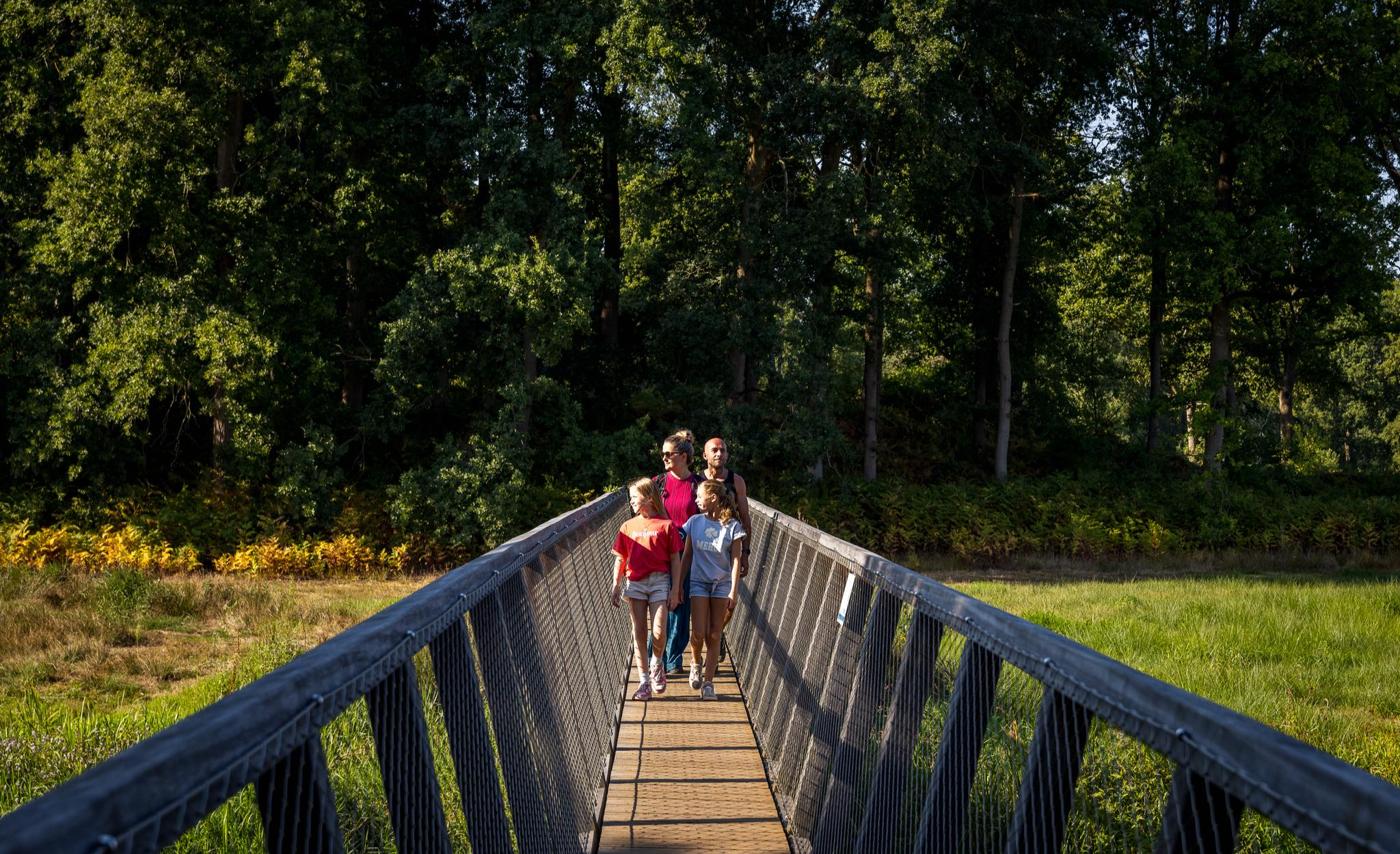
- The most popular attractions is Smugglers' route border crossing, a trail that features changing landscapes and historical information. This route includes a narrow bridge over the Strijbeekse Beek and a border post from 1843-1844.
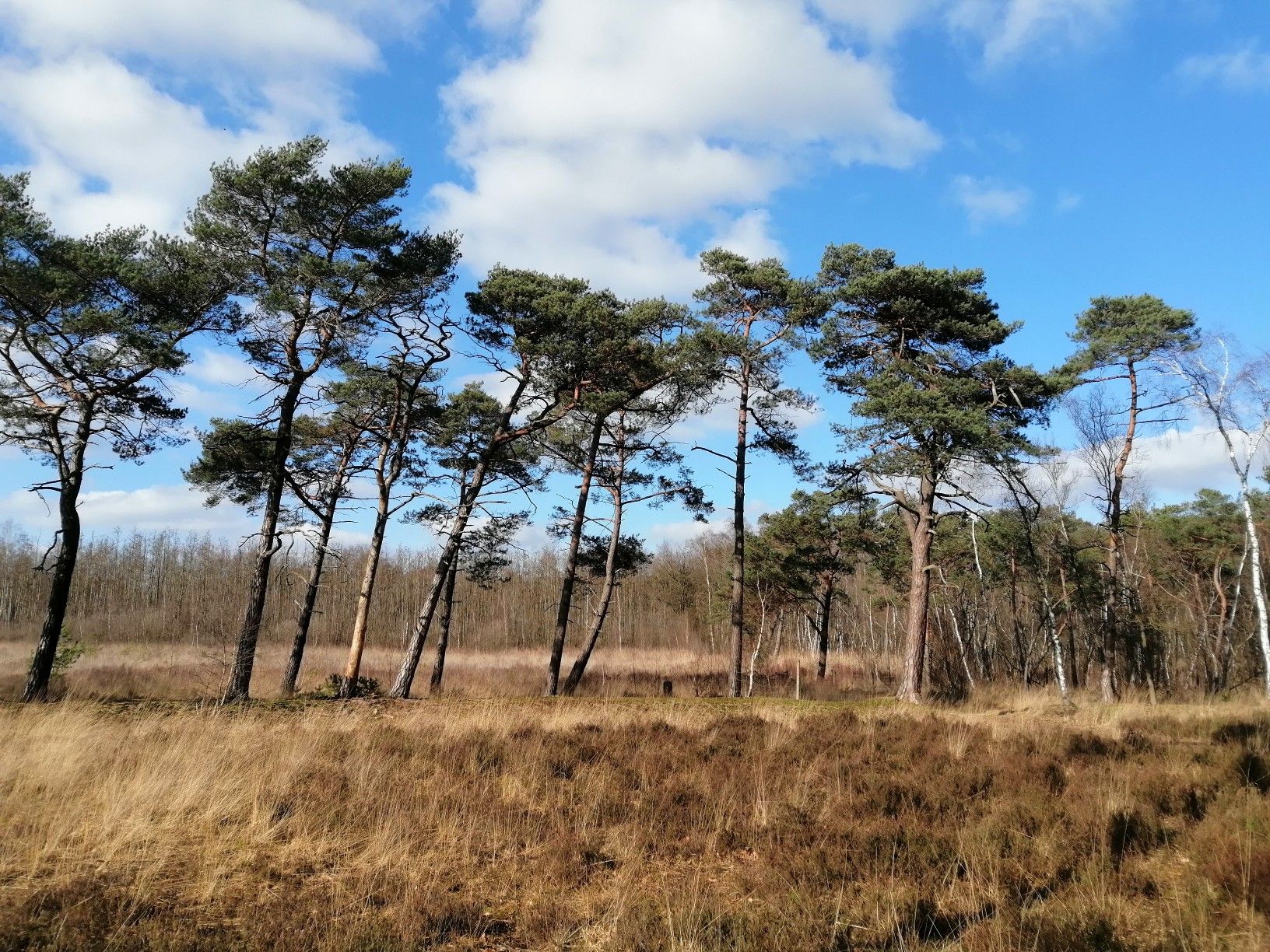
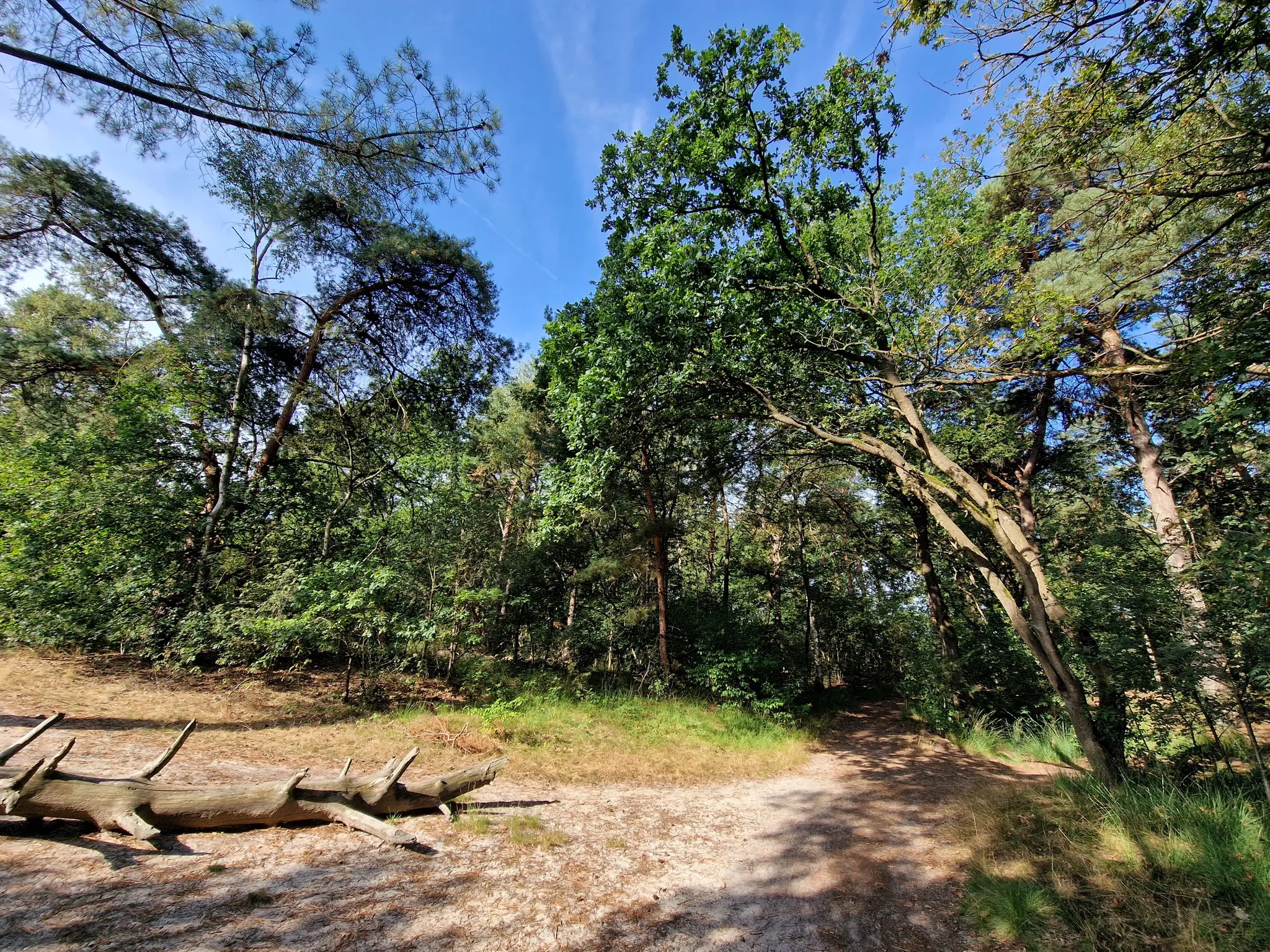
- Another must-see spot is Lovenhoek Nature Reserve, a forest with more than 145 hectares of diverse habitats. It contains valuable deciduous forests and remnants of heathlands, offering varied landscapes for exploration.
- Visitors also love Kapucienenberg Land Dunes, a natural monument featuring sandy hills formed after the last ice age. This landscape includes high, dry land dunes and low, wet stream valleys, with summer oaks, flying pines, and unique flora and fauna.
- Turnhout is known for its historical sites, natural reserves, and cultural attractions. The area offers a variety of places to see and explore, from medieval architecture to extensive heathlands and fens.
- The attractions around Turnhout are appreciated by the komoot community, with more than 900 upvotes and 118 photos shared across various highlights.
Last updated: October 9, 2026
Bailey Bridge over the Kempisch Canal
Highlight • Bridge
Translated by Google •
Tip by

Smugglers' route border crossing
Highlight (Segment) • Trail
You can split this walk into 8 km (smuggling path) and 4.5 km (red signage).
The signage is perfectly placed.
Personally, the smuggling path is the most beautiful and the red one less interesting.
For someone like me who goes hiking at least once a week, this one was one of the nicer hikes.
If you can, start with the smuggler, where the starting point of my walk was and (free) parking is provided
hetsmegglaartje.nl Goudbergseweg 8 Strijbeek
Highly recommended.
Translated by Google •
Tip by

Sign up now to discover places like this
Get recommendations on the best single tracks, peaks, & plenty of other exciting outdoor places.
Jagershof Bailey Bridge
Highlight • Bridge
Translated by Google •
Tip by

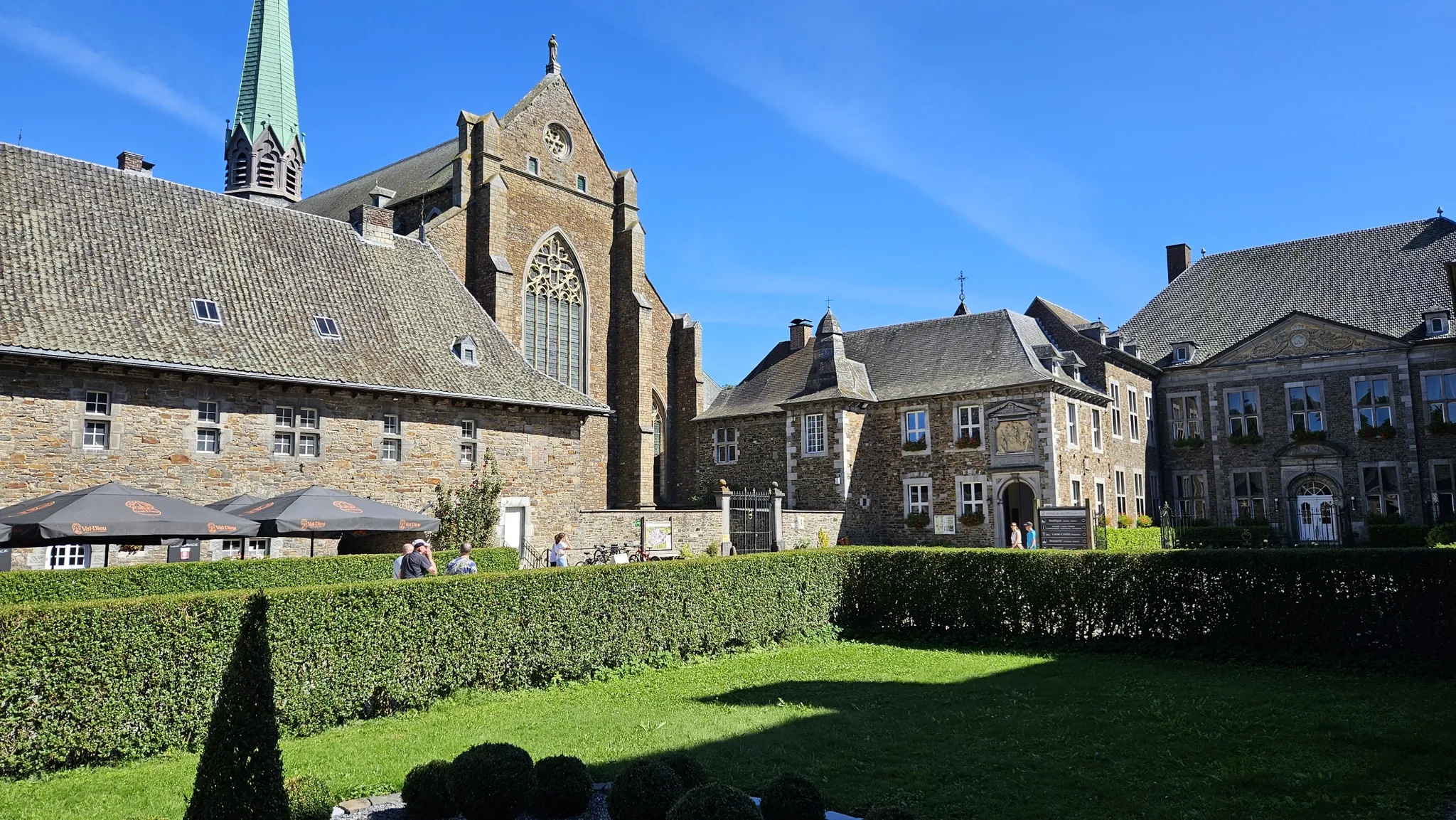
Postel Abbey
Highlight • Religious Site
Translated by Google •
Tip by

Lovenhoek Nature Reserve
Highlight • Forest
Translated by Google •
Tip by

The Zwart Water
Highlight • Lake
Translated by Google •
Tip by

SAS4 Observation Tower
Highlight • Viewpoint
Translated by Google •
Tip by

Beverlo Canal
Highlight • River
Translated by Google •
Tip by

Bridge over the Grote Nete (Het Trammetje), Westerlo
Highlight • Bridge
Translated by Google •
Tip by

Kapucienenberg Land Dunes
Highlight • Natural Monument
Translated by Google •
Tip by
Sign up for free to discover even more attractions around Turnhout.
Already have an account?
Start today with a free account
Your next adventure awaits.
Popular around Turnhout
From Flanders to the Ardennes — GR 5 in Belgium
Trappist abbeys cycle route – Between beers and heritage
Flanders’ Finest Hiking Routes
Weekend adventure over the border – A-Cross the 2
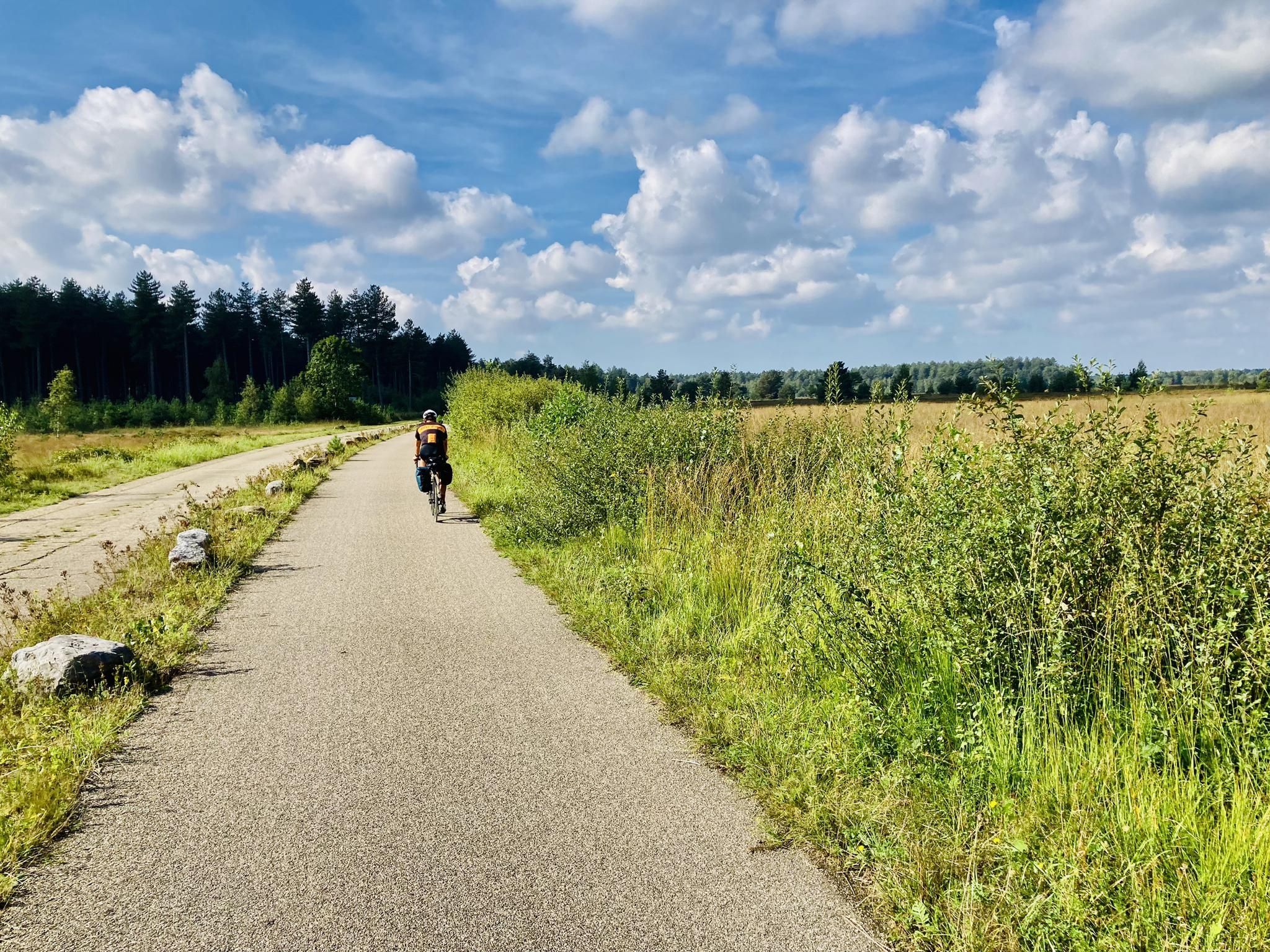
Explore the Kempen – a three-day cycling adventure on the Kempen Route
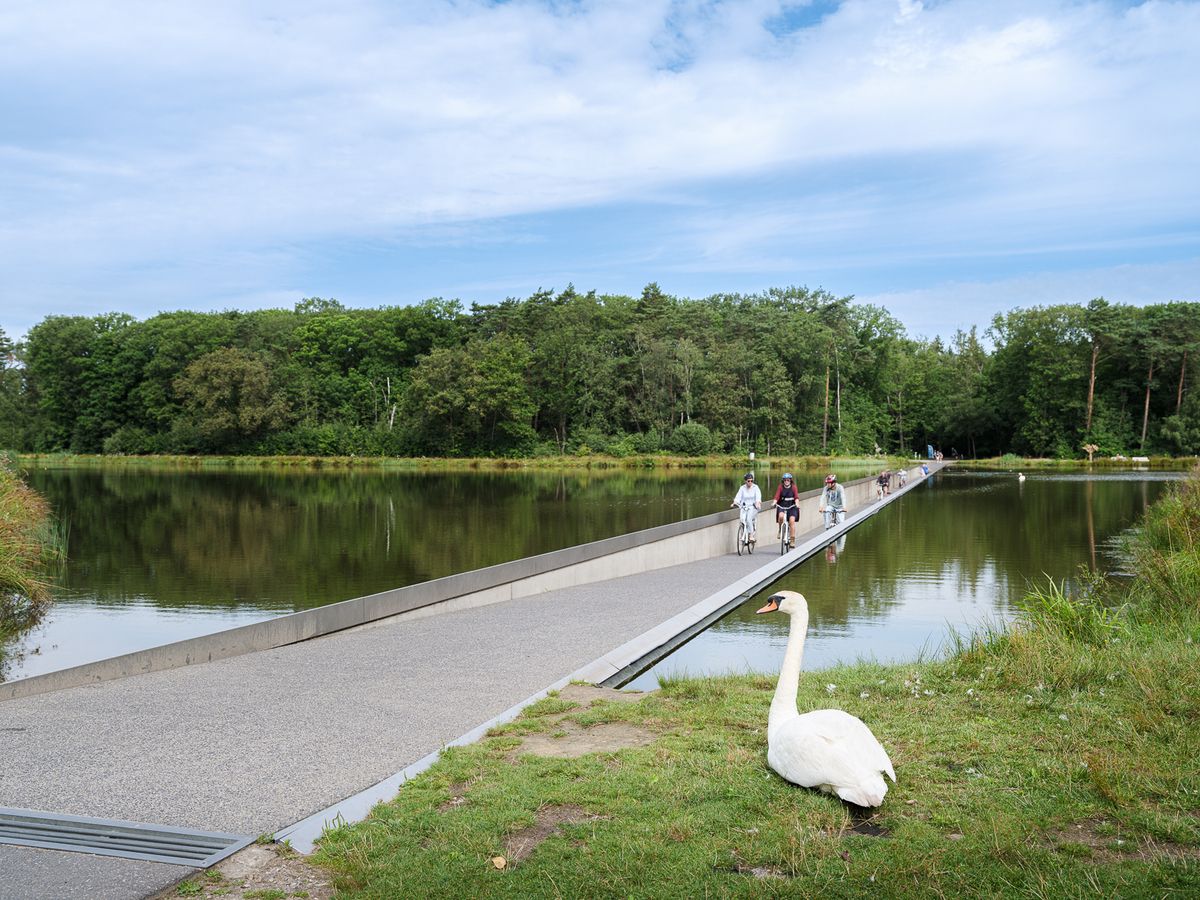
Flanders' Finest Cycle Routes: routes to discover Flemish nature and heritage
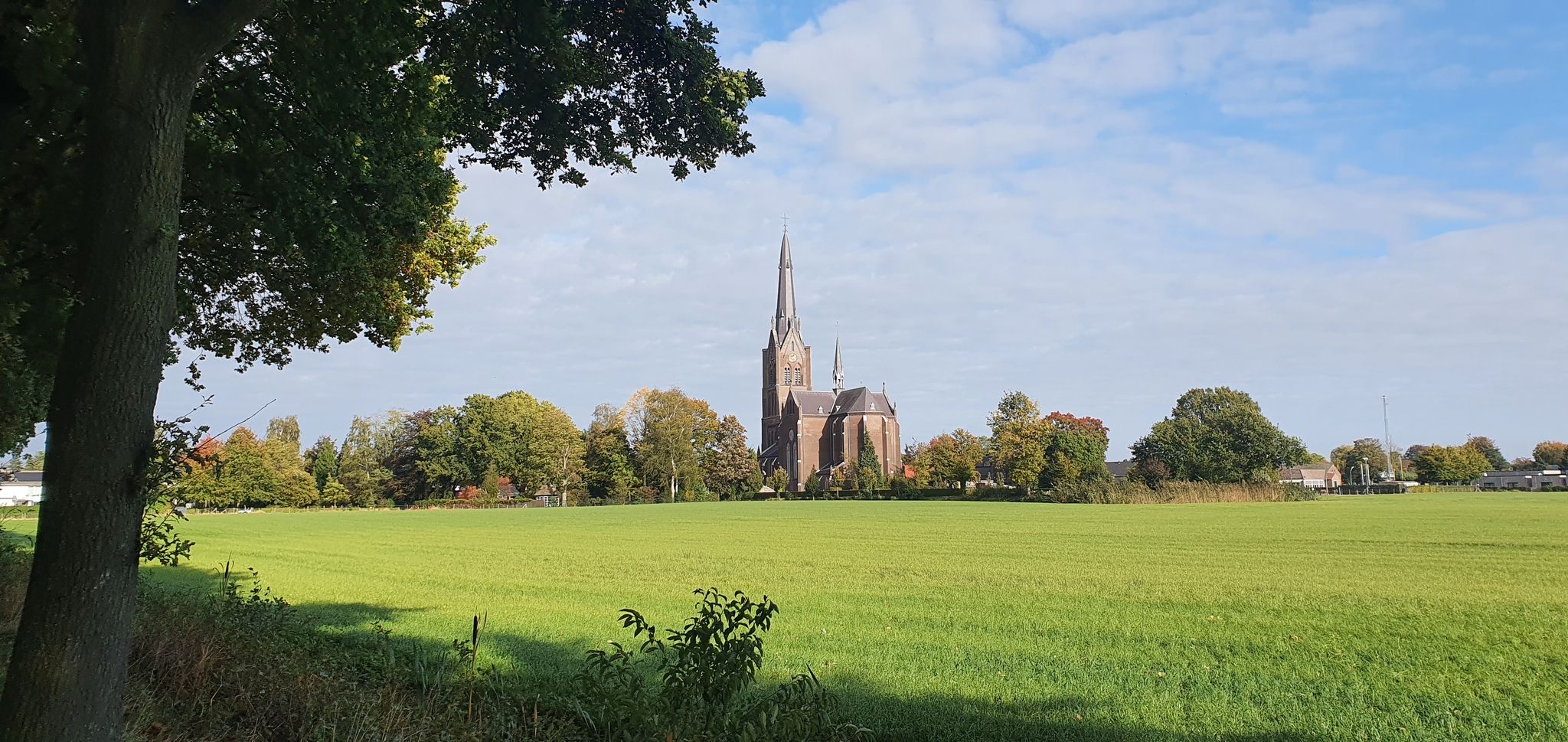
A pilgrimage through the Brabant landscape - Camino Brabant
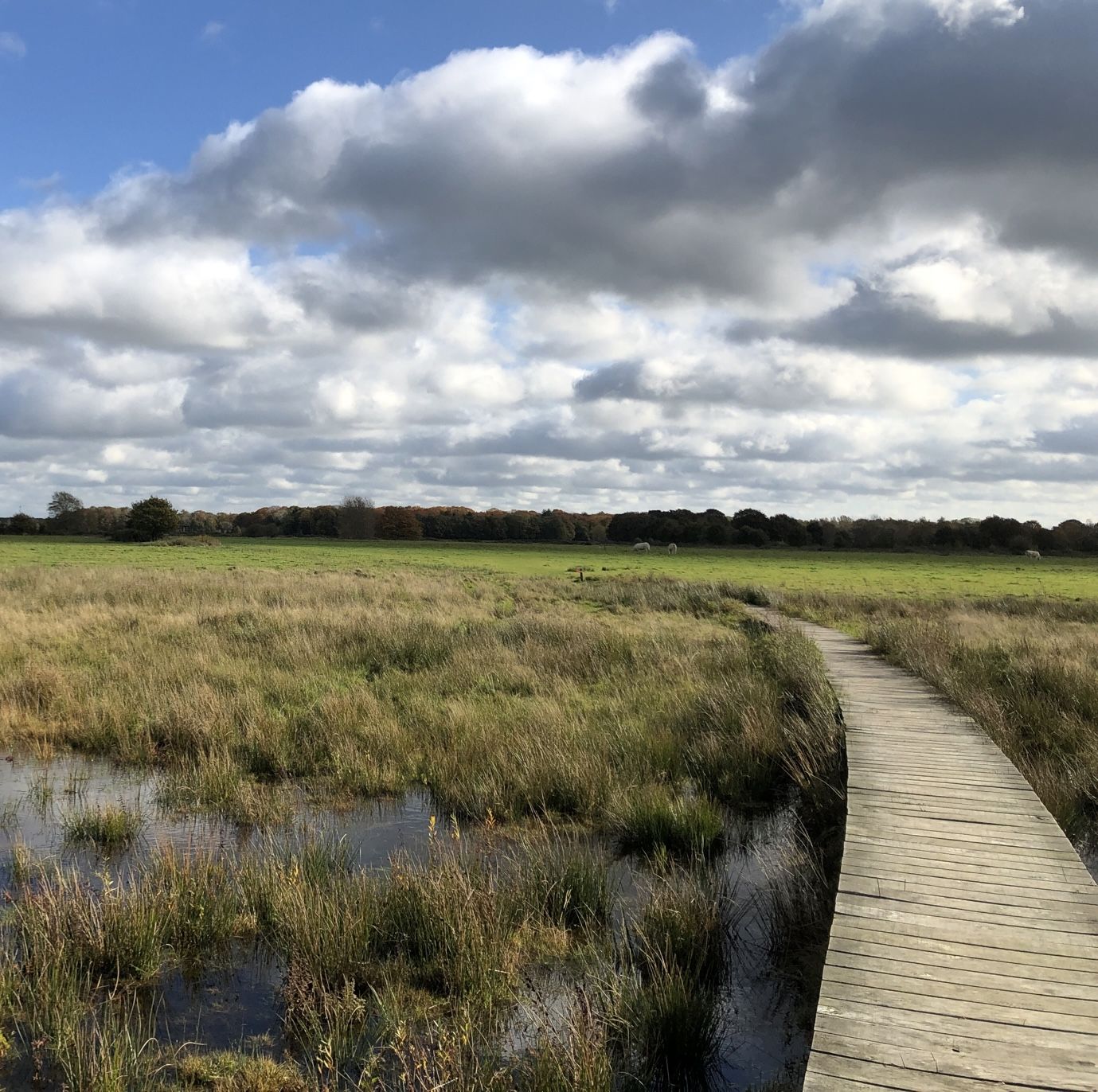
Bourgondisch Brabant - 20 tasty nature walks
Along the border between the Netherlands and Belgium – the Grenslandpad
Belgium's best – the most beautiful hiking routes in Flanders
Other adventures around Turnhout


Tips from the Community

The Bailey Bridge in Mol At the beginning of World War II, the bridges on the Kempen canals were blown up. With the liberation, the British built a temporary bridge in Mol, which still stands today. The bridge is a so-called Bailey bridge, named after its designer, R.C. Bailey. He developed this ingenious, modular bridge for military purposes. A Bailey bridge can be assembled without machinery, using only manpower. Such a bridge is actually only meant to be there for a short time, but in some places, such as in Mol, it remained. The pillars of the old bridge are still clearly visible.
0
0

A beautiful bridge over the Grote Nete river, not far from Merode Castle. You must cross the bridge to continue along the Grote Nete.
13
0


The Beverlo canal is so beautifully covered with water lilies along its edges.
0
0

The Canal to Beverlo is located in the province of Limburg and runs from the harbour basin at Leopoldsburg in a northerly direction to the Canal Bocholt-Herentals. The canal has a length of 14.8 kilometres and covers a total area of 21.6 hectares. Due to the absence of locks, the Canal to Beverlo can be freely accessed from the Canal Bocholt-Herentals. Banks, mostly natural and reinforced in some places. The canal runs through many nature reserves and there is little shipping.
5
0

The Sas'toren is a remnant of a historic lock complex that once played an important role in water management and shipping along the Nete in Duffel. The tower has both practical and symbolic value and is a reminder of Duffel's past as a waterway junction. Origin: The tower was built in the 16th or 17th century as part of a lock construction along the Nete. It was a crucial place for regulating water levels and supporting the local economy. Function: Lock operation: The tower was connected to locks that were used to regulate water levels, so that shipping and agriculture could be supported. Checkpoint: It was also a strategic place to collect tolls and monitor ships passing through the lock. Defensive function: In times of conflict, the tower offered protection and played a role in the defense of Duffel and the surrounding areas. Architecture Style: The Sas'toren is built of brick and has a robust and functional design that is typical for constructions with a water management function. Characteristics: Thick walls and narrow openings that made the tower defensible. A relatively simple but sustainable building style, focused on functionality. The Sas'toren Today Tourist value: The tower is a popular landmark for walkers, cyclists and history buffs exploring the region around the Nete. Heritage: It is a symbol of Duffel's industrial and maritime past and is part of the local heritage. Restoration: The tower has been restored over the years to preserve it as a historical monument and as a reminder of the time when waterways were the lifelines of Flanders.
2
0

bridge over the large Nete, over which the path between Westerlo and Bergom runs.
7
0

Really beautiful and exciting, the paths and walkways with their information boards are so beautifully laid out and explained that you feel like you've been transported back to the smuggling era.
2
0
Frequently Asked Questions
What unique natural landscapes can I explore around Turnhout?
The region offers diverse natural beauty. You can visit Lovenhoek Nature Reserve, a forest with over 145 hectares of varied habitats including deciduous forests and heathlands. Another highlight is the Kapucienenberg Land Dunes, featuring sandy hills formed after the last ice age, with unique flora and fauna. East of the city, Landschap De Liereman is one of Belgium's oldest protected nature reserves, showcasing heathland, coniferous forest, and fens. The Turnhouts Vennengebied also offers significant heathland with thousands of animal and plant species.
Are there good hiking opportunities near Turnhout?
Yes, Turnhout is surrounded by excellent hiking trails. You can explore routes like the 'Little Bridges Trail' or the 'Fens Trail'. For more options, including easy and moderate walks, check out the Hiking around Turnhout guide, which also features the 'Sleeping Giant Route' and 'Witte Netevallei Red Trail'.
What cycling routes are available in the Turnhout area?
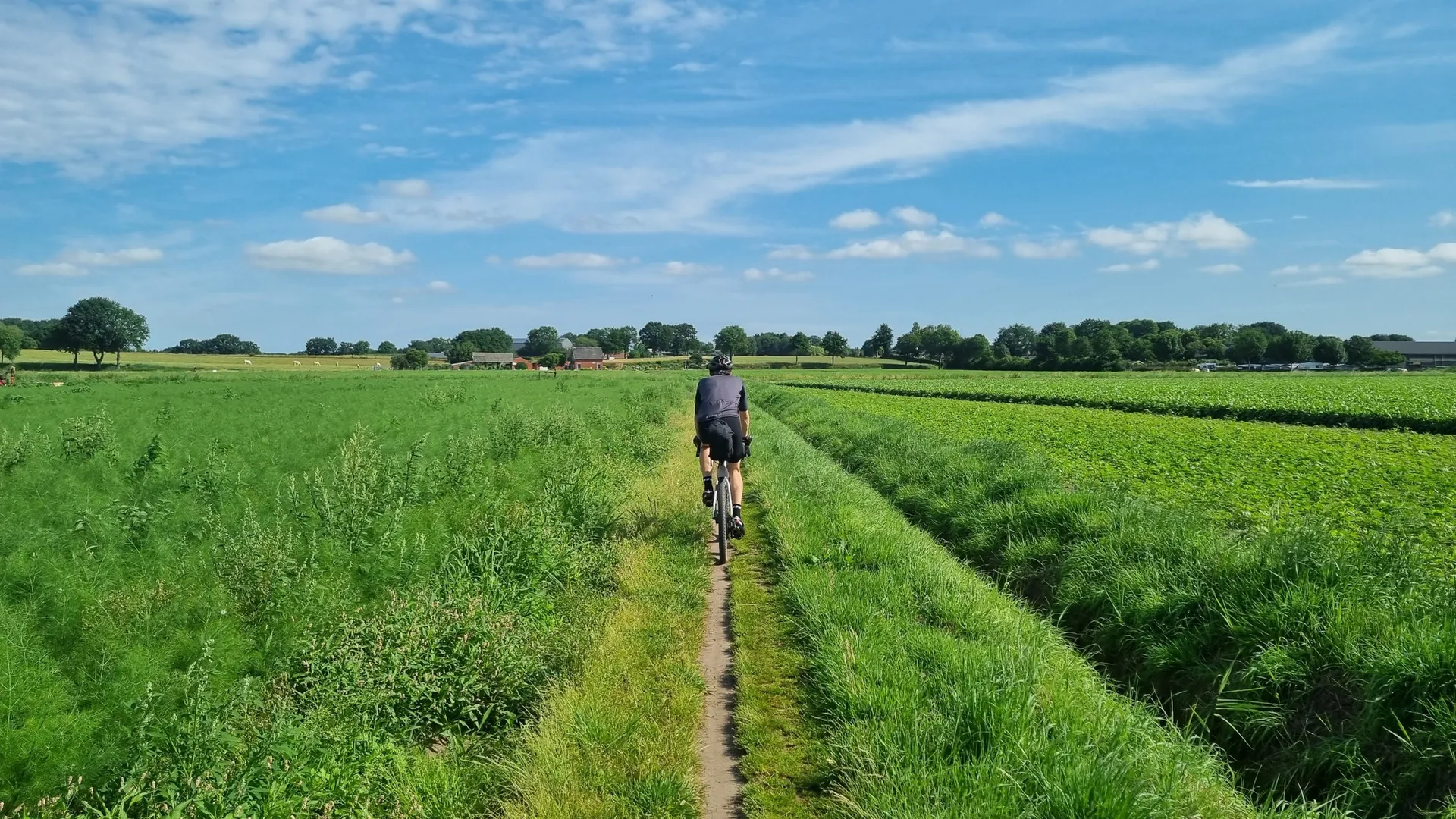
Cyclists can enjoy the scenic Smugglers' route border crossing, which offers changing landscapes and historical information. The 'Route Bels Lijntje' is a 37-kilometer cycling path following an old railway line north towards Tilburg. The Dessel-Schoten Canal also provides picturesque routes. For more cycling adventures, explore the guides for outdoor activities around Turnhout.
What historical sites should I visit in Turnhout?
Turnhout boasts a rich history. The Begijnhof Turnhout, a UNESCO World Heritage site, is a medieval community with a chapel and houses dating back to the 16th and 17th centuries. The Castle of the Dukes of Brabant, a moated castle from the 13th century, offers a glimpse into its luxurious past. You can also see the prominent Sint-Pieterskerk in the Grote Markt, with parts dating back to the 1100s, and the Stadhuis van Turnhout, a landmark embodying local pride.
Are there any unique museums in Turnhout?
Absolutely. Turnhout is home to the National Playing Card Museum, located in a 1926 factory building, which showcases the evolution and manufacture of playing cards. The Taxandria Museum, situated in a beautiful 16th-century townhouse, is the city's local history museum, featuring diverse collections related to the Kempen area, including pre-historic finds and lacemaking.
Can I see any interesting bridges or canals in the region?
Yes, the area features several notable bridges and canals. You can find the Bailey Bridge over the Kempisch Canal and the Jagershof Bailey Bridge. The Dessel-Schoten Canal is a picturesque waterway stretching 63 kilometers through the Kempen landscape, and the Beverlo Canal, originally built for military reasons, is now a beautiful spot for recreation.
Are there family-friendly attractions or activities in Turnhout?
Turnhout offers several family-friendly options. The Stadspark (City Park) is a great spot for relaxation, especially with a miniature train operating on weekends from April to October. The Kapucienenberg Land Dunes provide areas where children can play in the woods. Postel Abbey and The Zwart Water are also listed as family-friendly, offering natural beauty and historical interest.
What cultural experiences does Turnhout offer?
Turnhout is a vibrant cultural hub. The Cultuurhuis de Warande is a celebrated multidisciplinary cultural center hosting concerts, plays, art exhibitions, and children's entertainment. The city also hosts the MOOOV Film Festival, adding to its dynamic cultural calendar.
Where can I find unique natural features like dunes or fens?
For unique natural features, visit the Kapucienenberg Land Dunes, which are sandy hills formed after the last ice age, featuring summer oaks and flying pines. The Zwart Water is a unique fen with woods, gale thickets, and a floating platform for birds. The Turnhouts Vennengebied also offers extensive fens and heathlands.
Are there any nature reserves suitable for birdwatching?
Yes, the Zwart Water is an excellent spot for birdwatching, featuring a floating platform that birds use for resting and nesting. The Turnhouts Vennengebied, a significant heathland area, also provides opportunities for birdwatching from observation platforms due to its diverse ecosystem.
What do visitors particularly enjoy about the natural attractions?
Visitors appreciate the changing landscapes and peaceful atmosphere. For instance, the Lovenhoek Nature Reserve is praised for its surprisingly many different habitats. The Smugglers' route border crossing is noted for its beautiful 100% unpaved surface and historical information. The Zwart Water is loved for the sound of birds and the sky reflecting on the water, creating a serene experience.
Are there any wheelchair-accessible attractions?
Yes, Postel Abbey is listed as a wheelchair-accessible attraction, allowing visitors with mobility needs to explore this historical and religious site.
When is the best time to visit Turnhout for outdoor activities?
The spring and autumn months generally offer pleasant weather for outdoor activities, with milder temperatures and beautiful natural scenery. However, the Stadspark's miniature train operates from April to October, and many natural reserves like Landschap De Liereman and Turnhouts Vennengebied are enjoyable year-round, each season offering a different charm.
Most popular routes around Turnhout
Most popular attractions around Turnhout

Get inspired with the komoot mobile app


Didn’t find what you were looking for?
Are you keen on exploring more awesome places nearby? Browse our guides:
Explore more
Still not found the Highlight you’re looking for? See guides of the top attractions in other regions:
