The best cycling routes around Gingelom
4.2
(15)
225
riders
48
rides
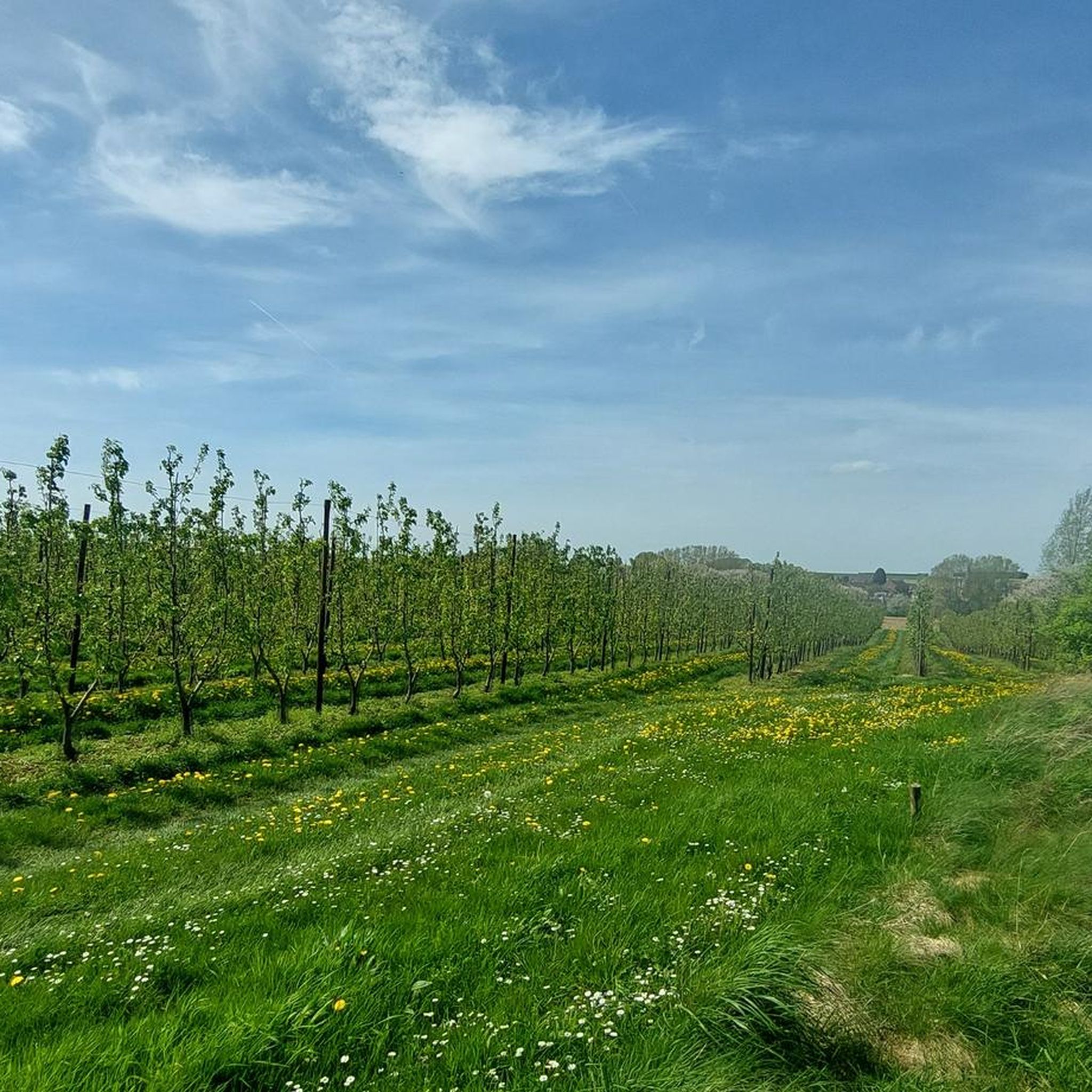
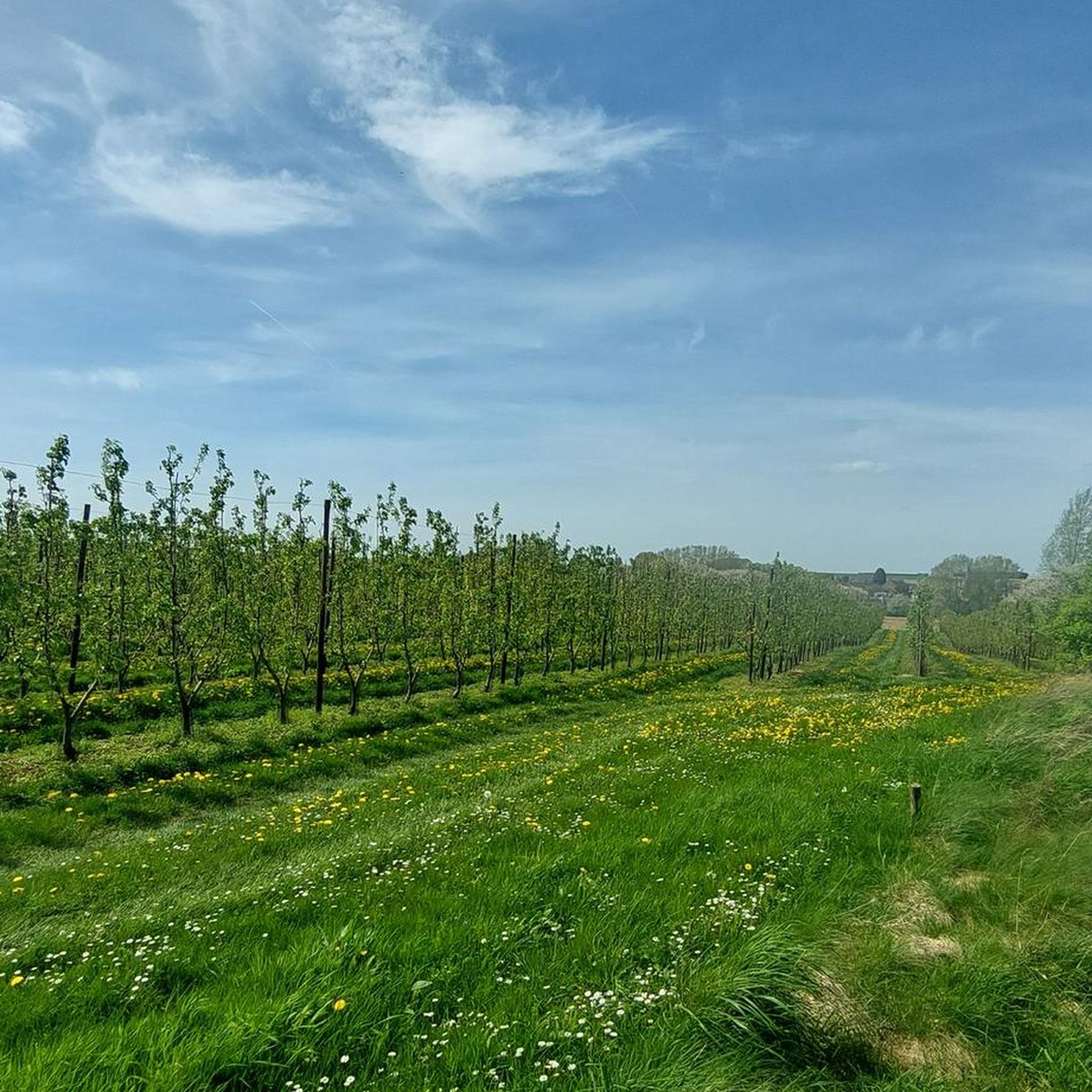
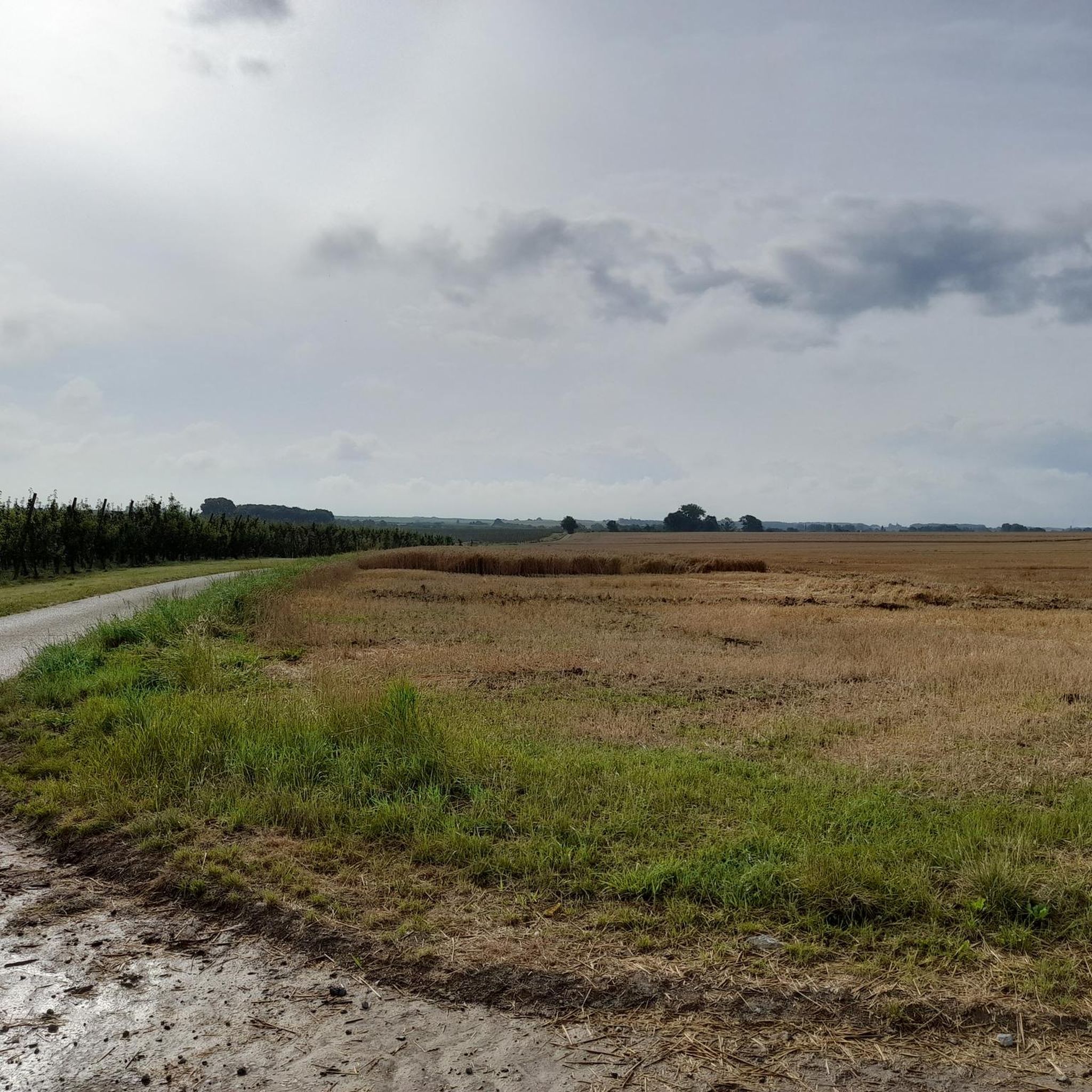
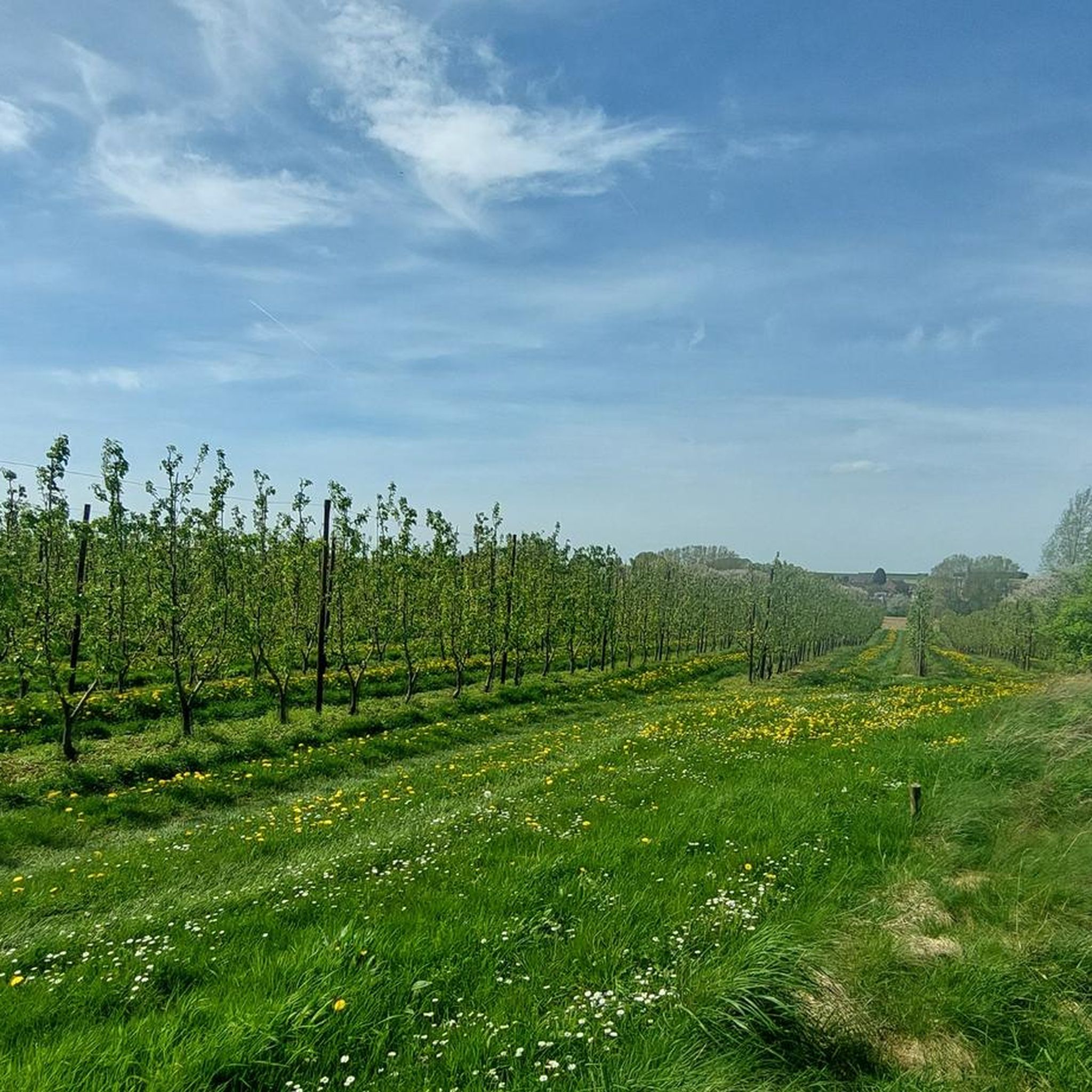
Touring cycling routes around Gingelom traverse the rolling fruit landscape of Haspengouw, characterized by extensive orchards and undulating fields. The region features quiet church villages and historical sites, including Gallo-Roman tumuli. These physical features provide varied terrain for cycling, with routes often passing through agricultural areas and past local landmarks. The landscape offers a mix of gentle gradients and some climbs, suitable for different cycling preferences.
Best touring cycling routes around Gingelom
- The most popular touring cycling route is Batsheers…
Last updated: June 21, 2026
4.0
(1)
33
riders
32.9km
01:56
200m
200m
Moderate bike ride. Good fitness required. Mostly paved surfaces. Suitable for all skill levels.
5.0
(2)
13
riders
20.7km
01:14
140m
140m
Easy bike ride. Great for any fitness level. Mostly paved surfaces. Suitable for all skill levels.

Sign up for free
5.0
(1)
14
riders
23.9km
01:25
150m
150m
Easy bike ride. Great for any fitness level. Mostly paved surfaces. Suitable for all skill levels.
15
riders
21.5km
01:19
130m
130m
Easy bike ride. Great for any fitness level. Mostly paved surfaces. Suitable for all skill levels.
14
riders
20.0km
01:11
130m
130m
Easy bike ride. Great for any fitness level. Mostly paved surfaces. Suitable for all skill levels.
Get access to more routes and recommendations from other explorers.
Sign up for free
Already have an account?
Our route recommendations are based on thousands of hikes, rides, and runs completed by other people on komoot.
Start today with a free account
Your next adventure awaits.
Login or Signup

Tips from the Community

Memorial to the 1965 plane crash when 4 Polish crew members lost their lives here.
1
0

The parish was formerly dependent on the parish of St. George in Jeuk. In 1124, the patronage rights and tithe rights were purchased by the St. John's Chapter in Liège. In 1850, the old Romanesque church was demolished to make way for the current structure. This is a neoclassical, brick, single-nave church with an integrated tower. The entrance portal has a pediment. Corner fascia boards and window frames were made of natural stone. The church is surrounded by a walled cemetery. Numerous 17th- and 18th-century grave crosses were built into the wall.
4
0

lovely break. worth it to eat and drink.
0
0

Neoclassical, brick building, built in 1850 (date on lintel above round-arched door), to replace a dilapidated, also single-nave church. Single-nave nave of three bays with round-arched windows; rectangular choir of two bays and built-in tower. Surrounded by a cemetery and cemetery wall in which a whole series of old 16th and 17th century grave crosses were built in. Furniture: Way of the Cross by J. Lecrenier (signed and dated 1863). Statue of the Risen Christ with Cross, polychrome terracotta (first half of the 19th century). Main altar (second half of the 18th century?); side altars (mid-19th century); cast-iron service altar (mid-19th century). Two confessionals, pulpit, pews (19th century). Baptismal font: pedestal (15th century), cut (circa 1700). The organ is one of the many instruments that Fr. Loret (Mechelen) made and was installed in 1864. It has one keyboard and ten registers. The instrumental part is quite serial in design, but the organ case is a beautiful and original piece of furniture, classical in structure. Inventory of Immovable Heritage: Parish Church of the Holy Cross, https://id.erfgoed.net/erfgoedobjecten/21743
3
0

top location to relax, have a refreshing drink and let the kids play
0
0
Church with Romanesque tower from the 13th century, built of quartzite stone at the bottom and marlstone at the top.
1
0

Church, a little parking around, not much. Start walk with information board.
3
1

These burial mounds date from the 2nd century AD. On this site there is a walking path between or around the tumuli. There are seats and picnic benches to rest and enjoy the landscape. At the Drie Tommen the emphasis is on the archaeological finds that were excavated there in 1862.
9
0
Frequently Asked Questions
How many touring cycling routes are available in Gingelom?
There are over 45 touring cycling routes around Gingelom, offering a variety of options for different skill levels and preferences. The komoot community has explored these routes more than 200 times.
What makes touring cycling in Gingelom unique?
Gingelom is nestled in the rolling fruit landscape of Haspengouw, characterized by extensive orchards and undulating fields. Cyclists can enjoy serene routes through these picturesque areas, especially beautiful during blossom season. The region also features quiet church villages and historical sites, including Gallo-Roman tumuli, adding a cultural dimension to your ride.
What is the best time of year to go touring cycling in Gingelom?
The region is particularly stunning during blossom season, typically in spring, when the extensive orchards are in full bloom. This offers a unique and picturesque backdrop for your touring cycling adventures.
Are there circular touring cycling routes in Gingelom?
Yes, many of the touring cycling routes in Gingelom are designed as loops, allowing you to start and end your journey in the same location. For example, the Batsheers Church – Flowering Orchard loop from Muizen and the St. Martin's Church – Drie Tommen loop from Vorsen are popular circular options.
Are there easy touring cycling routes suitable for beginners or families?
Yes, Gingelom offers several easy touring cycling routes. The Drie Tommen – Gallo-Roman Tumuli loop from Borlo is an easy 14.8-mile (23.8 km) route that takes you past historical sites. Another easy option is the Haspengouw Sign – Bloesembar loop from Muizen, which is 12.4 miles (19.9 km) long.
What kind of historical sites or attractions can I see along the touring cycling routes?
The rural landscape of Gingelom is rich in history. You can cycle past no fewer than six Gallo-Roman tumuli, ancient burial mounds that offer a glimpse into the past. Routes also lead through charming church villages and past traditional square farms. Nearby attractions include the Floating Chapel of Helshoven and various castles like Heks Castle.
Are there more challenging touring cycling routes in Gingelom?
For experienced touring cyclists looking for a challenge, Gingelom has routes with more significant elevation changes. The Tombos Estate – Sint-Pieterskerk Boekhout loop from Gingelom is a difficult 18.9-mile (30.4 km) path that explores local estates and historical church sites within the rolling landscape.
What do other touring cyclists enjoy the most about touring cycling in Gingelom?
The touring cycling routes in Gingelom are highly rated by the komoot community, with an average score of 4.4 stars. Reviewers often praise the scenic views through flowering orchards, the quiet church villages, and the historical sites like the Gallo-Roman tumuli that can be explored along the way.
Can I find places to eat or drink along the cycling routes?
While specific cafes are not listed for every route, cycling routes in Gingelom often lead through quiet church villages and past traditional farms. These areas typically offer opportunities to find local establishments for refreshments. The region's focus on fruit orchards also means you might find local produce or related products.
Is there public transport available to reach the cycling routes in Gingelom?
Gingelom is well-integrated into the broader Limburg region. While specific public transport connections to individual trailheads are not detailed, you can research local bus or train services that connect to Gingelom and surrounding villages. From there, you can often cycle directly to the start of many routes.
Are there specific viewpoints or scenic spots along the routes?
The entire Haspengouw region, with its rolling fruit landscape and undulating fields, offers impressive panoramas. Routes often pass through high-stem orchards, which provide beautiful vistas, especially during blossom season. The visual relationship between these orchards and local churches also adds to the aesthetic appeal of many routes.
Where can I find more information about the Haspengouw region and its cycling opportunities?
For more general information about the Haspengouw region and its cycling infrastructure, you can visit the official tourism website for Limburg: visitlimburg.be. This resource can provide additional context on the area's natural beauty and attractions.
Most popular attractions around Gingelom

Get inspired with the komoot mobile app


Explore more
Browse the best Cycling routes in other regions.
