The best road cycling routes around Celles
4.2
(362)
20,848
riders
12
rides
Road cycling around Celles offers diverse landscapes with well-maintained routes. The region features picturesque views along canals, such as the Kortrijk–Bossuit Canal, and alongside rivers like the Scheldt River Path. Cyclists can experience varied topography, ranging from flatter terrains through expansive fields to routes with considerable ascents. Many routes benefit from mostly well-paved surfaces, ensuring a smooth experience.
Best road cycling routes around Celles
- The most popular road cycling route is View of the Fields – Kortrijk–Bossuit Canal loop from…
Last updated: July 3, 2026
30
riders
39.9km
01:34
130m
130m
Easy road ride. Great for any fitness level. Mostly well-paved surfaces and easy to ride.
6
riders
57.6km
02:51
730m
730m
Moderate road ride. Good fitness required. Mostly well-paved surfaces and easy to ride.

Sign up for free
6
riders
37.5km
01:42
140m
140m
Moderate road ride. Great for any fitness level. Some segments of this route may be unpaved and difficult to ride.
4
riders
36.4km
02:02
250m
250m
Moderate road ride. Good fitness required. Some segments of this route may be unpaved and difficult to ride.
4.0
(1)
3
riders
Easy road ride. Great for any fitness level. Mostly well-paved surfaces and easy to ride.
Get access to more routes and recommendations from other explorers.
Sign up for free
Already have an account?
Our route recommendations are based on thousands of hikes, rides, and runs completed by other people on komoot.
Start today with a free account
Your next adventure awaits.
Login or Signup

Tips from the Community

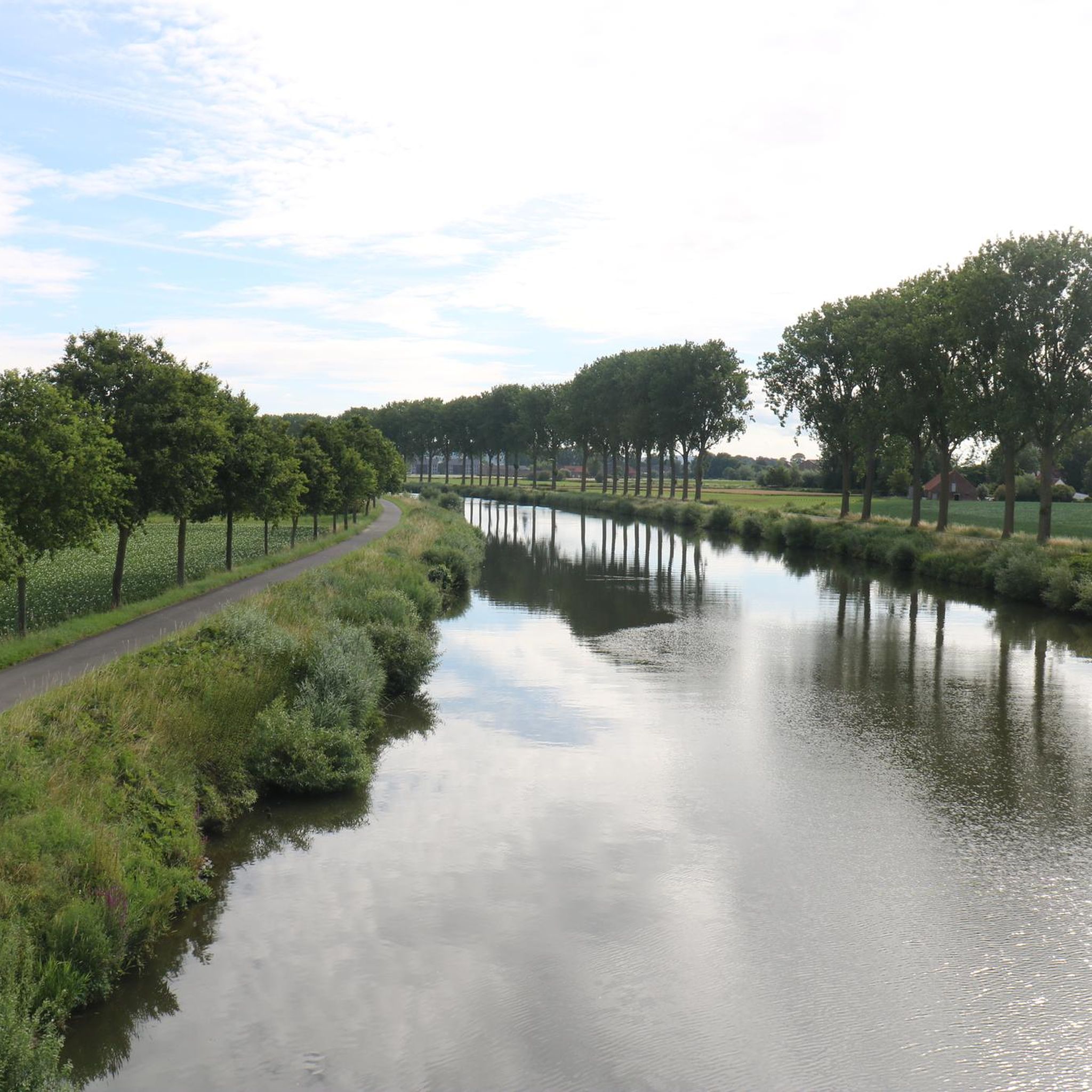
Due to a breach in the wall near Ellestraat (approximately halfway along the canal), the canal completely emptied in 1959. The damage was later linked to the digging work of muskrats. (Wikipedia)
6
0
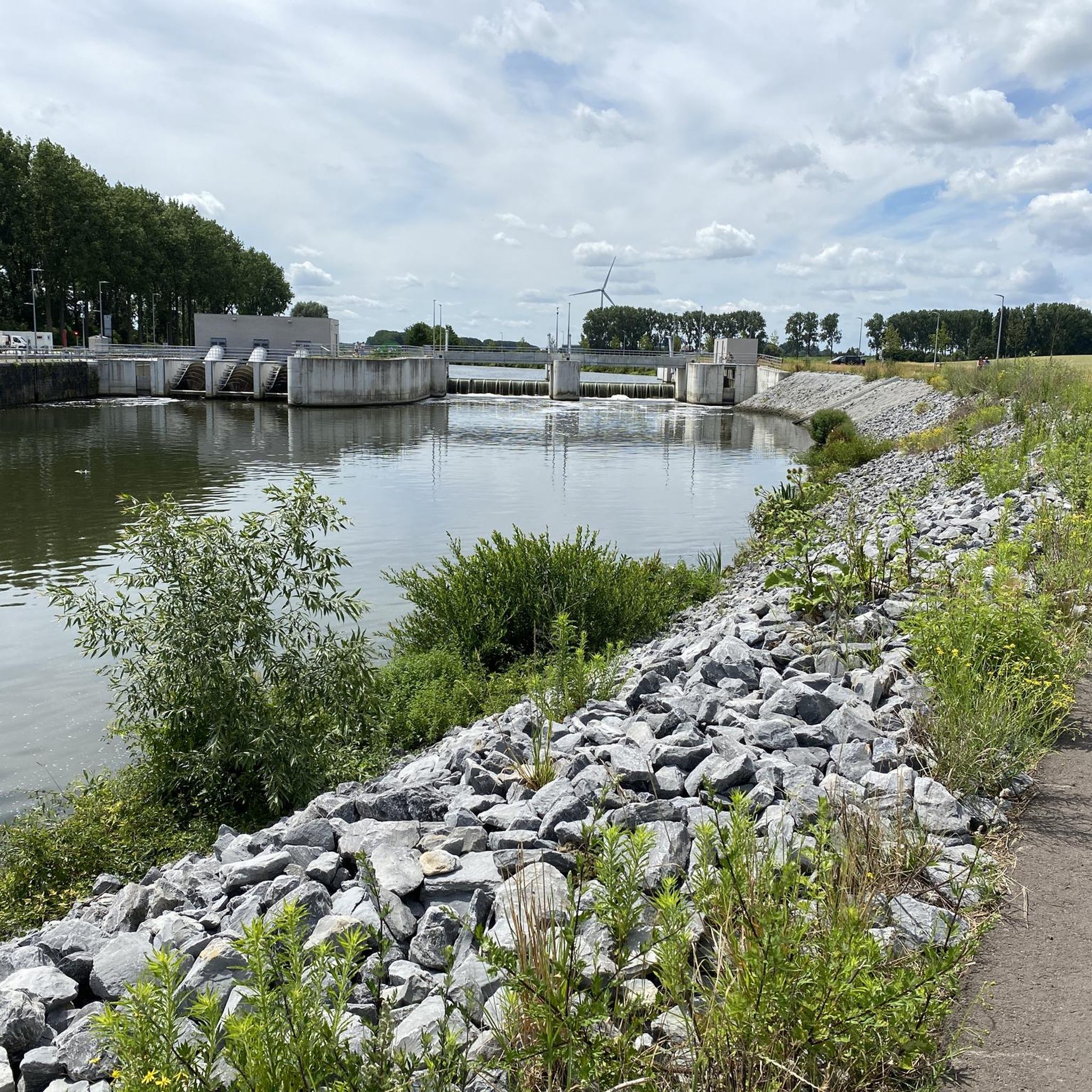
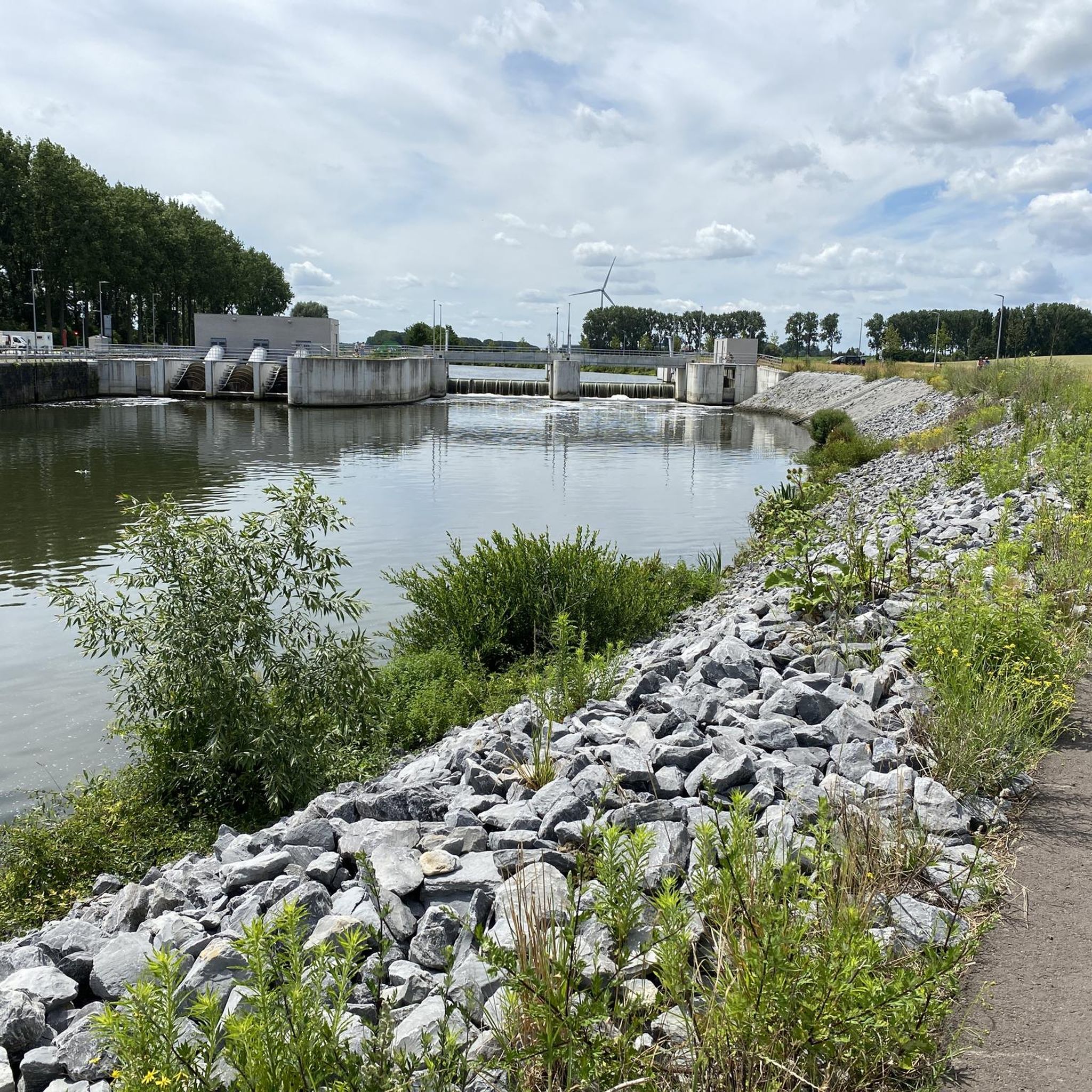
A practical and smooth connection for cyclists and pedestrians between Flanders and Wallonia.
6
0

The Kwaremont was for a very long time a climb included in the Tour of Flanders. Back then it was still a cobbled climb. Once this climb was covered with asphalt, it disappeared from the Tour of Flanders. Then they discovered the Oude Kwaremont, which runs parallel to the new Kwaremont.
0
0

Tradition has it that the first church was built here around 650, consecrated by Saint Eloi himself. The first church in Helkijn was supposedly served by the monks of St. Martin's Abbey in Tournai. The patronage of the parish church belonged to the Bishop of Tournai, who was also the feudal lord and partial owner of the Lordship of Helkijn. The oldest verifiable church building dates from 1200. Archaeologists discovered the remains of a single-nave Romanesque structure made of Tournai stone in the substructure of the current St. John's Church. Due to its strategic location on the border between the County of Flanders and the French-aligned Tournai, Helkijn repeatedly played an important military role. Consequently, the church was destroyed many times. During the Nine Years' War between France and Austria (1688-1697), the church treasures were plundered, and in 1694, French troops burned the building to the ground. Thanks to a special subsidy from the Sun King (Louis XIV), likely due to the warm welcome he received at La Folie (see Maes farm), the church's reconstruction was completed in 1705. The brick bell tower was added to the complex in 1716. During the French Revolution, the church was closed and its contents sold at public auction. The church was destroyed again during the First World War. In 1990, the interior was completely restored with the support of the municipality, the diocese, and the King Baudouin Foundation. The interior is now the result of a compromise between contemporary elements, differentiated white walls, a soft blue choir canopy, and original 18th-century Baroque style. Church Treasures: A remarkable silver dish made in Bruges at the end of the 17th century; a stylish silver ceremonial staff, topped with a silver statuette depicting Saint John the Baptist. The patron saint of the church, Saint John the Baptist, is invoked against "vreze" (bad dreams) and is celebrated on June 24th. Source: www.spiere-helkijn.be
2
0
This is truly a very special place: the ruins of the Sint-Amelberga Church in Bossuit, transformed into a publicly accessible work of art. It was the British artist Ellen Harvey, living in New York, who designed this work, entitled "Repeat." The art church is a new meeting place for residents and visitors, preserving the sacred and ritual significance of the church site. The church in Bossuit has existed since the 10th century, originally as a two-aisled Romanesque church. In the 19th century, architect Pierre Nicolas Croquison drew up the plans for the new three-aisled hall church in the Neo-Gothic style. Construction began in 1857, and the church was officially consecrated nine years later. The church was partially destroyed during the First World War and then rebuilt. When the Sint-Amelberga Church was declared dilapidated in 2007, the municipal council of Avelgem began searching for a new purpose. They viewed the church not as a standalone building, but as part of a larger whole: the village of Bossuit. In the village plan for its development into an attractive and livable village, the church had to maintain its key role in the village life. The official opening of the artwork 'Repeat' took place on July 13, 2014. The art church is open daily and admission is free. The art church can be used as a venue for events. Source: information board on site
3
0
The building that now houses the tourist information office of the West Flanders Leie Region Tourist Office and The Spirits Valley distillery was originally a pumping station on the Kortrijk-Bossuit Canal. Some background: Due to industrialization in the 19th century, a shorter route was needed to quickly connect the industries of Northern France and Hainaut with the North Sea. The construction of a canal between the Scheldt and the Lys seemed the best solution. The Bossuit-Kortrijk Canal was dug by hand, as excavators did not yet exist in 1857. For more than three years, more than 1,100 workers worked every day to excavate the canal with shovels. The subsoil consisted primarily of clay, which certainly did not make the work any easier. This clay was used to make bricks in the kilns alongside the canal. These bricks were used to build, among other things, 15 lock-keepers' houses. Because the Canal is higher than the Scheldt and the Leie, a height difference had to be bridged. This required the construction of 11 locks, a basement (a 600-meter underground tunnel), and a pumping station. The Pump House in Bossuit pumped the necessary water from the Scheldt to feed the Canal. The water was transported through pipes from Bossuit to Moen. From Moen, the water then flowed back to the Scheldt. Due to increasing shipping, it became necessary to widen the canal around 1970. The pumps in the Old Pump House were no longer powerful enough to supply the widened canal, so a new and modern pumping station was built near the old one. The Old Pump House lost its function and gradually fell into disrepair. In 1992, the municipality of Avelgem purchased this building. It was renovated to launch a tourist and recreational project, which proved very successful. The old pumps are still visible in their original locations and are a hallmark of the West Flemish Scheldt region. Source: pompgebouwbossuit.weebly.com
2
0
Between 1857 and 1860, the old Bossuit-Kortrijk canal was dug using spades and wheelbarrows, as well as horse and cart. After the construction of the new canal in the early 1970s, this old section of the canal remained in place. As a result, an ideal spawning ground was created here. Fish find few suitable opportunities to spawn and lay their eggs. They do this on aquatic and riparian plants, which are present in limited numbers in the canal. Species such as rudd and pike require plants to complete their reproduction. The creation of fish spawning grounds gives the fish population a "natural" boost. However, it is not only fish that benefit from this nature development zone. Dragonflies, amphibians, waterfowl, and breeding birds also find an ideal habitat there. Source: information board on site
4
0
The Kortrijk-Bossuit Canal was built between 1858 and 1860 to connect the Leie and Scheldt rivers, primarily to transport coal from the Borinage to Flanders.
4
0
Frequently Asked Questions
How many road cycling routes are available around Celles?
There are over 490 road cycling routes around Celles, offering a wide variety of options for cyclists of all levels.
What are the different difficulty levels for road cycling in Celles?
Celles offers a diverse range of routes. You'll find over 120 easy routes, more than 330 moderate routes, and around 30 challenging routes for experienced cyclists. This variety ensures options for every fitness level, from leisurely rides to demanding ascents.
Are there family-friendly road cycling routes in Celles?
Yes, Celles has numerous easy routes suitable for families. These often feature well-paved surfaces and flatter terrains, such as those found along canals and rivers. An example is the View of Kwaremont Church – Kwaremont loop from Avelgem, which is an easy 17.6-mile path.
Can I find circular road cycling routes in Celles?
Many of the road cycling routes in Celles are designed as loops, allowing you to start and end at the same point. For instance, the View of the Fields – Kortrijk–Bossuit Canal loop from Avelgem is a popular circular route.
What kind of landscapes can I expect to see while road cycling in Celles?
Road cycling in Celles offers diverse landscapes. You'll experience picturesque views along waterways like the Kortrijk–Bossuit Canal and the Scheldt River Path, cycle through expansive fields, and encounter varied topography ranging from flat sections to routes with considerable ascents.
Are there any interesting landmarks or attractions along the road cycling routes?
Yes, the region around Celles features several interesting landmarks. You can explore historical sites and castles such as De Ghellinck Estate or Beukenhof Castle. Some routes also pass by scenic natural features like the Saint Arnoldus Park or the Old Scheldt Meander Rugge-Avelgem.
What do other road cyclists enjoy most about road cycling in Celles?
The komoot community highly rates road cycling in Celles, with an average score of 4.2 stars from over 300 reviews. Cyclists often praise the diverse landscapes, well-maintained routes, and the mix of terrains, from tranquil canal paths to challenging climbs.
Are there routes with significant elevation gains for more challenging rides?
Yes, while Celles offers many flatter routes, there are also options with considerable ascents for those seeking a challenge. The region's varied topography allows for demanding rides with significant elevation gains, requiring good to very good fitness.
Are there viewpoints along the road cycling routes in Celles?
Many routes offer scenic views. For example, the View of the Fields – Kortrijk–Bossuit Canal loop from Avelgem provides picturesque vistas of the surrounding fields and waterways. Another route, the View of Kwaremont Church – Kwaremont loop from Avelgem, includes scenic views of the Kwaremont Church.
What is the best time of year for road cycling in Celles?
Celles is generally enjoyable for road cycling during most of the year, with spring and autumn offering pleasant temperatures and beautiful scenery. Summer provides longer daylight hours, while winter cycling is possible but may require checking local weather conditions for optimal comfort.
Are there cafes or refreshment stops along the road cycling routes?
While specific cafes are not listed for every route, the Celles region is well-developed for tourism. Many routes pass through or near villages and towns where you can typically find opportunities for refreshments and breaks.
Is parking available near the road cycling routes in Celles?
Yes, parking is generally available in the towns and villages that serve as starting points for many routes, such as Avelgem, Outrijve, or Celles itself. It's advisable to check specific starting locations for designated parking areas.
Can I access road cycling routes in Celles using public transport?
The Celles region has public transport options that can help you reach various starting points for road cycling routes. Depending on your exact starting location, local bus services or regional train connections might be available. It's recommended to check local transport schedules for the most convenient access.
Most popular attractions around Celles

Get inspired with the komoot mobile app


Explore more
Browse the best Road cycling routes in other regions.
