The best walks and hikes around Vetschau/Spreewald
4.4
(8540)
33,618
hikers
88
hikes
Hiking trails Vetschau/Spreewald with parking often lead through the unique Spreewald biosphere reserve, characterized by a flat, low-lying landscape with an extensive network of natural waterways and canals. The region features dense forests, meadows, and traditional villages, offering a tranquil environment for outdoor activities. Elevation changes are minimal, making many routes accessible.
Best hiking trails around Vetschau/Spreewald
- The most popular hiking route is Glacial Erratic – Lake Gräbendorf loop from Laasow - Łaz, a 5.9 miles (9.6 km) trail…
Last updated: October 14, 2026
4.7
(27)
110
hikers
Easy hike. Great for any fitness level. Easily-accessible paths. Suitable for all skill levels.
4.5
(48)
170
hikers
25.5km
06:28
60m
60m
Hard hike. Very good fitness required. Easily-accessible paths. Suitable for all skill levels.

4.7
(9)
77
hikers
Easy hike. Great for any fitness level. Easily-accessible paths. Suitable for all skill levels.
4.7
(18)
49
hikers
Moderate hike. Good fitness required. Easily-accessible paths. Suitable for all skill levels.
4.3
(8)
33
hikers
Moderate hike. Good fitness required. Easily-accessible paths. Suitable for all skill levels.
Get access to more routes and recommendations from other explorers.
Already have an account?
Our route recommendations are based on thousands of hikes, rides, and runs completed by other people on komoot.
Start today with a free account
Your next adventure awaits.
Popular around Vetschau/Spreewald
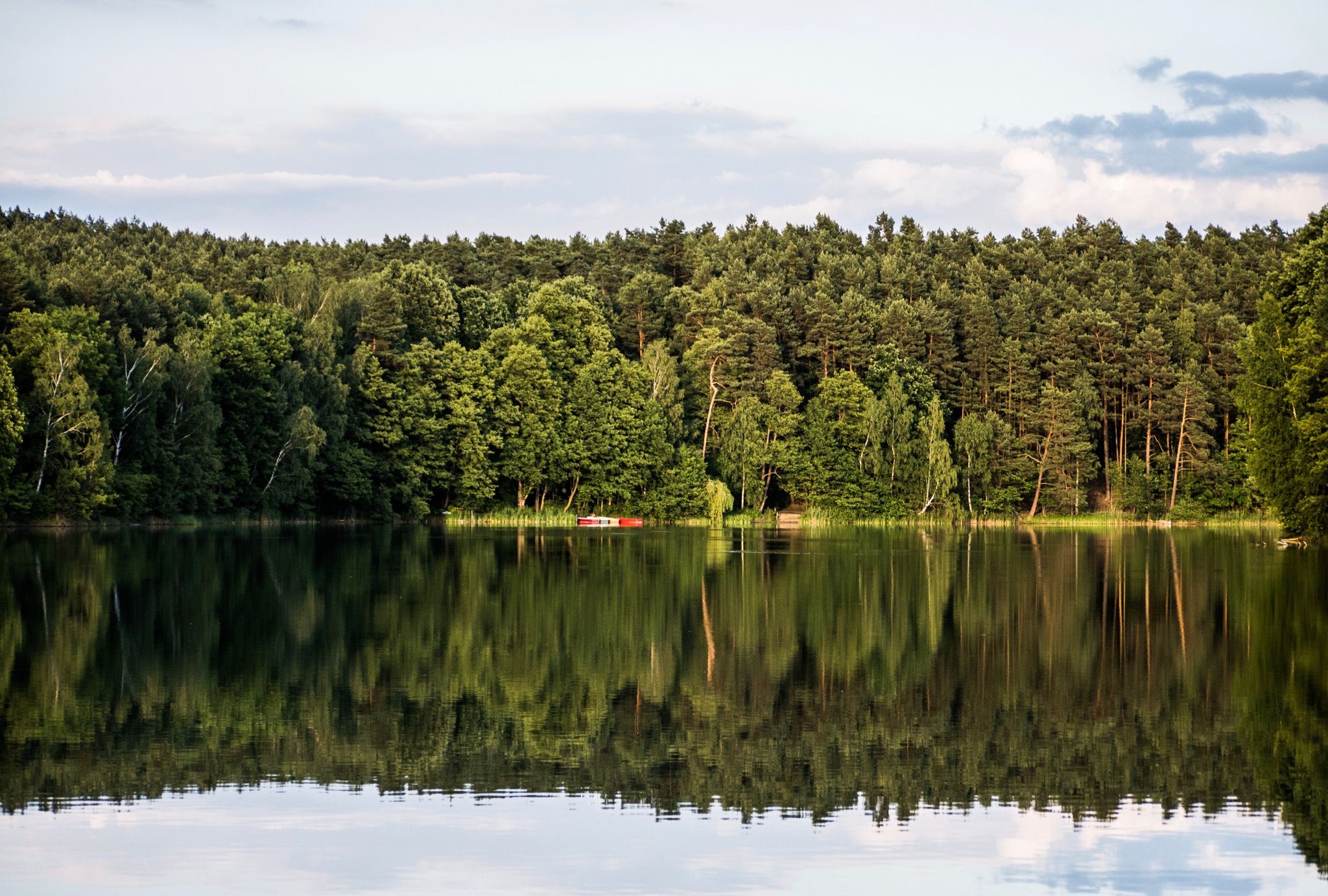
The treasures of Lower Lusatia
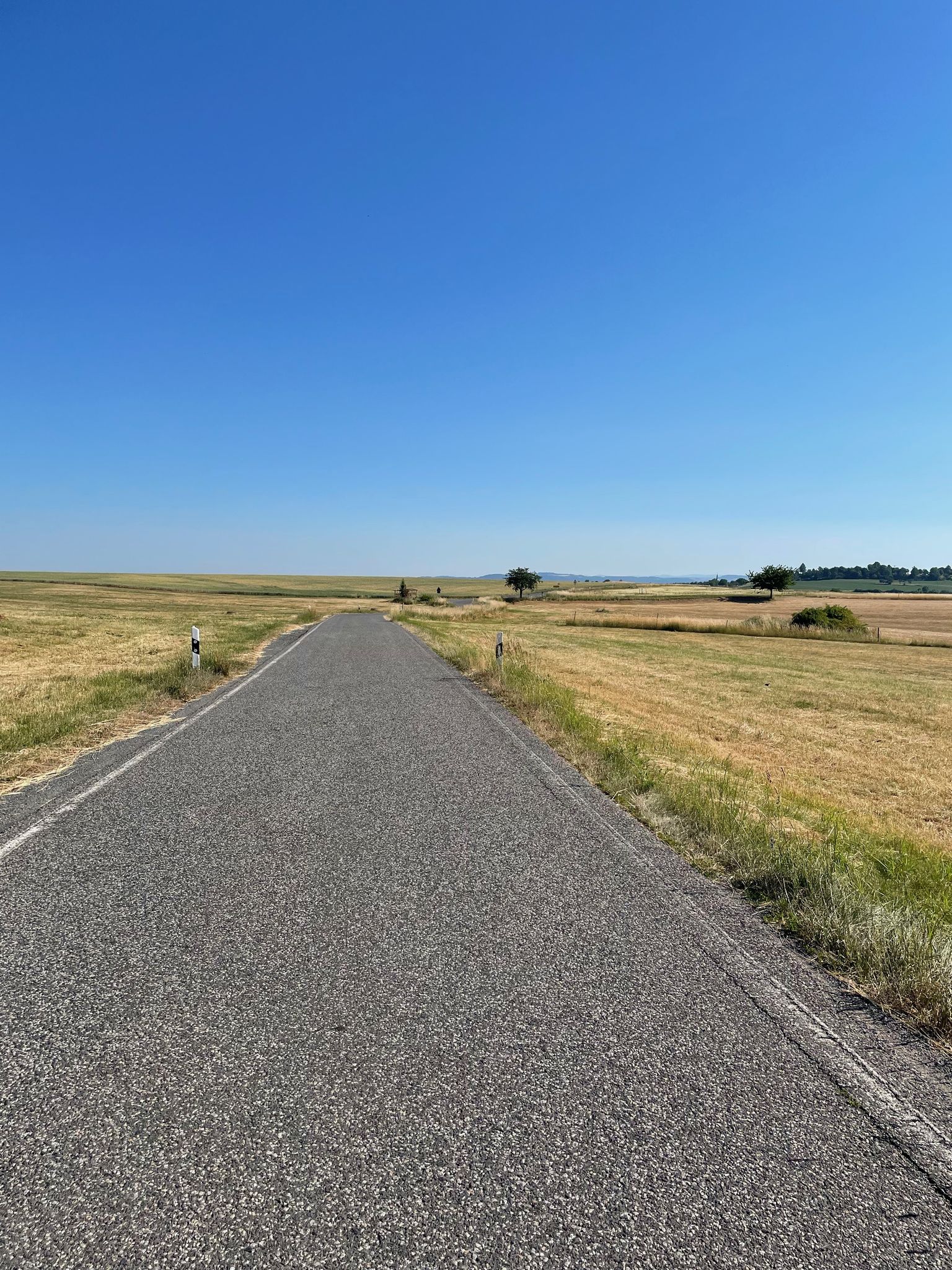
Komáří hůrka – bikepacking from Berlin to the Eastern Ore Mountains
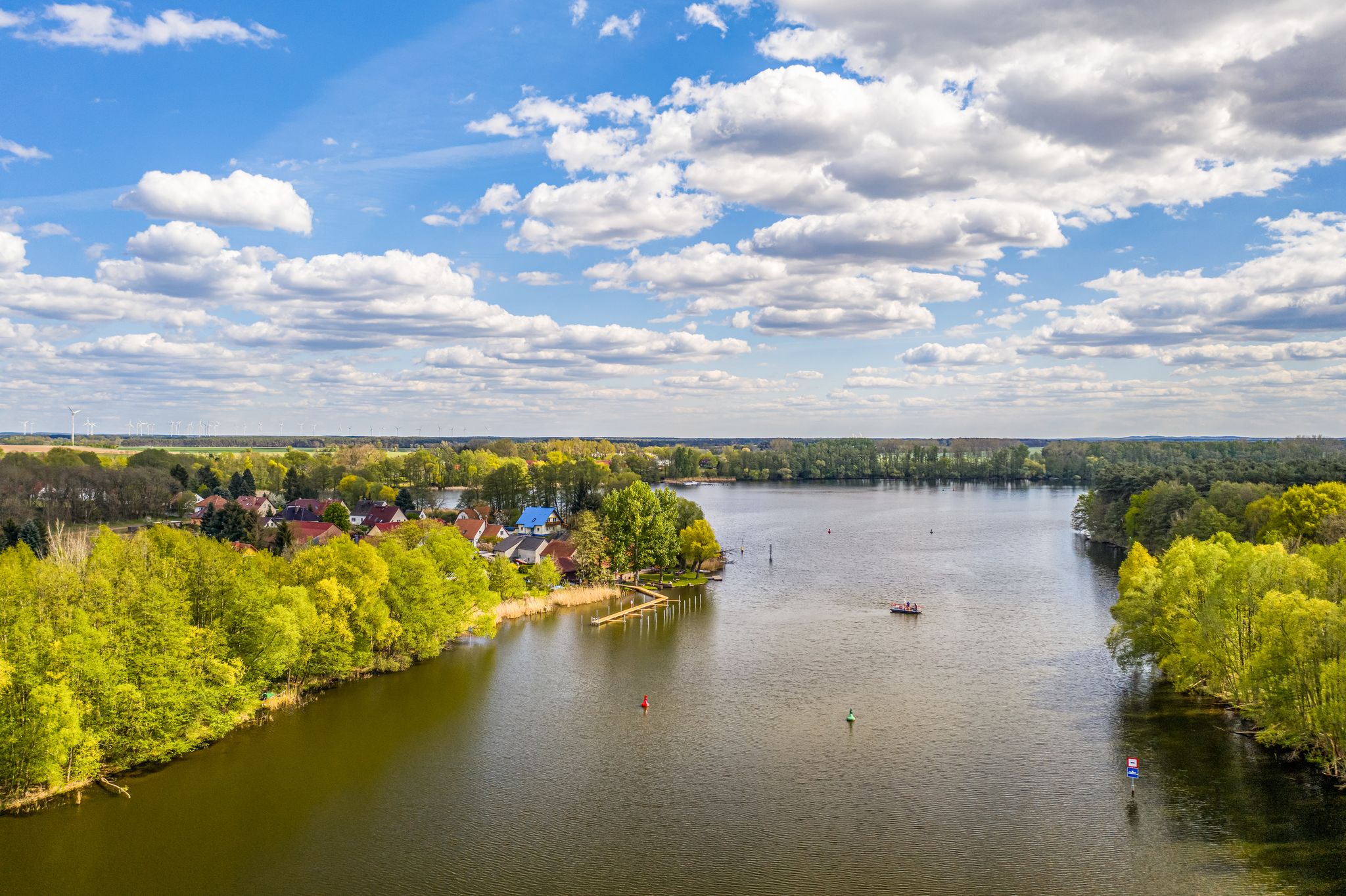
Rivers, lakes, & endless countryside – cycling through Brandenburg
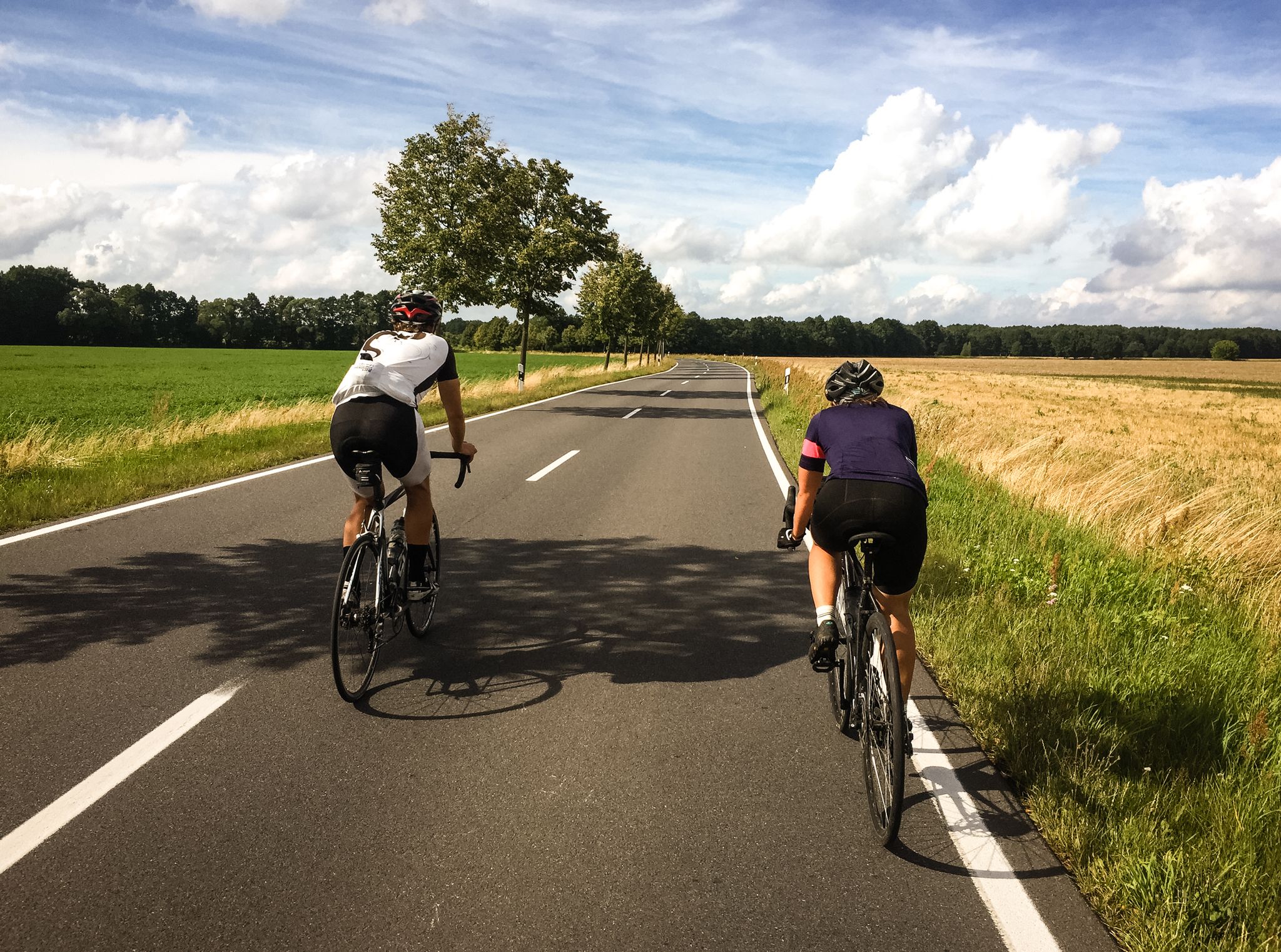
Weekend getaway — road biking in the Spreewald
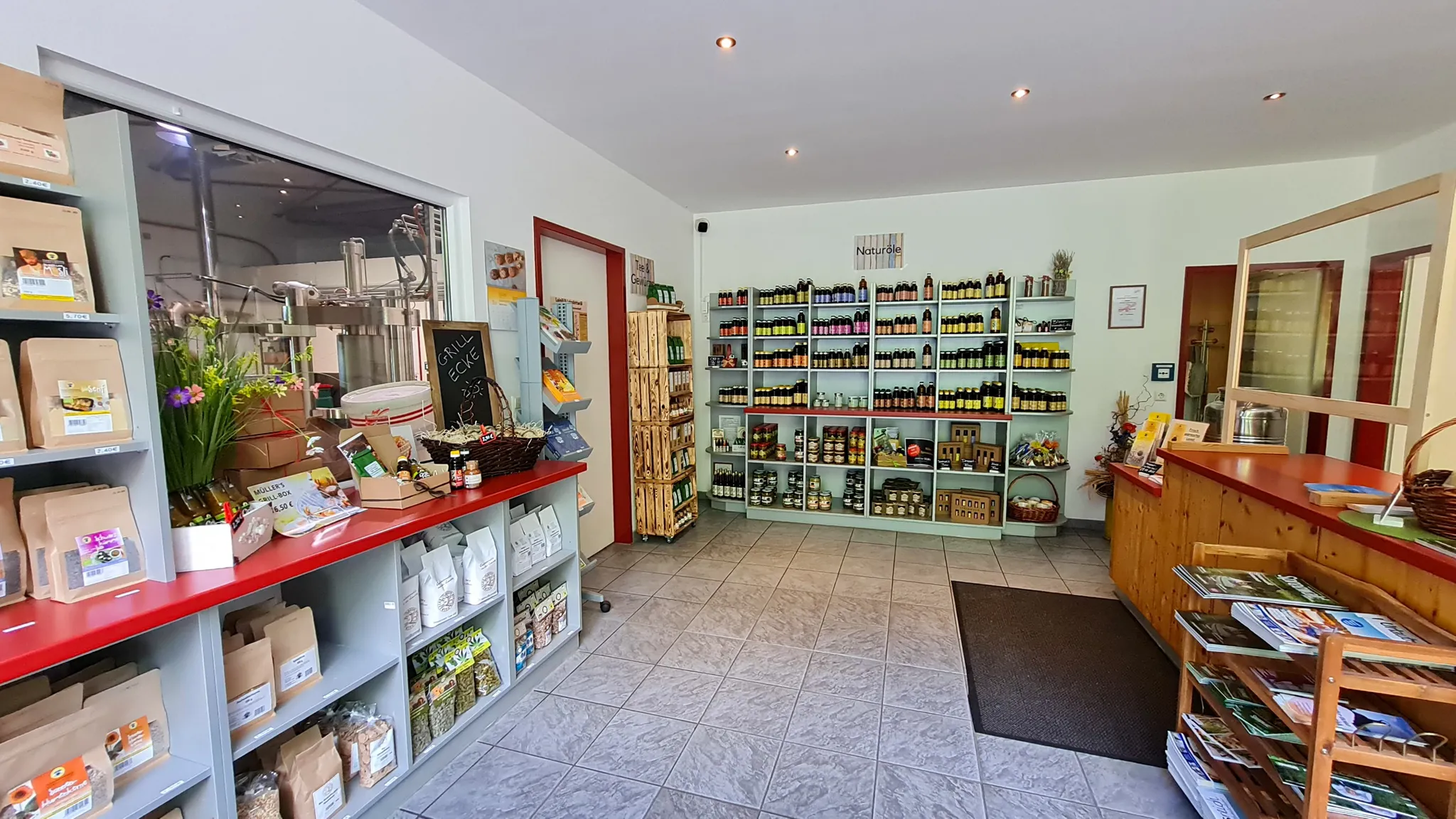
Farm shops in Brandenburg
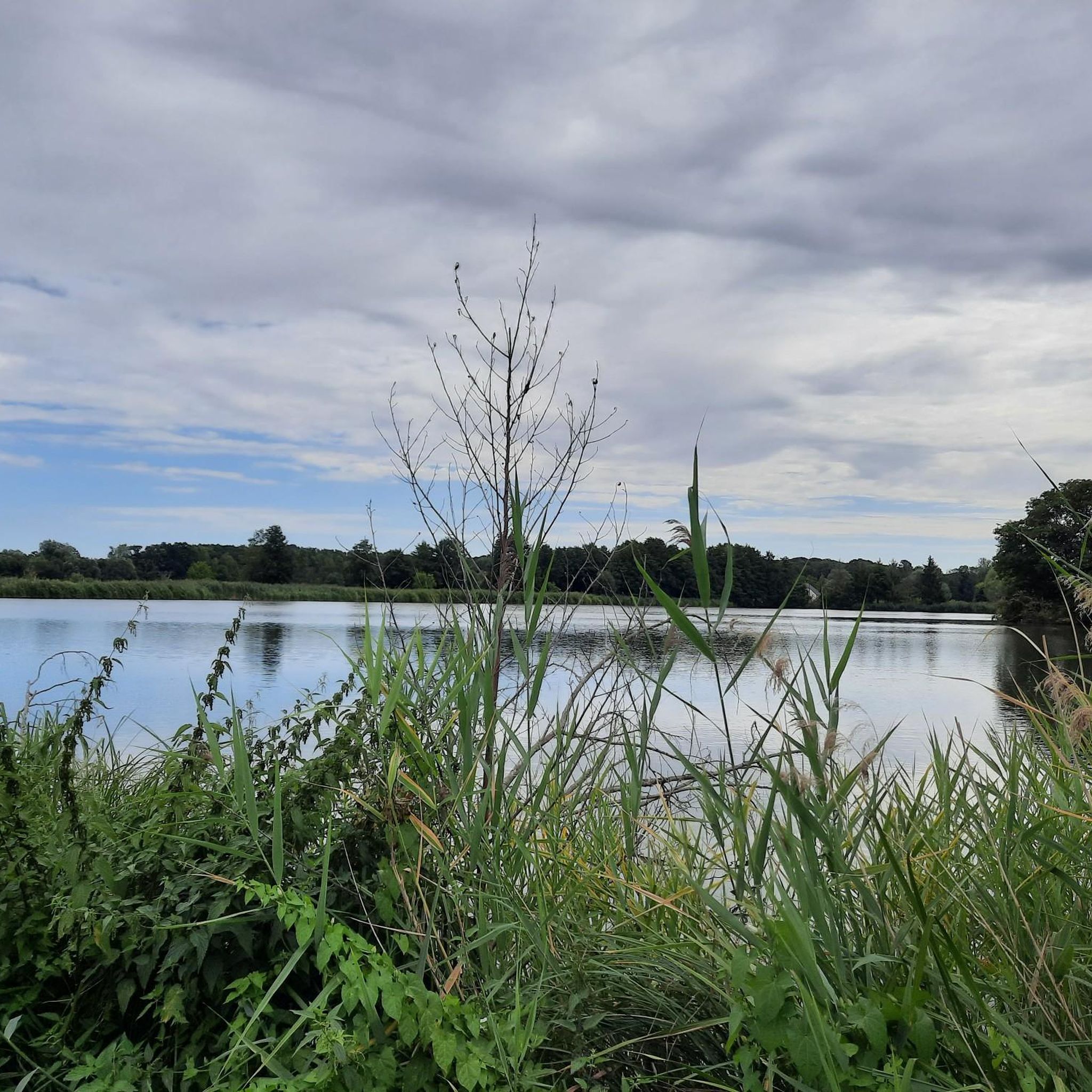
Cycling around Vetschau/Spreewald
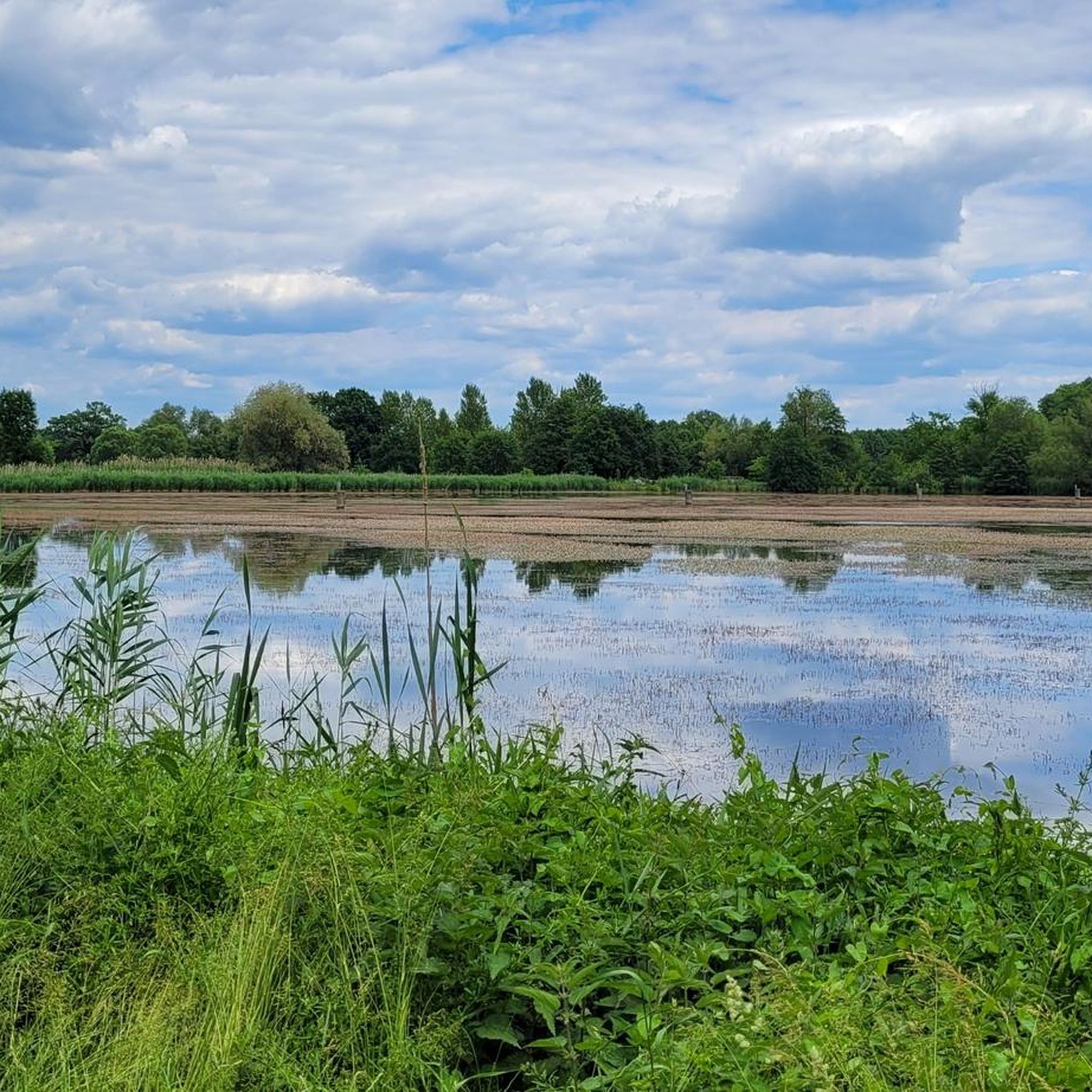
Road Cycling Routes around Vetschau/Spreewald
MTB Trails around Vetschau/Spreewald
Running Trails around Vetschau/Spreewald
Gravel biking around Vetschau/Spreewald
Other adventures around Vetschau/Spreewald


Tips from the Community

extrem leckerer Kuchen & Torte 🤤 geöffnet von Mittwoch bis Sonntag von 12-16:30Uhr Softeis gib es auch 🍦
0
0


Very tasty 😋 Highly recommended
0
0


This wooden bridge is on the connecting road to Lehde.
2
0

The bridges are partly very slippery, not so easy with a heavy e-bike, but doable with help
0
0

History The former lordly castle area is the oldest part of Lübbenau. At the park entrance stands a wrought-iron gate with a tower and a crown-adorned serpent. This indicates the last owners of the Lübbenau estate, the Counts of Lynar. The family originally came from Tuscany. The fortress builder Rochus Guerrini, Count of Lynar, was the first of his family to arrive in Germany in 1568. Elisabeth (daughter of Christian Distelmeyer, Chancellor of the Margraviate of Brandenburg), the widow of Count Johann Casimir of Lynar, purchased the Lübbenau estate in 1621. It remained in the possession of one family for more than three hundred years. A medieval moated castle stood on the site of the current building. Around 1600, it was converted into a Renaissance-style castle. The complex received its current appearance largely between 1817 and 1820 by Carl August Benjamin Siegel. The two towers at the rear of the castle were not added until 1839 by Homann. The surrounding nine-hectare park in the English landscape style was created from 1820 onwards and was laid out by H. W. and J. E. Freschke.[1] The plans go back to Peter Joseph Lenné. On October 17, 1928, the previously independent estate district "Schloss Lübbenau" was incorporated into the town of Lübbenau. Count Wilhelm zu Lynar took over the estate of Lübbenau in 1928. The count's family moved their residence to Seese, to the family estate there, in 1930. A museum was opened on May 1, 1932, partly to save on property taxes. The director of the Märkisches Museum Berlin was commissioned to establish it. The exhibition included Lynar family portraits, often created by renowned artists, prehistoric finds, polemics by Martin Luther, a collection of music and weapons, the armor of Count Johannes Siegesmund from the Thirty Years' War, and other art and everyday objects from the history of the castle. With the outbreak of World War II, the collections were relocated to Seese. The Reich Air Force established a cartographic institute in the castle and the orangery. In January 1944, a fire broke out in the right wing of the castle, destroying numerous furnishings. From 1944 onwards, the castle also served as a field hospital. Bust of Rochus, Count of Lynar Memorial plaque for Wilhelm, Count of Lynar
2
0
Frequently Asked Questions
How many hiking trails are available in Vetschau/Spreewald?
There are over 90 hiking routes in Vetschau/Spreewald. These include a mix of easy strolls, moderate paths, and a few more challenging long-distance options, catering to various fitness levels.
What is the general difficulty level of hikes in Vetschau/Spreewald?
The majority of hikes in Vetschau/Spreewald are either easy or moderate. Specifically, there are 40 easy routes and 51 moderate routes, making the area very accessible for most hikers. Only 6 routes are considered difficult, often due to their longer distances.
What do other hikers say about the trails in Vetschau/Spreewald?
The trails in Vetschau/Spreewald are highly regarded by the komoot community, with an average rating of 4.4 out of 5 stars from over 500 reviews. Hikers often praise the tranquil environment, the unique Spreewald waterways, and the flat, accessible terrain.
Are there many circular hiking routes in Vetschau/Spreewald?
Yes, many of the hiking routes in Vetschau/Spreewald are designed as circular paths, allowing you to start and end at the same point. An example is the Raddusch Busch Mill – Spreewald Stork Nests loop from Raddusch / Raduš, which offers a scenic tour through the region's characteristic landscape.
Are there easy hiking trails suitable for beginners or families?
Absolutely. Vetschau/Spreewald is ideal for beginners and families due to its predominantly flat terrain. There are 40 easy routes available, such as the Raddusch Harbour – Raddusch Nature Harbor loop from Raddusch - Raduš, which is just over 3 km long and perfect for a leisurely outing.
Can I bring my dog on the hiking trails in Vetschau/Spreewald?
Yes, Vetschau/Spreewald is generally dog-friendly. Many trails wind through forests and along waterways, providing pleasant environments for walks with your canine companion. Always keep your dog on a leash, especially in nature reserve areas, and be mindful of local regulations.
What kind of scenery can I expect on hikes in Vetschau/Spreewald?
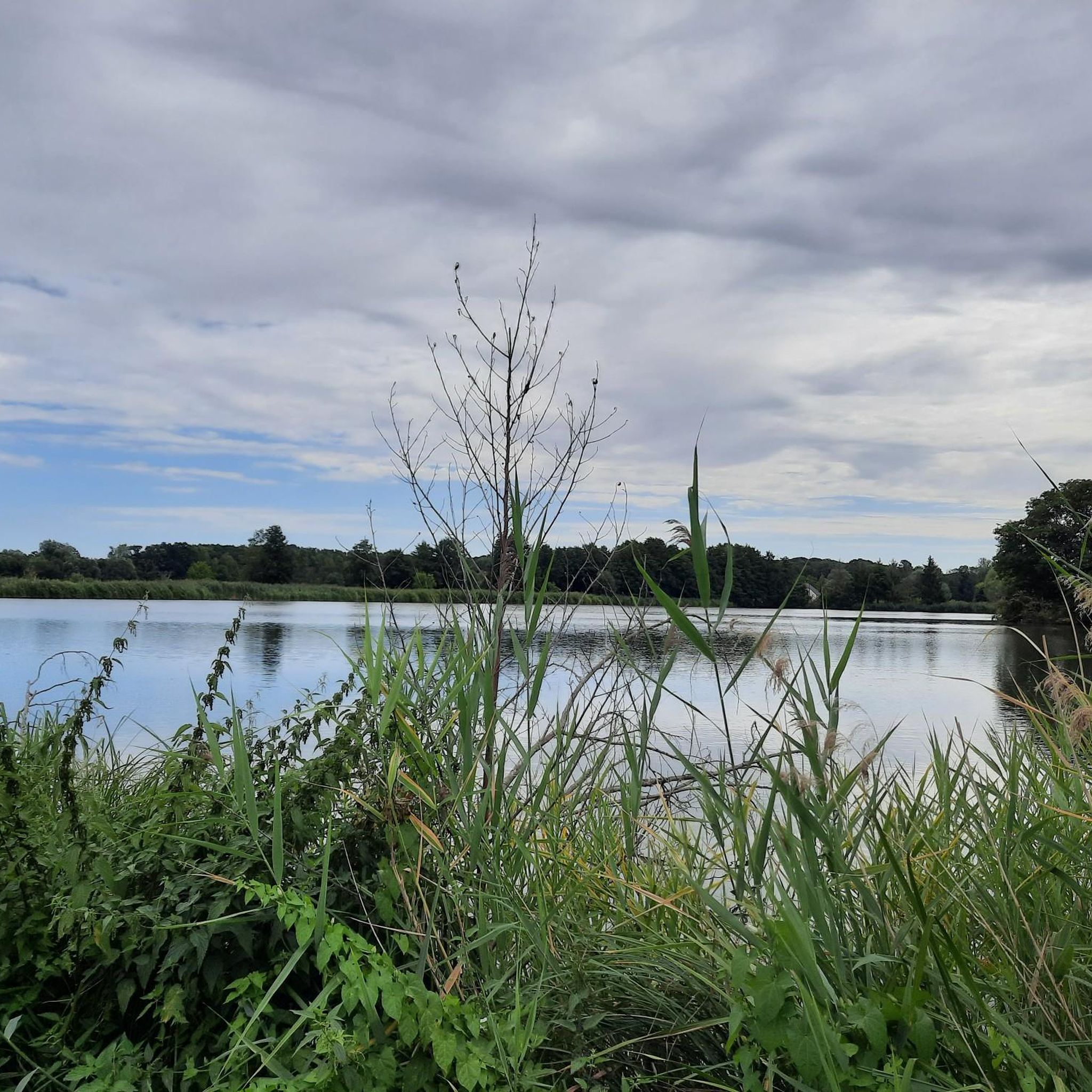
Hiking in Vetschau/Spreewald offers a unique landscape characterized by an extensive network of natural waterways and canals, dense forests, and lush meadows. You'll experience the tranquil Spreewald biosphere reserve, often spotting traditional villages and unique features like stork nests and historic mills.
Are there any notable natural or historical attractions to see along the trails?
Yes, the region is rich in attractions. You can explore various lakes like the Stradower Teiche Path or the Floating Houses on Gräbendorfer See. Historical sites include the Slavic Castle Raddusch and the impressive Vetschau Castle and Park.
Where can I find scenic viewpoints or unique natural features?
Many trails offer scenic views of the Spreewald's waterways and forests. The Glacial Erratic – Lake Gräbendorf loop from Laasow - Łaz, for instance, features a prominent glacial erratic and beautiful views of Lake Gräbendorf. The entire region, with its intricate canal system, is a natural highlight.
Is parking available at the trailheads in Vetschau/Spreewald?
Yes, many popular trailheads and starting points in Vetschau/Spreewald, especially in areas like Raddusch, offer designated parking facilities. It's advisable to check specific route details on komoot for parking information before you start your hike.
What is the best time of year to go hiking in Vetschau/Spreewald?
The Spreewald is beautiful year-round, but spring (April-May) and autumn (September-October) offer particularly pleasant hiking conditions with mild temperatures and vibrant scenery. Summer is also popular, though it can be warmer, while winter provides a unique, serene landscape, often with opportunities for ice skating on frozen canals.
Are there options for refreshments or cafes along the hiking routes?
Yes, especially in and around the traditional villages like Raddusch, you'll find cafes and restaurants. The Waldschlösschen Harbor and Restaurant is one such spot where you can enjoy refreshments. Many routes pass through or near these villages, offering opportunities for a break.
What should I pack for a hike in the Spreewald region?
Given the flat terrain and waterways, comfortable walking shoes are essential. Depending on the season, bring layers of clothing, sun protection, insect repellent (especially near water), and plenty of water. A map or GPS device is always recommended, and binoculars can enhance wildlife spotting.
Most popular routes around Vetschau/Spreewald
Most popular attractions around Vetschau/Spreewald

Get inspired with the komoot mobile app


Explore more
Browse the best Hikes in other regions.
