Attractions and Places To See around Hove - Top 20
Attractions and places to see around Hove offer a diverse range of historical sites, architectural landmarks, and scenic routes. This region features significant urban squares and ancient structures, alongside modern infrastructure designed for cycling. The area provides opportunities to explore historical narratives and engage with contemporary urban planning.
Best attractions and places to see around Hove
- The most popular attractions is Grote Markt Antwerp, a historical site that serves as the historic center of Antwerp. It is surrounded by…
Last updated: August 16, 2026
Grote Markt Antwerp
Highlight • Historical Site
Translated by Google •
Tip by

Blue Cycle Bridge over the Dijle
Highlight • Bridge
Bridges connect people and landscapes. Know that it is quite busy here on weekends.
Translated by Google •
Tip by

Sign up now to discover places like this
Get recommendations on the best single tracks, peaks, & plenty of other exciting outdoor places.
Sign up for free
Het Steen
Highlight • Castle
Translated by Google •
Tip by

Brabo Fountain
Highlight • Monument
Translated by Google •
Tip by

Netekanaal Cycle Path
Highlight (Segment) • Cycleway
Translated by Google •
Tip by

Sign up for free to discover even more attractions around Hove.
Sign up for free
Already have an account?
Start today with a free account
Your next adventure awaits.
Login or Signup
Tips from the Community

The Brabo Fountain is one of Antwerp's most iconic monuments and is located on the Grote Markt, in front of the City Hall. The fountain tells the legend of the giant Druon Antigoon and the Roman soldier Silvius Brabo. According to tradition, Druon Antigoon demanded a high toll from ships that wanted to pass the Scheldt. If skippers refused to pay, he chopped off their hand and threw it into the river. Silvius Brabo, a brave soldier, defeated the giant, chopped off Antigoon's hand in turn and threw it into the Scheldt. This legend is said to be the origin of the name "Antwerp" (derived from "hand werpen"). The fountain, designed by Jef Lambeaux and unveiled in 1887, shows Brabo triumphantly throwing away the giant's hand. The sculpture is full of dynamism and symbolism, surrounded by water spouts and smaller figures that refer to the Scheldt and the sea. The Brabo Fountain is not only a tribute to a folk tale, but also a beautiful work of art and a beloved symbol of the city of Antwerp.
5
0

Part of a former ring rampart castle on the right bank of the Scheldt. A beautiful building.
1
0

The ceremonial unveiling of the sculpture took place on August 21, 1887. It depicts the young hero Silvius Brabo throwing the severed hand of the giant Druon Antigon, whom he had previously defeated in battle, into the Scheldt. According to tradition, this is where the name of the city comes from, "throwing hand".
5
0

Wonderful market square with beautiful house facades. Great restaurants and cafes on the square.
6
1
Modern iron bridge over the canal.
8
1

The Brabo fountain is very impressive. And the story behind it...😉
7
0

The legend of Brabo and the history of the origins of Antwerp was created in the 15th century. The story is the merging of various older legends such as the story of the Swan Knight, Tristan and Isolde, ... The literary history of the origins has already been extensively researched. An important moment is the oldest known written record of the story in its current form by Willem van Berchem and the publication Van den Dorpe in which the story not only appears in print for the first time, but is also provided with an illustration and thus the iconographic tradition of the Brabo legend begins. At that time, Brabo is still depicted as a medieval knight. From the 16th century onwards, the iconography evolves, with Brabo being depicted as a Roman soldier. This will be changed for the first time by Jef Lambeaux by depicting the figures (both Brabo and the giant 'Antigoon') naked. The story also remains popular in literature. The legend of the origins is a powerful symbol for the freedom of Antwerp, mainly in terms of shipping and trade. (Inventory of Immovable Heritage)
15
0

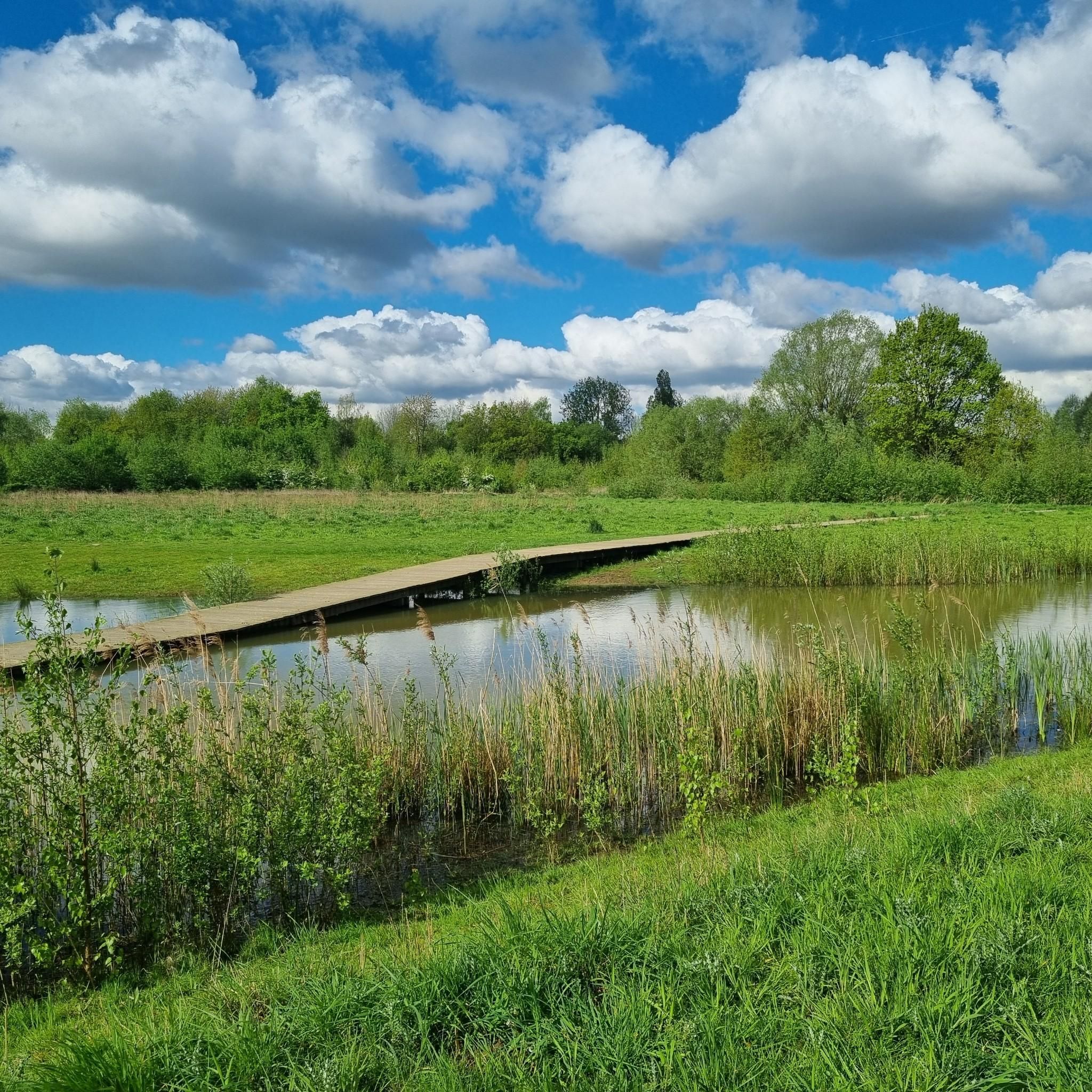
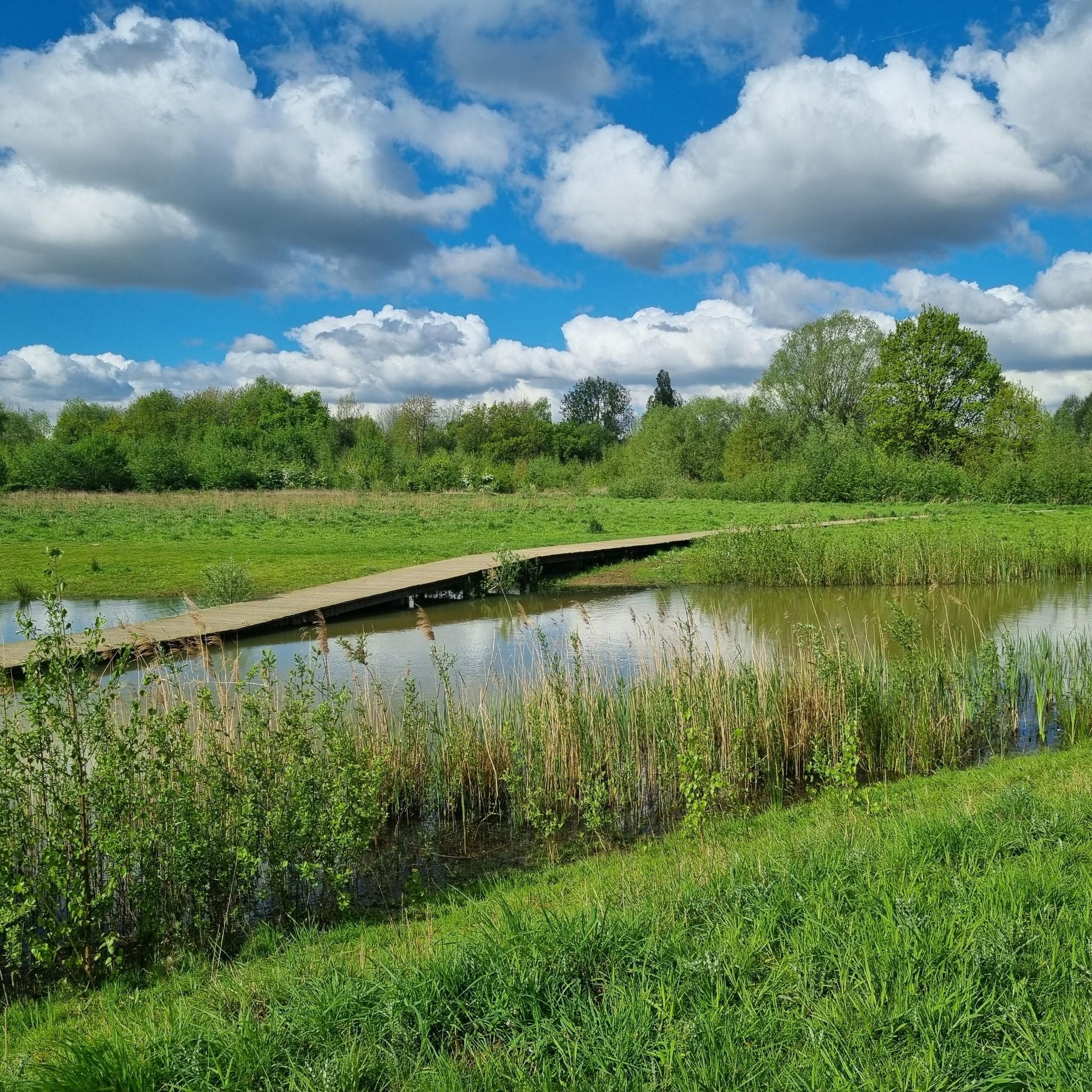
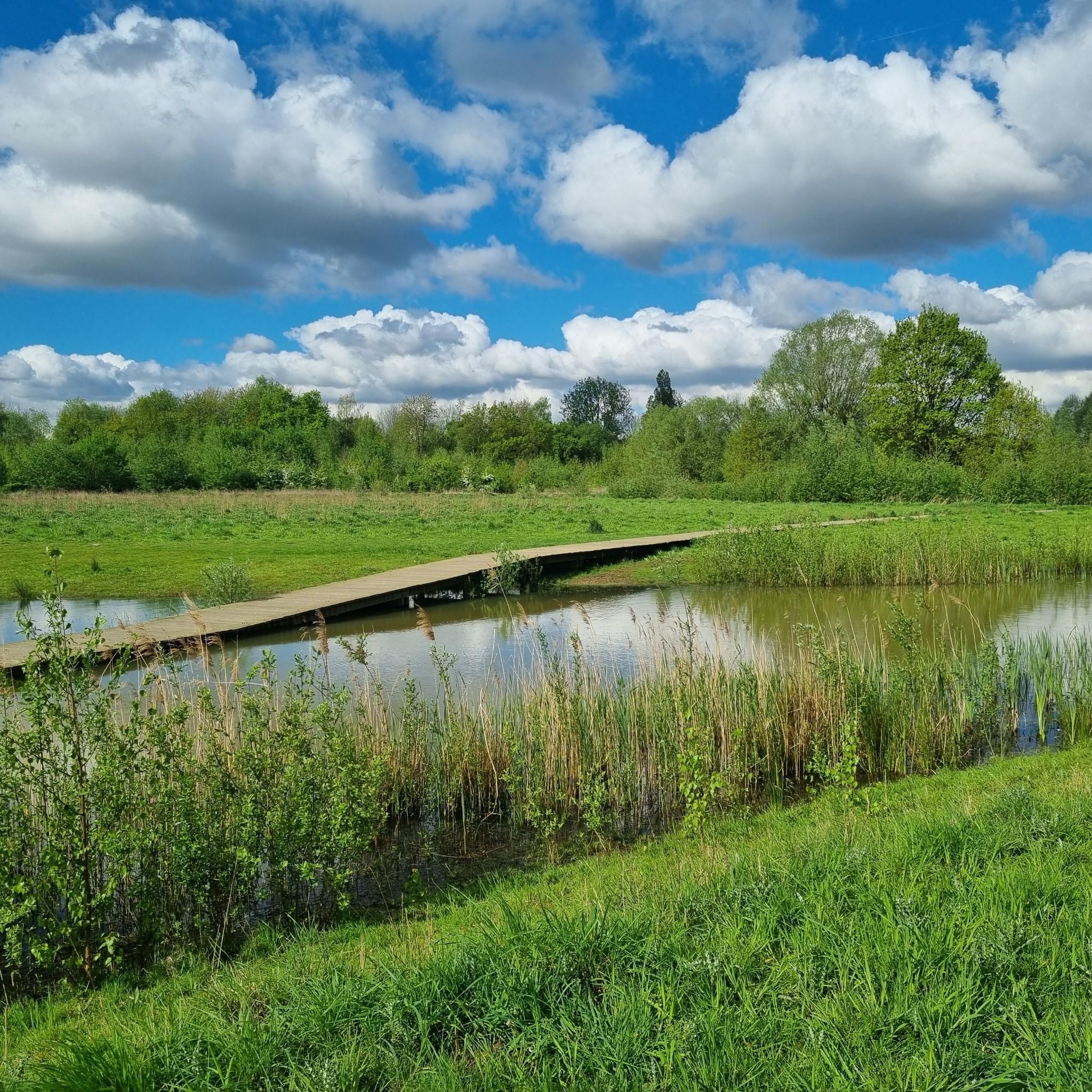
Bridge located in the Flanders region of Belgium. Cross the Beneden-Dijle River
5
0
Frequently Asked Questions
What are the most popular attractions around Hove?
The most popular attractions in the area include the historic Grote Markt Antwerp, known for its 16th-century buildings and the Town Hall. Visitors also highly rate the Brabo Fountain, depicting the legend of Brabo, and Het Steen, Antwerp's oldest preserved building.
Are there family-friendly attractions in the area?
Yes, several attractions are suitable for families. The Grote Markt Antwerp and Brabo Fountain are great for a stroll and offer historical context. Het Steen, with its castle history and interactive experience center, is also a popular family destination.
What historical sites can I visit around Hove?
The region is rich in history. You can explore the Grote Markt Antwerp, which is the historic center surrounded by impressive 16th-century architecture. Don't miss Het Steen, the oldest preserved building in Antwerp, dating back to the 11th century and having served various functions including a prison and museum.
Are there any notable man-made monuments to see?
Absolutely. The Brabo Fountain on the Grote Markt is a significant man-made monument, featuring a bronze sculpture by Jef Lambeaux depicting the legend of Brabo. Het Steen also stands as a prominent historical monument.
What outdoor activities can I do near these attractions?
The area offers excellent opportunities for outdoor activities, especially cycling. You can find numerous road cycling routes, such as the 'View of Mechelen – Cyclists' Bridge over the Zenne loop' or the 'Netekanaal Cycling Path – Nete River Cycle Path loop'. For more options, check out the Road Cycling Routes around Hove guide.
Are there hiking trails near the attractions?
Yes, there are several hiking opportunities. You can explore trails like the 'Luitersheide amphibian pond – Papendonk Forest boardwalk loop' or the 'Frijthout Landscape Park – Frijthout Boardwalk loop'. Discover more trails in the Hiking around Hove guide.
Can I find gravel biking routes in the vicinity?
Gravel biking enthusiasts will find routes like the 'Anti-tank canal – Antitank Ditch Antwerp loop' or the 'Netekanaal – Little Nete loop'. For a comprehensive list of routes, refer to the Gravel biking around Hove guide.
Are there any wheelchair-accessible attractions?
Yes, several key attractions are wheelchair accessible. These include the Grote Markt Antwerp, the Brabo Fountain, and the Blue Cycle Bridge over the Dijle. The Netekanaal Cycle Path is also designed for accessibility.
What do visitors enjoy most about the Grote Markt Antwerp?
Visitors frequently praise the Grote Markt Antwerp for its charisma and historical ambiance. They appreciate the stunning 16th-century buildings, the restored Town Hall, and the iconic Brabo statue, which together showcase Antwerp's rich history and wealth.
What is special about the Blue Cycle Bridge over the Dijle?
The Blue Cycle Bridge over the Dijle is noted for its beautiful construction and its crucial role in connecting communities and landscapes. It's a well-designed link for commuters and recreational cyclists, especially for exploring the 'Rupelkley' area and the Neteland route.
What is the Netekanaal Cycle Path like for cycling?
The Netekanaal Cycle Path is highly regarded for its smooth asphalt surface, making it ideal for faster cycling. It's a long, straight road where cars are not allowed, providing a pleasant and safe experience for cyclists, with convenient stopping points every few kilometers.
What is the legend behind the Brabo Fountain?
The Brabo Fountain depicts the Roman hero Brabo throwing the severed hand of the giant Antigoon into the Scheldt river. According to legend, this act of 'hand-throwing' (handwerpen) is the origin of Antwerp's name, symbolizing the city's liberation from the giant's tolls and its connection to the Scheldt as a source of prosperity.
What is the significance of Het Steen?
Het Steen is Antwerp's oldest preserved building, with parts dating back to the 11th century. It has served as a gatehouse, part of the city's fortifications, a prison, and various museums. Today, it functions as the Antwerp Visitor Center, offering insights into the city's history and serving as a cruise terminal.
Most popular attractions around Hove

Get inspired with the komoot mobile app


Explore more
Still not found the Highlight you’re looking for? See guides of the top attractions in other regions:
