The best cycling routes around Bilzen
4.4
(465)
5,598
riders
283
rides
Touring cycling around Bilzen offers a varied landscape, situated between the rolling hills of Haspengouw and the flatter, forested Kempen region. The area is characterized by fruit orchards, open fields, and pine forests on sandy soil, providing diverse terrain for cyclists. It also serves as a gateway to the expansive Hoge Kempen National Park, featuring extensive natural areas. This geographical position allows for routes with both gentle gradients and some elevation changes.
Best touring cycling routes around Bilzen
- The most popular touring cycling route is View of the Kikbeekbron Valley – Asbroek Lookout loop from Eigenbilzen, a 26.9 miles (43.3 km) trail that takes 3 hours 39 minutes to complete. This difficult route offers views over the Kikbeekbron Valley.
- Another top favourite among local touring cyclists is Alden Biesen Gatehouse – View of Groenendaal Castle loop from Bilzen, a moderate 34.6 miles (55.8 km) path. This route passes by the historic Alden Biesen Commandery and offers views of Groenendaal Castle.
- Local touring cyclists also love the Zankerei Watermill – Hoge Kempen National Park loop from Bilzen, a 29.9 miles (48.1 km) trail leading through the Hoge Kempen National Park, often completed in about 3 hours 37 minutes.
- Touring cycling around Bilzen is defined by rolling hills, fruit orchards, and pine forests, with unique experiences like cycling through water or elevated paths through trees. The extensive cycling network offers options for various ability levels, from easy loops to more challenging rides.
- The routes in Bilzen are highly rated by the komoot community with an average score of 4.4 stars from more than 300 reviews. More than 5000 touring cyclists have used komoot to explore Bilzen's varied terrain.
Last updated: October 8, 2026
4.4
(16)
134
riders
55.2km
03:20
350m
350m
Moderate bike ride. Good fitness required. Mostly paved surfaces. Suitable for all skill levels.
4.8
(21)
168
riders
59.9km
03:38
410m
410m
Moderate bike ride. Good fitness required. Mostly paved surfaces. Suitable for all skill levels.

4.8
(28)
174
riders
44.1km
02:40
320m
320m
Moderate bike ride. Good fitness required. Mostly paved surfaces. Suitable for all skill levels.
4.3
(6)
456
riders
50.6km
03:47
280m
280m
Hard bike ride. Good fitness required. You may need to push your bike for some segments of this route.
4.6
(32)
180
riders
35.1km
02:10
290m
280m
Moderate bike ride. Good fitness required. Mostly paved surfaces. Suitable for all skill levels.
Get access to more routes and recommendations from other explorers.
Already have an account?
Our route recommendations are based on thousands of hikes, rides, and runs completed by other people on komoot.
Start today with a free account
Your next adventure awaits.



Tips from the Community

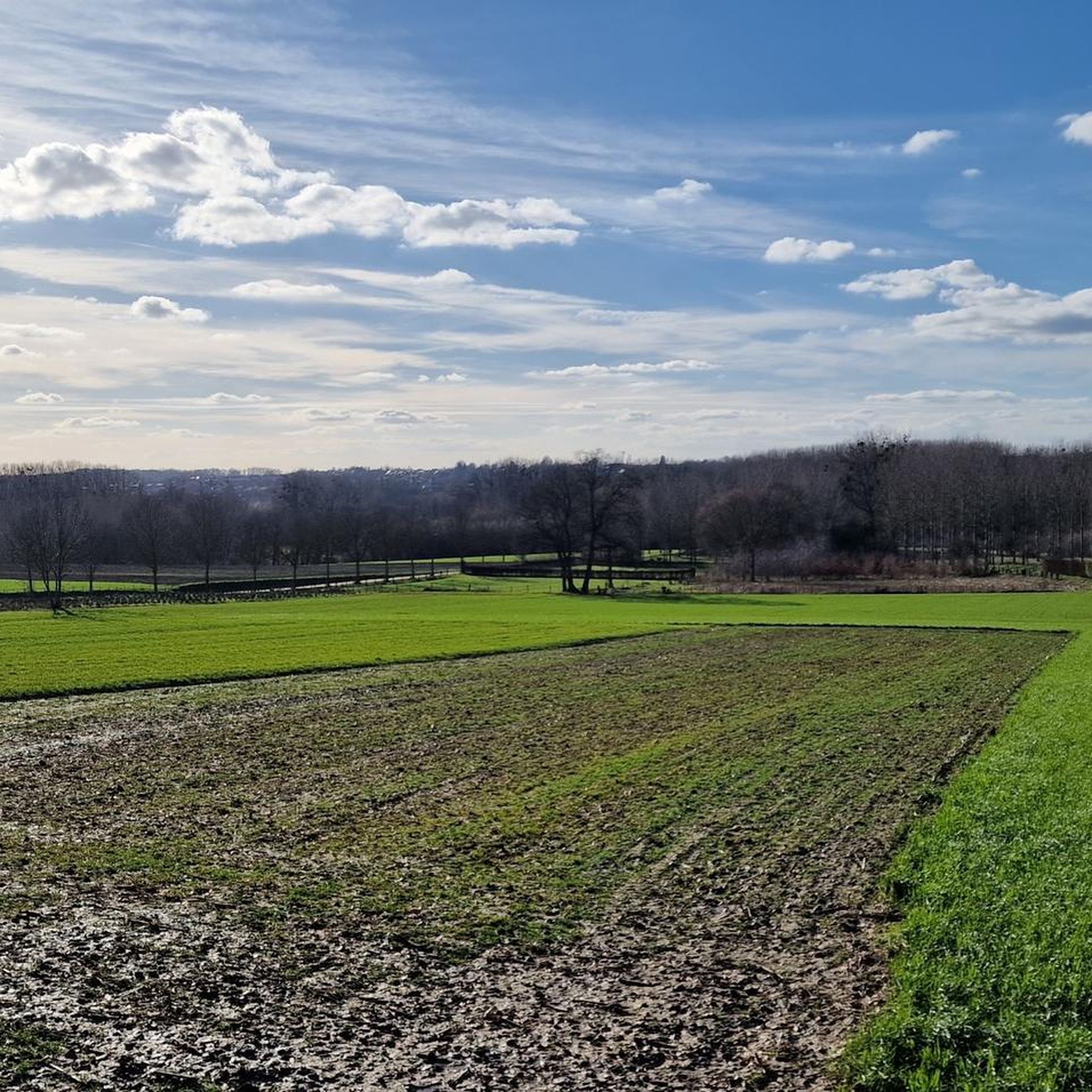
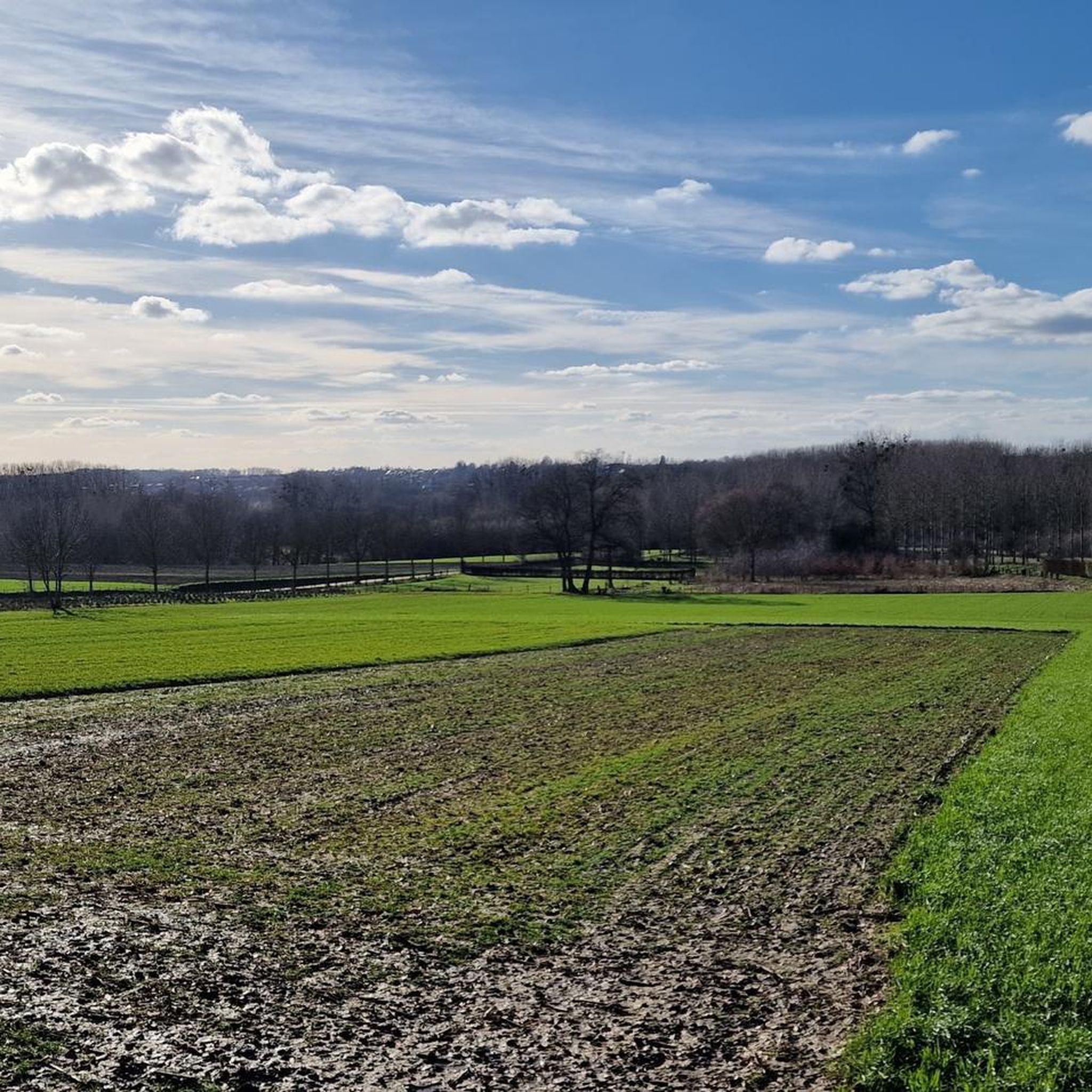
The cycle path between Wintershoven and Vliermaal lies on the route of the former tram line 496, which ran between Tongeren and Kortessem. The tram line departed from the station in Tongeren and ran via Henis, Riksingen, Sint-Huibrechts-Hern, Schalkhoven, Vliermaal and Wintershoven to the tram station in Kortessem. In Kortessem, line 496 connected to the larger line 495 (Hasselt - Oreye). This allowed travellers and agricultural products (such as sugar beets for the sugar refineries) to easily transfer towards Hasselt or Liège.
4
0

Tongeren is the oldest city in Belgium. The city originates from a camp founded by Sabinus and Cotta, lieutenants of Julius Caesar, whose legions were massacred in 54 BC near Ambiorix, the leader of the Eburones. Sights include the basilica, the beguinage, the statue of Ambiorix, and the antique market that takes place every Sunday.
1
0
The castle with moat is a cozy tourist café with a large terrace. This restored building is also one of the four visitor centers of the bicycle and car route network "Castles and Fortresses" in the Maas-Rijn region. In the museum, you gain insight into the daily life of the landed gentry at the end of the 16th and the beginning of the 17th century.
0
1
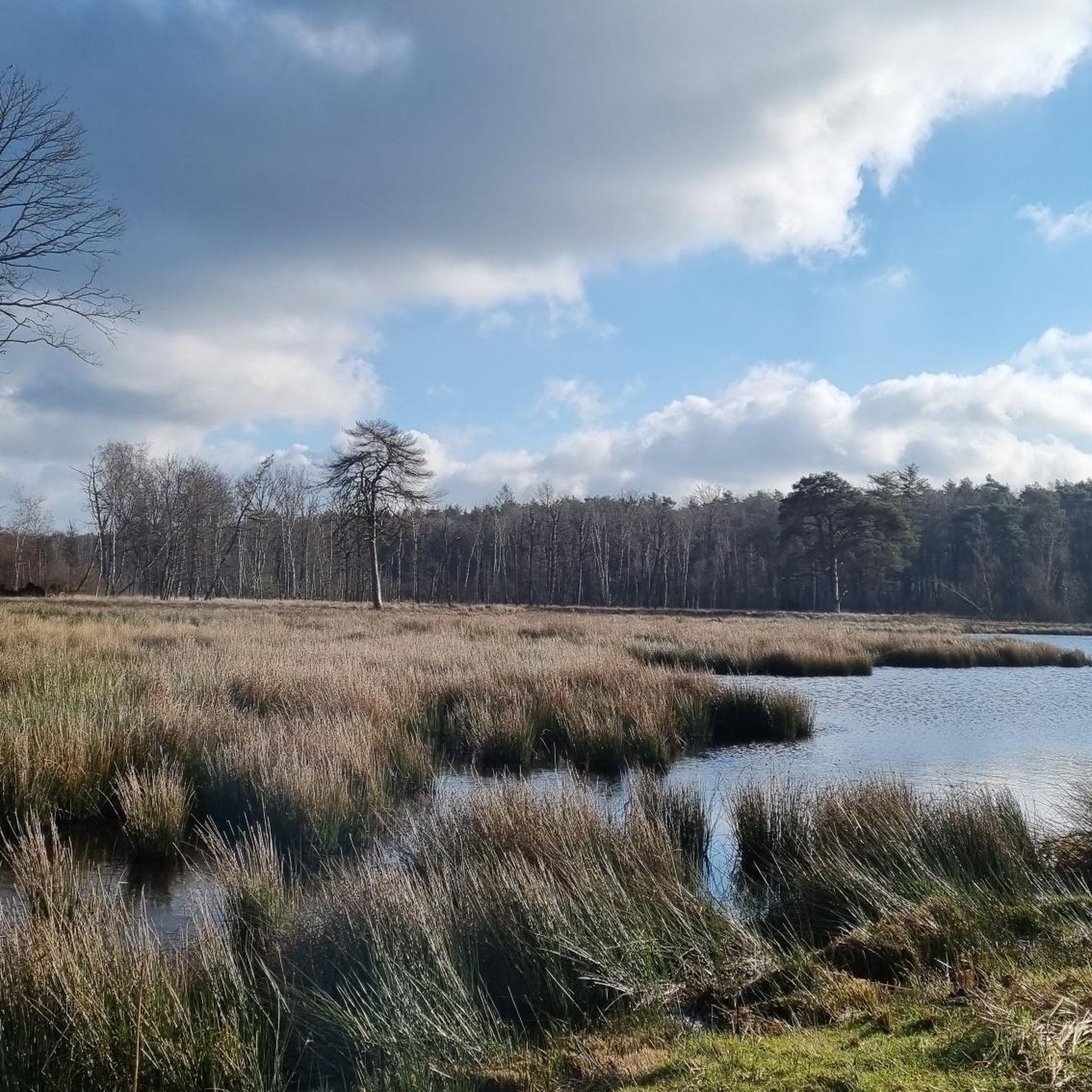
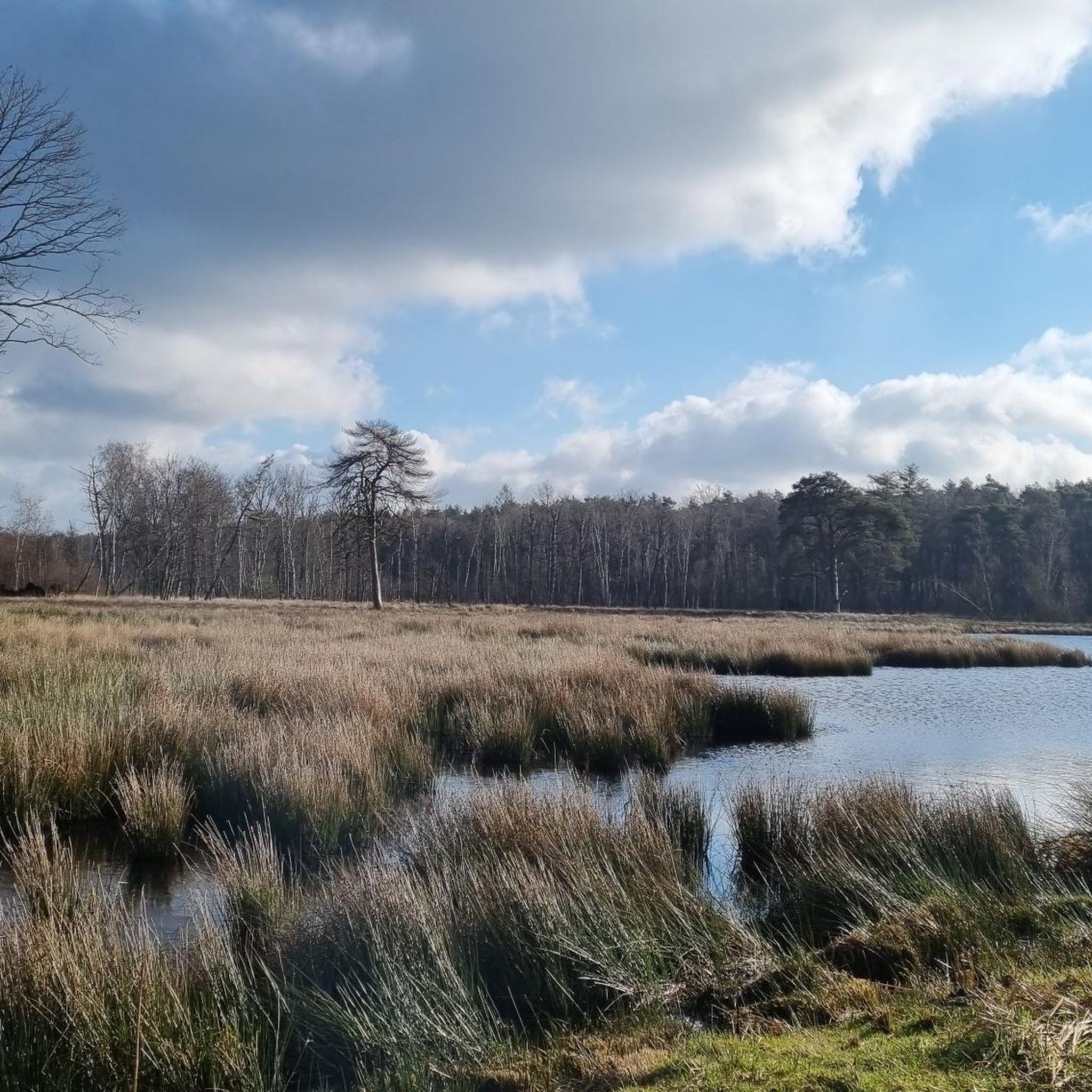
On the border of the poor Kempen and fertile Haspengouw lies the Munsterbos. Northeast of the village center of Munsterbilzen, 450 hectares of forests, ponds, marshes, and grasslands stretch out. Here and there, even a patch of purple heather peeks through. The area is so special due to its location on the transition from the sandy Kempen Plateau to the Haspengouw clay region.
4
0
Watch here a beautiful film about the history of Alden Biesen and the Teutonic Order: https://youtu.be/YXJjgloHpH8?si=-T5CilBr4_Vu4Ov4
6
1

Let yourself be touched by the inspiring sculpture, the understated poetry, and the subtle symbolism, which blend beautifully with the tranquility of nature. A place to pause, feel, and come to yourself. You are most welcome.
5
0
Bistro ’t Gasthuis ’t Gasthuis is a warm, welcoming brasserie right by the main entrance of Alden Biesen. The brasserie is operated under concession by an entrepreneurial family. You will find a varied selection of drinks, snacks, and typical Flemish or Belgian classics. The atmosphere is relaxed and inviting, ideal for a break during your visit or a cozy chat with friends or family. Historical fact: The original guesthouse was built in 1616 as a school for local youth. A century later, it grew into an inn for craftsmen, shopkeepers, and visitors. Today, ’t Gasthuis is the place to relax during your visit to Alden Biesen. More info at https://www.alden-biesen.be/eten-en-drinken
8
0
The outer courtyard is mainly characterized by the presence of the church. It all began for the Commandery with the church. More than 800 years ago, there was a chapel here, and through the centuries, the church grew into today's baroque masterpiece. On the outer courtyard, you can also recognize the tenant farm. Want to know more about the Commandery? Click through to https://www.alden-biesen.be/domein
10
0
Frequently Asked Questions
How many touring cycling routes are available in Bilzen?
Bilzen offers a wide array of touring cycling routes, with over 250 options available. These routes cater to various skill levels, including 78 easy, 109 moderate, and 63 difficult trails.
What kind of terrain can I expect when cycling around Bilzen?
Bilzen's unique geographical position allows for diverse terrain. You'll find rolling hills and fruit orchards in the Haspengouw region, offering impressive panoramas and some elevation changes. To the north, the Kempen region provides flatter, expansive terrain with pine forests on sandy soil. This blend ensures varied cycling experiences.
Are there routes suitable for beginners or families in Bilzen?
Yes, Bilzen offers numerous easy and accessible loops perfect for beginners and families. The extensive cycling network is designed to accommodate different fitness levels, ensuring everyone can enjoy the beautiful landscapes. You can find 78 easy routes to explore.
What unique cycling experiences does Bilzen offer?
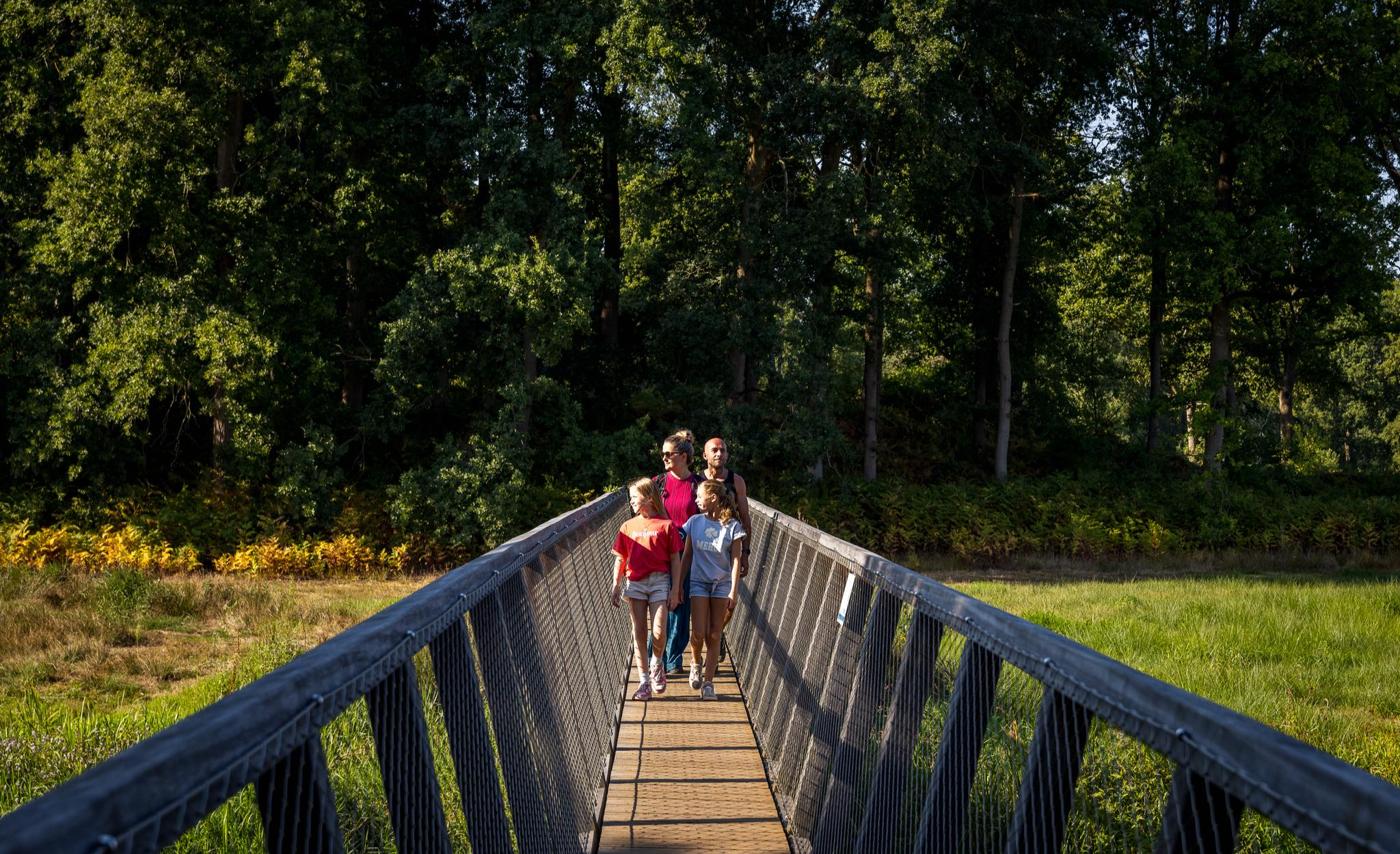
Bilzen, as part of the Limburg region, is famous for innovative cycling experiences. You can enjoy 'Cycling through the Water,' where you ride directly through a pond, or 'Cycling through the Trees,' an elevated path offering unique perspectives of the natural beauty. These are truly memorable journeys.
What are the most scenic natural features to see while cycling in Bilzen?
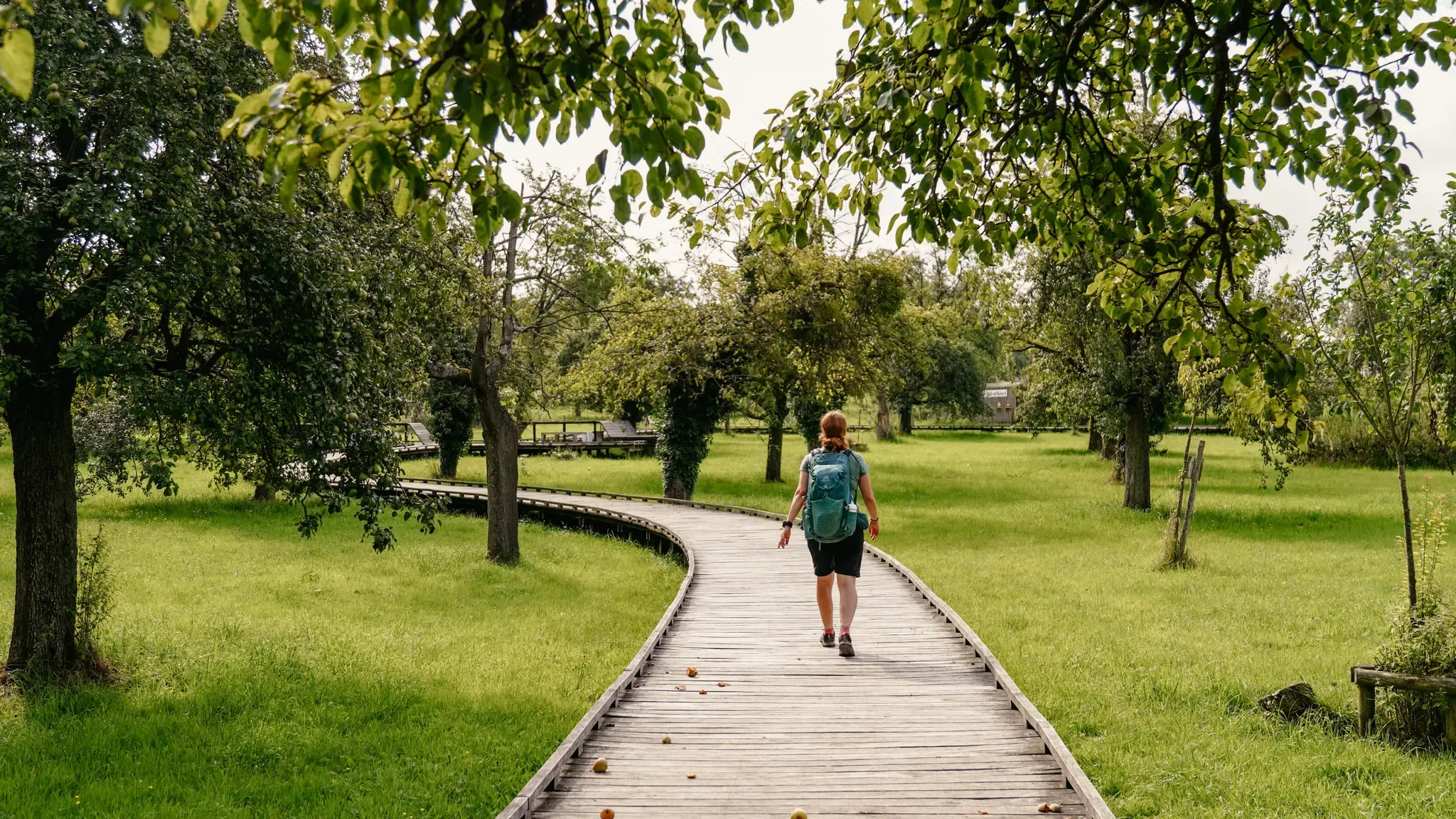
Cyclists can explore the expansive Hoge Kempen National Park, Flanders' first National Park, known for its diverse landscapes and forests. The region is also characterized by vibrant fruit orchards, especially stunning during blossom season, and the picturesque Munsterbos. The rolling hills of Haspengouw provide impressive natural panoramas.
Are there any historical landmarks or cultural sites along the cycling routes?
Absolutely. A prominent historical site is the Alden Biesen Commandery, one of the largest castle complexes between the Loire and the Rhine. Many routes, such as the Alden Biesen Gatehouse – Market Square, Tongeren loop from Bilzen, pass by this impressive landmark, offering a blend of nature and history.
What do other cyclists say about touring in Bilzen?
The touring cycling routes in Bilzen are highly rated by the komoot community, with an average score of 4.4 stars from over 300 reviews. More than 5,000 touring cyclists have used komoot to explore the varied terrain, often praising the well-maintained paths and diverse scenery.
When is the best time of year to go touring cycling in Bilzen?
The spring, particularly during the blossom season (typically April), is an unforgettable time to cycle through Bilzen's fruit orchards. Summer and early autumn also offer pleasant conditions for exploring the region's diverse landscapes and enjoying the extensive cycling network.
Can I find circular touring cycling routes in Bilzen?
Yes, many of the touring cycling routes around Bilzen are designed as loops, allowing you to start and end at the same point. Examples include the View of the Kikbeekbron Valley – Asbroek Lookout loop from Eigenbilzen and the Kanne Bridge – Kanne Hairpin Road loop from Bilzen, making it convenient to explore the area.
How can I plan my own cycling route using the local network?
Bilzen is part of an extensive and unique cycling node network. This system allows you to customize your routes and distances by simply following numbered junctions. You can easily plan your journey by connecting these nodes, creating a personalized touring experience. For more information on the cycling node network, you can visit Visit Bilzen-Hoeselt's cycling page.
Are there any places to stop for refreshments or accommodation along the routes?
The region is well-equipped with cafes, pubs, and accommodation options, especially in and around Bilzen and the charming villages you'll pass through. Many routes are designed to connect you with local amenities, allowing for convenient stops to refuel or rest.
What are some interesting highlights or points of interest near Bilzen's cycling routes?
Beyond the routes themselves, you can discover various highlights. For nature lovers, there's the Mechelse Heide — Lakes and Sand Dunes or birdwatching huts like the Schoenbroek Pond Bird Hide. For unique man-made features, consider the Thor Park or the Branch hut and wooden bridge over the Oude Jeker.
Most popular routes around Bilzen
Most popular attractions around Bilzen

Get inspired with the komoot mobile app


Explore more
Browse the best Cycling routes in other regions.
