Top 20 Castles around Hoeselt
Best castles around Hoeselt are found within the Limburg province of Belgium, an area characterized by its historical significance and varied landscapes. Hoeselt, now part of the Bilzen-Hoeselt municipality, offers access to a rich array of historical sites. The region is known for its blend of cultural heritage and natural beauty, providing a setting for exploring ancient structures. This area features several castles, ranging from medieval origins to 18th-century estates.
Best castles around Hoeselt
- The most popular castles is Alden…
Last updated: October 10, 2026
Bokrijk Castle
Highlight • Castle
Translated by Google •
Tip by

Alden Biesen Commandery
Highlight • Castle
It served as:
• an administrative center for the surrounding holdings (farms, villages, lands),
Translated by Google •
Tip by

Sign up now to discover places like this
Get recommendations on the best single tracks, peaks, & plenty of other exciting outdoor places.
The Outer Courtyard at Alden Biesen
Highlight • Castle
Translated by Google •
Tip by
Heks Castle
Highlight • Castle
The palatial castle was built from 1770, probably …
Translated by Google •
Tip by

Genoels-Elderen Wine Castle
Highlight • Historical Site
Showing Translation
Tip by

Sign up for free to discover even more castles around Hoeselt.
Already have an account?
Start today with a free account
Your next adventure awaits.

Tips from the Community

Wine terrace and bar at Wijnkasteel Genoels-Elderen. The cozy terrace of the wine castle is a lovely place to relax with a beautiful view of the garden and the pond. You can taste all the products of the wine castle, and coffee, regional beer, lemonade, and snacks are also available.
2
0

Watch here a beautiful film about the history of Alden Biesen and the Teutonic Order: https://youtu.be/YXJjgloHpH8?si=-T5CilBr4_Vu4Ov4
6
1

The outer courtyard is mainly characterized by the presence of the church. It all began for the Commandery with the church. More than 800 years ago, there was a chapel here, and through the centuries, the church grew into today's baroque masterpiece. On the outer courtyard, you can also recognize the tenant farm. Want to know more about the Commandery? Click through to https://www.alden-biesen.be/domein
10
0
The story of Alden Biesen does not begin in Limburg, but at the scorching gates of besieged Acre. In 1190, German merchants built a field hospital there with the sails of their ships, intended for sick pilgrims and wounded crusaders. What began as an act of care and solidarity grew into the establishment of the Teutonic Order; a spiritual order of knights that was soon recognized by the Pope and the Emperor. In our region too, the Teutonic Order left its mark. In the thirteenth century, an impressive commandery was established in Rijkhoven near Bilzen: Alden Biesen, the headquarters of the bailiwick of Biesen, which managed dozens of properties in the region. For centuries, this domain was a center of power, wealth, and religious influence. But at the end of the eighteenth century, disaster struck. During the French Revolution, the property of the Teutonic Order was confiscated. In 1797, Guillaume Claes, the mayor of Hasselt, bought the domain and saved it from demolition. Nevertheless, it fell into disrepair, and in 1971, a severe fire destroyed almost the entire castle. Only the walls remained standing. Fortunately, the Flemish government intervened, and a thorough restoration followed. Today, Alden Biesen is once again a vibrant heritage site where you can relive the past in the castle, the garden, and the museum. Want to know more? Click through to https://www.alden-biesen.be/geschiedenis
11
0

A Landkommande (command post) was a regional administrative and economic unit of a religious military order, primarily the Teutonic Knights. It served as: • an administrative center for the surrounding holdings (farms, villages, lands), • an economic base for financing military and charitable activities, • the residence of the Landkomtur (commander), who held regional leadership. Chronological development: c. 1220 --> Establishment of the settlement by the Teutonic Knights --> Beginning as a regional administrative and economic unit 13th–14th centuries --> Expansion into the central Landkommande of the Bailiwick of Biesen --> Establishment as an important administrative center in the area of what is now the southern Netherlands 15th century --> Consolidation of the Order's rule; Economic stabilization --> Securing income from agriculture and taxes 16th century --> Effects of the Reformation and religious conflicts --> Political and religious tensions, but the commandery continued to exist 17th century --> Baroque expansion into a representative castle complex --> Transformation from a fortified complex to a prestigious residence 18th century --> Golden age as the seat of the Bailiwick of Biesen --> Administrative center with cultural significance 1794–1795 --> French revolutionary troops occupy the region --> Expropriation of the Order's property, end of the Order's rule 19th century --> Private use and structural alterations --> Loss of the original administrative function 1971 --> Major fire destroys large parts of the complex --> Severe structural damage From the 1970s onwards --> Restoration by the Belgian heritage authorities --> Re-establishment as a historical cultural monument Today --> Cultural and event center used for exhibitions, conferences, concerts, and tourism
30
0
The outer courtyard (Vorphof) was primarily built between the 16th and 18th centuries during the expansion of the Teutonic Order's complex. It served as an economic and reception area in front of the inner castle courtyard. Stables, barns, coach houses, and administrative buildings were located here. Visitors and suppliers first reached this courtyard before entering the main area. Architecturally, the outer courtyard is characterized by brick buildings with a regular layout. Gates, moats, and bridges were originally part of the defensive system of the former moated castle. Today, the outer courtyard has been restored and is part of a publicly accessible cultural and event center.
41
0

Beautiful here, really enjoyed this area
10
0

A truly beautiful castle and free to visit.
12
0
Frequently Asked Questions
What are the most impressive castle estates to visit near Hoeselt?
The most impressive estate is undoubtedly Alden Biesen Commandery, one of the largest castle complexes between the Loire and the Rhine rivers. It offers vast grounds, historical buildings, and cultural events. Another notable site is Bokrijk Castle, an imposing Maasland neo-Renaissance building located within the expansive Bokrijk Provincial Domain.
Are there any castles directly within Hoeselt itself?
Yes, Kasteel de Brouckmans is an 18th-century castle located directly in Hoeselt. While its current accessibility for public visits isn't always detailed, it offers a glimpse into aristocratic life and architecture within the Domein Burghof, featuring protected 18th-century elements and remnants of an older castle.
Which castles near Hoeselt are family-friendly?
Both Alden Biesen Commandery and Kiewit Castle are excellent choices for families. Alden Biesen offers extensive parklands for walks and often hosts cultural events. Kiewit Castle, part of Domaine de Kiewit, features a petting zoo, a play forest, an adventure wood, and a family scavenger hunt, making it very engaging for children.
What kind of gardens can I explore at the castles near Hoeselt?
You can explore diverse gardens. Alden Biesen Commandery boasts meticulously maintained English and French gardens. Heks Castle is renowned for its historical gardens, including a Chinese garden, a rose garden, and one of Europe's first English landscape parks. At Kiewit Castle, you can discover five different types of gardens within the public natural area.
What outdoor activities can I do near these castles?
The region around Hoeselt offers various outdoor activities. You can find numerous cycling routes, including road cycling and touring bicycle options, that pass by or near several castles. For example, there are routes like the 'Genoels-Elderen Wine Castle – Alden Biesen Gatehouse loop' for road cycling or the 'Castle of Rullingen – Borgloon loop' for touring. Mountain biking trails are also available, such as the 'View of Guigoven Castle – Hardelingen Castle loop'. You can find more details on these routes in the Road Cycling Routes around Hoeselt, Cycling around Hoeselt, and MTB Trails around Hoeselt guides.
When is the best time to visit the castles and their gardens?
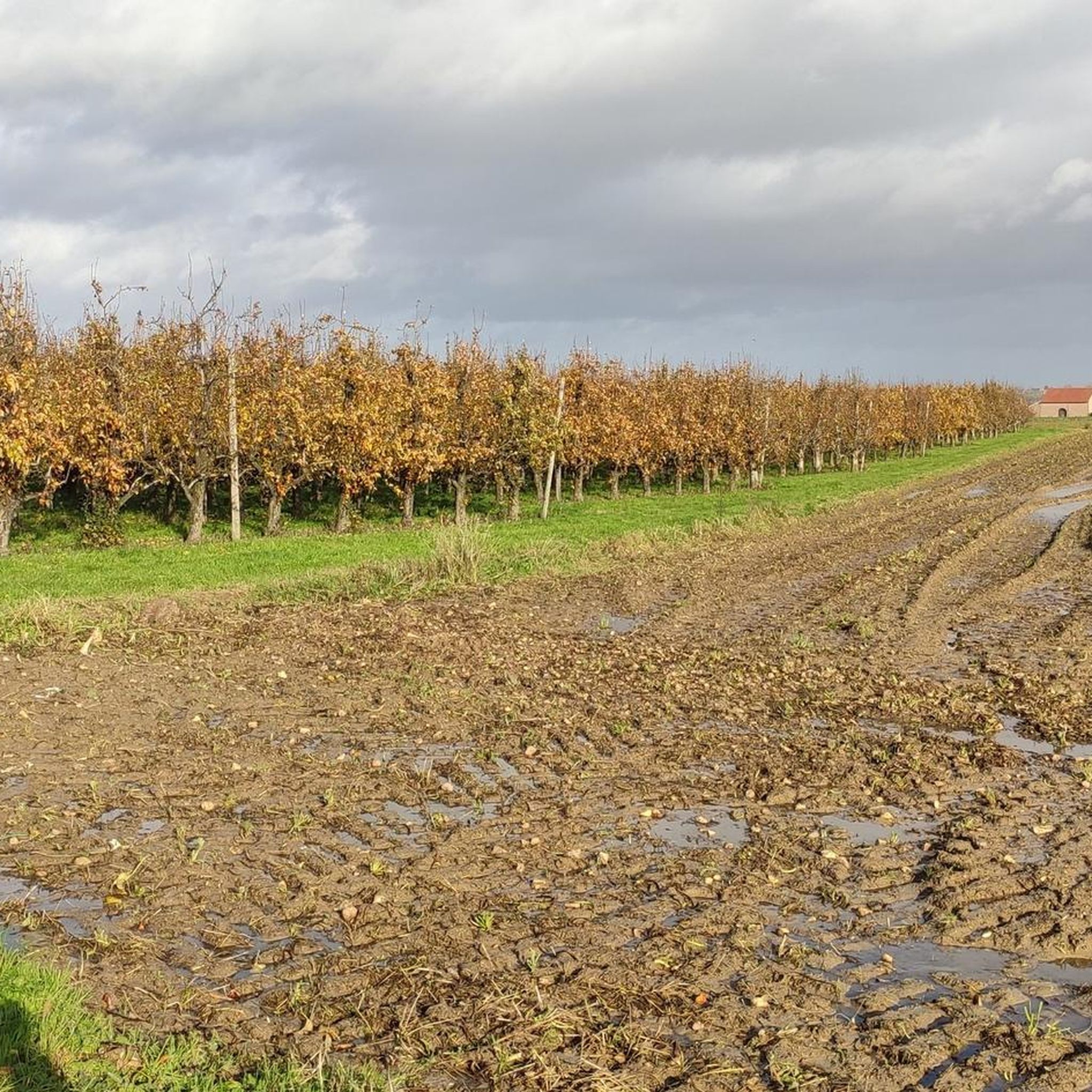
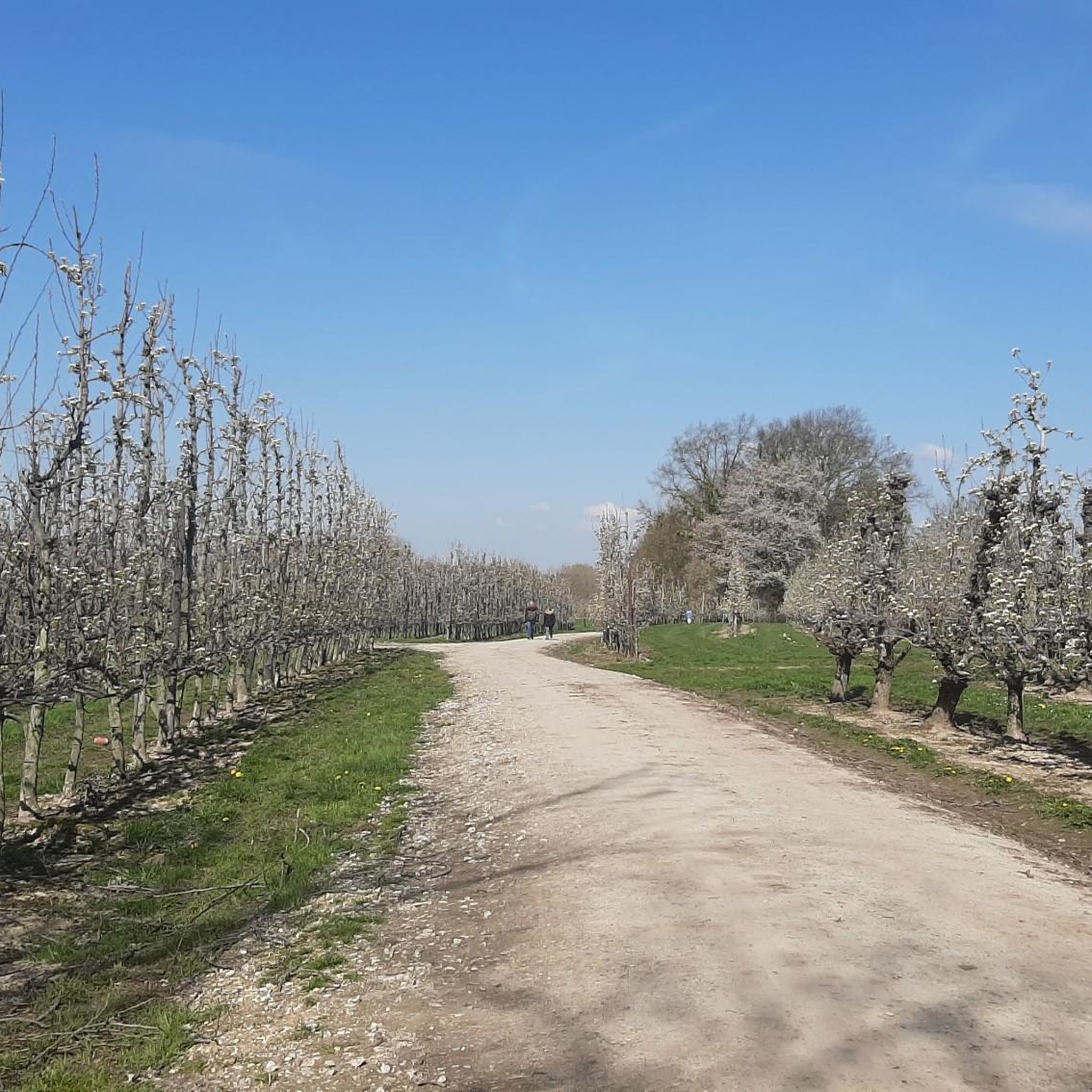
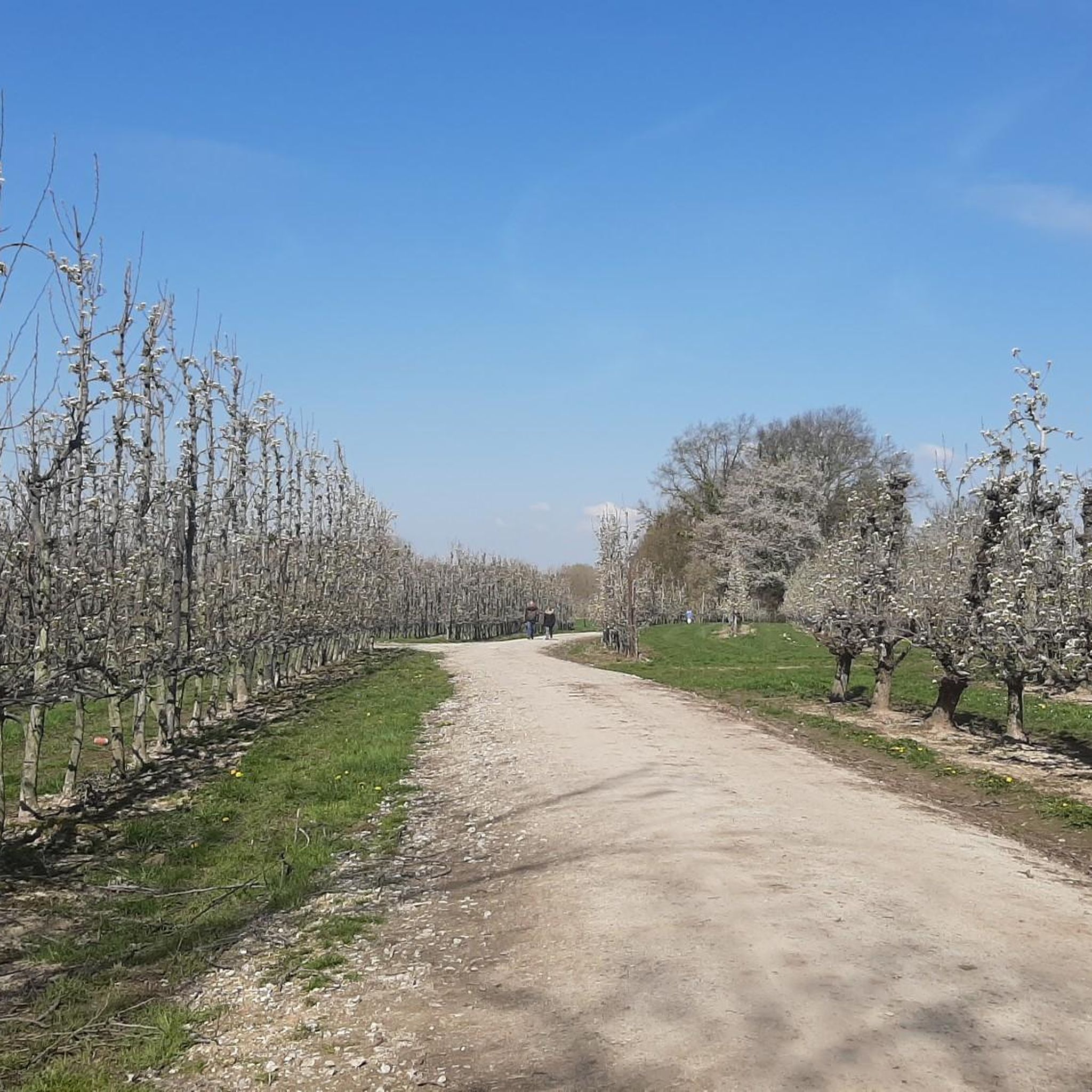
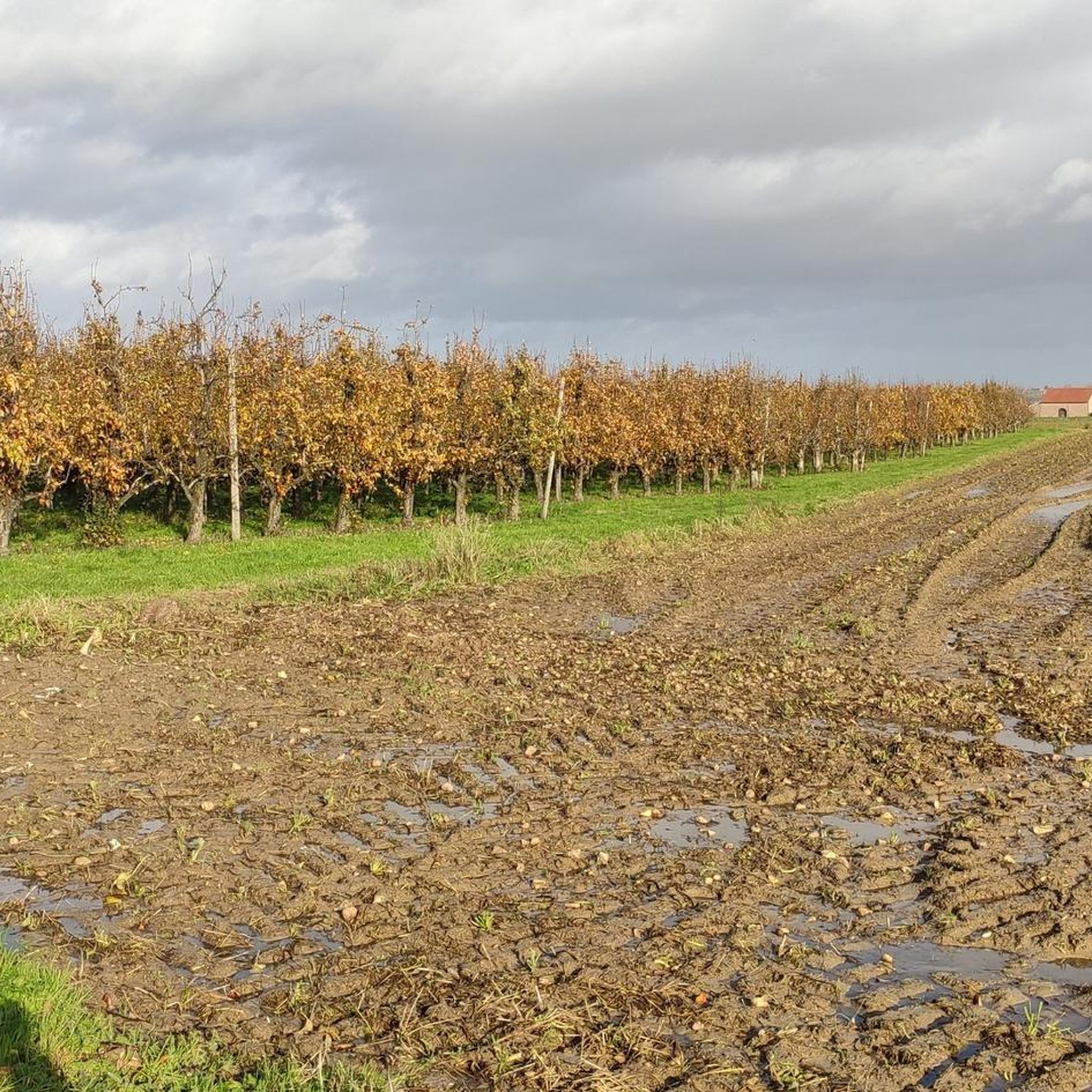
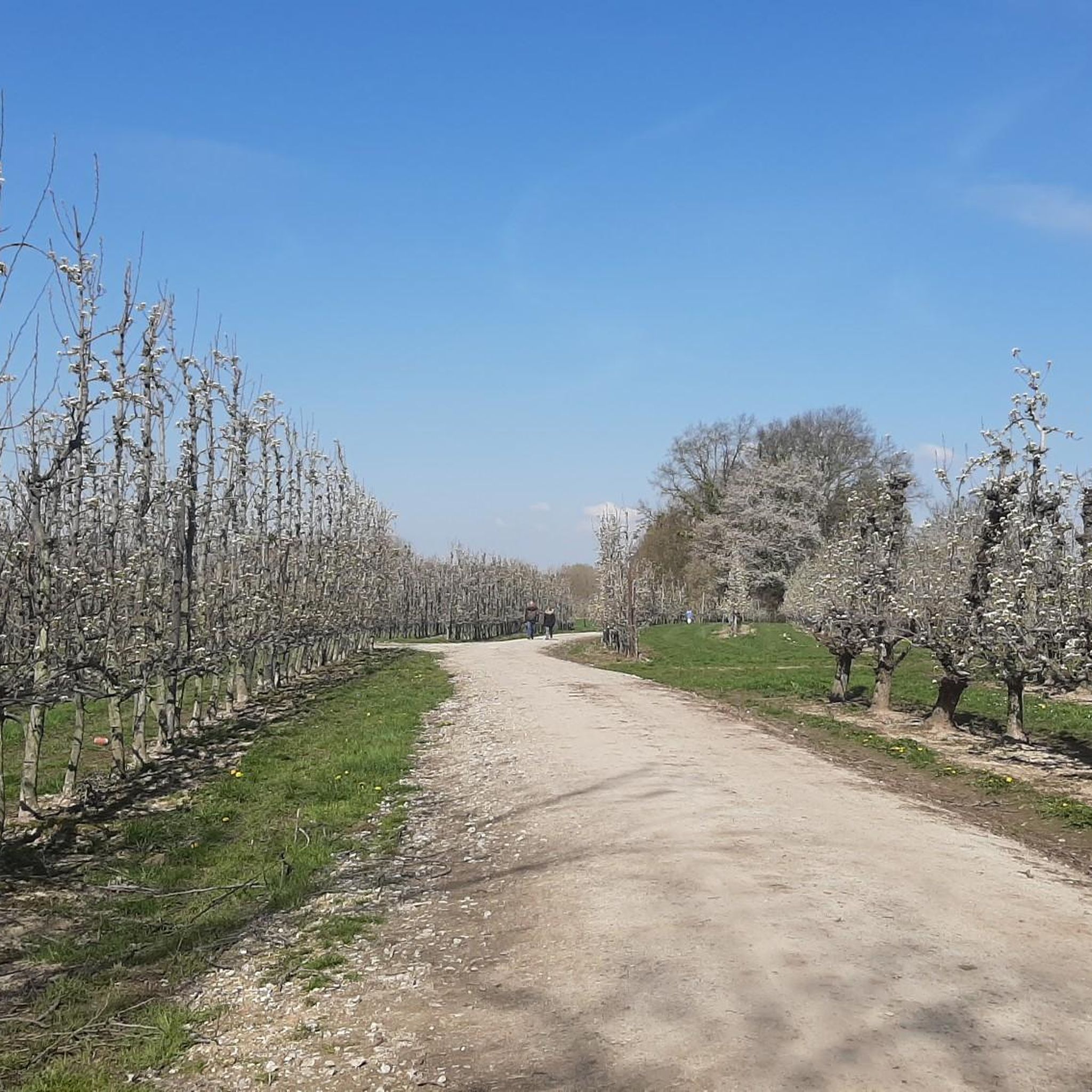
The spring and summer months are generally ideal for visiting, especially if you wish to enjoy the gardens and outdoor events. The blooming fruit orchards in the surrounding Haspengouw region, particularly in spring, are a highlight near Alden Biesen Commandery. For Heks Castle, its famous gardens are open to the public during the first weekend in June and the second weekend in September.
Are there any castles near Hoeselt that are not open to the public?
Yes, the Castle of Betho, an impressive 17th-century moated castle with four corner towers, is not open to the public. Similarly, Kasteel de Brouckmans, while historically significant, does not explicitly detail public accessibility for interior visits.
What historical significance do the castles in the Hoeselt area hold?
The castles in the Hoeselt area boast rich histories. Alden Biesen Commandery was founded by the Teutonic Order in the 11th century and served as a strategic headquarters. Kasteel de Brouckmans dates back to the 18th century, built on an earlier residence site. Heks Castle was built in the 18th century for a Prince-Bishop, reflecting aristocratic life of that era. Each offers a unique window into centuries of regional history.
Can I find cafes or restaurants near the castles?
Yes, some castles offer dining options nearby. For instance, near Bokrijk Castle, you'll find Bistro Koetshuis. At Kiewit Castle, the Koe-vert tavern offers organic, local, and fair-trade products. Alden Biesen Commandery, as a cultural and conference center, also has facilities that may include dining options, especially during events.
Are there any castles near Hoeselt with viewpoints or scenic surroundings?
Many castles in the region are set in scenic surroundings. Alden Biesen Commandery is surrounded by expansive parklands and gardens, offering beautiful settings for walks. Heks Castle is situated in the hilly Haspengouw region, known for its picturesque landscapes and orchards. The Domein Burghof, where Kasteel de Brouckmans is located, also features a park with mature trees and a moat transformed into a pond, providing a picturesque setting.
What makes Alden Biesen Commandery a unique destination?
Alden Biesen Commandery is unique due to its vast scale as one of Europe's largest castle estates and its history as a headquarters for the Teutonic Order. Beyond its historical buildings and restored grandeur, it functions as a vibrant cultural and conference center, hosting numerous annual events like the Scottish Weekend and the International Story Festival. Its extensive English and French gardens, along with the Teutonic Order Museum, offer a diverse and immersive experience.
Most popular routes around Hoeselt
Most popular attractions around Hoeselt

Get inspired with the komoot mobile app


Explore more
Looking for the best castles somewhere else? Discover other guides around Hoeselt:
