Top 20 Castles around Halle
Best castles around Halle are situated in a region rich in history, often overlooking the Saale River. The area features historic sites that showcase centuries of regional power and architectural evolution. Visitors can explore various castles, from ancient ruins to fortified Renaissance structures, offering insights into the past.
Best castles around Halle
- The most popular castles is Gaasbeek Castle, a castle that has undergone extensive restoration. It was purchased in the seventeenth century by Count René de Renesse, who…
Last updated: October 11, 2026
Gaasbeek Castle
Highlight • Castle
Translated by Google •
Tip by

Groenenberg Castle
Highlight • Castle
Translated by Google •
Tip by

Sign up now to discover places like this
Get recommendations on the best single tracks, peaks, & plenty of other exciting outdoor places.
Ter Rijst Castle Estate
Highlight • Castle
Translated by Google •
Tip by

Ter Rijst Castle
Highlight • Castle
Translated by Google •
Tip by

Groenenberg castle and park
Highlight • Castle
Translated by Google •
Tip by

Sign up for free to discover even more castles around Halle.
Already have an account?
Start today with a free account
Your next adventure awaits.
Popular around Halle
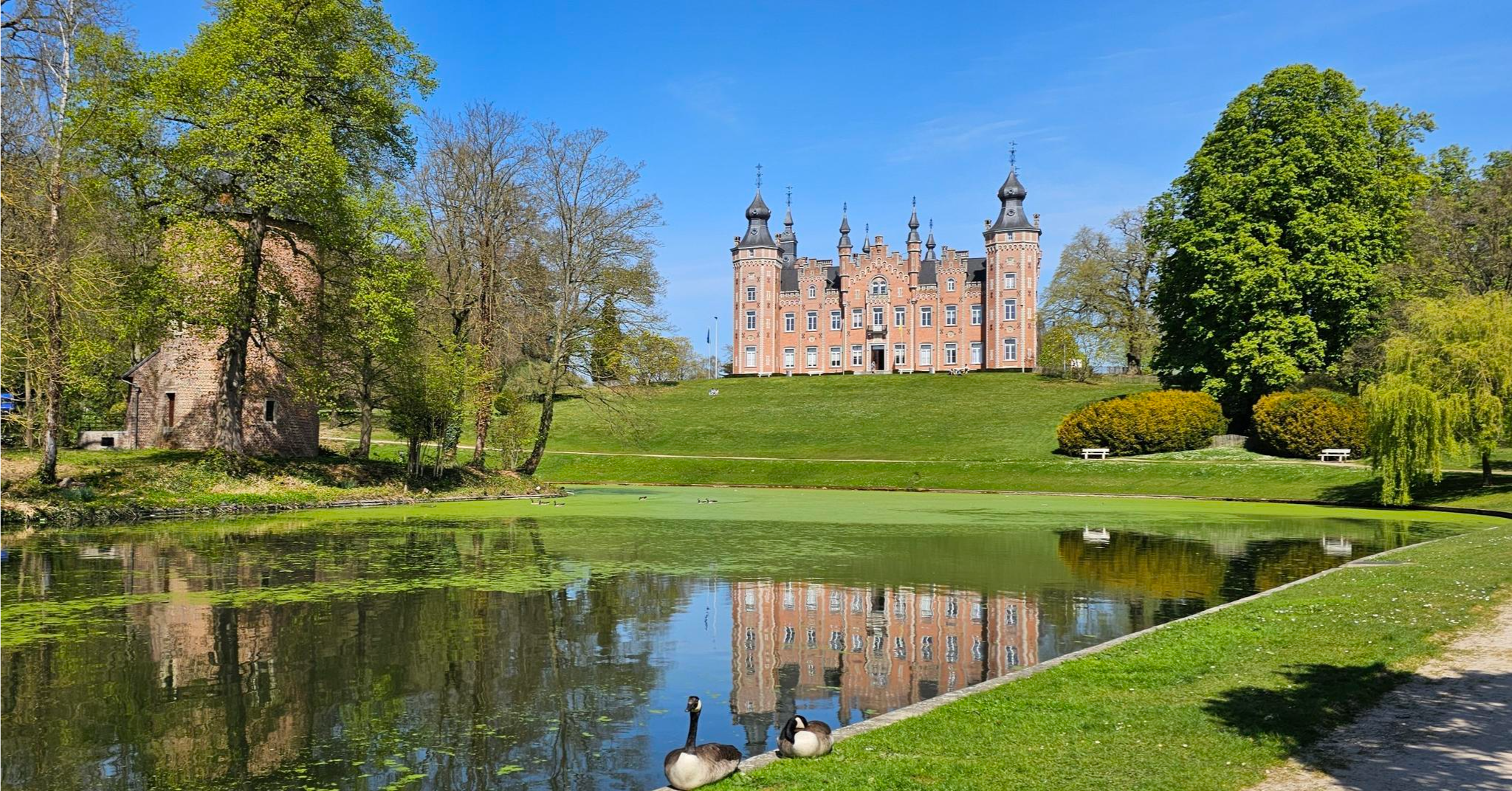
Tour around Brussels – Streek-GR Groene Gordel
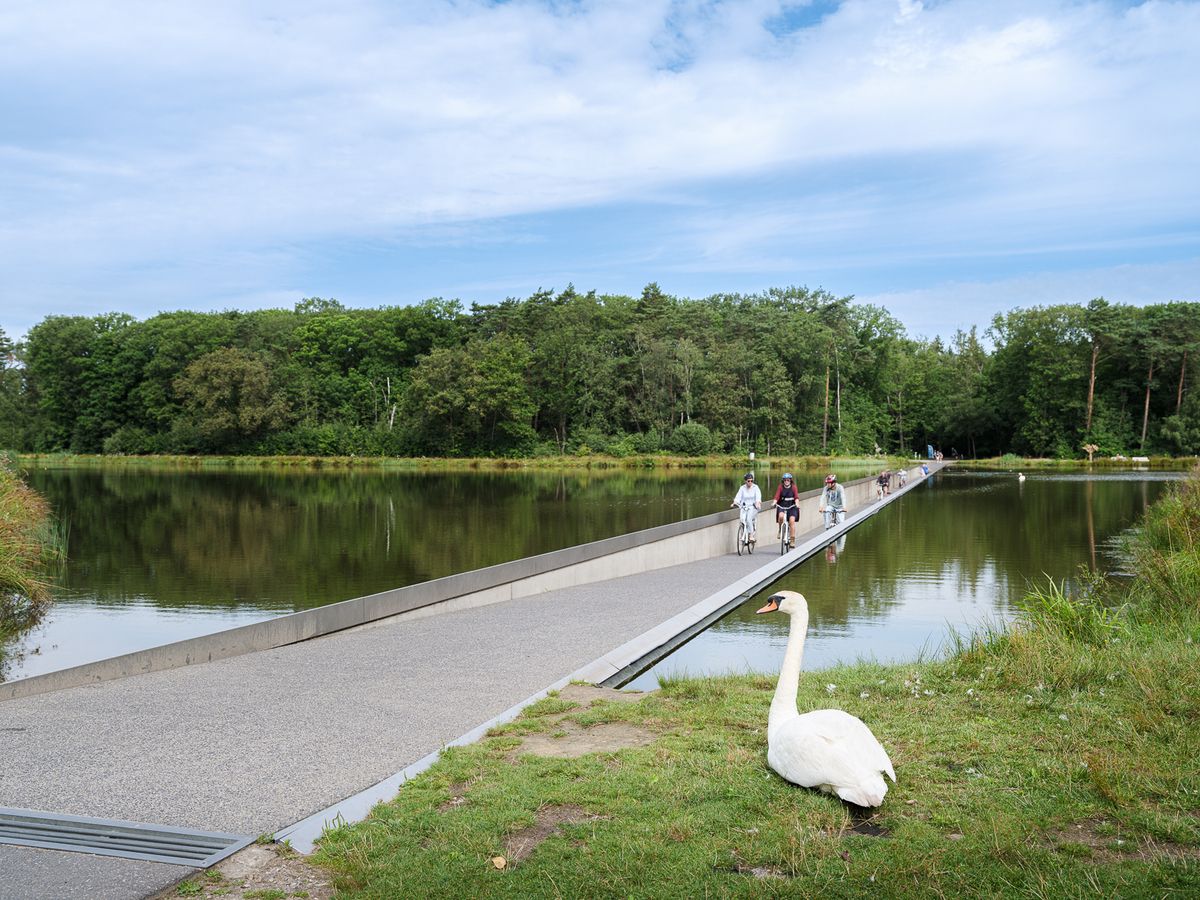
Flanders' Finest Cycle Routes: routes to discover Flemish nature and heritage
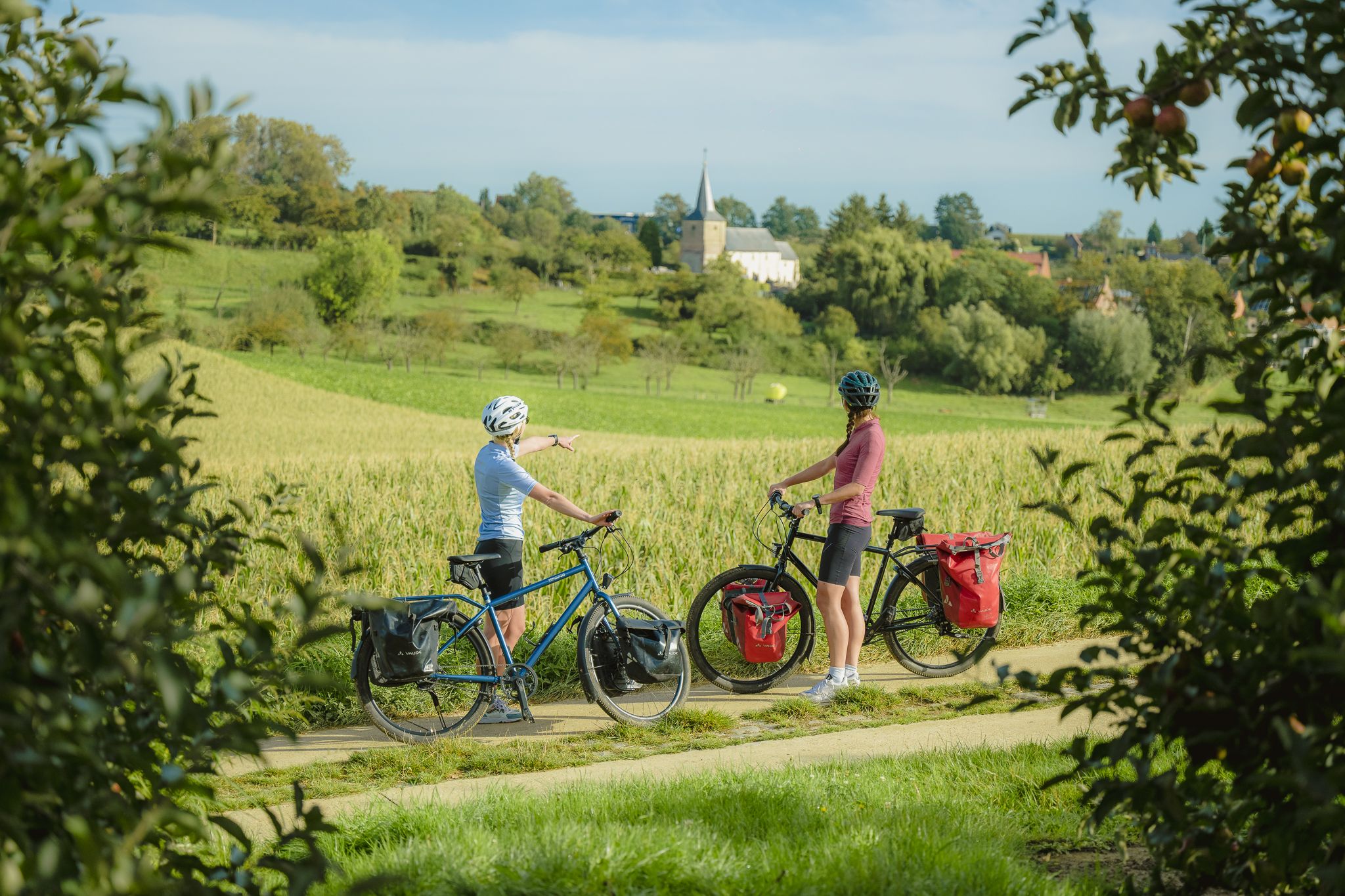
The best of Flanders — the Flanders Route
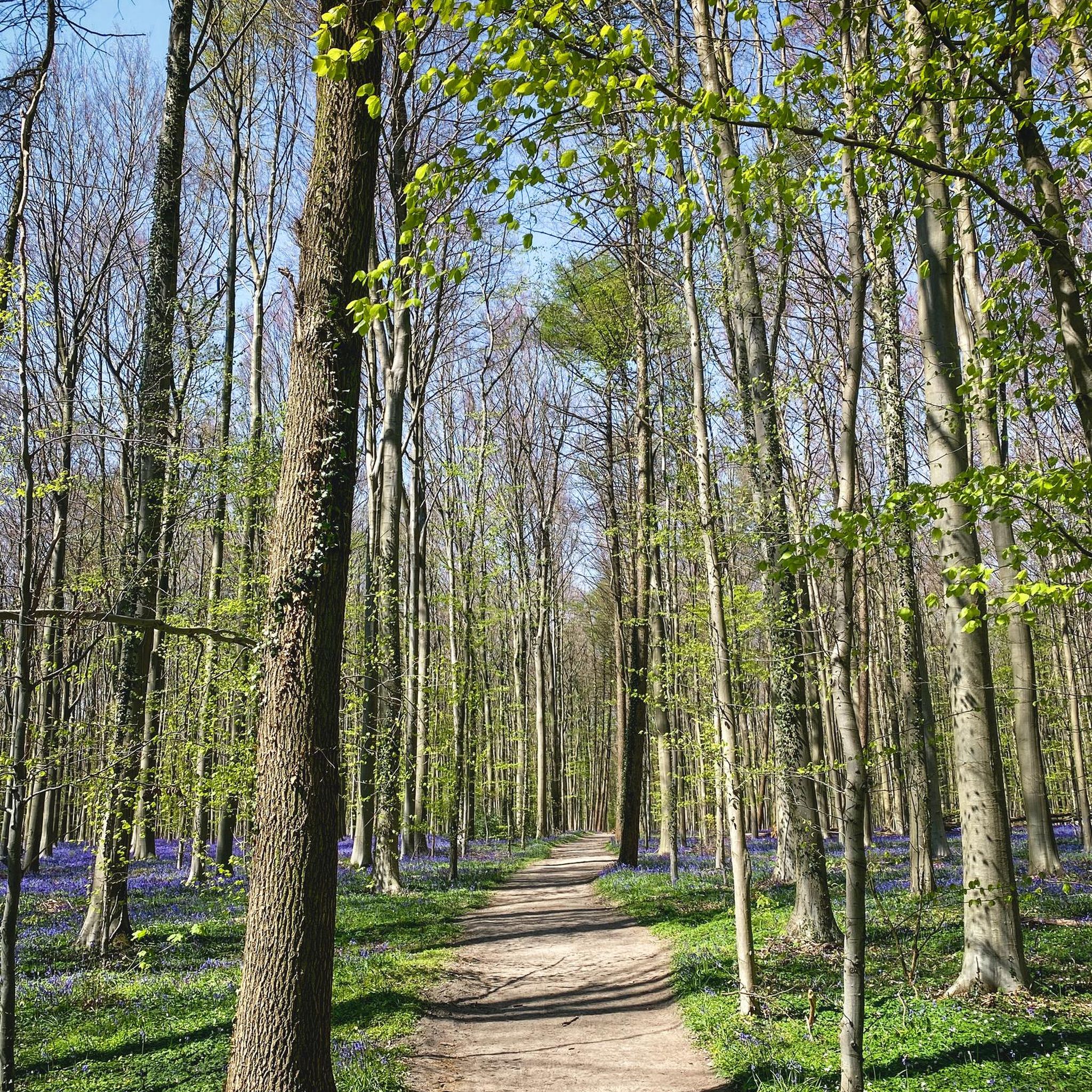
Hiking around Halle
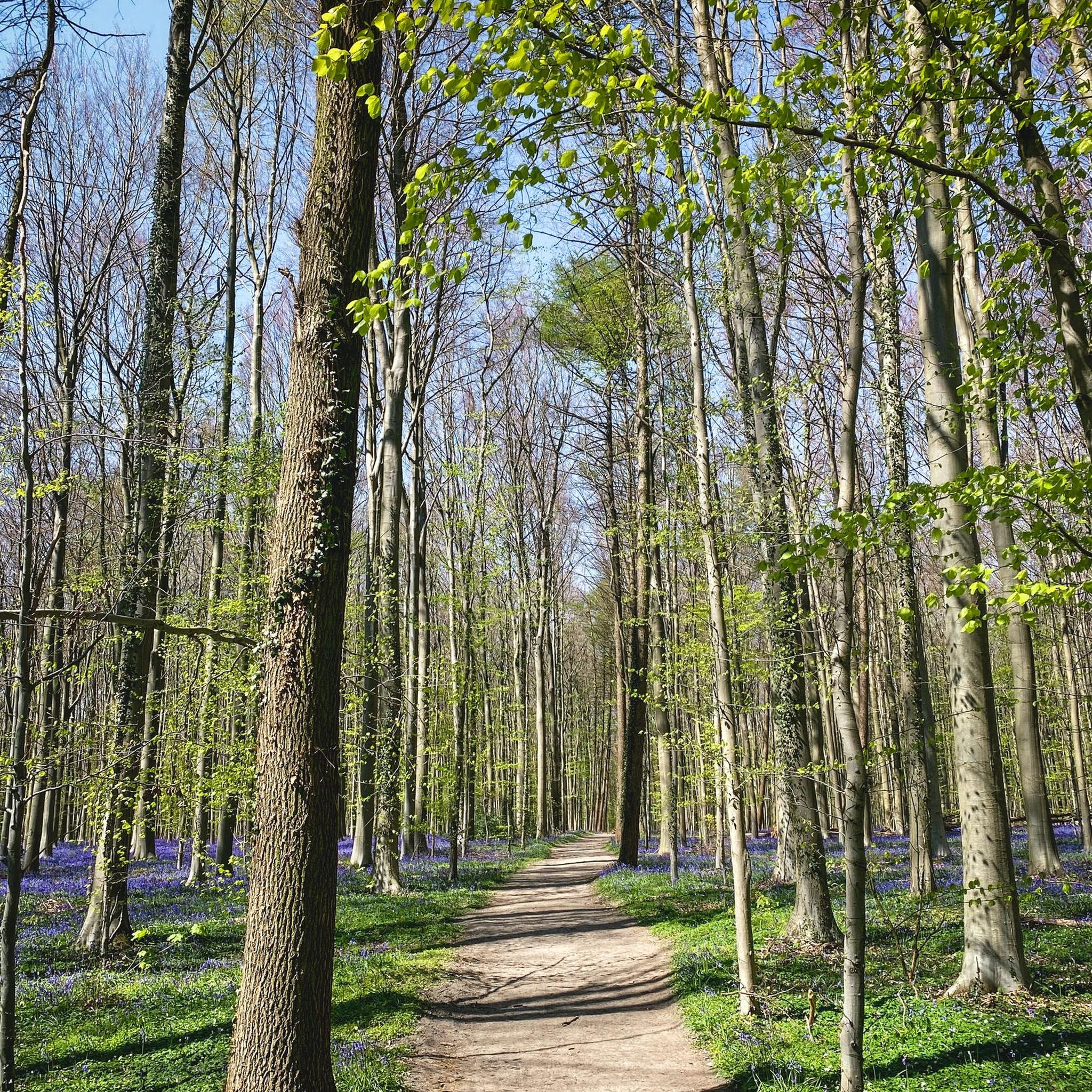
Cycling around Halle
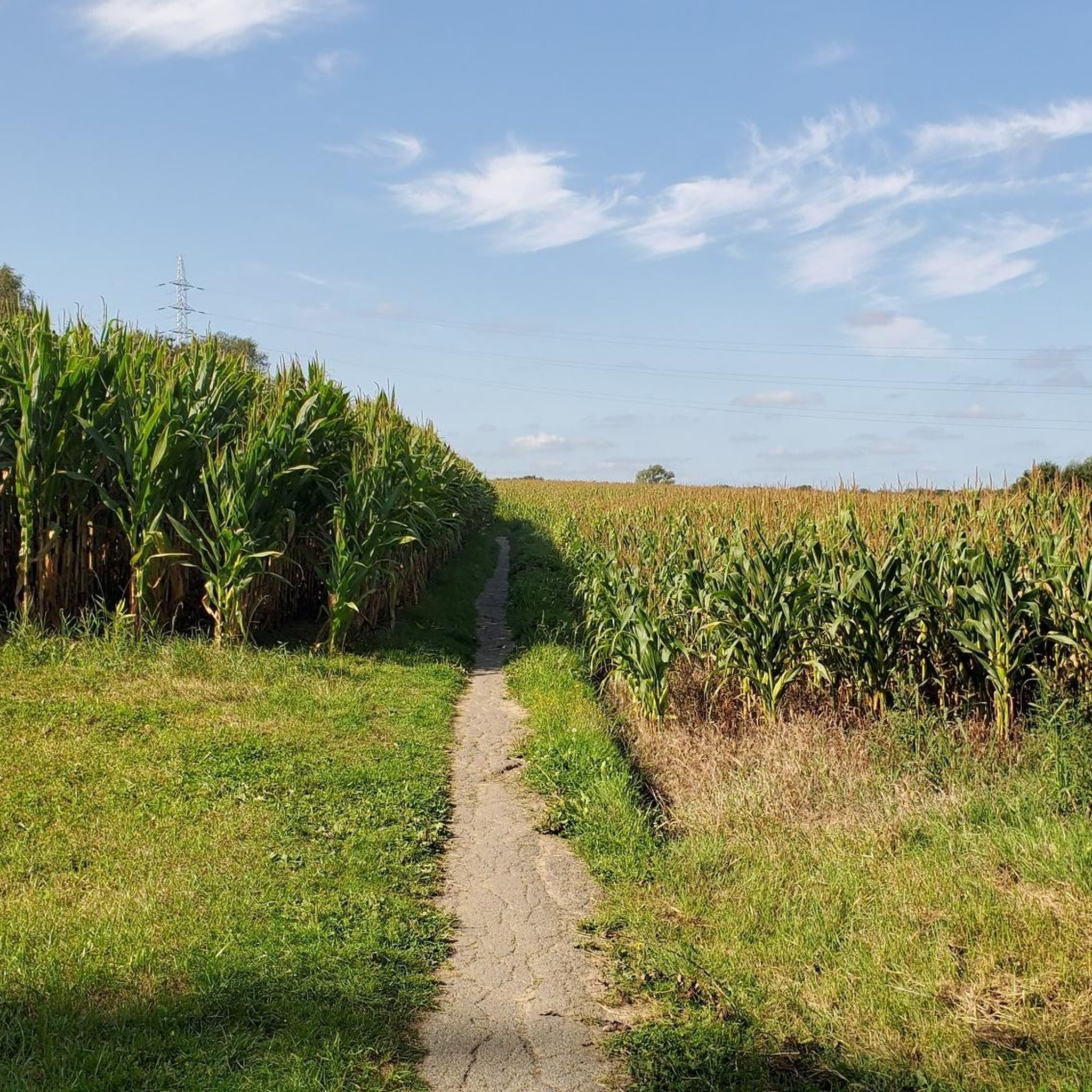
Running Trails around Halle
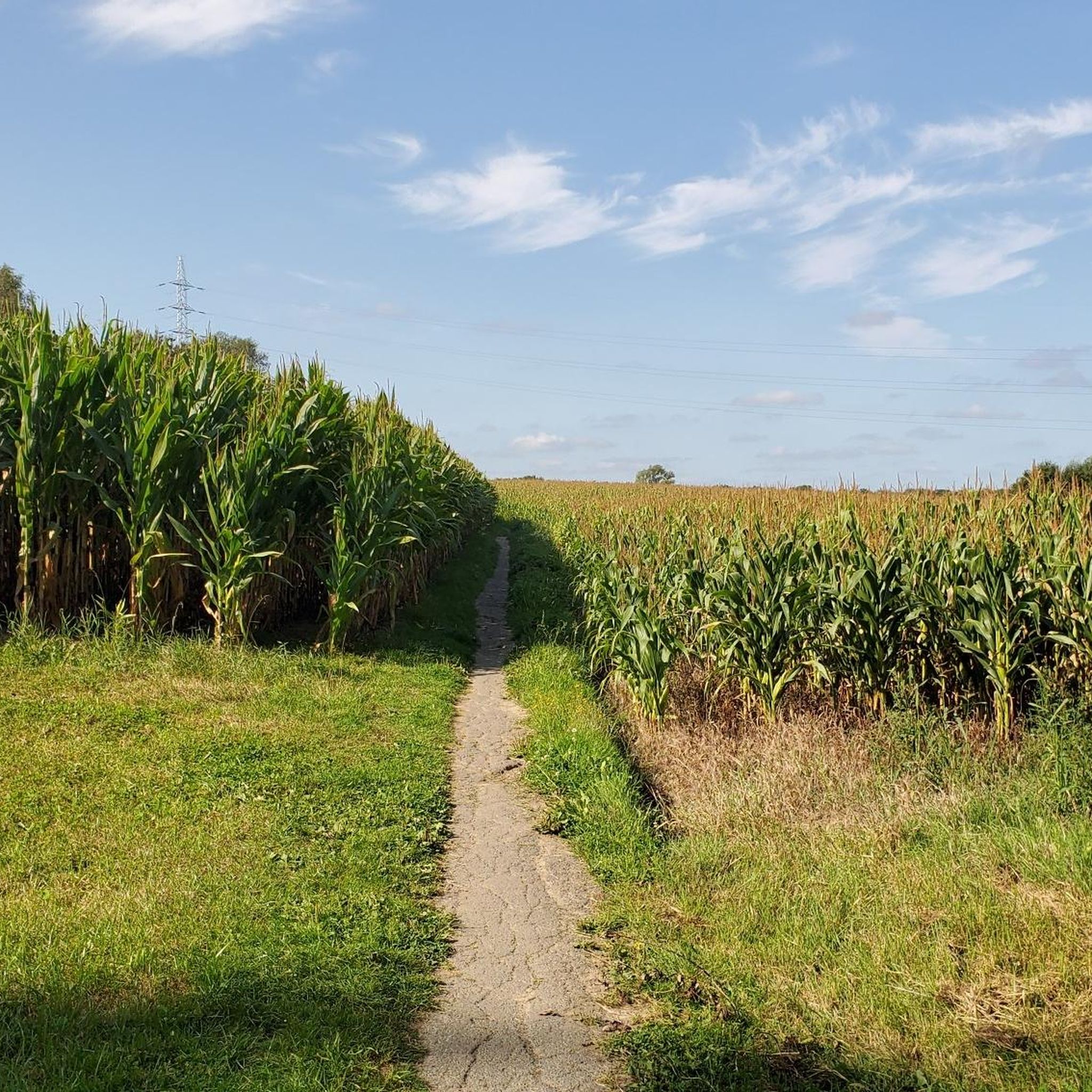
Road Cycling Routes around Halle
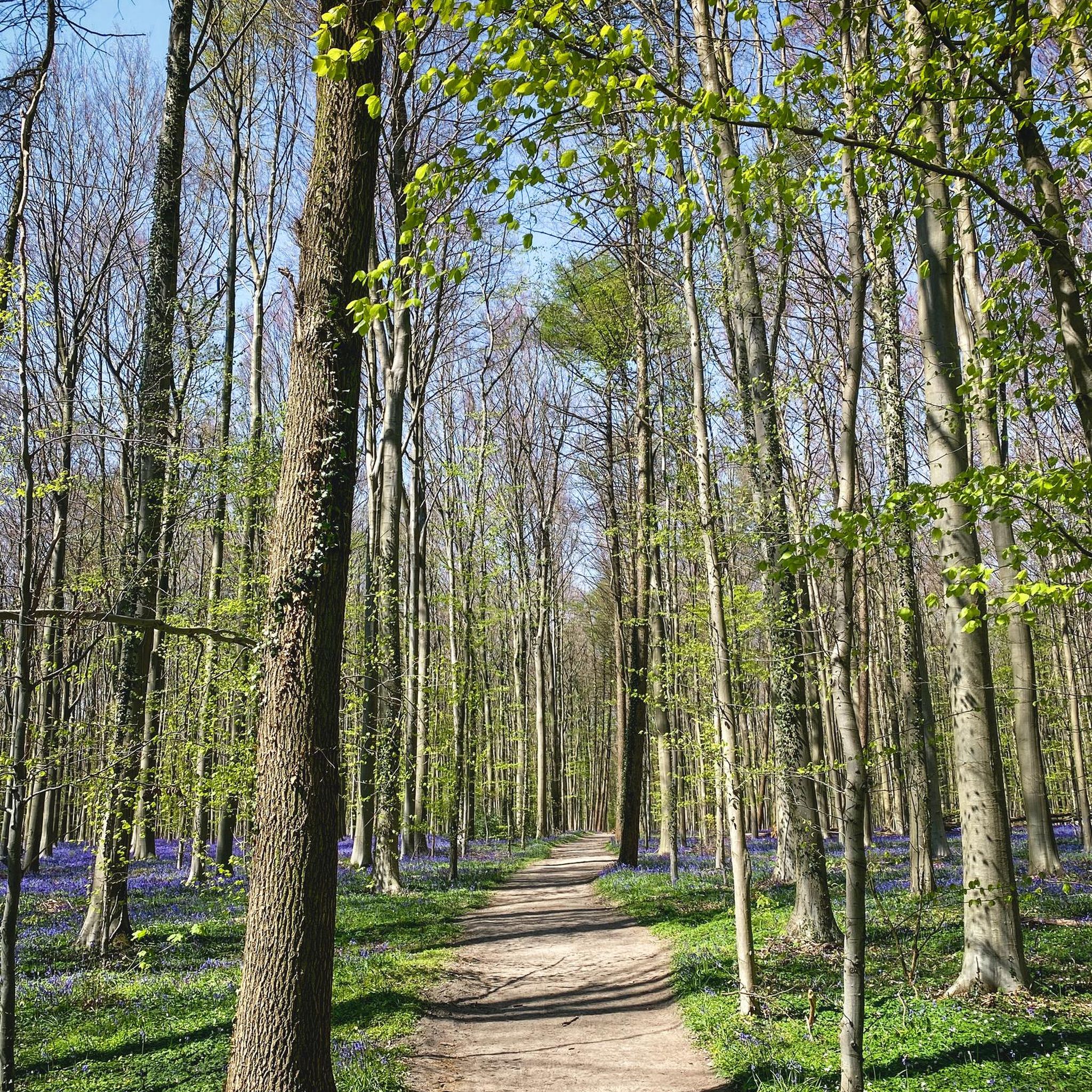
MTB Trails around Halle

Gravel biking around Halle
Other adventures around Halle


Tips from the Community

Magnificent castle in the green surroundings...
5
0

superb, well-maintained and very varied park
2
0

The Groenenberg castle and park grounds, located in Gaasbeek and Vlezenbeek, have been the property of the Flemish Community since 1981, which had it thoroughly restored in 1992. The domain was opened to the public on July 17, 1990. The castle was built around 1890, in an eclectic style. The 45 hectare English landscape park was created by Edmond Galoppin, one of the most famous landscape architects of that time. The park is characterized by winding roads, curved forest edges and extensive lawns, low flower beds, solitary trees and shrubs. Didactic identification plates have been placed on the most remarkable trees. The park is connected to the historic domain and castle of Gaasbeek.
6
0
Gaasbeek Castle is an originally medieval castle, now a national museum, located in Gaasbeek, a sub-municipality of Lennik. Source: Wikipedia
6
0
A beautiful and striking garden pavilion that was built in the years 1620 - 1625 on behalf of the then lord Renaat van Renesse of Warfusée.
6
0
Groenenberg Castle and its park domain, located in Gaasbeek and Vlezenbeek, has been owned by the Flemish Community since 1981, which had it thoroughly restored in 1992. The domain was opened to the public on 17 July 1990. The castle was built around 1890, in an eclectic style. The 45 ha English landscape park was designed by Edmond Galoppin, one of the most famous landscape architects of that time. The park is characterised by winding roads, curved forest edges and extensive lawns, low flower beds, solitary trees and shrubs. Didactic identification plates have been placed on the most remarkable trees. The park is connected to the historic domain and castle of Gaasbeek.
6
0

The pleasure pavilion in Gaasbeek is a Baroque garden pavilion that was built around 1620-1625 on behalf of Renaat van Renesse van Warfusée, the then lord of Gaasbeek. The pavilion is located in the park of Gaasbeek Castle, a historic castle and museum. The pavilion has an oval-round shape, a slate roof and a beautiful stucco ceiling with mosaic and mythological figures. The pavilion is surrounded by a double staircase that leads to the ponds and the park.
7
0
Frequently Asked Questions
What are the most historically significant castles in the Halle region?
The Halle region is rich in history, featuring castles that span centuries. Two prominent examples are Giebichenstein Castle and Moritzburg. Giebichenstein Castle, with origins dating back to the 9th century, served as a royal residence and later for the Archbishops of Magdeburg. Moritzburg, built in the Early Renaissance style starting in 1484, was also a residence for the Archbishops and is known for its robust fortifications. Both offer deep insights into the region's past.
Are there family-friendly castles to visit around Halle?
Yes, several castles in the Halle area are great for families. Gaasbeek Castle, Groenenberg Castle, and Ter Rijst Castle Estate are all categorized as family-friendly. These often feature extensive parks and grounds suitable for exploration by all ages.
What kind of natural features can I expect to see near the castles?
Many castles in the Halle region are set amidst beautiful natural landscapes. For instance, Ter Rijst Castle Estate boasts a landscape park with ponds and a forest reserve. Groenenberg Castle is situated within a 45-hectare park featuring diverse nature collections, including solitary trees, colorful shrubs, and extensive lawns. Giebichenstein Castle offers breathtaking views of the Saale River and surrounding landscape from its elevated position.
What outdoor activities can I do near the castles around Halle?
The area around Halle's castles offers various outdoor activities. You can explore numerous trails for gravel biking, road cycling, and mountain biking. For example, there are many routes for gravel biking around Halle, road cycling routes, and MTB trails that often pass by or near these historic sites, allowing you to combine history with active exploration.
Are there hiking or walking paths around the castles?
Yes, many castles are integrated into scenic walking and hiking paths. Giebichenstein Castle, for example, is ideal for leisurely strolls with its elevated position offering views of the Saale River. The parks surrounding castles like Groenenberg Castle and Ter Rijst Castle Estate feature maintained trails and rougher forest environments, perfect for walks.
What makes Moritzburg a unique castle to visit in Halle?
Moritzburg stands out as a prime example of Early Renaissance fortress architecture in Germany. Beyond its historical significance as an 'arx insuperabilis' (invincible fortress), it now houses an art museum of national importance. The Art Museum Moritzburg Halle (Saale) blends medieval elements with modern design, offering collections of contemporary and older fine art, along with various cultural events.
What is the significance of Giebichenstein Castle?
Giebichenstein Castle is a historic gem with a millennium-long history, serving as a royal residence and later for the Archbishops of Magdeburg. It showcases significant architectural evolution from the 12th and 13th centuries, including the Lower Castle built between 1445 and 1464. Today, it's a cultural hub, housing a campus of the Burg Giebichenstein Kunsthochschule Halle and a branch of the City Museum Halle. It's also part of the Romanesque Road.
What do visitors enjoy most about the castles around Halle?
Visitors appreciate the rich history, diverse architecture, and beautiful natural settings of the castles. Many enjoy the extensive parks and grounds, which are perfect for walks and family outings. The blend of historical exploration with opportunities for outdoor activities like cycling and hiking is also a highlight for the komoot community, which has shared over 300 photos and given more than 300 upvotes across various castle highlights.
Can I find cafes or refreshments near the castles?
Yes, some castle estates offer refreshment options. For example, at Ter Rijst Castle Estate, you have the opportunity to get a drink or snack at T-Rest. These amenities enhance the visitor experience, allowing for a comfortable break during your exploration.
What is the best time to visit the castles around Halle?
While specific opening hours vary by castle, the region's castles are generally enjoyable throughout the year. Spring and summer offer pleasant weather for exploring the extensive parks and grounds, while autumn provides beautiful foliage. Some castles, like Gaasbeek, may have specific seasonal closures or programs, so it's always good to check their individual websites for the most current information. For Giebichenstein Castle, you can find more details at Wikipedia, and for Moritzburg, visit Wikipedia.
Are there any hidden historical elements to discover at these castle sites?
Absolutely. At Ter Rijst Castle Estate, for instance, you can find remains of an old Roman highway under the foundations of the Asse-Edingen road, and a knoll near the largest pond hides cellars and the remains of a medieval castle. An old ice cellar, now home to bats, also adds to the historical intrigue. These sites offer a chance to uncover layers of history beyond the main structures.
Most popular attractions around Halle

Get inspired with the komoot mobile app


Explore more
Looking for the best castles somewhere else? Discover other guides around Halle:
