The best cycling routes around Villers-Le-Bouillet
4.8
(13)
174
riders
34
rides
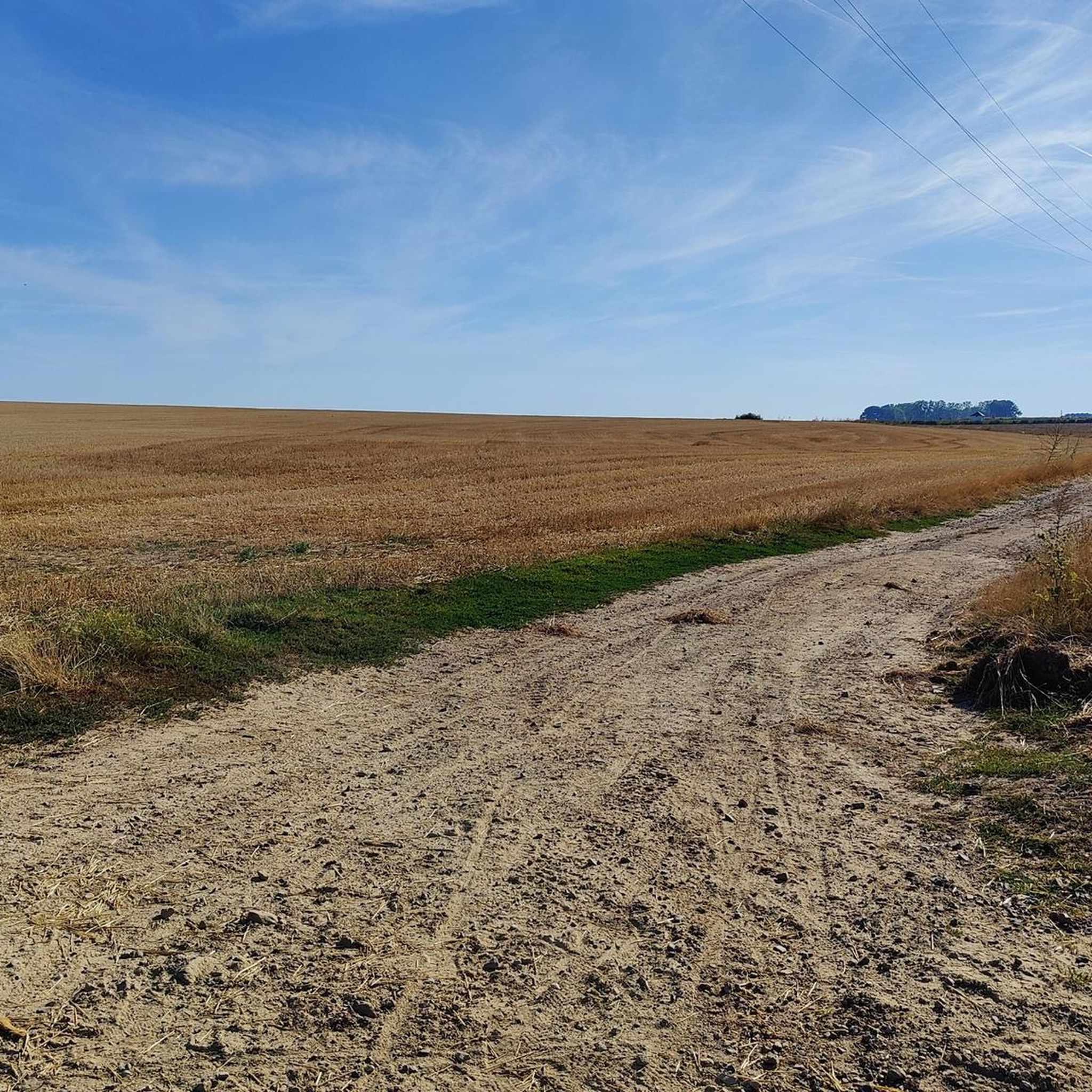
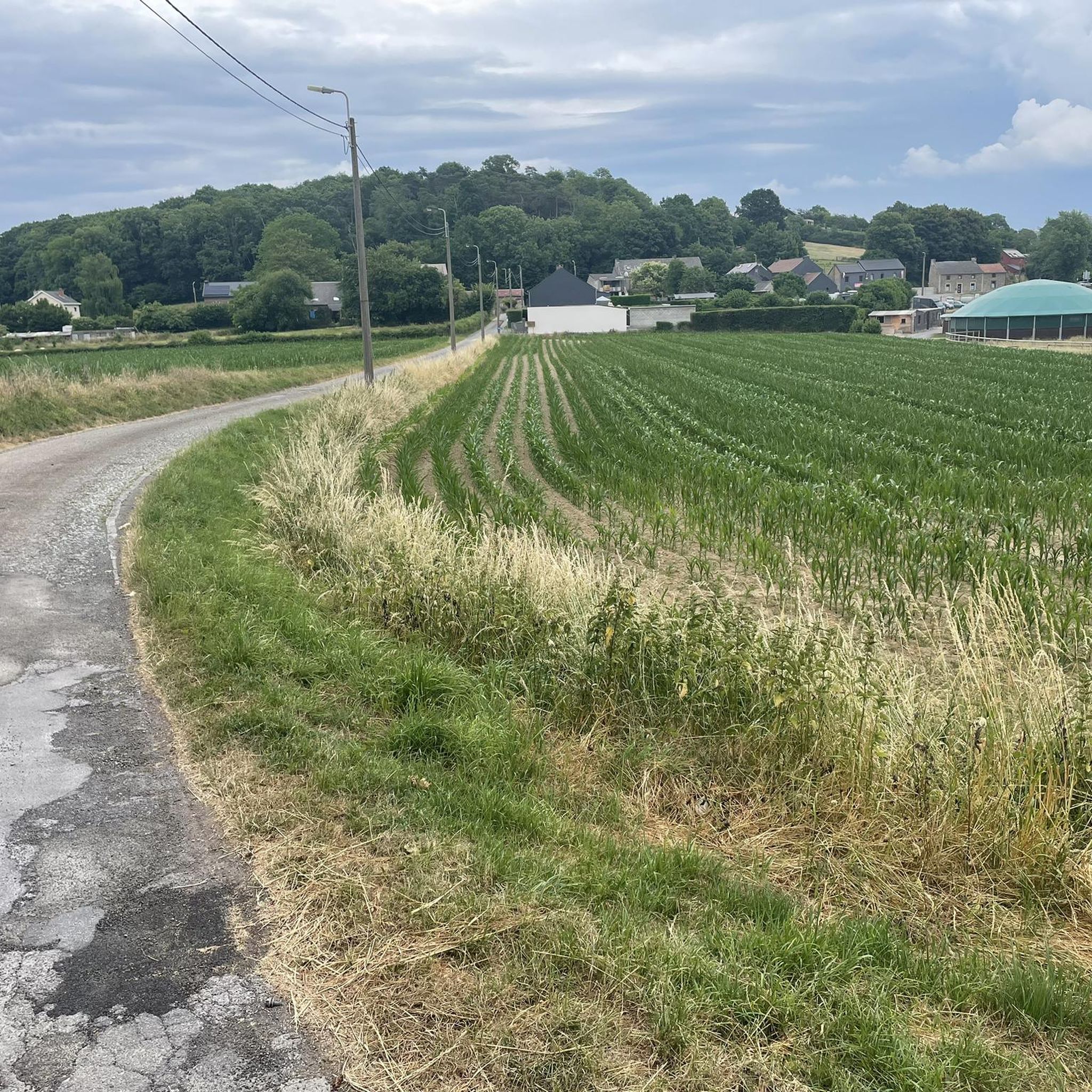
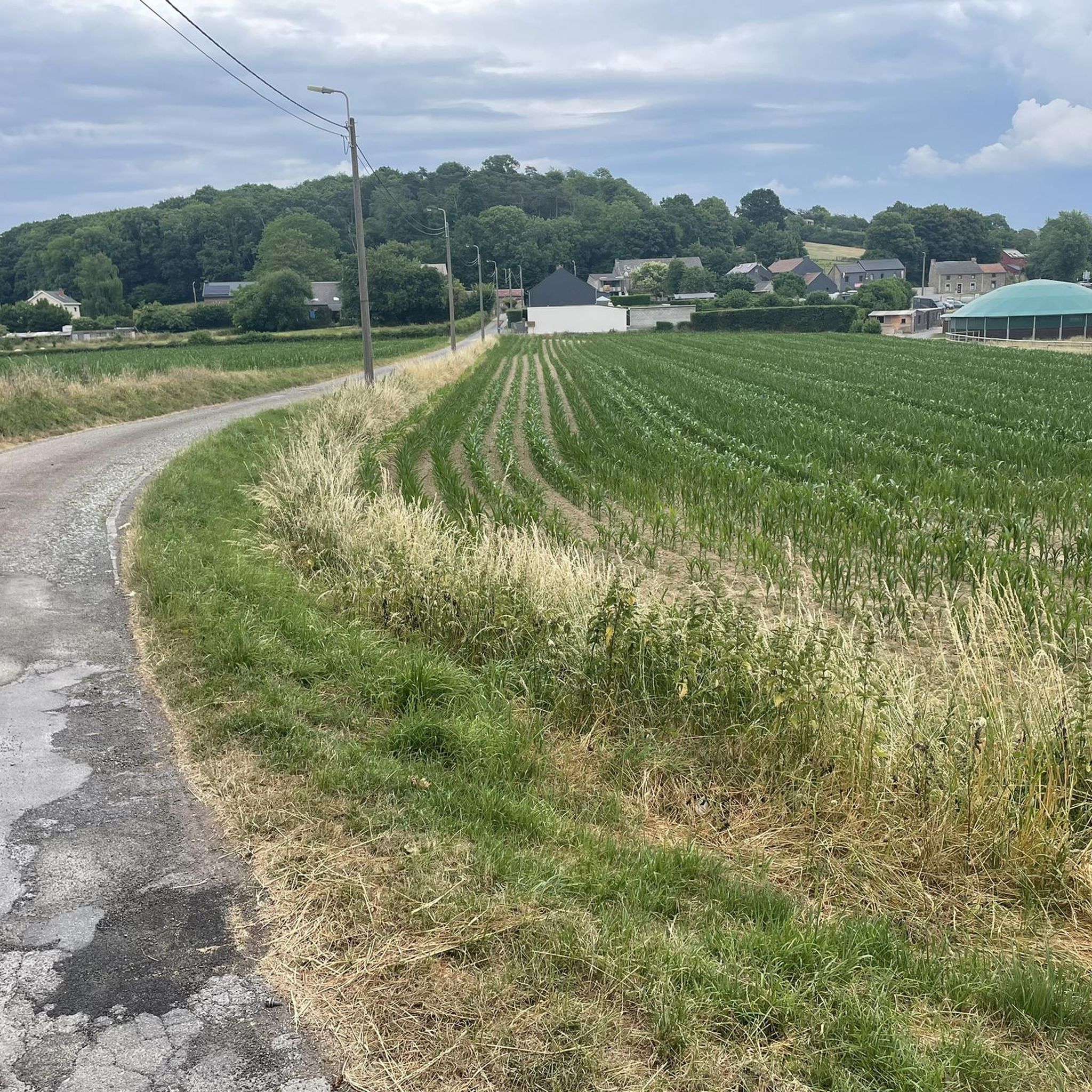
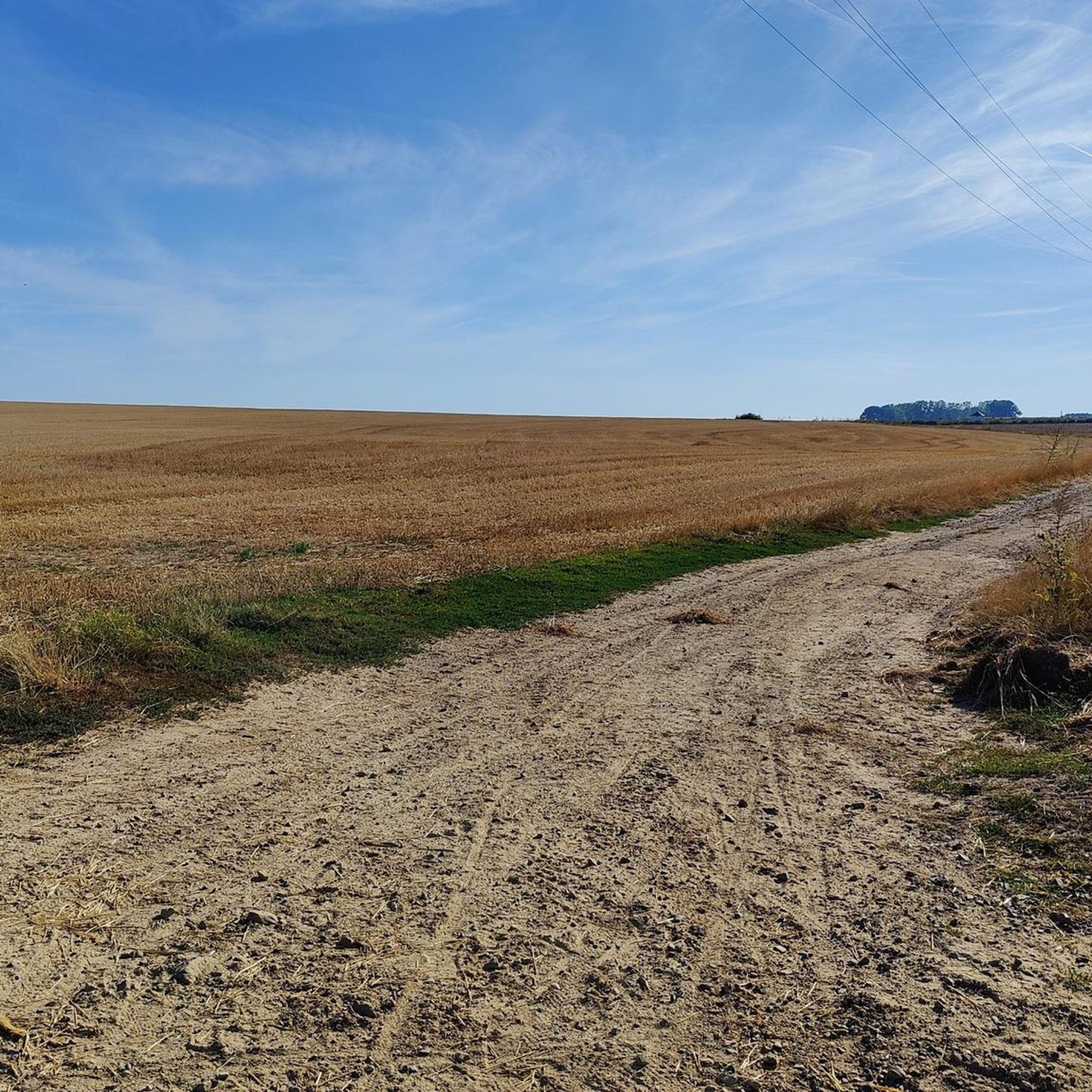
Touring cycling around Villers-Le-Bouillet offers diverse landscapes, transitioning from the open agricultural fields of the Hesbaye region to more undulating terrain and wooded valleys. Small streams like the Mehaigne and Meuse tributaries carve picturesque, verdant areas, providing varied scenery. The municipality itself is situated at a higher elevation, with routes descending towards the Meuse valley, creating dynamic cycling experiences. This geographical position ensures a mix of expansive views and sheltered, natural environments.
Best touring cycling routes around Villers-Le-Bouillet
- The most…
Last updated: October 21, 2026
5.0
(1)
43
riders
34.9km
02:55
500m
500m
Hard bike ride. Very good fitness required. You may need to push your bike for some segments of this route.
5.0
(2)
11
riders
Moderate bike ride. Good fitness required. Mostly paved surfaces. Suitable for all skill levels.

15
riders
Hard bike ride. Very good fitness required. You may need to push your bike for some segments of this route.
4.5
(2)
10
riders
64.2km
04:10
710m
710m
Hard bike ride. Very good fitness required. Mostly paved surfaces. Suitable for all skill levels.
5.0
(2)
12
riders
33.5km
02:14
290m
290m
Moderate bike ride. Good fitness required. Mostly paved surfaces. Suitable for all skill levels.
Get access to more routes and recommendations from other explorers.
Already have an account?
Our route recommendations are based on thousands of hikes, rides, and runs completed by other people on komoot.
Start today with a free account
Your next adventure awaits.

Tips from the Community

The former station of Braives on railway line 127 from Landen to Statte has been upgraded by the municipality of Braives into a dynamic meeting place with a community centre, library and pleasant outdoor area with a playground. The weekly market is now held on the former goods yard. The station building is the only one on line 127 that still stands and is in its original condition.
4
0
The "Moulin du Vélupont" was a former possession of the Kornelimünster Abbey near Aachen from the 9th century until the Ancien Régime. During its long existence, the mill was destroyed and rebuilt several times. The current buildings are from the 19th century, recently restored and put into use as residences. The water wheel now works to generate green electricity.
5
0

Good picnic spot. Unfortunately, there are too few on the Maas.
0
0

It's pleasant to walk around there with the new infrastructure put in place for the fish and the new walkways.
2
0
A new fish ladder – the largest in Wallonia! – a veritable artificial river, allows aquatic wildlife to bypass the dam. The footbridge connecting the municipalities of Amay and Huy has been replaced and extended to span the main road. More information: https://construirelawallonie.be/nouvelles/le-site-eclusier-dampsin-neuville-est-equipe-de-la-plus-longue-passe-a-poissons-de-wallonie/
1
0

The gravel pit is a very rich site for photo enthusiasts or for walkers who wish to walk on maintained paths and observe birds in complete tranquility. Site recommended for walkers and photographers. Please, can you respect the rules such as keeping your dog on a leash (even if some people think they won't do any harm by letting their dog off the leash, know that you have animals with predator instincts which could scare away some species of birds that nest on the ground, like the kingfisher) and not swimming so as not to disturb the birds that are there. Thank you to all those who will respect the rules and I wish you a good hike or a good photo outing 🙏.
1
0
A really nice place to have a drink after your walk (open Wednesday and Sunday)
1
1

The current castle ensemble is largely 16th century, but was built around a 14th-century square keep. The location of that keep was, of course, strategically chosen: slightly elevated above the surroundings, this point offers a good view. The original military architecture gave way in the 16th century to a balanced combination of defense and residential comfort. In addition to the main building, the domain includes a farm, a barn, and several outbuildings, which together form a coherent whole. All these constructions are built from locally quarried limestone rubble, while carefully dressed limestone was used for lintels, sills, door frames, and window frames. This choice of materials testifies to the craftsmanship and the prosperity of the owners during that period. The oldest known lord associated with Famelette is Thiry Lardinois de Famelette, lord of Moha, indicating the close ties between the domain and the local feudal power structures. In 1441, the castle passed into the hands of Collar de Hosden, who held the office of bailiff of Moha. His function as a representative of the lordly authority underscores the administrative importance of Famelette within the region. A decisive phase in the castle's history began in 1558, when it was acquired by the Berlaymont de Floyon family, an influential noble dynasty in the Southern Netherlands. Under their rule, the domain underwent two thorough renovations, during which the existing medieval structures were expanded and embellished. The Berlaymont de Floyon family remained owners of the castle until the early 19th century, an era marked by profound political and social changes, including the consequences of the French Revolution. Famelette subsequently came into the hands of the noble Aspremont Lynden family, who sold the domain in 1878 to the Collinet family (owners of Carmeuse, the quarries). Source: www.burchten-kastelen.be
2
0
Frequently Asked Questions
How many touring cycling routes are available around Villers-le-Bouillet?
There are over 35 touring cycling routes around Villers-le-Bouillet, offering a wide variety of experiences for different skill levels. The komoot community has explored these routes over 170 times, providing valuable insights and ratings.
What kind of terrain can I expect on touring cycling routes in Villers-le-Bouillet?
The terrain around Villers-le-Bouillet is quite diverse. You'll find expansive, open agricultural fields characteristic of the Hesbaye region, transitioning into more undulating landscapes and picturesque wooded valleys carved by streams like the Mehaigne and Meuse tributaries. The area also features significant elevation changes, with routes descending from higher points in Hesbaye towards the Meuse valley, offering dynamic cycling experiences.
Are there easy or family-friendly touring cycling routes in the area?
Yes, Villers-le-Bouillet offers several routes suitable for beginners and families. There are 8 easy routes and 17 moderate routes available. While specific family-friendly routes are not detailed, the presence of varied terrain means you can find gentler paths, especially along river sections or within the less undulating parts of the Hesbaye plateau.
What are some of the natural highlights I can see while cycling?
As you cycle, you'll encounter the distinctive 'openfield' landscapes of the Hesbaye region, with vast agricultural fields. The routes also lead through charming, verdant wooded valleys formed by small streams like the Roua, Narméa, and Mehaigne. Keep an eye out for the transition zones towards the Meuse valley, which feature more extensive wooded areas and distinct relief.
What historical landmarks or villages can I explore along the routes?
The region is rich in history and charming villages. You can cycle past villages like Fize-Fontaine, Vaux-Borset, Vieux-Waleffe, and Warnant-Dreye, many of which retain a rural and historical character. Warnant, for instance, is known for its abbey and aristocratic farms, dominated by the Château d'Oultremont. You might also encounter remnants of past coal mining activity, such as small, now wooded, spoil heaps. For specific historical sites, consider routes that pass by Moha Castle or Château de Fumal.
Are there any circular touring cycling routes around Villers-le-Bouillet?
Yes, many of the touring cycling routes in the area are designed as loops, allowing you to start and end in the same location. An example is the challenging Paix-Dieu Abbey – La Neuville Fish Pass loop from Villers-le-Bouillet, which offers a journey through varied landscapes and past historical sites.
What do other touring cyclists say about the routes in Villers-le-Bouillet?
The touring cycling routes in Villers-le-Bouillet are highly rated by the komoot community, with an average score of 4.8 stars from over 10 reviews. Cyclists often praise the diverse landscapes, from open fields to wooded valleys, and the opportunity to discover historical sites and charming villages along the way.
Are there routes that feature gravel paths?
Yes, some routes incorporate gravel sections, offering a different cycling experience. For example, the moderate Nice gravel path along the Mehaigne river – View of Fumal Castle loop from Warnant follows a scenic gravel path alongside the Mehaigne river.
What is the best time of year to go touring cycling in Villers-le-Bouillet?
The best time to go touring cycling in Villers-le-Bouillet is generally during the spring, summer, and early autumn months (April to October). During these periods, the weather is typically milder and more pleasant, with less rain, making for more enjoyable rides through the region's diverse landscapes.
Where can I find parking for cycling routes in Villers-le-Bouillet?
While specific parking locations for each route are not detailed here, many routes start from villages or accessible points within the municipality. It's advisable to check the starting point of your chosen route on komoot, as local villages often provide public parking facilities. For example, routes often begin from Villers-le-Bouillet itself or nearby villages like Warnant and Vaux-et-Borset.
Are there any routes that offer views of castles?
Absolutely! The region is dotted with castles. A notable route is the challenging Ruins of Moha Castle and Cliffs – Fumal Castle and Pastoral View loop from Vaux-et-Borset, which takes you past impressive castle ruins and offers pastoral views. Other routes might pass by or offer glimpses of castles such as Château de Fallais or Aigremont Castle.
Can I access the cycling routes using public transport with my bike?
Villers-le-Bouillet is connected to the wider region, and while direct public transport options for bikes might vary, the area is part of the 'points-nœuds' (node points) network. This network allows for flexible route planning and connections, which can be useful if you're combining cycling with public transport. It's recommended to check local bus or train services for their bike carriage policies.
Most popular routes around Villers-Le-Bouillet
Most popular attractions around Villers-Le-Bouillet

Get inspired with the komoot mobile app


Explore more
Browse the best Cycling routes in other regions.
