The best road cycling routes around Vorselaar
4.3
(248)
16,421
riders
34
rides
Road cycling routes around Vorselaar are characterized by the flat to gently undulating terrain of the Antwerp Kempen region. The area features extensive green spaces, including forests and waterways like the Kleine Nete river. A comprehensive numbered-node cycle network facilitates easy navigation across well-paved surfaces and quiet roads, making it suitable for various fitness levels.
Best road cycling routes around Vorselaar
- The most popular road cycling route is Kapel Heiken – Cycle Path Along Engels Kamp loop from Vorselaar,…
Last updated: August 20, 2026
52
riders
12.5km
00:38
10m
10m
Easy road ride. Great for any fitness level. Mostly well-paved surfaces and easy to ride.
31
riders
14.6km
00:40
20m
20m
Moderate road ride. Great for any fitness level. Some segments of this route may be unpaved and difficult to ride.

Sign up for free
27
riders
130km
06:26
190m
190m
Hard road ride. Very good fitness required. Some segments of this route may be unpaved and difficult to ride.
25
riders
41.1km
02:03
50m
50m
Moderate road ride. Good fitness required. Some segments of this route may be unpaved and difficult to ride.
14
riders
Moderate road ride. Great for any fitness level. Some segments of this route may be unpaved and difficult to ride.
Get access to more routes and recommendations from other explorers.
Sign up for free
Already have an account?
Our route recommendations are based on thousands of hikes, rides, and runs completed by other people on komoot.
Start today with a free account
Your next adventure awaits.
Login or Signup
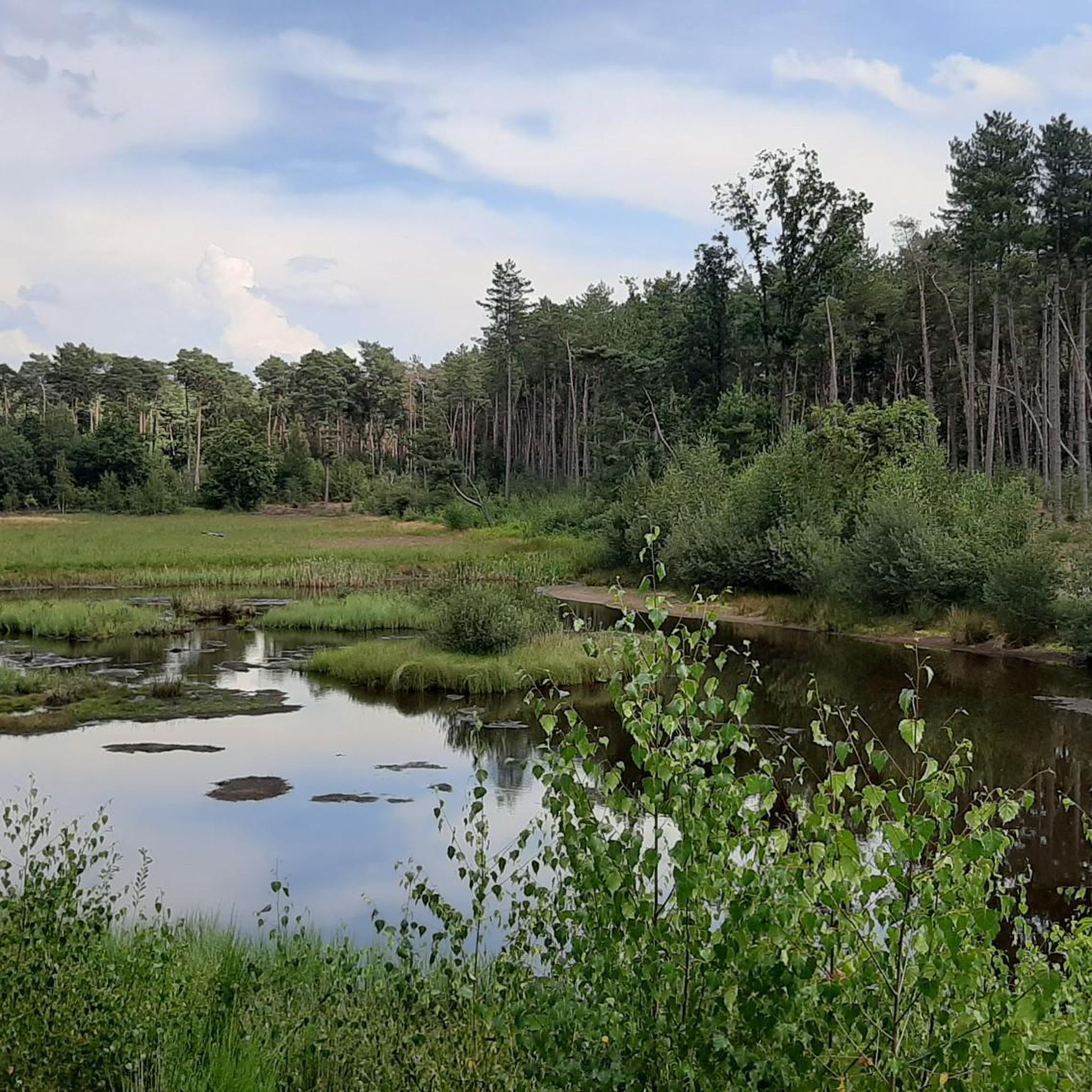

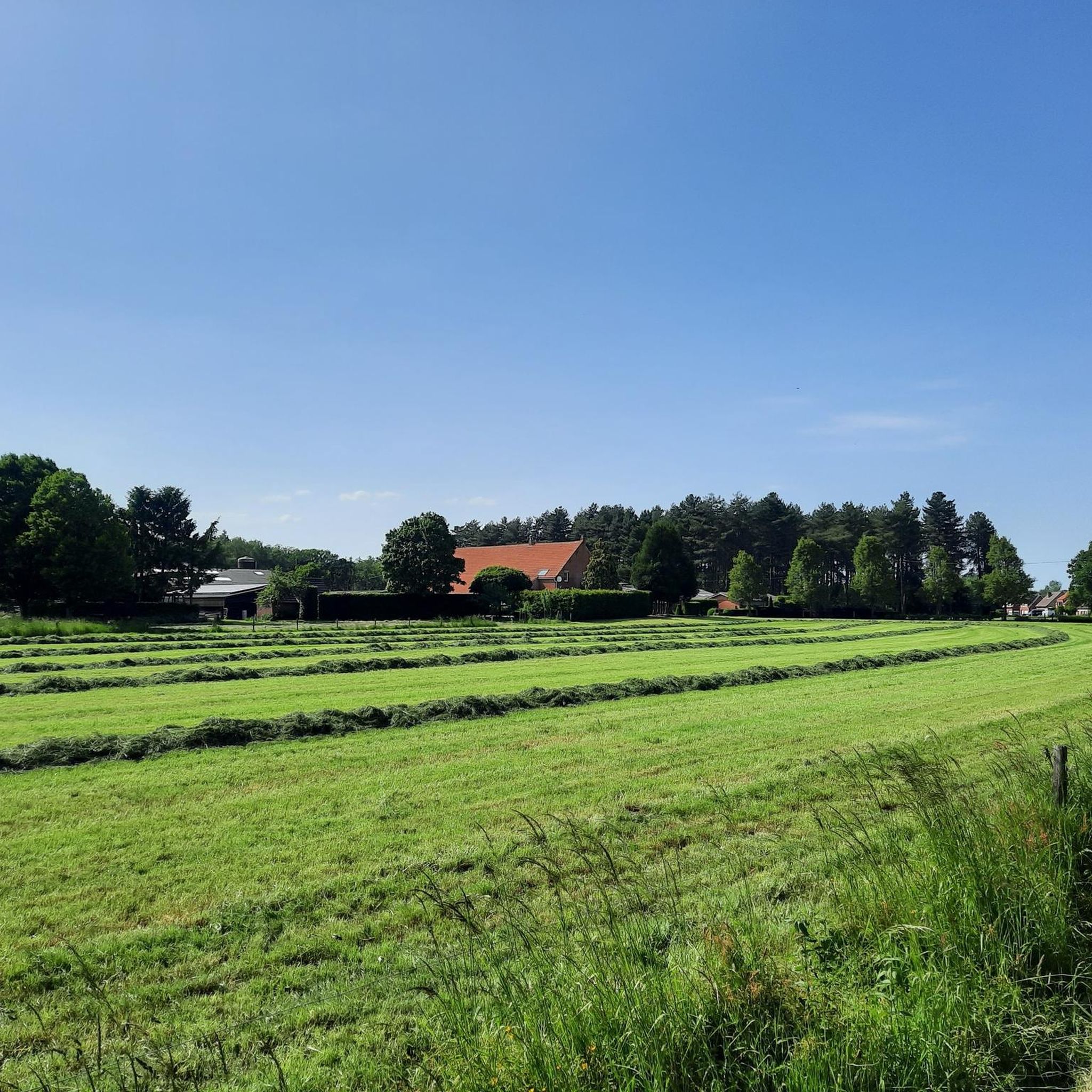
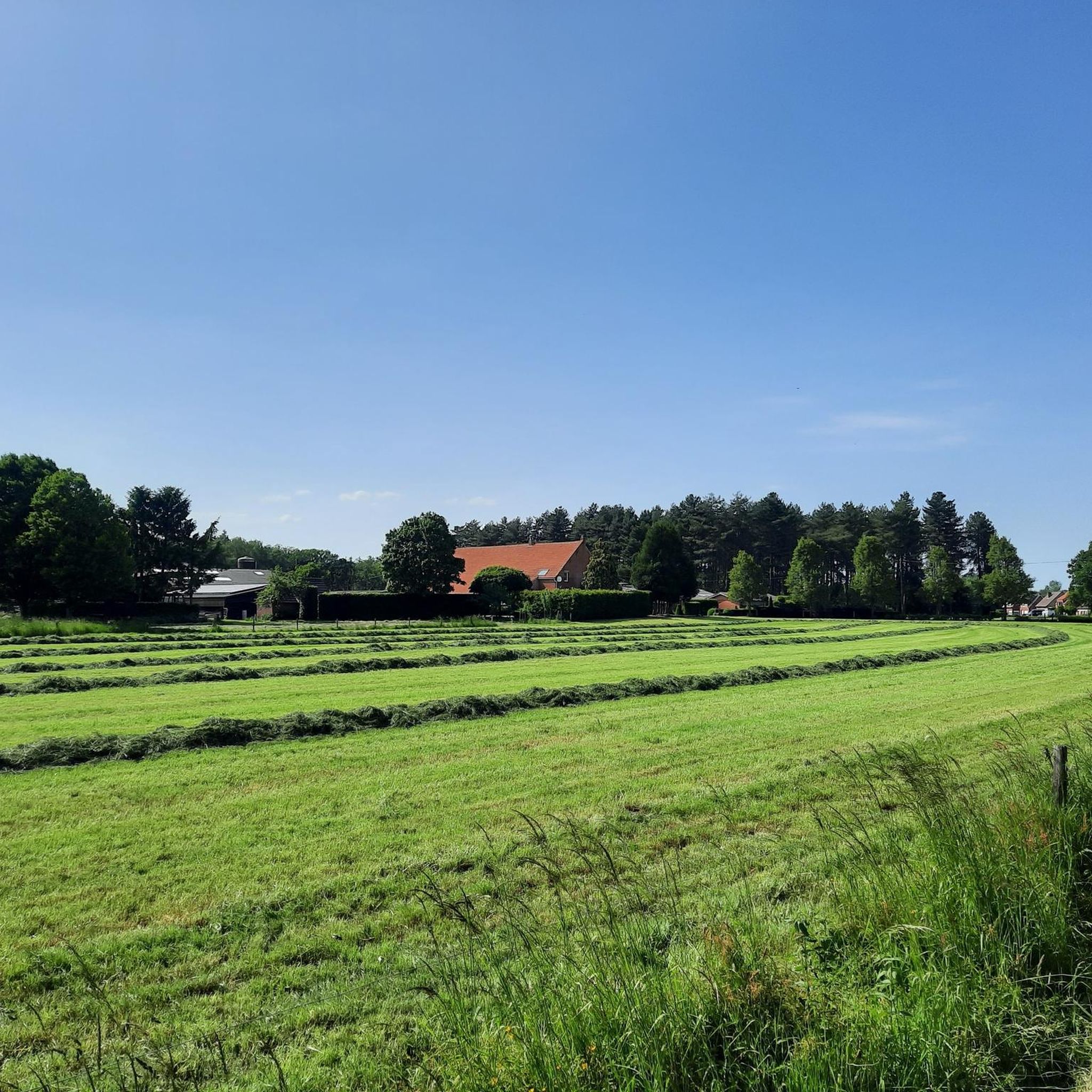
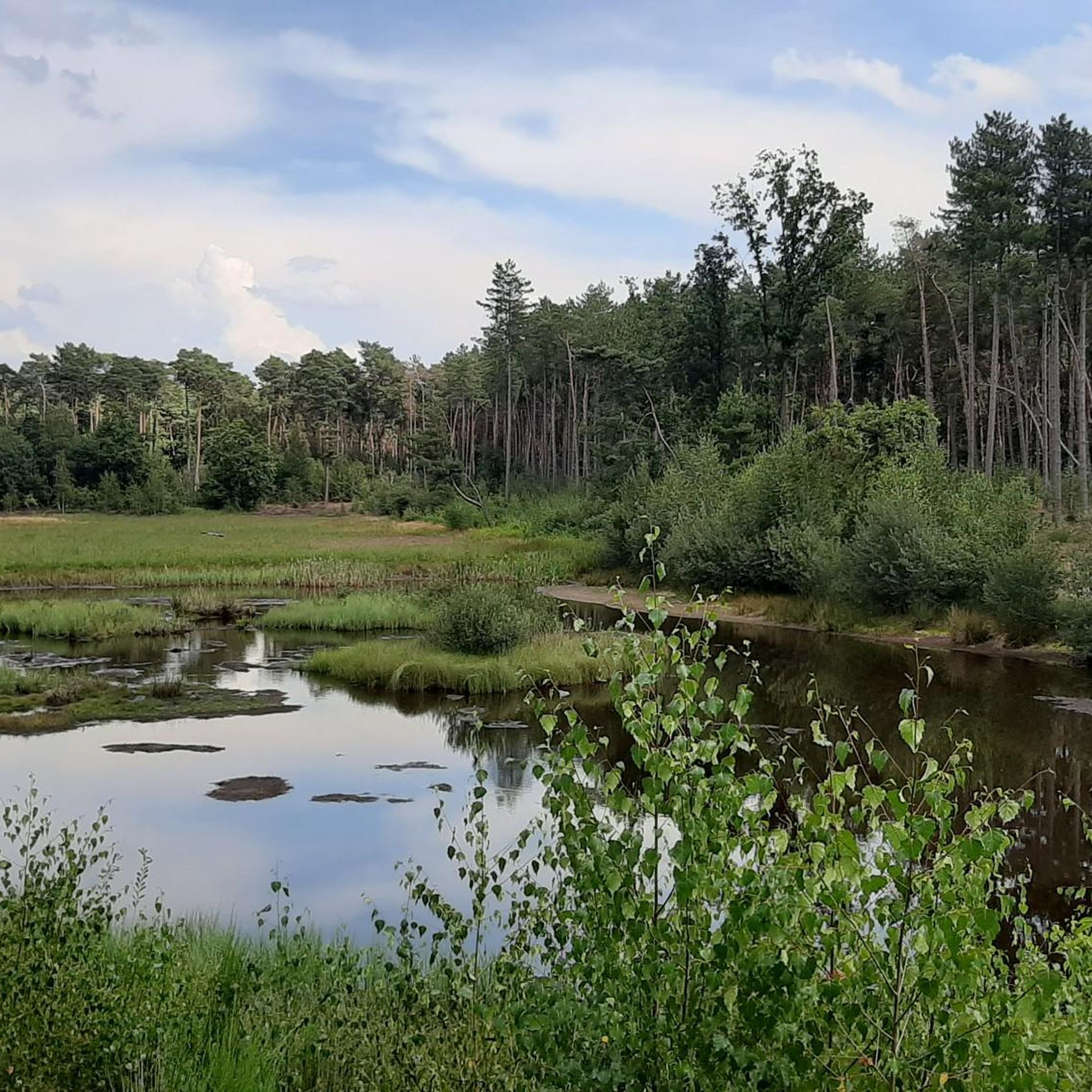
Tips from the Community


Beautiful view of the wildlife...
3
0

Beautiful path to cycle along with a nice view of the passing ships.
0
0


@geel, arendonk, retie, ... : can you take an example
1
0

Herentals-Grobbendonk You can count them on the fingers of one hand, the military and strategic railway lines and rail connections that survived the systematic dismantling of this specific network and the subsequent tabula rasa in the period 1990-2010. Even recently we had to witness with regret how the large 'camp' of Leopoldsburg was mercilessly abandoned. One of the first 'victims' was the military railway line from Herentals to Grobbendonk. This relatively recent railway line was only built after WWII to supply a large fuel depot of the British army, between the village centre and the Albert Canal. Of course, it was the latter that won the most praise, so that the railway line was rarely used, and not at all after the depot was taken over by the Belgian army in the early 1970s. In 1980, it had clearly been unused for many years (here next to and below), but was nevertheless preserved just in case... It was not until a few years later that the NMBS finally received permission to break out the junction. But unlike most other military and strategic railway lines, the track was not broken up. And so it is still there today, after more than half a century of disuse. https://www.railations.net/vergetensporen.html
0
0

A bridge provides a connection between two banks. Usually a bridge is over water: a ditch, a canal, moat, river, lake, ravine, ...
2
0

The Sniederspad is a path that you can use to completely relax. Can usually be ridden by all types of bicycles, although you should take into account that it is not paved.
0
0
Frequently Asked Questions
How many road cycling routes are available around Vorselaar?
Vorselaar offers a wide selection of road cycling routes, with over 25 distinct tours available. These routes cater to various preferences, ranging from easy, relaxed rides to more challenging excursions.
What is the terrain like for road cycling in Vorselaar?
The terrain around Vorselaar, located in the Antwerp Kempen region, is predominantly flat to gently undulating. This makes it ideal for sustained road cycling suitable for various fitness levels. You'll find mostly well-paved surfaces and quiet roads, ensuring a smooth and enjoyable ride through green spaces, forests, and along waterways.
How easy is it to navigate the cycling routes in Vorselaar?
Navigation in Vorselaar and the wider Flemish region is made exceptionally easy by the comprehensive numbered-node cycle network. Each intersection is clearly marked with a number, allowing you to plan and follow routes by simply connecting nodes. These signs also indicate distances, simplifying your journey.
What natural features can I expect to see while road cycling around Vorselaar?
Road cycling routes in Vorselaar wind through diverse natural landscapes. You'll encounter extensive woodlands and open green areas, providing picturesque, shaded routes. The Kleine Nete river is a prominent feature, with many routes traversing its serene banks. The broader Kempen region also offers glimpses of lakes and canals, adding to varied waterside cycling experiences.
Are there any historical landmarks or points of interest along the road cycling routes?
Yes, you can combine your cycling with cultural and historical sightseeing. A significant landmark is the well-preserved Vorselaar Castle (Borrekens Castle), often a scenic stop. The area also boasts unique chapels, such as the Heggekapel, and other historical sites like the ruins of the Ten Troon priory. For example, you might pass by The Zwart Water or Warandeplas, which are beautiful lakes in the vicinity.
Are there routes suitable for beginners or families?
Absolutely. Vorselaar offers 12 easy road cycling routes, perfect for beginners or families looking for a relaxed ride. These routes feature minimal elevation gain and take you through tranquil surroundings. An example is the Vispluk – St. Peter's Church loop from Vorselaar, an easy 7.8-mile path.
Are there any long-distance road cycling routes in the area?
Yes, for those seeking longer rides, Vorselaar has routes that extend further into the region. The Albertkanaal Riverside Path – Cycle Path Along Engels Kamp loop from Vorselaar is a moderate 26.9-mile trail leading through riverside areas and green spaces, typically completed in about two hours.
What do other road cyclists enjoy most about cycling in Vorselaar?
The road cycling routes around Vorselaar are highly rated by the komoot community, with an average score of 4.3 stars from over 170 reviews. Cyclists often praise the tranquil landscapes, the well-developed cycling infrastructure, and the blend of natural beauty with cultural interest, such as passing charming villages and historical sites.
Is there parking available for cyclists in Vorselaar?
Yes, Vorselaar is well-equipped for cyclists, and you can typically find parking in or near the town center. Many routes start from accessible points where parking facilities are available, making it convenient to begin your ride.
Can I reach Vorselaar by public transport with my bicycle?
Public transport options to Vorselaar, particularly trains and buses, often accommodate bicycles, though it's always advisable to check the specific operator's policy and peak hour restrictions beforehand. This allows for flexible travel to and from your cycling adventures in the region.
What are the difficulty levels of road cycling routes in Vorselaar?
The road cycling routes in Vorselaar cater to a range of abilities. Out of 25 routes, 12 are classified as easy, 12 as moderate, and 1 as difficult. This variety ensures that both casual riders and more experienced cyclists can find suitable challenges.
Are there places to stop for refreshments or a break along the routes?
Yes, cycling through Vorselaar and the surrounding charming villages offers opportunities for breaks and refreshments. You'll find cozy village cafes and traditional establishments where you can stop for a drink or a snack. Some routes might also pass by places like Het Boshuisje (De Loteling), Zoerselbos, which serves as a cafe.
What is the best time of year for road cycling in Vorselaar?
The best time for road cycling in Vorselaar, like much of the Antwerp Kempen region, is typically from spring through early autumn (April to October). During these months, the weather is generally mild and pleasant, with less rain, making for ideal cycling conditions to enjoy the green landscapes and waterways.
Most popular attractions around Vorselaar

Get inspired with the komoot mobile app


Explore more
Browse the best Road cycling routes in other regions.
