Top 20 Natural Monuments around Raeren
Best natural monuments around Raeren offer diverse landscapes in the border region of Belgium, Germany, and the Netherlands. The area features a mix of forests, heathlands, and unique geological formations. Visitors can explore various natural environments, including high moors and historic border points. This region provides opportunities for outdoor activities amidst its natural features.
Best natural monuments around Raeren
- The most popular natural monuments is Struffelt Heath and Moor Nature Reserve, an other natural area featuring unwooded heathland and moor. This unique biotope is home to rare plant and animal species, with wooden walkways allowing passage through the high moor.
- Another must-see spot is Vaalserberg Three-Country Point, a geographic landmark where Belgium, Germany, and the Netherlands meet. It is also the highest point in the Netherlands, offering views of the three countries from an observation tower.
- Visitors also love Brackvenn Moor Lakes, a wetland area characterized by unique geological formations known as palsen or pingos. These features formed at the end of the last ice age, with peat layers resulting from incomplete decomposition processes.
- Raeren is known for its heath and moorland, lakes, and diverse forest areas. The region offers a variety of natural monuments to see and explore, from high-altitude viewpoints to unique wetland ecosystems.
- The natural monuments around Raeren are appreciated by the komoot community, with more than 3000 upvotes and over 1500 photos shared across various highlights.
Last updated: October 13, 2026
Struffelt Heath and Moor Nature Reserve
Highlight • Natural
Translated by Google •
Tip by

Vaalserberg Three-Country Point
Highlight • Monument
Translated by Google •
Tip by

Sign up now to discover places like this
Get recommendations on the best single tracks, peaks, & plenty of other exciting outdoor places.
Boardwalks Through the Hohes Venn Moor
Highlight • Trail
Translated by Google •
Tip by
Struffelt Pond
Highlight • Lake
Translated by Google •
Tip by

Ridge Trail above Perlenau
Highlight (Segment) • Trail
Translated by Google •
Tip by

Sign up for free to discover even more natural monuments around Raeren.
Already have an account?
Start today with a free account
Your next adventure awaits.
Popular around Raeren
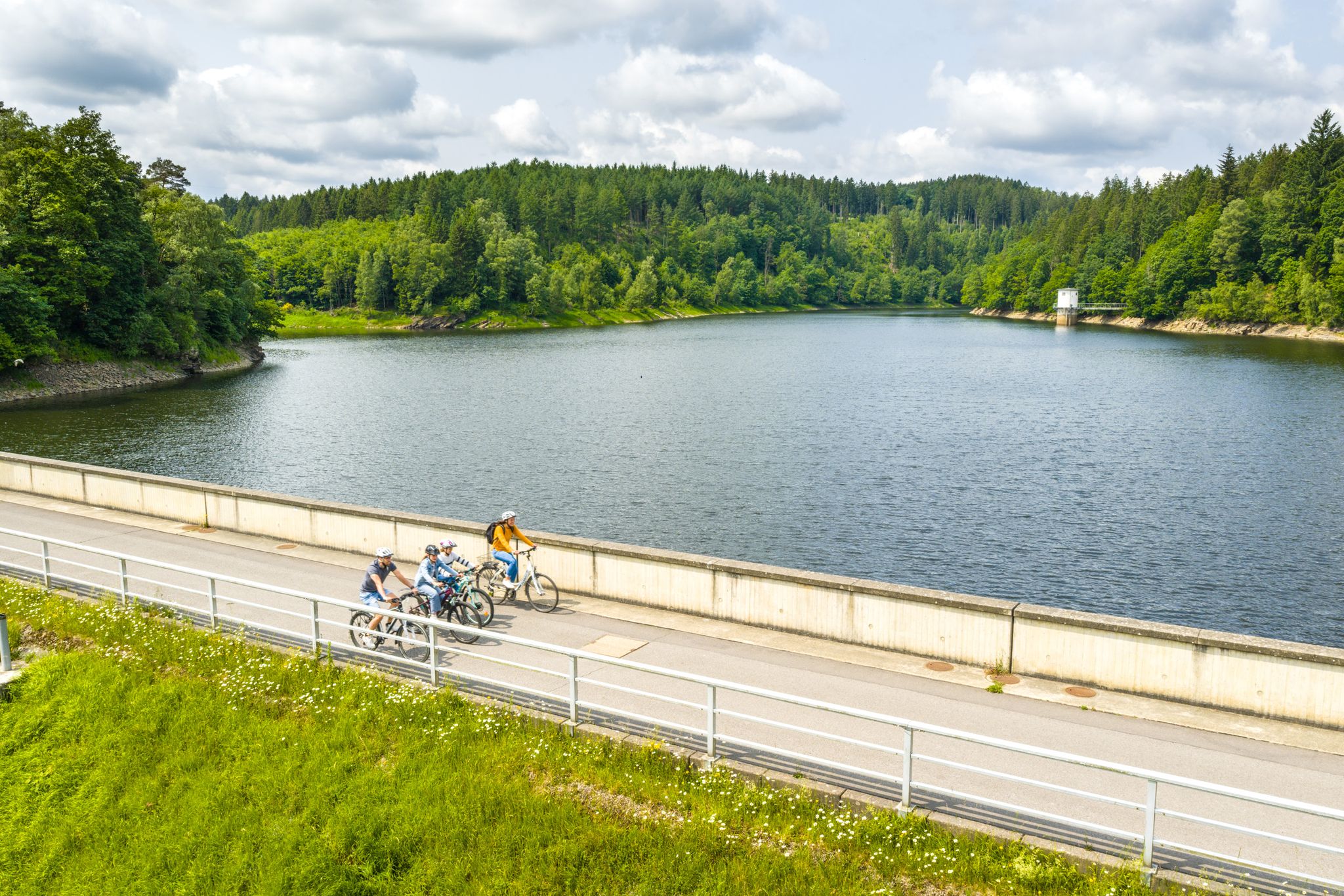
Aachen Time Loops – cycling from the past to the future
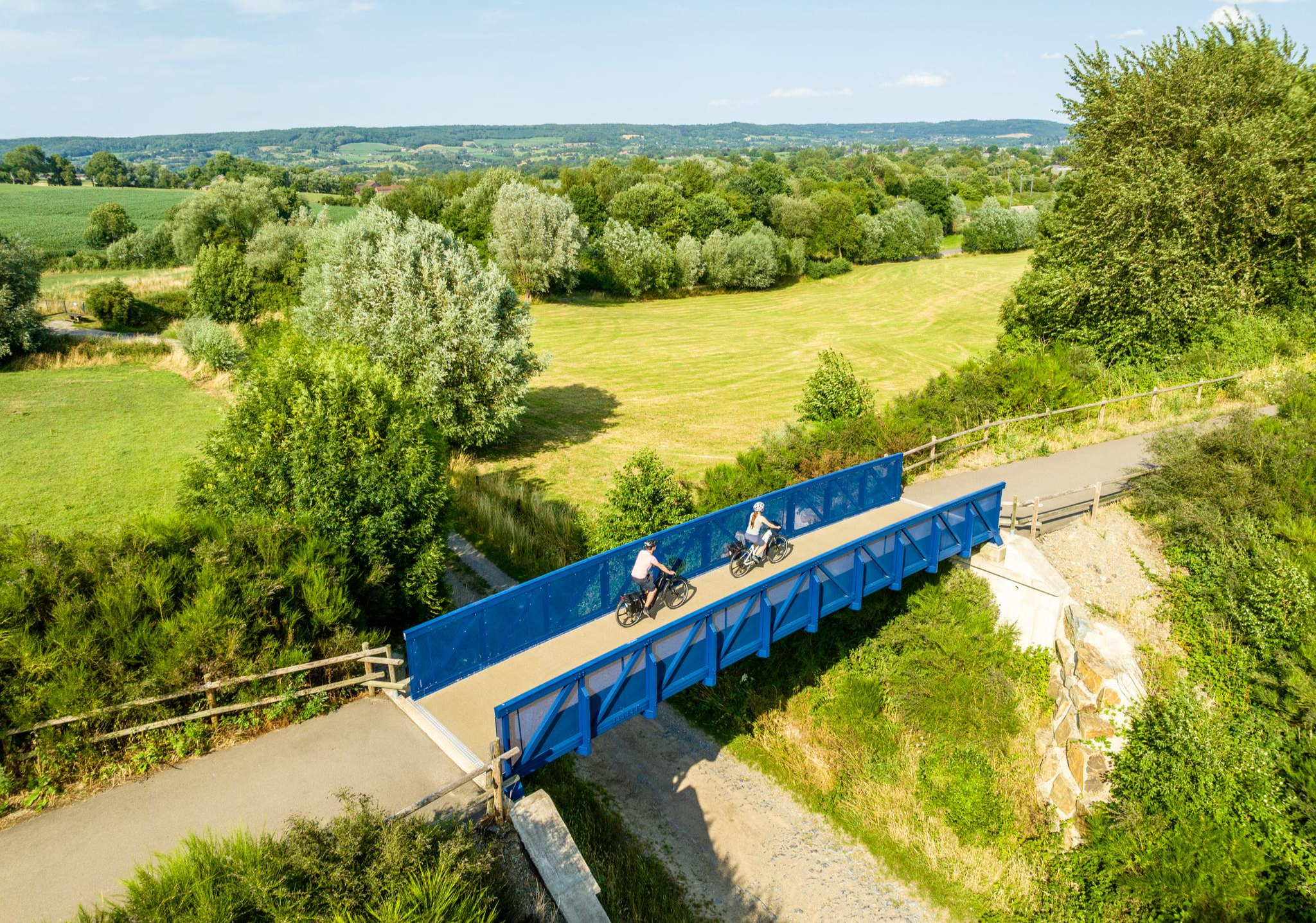
Three countries, one experience – borderless cycling in the Aachen region
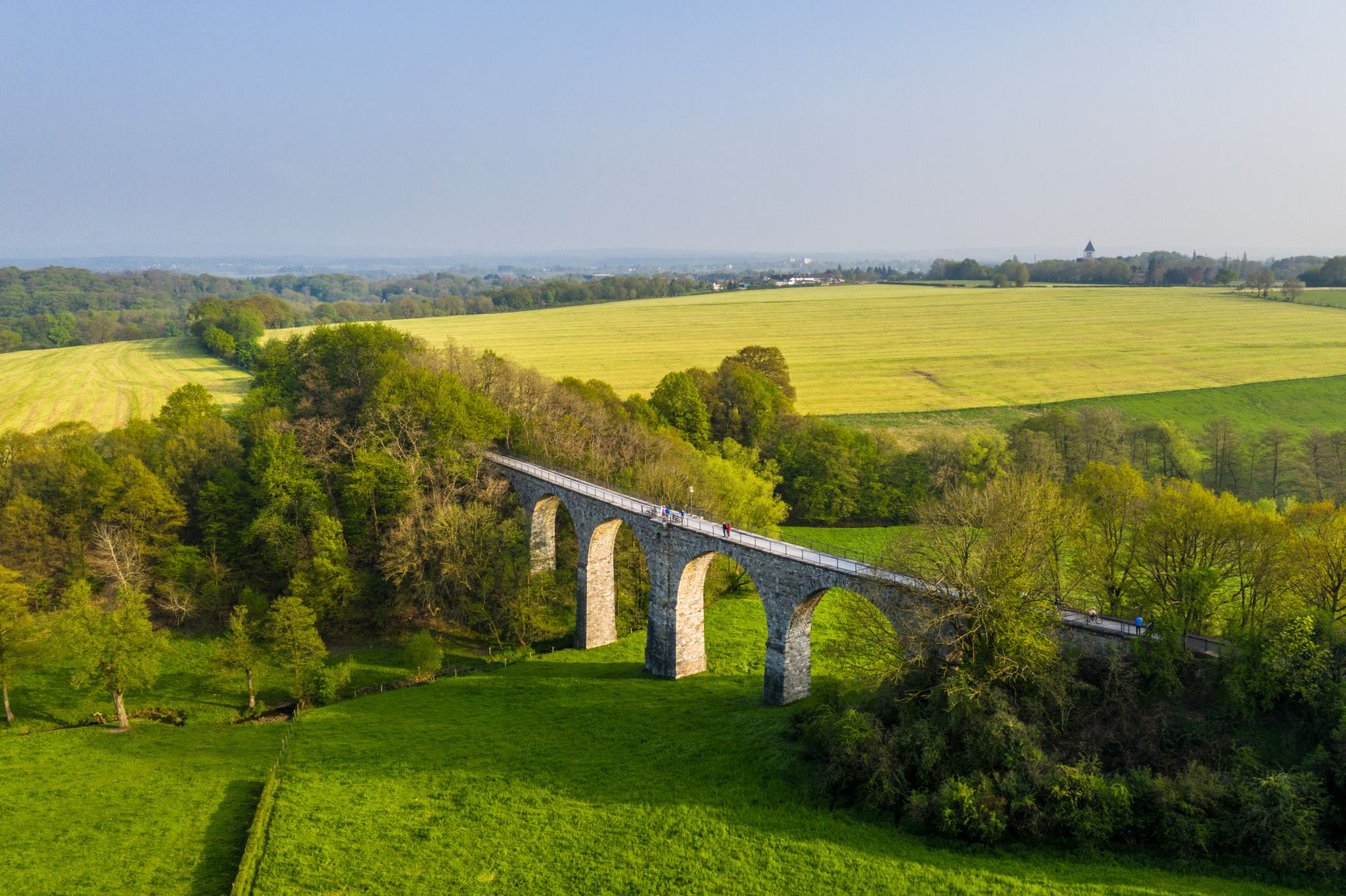
Cycling the tracks of the Vennbahn – the Vennbahnschleifen
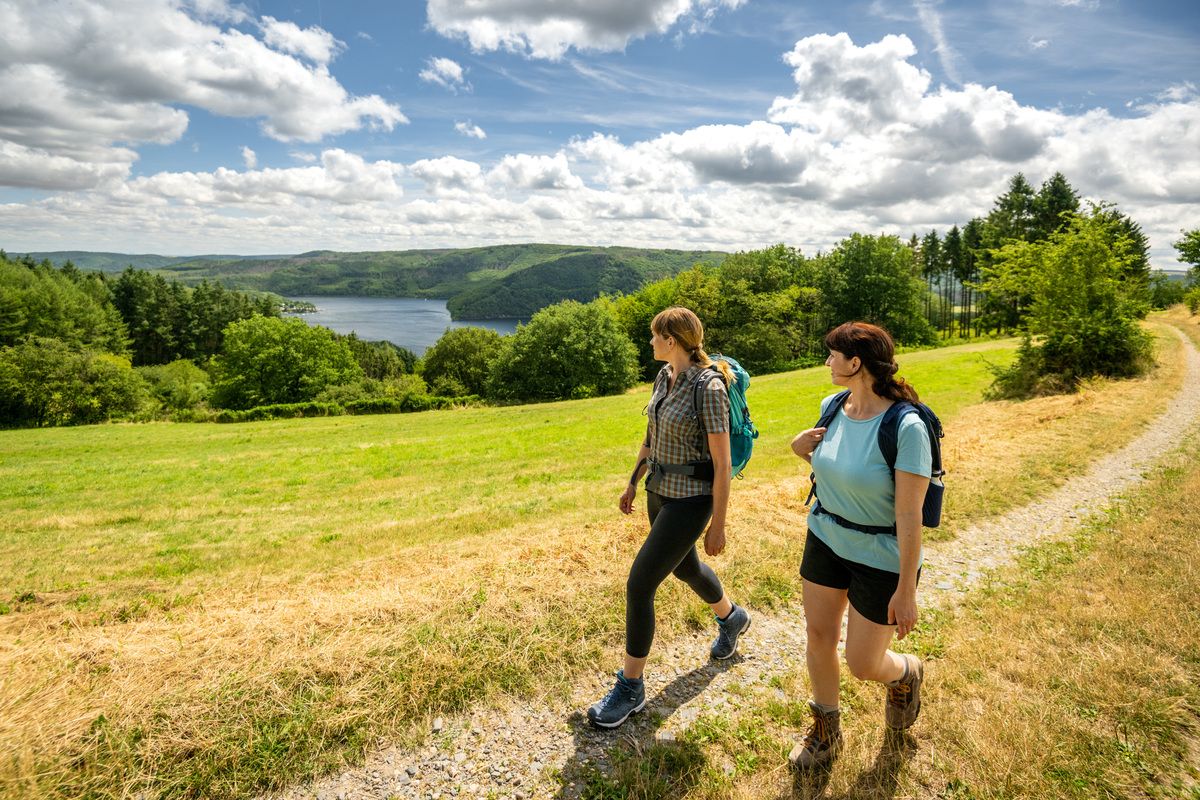
Shaped by rock and water – hikes in the Rureifel region
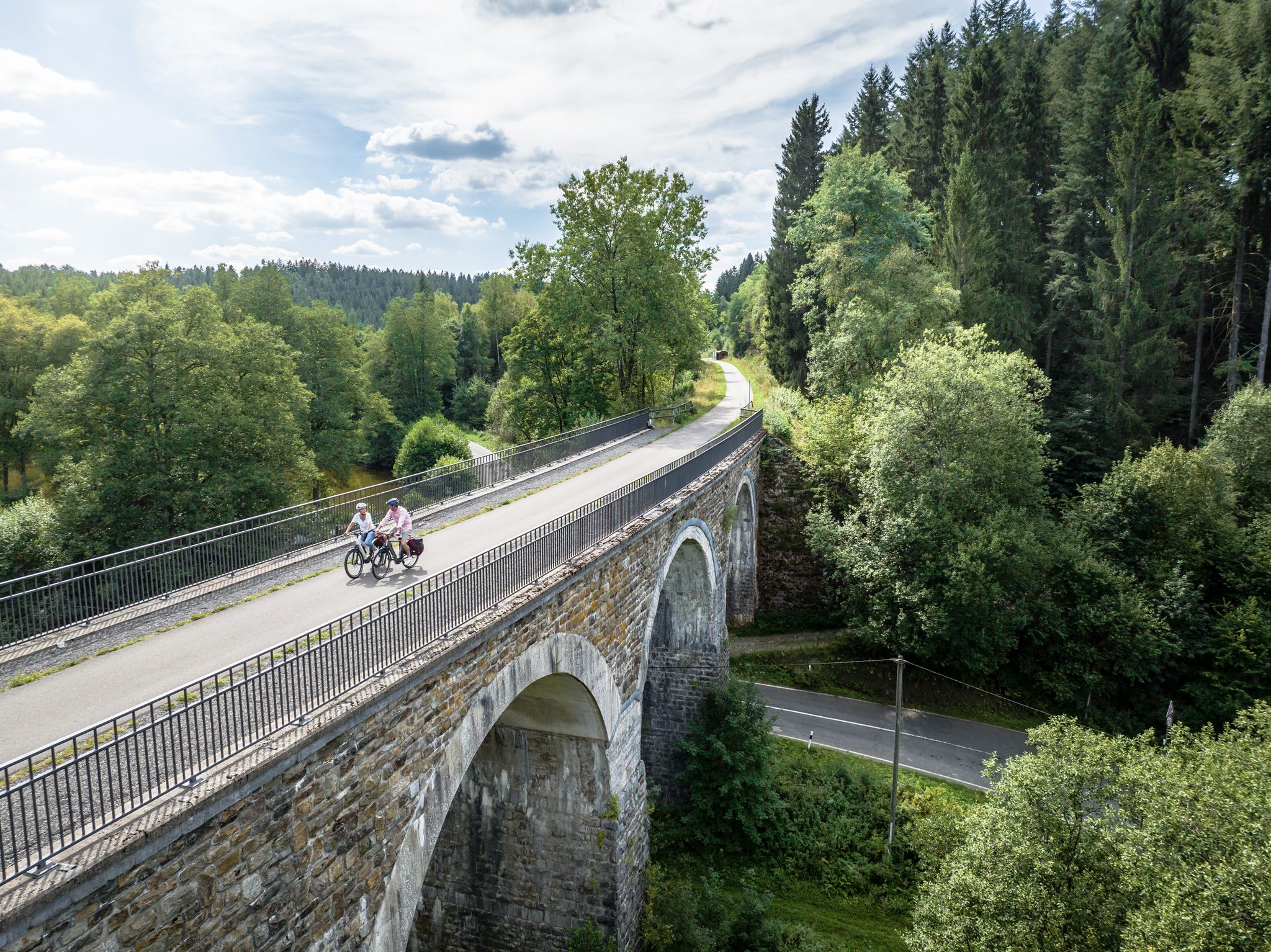
Fens, forests and water – cycling Tours in the Rur Eifel Region
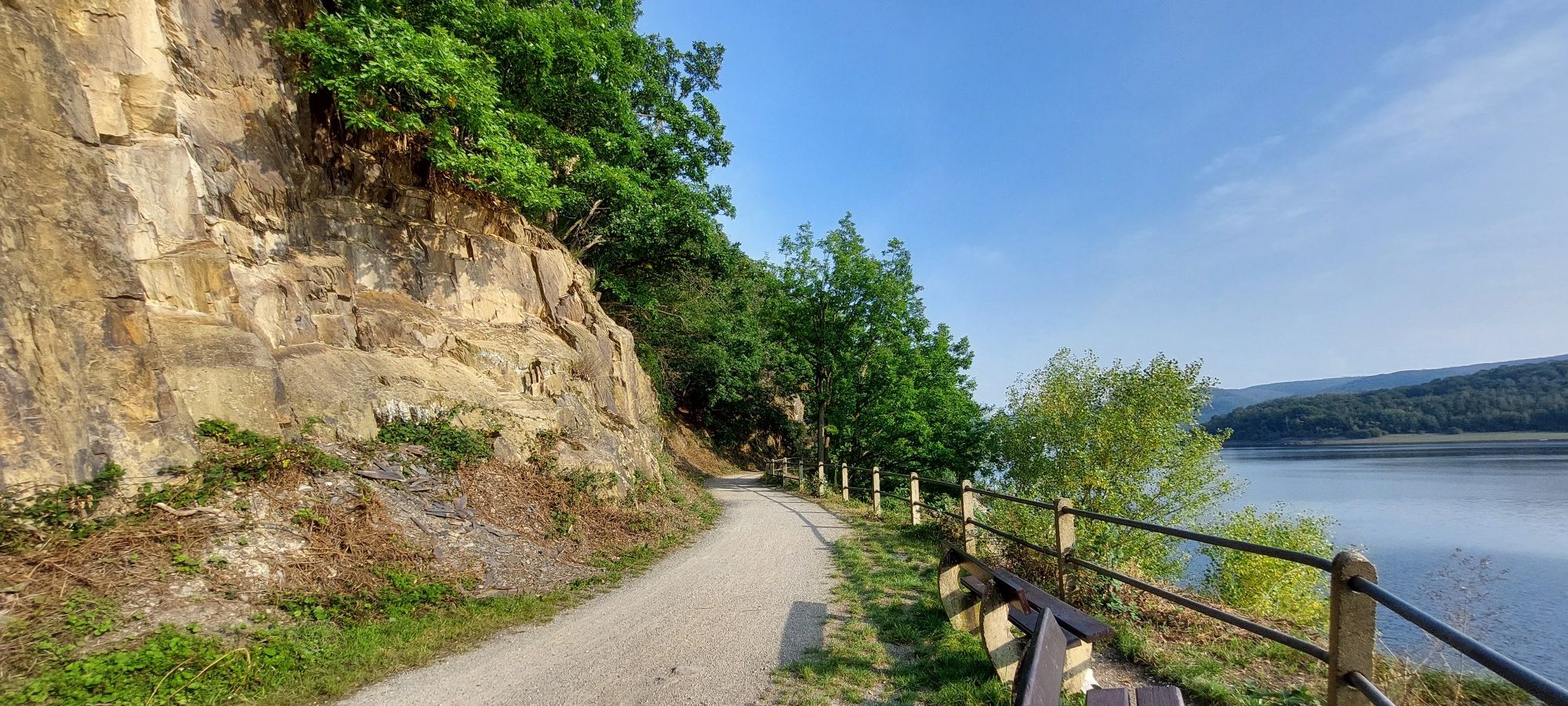
Head into wild nature with the Aachener Verkehrsverbund
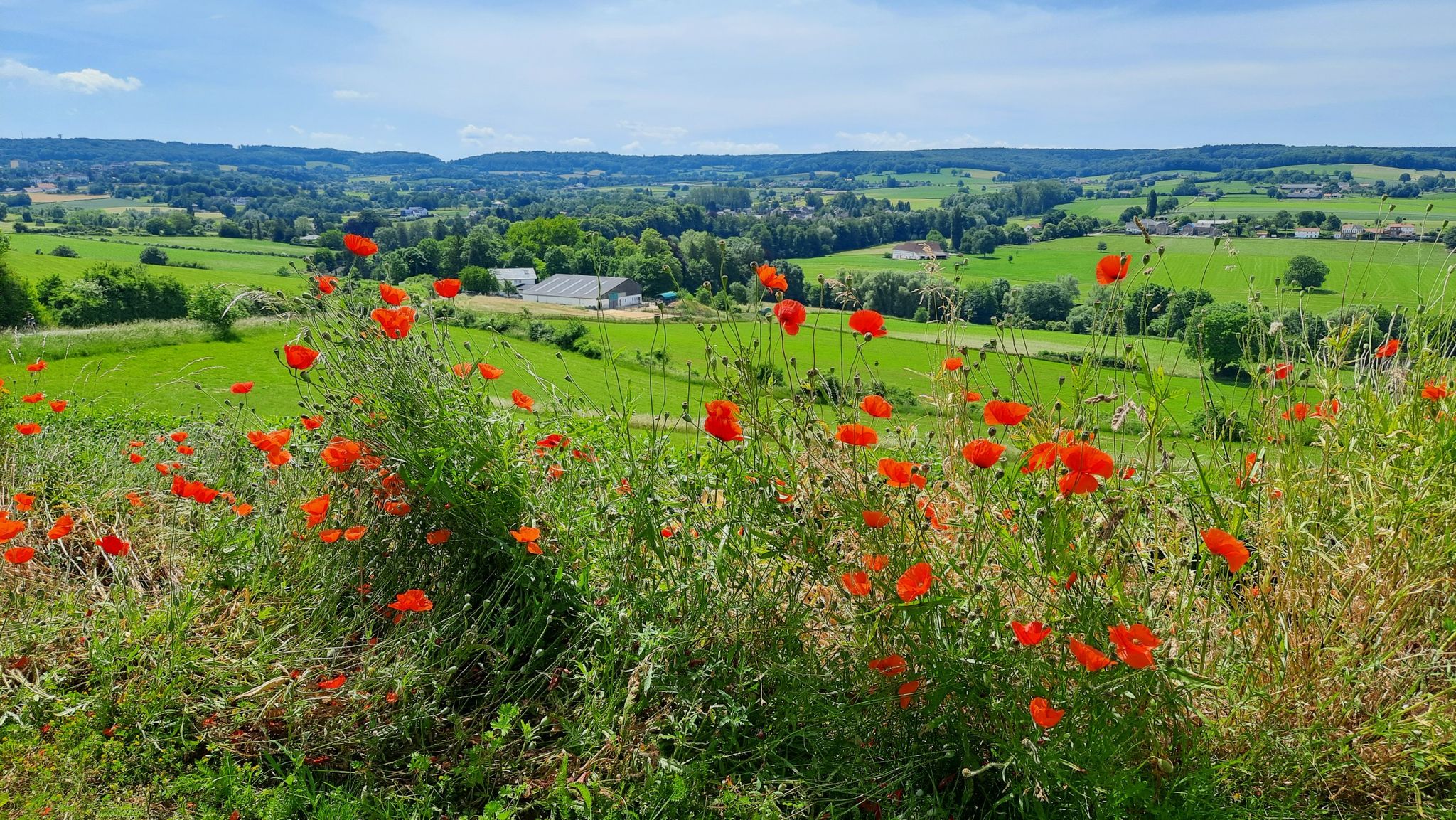
Hiking in the border triangle – GrenzRouten Aachen
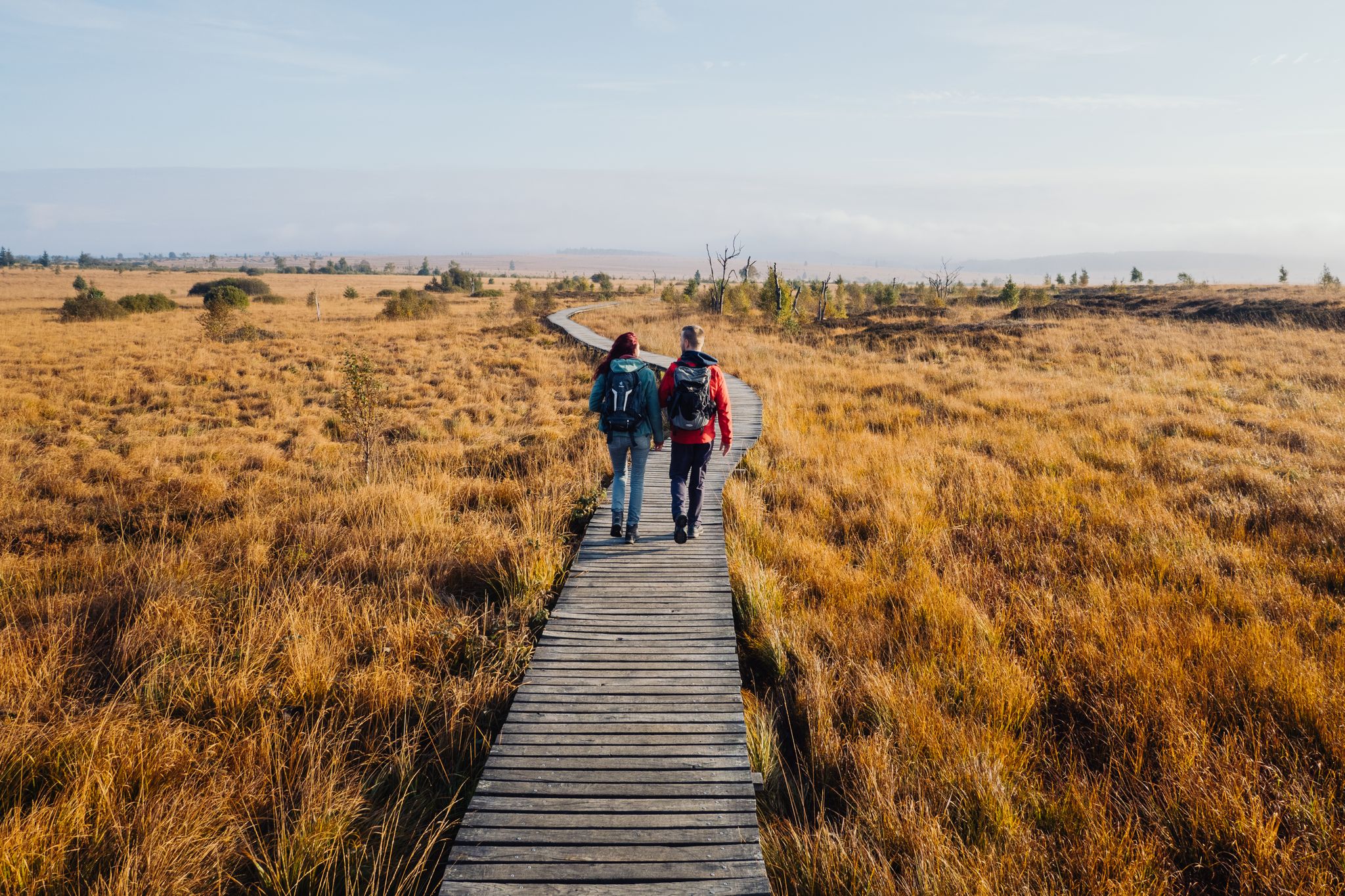
Venntrilogie – the premium hiking experience in East Belgium
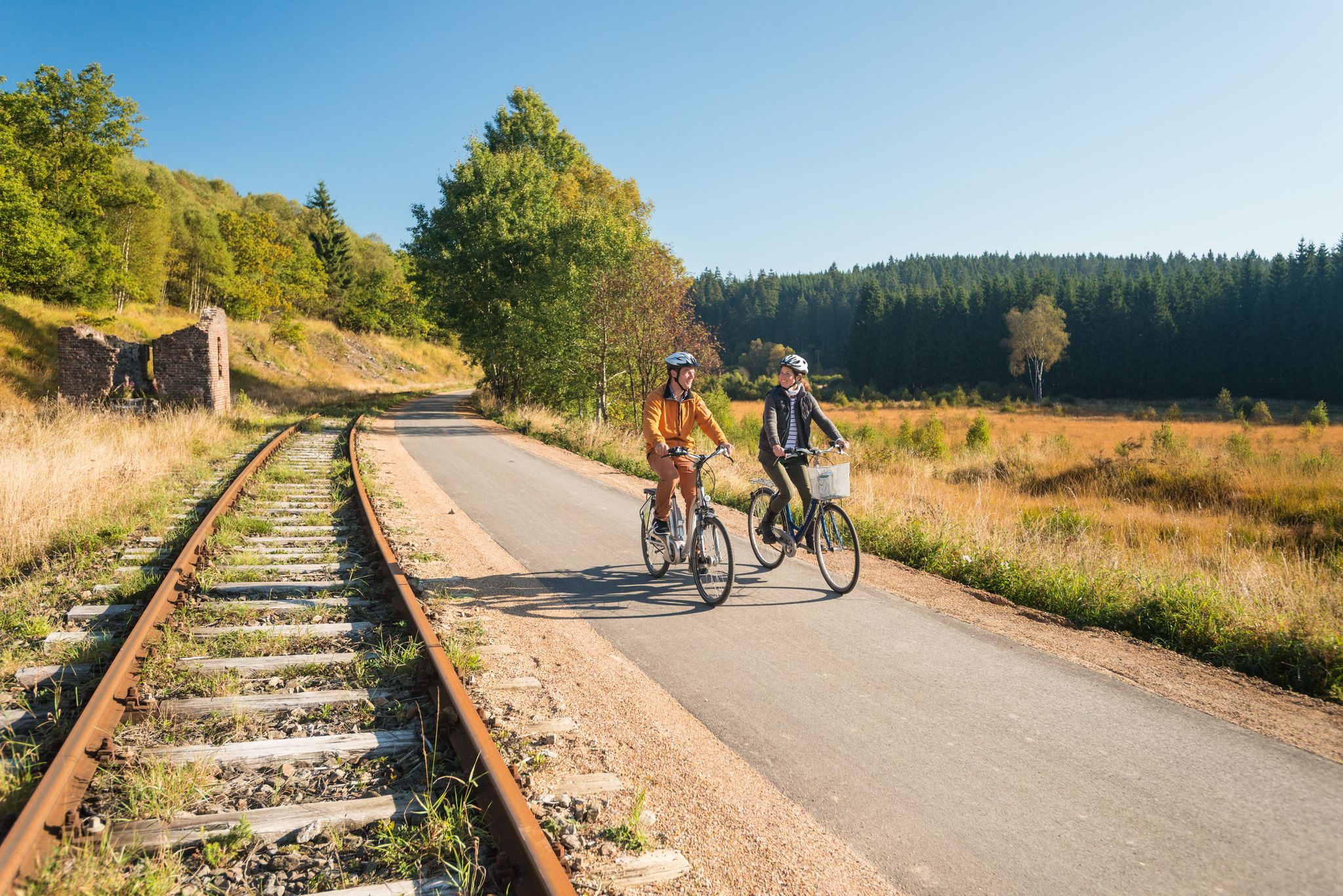
Boundless cycling pleasure on Belgium’s Vennbahn Cycle Route
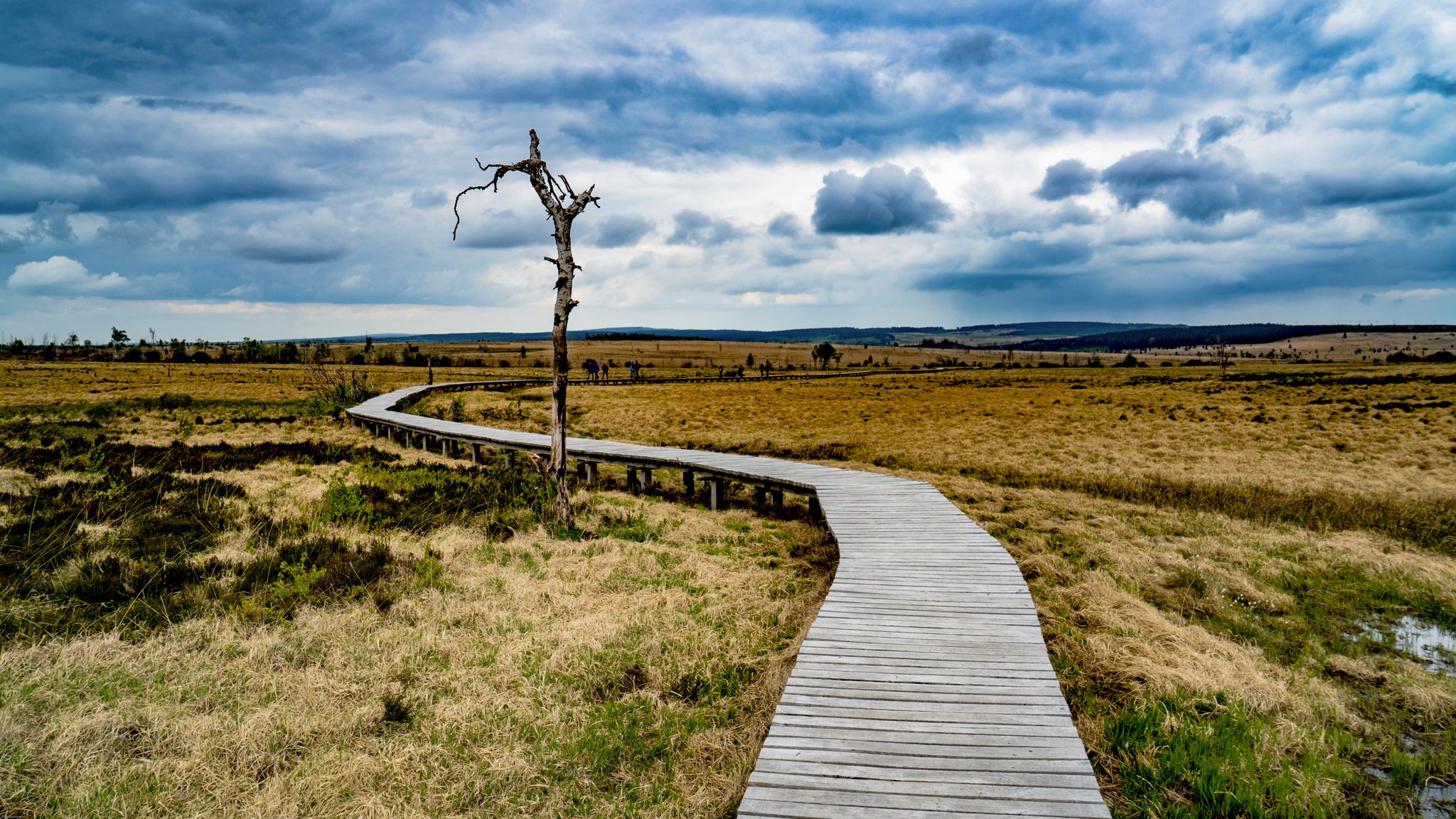
Leisure Tours on enchanted paths – hiking in East Belgium
Other adventures around Raeren


Tips from the Community

The highest point in the Netherlands coincides with the three-country point and is an important tourist attraction.
21
0

As early as the late Middle Ages, the border of the former Aachen Empire, fortified with the Aachen Moat, ran from south to north across the ridge of the Vaalserberg. From 1839 to 1919, the Vaalserberg, with the disputed area of Neutral Moresnet as the fourth country, was even a four-country corner (Vierlandenpunt), which is still remembered in the name of the access road on the Dutch side - Viergrenzenweg. During the First World War, from 1915 to 1918, the high-voltage border barrier stretched along the Belgian-Dutch border for a length of 300 kilometers from the then four-country corner on the Vaalserberg to the Belgian North Sea coast near Knokke. The German invasion of Belgium in 1914 via Gemmenich to Diksmuide, which brought much suffering to the Belgian population, is commemorated by a memorial made of compressed war material at the southern tip of the Vaalserberg, called Via Dolorosa.
23
0

With a height of no less than 322.4 meters above NAP, the Vaalserberg is the highest mountain in the Netherlands (with the exception of the mountains in the Caribbean). So you are standing on the roof of the Low Countries! The mountain is not only known for its height, but also for the three country point you will find here; here the borders of the Netherlands, Belgium and Germany meet. In addition, there are plenty of activities for young and old on and around the top, so hang out here for a while.
15
1

The Dreiländerpunkt is probably the most frequented area at the Dreiländereck for "selfies" or the like. If you don't like tourist hype of this kind, but still want to take a photo here without umpteen other people being on it, you should come here as early as possible in the morning and not at the weekend or during the holidays...
22
0

The Dreiländerpunkt consists of a stone on which the country abbreviations are written. Lines on the ground indicate the angle at which each country extends.
25
0
The Vaalserberg is marketed accordingly and many people follow the call. Highest point in the Netherlands, steep climbs, monuments, observation tower, gastronomy and much more.
20
0

Unfortunately, the third of the above tours (Struffelt nature reserve - view of the Runde von Roetgen reservoir, 9.46 km) is currently (04/30/22) not accessible. The parking lot is closed and the path from the parking lot is not hikeable due to numerous large fallen trees 😱🙁. So it's no use starting this tour from the nearest car park - the Kleebendbrücke hikers' car park.
4
0

Very beautiful heath-moor nature reserve. The nature reserve is an old cultural landscape that originated from intensive sheep grazing and is now to be preserved. In autumn, the blooming heather is an absolute eye-catcher. Very beautiful in combination with the birches and the partly overpowering bracken. The paths through the moor run over boardwalks.
4
0
Frequently Asked Questions
What unique natural features can I explore around Raeren?
The Raeren area, situated in the border region of Belgium, Germany, and the Netherlands, offers a diverse landscape. You can explore unwooded heathland and moor at Struffelt Heath and Moor Nature Reserve, which is home to rare plant and animal species. Another unique feature is the Brackvenn Moor Lakes, known for its geological formations called palsen or pingos, which formed at the end of the last ice age. The region also features diverse forest areas, high-altitude viewpoints, and historic border points.
Are there family-friendly natural monuments in the Raeren area?
Yes, several natural monuments around Raeren are suitable for families. The Struffelt Heath and Moor Nature Reserve has wooden walkways, making it easier to navigate. The Vaalserberg Three-Country Point is a popular spot with facilities and an observation tower, offering views of three countries. Struffelt Pond is another tranquil spot that families might enjoy.
What is the best time of year to visit the natural monuments near Raeren?
The natural monuments around Raeren offer beauty throughout the year. The High Fens, including areas like the Brackvenn Moor Lakes, are particularly noted for their dramatically changing colors and appearance with each season, even in winter. For comfortable hiking and enjoying the heathlands, spring, summer, and early autumn are generally ideal.
Are there hiking trails near the natural monuments around Raeren?
Absolutely. The region is excellent for hiking. For instance, the Struffelt Heath and Moor Nature Reserve offers wonderful hiking sections with wooden walkways. You can find challenging trails like the Ridge Trail above Perlenau, which features rocky and root-riddled paths. For more hiking options, explore the Mountain Hikes around Raeren guide, which includes routes like the 'Boardwalks through the Brackvenn – Brackvenn Moor Lakes loop'.
What other outdoor activities can I do near Raeren's natural monuments?
Beyond hiking, the area around Raeren is great for cycling. You can find numerous road cycling routes, such as those detailed in the Road Cycling Routes around Raeren guide. Gravel biking is also popular, with routes like 'Gravel riding between dams – forests, water, vast views' available in the Gravel biking around Raeren guide.
Can I bring my dog to the natural monuments around Raeren?
Many natural areas in the Raeren region are dog-friendly, especially for walks on marked trails. However, it's always best to keep dogs on a leash, particularly in nature reserves like Struffelt Heath and Moor Nature Reserve, to protect wildlife and sensitive ecosystems. Always check local signage for specific rules and regulations.
Are any of the natural monuments around Raeren wheelchair accessible?
While many natural monuments involve varied terrain, the Struffelt Heath and Moor Nature Reserve features wooden walkways that allow passage through the high moor, which may offer some accessibility. The Vaalserberg Three-Country Point also has developed facilities that are generally more accessible. It's advisable to check specific conditions for each location.
Do I need any permits to visit the natural monuments in Raeren?
Generally, no special permits are required for visiting the natural monuments around Raeren for recreational purposes. However, if you plan any specific activities or events, or if you are visiting highly protected areas, it's always wise to check with local authorities or park management for any specific regulations or permit requirements.
Where can I find parking when visiting natural monuments near Raeren?
Parking is typically available near popular natural monuments and trailheads. For example, the Vaalserberg Three-Country Point has dedicated parking facilities. For other areas like the Struffelt Heath and Moor Nature Reserve, you can often find parking in nearby towns or designated visitor parking areas at trail entrances. It's recommended to check maps or local information for specific parking locations before your visit.
What should I wear for hiking in the natural monuments around Raeren?
For hiking in the natural monuments around Raeren, especially on trails like the Ridge Trail above Perlenau, sturdy hiking shoes with good grip are essential due to rocky and root-riddled sections. Layered clothing is recommended to adapt to changing weather conditions, as the region can experience varied temperatures. Waterproof outerwear is also advisable, especially when exploring moorlands or during cooler seasons.
Are there places to eat or drink near the natural monuments?
Yes, especially near more developed natural monuments like the Vaalserberg Three-Country Point, where you'll find restaurants and cafes. In towns surrounding the natural areas, such as Raeren, Roetgen, or Monschau, there are various options for dining and refreshments. It's a good idea to pack snacks and water, especially for longer hikes in more remote areas.
What do visitors particularly enjoy about the natural monuments in this region?
Visitors frequently praise the unique beauty and diversity of the landscape. The Struffelt Heath and Moor Nature Reserve is often highlighted for its memorable hiking sections and unique biotope. The Vaalserberg Three-Country Point is loved for its unique geographical significance and panoramic views. The challenging yet beautiful rock formations on trails like the Ridge Trail above Perlenau also receive high acclaim for their 'mountain-like' feel.
Most popular routes around Raeren
Most popular attractions around Raeren

Get inspired with the komoot mobile app


Explore more
Extend your search for the best caves by checking out these guides of the top ones around Raeren:
