The best walks and hikes around Zemst
4.4
(832)
5,639
hikers
306
hikes
Hiking around Zemst reveals a diverse and appealing landscape in the Flemish Region of Belgium. The municipality is characterized by its extensive network of trails, green areas like De Donk, and the Zenne river valley. The Leuven-Dijle Canal also provides car-free towpaths, contributing to varied hiking terrain suitable for different experience levels. This area offers numerous natural features for outdoor exploration.
Best hiking trails around Zemst
- The most popular hiking route is Kleudde walk, a 6.0 miles (9.7 km)…
Last updated: June 29, 2026
4.6
(34)
128
hikers
9.67km
02:26
10m
10m
Moderate hike. Good fitness required. Easily-accessible paths. Suitable for all skill levels.
4.4
(31)
296
hikers
9.73km
02:28
30m
30m
Moderate hike. Good fitness required. Easily-accessible paths. Suitable for all skill levels.

Sign up for free
4.5
(43)
222
hikers
7.85km
01:59
10m
10m
Easy hike. Great for any fitness level. Easily-accessible paths. Suitable for all skill levels.
4.4
(27)
176
hikers
Moderate hike. Good fitness required. Easily-accessible paths. Suitable for all skill levels.
4.6
(21)
154
hikers
10.8km
02:43
20m
20m
Moderate hike. Good fitness required. Easily-accessible paths. Suitable for all skill levels.
Get access to more routes and recommendations from other explorers.
Sign up for free
Already have an account?
Our route recommendations are based on thousands of hikes, rides, and runs completed by other people on komoot.
Start today with a free account
Your next adventure awaits.
Login or Signup

Tips from the Community

The church of Laar has two patron saints: Saint Engelbert and Saint Bernard. This neo-Gothic building dates from 1867 and was designed by architect Baeckelmans. The church features an elongated, hedged churchyard behind it. On the left and right sides of the nave are a concentration of old grave markers and priests' tombs. The churchyard also features the striking neo-Gothic burial chapel of the De Meester family, a statue of the Sacred Heart, and a Calvary. (Inventory of Immovable Heritage)
10
0


The Hofstade Ponds: From Railway Bed to Sports Paradise The Hofstade ponds owe their existence to the construction of the Brussels–Antwerp railway line around 1902. Excavations for a raised railway embankment left behind deep pits that spontaneously filled with groundwater during World War I. These ponds spontaneously became a popular recreational spot for the surrounding region. From the 1920s onwards, Hofstade Plage grew into a popular destination for day trippers, with beaches, cafés, and bustling crowds, sometimes attracting up to 7,000 visitors per day. In 1925, Mechelen claimed the ponds as a drinking water reservoir (up to 5,600 m³/day), after which access was severely restricted. In the interwar period, from 1932 onwards, a section (11 hectares) was officially designated as a recreation park, with a beach, pavilions, a 100-meter outdoor swimming pool, and modernist infrastructure designed by renowned architects such as Victor Bourgeois. During World War II, the estate was used by Germans, and later by Americans, as a vehicle repair shop. After World War II, the estate experienced a new period of prosperity. With tens of thousands of visitors per season, Hofstade was also known as the "poor man's sea" – a place where everyone could find sun, swimming, and beach fun close to home. From BLOSO to Sport Vlaanderen In the 1990s, the estate lost popularity. The outdoor swimming pool closed, and the recreational infrastructure fell into disrepair. In 1991, BLOSO (now Sport Vlaanderen) took over management, with the aim of modernizing the estate and transforming it into a sports- and nature-friendly area. Since then, the estate has been revitalized with sports facilities, nature development, and a master plan for redevelopment. Sport Vlaanderen focused fully on quality, sustainability, and accessibility. The Hofstade estate currently covers over 160 hectares, with two large ponds, an 800-meter sandy beach, and numerous sports and leisure facilities. Beach access is currently subject to a fee during the summer, with additional amenities such as first aid, a lifeguard, and catering. By 2028, Sport Vlaanderen is planning an ambitious new construction project with an Olympic-sized swimming pool, a surfing pool, and new changing and training facilities. Hofstade aims to become a leading water sports center in Flanders – where recreation, elite sports, and experiencing nature converge.
0
0
The Chapel of 't Hammeke in Zemst: Between Water and Pavement. The Chapel of Our Lady in 't Hammeke, popularly known as the Chapel of Ham, is nestled in the Zenne Valley near Zemst. Originally founded in the 15th century on a siltation ("ham") of the Zenne, the chapel served as a local pilgrimage site for centuries. Due to the straightening of the Zenne in 1485 and the construction of the E19 motorway in the 20th century, it was literally trapped between the river and the motorway. The surrounding neighborhood, "De Brug," disappeared, and the chapel became isolated and threatened. Thanks to its protection as a monument since 1974 and a restoration grant from the Flemish government in 2021, the chapel recently underwent a thorough renovation. Archaeological research uncovered remains of centuries-old foundations. Since September 2023, the interior has been permanently visible through a reopened alcove. This special chapel, at the intersection of nature, history and infrastructure, continues to tell its silent story.
0
0

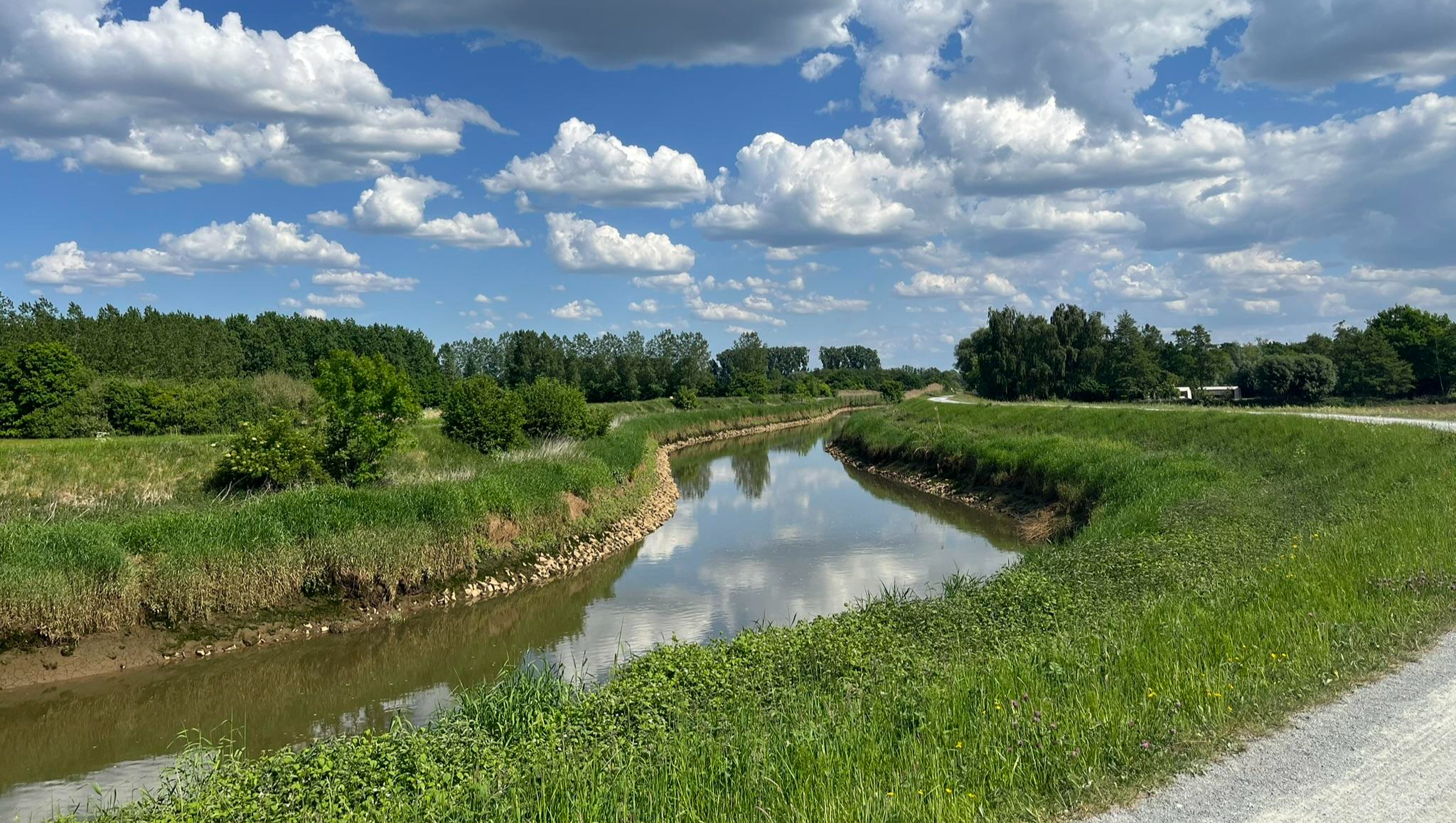
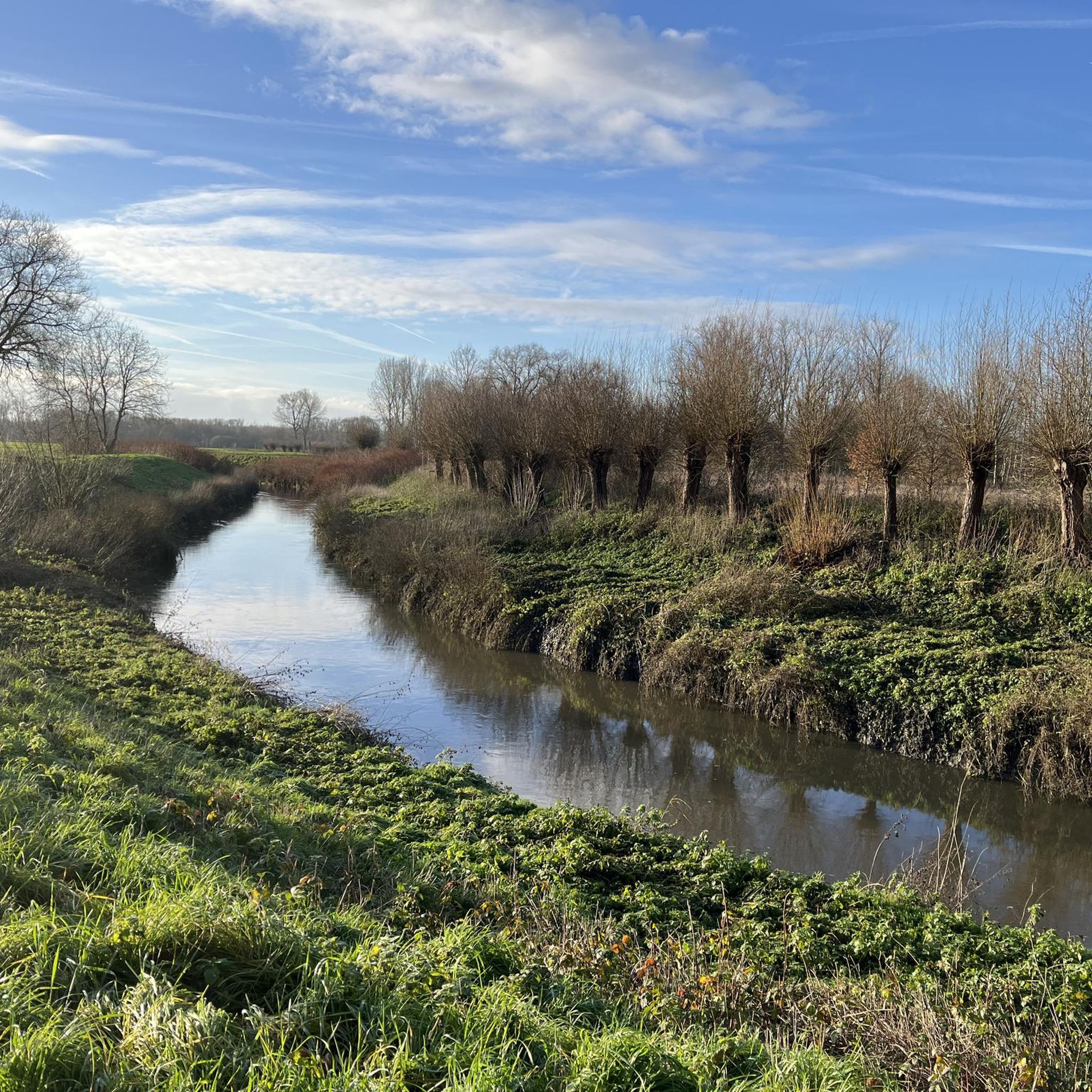
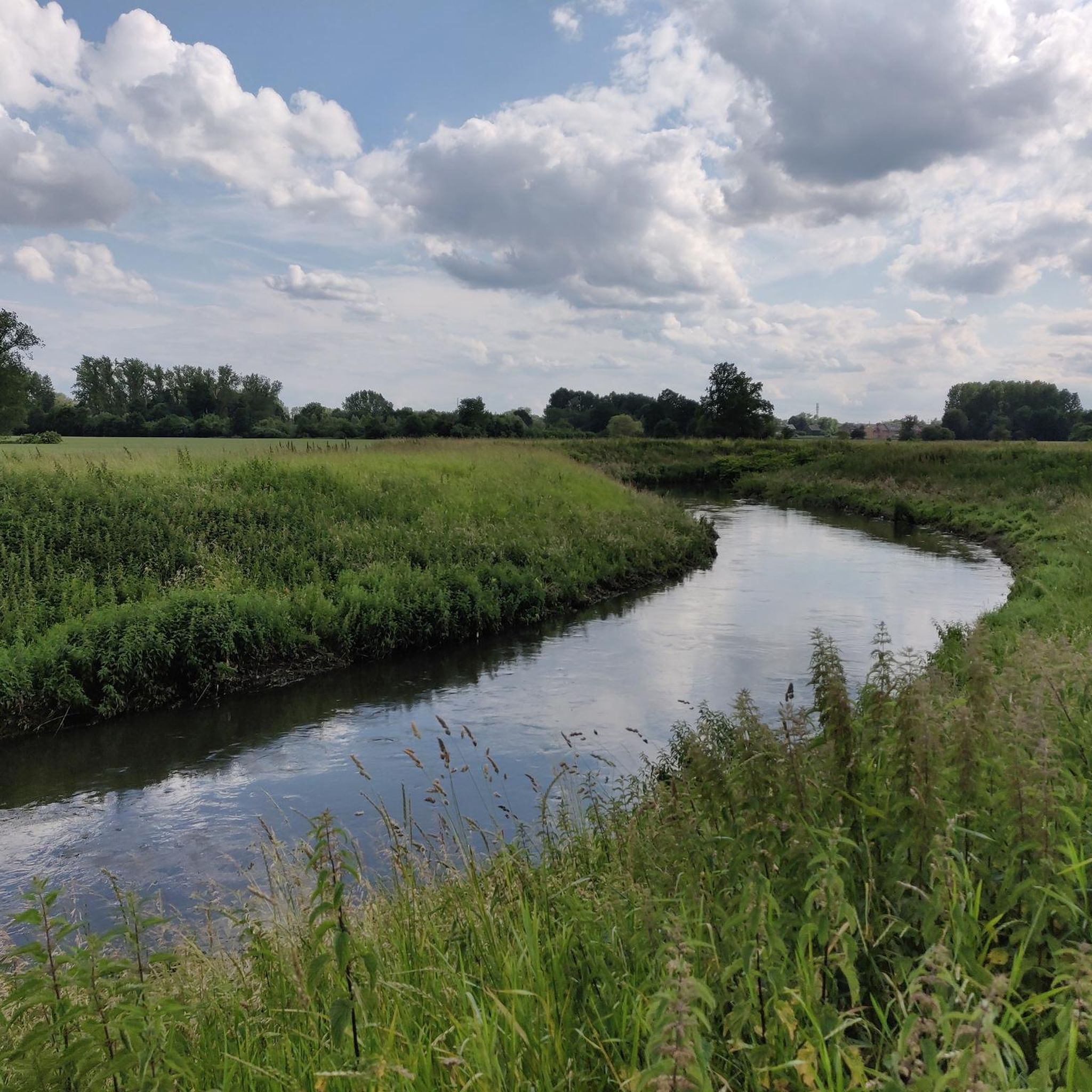
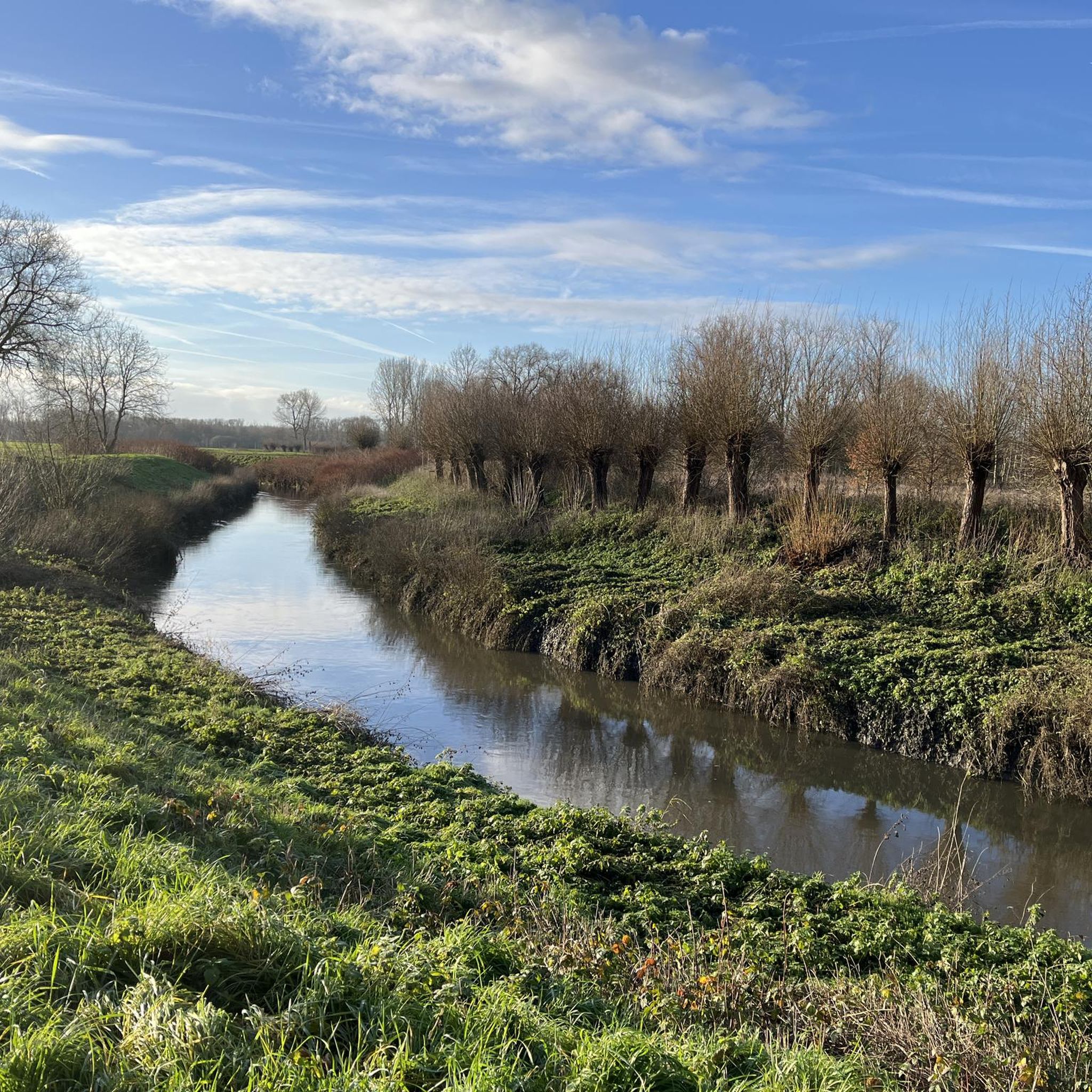
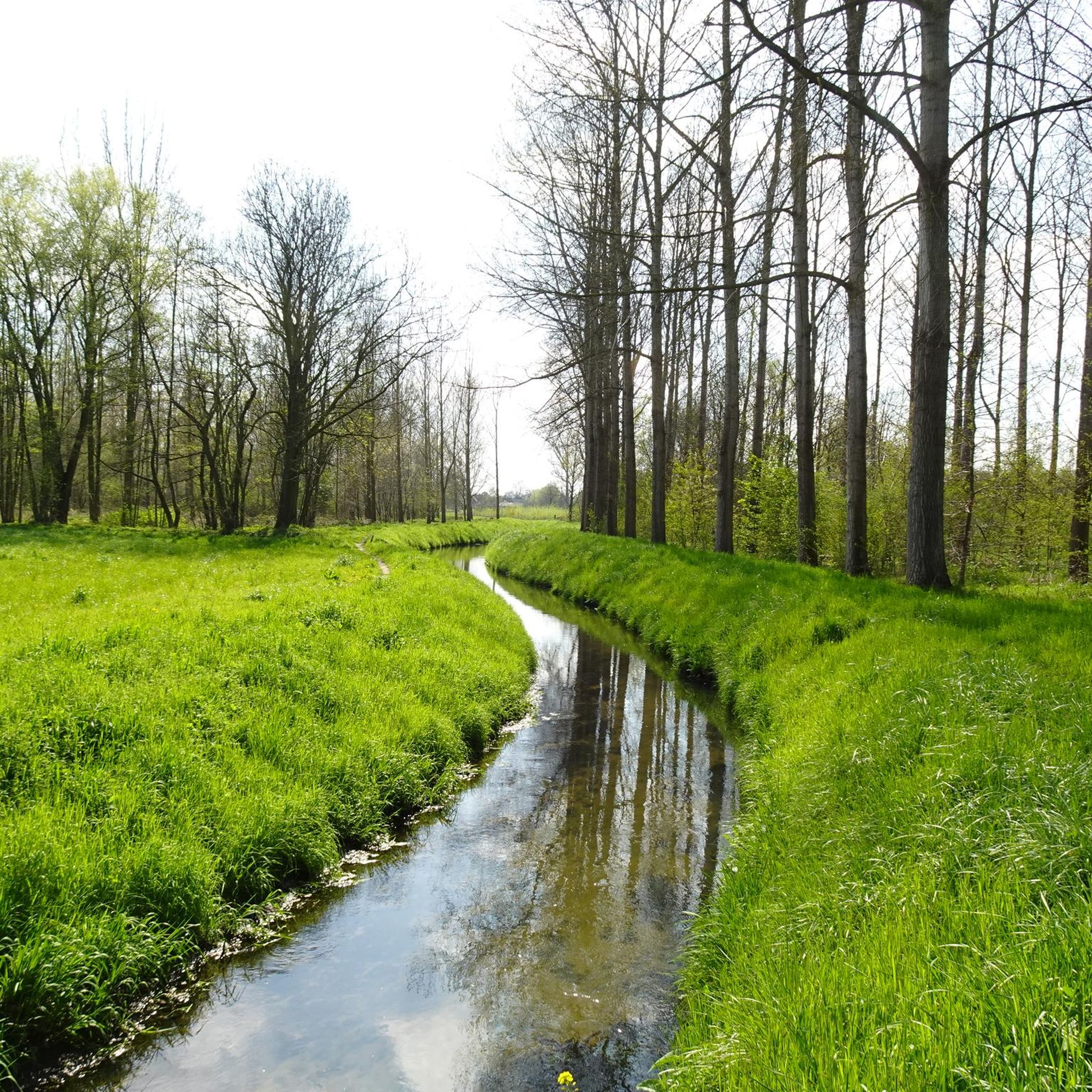
The Barebeek meanders peacefully through the flat landscape of Flemish Brabant and offers a peaceful setting of open banks, damp grasslands and typical stream valley flora. The path along the stream is often soft and natural, ideal for those who enjoy a quiet walk or relaxed bike ride between reed beds and whistling birds.
0
0

The Weerdse Visvijver is a large dug-out water surrounded by trees located directly on a highway in the Zemst sub-municipality of Weerde. The area is mainly used by recreational users such as fishermen, bird watchers, hikers and cyclists. The Weerdse beer festival is held annually near the pond. The pond is located in the rectangle formed by the Weerde - Muizen railway line in the north, the E19 motorway in the east, the Robert Schumanlaan in the south and the Galgenberg in the west. The pond is roughly oval-shaped and slightly more than 14 hectares in size. The length (north-south) is 500 meters and the width (east-west) is more than 300 meters. The depth is nowhere more than 7 meters. The water is a little cloudy and there are almost no aquatic plants. In the middle is a lightly wooded island of several hectares in size. A belt of trees runs around the pond, which expands to a real forest in the north and southeast, where the Zenne also flows.
1
0

Start/end point at the church of Elewijt, ample parking
0
2
Frequently Asked Questions
How many hiking trails are available in Zemst?
Zemst offers an extensive network of over 280 hiking routes, catering to a wide range of preferences and skill levels. This includes 184 easy, 90 moderate, and 6 difficult trails.
Are there family-friendly hiking options in Zemst?
Yes, Zemst is very suitable for families. With 184 easy routes, there are plenty of options for all ages. A good example is the Weerde Sluice Tower – Very narrow nature trail loop from Zemst, which is 4.9 miles (7.9 km) and takes about 2 hours, leading through green areas and along waterways.
Can I bring my dog on the hiking trails in Zemst?
Many trails in Zemst are suitable for walking with dogs, allowing you to explore the diverse landscapes together. It's always recommended to keep your dog on a leash, especially in nature reserves like Dorent-Nelebroek, and to respect local signage regarding pet access.
Are there circular hiking routes available in Zemst?
Yes, Zemst features numerous circular routes, perfect for enjoying a varied landscape without retracing your steps. For instance, the View of Kleine Zee – Hofstade Beach loop from Hofstade is a moderate 6.0 miles (9.7 km) path winding through diverse landscapes near the Zenne river valley.
What kind of natural features can I expect to see while hiking in Zemst?
Zemst's hiking trails showcase a variety of natural beauty. You'll encounter the serene Zenne river valley, the car-free towpaths along the Leuven-Dijle Canal, and green areas like De Donk, which is known as a bird paradise. The Dorent-Nelebroek Nature Reserve also provides a beautiful natural setting for walks.
Are there any interesting landmarks or attractions along the hiking routes?
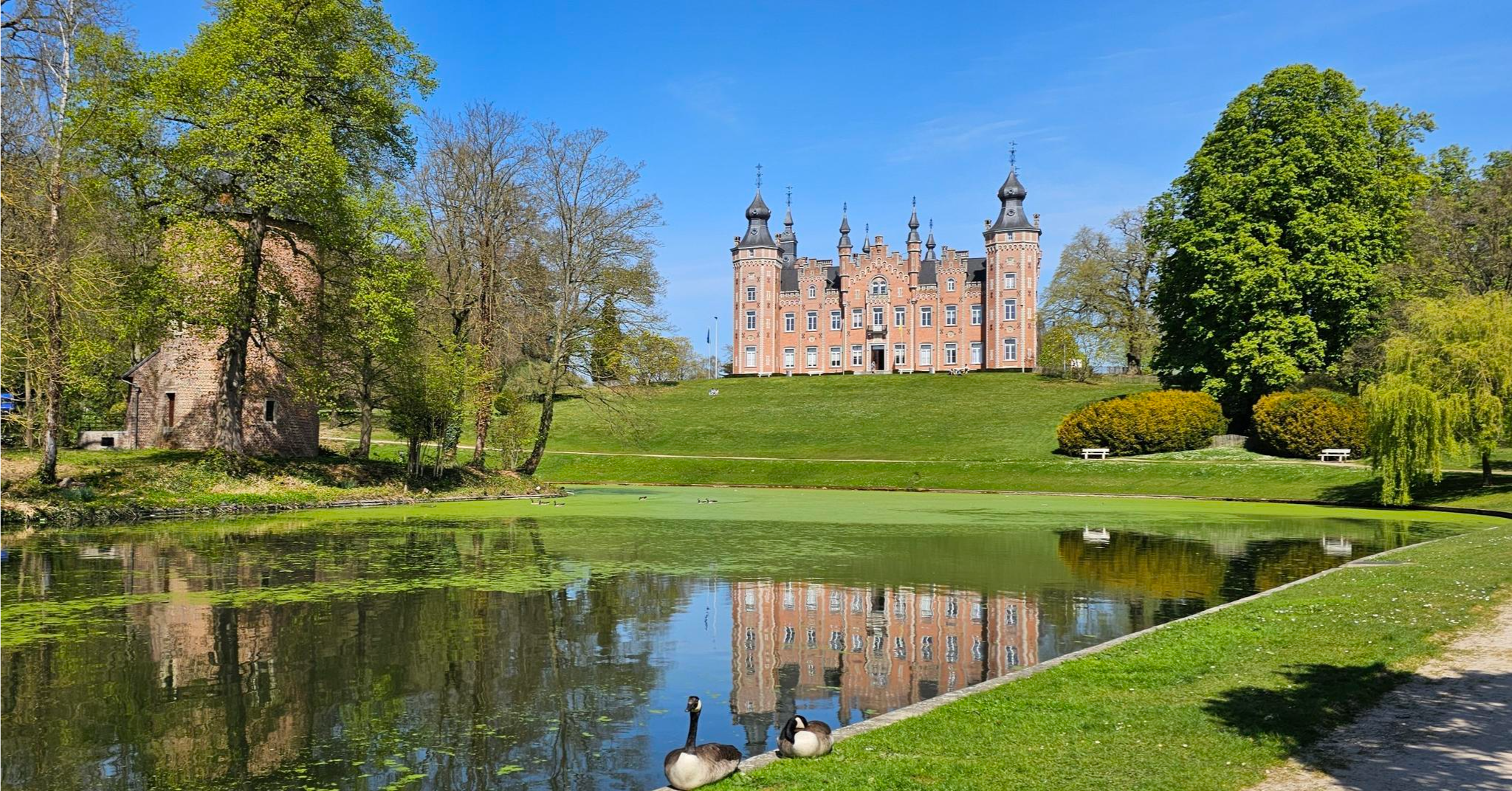
Absolutely. While hiking in Zemst, you can explore several points of interest. Near the historic Releghem Castle, you'll find the significant green space 'De Donk'. You might also encounter natural monuments such as the Antitank Canal Haacht or the Mispeldonk Nature Reserve. For a unique experience, consider the Spotting the beaver family – View of Kasteel van Releghem loop from Zemst trail.
What do other hikers enjoy most about hiking in Zemst?
The komoot community highly rates hiking in Zemst, with an average score of 4.4 stars from over 750 reviews. Hikers often praise the diverse and appealing landscape, the extensive network of well-maintained trails, and the peaceful natural settings found throughout the municipality.
Is parking available near the trailheads in Zemst?
Yes, many hiking trails in Zemst have convenient parking options nearby. While specific parking details vary by trailhead, the municipality has made efforts to ensure accessibility for hikers. It's advisable to check the starting point of your chosen route for the most accurate parking information.
Can I reach hiking trails in Zemst using public transport?
Zemst is generally accessible by public transport, making it possible to reach various starting points for hikes. Public bus services connect different parts of the municipality, and some routes may be within walking distance of train stations in nearby towns. Planning your route in advance with public transport schedules is recommended.
Are there longer, more challenging hikes available in Zemst?
While Zemst is known for its accessible trails, there are options for those seeking a longer experience. For example, the Path Along the Beek in Belgium – Steentjesbos loop from Elewijt is a moderate 6.7 miles (10.8 km) route that takes around 3 hours to complete, offering a more extended exploration of the area's natural beauty.
What is the best time of year to go hiking in Zemst?
Zemst offers pleasant hiking experiences throughout much of the year. Spring and autumn provide mild temperatures and beautiful scenery with blooming flowers or colorful foliage. Summer is also popular, though it can be warmer. Even in winter, many trails are accessible, offering a different, tranquil perspective of the landscape.
Most popular attractions around Zemst

Get inspired with the komoot mobile app


Explore more
Browse the best Hikes in other regions.
