The best walks and hikes around Saint-Gilles - Sint-Gillis
4.6
(274)
2,010
hikers
24
hikes
Hiking around Saint-Gilles - Sint-Gillis offers diverse experiences, blending urban green spaces with access to larger natural areas. The municipality features local parks such as Parc Duden and Parc Pierre Paulus, providing accessible paths and tranquil settings. Its proximity to the expansive Sonian Forest and Bois de la Cambre extends the hiking terrain to include ancient beech woodlands and hilly landscapes. This combination creates varied opportunities for outdoor exploration within and near the city.
Best hiking trails around Saint-Gilles - Sint-Gillis
- The most popular hiking route is Manneken-Pis – Galeries Royales Saint-Hubert loop from Lemonnier, a 5.4 miles (8.7 km) trail that takes 2 hours 17 minutes to complete. This moderate route navigates through central Brussels, connecting notable landmarks.
- Another top favourite among local hikers is Parc Duden – Duden Park loop from Parvis de Saint-Gilles - Sint-Gillisvoorplein, an easy 4.5 miles (7.2 km) path. This trail explores the green spaces and accessible paths of Duden Park.
- Local hikers also love the Brussels Town Hall – Galeries Royales Saint-Hubert loop from Gare du Midi - Zuidstation, a 4.5 miles (7.2 km) trail leading through urban areas and historic sites, often completed in about 1 hour 51 minutes.
- Hiking around Saint-Gilles - Sint-Gillis is defined by urban parks, green extensions like Bois de la Cambre, and access to the ancient woodlands of the Sonian Forest. The network offers options for various ability levels, from easy strolls to moderate urban explorations.
- The routes in Saint-Gilles - Sint-Gillis are highly rated by the komoot community with an average score of 4.6 stars from over 230 reviews. More than 1800 hikers have used komoot to explore Saint-Gilles - Sint-Gillis's varied terrain.
Last updated: October 20, 2026
4.6
(22)
178
hikers
8.60km
02:16
80m
80m
Moderate hike. Good fitness required. Easily-accessible paths. Suitable for all skill levels.
4.0
(10)
73
hikers
Moderate hike. Good fitness required. Easily-accessible paths. Suitable for all skill levels.

4.6
(5)
43
hikers
5.82km
01:33
60m
60m
Easy hike. Great for any fitness level. Easily-accessible paths. Suitable for all skill levels.
4.7
(10)
119
hikers
Easy hike. Great for any fitness level. Easily-accessible paths. Suitable for all skill levels.
4.0
(2)
22
hikers
7.72km
02:02
60m
70m
Moderate hike. Good fitness required. Easily-accessible paths. Suitable for all skill levels.
Get access to more routes and recommendations from other explorers.
Already have an account?
Our route recommendations are based on thousands of hikes, rides, and runs completed by other people on komoot.
Start today with a free account
Your next adventure awaits.
Popular around Saint-Gilles - Sint-Gillis
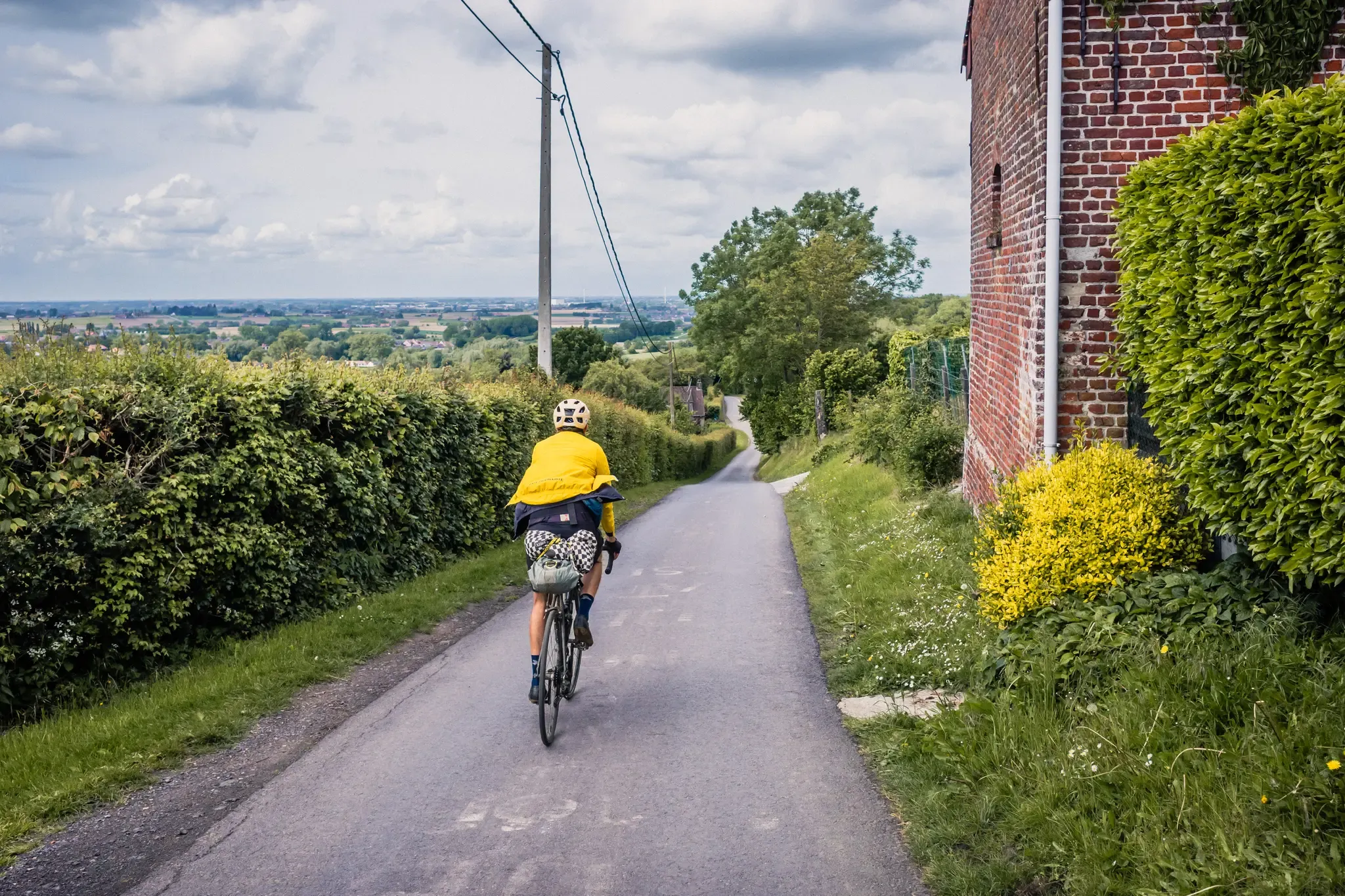
The Hilly Route from Brussels to Poperinge – bikepacking in Flanders
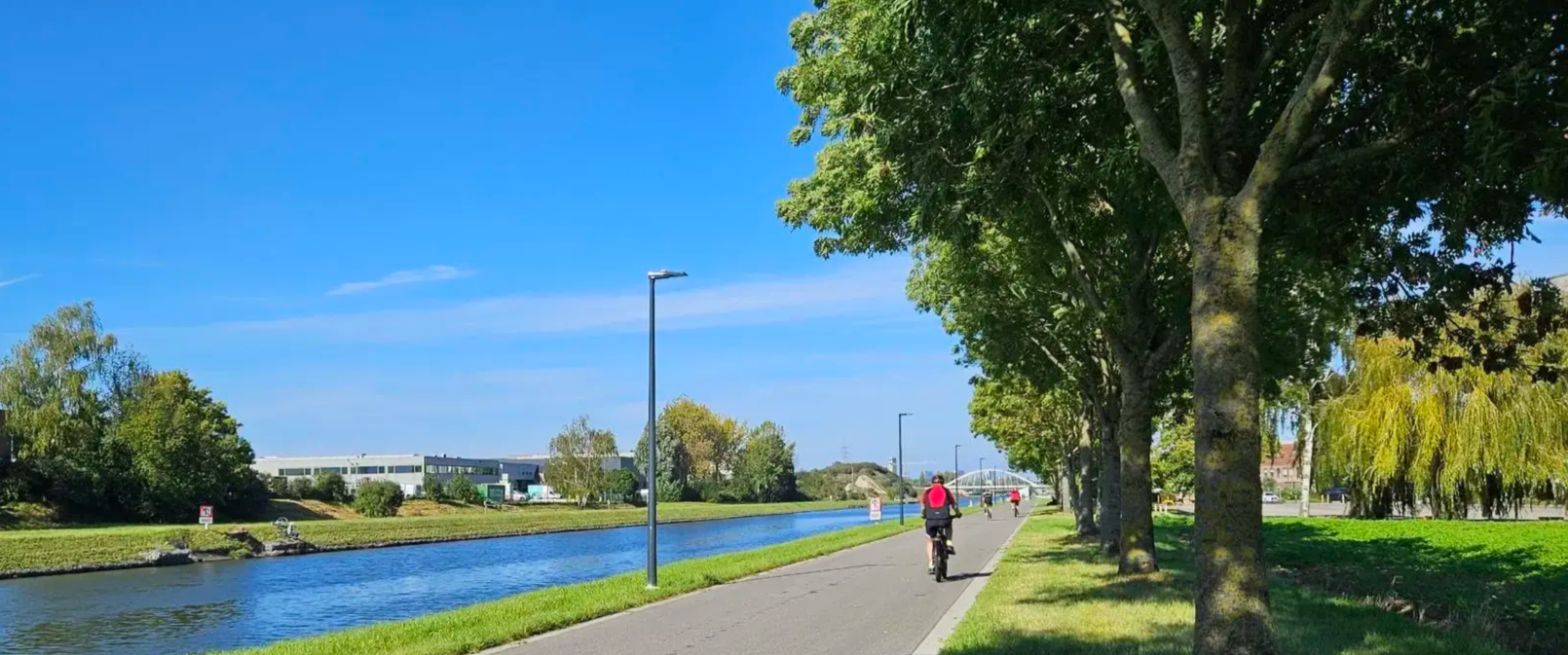
Wallonia by bike — RV1 : Along the water
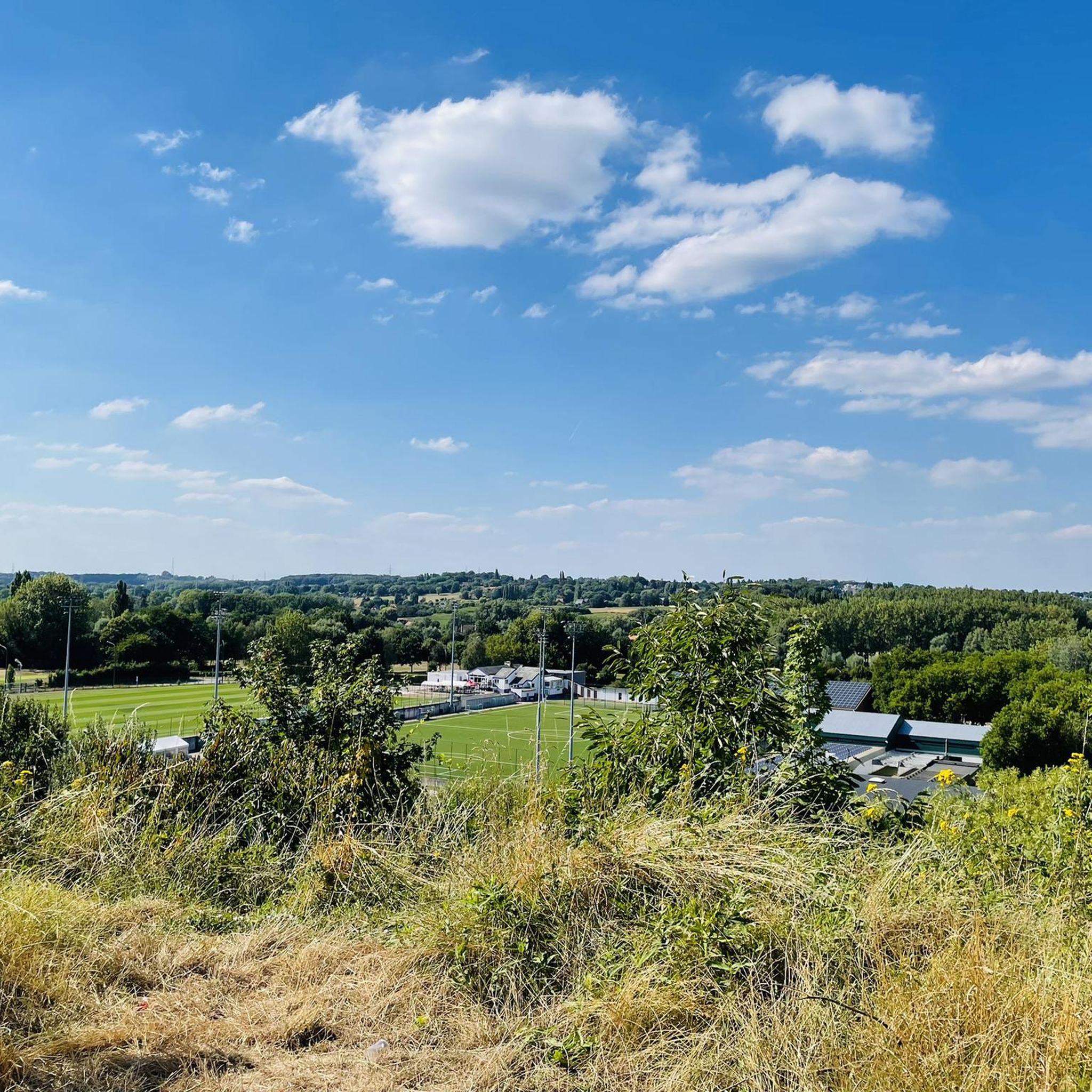
Running Trails around Saint-Gilles - Sint-Gillis
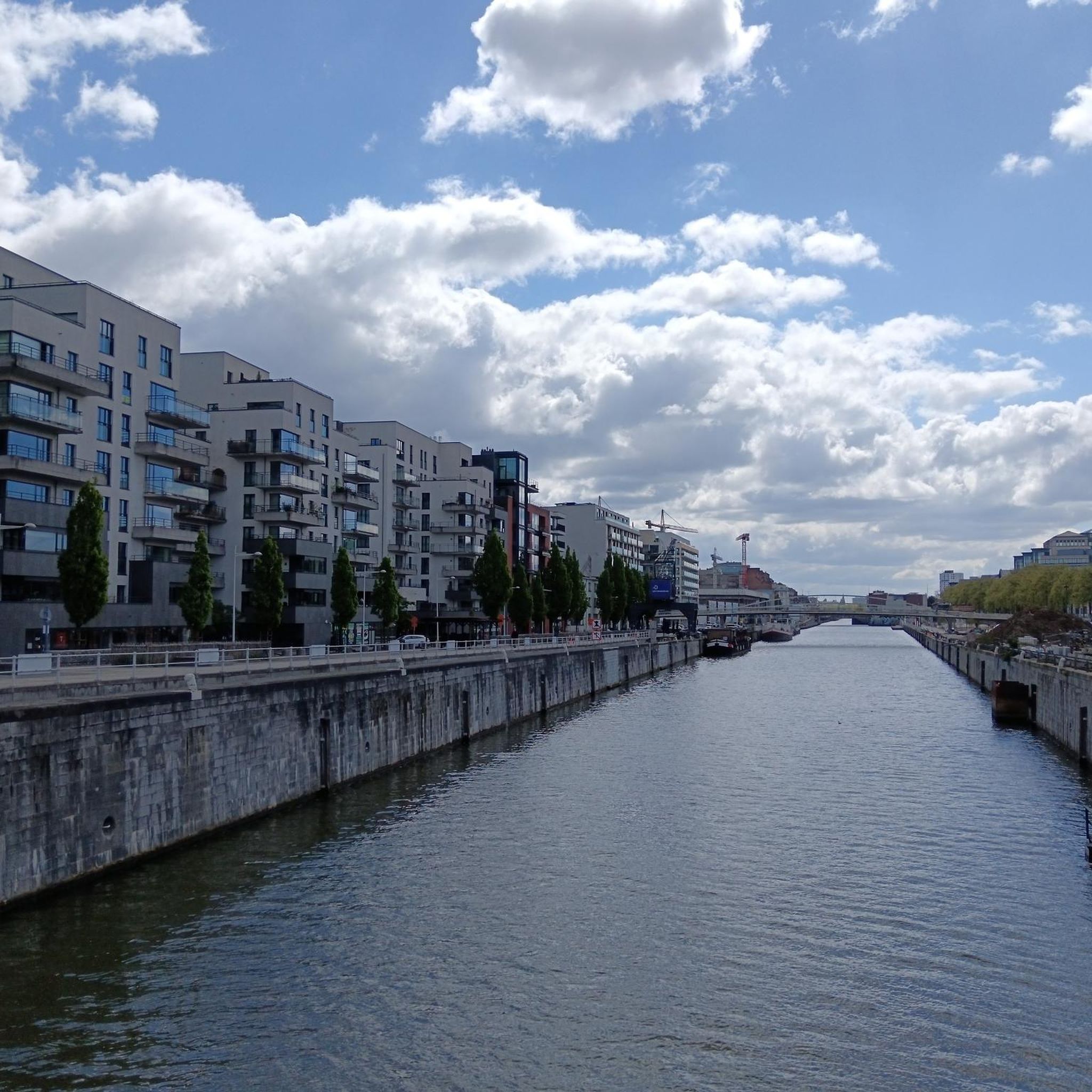
Road Cycling Routes around Saint-Gilles - Sint-Gillis
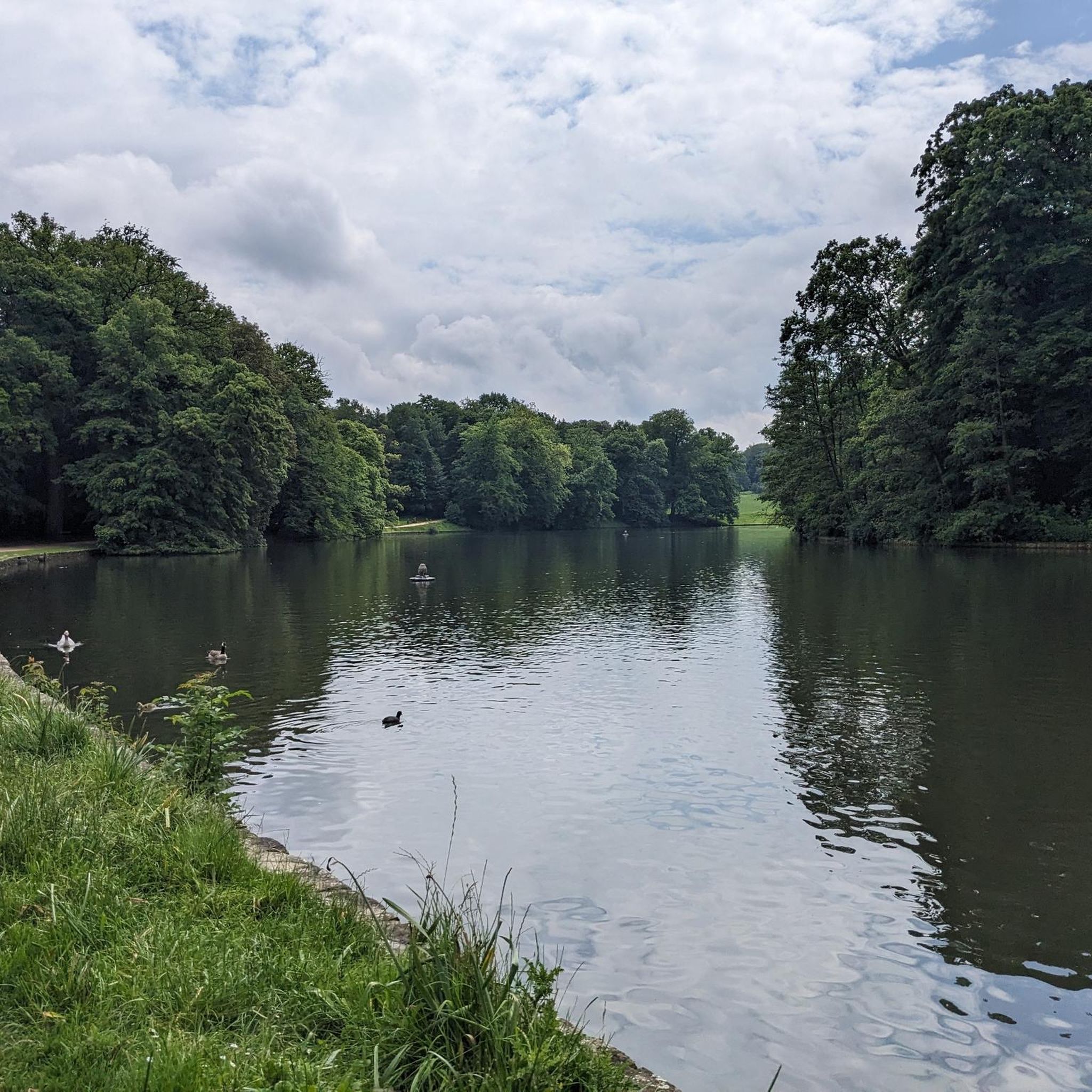
Cycling around Saint-Gilles - Sint-Gillis

Gravel biking around Saint-Gilles - Sint-Gillis
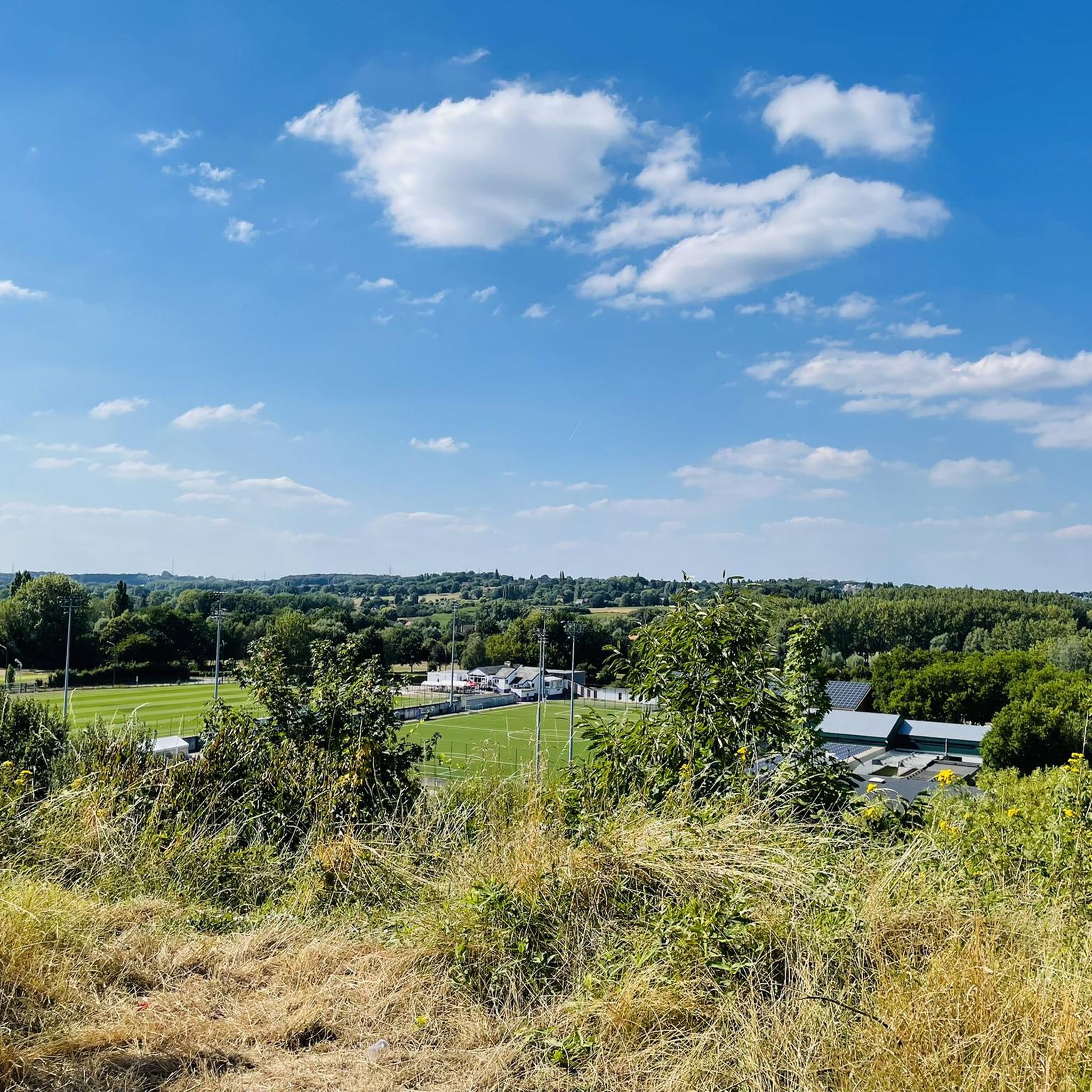
MTB Trails around Saint-Gilles - Sint-Gillis
Other adventures around Saint-Gilles - Sint-Gillis


Tips from the Community

A very magnificent building in the style of a Roman temple.
0
0
A very imposing facade that stretches across the entire eastern side of the Great Market Square. Next to the town hall, the most beautiful building on the square.
0
0
The Maison du Roi houses the City Museum of Brussels with many art objects and information about the city's history.
0
0
The most beautiful spot in Brussels is the magnificent Grand Place with the historic Town Hall and the Brussels City Museum opposite the Town Hall.
0
0

A very well-preserved building on the large market square.
1
0

Fun story (can’t vouch for accuracy) - the black brickwork was an intentional contrast to rest of square to scare people into paying their taxes! Love it!
0
0

History The first "Grand théâtre de la Monnaie" was opened in 1700. In 1819, however, it was demolished and rebuilt on the current site by the French architect Louis-Emmanuel Aimé-Damesne. But in a fierce fire on January 21, 1855, the building was completely reduced to ashes; only the four outer walls remained standing. Fortunately, the Royal Opera House was rebuilt very quickly. Joseph Poelaert was responsible for the design of the new building and for the complete interior decoration. In 1856, the new Royal Opera House opened its doors. The most recent major renovation dates from 1985. At that time, the stage tower was completely rebuilt, and the building was extended with an upper volume. Source: https://www.regiedergebouwen.be/nl/projects/koninklijke-muntschouwburg
4
0
On the cozy Sint-Katelijneplein, you'll discover a place where history and city life effortlessly blend. Where the imposing Sint-Katelijne Church stands today, there was once a 15th-century church. It made way for the current building, but the charming baroque tower from 1629 was preserved and now stands there distinctively beside it. The church itself was built between 1854 and 1874, designed by Joseph Poelaert and his student Wynand Janssens. The result? A surprising mix of styles in a place that was once partly water: this is where the old Sint-Katelijne dock was located, connected to the Willebroek Canal. The surroundings also tell their story. Street names like Baksteenkaai and Brandhoutkaai refer to the district's industrial past. Today, it's a vibrant neighborhood full of atmosphere, cafés, and restaurants—perfect for a wander and soaking up Brussels' rich history.
6
0
Frequently Asked Questions
How many hiking trails are available around Saint-Gilles - Sint-Gillis?
There are over 25 hiking trails around Saint-Gilles - Sint-Gillis, offering a variety of experiences from urban strolls to more natural escapes. You'll find options for different skill levels and durations.
What kind of terrain can I expect on hikes near Saint-Gilles?
Hiking around Saint-Gilles offers a mix of urban green spaces and access to larger natural areas. You can expect paths through local parks like Parc Duden, as well as more extensive woodlands and hilly landscapes in areas like the nearby Sonian Forest and Bois de la Cambre. Trails range from easy, accessible paths to moderate urban explorations.
Are there any easy hiking trails suitable for beginners or families?
Yes, Saint-Gilles offers several easy hiking trails. For example, the Parc Duden – Duden Park loop from Parvis de Saint-Gilles - Sint-Gillisvoorplein is an easy 7.2 km path exploring green spaces. Another easy option is the Manneken-Pis – Brussels Town Hall loop from Gare du Midi - Zuidstation, a shorter 3.9 km route perfect for a leisurely walk.
What are some notable natural features or landmarks I can see while hiking?
Many routes combine natural beauty with urban exploration. You can explore the ancient beech trees of the Sonian Forest, or the green extension of Bois de la Cambre. Within Saint-Gilles, parks like Parc Duden and Parc Pierre Paulus offer tranquil settings. For urban landmarks, trails often pass by sites like the Grand Place (Grote Markt), Brussels, and the Galeries Royales Saint-Hubert.
Are there any circular hiking routes in the area?
Yes, many of the trails around Saint-Gilles are designed as loops, allowing you to start and end at the same point. Examples include the Manneken-Pis – Galeries Royales Saint-Hubert loop from Lemonnier and the Parc Duden – Duden Park loop from Parvis de Saint-Gilles - Sint-Gillisvoorplein, providing convenient options for exploration.
Can I reach hiking trails using public transport?
Yes, Saint-Gilles is well-connected by public transport, making many trailheads easily accessible. Several routes, particularly those exploring urban areas and local parks, start near major transport hubs like Gare du Midi or other central locations, allowing for convenient access without a car.
What do other hikers enjoy most about hiking in Saint-Gilles - Sint-Gillis?
The komoot community highly rates the hiking experiences in Saint-Gilles - Sint-Gillis, with an average score of 4.6 stars from over 230 reviews. Hikers often praise the diverse terrain that blends urban green spaces with access to expansive natural areas like the Sonian Forest, as well as the well-integrated routes that showcase both nature and historic city landmarks.
Are there options for longer or more challenging hikes?
While many trails are easy to moderate, the proximity to the Sonian Forest offers opportunities for longer and potentially more challenging routes within its extensive network. Some urban routes also extend in length, such as the Our Lady of Sablon Church – Galeries Royales Saint-Hubert loop from Louise - Louiza, which is 8.1 km and considered moderate.
Are there any lakes or water features to see on the trails?
While Saint-Gilles itself is urban, the wider Brussels area and the nearby Sonian Forest feature several beautiful water bodies. You might encounter highlights like the Drowned Children Ponds or the Boitsfort Ponds when exploring the larger natural areas accessible from Saint-Gilles.
What is the best time of year to go hiking in Saint-Gilles?
Hiking in Saint-Gilles is enjoyable throughout much of the year. Spring and autumn offer pleasant temperatures and beautiful scenery, especially in the parks and the Sonian Forest with its changing foliage. Summer is also popular, though it can be warmer, while winter can provide crisp, quiet walks, particularly in the woodlands.
Are the hiking trails in Saint-Gilles dog-friendly?
Many parks and natural areas around Saint-Gilles, including parts of the Sonian Forest and local parks, are generally dog-friendly. However, it's always recommended to check local regulations for specific areas, as some may require dogs to be on a leash or have restricted access in certain zones.
Can I find cafes or amenities near the hiking routes?
Given Saint-Gilles' urban setting and its proximity to central Brussels, you'll find numerous cafes, restaurants, and other amenities conveniently located near many of the hiking routes, especially those that traverse urban areas or start from popular squares. Even routes venturing into larger parks often have facilities nearby.
Most popular routes around Saint-Gilles - Sint-Gillis
Most popular attractions around Saint-Gilles - Sint-Gillis

Get inspired with the komoot mobile app


Explore more
Browse the best Hikes in other regions.
