Top 20 Castles around Sint-Martens-Latem
Best castles around Sint-Martens-Latem are found within a region known for its picturesque landscapes and artistic heritage, particularly in the sub-municipality of Deurle. This area features historical estates and luxurious villas, some of which are locally referred to as castles. The Leie river meanders through the landscape, adding to the scenic character of the estates.
Best castles around Sint-Martens-Latem
- The most popular castles is Gravensteen Castle, a castle that is a fortified moated castle in Ghent. It is the…
Last updated: July 1, 2026
Gravensteen Castle
Highlight • Castle
Translated by Google •
Tip by

The Blue Gate
Highlight • Monument
Translated by Google •
Tip by
Sign up now to discover places like this
Get recommendations on the best single tracks, peaks, & plenty of other exciting outdoor places.
Sign up for free
Ooidonk Castle
Highlight • Castle
Translated by Google •
Tip by
Geeraard the Devil's Castle
Highlight • Castle
Translated by Google •
Tip by
Schouwbroek Castle
Highlight • Castle
Translated by Google •
Tip by

Sign up for free to discover even more castles around Sint-Martens-Latem.
Sign up for free
Already have an account?
Start today with a free account
Your next adventure awaits.
Login or Signup
Tips from the Community

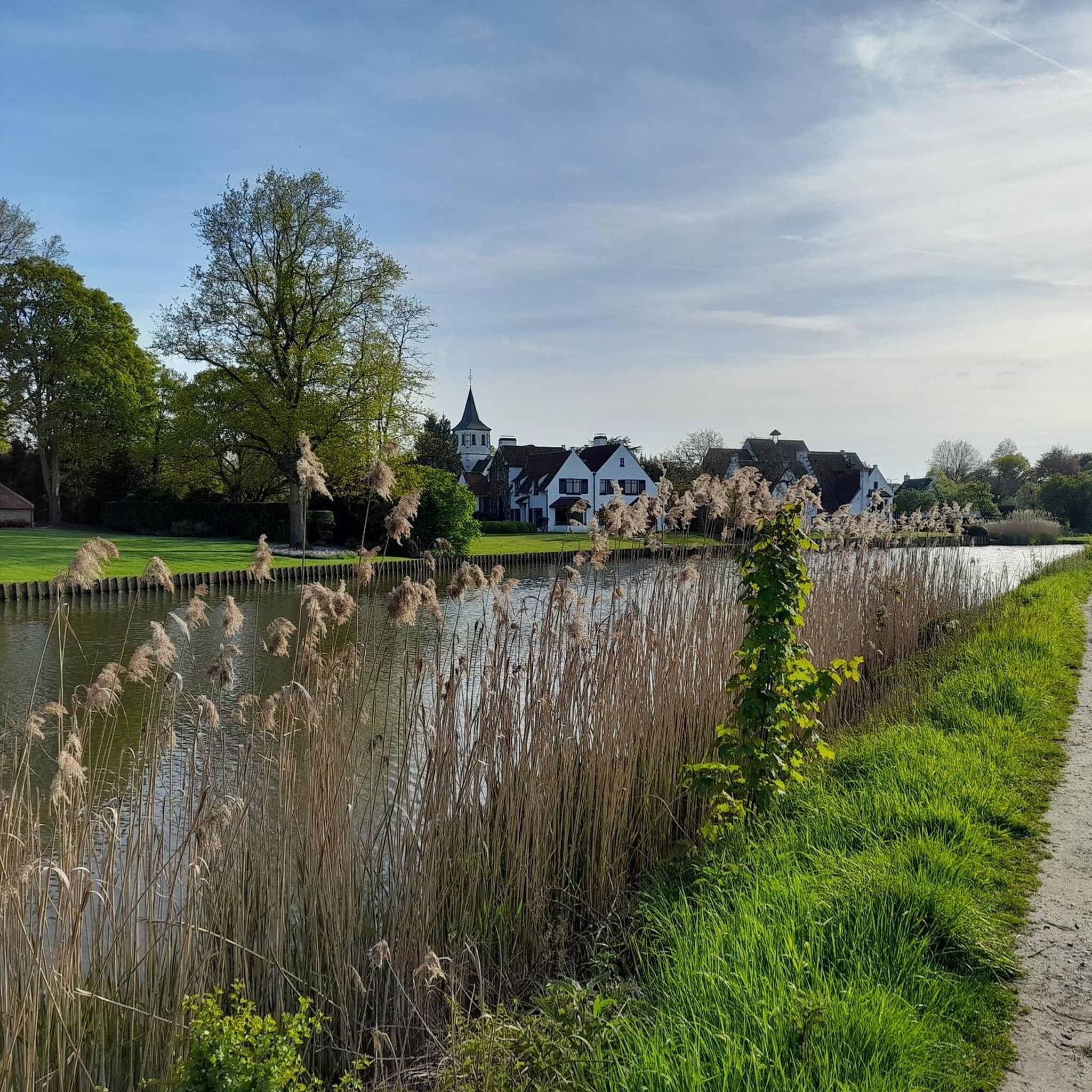
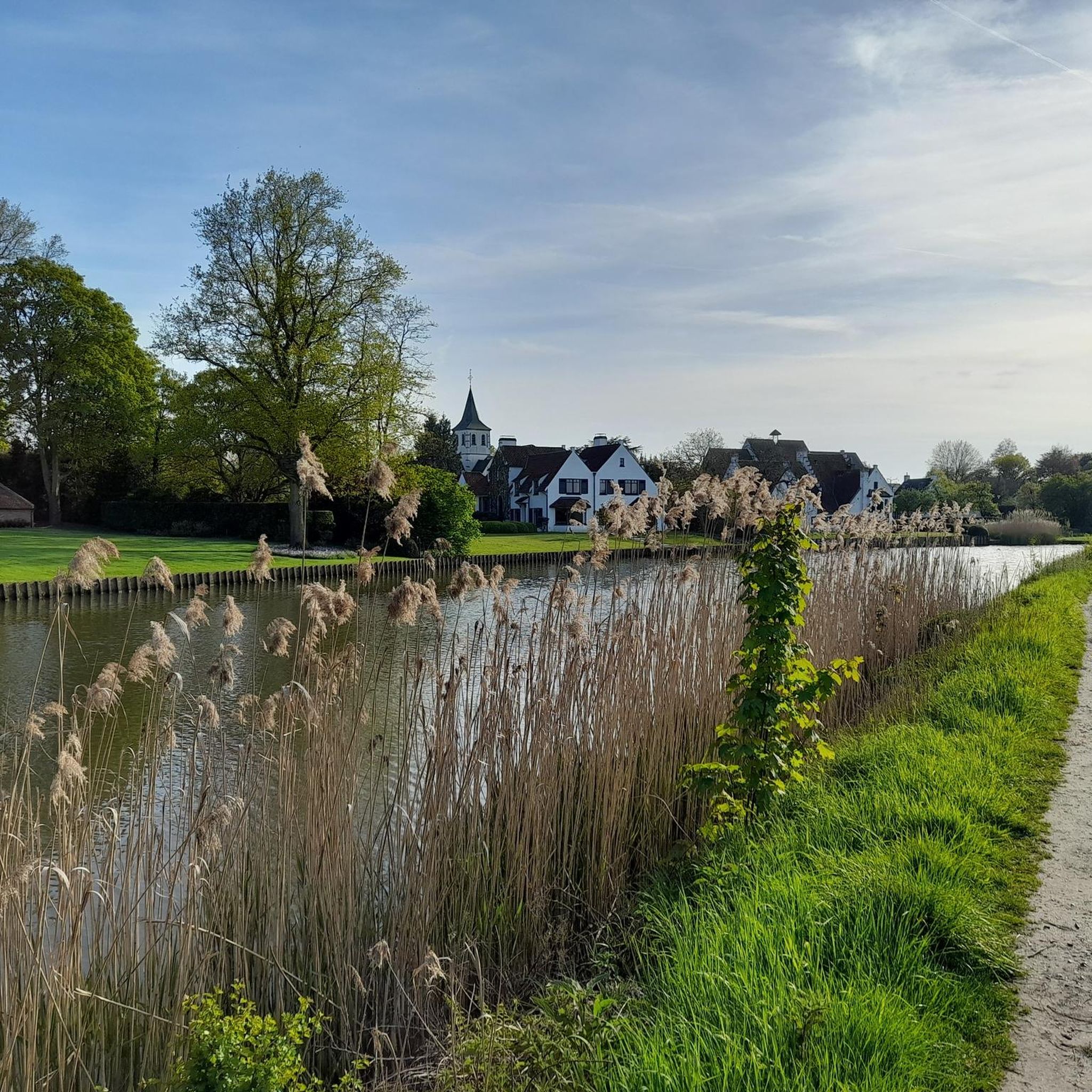
Porta Arboreti; monumental entrance gate and former dovecote belonging to and once forming access to the Ooidonk castle domain, which originates in the 14th century.
0
0

The gate also serves as a bridge over the Kalebeek stream. The north facade of the gate (facing the church) features, in addition to the date 1864, the coat of arms of the t'Kint de Roodenbeke family, who acquired the castle that year (and still own it).
3
0


The Geeraard de Duivelsteen is a building in the Belgian city of Ghent. The stone played an important role in the defense of the Portus on the Reep, a trading settlement that was at the cradle of the origin of Ghent. It is a former Gothic stone (stone house of a nobleman) from the 13th century, named after knight Geeraard van Gent, nicknamed Geeraard de Duivel. He was the third son of a viscount of Ghent, Zeger III. The building became the property of the city in the 14th century. Over the centuries it fulfilled various functions: knight's residence, weapons arsenal, monastery, school, episcopal seminary, insane asylum and prison until the Rasphuis on the Coupure took over that task in 1775. In 1830 a fire station was set up there. At the end of the 19th century, the Geraard de Duivelsteen was purchased by the government to house the State Archives of Ghent. Under the leadership of Arthur Verhaegen, the building was restored between 1891 and 1908 and expanded with a new wing, which housed the reading room and the offices of the archive staff. The building remained in use as an archive until 2015. In 2016, it was purchased for 2,205,000 euros by the Ghent holding company NV Koiba. The building is being converted into a youth centre. In addition, there will be a few residential units; the former quay wall is being restored. The building has undergone so many changes since the Middle Ages that the square keep (left in the photo), which was lowered too much during the last restoration in the 19th century, is barely recognisable. However, this keep can point to a function that refers to an older past. The keep, located along the partially filled-in Scheldt and within the semi-circular moat from the 9th century that surrounded Ghent at the time, may have had a defensive function at the time.
5
1
Very occasionally an exhibition is organized here (such as that of photographer Carl De Keyzer in December 2021 to February 2022), what an exceptional opportunity to see the inside of this building with a rich history. Grab that chance!
6
3

There used to be a hof van plaisance (country house) here, which was depicted in 1755 in the middle of a park, which even contained an amphitheater. In 1894 the castle was rebuilt according to a design by Achille Marchand. The park was laid out in the English landscape style at the end of the 19th century. A pond, an ice cellar with a pavilion above it have been built. There are also bridges, a boathouse and a cave. There are three monumental chestnut trees, including possibly the thickest chestnut tree in Belgium. The castle was built in an eclectic style and made of brick and bluestone. The hall is decorated with sgraffito. In addition to the castle, there is a staff house with stables and a coach house with horse stables. These buildings also date from 1894. (according to Wikipedia)
3
0

Over the centuries it was used as a knight's residence, armory, monastery, school and episcopal seminary. In 1623 there was a madhouse for the insane and a home for male orphans. Another part of the building was used as a prison or detention house.
9
0
Frequently Asked Questions
What types of castles and historical estates can I explore around Sint-Martens-Latem?
The region around Sint-Martens-Latem features a mix of historical estates, grand villas, and traditional castles. While Sint-Martens-Latem itself is known for its picturesque landscapes and artistic heritage, the sub-municipality of Deurle hosts significant estates like Kasteel van Deurle and Kasteel Ter Laecke. Further afield, you can find medieval fortresses such as Gravensteen Castle in Ghent and Renaissance gems like Ooidonk Castle.
Are there any family-friendly castles to visit near Sint-Martens-Latem?
Yes, several castles in the broader region are suitable for families. Gravensteen Castle in Ghent, with its museum and historical displays, is a popular choice. Ooidonk Castle also welcomes families, particularly its beautifully maintained gardens which are often open to the public.
What natural features can I expect to see around these castles?
Many estates are nestled within scenic natural settings. Kasteel Ter Laecke, for instance, is situated in a wooded park along a bend of the Leie river. Schouwbroek Castle features an English landscape park with a pond, an icehouse, and monumental chestnut trees. The Leie river itself meanders through the landscape, adding to the picturesque character of the area.
What historical insights can I gain from visiting these castles?
The castles offer a journey through various historical periods. Gravensteen Castle provides a deep dive into medieval Flanders, having served as a count's residence, court, and prison. Ooidonk Castle showcases Renaissance architecture and the history of its noble owners. Kasteel van Deurle reflects 18th-century estate living with later modifications, while Geeraard the Devil's Castle has a storied past as a knight's residence, armory, and even a madhouse.
Are there cycling routes near the castles around Sint-Martens-Latem?
Yes, the region offers numerous cycling opportunities. You can find routes like 'The Blue Gate – Ooidonk Castle loop' which takes you past Ooidonk Castle. For more options, explore the Cycling around Sint-Martens-Latem guide, which includes routes suitable for touring bicycles, or the Road Cycling Routes around Sint-Martens-Latem guide for longer rides.
Can I go running or hiking near these historical sites?
Absolutely. The area around Sint-Martens-Latem is well-suited for running and hiking. You can find trails such as the 'Westerplas Wetlands loop' or the 'Leie Marshes – View of the River Leie loop'. For a comprehensive list of routes, check out the Running Trails around Sint-Martens-Latem guide.
What do visitors enjoy most about the castles and estates in this region?
Visitors frequently appreciate the blend of historical architecture and beautiful natural surroundings. The impressive towers and gables of Ooidonk Castle, often compared to a Loire château, are a highlight, as are its well-kept gardens. The unique medieval defense system of Gravensteen Castle and the serene English landscape park of Schouwbroek Castle also receive high praise.
Is Kasteel van Deurle open to the public?
Kasteel van Deurle is a prominent historical estate. While its historical significance and architectural evolution are noteworthy, specific public visiting information for the interior is not readily available. It is primarily a private residence.
What is the significance of The Blue Gate?
The Blue Gate, or Porta Arboreti, is a historical entrance point, particularly significant as one of the original seven cabinet count gates. It leads to the scenic driveway of Ooidonk Castle and is a landmark in itself, with a history dating back to 1595.
Can I visit the park at Schouwbroek Castle?
The park of Schouwbroek Castle, laid out in the English landscape style, is generally closed off by an impressive iron gate. While you can view the park from outside, public access is typically restricted, except possibly on special occasions like Heritage Day.
What is Kasteel Ter Laecke known for?
Kasteel Ter Laecke, located in Deurle, is known for its neoclassical architecture, primarily dating from 1841. It is beautifully integrated within a scenic, wooded park along a bend of the Leie river, offering a historical and aesthetic experience for those interested in 19th-century estate design.
Are there any castles or estates that are less traditional, like grand villas?
Yes, in Sint-Martens-Latem, the line between a grand villa and a 'castle' can be blurred due to the area's affluent residential character. Kasteel La Butte (also known as Villa La Butte) is an example. Built in 1910 in a distinctive English cottage style with Norman influences, its scale and historical context give it a 'castle-like' presence, even though it's classified as a monumental villa.
Most popular routes around Sint-Martens-Latem
Most popular attractions around Sint-Martens-Latem

Get inspired with the komoot mobile app


Explore more
Looking for the best castles somewhere else? Discover other guides around Sint-Martens-Latem:
