Top 11 Gorges around Bassenge
Best canyons around Bassenge are characterized by diverse geological formations, including steep valleys, extensive underground networks, and chalk grasslands. The region offers natural areas with impressive rock formations and historical sites. These locations provide unique natural and historical experiences, often featuring significant underground galleries and varied geomorphology. The landscape includes steep slopes and areas with historical resource extraction.
Best canyons around Bassenge
- The most popular canyons is Strooberggroeve (Bemelen Caves), a cave that features a beautiful gravel road along…
Last updated: July 1, 2026
Trichterberggroeve Limestone Quarry
Highlight • Natural Monument
Translated by Google •
Tip by

Savelsbos Gravel Pit
Highlight • Natural Monument
Translated by Google •
Tip by

Sign up now to discover places like this
Get recommendations on the best single tracks, peaks, & plenty of other exciting outdoor places.
Sign up for free
Thier des Vignes Flint Caves
Highlight • Cave
Source: mini-ardenne.be/poi.card.php?id=6036&language=fr
Translated by Google •
Tip by

Strooberggroeve (Bemelen Caves)
Highlight • Cave
Translated by Google •
Tip by

Julienne Valley
Highlight • Gorge
Translated by Google •
Tip by

Sign up for free to discover even more gorges around Bassenge.
Sign up for free
Already have an account?
Start today with a free account
Your next adventure awaits.
Login or Signup
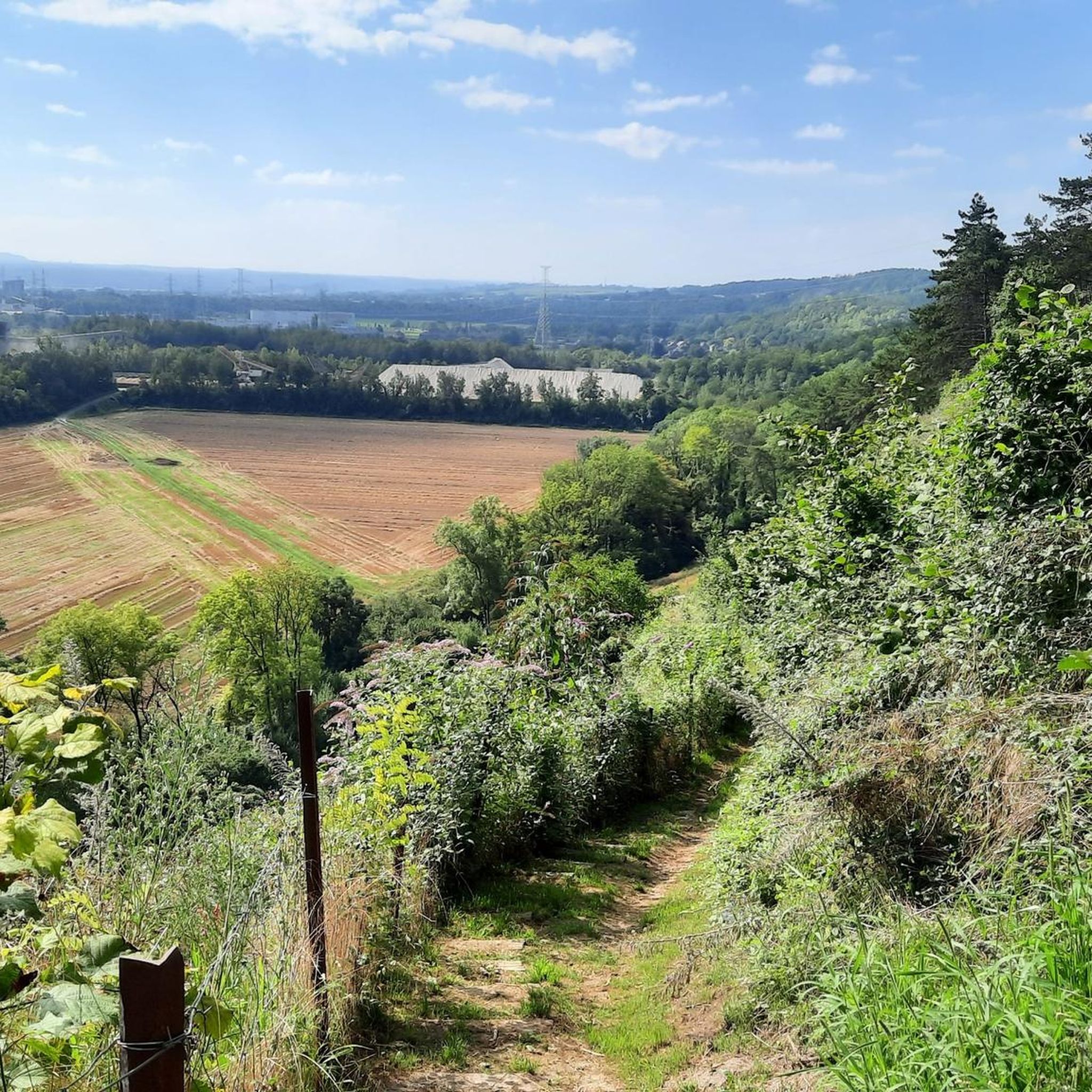
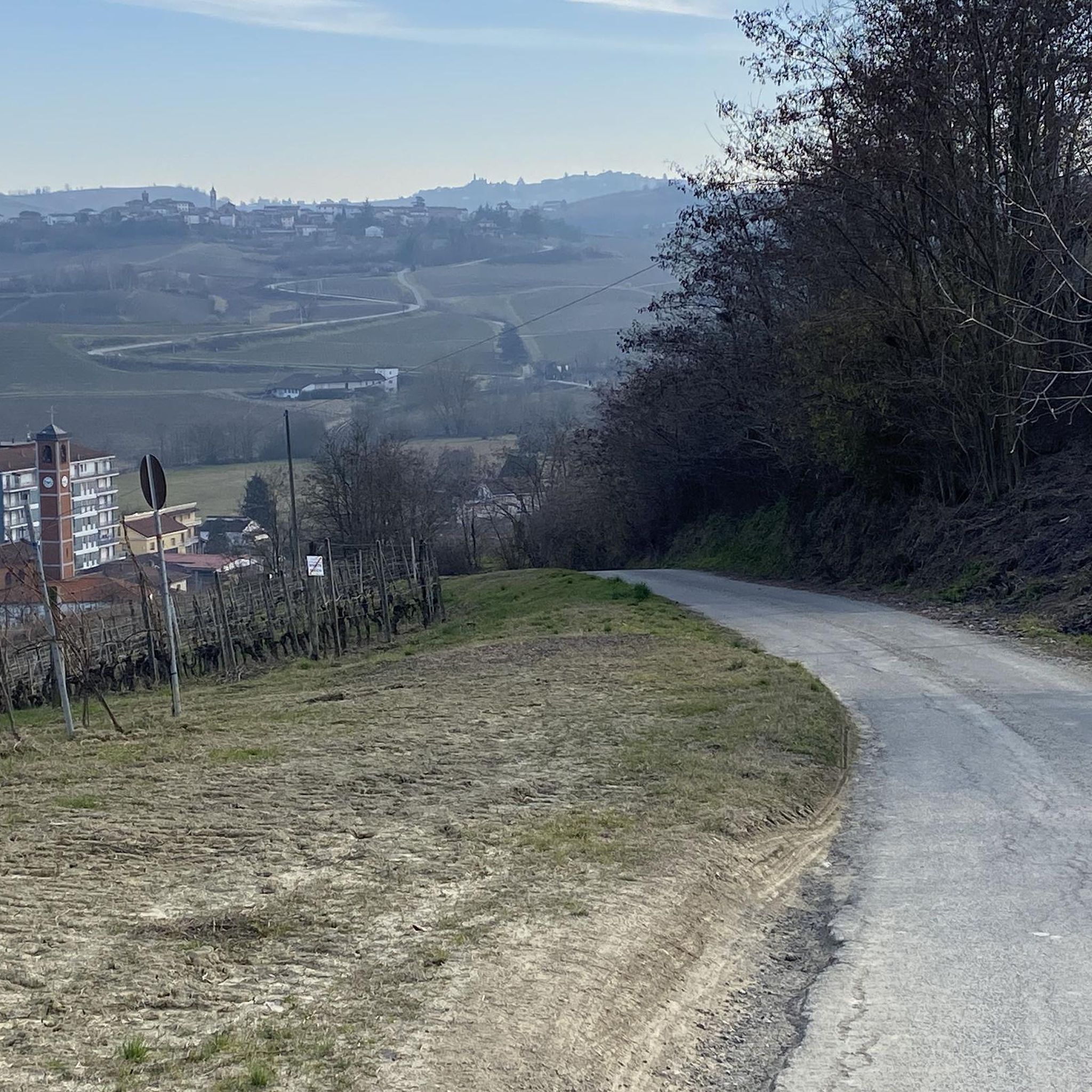
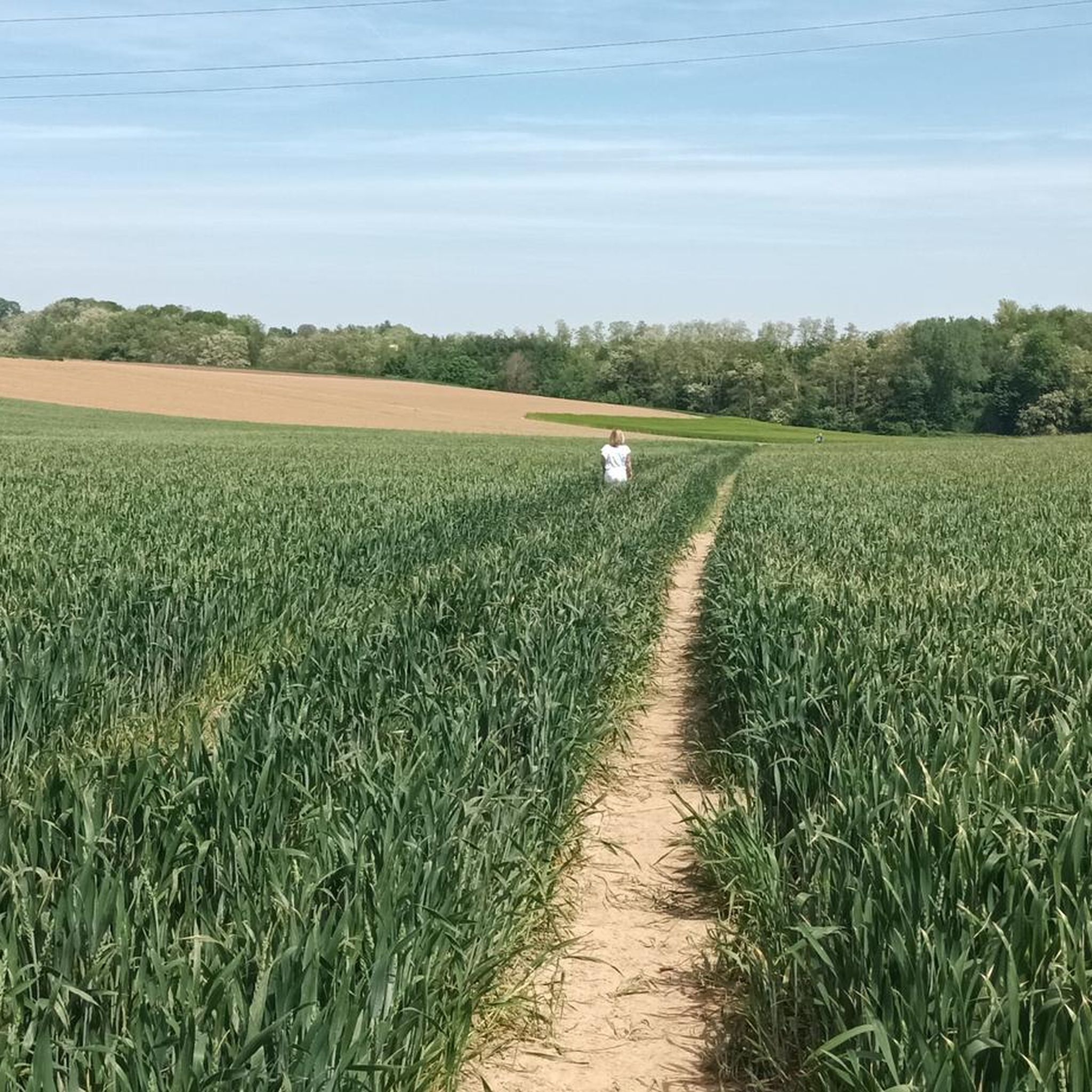

Other adventures around Bassenge

Tips from the Community

Beautiful view of the caves.
0
0

There are old flint quarries in this area: the “Carrières de silex du Thier des Vignes”.
1
0

A mysterious flint cave on the edge of the Albert Canal, near the locks at Klein Ternaaien. You reach the entrance via a steep path through the woods. The caves are dark, cool, and full of atmosphere—perfect for those who love hidden natural spaces. Bring a flashlight and good walking shoes!
2
0

Info about these caves: https://nl.wikipedia.org/wiki/Strooberggroeve
1
0

Impressive, you can see some caves.
1
0

Wonderful single track with deliciously scented wild garlic on both sides.
1
0

The Trichterberg quarry is located in the forest to the left of the steep Eckelraderweg, between Gronsveld and Eckelrade. Diagonally opposite are dole chambers. The quarry has been designated as a “Geological Monument”. Steep limestone walls with here and there sawn surfaces and a few small corridor remains are the only remains. Not much is known about the Trichterberg quarry. That is why Peter Jennekens, Kevin Amendt and Rob Habets wrote a source overview for the magazine of the Study Group Underground Limestone Quarries - Natural History Society in Limburg. Based on this, they cautiously conclude that the origin of the quarry must lie somewhere between the years 1846 and 1867. The entire PDF with all sources can be found at https://www.sok.nl (November 2013 edition).
5
0

Text board [see photo] Limestone quarry Trichterberg Geological Monument Limestone quarry Trichterberg In the past, limestone was mined at this location. This limestone was used as building blocks and at a later time for fertilizing (oenergelen) fields and meadows ` In the upper Cretaceous (80 to 65 million years ago) the whole of South Limburg was flooded by a 'Cretaceous sea'. Many plants and animals that are now extinct lived in this tropical sea. The limestone visible here consists of countless skeletons of small plants and animals that formed the plankton. Many large animals also lived in this Cretaceous sea, such as the ten-meter-long 'Mosasaur'. Flint Flint is a hard rock that can form in pure limestone under very special circumstances. Flint consists of pure silica (SiO2). In the Stone Age, this rock was used for making stone tools. Until the last century, flint was used to make fire using the Tinderbox.
2
0
Frequently Asked Questions
What kind of natural formations can I expect to see around Bassenge?
The Bassenge region features diverse geological formations, including steep valleys, chalk grasslands, and extensive underground networks. You'll find impressive rock formations, limestone quarries, and historical flint caves. Notable areas include Montagne Saint-Pierre with its varied geomorphology and the Jeker River Valley, which carves a distinctive landscape.
Are there any historical sites or geological monuments to explore?
Yes, the region is rich in historical and geological sites. You can visit the Trichterberggroeve Limestone Quarry, designated as a geological monument, featuring steep limestone walls and unique 'geological organ pipes'. The Thier des Vignes Flint Caves offer a glimpse into ancient flint and chalk mining with over 10 cave entrances along the path.
What are some popular caves or underground areas in Bassenge?
Among the most popular are the Strooberggroeve (Bemelen Caves), known for a beautiful gravel road along the rocks of the Bemelerberg. The Thier des Vignes Flint Caves are also very old and protected, showcasing historical extraction of flint.
Are there family-friendly natural attractions in the area?
Yes, the Julienne Valley is a family-friendly option, offering a bucolic setting with ponds, paths for walking or cycling, and a playground at the entrance. The Trichterberggroeve Limestone Quarry is also categorized as family-friendly.
What outdoor activities can I do near these canyons?
The Bassenge area offers various outdoor activities. You can find numerous hiking trails, such as the 'Heyoule Nature Reserve – Marlstone cave loop' or 'Broukay Mill – Trail across the field loop'. For running, routes like 'Thier des Vignes Flint Caves – View of the Lanaye Locks loop' are available. Mountain hikes, including those around Fort Sint Pieter, are also popular. You can find more details on these activities in the Hiking around Bassenge, Running Trails around Bassenge, and Mountain Hikes around Bassenge guides.
What is the best time to visit the canyons and natural areas around Bassenge?
While specific seasonal advice for canyons isn't provided, general outdoor activities are enjoyable throughout the year. Spring is particularly beautiful in areas like the Heyoule Nature Reserve, where limestone grasslands are rich in orchids and butterflies. Winter offers a chance to see bats in the underground galleries of Montagne Saint-Pierre, which serve as crucial wintering grounds.
Are there any nature reserves or protected areas worth visiting?
Absolutely. The Heyoule Nature Reserve, located within Montagne Saint-Pierre, is the oldest protected natural site in the area. It features charming rural landscapes, groves, caves, and limestone grasslands rich in orchids. The Montagne Saint-Pierre itself is an expansive ecological site with diverse flora and fauna, including rare plants and numerous bat species.
What kind of terrain and difficulty can I expect on hiking trails?
The terrain around Bassenge can be varied, with many trails offering good altitude meters due to differences in elevation. Some highlights, like Savelsbos Gravel Pit, are noted for steep climbs and descents. Many trails are rated as 'intermediate' difficulty, but 'easy' options are also available, such as the 'Fort Eben-Emael – View of the Lanaye Locks loop'.
What do visitors enjoy most about the natural sites in Bassenge?
Visitors appreciate the beautiful environments, the opportunity to explore historical sites like ancient quarries and flint caves, and the diverse landscapes. Many enjoy the scenic walks, the unique geological features like 'geological organ pipes', and the blend of natural beauty with cultural history. The region's natural areas are well-loved, with over 400 upvotes and 200 photos shared by the komoot community.
Can I bring my dog on trails near the canyons?
While specific dog-friendly designations for all canyon trails are not detailed, many outdoor areas in the region are generally accessible for dogs. Some popular gravel roads, such as those near Strooberggroeve (Bemelen Caves), are noted to be 'very busy during sundays and public holidays and lots of dogs', suggesting a dog-friendly atmosphere in many areas.
Where can I find panoramic views of the region?
Montagne Saint-Pierre offers extensive hiking trails with panoramic views of the surrounding countryside and the Meuse valley. These elevated areas provide excellent vantage points to appreciate the varied geomorphology of the Bassenge region.
Most popular routes around Bassenge
Most popular attractions around Bassenge

Get inspired with the komoot mobile app


Explore more
Already discovered everything in this region? See additional gorges around Bassenge for your next adventure:
