The best cycling routes around Fexhe-Le-Haut-Clocher
4.4
(19)
160
riders
29
rides
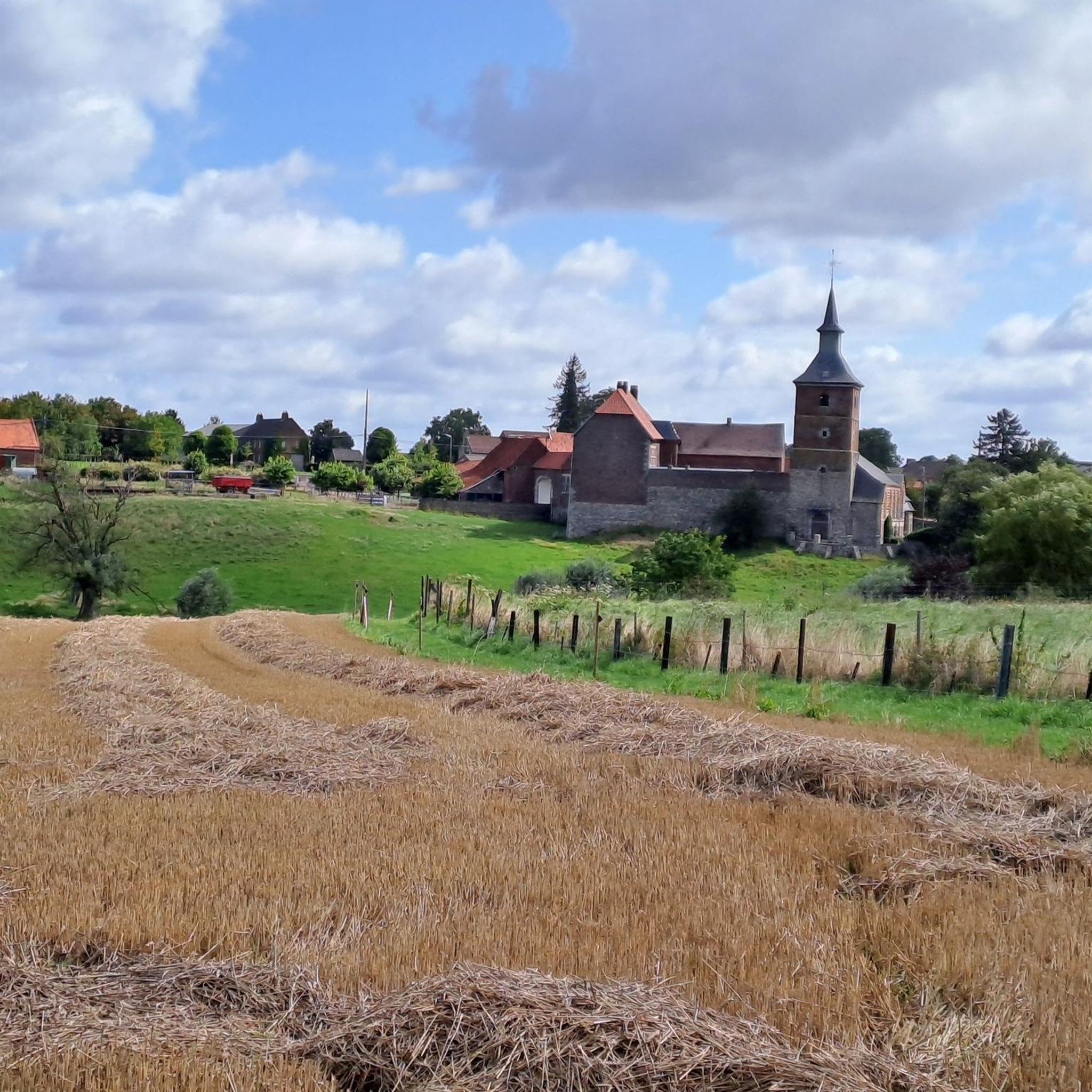
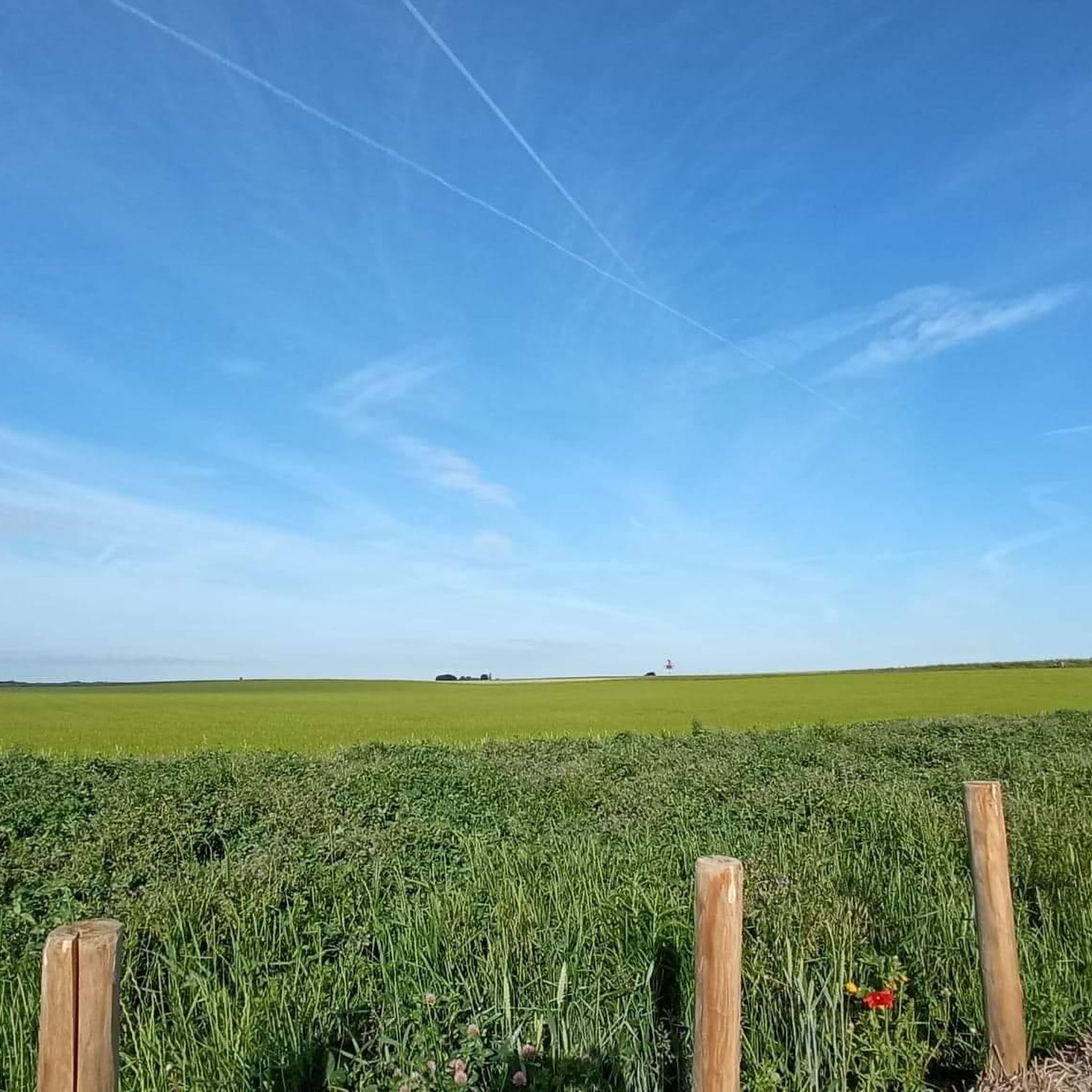
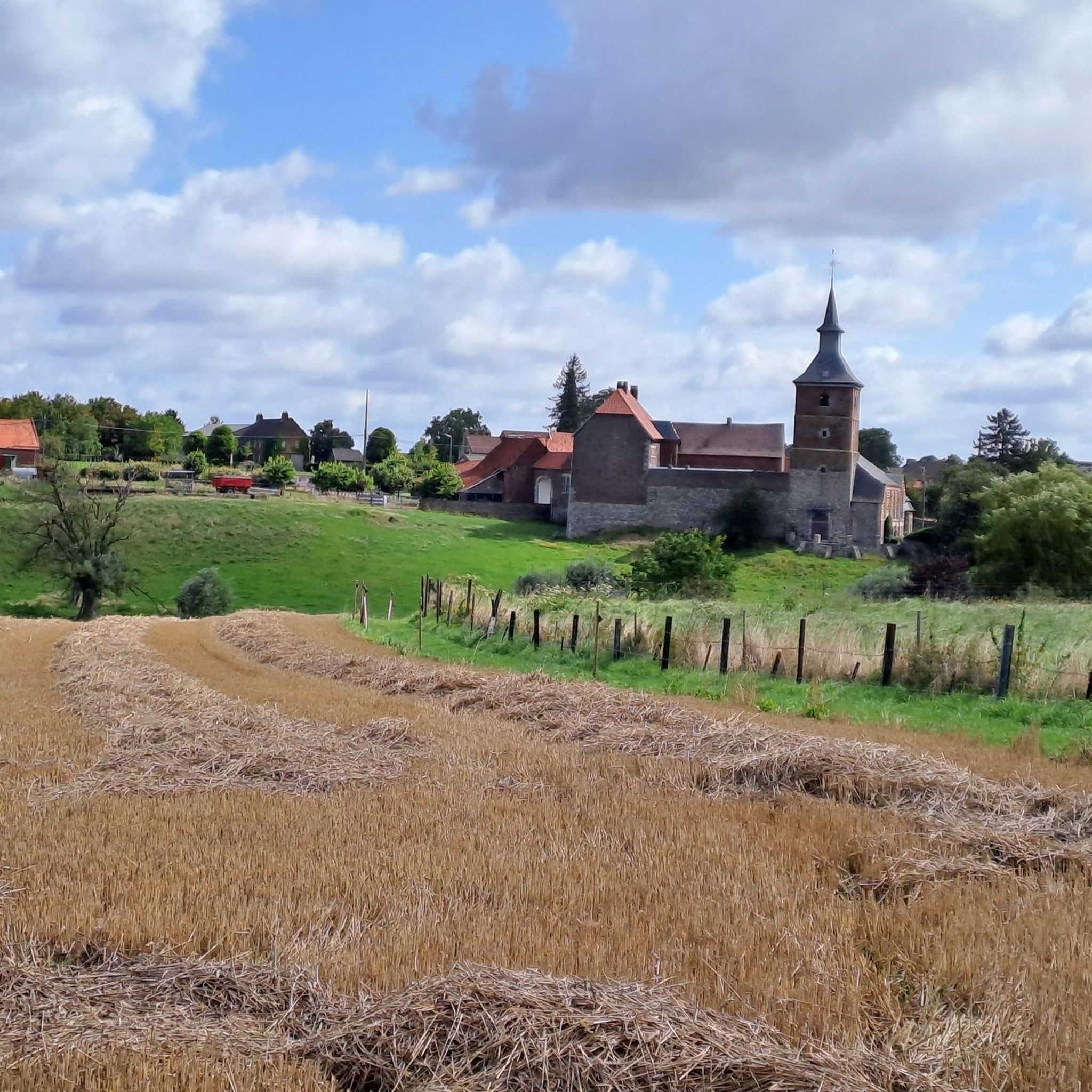
Touring cycling routes around Fexhe-Le-Haut-Clocher traverse gently rolling landscapes within the slightly hilly Haspengouw region. The area features predominantly paved routes, including sections of the RAVeL network, which repurpose old railway lines and canal paths. This terrain offers accessible and scenic options for touring cyclists, connecting charming villages and natural reserves.
Best touring cycling routes around Fexhe-Le-Haut-Clocher
- The most popular touring cycling route is Brasserie Château de la Motte – View of Borgloon Village loop from Fexhe-le-Haut-Clocher, a 41.4…
Last updated: July 4, 2026
3.5
(2)
11
riders
34.2km
02:01
170m
170m
Moderate bike ride. Good fitness required. Mostly paved surfaces. Suitable for all skill levels.
4.3
(3)
13
riders
70.3km
04:10
400m
400m
Moderate bike ride. Good fitness required. Mostly paved surfaces. Suitable for all skill levels.

Sign up for free
13
riders
81.6km
05:09
860m
860m
Hard bike ride. Very good fitness required. Mostly paved surfaces. Suitable for all skill levels.
4.0
(1)
7
riders
52.8km
03:08
260m
260m
Moderate bike ride. Good fitness required. Mostly paved surfaces. Suitable for all skill levels.
11
riders
Hard bike ride. Very good fitness required. Mostly paved surfaces. Suitable for all skill levels.
Get access to more routes and recommendations from other explorers.
Sign up for free
Already have an account?
Our route recommendations are based on thousands of hikes, rides, and runs completed by other people on komoot.
Start today with a free account
Your next adventure awaits.
Login or Signup
Tips from the Community


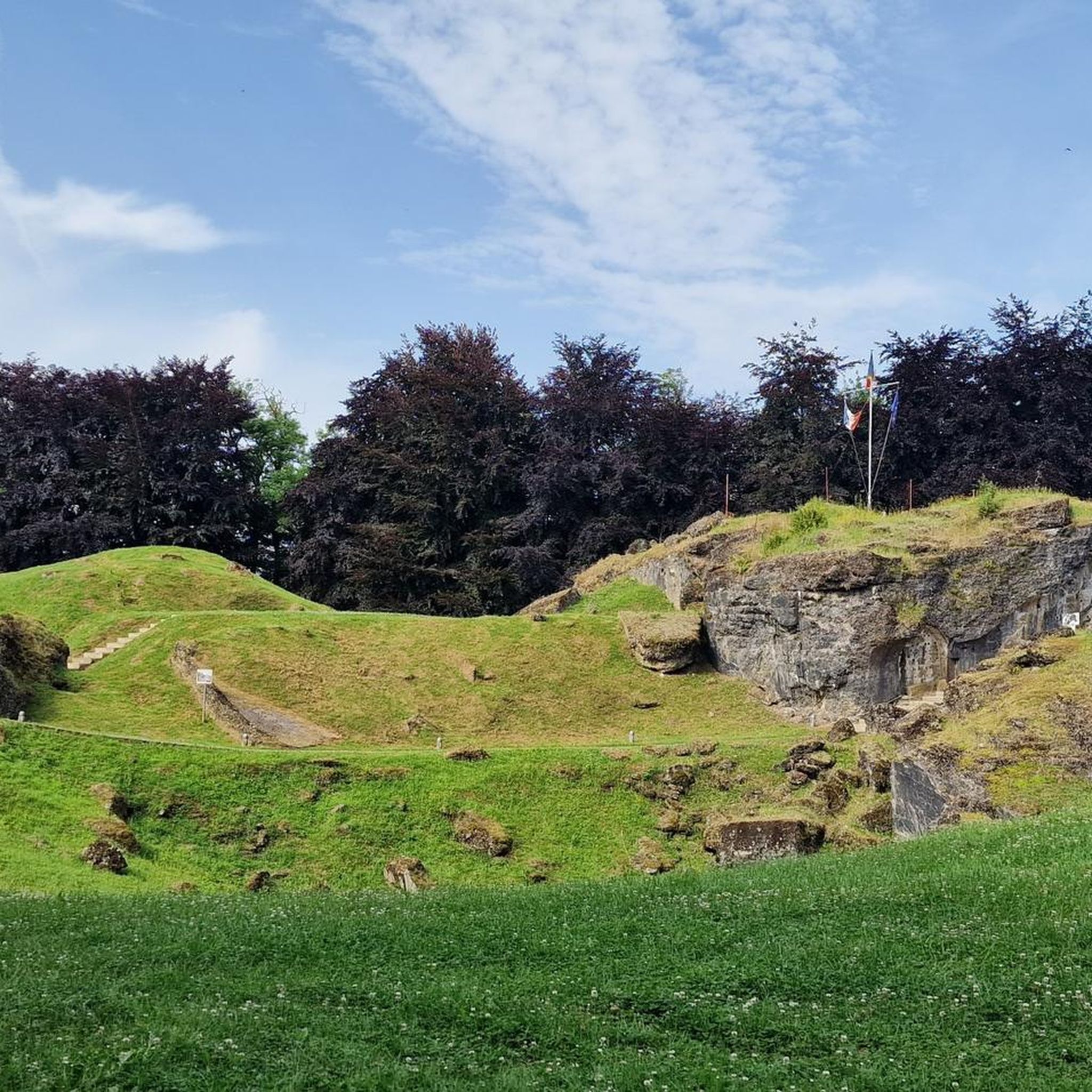
The current castle ensemble is largely 16th century, but was built around a 14th-century square keep. The location of that keep was, of course, strategically chosen: slightly elevated above the surroundings, this point offers a good view. The original military architecture gave way in the 16th century to a balanced combination of defense and residential comfort. In addition to the main building, the domain includes a farm, a barn, and several outbuildings, which together form a coherent whole. All these constructions are built from locally quarried limestone rubble, while carefully dressed limestone was used for lintels, sills, door frames, and window frames. This choice of materials testifies to the craftsmanship and the prosperity of the owners during that period. The oldest known lord associated with Famelette is Thiry Lardinois de Famelette, lord of Moha, indicating the close ties between the domain and the local feudal power structures. In 1441, the castle passed into the hands of Collar de Hosden, who held the office of bailiff of Moha. His function as a representative of the lordly authority underscores the administrative importance of Famelette within the region. A decisive phase in the castle's history began in 1558, when it was acquired by the Berlaymont de Floyon family, an influential noble dynasty in the Southern Netherlands. Under their rule, the domain underwent two thorough renovations, during which the existing medieval structures were expanded and embellished. The Berlaymont de Floyon family remained owners of the castle until the early 19th century, an era marked by profound political and social changes, including the consequences of the French Revolution. Famelette subsequently came into the hands of the noble Aspremont Lynden family, who sold the domain in 1878 to the Collinet family (owners of Carmeuse, the quarries). Source: www.burchten-kastelen.be
2
0
This RAVeL follows the old railway line 127, which once ran from Hannut to Huccorgne. The RAVeL winds through the heart of Hesbaye, past grain fields and orchards, and through villages like Villers-le-Peuplier and Avennes, before ending in the Burdinale and Mehaigne Valley Nature Park.
2
0

Please note that the second part of the walk is inaccessible due to the quarry expansion. There are no signs indicating the direction of travel. A sign from the town indicates the change in the local road where you rejoin the trail. Information should be provided at each end to avoid unnecessary backtracking.
1
1

In Fumal, two historic buildings stand out: Fumal Castle and Saint-Remy Church. Fumal Castle is a medieval fortified manor house, with later extensions, which was once the power base of local lords and still dominates the village skyline. Saint-Remy Church is a Gothic-Renaissance church, with elements from various periods, and has been the religious center of the village for centuries. Together, they are important witnesses to Fumal's history and heritage.
0
0

St. Paul's Cathedral, full name Cathédrale de la Conversion de Saint-Paul et de l'Assomption de Marie (Cathedral of the Conversion of Paul and the Assumption of Mary into Heaven), is the cathedral church of the Roman Catholic Diocese of Liège. The Gothic basilica was built from the 13th to 15th centuries as a collegiate church and elevated to a cathedral church in 1804, succeeding the destroyed St. Lambert's Cathedral.
13
0

Also known as the Lieutenant-Médecin Joncker Quarter, the Military Hospital of Liège, or more simply, the Saint-Laurent Hospital. Founded in the 11th century, the abbey lost its religious purpose at the beginning of the 19th century when its church was destroyed in 1809. It served as a military hospital until the Battle of Waterloo, then as a barracks under the Dutch regime; in 1836, the Belgian army decided to restore it to a hospital. During the two world wars, the hospital was occupied by the Germans. At the end of September 1944, the Americans established the 15th General Hospital there. On November 24, 1944, an aerial bomb destroyed part of the hospital, killing 24 people. The Belgian army returned to the site in June 1945, which was renamed the Lieutenant-Médecin Joncker Quarter, after the heroic Liégeois of the First World War. In 1990, the Liège Military Hospital was closed and replaced by a polyclinic, which itself closed at the end of 1993.
3
0
The castle dates back to the 18th century and was extensively renovated in the 19th century. It was long inhabited by the Brabant de Limont family. In 1993, it became a hotel and a venue for parties and meetings.
3
0
Frequently Asked Questions
How many touring cycling routes are available around Fexhe-Le-Haut-Clocher?
There are over 30 touring cycling routes to explore around Fexhe-Le-Haut-Clocher, catering to various skill levels. The komoot community has rated these routes highly, with an average score of 4.3 stars.
What kind of terrain can I expect on touring cycling routes in Fexhe-Le-Haut-Clocher?
The region features gently rolling landscapes within the slightly hilly Haspengouw area, offering picturesque, undulating terrain that is generally not overly strenuous. Many routes are predominantly paved, including sections of the RAVeL network which repurpose old railway lines and canal paths, providing accessible and scenic options.
Are there any easy touring cycling routes suitable for beginners or families?
Yes, there are 5 easy touring cycling routes in the area. While specific routes are not highlighted as 'family-friendly' in the data, the generally flat sections of the RAVeL network and the gently rolling terrain make many routes suitable for less experienced cyclists.
Which routes offer a good balance of distance and moderate difficulty?
For a moderate challenge, consider the Lemon's Place – Insectarium Hexapoda loop from Fexhe-le-Haut-Clocher, which is 39.0 km long. Another option is the Voroux Nature Reserve – Place d'Odeur loop from Voroux, a 33.8 km trail that takes you through the Voroux Nature Reserve.
Are there any longer or more challenging touring cycling routes?
For a more challenging ride, the Brasserie Château de la Motte – View of Borgloon Village loop from Fexhe-le-Haut-Clocher covers 66.6 km and offers views towards Borgloon Village. Another longer moderate option is the Insectarium Hexapoda – St. Paul's Cathedral, Liège loop from Fexhe-le-Haut-Clocher, at 67.0 km.
What natural attractions or reserves can I visit along the cycling routes?
The region features a small nature reserve, which you can explore on routes like the Voroux Nature Reserve – Place d'Odeur loop from Voroux or the Voroux Nature Reserve – Tilice vineyard loop from Voroux. These offer opportunities to observe local flora and fauna.
Are there any historical sites or landmarks to see while cycling?
Yes, the area has historical significance. You might encounter the former summer residence of a Prince-Bishop, known for its early landscape parks. Additionally, routes like the Lemon's Place – Insectarium Hexapoda loop from Fexhe-le-Haut-Clocher pass by the Insectarium Hexapoda. For more historical exploration, consider visiting highlights like Préhistomuseum or Heks Castle.
What do other touring cyclists enjoy most about cycling in Fexhe-Le-Haut-Clocher?
The area is highly rated by the komoot community, with an average score of 4.3 stars from over 20 reviews. Cyclists often praise the peaceful experience, the picturesque undulating terrain, and the well-maintained routes, including sections of the RAVeL network.
Are there any circular touring cycling routes available?
Many of the touring cycling routes around Fexhe-Le-Haut-Clocher are designed as loops, allowing you to start and end at the same point. Examples include the Brasserie Château de la Motte – View of Borgloon Village loop from Fexhe-le-Haut-Clocher and the Voroux Nature Reserve – Place d'Odeur loop from Voroux.
What is the best time of year to go touring cycling in Fexhe-Le-Haut-Clocher?
Given the gently rolling landscapes and predominantly paved routes, touring cycling is enjoyable throughout the warmer months, typically from spring to early autumn. The mild weather during these seasons makes for comfortable riding conditions.
Are there any interesting caves or geological features nearby that I can visit?
Yes, the region has several notable caves. You can explore highlights such as the Marl Caves of Vechmael or the Schmerling Caves site, which offer a different kind of natural exploration.
Can I access the cycling routes using public transport?
While specific public transport links to trailheads are not detailed, the presence of the Liège-Guillemins railway station as a nearby attraction suggests that public transport could be an option for reaching the broader region, from where you might connect to local routes.
Most popular routes around Fexhe-Le-Haut-Clocher
Most popular attractions around Fexhe-Le-Haut-Clocher

Get inspired with the komoot mobile app


Explore more
Browse the best Cycling routes in other regions.
