Attractions and Places To See around Wervik - Top 20
Best attractions and places to see around Wervik include historical sites and natural areas. Wervik, an ancient town situated on the Leie River, is known for its past as a Roman staging post and its tobacco production history. The region offers a mix of cultural landmarks and recreational spaces along the river, where the French and Flemish Leie region meets the Westhoek.
Best attractions and places to see around Wervik
- The most popular attractions is Cloth Hall (Lakenhalle), Ypres,…
Last updated: June 23, 2026
Cloth Hall (Lakenhalle), Ypres
Highlight • Historical Site
Translated by Google •
Tip by

The Bluff Memorial and Crater
Highlight • Historical Site
Translated by Google •
Tip by

Sign up now to discover places like this
Get recommendations on the best single tracks, peaks, & plenty of other exciting outdoor places.
Sign up for free
Menin Gate Memorial
Highlight • Monument
Translated by Google •
Tip by
Hill 60 preserved Battlefield (World War I)
Highlight • Historical Site
Translated by Google •
Tip by

Ypres Ramparts (Fortifications)
Highlight • Historical Site
Translated by Google •
Tip by

Sign up for free to discover even more attractions around Wervik.
Sign up for free
Already have an account?
Start today with a free account
Your next adventure awaits.
Login or Signup

Tips from the Community

some very beautiful works on the route
0
0

Strategic hill called Hill 60 in the First World War.
1
0

The Cloth Hall in Ypres is one of the largest Gothic-style civil buildings in Europe. Built between 1230 and 1304, it served as a covered market place for cloth, an important trade product in the Middle Ages. The 70-metre high belfry, which was built from 1250 onwards, emphasises the power and wealth of the city of Ypres at that time. During the First World War, the Cloth Hall was completely destroyed, but it was later meticulously rebuilt and completed in 1967. Today it houses the In Flanders Fields Museum and the Ypres Museum.
9
0

The Cloth Hall (Flemish: Lakenhalle van Ieper) is a large, Gothic building complex located in the center of the Flemish city of Ypres. The complex originally dates back to the 13th century. The foundation stone is said to have been laid around 1200 by the Count of Flanders, and its construction lasted until 1304. The hall served as a transshipment and storage area for textiles (cloth hall). Part of the ensemble is a 70-meter-high belfry with a carillon that plays every half hour. On November 4, 1914, the German general Berthold von Deimling had the famous medieval Cloth Hall reduced to rubble and ashes without any military reason and against the express orders of his commander-in-chief, Crown Prince Rupprecht of Bavaria. The Cloth Hall was reconstructed as faithfully as possible to the original from the 1920s to 1967. It is now a UNESCO World Heritage Site. The building is made largely of sandstone from the Arras region. The upper floor and corner turrets of the belfry, as well as the corner turrets of the hall, are mainly built of the yellow brick typical of West Flanders. In contrast to many buildings of the Brick Gothic style in Flanders, the brick here is drowned out by the lavish stone decoration.
6
0

Nice square with many restaurants and cafes.
5
0

Beautiful old town, buildings worth seeing. Oppressive museum. Lots of interesting information in the tourist information office.
6
0

In 1173, historical sources first mention a Halla in Ypres: a covered hall where cloth was traded. It is probably a wooden construction. It is unclear whether there was also a belfry at that time. Construction of the imposing complex that we know today started around 1250 and was completed around 1378. It is Europe's largest civil complex in Gothic style. The importance of the Cloth Hall and the belfry for the city of Ypres can hardly be overestimated. It is a building complex with great symbolic value. This symbolism has changed greatly over the centuries. But throughout this history and changing symbolism for the Cloth Hall and the belfry of Ypres, there is one constant. The Cloth Hall and the belfry tower symbolize the city itself. When Ypres started building this complex in the mid-thirteenth century, the ambition was clear: to create a monumental building that reflected the civil power and worldly wealth of Ypres. At that time, Ypres was one of the three most powerful cities in Flanders, a rich and powerful county. The Cloth Hall must make this power and wealth clear. (Ypermuseum)
13
0
The restoration of the Menin Gate in Ypres started on Monday, April 17, 2023. The planned completion date of the works is March 2025. Two pedestrian tunnels give pedestrians access to the city. Follow the circulation, one tunnel is for pedestrians walking into the city, the other is for pedestrians walking out of the city. The Last Post continues every day at 8 p.m. in front of the Menin Gate on the bridge (side Hoornwerk, Kiplinglaan and Frenchlaan). The intersection will be closed to traffic at busy times. (City of Ypres)
11
0
Frequently Asked Questions
What historical sites can I visit in and around Wervik?
Wervik boasts a rich history, from its Roman past to its significance in World War I. You can explore the Cloth Hall (Lakenhalle) in Ypres, a magnificent Gothic building that was a medieval trading hub. The Menin Gate Memorial commemorates fallen soldiers from WWI, and the Hill 60 preserved Battlefield offers a poignant look at the war's impact on the landscape. Within Wervik itself, the Sint-Medarduskerk and Kruisekemolen are notable historic landmarks.
Is there a museum dedicated to Wervik's unique history?
Yes, Wervik is home to the Nationaal Tabaksmuseum (National Tobacco Museum). This museum delves into the region's long history of tobacco cultivation, which dates back to the mid-17th century, and explores the broader cultural history of smoking.
Where can I enjoy nature and outdoor activities near Wervik?
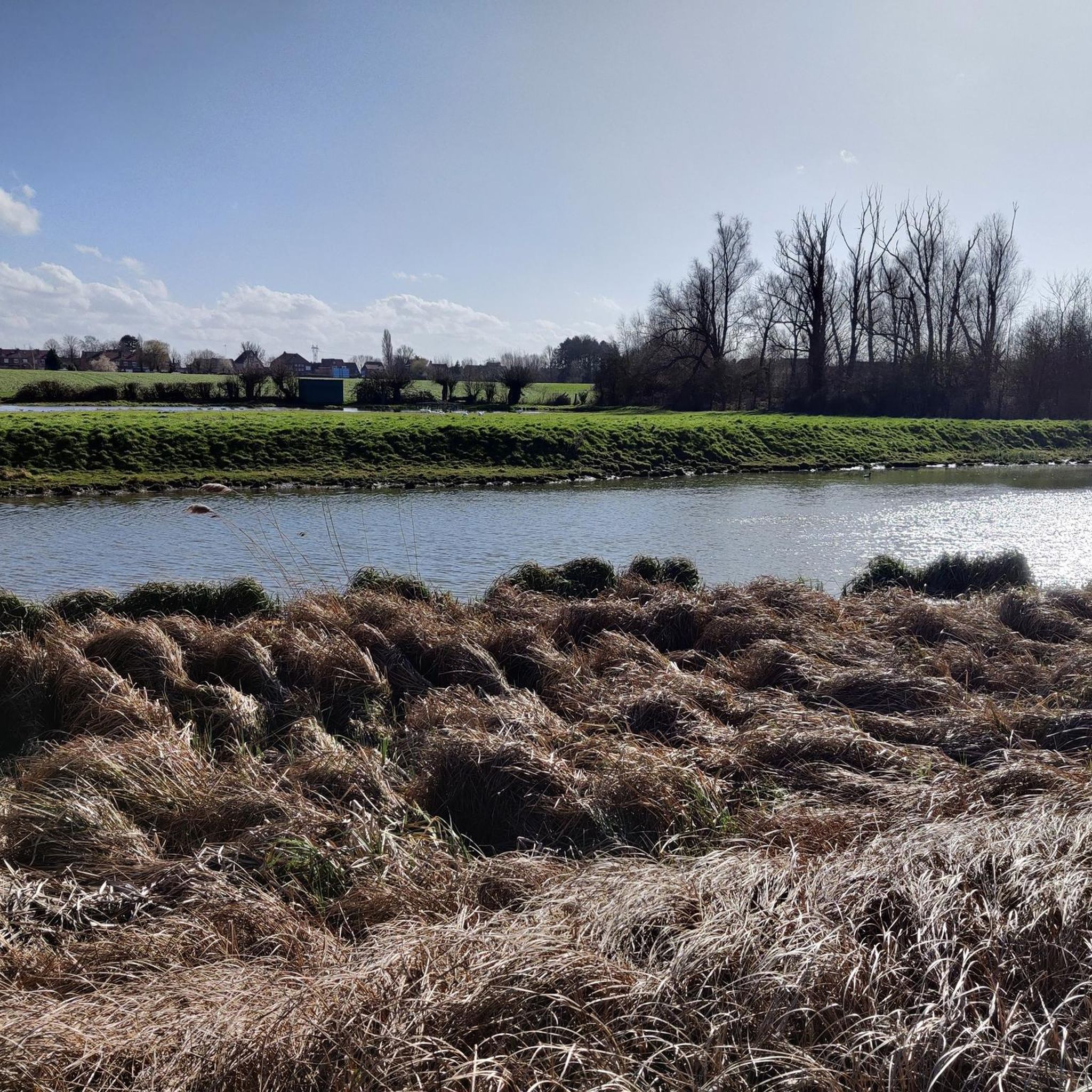
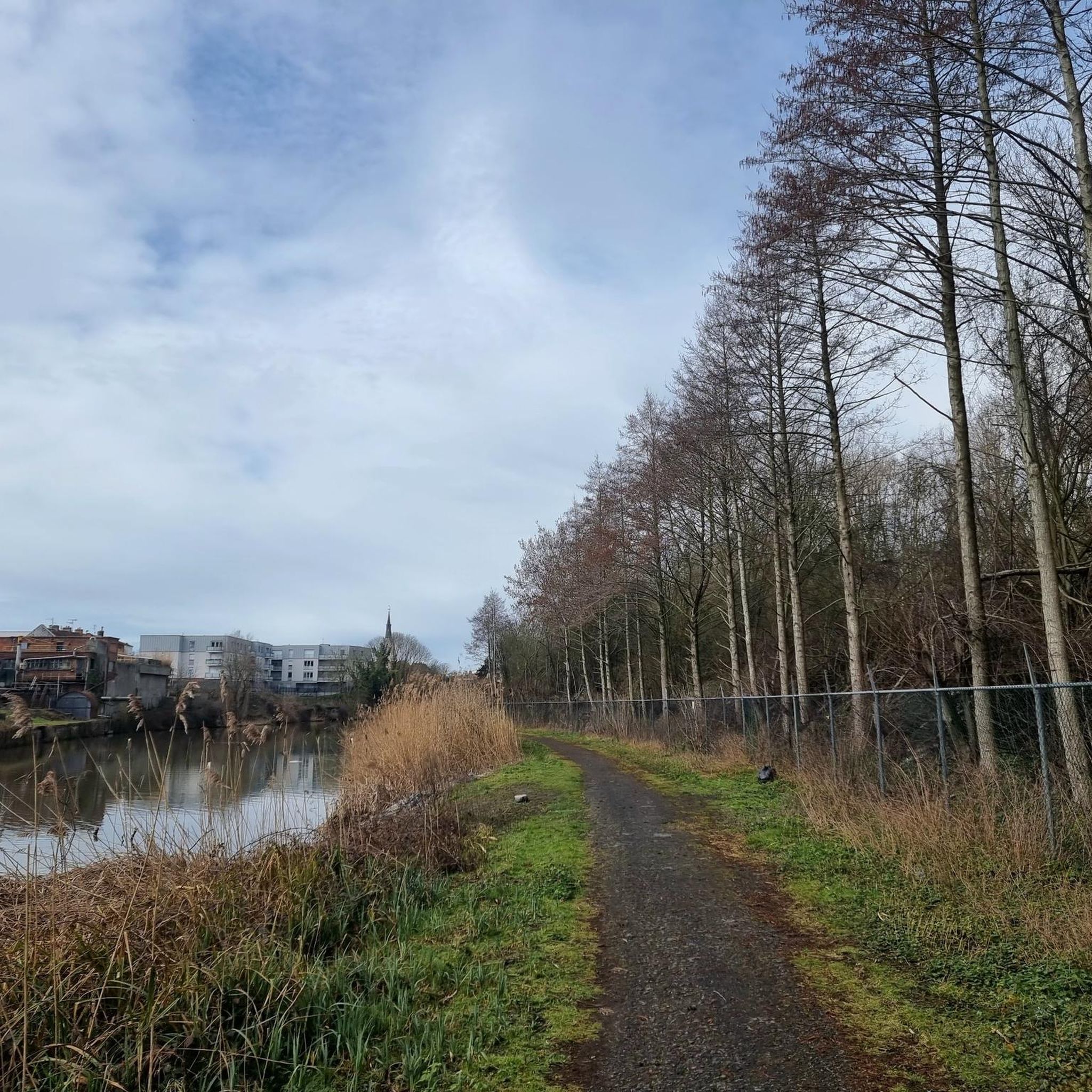
The Leie River, which flows through Wervik, offers picturesque views and is ideal for walking and cycling. A prominent natural feature is De Balokken, a 36-hectare recreational island formed by the straightening of a Leie River meander. It's a great spot for leisurely strolls and enjoying the riverside scenery.
Are there specific hiking trails recommended around Wervik?
Yes, the Wervik area offers several hiking opportunities. You can find routes like the 'Kruiseke Walking Route – Path Through the Fields loop' or the 'De Balokken – De Balokken Marina loop'. For more options, explore the dedicated Hiking around Wervik guide, which includes various trails of different difficulties.
What cycling routes are available in the Wervik area?
Cyclists can enjoy a variety of routes around Wervik, including scenic paths along the Leie River. Options range from shorter loops to longer rides like the 'Mont des Cats – View of Mont des Cats loop'. Discover more routes in the Road Cycling Routes around Wervik guide.
Are there family-friendly attractions in Wervik?
Many of the historical sites, such as the Cloth Hall (Lakenhalle) and the Menin Gate Memorial, are considered family-friendly. Additionally, the natural areas like De Balokken island provide open spaces for families to explore and enjoy the outdoors.
Are any attractions in Wervik wheelchair accessible?
Yes, several key attractions are noted for their accessibility. The Cloth Hall (Lakenhalle) and the Menin Gate Memorial are both listed as wheelchair accessible, allowing a broader range of visitors to experience these significant sites.
What unique cultural experiences or 'hidden gems' can I find in Wervik?
Beyond the main attractions, Wervik offers unique experiences like the 'Impulsive girl tour,' a street art tour showcasing works by talented female graffiti artists. The isolated yet vibrant Kruiseke hamlet provides quiet paths through fields and forests with a rich history, particularly related to World War I. The Erfgoedhuis René Defrancq is another heritage house worth exploring.
What do visitors typically enjoy most about the attractions around Wervik?
Visitors frequently appreciate the rich historical context, especially the World War I sites, finding them both impressive and thought-provoking. The blend of historical landmarks with natural beauty, particularly along the Leie River and at De Balokken, is also highly valued. Many enjoy the opportunity for quiet walks and reflection in these preserved landscapes.
When is the best time to visit Wervik for outdoor activities?
The Leie River region, including Wervik, is generally pleasant for outdoor activities like walking and cycling during the spring, summer, and early autumn months. These seasons offer milder weather, making it ideal for exploring the natural features and historical sites comfortably.
Are there dog-friendly walking options in Wervik?
While specific dog-friendly trails are not detailed, the general walking paths along the Leie River and in natural areas like De Balokken are often suitable for walks with dogs, provided they are kept on a leash. Always check local regulations for specific areas.
Can I find scenic viewpoints in the Wervik region?
Yes, the region offers several viewpoints, often integrated with historical sites. The Bluff Memorial and Crater and Hill 60 preserved Battlefield provide elevated perspectives of the landscape, marked by their wartime history. The Ypres Ramparts (Fortifications) also offer pleasant walks with views.
Most popular attractions around Wervik

Get inspired with the komoot mobile app


Explore more
Still not found the Highlight you’re looking for? See guides of the top attractions in other regions:
