The best cycling routes around Overpelt
4.4
(516)
4,774
riders
150
rides
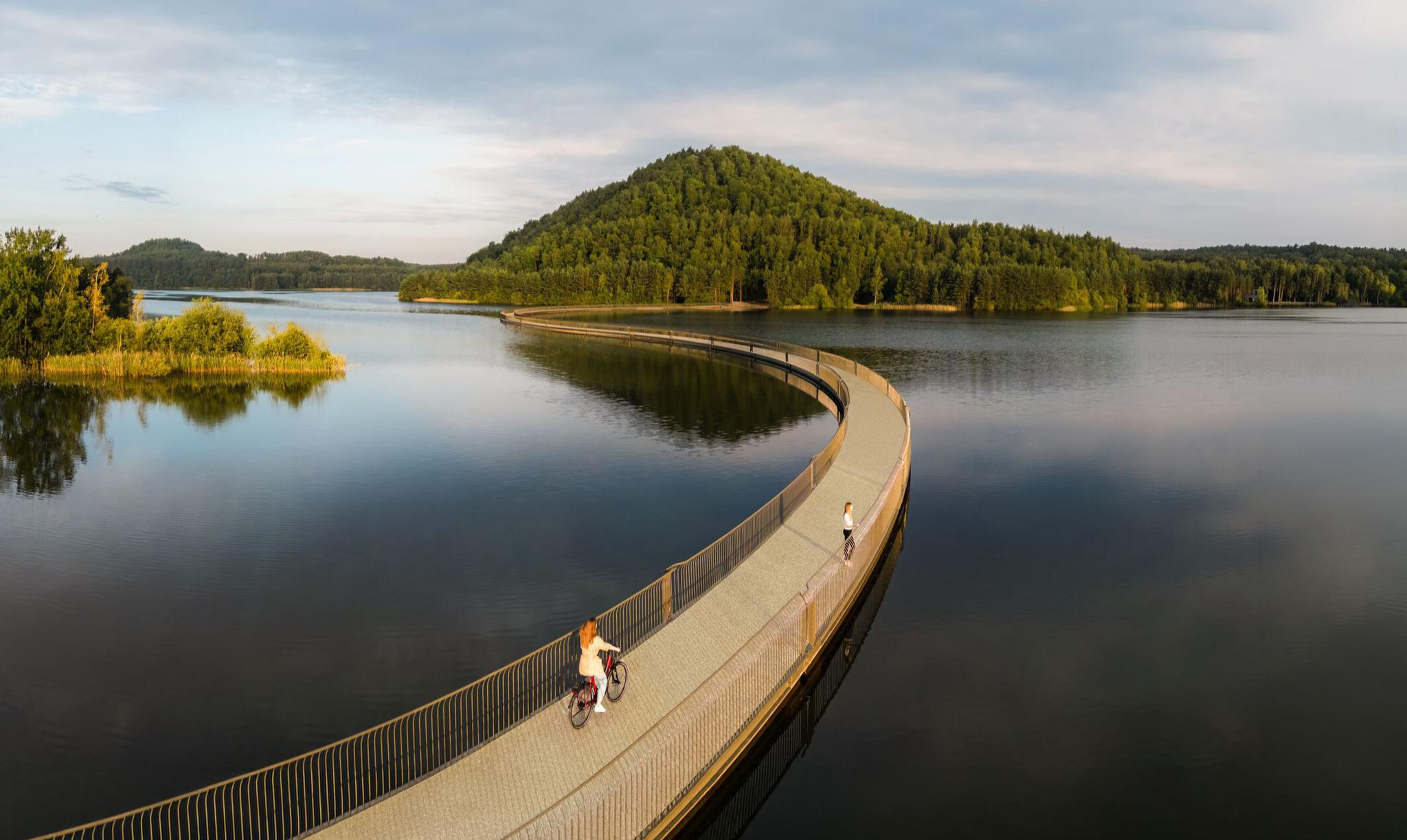
Touring cycling around Overpelt, now part of Pelt in the Belgian province of Limburg, is characterized by its diverse and accessible landscapes. The region features extensive forests, open heathlands, and picturesque river valleys, many of which are part of Nationaal Park Bosland. Terrain is generally flat to gently rolling, making it suitable for various cycling abilities. This area offers a well-developed network of cycling paths, including unique experiences like "Cycling through the Trees" and scenic routes along canals.
Best touring…
Last updated: October 11, 2026
4.6
(143)
694
riders
Easy bike ride. Great for any fitness level. Mostly paved surfaces. Suitable for all skill levels.
4.3
(26)
168
riders
25.2km
01:28
50m
50m
Easy bike ride. Great for any fitness level. Mostly paved surfaces. Suitable for all skill levels.

4.7
(6)
185
riders
43.5km
03:20
80m
80m
Hard bike ride. Good fitness required. You may need to push your bike for some segments of this route.
4.4
(21)
165
riders
Easy bike ride. Great for any fitness level. Mostly paved surfaces. Suitable for all skill levels.
3.0
(2)
168
riders
54.1km
04:06
100m
100m
Moderate bike ride. Good fitness required. Mostly paved surfaces. Suitable for all skill levels.
Get access to more routes and recommendations from other explorers.
Already have an account?
Our route recommendations are based on thousands of hikes, rides, and runs completed by other people on komoot.
Start today with a free account
Your next adventure awaits.


Tips from the Community

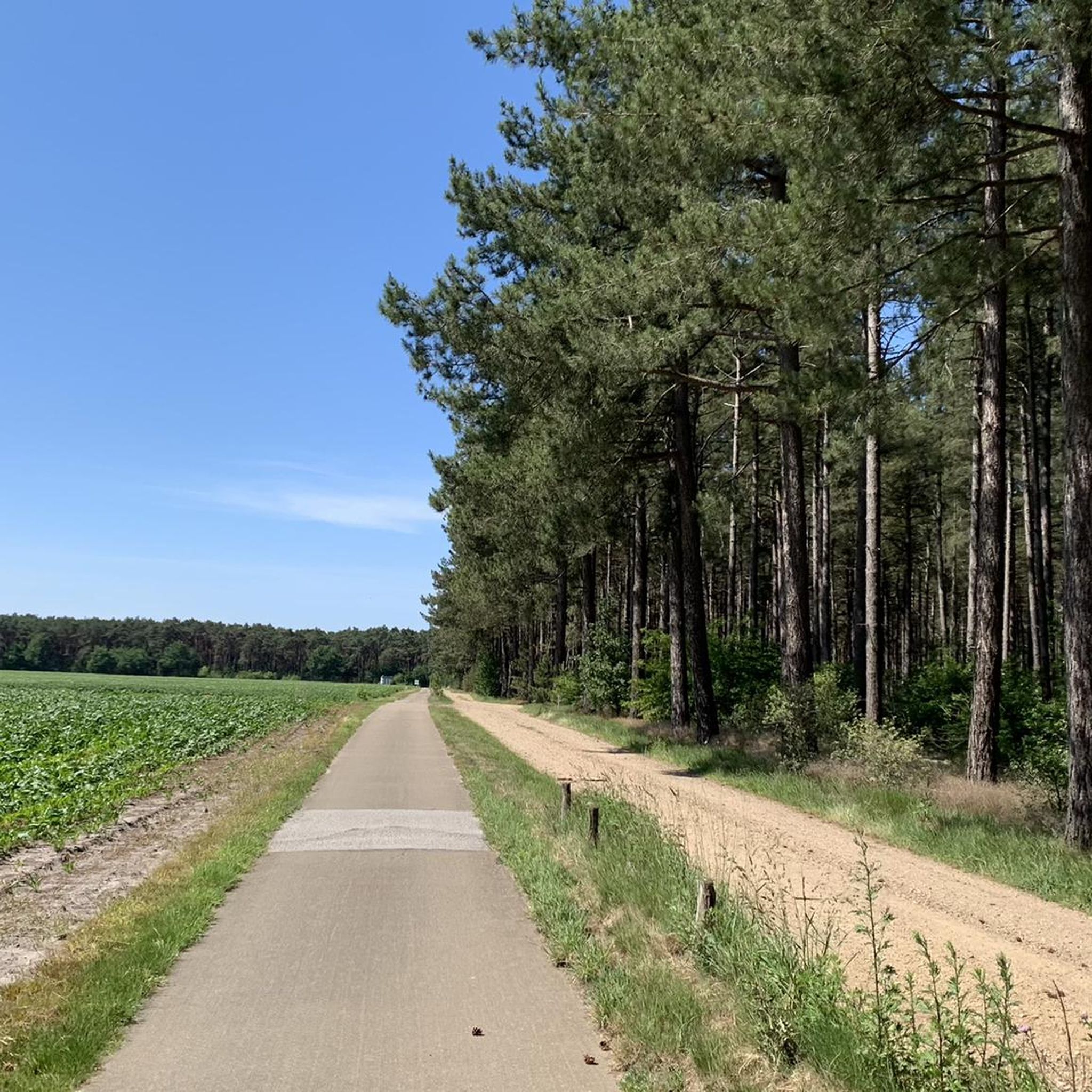
This picnic spot with accompanying toys is located on Rozenstraat in Pelt. It is situated in Dorperheide, a heathland area west of Pelt, along the Vlaamse Fietsroute. The Vlaamse Fietsroute is an 830 km long route that runs from the coast via Bruges and Ghent, south of Antwerp, to the Maas and then back to Brussels along the border with Wallonia.
0
0

Nice cycling on a weekday, watch out for Drossaard Clercx and his scapegoat…
0
0


A huge marker with rounded curves on which is engraved Geodetic Station.
4
0

Construction of the rectory began in 1728 by Father Emmanuel de Rodier, a Premonstratensian canon from Floreffe. Located southwest of the parish church, the rectory is built in the Maas style, a rare feature of this region. The walled rectory garden lies in front of and behind the rectory. A detailed description and history can be found on the immovable heritage website: https://inventaris.onroerenderfgoed.be/erfgoedobjecten/80376
5
0
The parish of Overpelt was probably founded in the 13th century. In 1277, the right of patronage was granted to Floreffe Abbey. From the 16th century onward, the church grounds served as a fortification. For this purpose, the church grounds were surrounded by a moat and only accessible by a drawbridge. In 1568, for example, the population repeatedly sought refuge in the church tower when the surrounding area was made unsafe by various troops. The church sustained damage, which was repaired in 1600. In 1614, a new sacristy and a new porch were built. In 1865, the moat was filled in. In 1912, the old, walled church was demolished and a new one built. This was built in the Neo-Romanesque style. The architects were Hyacinth Martens and Vincent Lenertz. In 1928 and 1935, murals were painted by Peter Heidbüchel, which were later painted over. It is an oriented brick church building with an integrated, square west tower. This tower has four sections and a slightly constricted spire. The portal is adorned with a group of Saint Martin. Source: https://nl.wikipedia.org/wiki/Sint-Martinuskerk_(Overpelt)
5
0

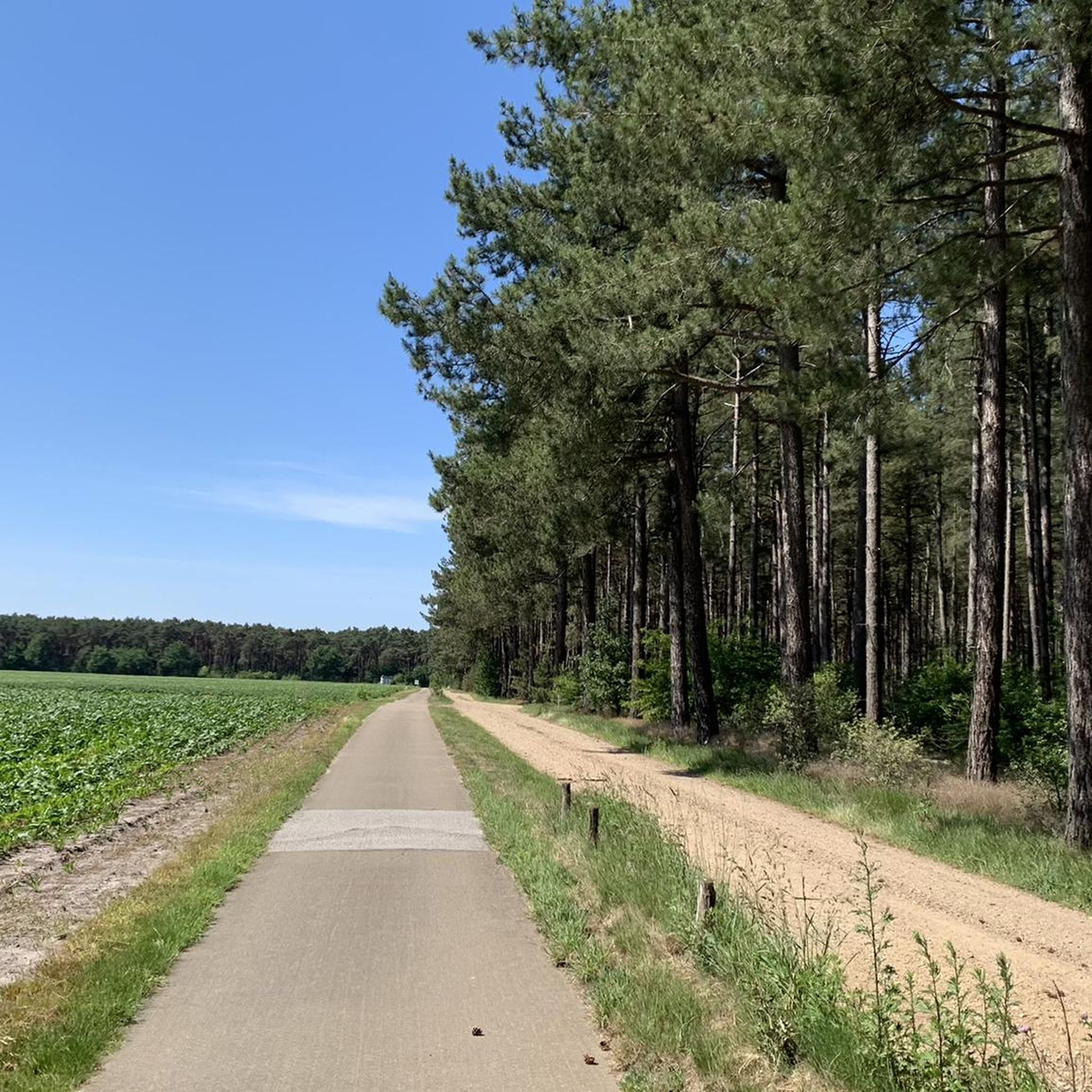
It can get very hot here...
6
0
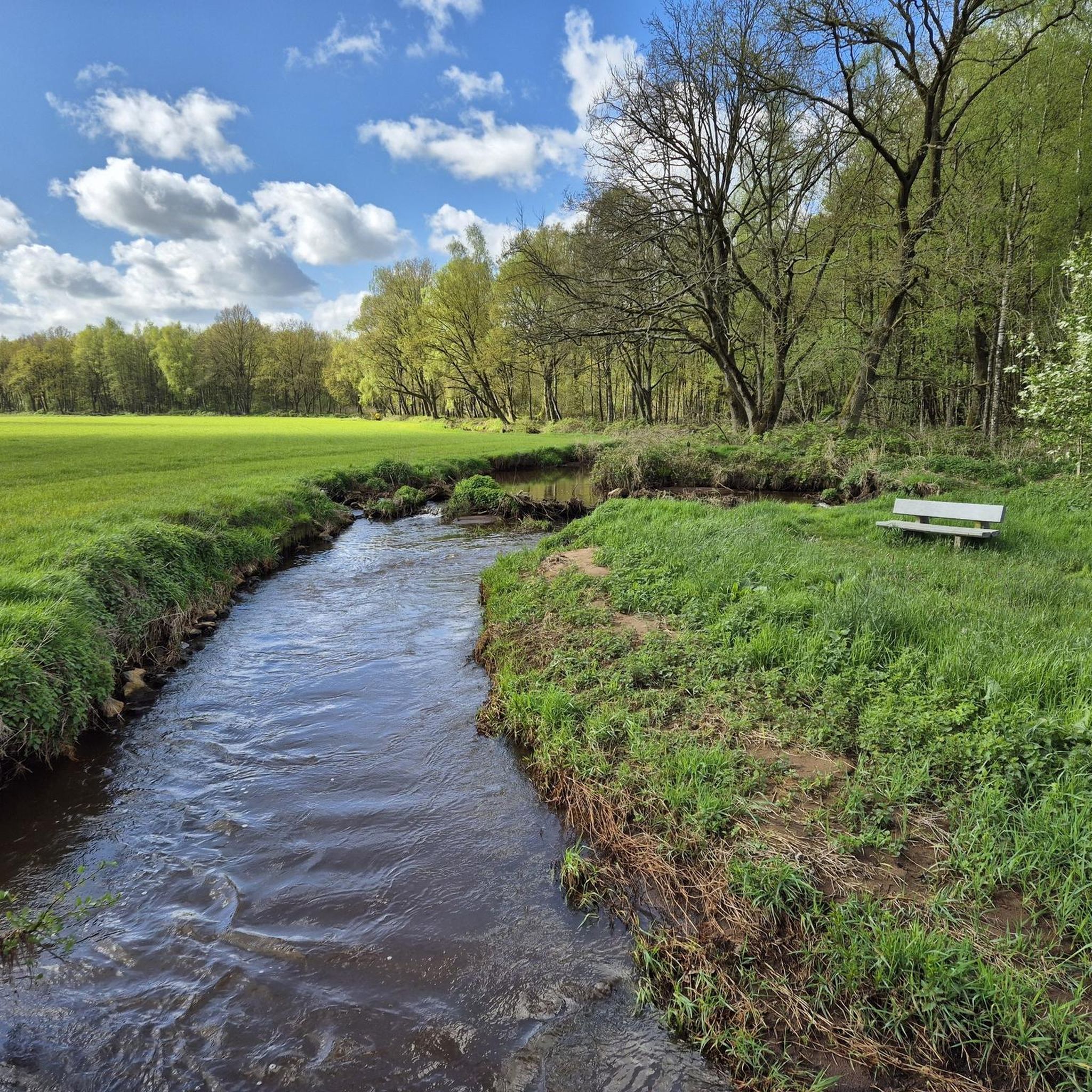
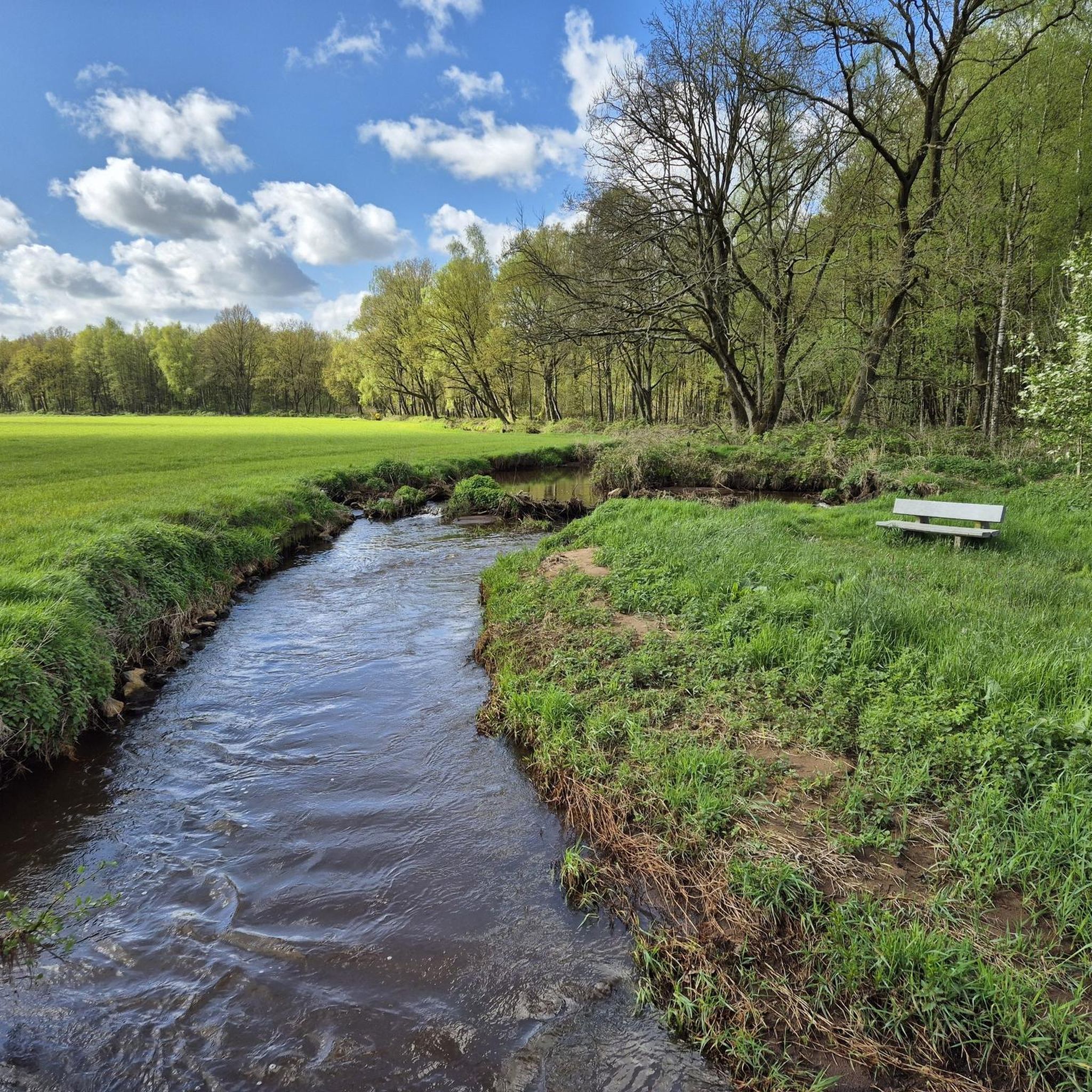
Where resting and sitting is possible...
3
0
Frequently Asked Questions
How many touring cycling routes are available around Overpelt?
Overpelt offers a wide selection of touring cycling routes, with over 110 routes available on komoot. These range from easy rides suitable for families to more challenging options for experienced cyclists.
What is the typical terrain like for touring cycling in Overpelt?
The terrain around Overpelt is generally flat to gently rolling, making it accessible and enjoyable for touring cyclists of all levels. You'll find routes traversing expansive forests, open heathlands, and picturesque river valleys.
Are there easy or family-friendly touring cycling routes in Overpelt?
Yes, Overpelt is very accommodating for easy and family-friendly cycling. Over 60 of the available routes are classified as easy. Many routes utilize the extensive, often car-free cycling paths and the convenient node system, allowing for customizable, relaxed rides. A great option for a unique experience is De Boom In by Will Beckers – Cycling through the Trees loop from Eksel, which is an easy 25.8 km ride.
What unique cycling experiences can I find in the Overpelt area?
One of the most unique experiences is 'Cycling through the Trees' (Fietsen door de Bomen) in nearby Eksel, where you can pedal at tree canopy height. This is featured on the route De Boom In by Will Beckers – Cycling through the Trees loop from Eksel. The region also boasts extensive canal routes, offering scenic and flat rides along the water.
What natural attractions or landmarks can I see along the touring cycling routes?
Many routes pass through or near significant natural areas. You can explore the historic Hobos landscape, part of Nationaal Park Bosland, which features ancient elements and diverse natural areas. The route Hobos House – Sevens Mill, Pelt loop from Overpelt takes you through this area. Other notable attractions include the unique Cycling through the Trees experience and various shelters and birdwatching huts like the Zwartwater Birdwatching Hut.
Are there any challenging touring cycling routes in Overpelt?
While much of the terrain is gentle, there are some routes that offer a more challenging experience. There are 8 routes classified as difficult. An example is the Forest path in Kolisbos – Fire tower loop from Overpelt, a 43.6 km trail with moderate elevation changes, often completed in about 3 hours 20 minutes.
How can I plan my own touring cycling route in Overpelt?
Overpelt, like much of Limburg, uses a convenient cycling node system (knooppunten). This allows you to easily plan and customize your tours by connecting numbered junctions to suit your preferred distance and difficulty. You can find more information and a route planner on the Visit Limburg website.
What do other touring cyclists say about cycling in Overpelt?
The touring cycling routes around Overpelt are highly rated by the komoot community, with an average score of 4.4 stars from over 260 reviews. Cyclists often praise the well-maintained, car-free paths, the diverse natural landscapes, and the unique experiences like 'Cycling through the Trees'.
Are there circular touring cycling routes available?
Yes, many of the touring cycling routes in Overpelt are designed as loops, offering convenient circular journeys. Examples include Sevens Mill, Pelt – St. Willibrord Church loop from Overpelt and Achelse Kluis Border Lane – Heather Landscape in De Malpie loop from Overpelt, allowing you to start and end at the same point.
Is Overpelt suitable for cycling with dogs?
While many natural areas in Limburg are dog-friendly, it's always best to check specific regulations for each route or nature reserve you plan to visit, especially regarding leash requirements. Generally, well-behaved dogs on a leash are welcome on many public cycling paths, but some protected areas might have restrictions.
When is the best season for touring cycling in Overpelt?
The spring and autumn months generally offer the most pleasant conditions for touring cycling in Overpelt, with mild temperatures and beautiful scenery. Summer can also be enjoyable, though it can get warmer. Winter cycling is possible, but be prepared for colder weather and potentially wet conditions.
Most popular attractions around Overpelt

Get inspired with the komoot mobile app


Explore more
Browse the best Cycling routes in other regions.
