Attractions and Places To See around Boscoreale - Top 20
Attractions and places to see around Boscoreale offer a glimpse into ancient Roman life, particularly its agricultural aspects, largely preserved by the eruption of Vesuvius in 79 A.D. Located on the slopes of Mount Vesuvius in the Metropolitan City of Naples, this area is a significant archaeological site. Its strategic position just north of Pompeii provides a unique blend of historical and natural features.
Best attractions and places to see around Boscoreale
- The most popular attractions is Crater of Mount…
Last updated: October 9, 2026
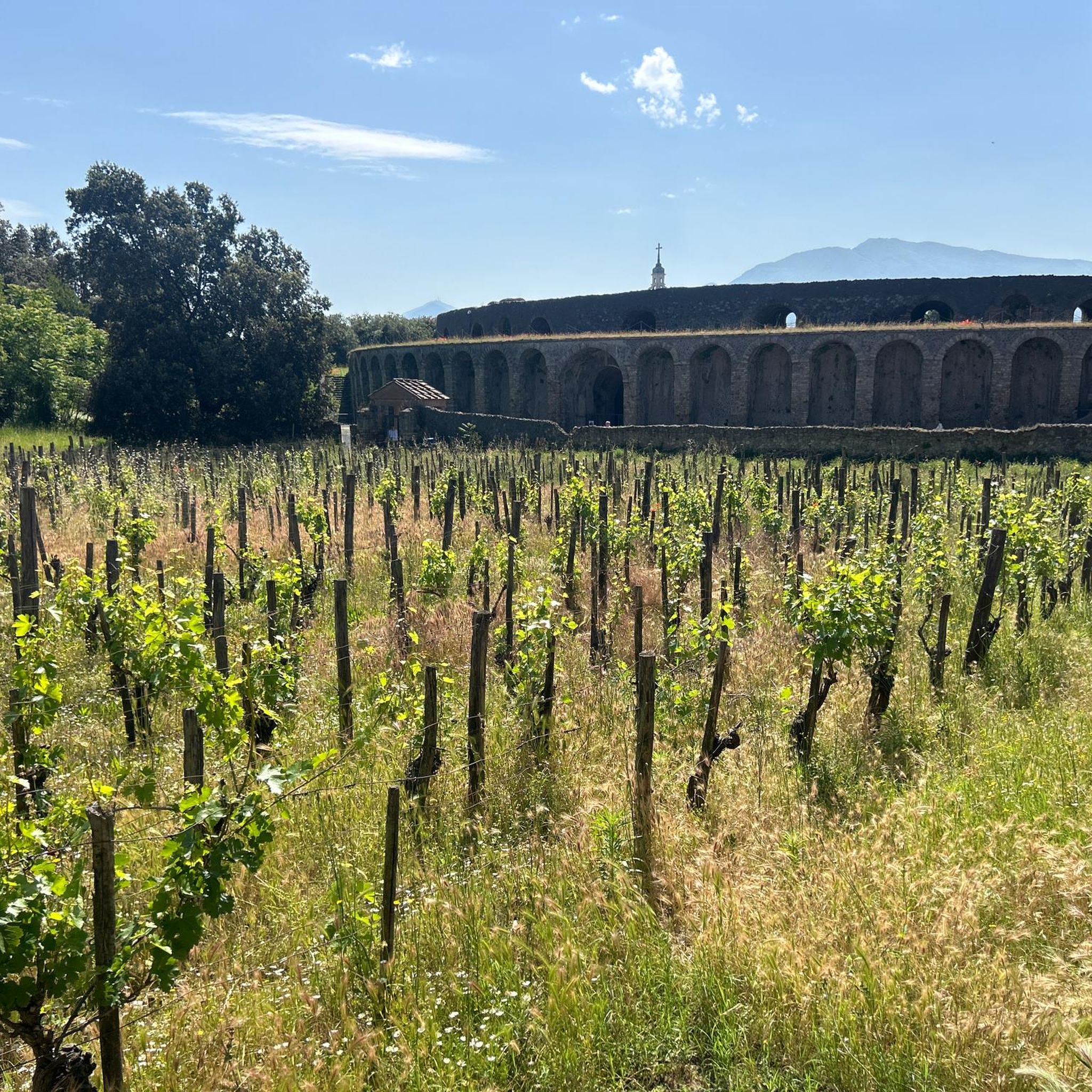
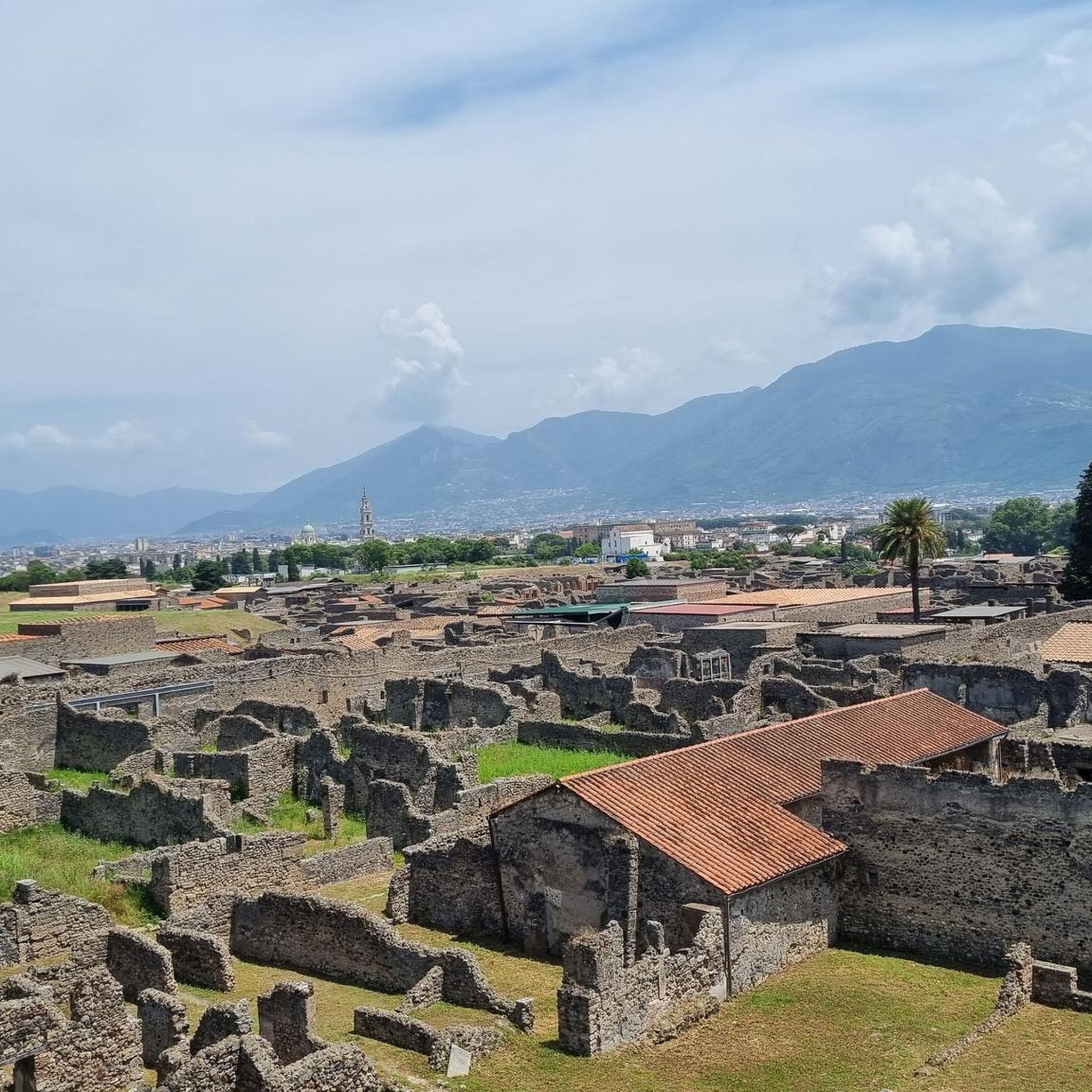
Pompeii Forum
Highlight • Historical Site
Tip by

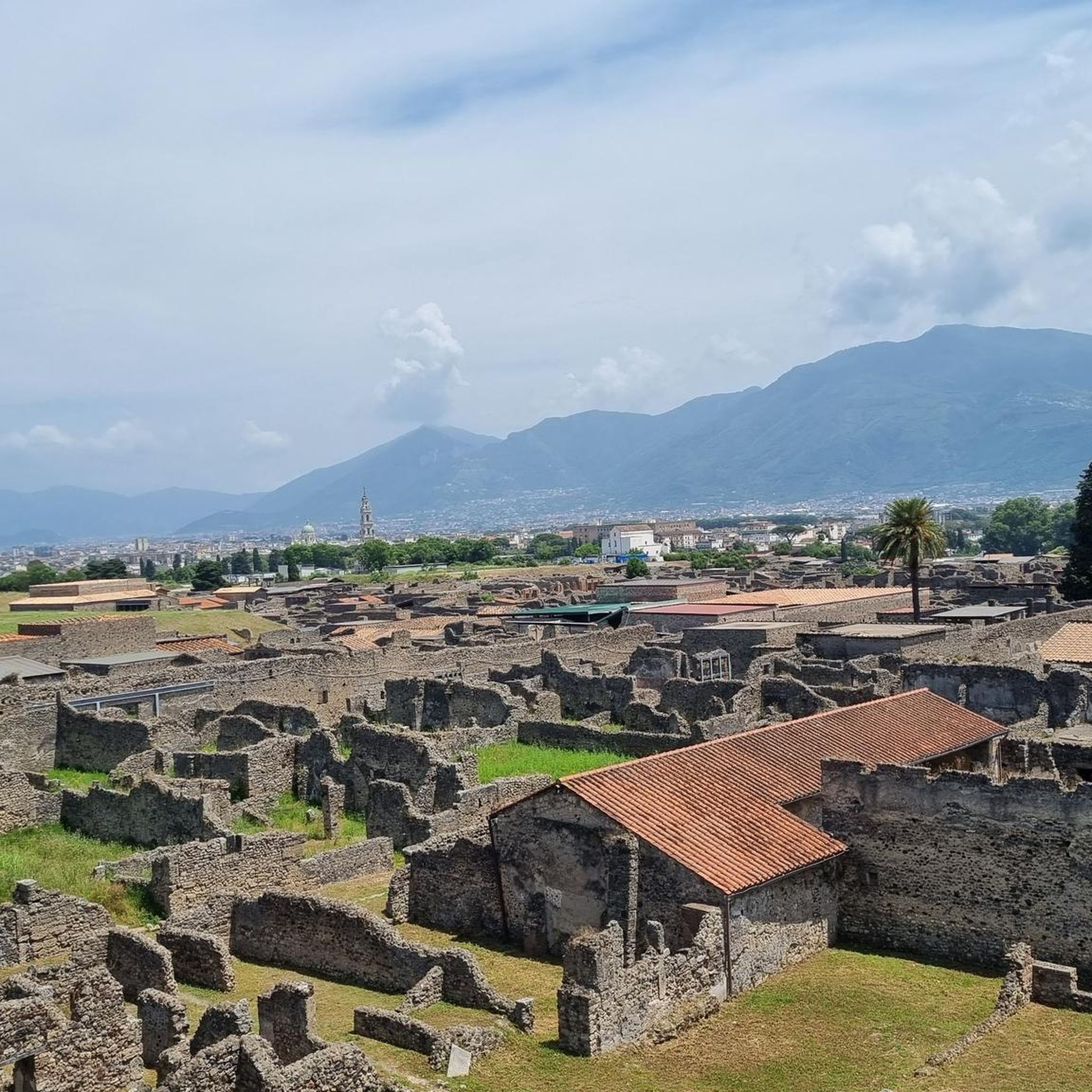
Pompeii Excavations
Highlight • Historical Site
Translated by Google •
Tip by

Sign up now to discover places like this
Get recommendations on the best single tracks, peaks, & plenty of other exciting outdoor places.
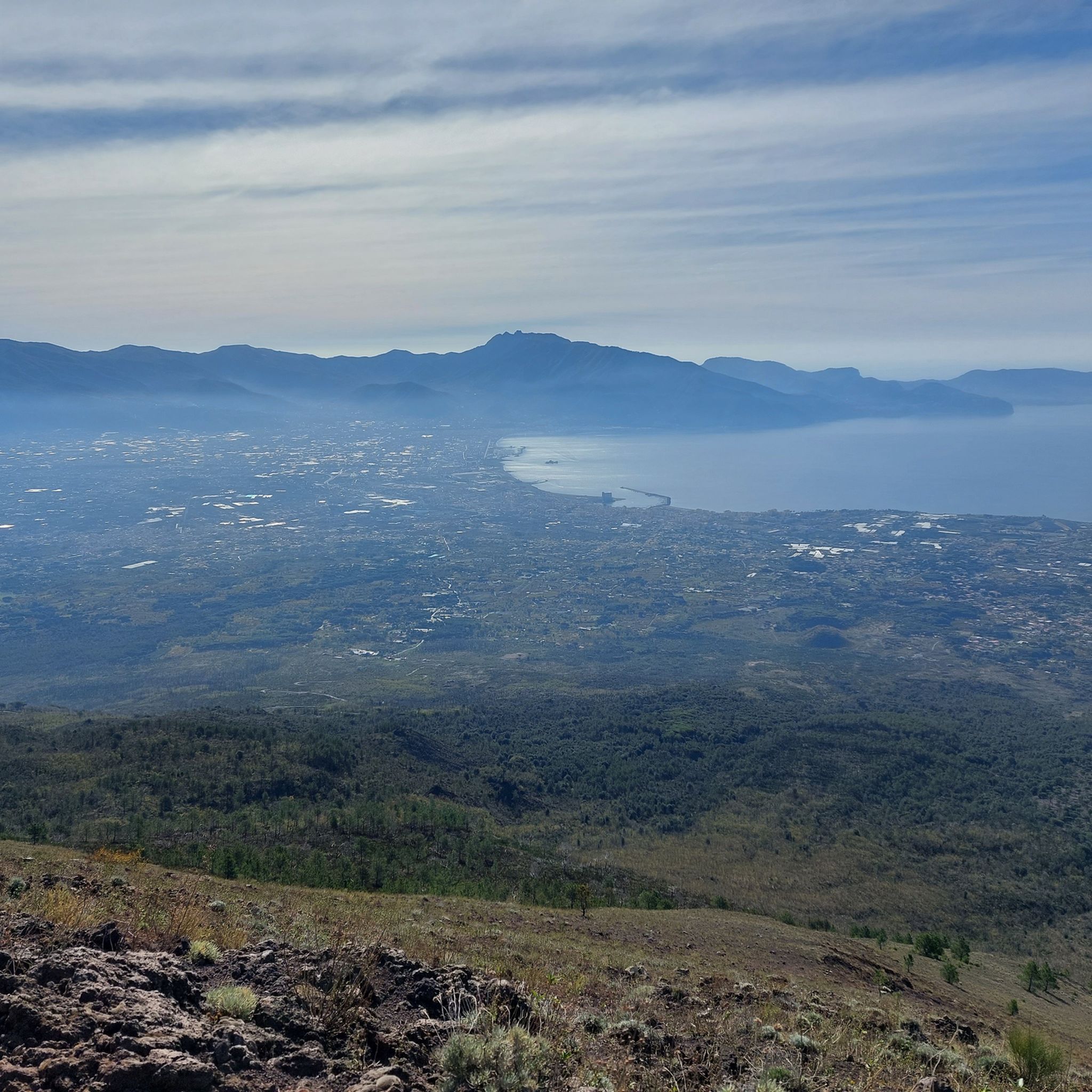
Crater of Mount Vesuvius
Highlight • Volcano
Translated by Google •
Tip by

Temple of Apollo
Highlight • Religious Site
Translated by Google •
Tip by
Large Theatre of Pompeii
Highlight • Historical Site
Translated by Google •
Tip by

Sign up for free to discover even more attractions around Boscoreale.
Already have an account?
Start today with a free account
Your next adventure awaits.

Tips from the Community

Unbelievable how all this is preserved.
0
0

The Teatro Grande was built in the 2nd century BC. To create the horseshoe-shaped tiers (the cavea), the natural cavity of the slope was used. The cavea was divided into 3 zones: closer to the orchestra, four continuous marble-clad steps can be seen, reserved for musicians and the most important figures of the city. Behind them were 20 tiers of stone seats. Unfortunately, only a few fragments remain of these massive structures. One still bears the seat number: each person was therefore allocated only 40 cm. The upper tier, divided into seven sectors and supported by a ring corridor, was added, along with the boxes above the side entrances, during the reign of Emperor Augustus, allowing the theatre to accommodate approximately 5,000 spectators. The entire tier was protected by a wall that supported the velarium, a huge movable awning used to shield the audience from the sun and bad weather. The stage and the scene decorated with marbles and statues date back to the restoration of 62 AD, after the earthquake that had struck Pompeii.
1
0

Still in use today, well preserved and renovated building.
2
0

A tourist magnet but also really worth it. The museum and the tour are very exciting and I would definitely recommend it. It feels like a journey back in time to the lives of people in the past.
1
0
The museum and the tour are very exciting and I would definitely recommend it. It feels like a journey back in time to the lives of people from the past.
1
1

The Large Theatre was among the first public buildings unearthed during the excavations of the 18th century. Its construction probably dates back to the mid 2nd century BC, and was built by utilising the natural slope of a hillside, thereby avoiding the need for artificial stone substructures. The staircase was divided into three segments by means of circular corridors, in turn subdivided into five zones, and rested upon a passage with a barrel vault. As evidenced by an inscription, during the age of Augustus (31 BC - AD 14) the theatre underwent extensive restoration works, financed by two distinguished members of the gens Holconia, one of the most influential Pompeian families of the era. A further inscription, visible at the entrance to the east access corridor, records the name of the architectus who directed the works during the Augustan age, the freedman Marcus Artorius Primus. The building, which retains an essentially Greek appearance, was used for the performance of shows in the Greco-Roman tradition.
1
0

A magnificent archaeological site
1
0

The theatre was where performances of comedies and tragedies were held. It included a semi-circular cavea from which led the series of steps divided into sections on which the spectators sat.
1
0
Frequently Asked Questions
What are the main archaeological sites to visit in Boscoreale itself?
Boscoreale offers a deep dive into ancient Roman agricultural life. Key sites include Villa Regina (Villa Boscoreale), a remarkably preserved Roman country villa specializing in winemaking, and the Antiquarium of Boscoreale, which showcases artifacts from the Vesuvian territory before the 79 A.D. eruption.
What can I expect to see at the Antiquarium of Boscoreale?
The Antiquarium of Boscoreale, located near Villa Regina, provides a comprehensive understanding of life in the Vesuvian territory. It displays artifacts from Boscoreale, Pompeii, Herculaneum, Oplontis, and Stabiae, including Roman fabric shreds, Pompeian eggshells, a carbonized loaf of bread, and a monumental ceremonial chariot discovered in 2021. Its modern layout details customs, traditions, and agricultural techniques of the Roman era.
How long should I plan for a visit to Villa Regina in Boscoreale?
A visit to Villa Regina typically takes 1 to 2 hours. This allows enough time to explore its structure, the wine cellar with its *dolia*, reconstructed wine presses, and ancient vine root casts, offering an immersive experience into Roman rural culture.
Are there other significant Roman villas in the Boscoreale area besides Villa Regina?
Yes, beyond Villa Regina, the broader Archaeological Area of Boscoreale was home to numerous Roman villas. Over thirty such villas, many of which were *villae rusticae* dedicated to cultivating vines, olives, and cereals, have been unearthed, providing valuable insights into daily life and the economy of the Roman era.
Can I hike Mount Vesuvius from Boscoreale?
Boscoreale is situated within the Vesuvius National Park, under the slopes of the active volcano. While you can drive far up the mountain, the final section to the Crater of Mount Vesuvius requires a climb. The park offers natural beauty and hiking opportunities amidst forests and ancient lava flows.
What outdoor activities or routes are available near Boscoreale?
The area around Boscoreale offers various outdoor activities. You can find numerous road cycling routes, touring bicycle routes, and gravel biking trails. For detailed routes and difficulty levels, explore the Road Cycling Routes around Boscoreale, Cycling around Boscoreale, and Gravel biking around Boscoreale guides.
What natural features are unique to the Vesuvius National Park around Boscoreale?
The Vesuvius National Park, encompassing Boscoreale, is characterized by its unique volcanic landscape. It features forests, ancient lava flows, and specific flora that have adapted to the volcanic soil. The park also hosts endemic species created by cooled lava, offering a rare spectacle for nature enthusiasts.
Are there family-friendly attractions around Boscoreale?
Yes, several attractions are suitable for families. The Pompeii Forum and the broader archaeological sites like Villa of the Mysteries offer an engaging historical experience for all ages. The Antiquarium of Boscoreale also presents artifacts in an accessible way for families.
What is the best time of year to visit Boscoreale's attractions?
The best time to visit Boscoreale and its archaeological sites is typically during the spring (April-May) and autumn (September-October) months. The weather is milder and more pleasant for exploring outdoor sites like Villa Regina and the Vesuvius National Park, avoiding the intense heat of summer.
Are there public transport options to reach attractions like Pompeii from Boscoreale?
Yes, Boscoreale is well-connected to nearby archaeological sites. You can use local public transport, such as the Circumvesuviana train line, to easily reach Pompeii from Boscoreale. This makes it convenient to explore the Pompeii Forum and other sites without a car.
Are there parking facilities available at Boscoreale's main attractions?
Parking is generally available near the main archaeological sites in Boscoreale, such as Villa Regina and the Antiquarium. For visiting the Crater of Mount Vesuvius, you can drive a significant portion of the way up, with parking available before the final ascent.
What should I pack for a hike up Mount Vesuvius?
For a hike up Mount Vesuvius, it's advisable to wear comfortable walking shoes or hiking boots, as the final section to the crater involves a climb. Bring layers of clothing as temperatures can change, water, sun protection (hat, sunscreen), and a camera to capture the impressive views.
Are there any attractions in Boscoreale suitable for a rainy day?
On a rainy day, the Antiquarium of Boscoreale is an excellent indoor option. It offers a rich collection of artifacts and informative displays that provide insight into ancient Roman life and the eruption of Vesuvius, making it a perfect choice for inclement weather.
Are there any upcoming developments planned for Boscoreale's attractions?
Yes, there are ambitious plans for the Boscoreale Biopark. This future project aims to create a large green area blending nature, architecture, and innovation, potentially including a canopy-walk, biolake, experimental gardens, a botanical garden, high-tech greenhouses, and even a 'Metaverse House' for immersive experiences.
What do visitors enjoy most about the attractions around Boscoreale?
Visitors frequently appreciate the unique glimpse into ancient Roman life, particularly the agricultural aspects preserved by the eruption of Vesuvius. The well-preserved sites like Villa Regina and the comprehensive exhibits at the Antiquarium are highly valued. The blend of historical significance with the natural beauty of the Vesuvius National Park also receives positive feedback.
Most popular routes around Boscoreale
Most popular attractions around Boscoreale

Get inspired with the komoot mobile app


Explore more
Still not found the Highlight you’re looking for? See guides of the top attractions in other regions:
