Top 20 Castles around Cesena
Best castles around Cesena are found in the Emilia-Romagna region of Italy, a city with a rich history. The area features a diverse landscape of hills and valleys, offering strategic locations for historical fortifications. These sites provide insights into centuries of architecture and regional power dynamics. Visitors can explore a range of historical structures, from imposing fortresses to medieval village remnants.
Best castles around Cesena
- The most popular castles is Malatesta Fortress of Montiano, a castle that dominates the…
Last updated: June 23, 2026
Longiano Castle
Highlight • Castle
More information: de.wikipedia.org/wiki/Longiano and de.wikipedia.org/wiki/Malatesta
Translated by Google •
Tip by

Roncofreddo Village Center
Highlight • Historical Site
Castle worth seeing.
More information: de.wikipedia.org/wiki/Roncofreddo
Translated by Google •
Tip by
Sign up now to discover places like this
Get recommendations on the best single tracks, peaks, & plenty of other exciting outdoor places.
Sign up for free
Monteleone Medieval Village
Highlight • Settlement
Translated by Google •
Tip by

Liberty Square, Bertinoro
Highlight • Settlement
Small climb, narrow streets, great views from the square in front of the Palazzo Ordelaffi.
More information: de.wikipedia.org/wiki/Bertinoro
Translated by Google •
Tip by
Rocca delle Caminate
Highlight • Castle
Translated by Google •
Tip by

Sign up for free to discover even more castles around Cesena.
Sign up for free
Already have an account?
Start today with a free account
Your next adventure awaits.
Login or Signup
Popular around Cesena
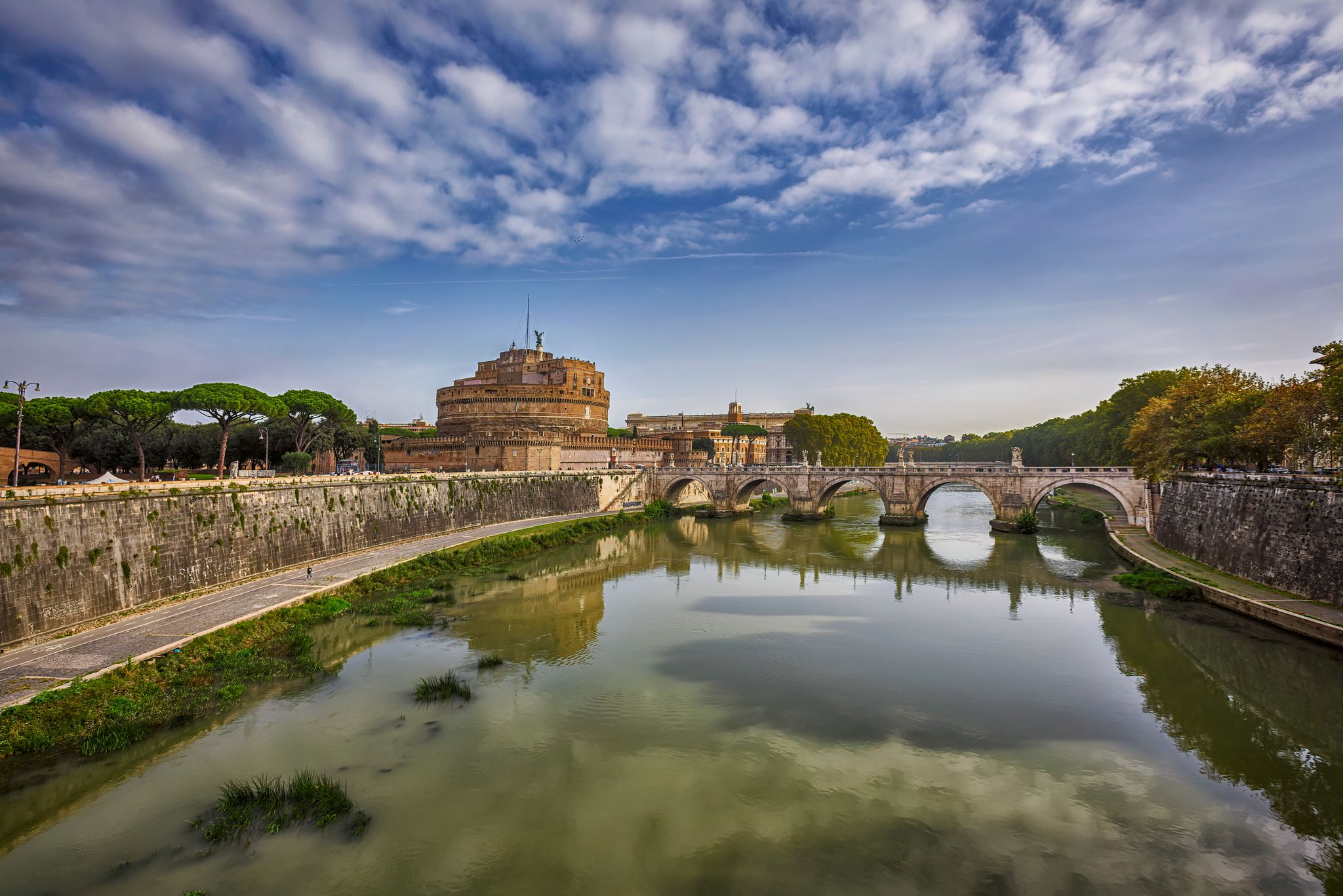
All roads lead to Rome – Romea Tiberina Cycleway
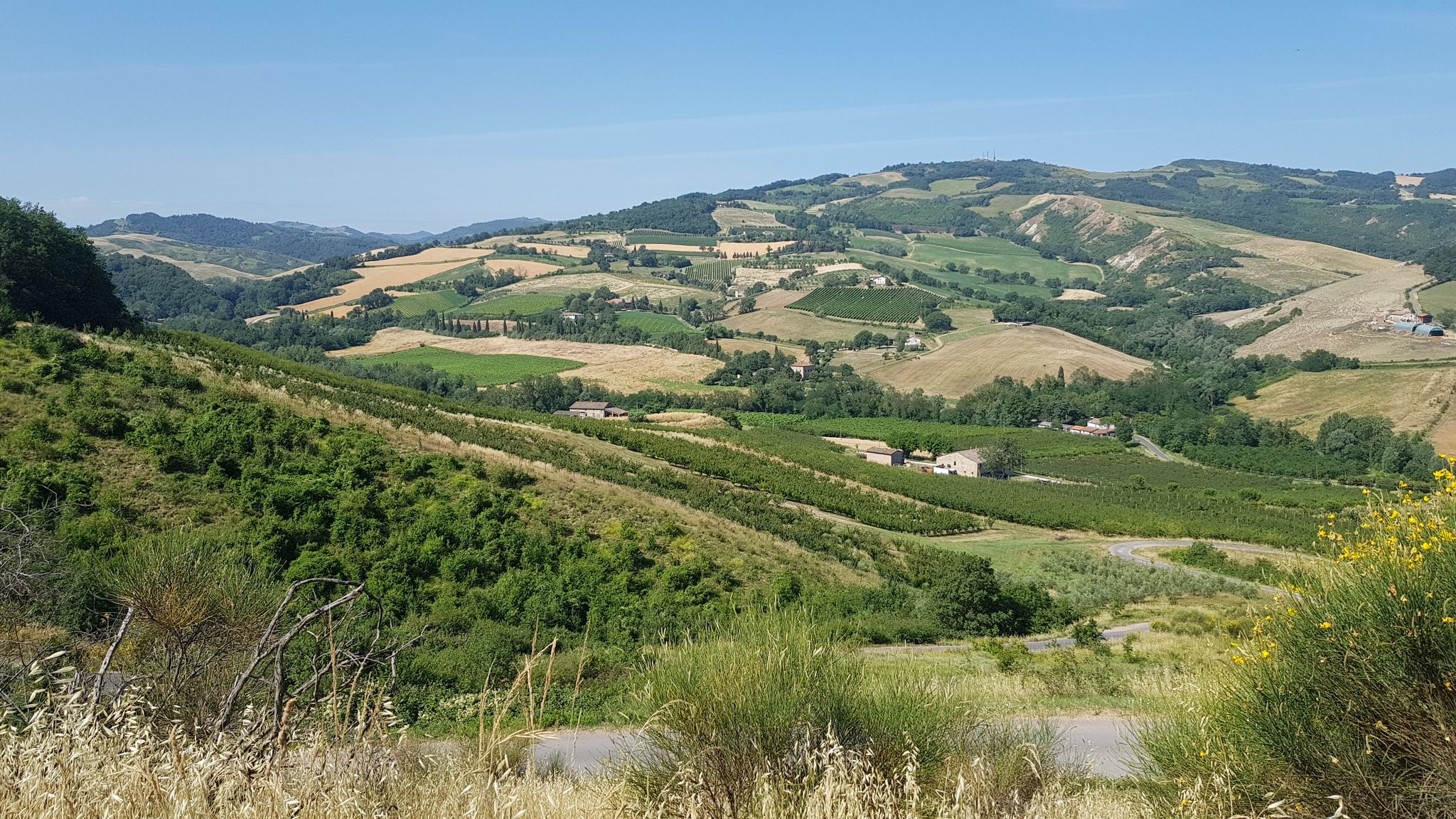
Preappennino 15K – a hilly crossing from Cattolica to Piacenza
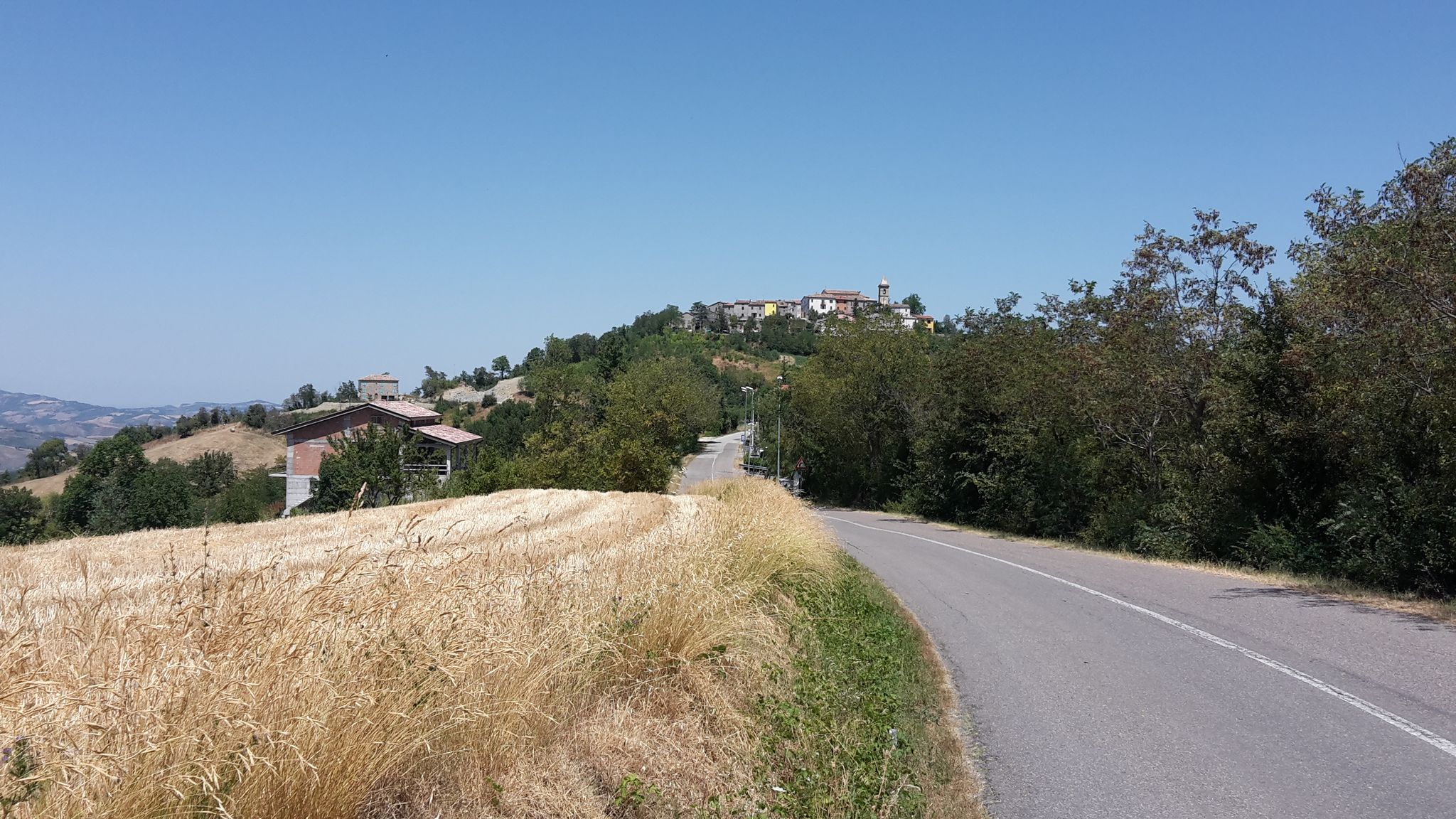
Grand Tour Valle del Savio – between hills, water and cycling
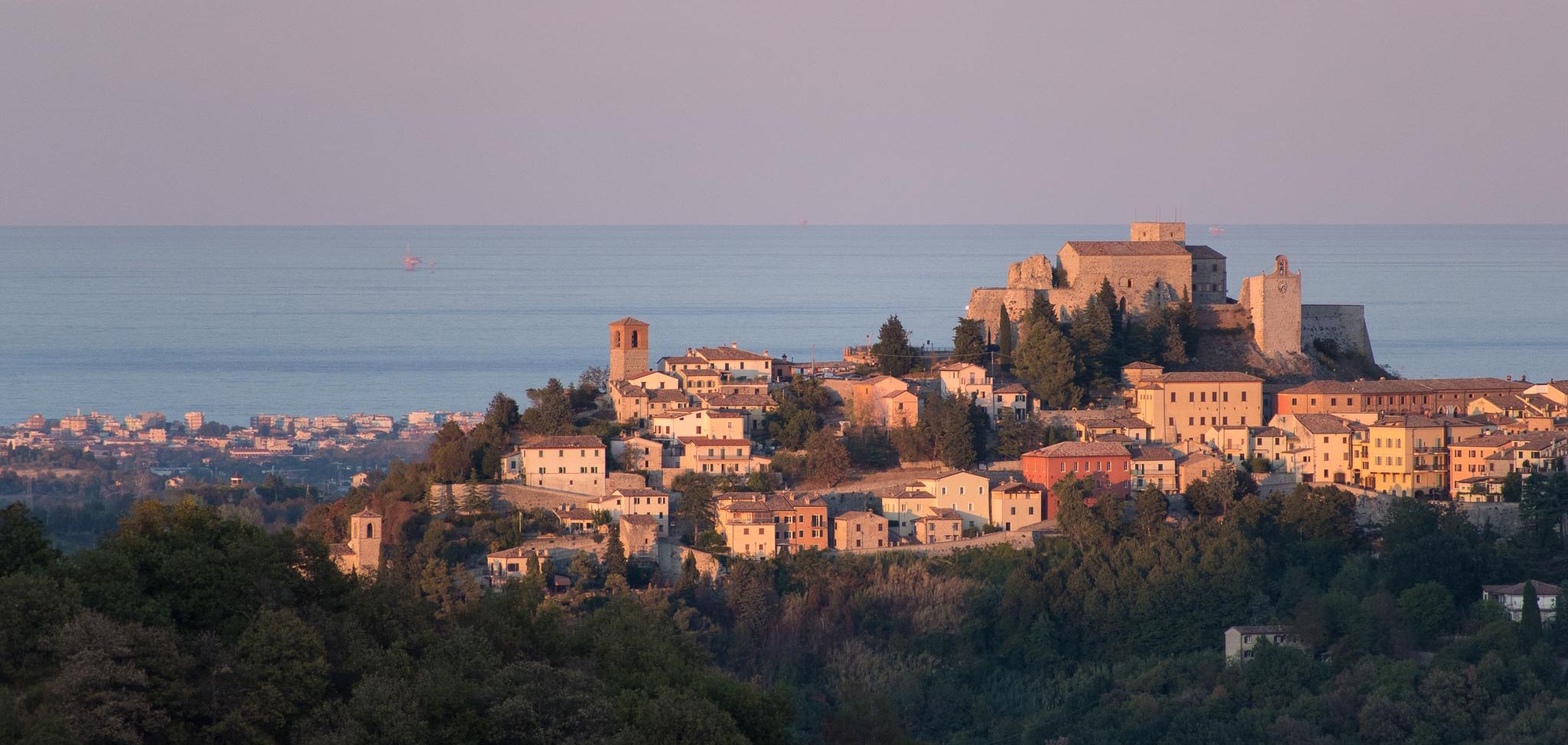
In the quiet backcountry of the Adriatic — cycling in Emilia Romagna
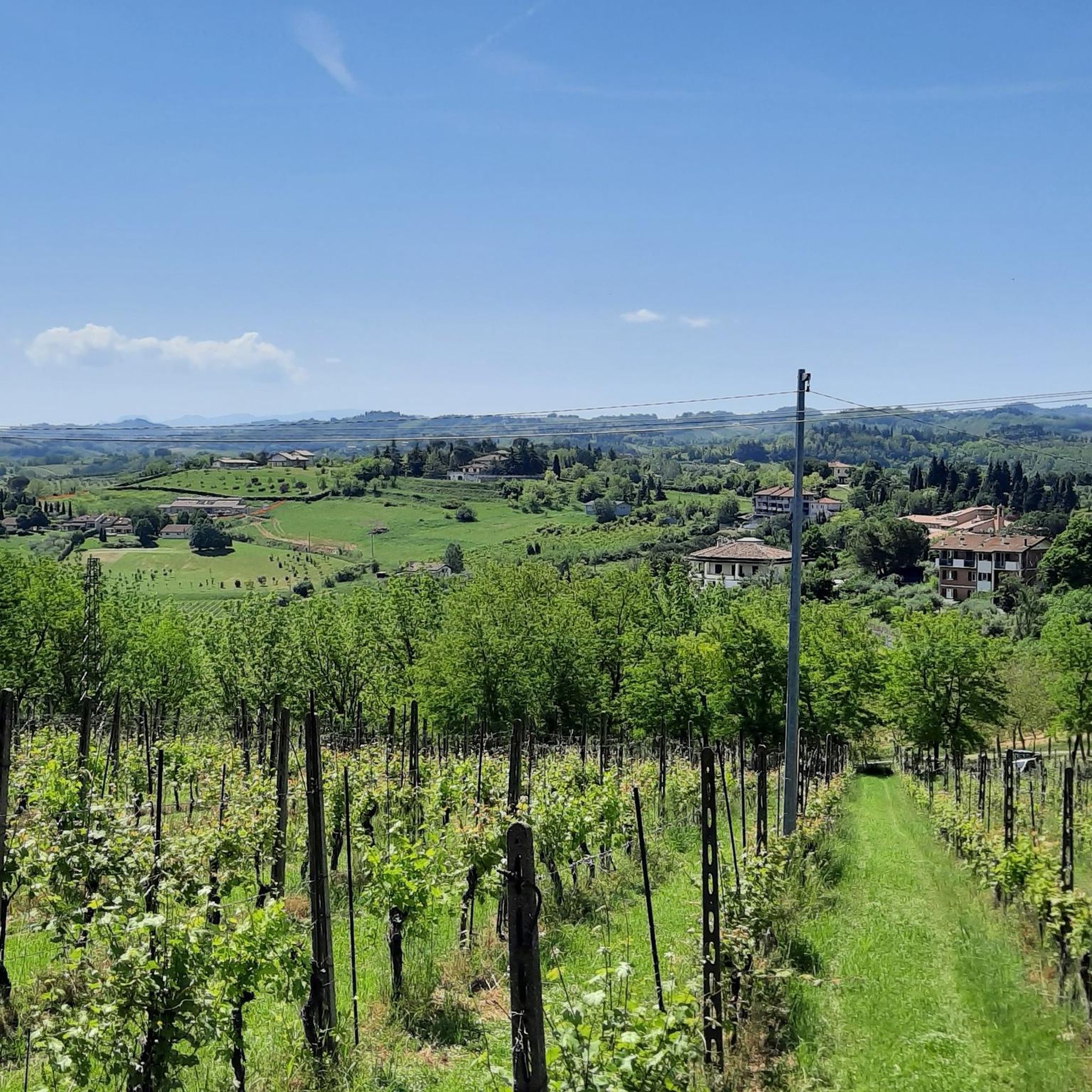
Road Cycling Routes around Cesena
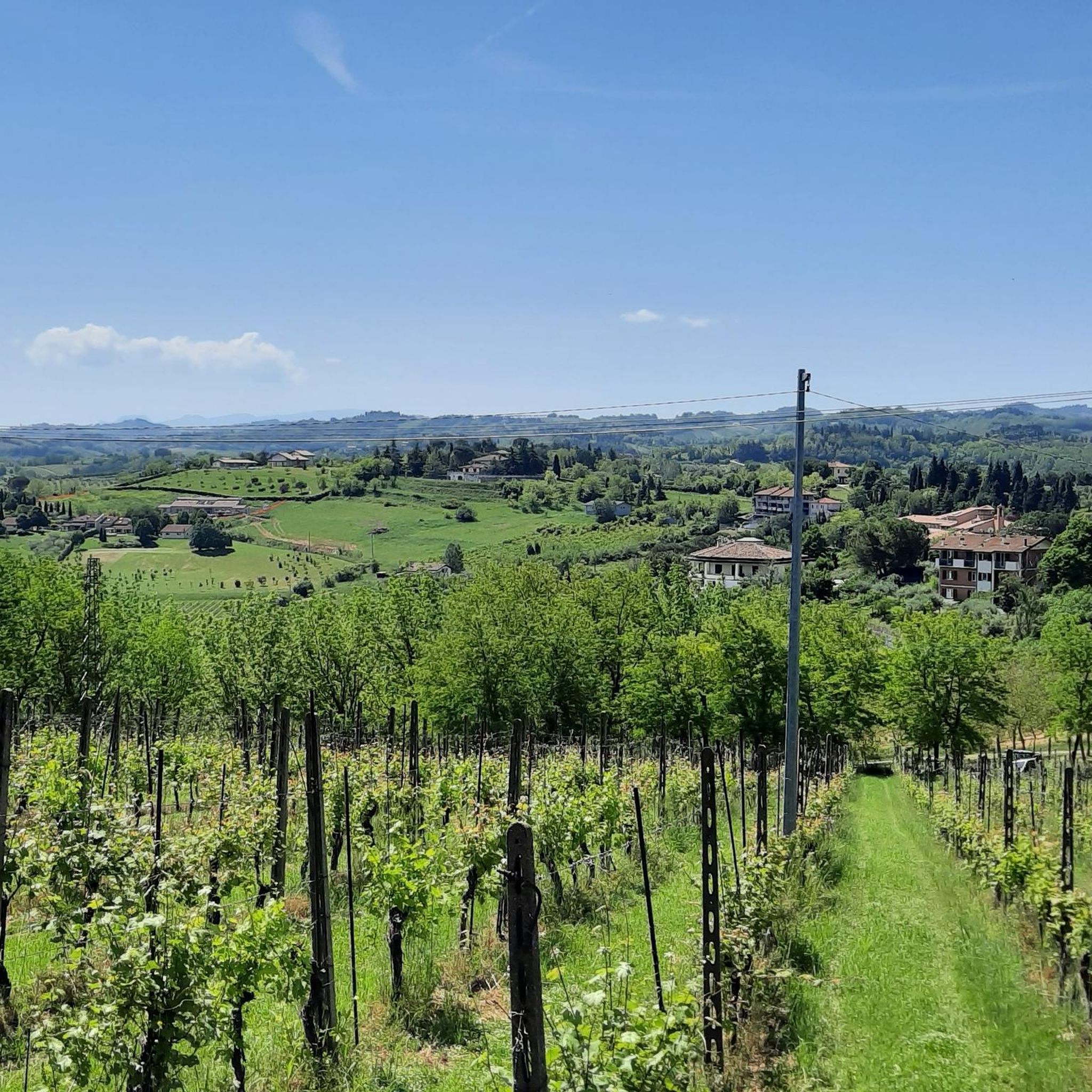
Cycling around Cesena
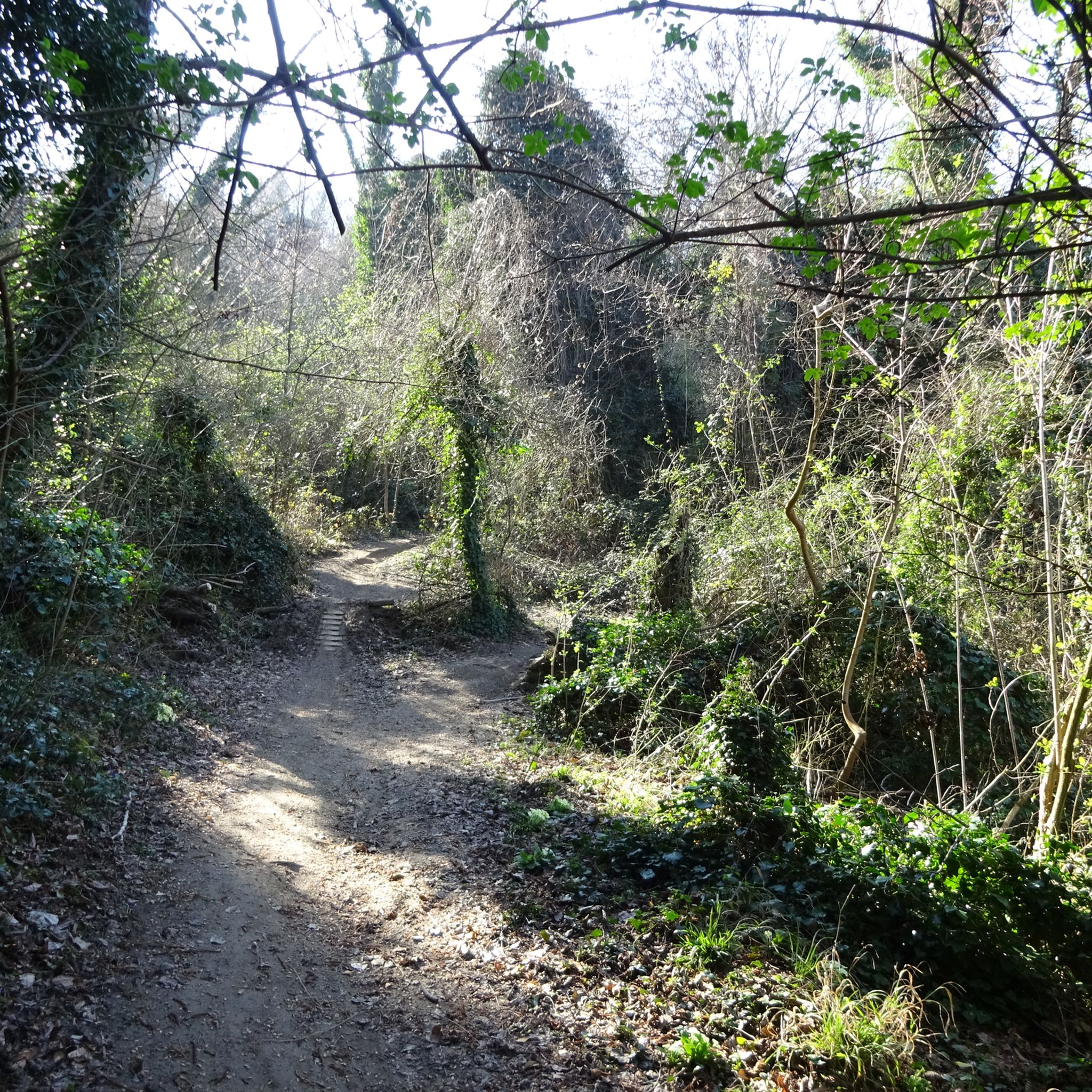
MTB Trails around Cesena
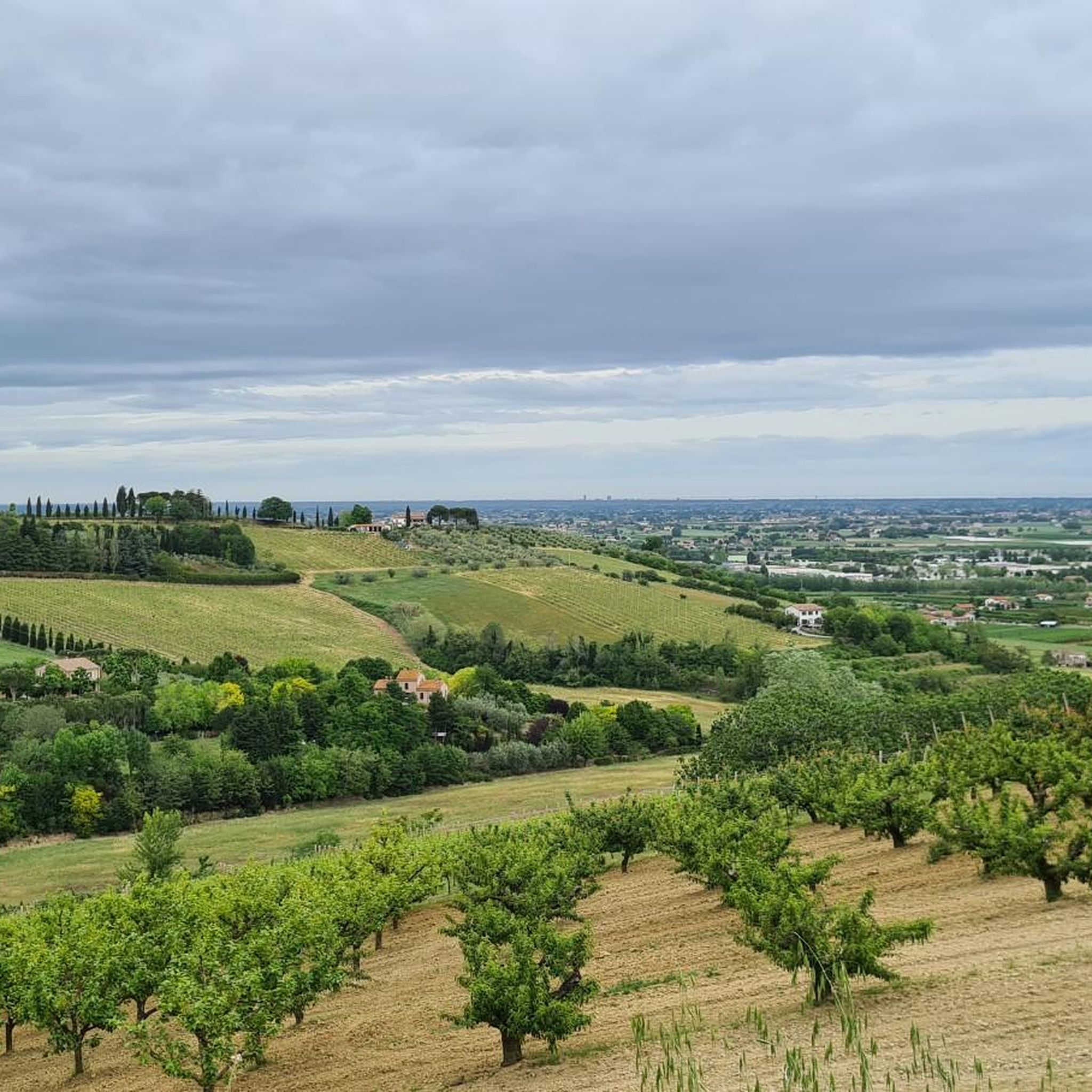
Running Trails around Cesena
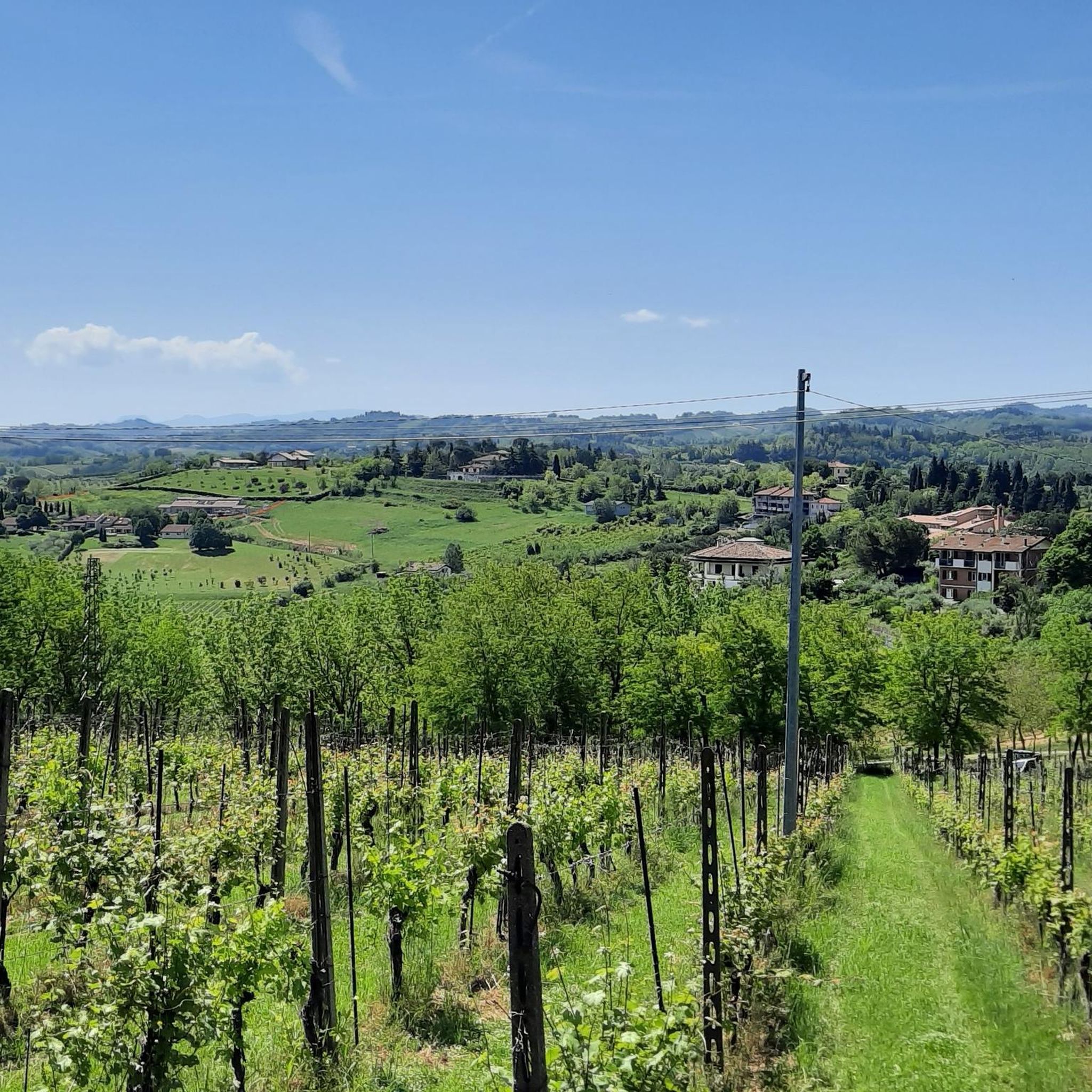
Hiking around Cesena

Gravel biking around Cesena
Other adventures around Cesena


Tips from the Community

I rode in Longiano last week and visited the tunnel as well as the castle.
0
0

Situated at 400 metres above sea level on a tuff ridge between the valleys of the Rabbi and Bidente Ronco rivers, it is a destination to be conquered by all bikers. It can be reached from Meldola, Predappio or Forlì with various routes through vineyards and cultivated fields with breathtaking views and with sections of slopes of up to 14%.
0
0

Romagna beautiful all year round
0
0


In the 13th century it was a possession of the Malatesta family, under whom the town managed to prosper until the abolition of feudalism at the dawn of the 19th century. After the brief Napoleonic period, the municipality passed to the Church in 1816, followed by the Risorgimento uprisings, the passage of Giuseppe Garibaldi and the annexation to the Kingdom of Italy. (Source: https://www.ilturista.info/guide.php?cat1=4&cat2=8&cat3=6&cat4=157&lan=ita)
0
0
The etymology of the name Roncofreddo is uncertain, as are the origins of the town. The first documented information dates back to the documents of the Bavarian Code (an ancient administrative register of the Church of Ravenna dating back to the 7th-10th centuries, currently kept in Munich) where in n.70 mention is made of the concession by an archbishop of Ravenna to Tybalt , son of Leone del Duca Orso, of an estate called Fundum Roncofrigido. (Source: http://www.comune.roncofreddo.fc.it/c040037/zf/index.php/servizi-aggiuntivi/index/index/idtesto/20041 )
0
0

A beautiful panoramic road
0
0

and exact origins are not documented, it can be hypothesized that around the year 1000 the locality was a possession of the Ravenna church. For years disputed between the Church and the municipality of Rimini, a first fortified tower was probably built in the 13th century. The first real fortress, built by the municipality of Rimini, dates back only to the 14th century. Possession of the Malatesta family until 1335, it was conquered by Francesco degli Ordelaffi, lord of Forlì and subsequently ceded to the Montefeltro family, to then return under the control of the Holy See and subsequently in 1433 again of the Malatesta family. In 1485 it returned to the control of the archbishop of Ravenna and was enfeoffed to the Roverella family of Cesena who held it until 1745. Important expansions and the transformation from a castle to a summer residence date back to this period, and at the same time the construction of homes on the ancient wall circuit was encouraged, demolishing the previous ones closest to the palace and creating the hanging garden in their place. The Roverellas were succeeded in 1745 by the Guiccioli, a family that held the castle until 1960, the year in which it was sold to the current owners, the Volpe counts.
0
0
Frequently Asked Questions
What are some of the most historically significant castles and sites around Cesena?
The region around Cesena is rich in history. The Rocca Malatestiana in Cesena is a prominent fortress with a long history, including a visit from Leonardo da Vinci. Another significant site is the Castello di Sorrivoli, a well-preserved feudal castle offering a glimpse into medieval life. For those interested in remnants of ancient fortifications, the Torre di Roversano marks the site of a former castle with strategic importance overlooking the Savio river valley.
Can you tell me more about the Rocca Malatestiana in Cesena?
The Rocca Malatestiana is an imposing fortress located atop Garampo Hill in Cesena. It features a unique hexagonal base, seven external towers, and two central towers: the 'Male' (Mastio) and the 'Female' (Femmina). The 'Female' tower houses the Museum of Peasant Civilization, while the 'Male' tower contains a permanent exhibition of Malatestian ceramics. Visitors can explore the battlements for panoramic views. Leonardo da Vinci himself inspected its defensive system in 1502.
What makes the Castello di Sorrivoli worth visiting?
The Castello di Sorrivoli, located about 13 km from Roncofreddo, is a well-preserved feudal castle with intact external structures and a keep. It offers a charming journey back to the Middle Ages, with panoramic views of the surrounding hills and cultivated fields from its internal courtyard. In summer, the Adriatic Sea is visible. The castle also hosts cultural initiatives, including the International Puppet Festival, and has a restaurant where visitors can enjoy local food.
Are there any family-friendly castles to visit near Cesena?
Yes, several sites are considered family-friendly. The Malatesta Fortress of Montiano is a notable castle that is family-friendly. Additionally, the Roncofreddo Village Center and Liberty Square, Bertinoro, which both feature castle elements or historical settlements, are also listed as family-friendly.
What kind of views can I expect from the castles in the Cesena area?
Many castles and historical sites in the Cesena area offer stunning panoramic views. From the Rocca Malatestiana, you can see Cesena and the surrounding plains, extending as far as the sea on clear days. The Castello di Sorrivoli provides vast panoramas of hills and cultivated fields. The Rocca delle Caminate is nicknamed the 'balcony of Romagna' for its breathtaking views of the hills. The Liberty Square, Bertinoro also offers beautiful views of the Adriatic coast.
What outdoor activities can I do near these castles?
The area around Cesena offers various outdoor activities. You can find numerous running trails, such as the 'Piazza del Popolo, Cesena – Sorrivoli Castle loop from Cesena' which passes near the Castello di Sorrivoli. For cycling enthusiasts, there are routes like the 'Gravel for the Romagna hills - ring tour'. Mountain biking trails, including the 'Ponte Vecchio (Cesena) – Bertinoro loop from Cesena', are also available. You can explore more options on the Running Trails around Cesena, Cycling around Cesena, and MTB Trails around Cesena guide pages.
Are there any medieval villages with castle remnants to explore?
Yes, the region features charming medieval villages that grew around their castles. The Monteleone Medieval Village is a well-preserved settlement that arose spontaneously around its castle. Similarly, the Roncofreddo Village Center is a historical site with a notable castle, offering a glimpse into the past.
What do visitors enjoy most about the castles and historical sites in the Cesena area?
Visitors frequently appreciate the immersive journey into centuries of architecture, power, and culture. The well-preserved structures, strategic viewpoints offering breathtaking panoramas, and the historical depth of these sites are highly valued. Many enjoy the opportunity to explore museums within fortresses, relax in tranquil courtyards, and experience local food in historic settings. The charm of small medieval towns and the challenging climbs to reach them are also often highlighted.
What is the best time of year to visit castles around Cesena?
While specific opening hours vary by site, the region's pleasant weather from spring through early autumn generally makes it ideal for exploring. During summer, the panoramic views from places like Castello di Sorrivoli can extend to the Adriatic Sea. However, some sites, like the Rocca Malatestiana, offer indoor museums, making them suitable for visits year-round.
Are there any castles that are only partially open or have limited access?
Yes, some historical sites have limited access. The Malatesta Fortress of Montiano is only partially open to visitors, with some parts housing a municipal kindergarten. The Monteleone Medieval Village's castle, for example, is privately owned and cannot be visited internally, though the village itself is accessible.
Where can I find information about guided tours for castles near Cesena?
For specific guided tours, it's best to check directly with the individual castle sites. For instance, the Rocca delle Caminate offers guided tours by reservation. Contact information is usually available on their official websites or local tourist information centers.
Are there cafes or restaurants near the castles?
Yes, many historical sites and villages offer amenities. The Rocca Malatestiana in Cesena has a refreshment point in its inner courtyard. The Castello di Sorrivoli accommodates a restaurant. In the Roncofreddo Village Center, you can find a small coffee shop. Exploring the medieval villages often leads to local eateries where you can enjoy regional cuisine.
Most popular attractions around Cesena

Get inspired with the komoot mobile app


Explore more
Looking for the best castles somewhere else? Discover other guides around Cesena:
