The 18 Most Amazing Peaks around Cogoleto
Best mountain peaks around Cogoleto are situated between the Ligurian Sea and the Ligurian Apennines, offering access to numerous peaks within the Beigua Natural Regional Park. This unique geographical position provides diverse features and panoramic views. The area is recognized for its geological significance, including ancient formations and varied ecosystems. It serves as a destination for outdoor activities and exploration of natural landscapes.
Best mountain peaks around Cogoleto
- The most popular mountain peaks is Monte Reixa, a summit that…
Last updated: June 23, 2026
Monte Reixa
Highlight • Summit
Due to the characteristics of the …
Translated by Google •
Tip by

Rocca Vaccaria
Highlight • Summit
Translated by Google •
Tip by

Sign up now to discover places like this
Get recommendations on the best single tracks, peaks, & plenty of other exciting outdoor places.
Sign up for free
Monte Beigua
Highlight • Summit
Translated by Google •
Tip by

Croce del Beigua
Highlight • Monument
Translated by Google •
Tip by

Monte Rama Summit
Highlight • Summit
The ascent from the normal route from Sciarborasca or Lerca, in some passages, requires only a little attention. The descent from both the normal and the direct route is not recommended. Too many points exposed.
Translated by Google •
Tip by
Sign up for free to discover even more peaks around Cogoleto.
Sign up for free
Already have an account?
Start today with a free account
Your next adventure awaits.
Login or Signup
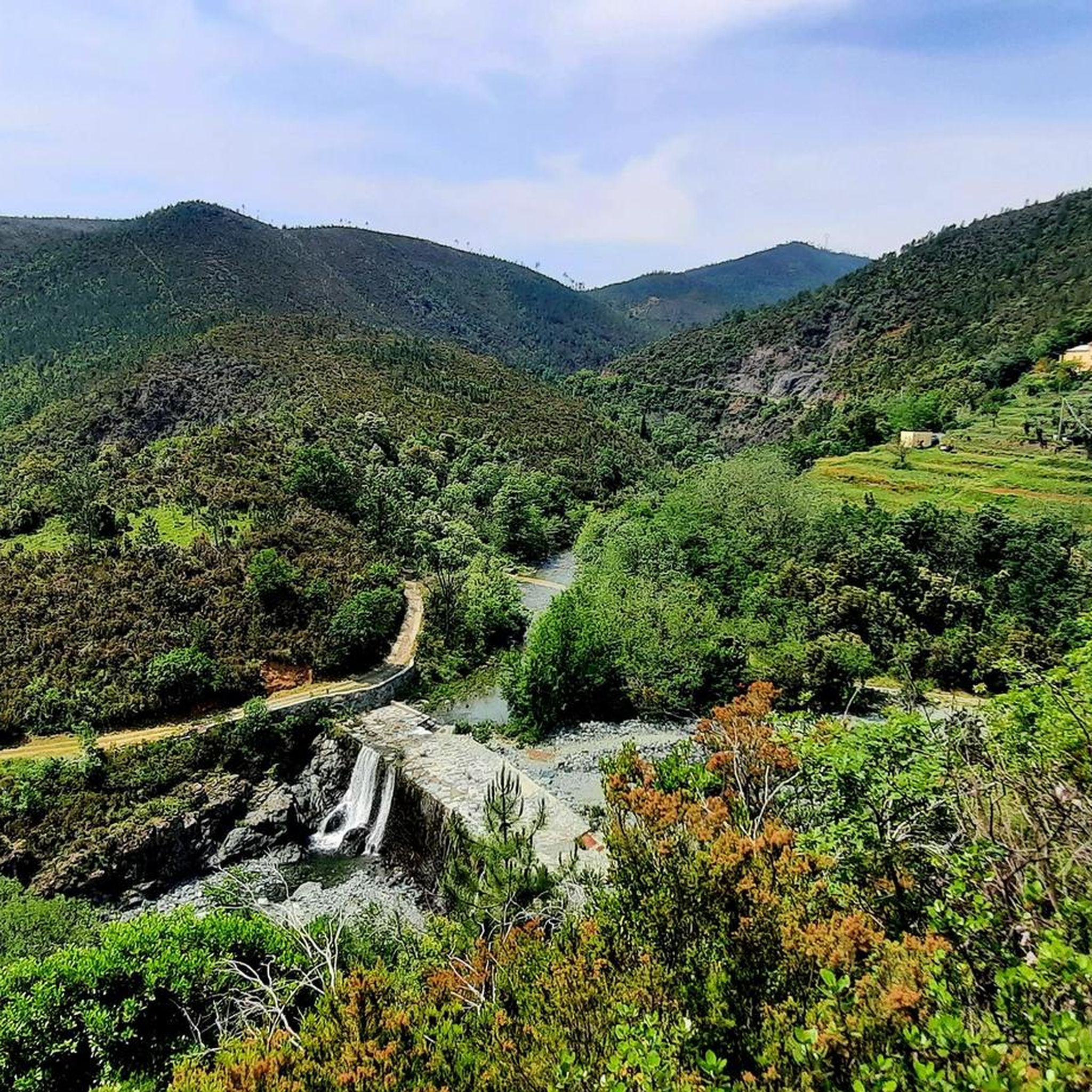
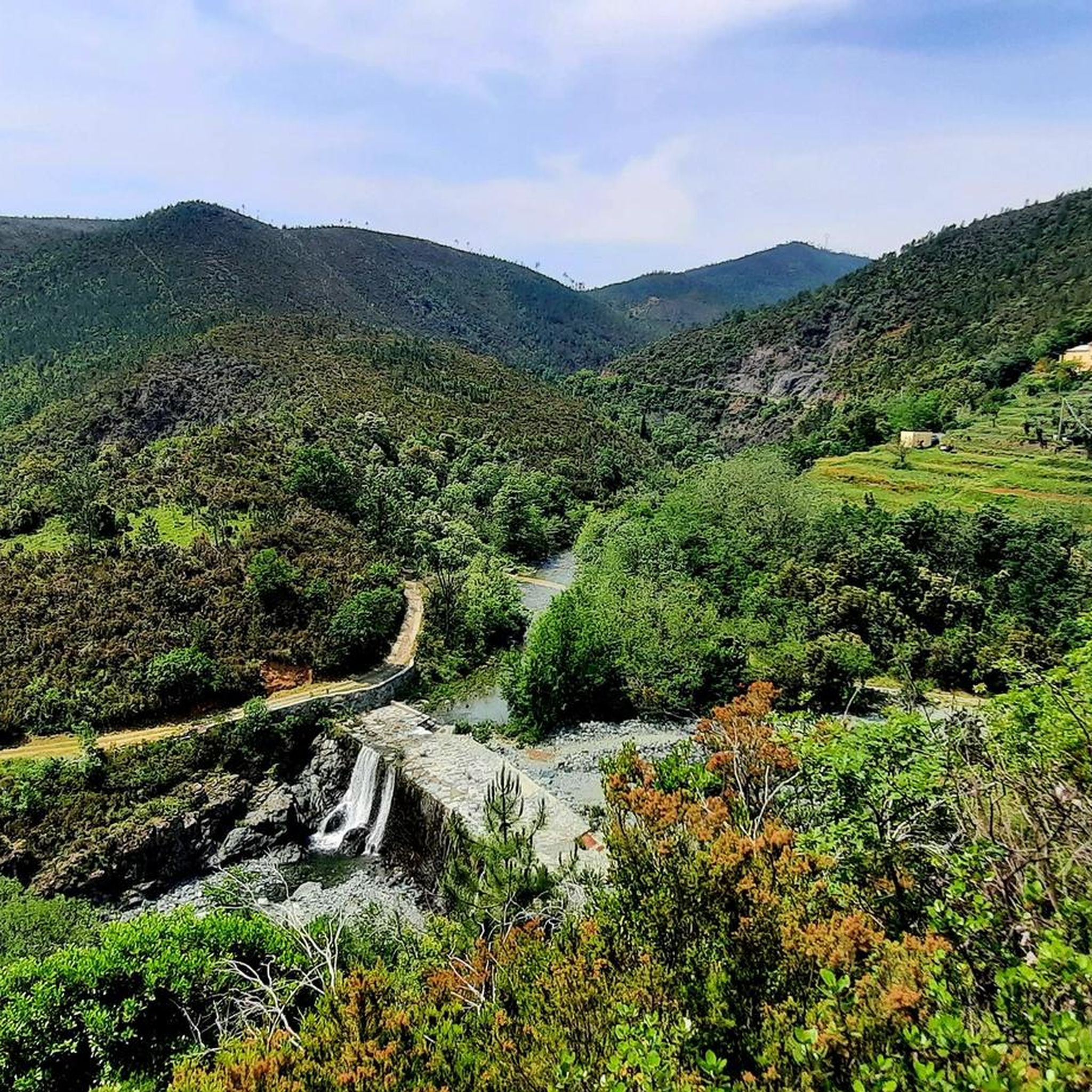
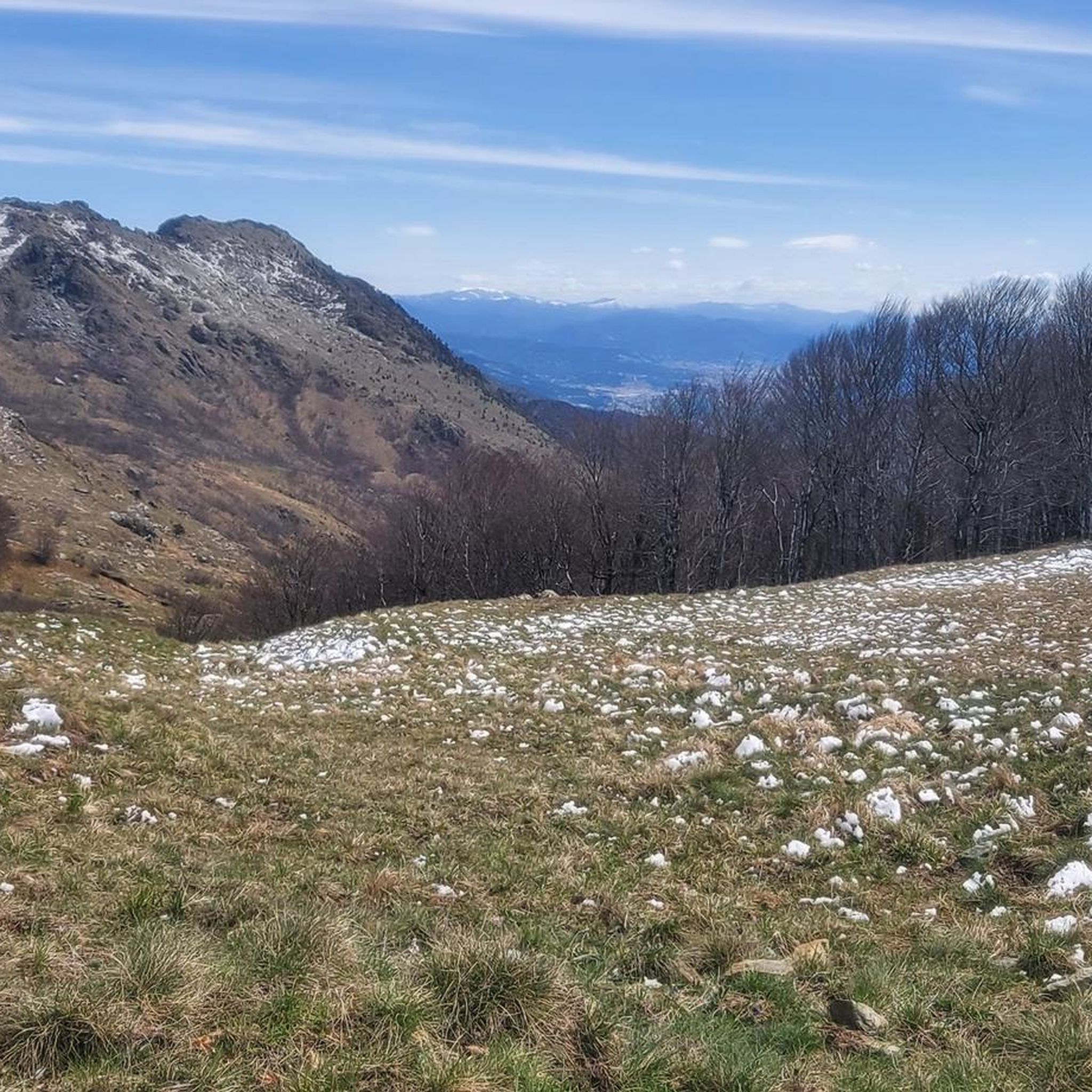
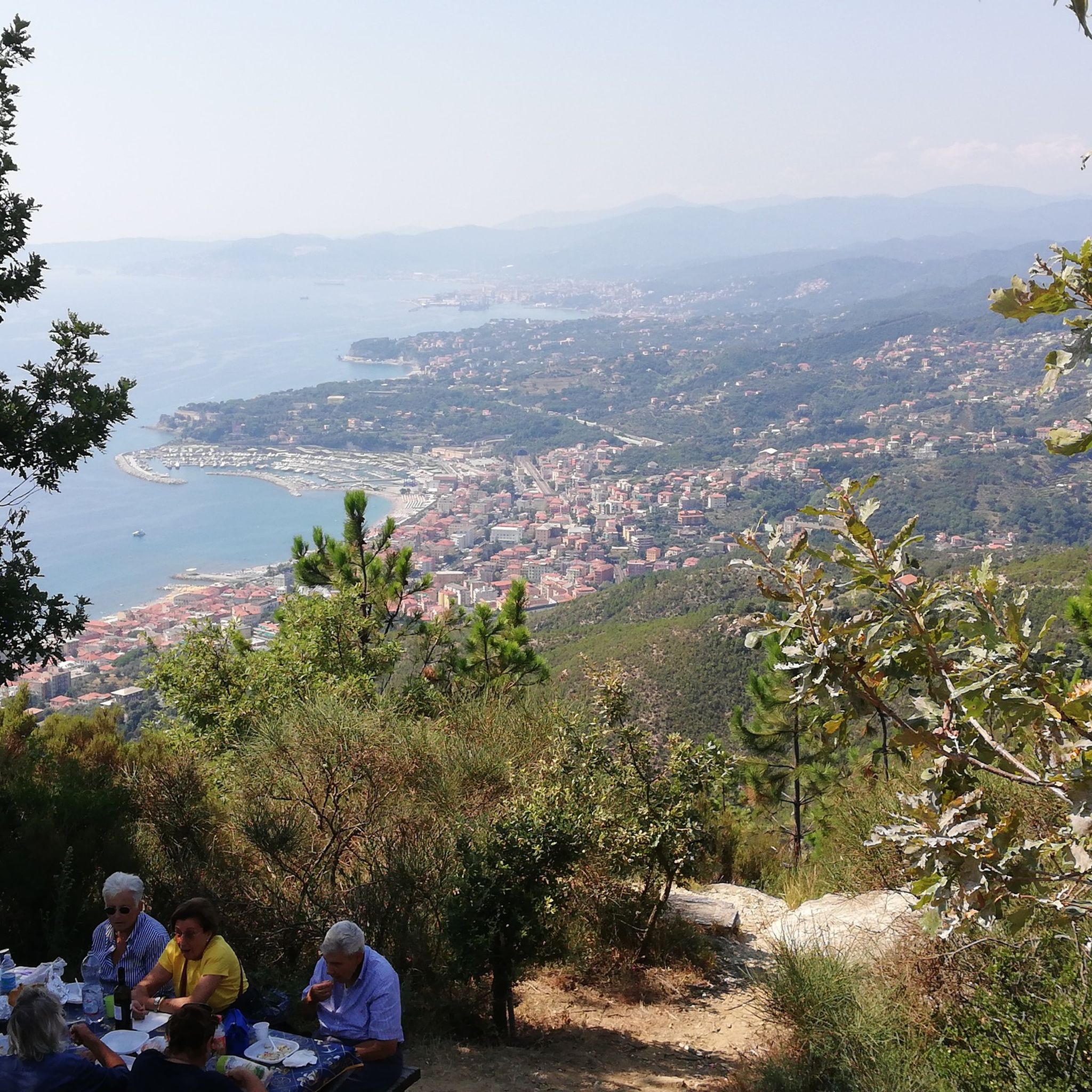
Tips from the Community

Mount Beigua is a mountain range in the Ligurian Apennines, 1,287 meters above sea level, located on the Ligurian-Po watershed. It is the highest peak of the so-called "Beigua group," which includes nearby Mount Grosso, Mount Ermetta, and Bric Veciri.
11
0

The weather is not the best but the place is very beautiful
0
0
Despite the bad weather the place had a special charm
0
0

Peak of the heart of the people of Cogoleto and beyond. On clear days it is possible to see Corsica, Capraia and the island of Elba. There are many access routes, all beautiful and with different degrees of difficulty. The routes are maintained by Cogoleto Outdoor, an association of volunteers passionate about hiking and mountain biking.
0
0


the Beigua cross is a church with a huge cross visible from far away
0
0

The concept chosen by the architect for the "Croce del Beigua" does not conform to the usual pattern followed by many summit crosses. Rather than having a classic base as its foundation, it "grows" out of the roof of the chapel standing there, rising towards the sky in a massive form. The choice of material used for the construction – exposed concrete – clearly indicates its affiliation with the era of so-called "Brutalism." This is a modern architectural style that was popular in the post-World War II era and deliberately avoids cladding or painted concrete. Another striking feature is that one of the cross's two crossbeams is fitted with a railing.
0
0

Mount Beigua (Munte Beigua or Mount Beigoa in Ligurian) is a mountainous relief in the Ligurian Apennines, 1287 m high above sea level, which rises on the Ligurian-Po Valley watershed. It is the highest peak of the so-called "Beigua group", which includes the nearby Monte Grosso (1265 m), Monte Ermetta (1267 m), Bric Veciri (1264 m), Monte Avzè (1022 m).
1
0
Frequently Asked Questions
Which mountain peaks near Cogoleto offer the most expansive panoramic views?
For truly breathtaking vistas, consider Monte Beigua, the highest peak in the Beigua Group. On clear days, its 360-degree views can stretch from the Mediterranean Sea to Genoa, the Apuan Alps, and even as far as Monviso and Monte Rosa. Monte Reixa and Bric del Dente summit also offer incredible panoramas, with Corsica often visible from both on clear days, and the latter providing views of the entire Alpine arc.
Are there any family-friendly mountain peaks or trails around Cogoleto?
Yes, Monte Beigua is listed as family-friendly, offering diverse ecosystems and rewarding views that can be enjoyed by all ages. While the ascent to some peaks can be challenging, many routes offer manageable sections. For example, Punta Martin has paths described as rocky but not overly difficult, with an optimal slope, making it accessible for those who prefer less challenging uphill routes, especially starting from Piani di Praglia.
What unique natural features can I expect to see on the mountain peaks near Cogoleto?
The region is rich in natural diversity. Monte Beigua is a UNESCO Global Geopark, featuring ancient geological fragments up to 200 million years old from the Jurassic Ocean, as well as fossils and canyons. The area also boasts diverse ecosystems, from pine forests to Mediterranean vegetation. Around Punta Martin, you can find picturesque paths along the Baiardetta River, complete with small lakes and waterfalls.
What kind of hiking terrain and difficulty levels are common for the mountain peaks in this area?
The mountain peaks around Cogoleto offer a variety of terrain, from signposted footpaths to rocky sections. Difficulty levels range from intermediate to challenging. For instance, the ascent to Monte Rama Summit from Sciarborasca or Lerca is generally manageable, though some passages require attention due to rocky terrain. Monte Reixa offers a hiking itinerary without particular difficulties, especially from the Faiallo pass.
Are there any historical or cultural landmarks associated with the mountain peaks near Cogoleto?
Yes, Monte Beigua holds historical significance, hypothesized as a sacred mountain to the Liguri tribe in pre-Roman times and identified as a Neolithic source of jadeite. Additionally, the area around Rocca Vaccaria includes the historic Palazzina Tassara, dating back to 1935.
What outdoor activities, besides hiking, can I do near these mountain peaks?
The region around Cogoleto offers various outdoor activities. You can explore cycling routes, including challenging ones like the 'Lungomare Europa Coastal Path – Monte Beigua loop from Cogoleto' or easier options like the 'Passeggiata Aldo Moro – Lungomare Europa Coastal Path loop from Cogoleto'. There are also running trails available, such as the 'Cogoleto – Arenzano Town Centre loop from Cogoleto'. For more details, you can check the Cycling around Cogoleto and Running Trails around Cogoleto guides.
What is the best time of year to visit the mountain peaks around Cogoleto?
The diverse ecosystems and coastal proximity mean the peaks can be enjoyed across seasons. Spring and autumn generally offer pleasant temperatures for hiking and clear views. Summer can be warm, but higher elevations provide cooler air. While some fan-out queries mention 'winter hiking trails Cogoleto', specific conditions should always be checked, as some routes might require more attention due to weather.
Which mountain peak is considered the most elegant in the Beigua massif?
Monte Rama, located within the municipality of Cogoleto, is considered one of the most beautiful and elegant mountains in the Beigua massif, offering sweeping coastal views from its summit.
Are there any mountain peaks near Cogoleto that are particularly close to the sea?
Rocca Vaccaria is notable for being the point of the Apennine-Alpine chain closest to the sea, just under 5 km from the beaches of Arenzano, offering beautiful views that highlight this unique proximity.
What do visitors appreciate most about the mountain peaks around Cogoleto?
Visitors consistently praise the exceptional and breathtaking panoramic views, often stretching from the sea to the mountains and even distant Alps or Corsica on clear days. The diverse natural landscapes, from meadows and forests to unique geological formations, are also highly valued. The sense of accomplishment from reaching a summit and the tranquility of nature are frequently mentioned highlights.
Can I find circular hiking routes among the mountain peaks?
Yes, it is possible to incorporate peaks like Monte Reixa into longer, circular itineraries. These can start from various locations in the municipality of Genoa, such as Sambuco or Fabbriche, and may even cover sections of the Alta Via, allowing for a comprehensive exploration of the area.
Most popular attractions around Cogoleto

Get inspired with the komoot mobile app


Explore more
See even more amazing summits around Cogoleto with these guides:
