Top 20 Mountain Passes around Tornolo
Best mountain passes around Tornolo are situated in the Apennine Mountains, near the border with Liguria, within the Province of Parma, Emilia-Romagna. This region serves as a gateway to several notable passes known for their natural beauty and recreational opportunities. The landscape features expansive green meadows, dense forests, and winding roads. The area provides a diverse environment for outdoor activities.
Best mountain passes around Tornolo
- The most popular mountain passes is Passo di Cento Croci (1,055 m), a mountain…
Last updated: August 20, 2026
Incisa Pass
Highlight • Mountain Pass
The history of this place seems to be linked to …
Translated by Google •
Tip by

Passo di Cento Croci (1,055 m)
Highlight • Mountain Pass
Regular ascent very exposed to the sun but …
Translated by Google •
Tip by

Sign up now to discover places like this
Get recommendations on the best single tracks, peaks, & plenty of other exciting outdoor places.
Sign up for free
Forcella Pass
Highlight • Mountain Pass
Translated by Google •
Tip by

Bocco Pass
Highlight • Mountain Pass
Translated by Google •
Tip by

Passo del Biscia
Highlight • Mountain Pass
Both sides of …
Translated by Google •
Tip by
Sign up for free to discover even more mountain passes around Tornolo.
Sign up for free
Already have an account?
Start today with a free account
Your next adventure awaits.
Login or Signup

Tips from the Community

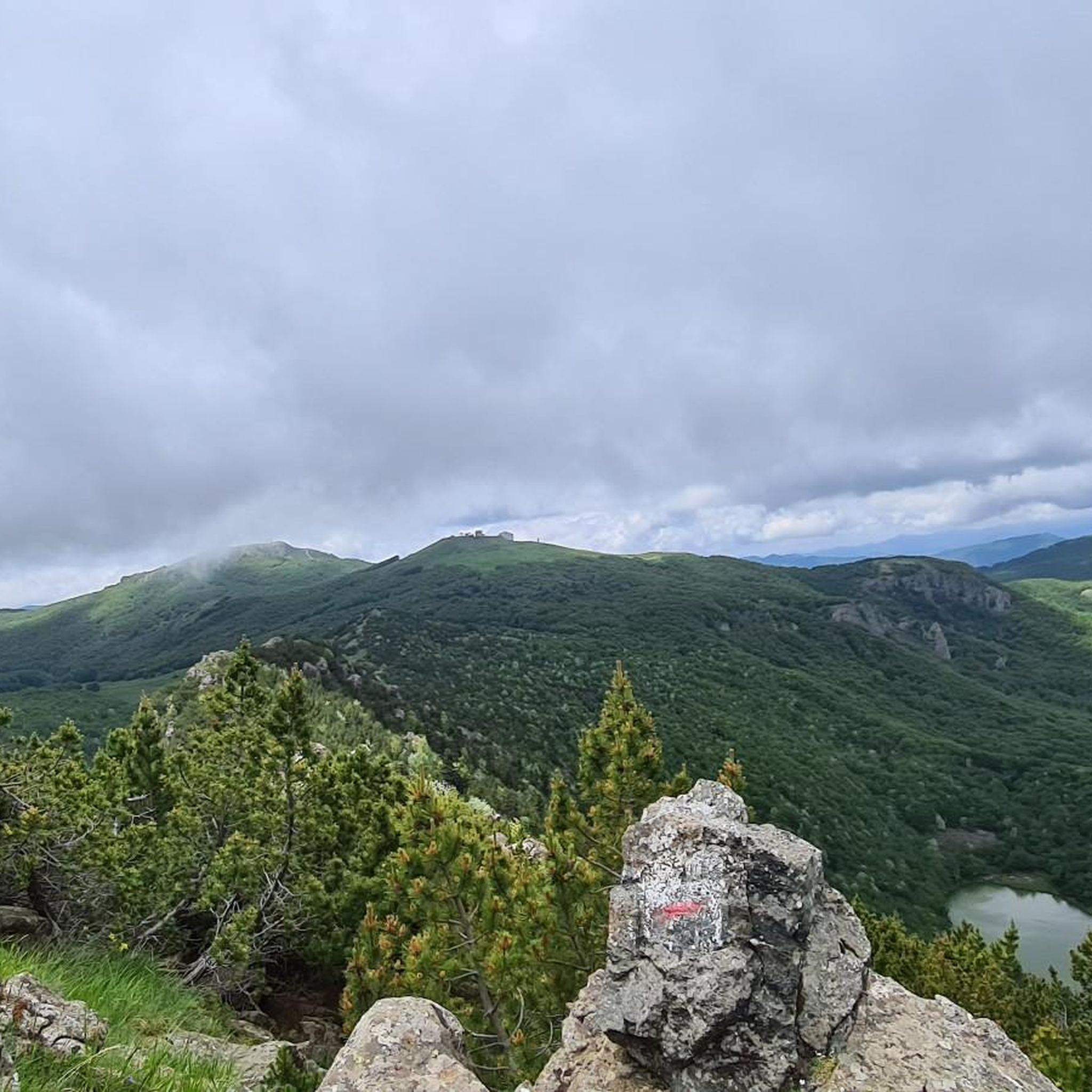
Beautiful pass of the Ligurian Apennines located at 1,468 meters. Strategic point that offers various alternatives to start a walk or a long hike.
0
0

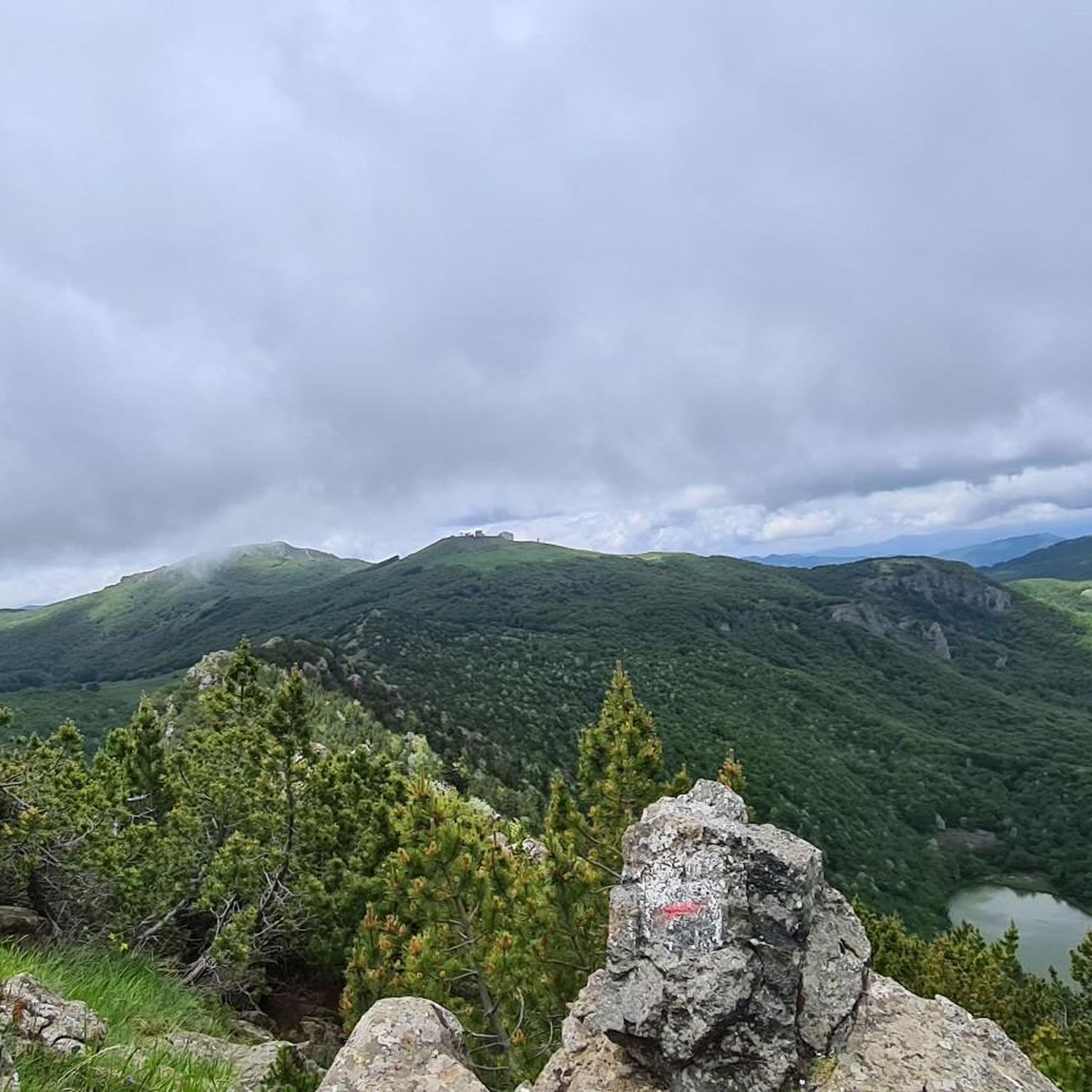
beautiful, quiet pass with picnic area
0
0

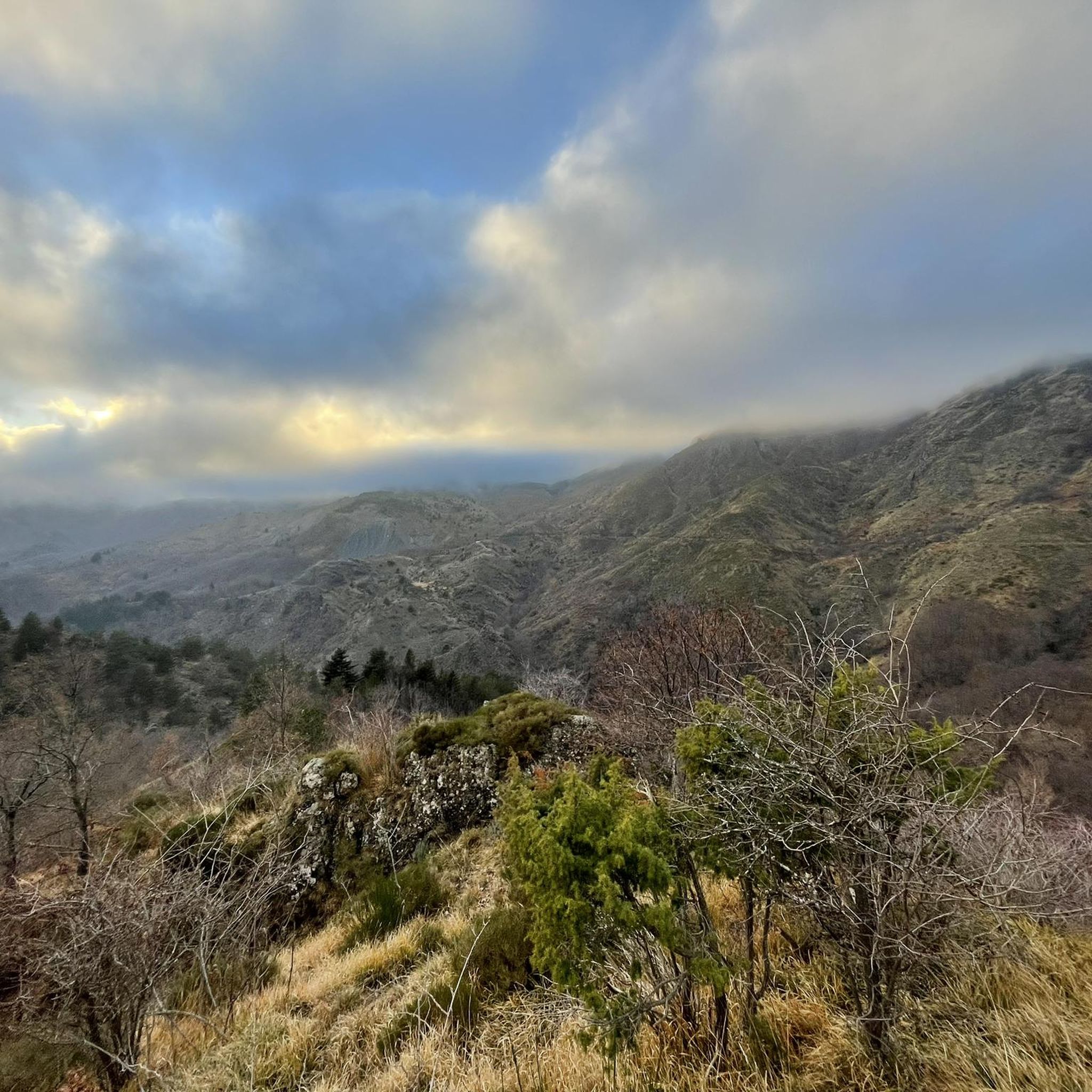
Situated at 956 meters between the Vara and Aveto Valleys, the Bocco Pass is one of the historic passes of the Ligurian Apennines, used since ancient times as a connection between the Tyrrhenian coast and the Po Valley hinterland. Already in Roman times, it was part of a secondary transit network, but it was especially in the Middle Ages and modern times that the pass assumed a central role in local traffic: a route for merchants, shepherds, and pilgrims, it connected Chiavari and the Riviera with Varese Ligure and the Emilian plains. Traces of the ancient paving are still visible today in the surrounding woods. During the Second World War, the area served as a refuge for partisan groups, thanks to its secluded location and dense forest cover. Today, the pass is a destination for cyclists and hikers, immersed in an unspoiled mountain landscape of beech and fir forests and highland meadows, at the gateway to the Aveto Regional Natural Park.
0
0

possible excursions both on foot and by bike
0
0
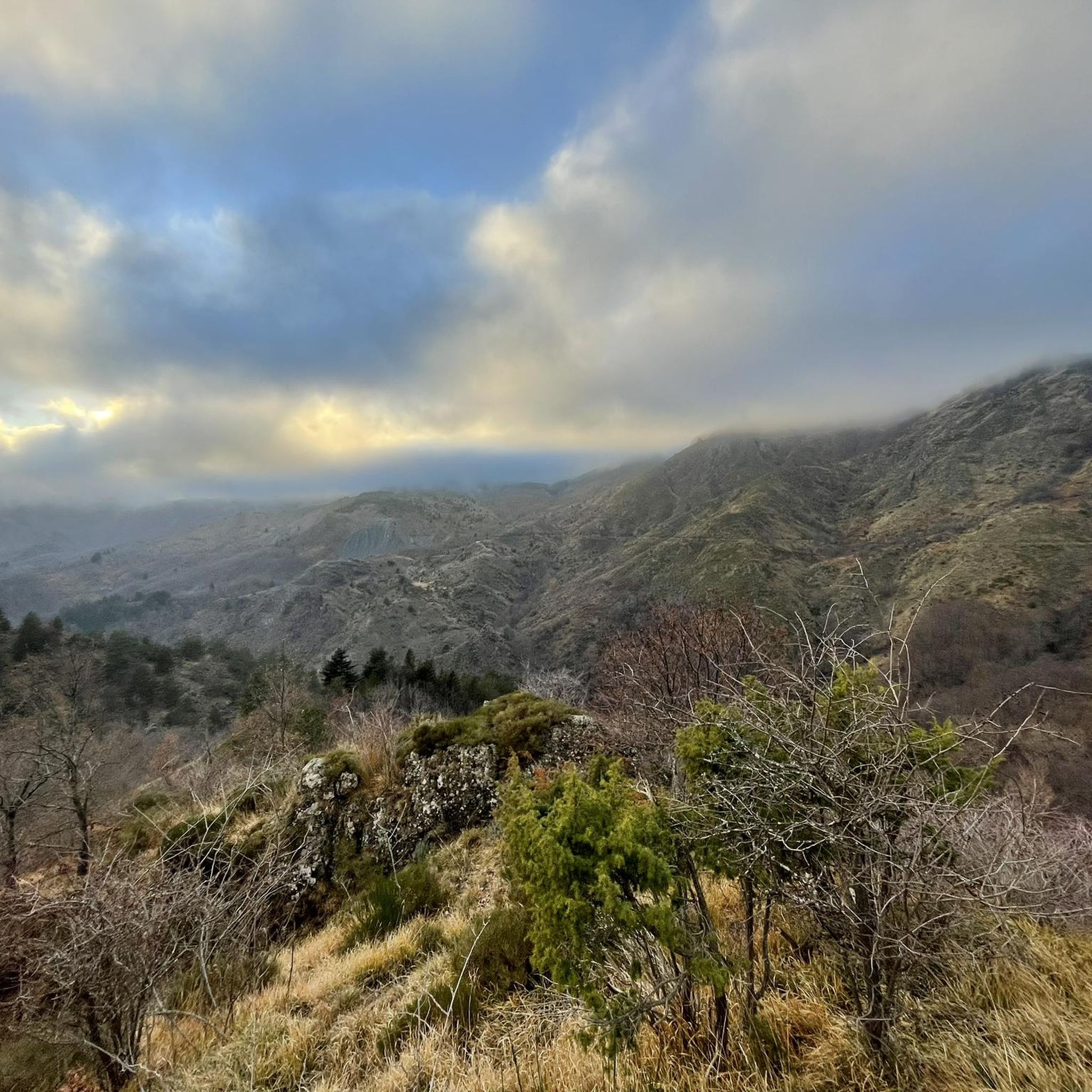
February 15, 1945, La Squazza Massacre: On February 14, 1945, an Alpine soldier from Monterosa, a certain Mantovani, was in the La Squazza area (municipality of Borzonasca), heading towards the Forcella pass, where a contingent of Alpine soldiers was stationed. Some partisans recognized him as the one who had seen the mine system being laid around the Forcella stronghold. They then decided to capture him to get him to reveal the operation and exact location of the minefield and organized an ambush. But, while they were ordering him to “put your hands up!”, a group of German soldiers appeared on the road and a firefight ensued, during which Mantovani (probably shot by a Nazi) and a German were fatally shot. The partisans suffered no losses. The Nazi-fascist retaliation was immediate and ferocious and on February 15, ten partisans were taken from the prisons of Chiavari and transported on a truck to La Squazza, where they were murdered. The then deputy commissioner of the “Coduri”, “Miro” recounts that the ten partisans who were shot were left for three days in full view of everyone, with no one being allowed to attend to the funeral. The owner of the hotel in La Squazza, however, had approached the martyrs to try to bring them some, vain, help. "Miro" himself, when the news reached him, was charged, together with "Baffo", sent by the Area Command, to go to the site of the massacre to proceed with the identification of the bodies. Having arrived near La Squazza by chance, after having been targeted by mortar fire from the Alpine troops of Forcella, the two partisans took advantage of the guidance of an elderly local lady and her daughter, whom they met on the path, who collaborated with them until they got closer to the site of the massacre.
0
0

Easy ascent to the top of Monte Penna. From Passo dell'Incisa, the A5 route winds through the beech forest, making it feasible even in the hot season. The slope is not slight (20-25%) but considering the limited distance it is feasible. We did this route with our 6-year-old daughter (already accustomed to mountain walks) without any particular effort. For children this is the path to take, the one that starts from Casermette del Monte Penna is not recommended due to the via ferrata which makes it decidedly less suitable. NOTE: Passo dell'Incisa can be reached by car by carefully following a dirt road (about 1.4 km from the junction on Strada Provinciale 75)
0
0


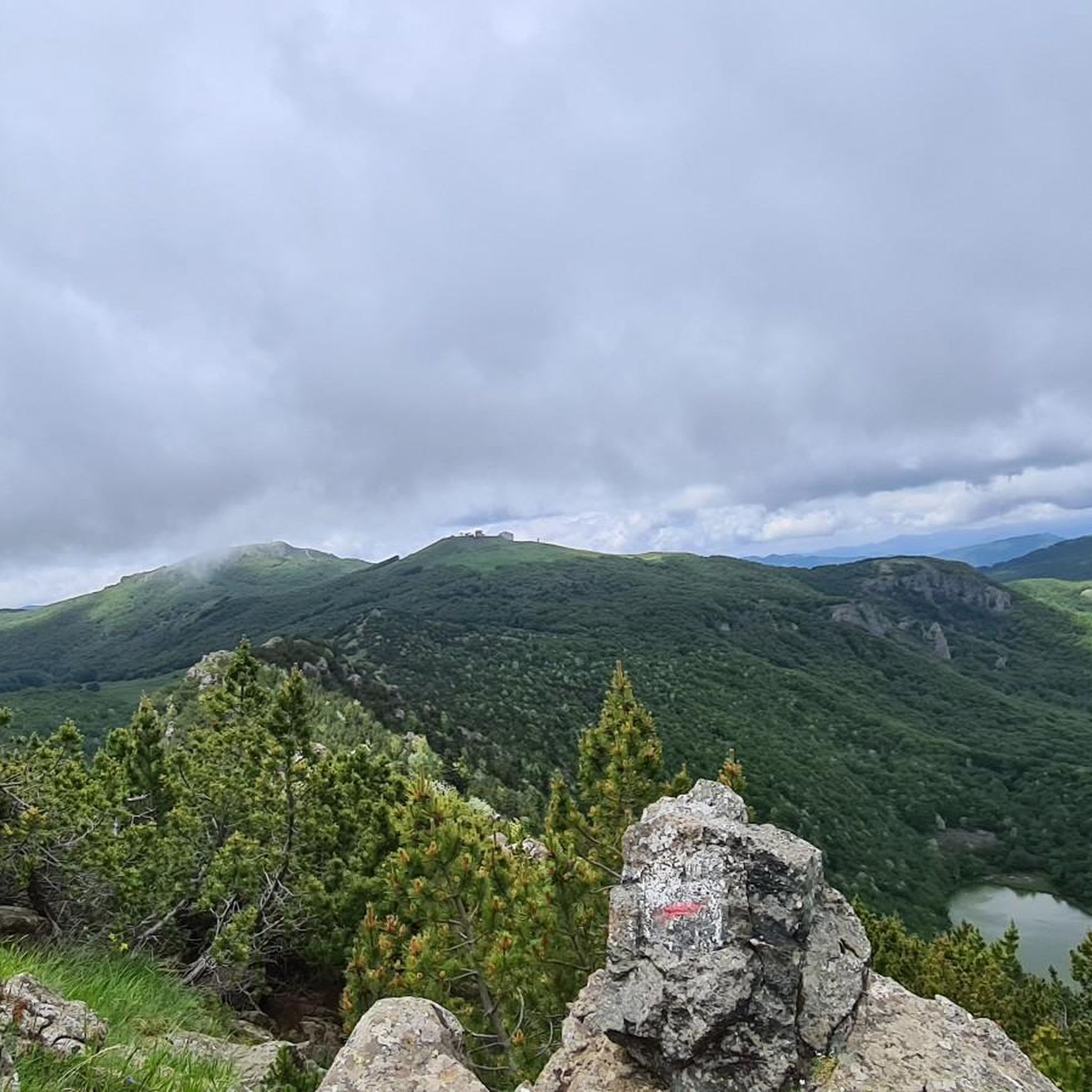
Crossing point of the Alta Via dei Monti Liguri and starting point for excursions to the Penna and Aiona mountains. The history of this place seems to be linked to the Latin term "incido," which means "cut." It is said that the Romans, tired of the resistance of the Ligurian tribes, decided to cut down the Apennine forests to weaken them. The Ligurians were masters of guerrilla warfare, while the Romans preferred the open field, and the removal of trees would have facilitated their strategy.
1
0
Frequently Asked Questions
What natural features and panoramic views can I expect at the mountain passes around Tornolo?
The mountain passes around Tornolo offer diverse natural beauty. At Passo di Cento Croci (1,055 m), you'll find an "Alpine panorama" with expansive green meadows, sun-drenched slopes, and dense fir and beech forests. Forcella Pass provides a fantastic view through the Val Sturla to the coast. The Bocco Pass is celebrated for its winding roads and breathtaking landscapes, and nearby, you can explore the tranquil Lago del Bocco. Passo del Biscia offers scenic views, including a wonderful vista of the Tigullian Gulf near its summit.
Are there any mountain passes around Tornolo with historical significance?
Yes, several passes have historical ties. Passo di Cento Croci (1,055 m) is named after a legend involving a hundred crosses erected for travelers killed by brigands and features an important monument dedicated to World War II partisans. Incisa Pass is linked to the Latin term "incido," suggesting a Roman strategy of cutting down Apennine forests. Forcella Pass is also categorized as a historical site.
What outdoor activities can I do near the mountain passes around Tornolo?
The area around Tornolo's mountain passes is excellent for various outdoor activities. You can find numerous routes for hiking, running, and road cycling. For hiking, explore trails like the Monte Penna Cycle Trail or the Ring of Monte Aiona. Running enthusiasts can try routes such as the From Passo dell'Incisa to Monte Penna – ring run. Road cyclists have challenging options like the Bocco Pass – Passo di Cento Croci loop. You can find more details on these activities and routes in the dedicated guides for Hiking around Tornolo, Running Trails around Tornolo, and Road Cycling Routes around Tornolo.
Are there family-friendly mountain passes or trails near Tornolo?
Yes, some passes and nearby trails are suitable for families. Incisa Pass is noted as family-friendly, offering a crossing point of the Alta Via dei Monti Liguri and starting point for excursions. Bocco Pass also has facilities and is considered family-friendly. The general area around Tornolo is known for "green tourism," providing an unspoiled natural environment for exploration.
What is the best time to visit the mountain passes around Tornolo?
The region's mountain passes are generally best visited during the warmer months, from spring through autumn. This period offers pleasant weather for hiking, cycling, and enjoying the panoramic views. During these seasons, the expansive green meadows and forests are at their most vibrant. Winter can bring snow, making some passes challenging or inaccessible, especially for recreational activities like cycling.
What amenities or services are available at the mountain passes?
At Bocco Pass, you'll find the Rifugio Antonio Devoto, which provides a welcoming stop for refreshments and meals. The former refuge at Passo di Cento Croci (1,055 m) has been renovated and is now known as "Passo Cento," offering a place for visitors to stop. Passo del Biscia also features a picnic area.
Can I hike along long-distance trails from these mountain passes?
Yes, several mountain passes in the Tornolo area are part of or connect to long-distance hiking trails. Passo del Bocco forms part of the Alta Via dei Monti Liguri, a renowned long-distance hiking trail, offering extensive trekking possibilities. Incisa Pass is also a crossing point of the Alta Via dei Monti Liguri, and Passo del Biscia has very recommendable hikes that are part of the Alta Via dei Monti Liguri near its summit.
What do visitors enjoy most about the mountain passes around Tornolo?
Visitors frequently praise the breathtaking scenery, the engaging ascents for cyclists, and the tranquility of the natural environment. Many appreciate the "Alpine panorama" and the expansive green meadows. Cyclists and motorcyclists enjoy the winding roads and stunning vistas. The komoot community has shown strong appreciation for these passes, with more than 50 upvotes and 20 photos highlighting their beauty and recreational value.
Are there challenging routes for experienced cyclists or hikers?
Absolutely. The region offers challenging terrain for experienced adventurers. For road cycling, routes like the Bocco Pass – Passo di Cento Croci loop from Carniglia or the Passo del Biscia – Bocco Pass loop are considered difficult. Hikers can tackle routes such as the Ring of Monte Aiona or Prato Mollo e Malga Zanoni – loop tour, both rated as difficult. The climb from Tornolo to Passo di Cento Croci (1,055 m), for instance, is approximately 12.7 km long with an average gradient of 4.7%.
How accessible are the mountain passes by road?
The mountain passes are generally well-connected by road, making them accessible for drivers, cyclists, and motorcyclists. For example, the road through Passo del Bocco is considered the shortest and oldest route from the Parma hills to the Ligurian sea. While some roads, like parts of the descent from Passo del Biscia into the Varatal, might be in poor condition, the main routes are generally suitable for travel, with some having undergone recent maintenance, as noted for Forcella Pass.
Can I find accommodation or places to eat near the mountain passes?
Yes, there are options for refreshments and meals directly at some passes, such as the Rifugio Antonio Devoto at Bocco Pass and the renovated "Passo Cento" at Passo di Cento Croci (1,055 m). The surrounding towns and villages, including Tornolo itself, offer various amenities, cafes, and pubs for visitors seeking accommodation or dining options.
Most popular attractions around Tornolo

Get inspired with the komoot mobile app


Explore more
See even more epic mountain passes by checking out these guides around Tornolo:
