The best road cycling routes around Unserfrau-Altweitra
4.6
(65)
858
riders
153
rides
Road cycling around Unserfrau-Altweitra offers diverse landscapes within the Waldviertel region of Lower Austria. The area features a mix of terrain, from relatively flat sections to routes with significant elevation gains, suitable for various fitness levels. The landscape is characterized by a "striped land" cultural mosaic, granite formations, and picturesque river valleys like the Lainsitz. Rolling hills provide varied topography, with many routes utilizing mostly paved surfaces on little-traveled side roads and country roads.
Best road cycling routes around Unserfrau-Altweitra
…Last updated: July 2, 2026
14
riders
92.1km
03:50
560m
560m
Moderate road ride. Good fitness required. Mostly well-paved surfaces and easy to ride.
3.7
(3)
17
riders
29.8km
01:37
550m
550m
Moderate road ride. Good fitness required. Mostly well-paved surfaces and easy to ride.

Sign up for free
4.3
(7)
15
riders
21.7km
01:05
280m
280m
Easy road ride. Great for any fitness level. Mostly well-paved surfaces and easy to ride.
5.0
(1)
14
riders
Moderate road ride. Good fitness required. Mostly well-paved surfaces and easy to ride.
8
riders
34.2km
01:46
550m
550m
Moderate road ride. Good fitness required. Mostly well-paved surfaces and easy to ride.
Get access to more routes and recommendations from other explorers.
Sign up for free
Already have an account?
Our route recommendations are based on thousands of hikes, rides, and runs completed by other people on komoot.
Start today with a free account
Your next adventure awaits.
Login or Signup
Tips from the Community

The Zwettl City Museum is a modern museum designed to appeal to both children and adults! We don't just want to preserve history, but to present it in an engaging, memorable, informative, and interesting way. Therefore, this museum is designed according to the latest museum education principles. All activities are geared towards achieving this goal. The museum features a model of the city where visitors can modify all the elements—houses, city walls, and bridges. With the help of instructions, the city's development from its founding in the 12th century to the 20th century can be traced. In addition to the most important documents of the city of Zwettl, the collection includes numerous weapons, among them original "Kuenringer weapons" from the 13th century, which were discovered during excavations in Zwettl.
0
0
The City Museum – Enriched with Many Attractions On Saturday, June 21, 2003, the Zwettl City Museum, redesigned as part of the "Urban Renewal in Lower Austria" initiative, celebrated its reopening. During the interior renovation, new spaces for the City Museum were created in the attic. Part of these rooms is dedicated to the theme of "Collecting" and houses the exhibits of the "Anton Collection" in a permanent display. Among the exhibited objects are numerous unique pieces and outstanding works of art, such as a Romanesque Madonna and precious glass rarities from the Baroque period. In addition to the exhibition spaces for the "Anton Collection," a generously sized room was also created for special exhibitions. The old wooden framework of the roof truss remains almost entirely visible and contributes significantly to the ambiance of the newly created exhibition spaces.
0
0
The local authorities succeeded in persuading the master artist Hundertwasser to design and construct a fountain in the main square. The presentation of the fountain model met with both widespread approval and vehement opposition from the residents of Zwettl. In 1994, the fountain, consisting of three main elements—the two fountain columns with basins and the pavilion—was unveiled to the public. Since then, it has been a popular meeting place in the heart of the town. Friedensreich Hundertwasser died in February 2000 at the age of 71.
0
0
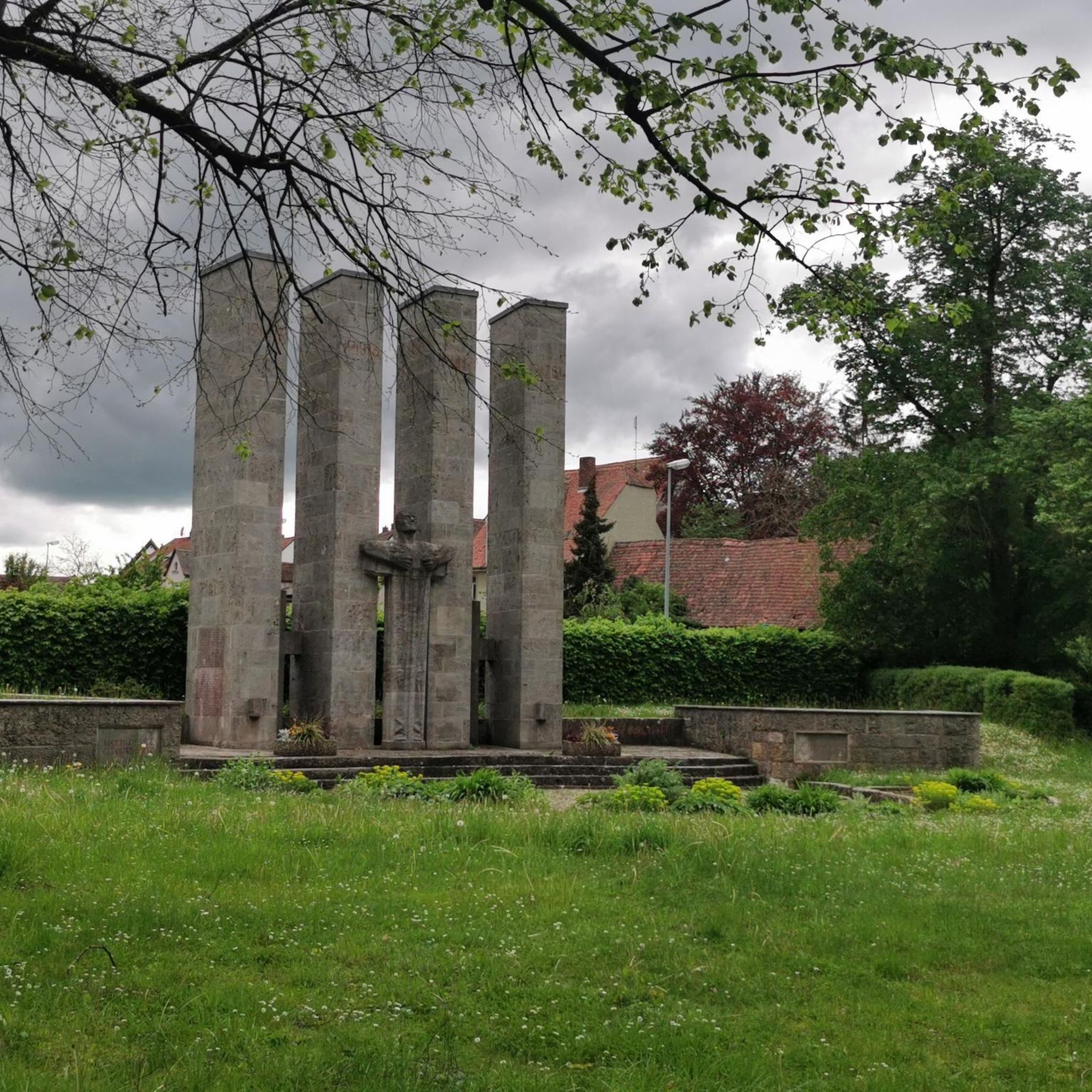
Until the end of the 19th century, a monumental fountain stood in the middle of the main square, the terminus of Zwettl's oldest water supply system, dating back to the early 17th century; a place where the population gathered, not just to fetch water. A war memorial was erected here in 1925, and from the mid-20th century onward, the square in the heart of the town was primarily used as a park. In the early 1990s, the municipality of Zwettl decided to redesign the main square. The aim was to give the town an attractive central point once again and thus preserve the tradition of the old Zwettl main square for the present and future. Friedensreich Hundertwasser, born Friedrich Stowasser in 1928, had owned an old mill on the banks of the Kamp River above Zwettl since the 1970s.
0
0
Originally, after the town's founding, Trinity Square was part of Zwettl's main square, which at that time stretched as an extensive triangular plaza from the townhouses behind the Hundertwasser Fountain to the level of the Hausleitner house above the "Zur Goldenen Rose" inn. The construction of houses along the lower Landstraße, the so-called "Grätzl," significantly narrowed the main square, and the addition of the cross street eventually divided it into two squares.
0
0
During the Baroque period, people everywhere were eager to express their gratitude for overcoming the plague years and the Turkish Wars by erecting plague or Trinity columns. In 1727, the pillory in the upper square was replaced by the richly sculpted sandstone column created by Kaspar Högl of Eggenburg. During the last renovation in 1998, extensive environmental damage to the figures was repaired, and the entire column was painted a light yellow. The four life-size statues are, in the center at the front, the Immaculate Conception; to her left, St. Sebastian (pierced by five arrows); to her right, St. Roch (pointing to the plague boil on his thigh); and St. Florian (holding a flag in one hand and a bucket of water in the other). The iron fountain in the immediate vicinity of the Trinity Column is a gift from the then-mayor, Eugen Beck, of the twin town of Plochingen near Stuttgart.
0
0
The Renaissance graffiti were only rediscovered in 1976. During the restoration of the paintings, which took place in 2002, the Zwettl-based academic conservator Ralf Wittig strove for the greatest possible fidelity to the original. From 1850 to 1975, the Old Town Hall housed the district court and the land registry office. Today, the Old Town Hall houses the Zwettl Tourist Information Center as well as the noteworthy City Museum with its permanent exhibition, the "Anton Collection." Museum education programs for children and adults are also offered.
0
0
The building is one of the oldest secular buildings in the city and certainly dates back to the time of the Kuenring family. As early as 1307, it was remodeled and expanded by Leuthold I of Kuenring-Dürnstein. After Leuthold's death (1312), it passed into the ownership of the Liechtenstein family and then the Puchheim family, who sold the "manor house" to the city. From that time until 1850, it served as the town hall. In 1549/50, a square tower was erected on the front facade, behind whose round gateway the older, beautifully profiled Gothic pointed arch portal can still be seen. During the construction of this tower addition, the front facade was decorated with sgraffito, which refers to the building's function as the seat of the municipal administration and the city court. In 1678, the two lateral buttresses were added to the building – probably for structural reasons. The Old Town Hall was subsequently rebuilt and its facade changed several times, including after the city fires of 1772 and 1814.
0
0
Frequently Asked Questions
How many road cycling routes are available around Unserfrau-Altweitra?
The Unserfrau-Altweitra area, nestled in the Waldviertel region, offers a comprehensive network of over 160 road cycling routes. These routes cater to various skill levels, including 7 easy, 107 moderate, and 46 difficult options.
What kind of landscapes will I encounter while road cycling in Unserfrau-Altweitra?
Road cycling in Unserfrau-Altweitra takes you through diverse and picturesque landscapes. You'll experience the unique 'striped land' cultural mosaic, characterized by longitudinal corridors, terraces, and tree lines. The region also features a graceful mix of water, granite formations, and deciduous forests, with romantic river valleys like the Lainsitz meandering through green meadows and wooded slopes. Expect rolling hills and scenic country roads.
What is the best time of year for road cycling in the Waldviertel region?
Spring and summer are particularly recommended for road cycling in the Waldviertel due to pleasant weather and blooming nature. The mild climates during these seasons make for ideal conditions to explore the region's diverse terrain.
Are there any family-friendly road cycling routes in Unserfrau-Altweitra?
Yes, the region offers several routes suitable for families. For instance, the Weitra City Gate – Lainsitz River loop from Weitra is an easy 21.6 km path that winds through scenic river valleys and green meadows, making it a great option for a leisurely family ride.
What are some notable landmarks or attractions I can see along the cycling routes?
The region is rich in historical and natural attractions. You can cycle past impressive sites like Weitra Castle, a renovated Renaissance palace. For natural beauty, consider visiting the Blockheide Observation Tower for panoramic views, or explore the unique granite formations like the Fleischbank Rock Formation. The State Castle of Nové Hrady is also a nearby historical site.
Are there challenging road cycling routes for experienced riders?
Absolutely. While there are easy and moderate options, the Waldviertel also offers more demanding routes with significant elevation gains. For example, the Weitra Town Hall Square – Weitra City Gate loop from Mandelstein is a moderate 30.1 km trail with over 550 meters of elevation gain, providing a good challenge. More difficult routes are available for those seeking over 1500 feet of elevation or tours exceeding five hours.
Are there circular road cycling routes available?
Many of the road cycling routes in Unserfrau-Altweitra are designed as loops, allowing you to start and end at the same point. For instance, the Weitra Town Hall Square – Weitra City Gate loop from Weitra is a popular 49.4 km circular trail that leads through the distinctive 'striped land' cultural landscape.
What do other road cyclists enjoy most about cycling in Unserfrau-Altweitra?
The area is highly rated by the komoot community, with an average score of 4.8 stars from over 50 reviews. Cyclists often praise the diverse terrain, from relatively flat sections to rolling hills, and the extensive network of mostly paved, little-traveled side roads and country roads that offer scenic views and a peaceful riding experience.
Is there parking available for cyclists at the trailheads?
While specific parking details for every trailhead are not provided, the region is known for its good infrastructure. It's common to find parking options in and around towns like Weitra, which serve as popular starting points for many routes. We recommend checking local signage upon arrival.
Can I find places to eat and stay near the cycling routes?
Yes, the Waldviertel region, including Unserfrau-Altweitra, is well-equipped with cyclist-friendly businesses. You'll find traditional Austrian winemakers' taverns (Heurigen) and cozy inns along and near many routes, offering opportunities for refreshments and accommodation.
Are there any long-distance road cycling routes in the area?
For those seeking a longer adventure, the broader Waldviertel Cycle Route is a circular tour of approximately 365 kilometers with over 4,000 meters of elevation, offering a multi-day challenge. Within Unserfrau-Altweitra, routes like the Weitra City Gate – Weitra Town Hall Square loop from Weitra cover over 100 km, providing a substantial day ride.
What are the road conditions like on the cycling routes?
Many routes in the Unserfrau-Altweitra area utilize mostly paved surfaces, making them ideal for road bikes. You'll often find yourself on little-traveled side roads and country roads, complemented by newly asphalted bike paths in some sections, ensuring a smooth and enjoyable ride.
Most popular routes around Unserfrau-Altweitra
Most popular attractions around Unserfrau-Altweitra

Get inspired with the komoot mobile app


Explore more
Browse the best Road cycling routes in other regions.
