The best walks and hikes around Civitavecchia
4.3
(173)
1,071
hikers
51
hikes
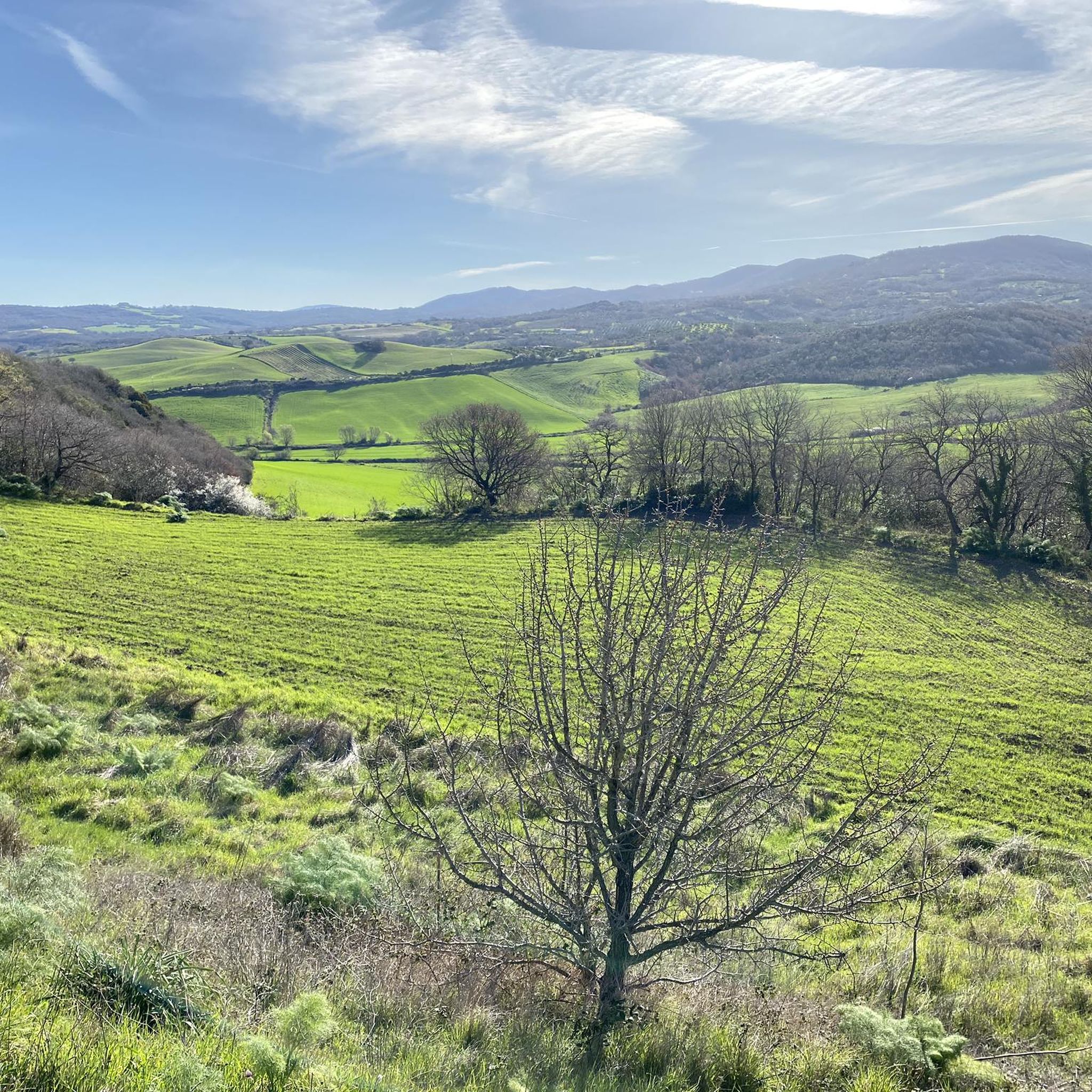
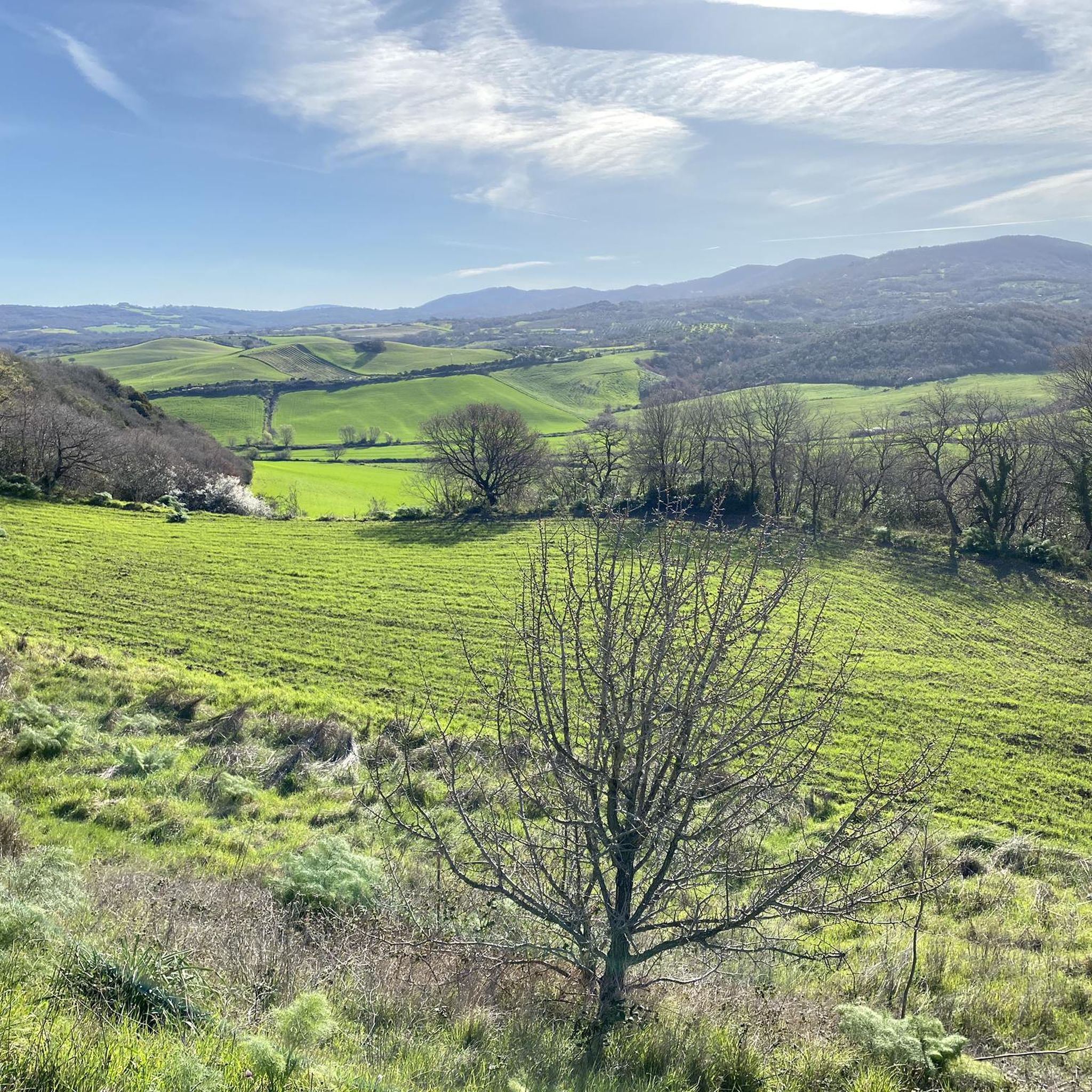
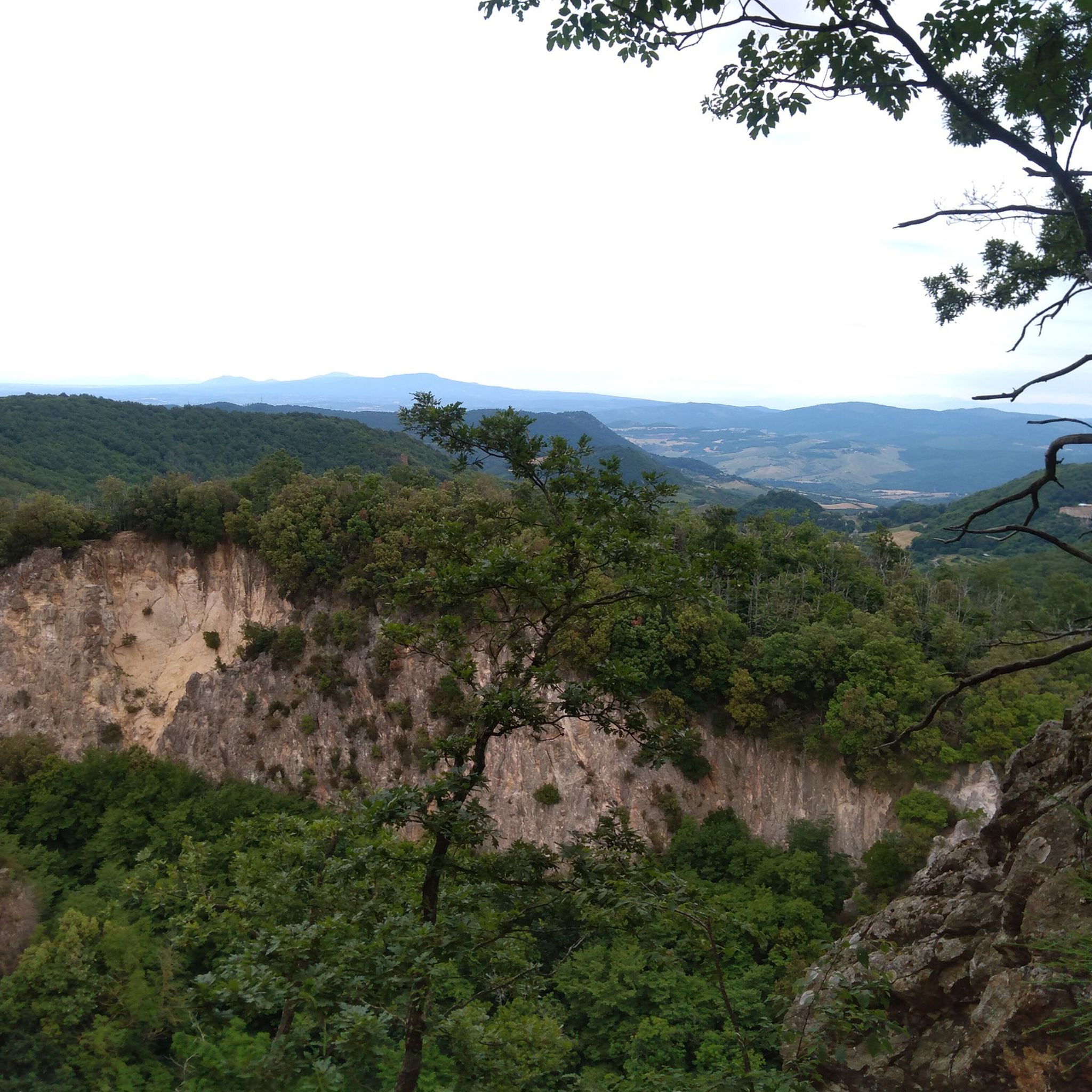
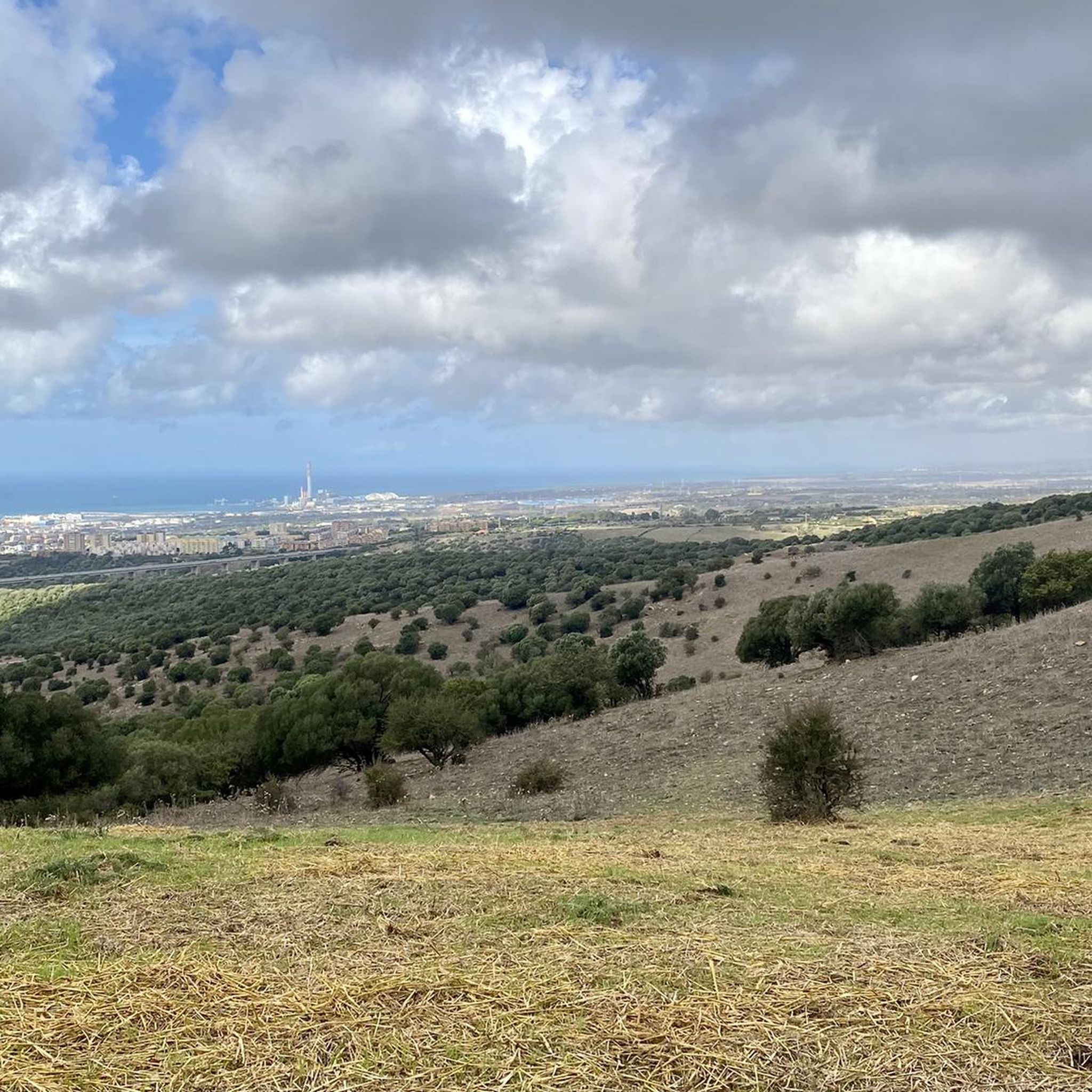
Hiking around Civitavecchia provides access to diverse landscapes along the Tyrrhenian Sea in the Lazio region of Italy. The immediate coastline features a jagged shoreline and expansive pine forests, while the broader Lazio region is predominantly hilly. Just north of the city, the Tolfa Mountains rise to over 2,000 feet (600 meters), offering more elevated terrain.
Best hiking trails around Civitavecchia
- The most popular hiking route is Porta Livorno – Fort Michelangelo loop from Civitavecchia Marittima, a 2.9 miles (4.7 km) trail that takes 1 hour 13 minutes to complete. This easy route combines coastal views with historical landmarks like Fort Michelangelo.
- Another top favourite among local hikers is Fort Michelangelo – Civitavecchia Promenade loop from Civitavecchia Marittima, an easy 4.7 miles (7.5 km) path. This trail follows the promenade, offering accessible paths and views of the sea.
- Local hikers also love the Civitavecchia Promenade – Porta Livorno loop from Civitavecchia, a 4.1 miles (6.6 km) trail leading through the city's coastal areas, often completed in about 1 hour 42 minutes.
- Hiking around Civitavecchia is defined by accessible coastal paths, pine forests, and the surrounding hilly terrain of the Lazio region. The network offers options for different ability levels, from easy promenade walks to more challenging routes further inland.
- The routes in Civitavecchia are highly rated by the komoot community with an average score of 4.3 stars from over 100 reviews. More than 800 hikers have used komoot to explore Civitavecchia's varied terrain.
Last updated: October 12, 2026
4.2
(75)
421
hikers
Easy hike. Great for any fitness level. Easily-accessible paths. Suitable for all skill levels.
4.2
(45)
256
hikers
Easy hike. Great for any fitness level. Easily-accessible paths. Suitable for all skill levels.

5.0
(3)
20
hikers
14.3km
04:06
350m
350m
Moderate hike. Good fitness required. Easily-accessible paths. Suitable for all skill levels.
16
hikers
Easy hike. Great for any fitness level. Easily-accessible paths. Suitable for all skill levels.
3.7
(3)
8
hikers
Moderate hike. Good fitness required. Easily-accessible paths. Suitable for all skill levels.
Get access to more routes and recommendations from other explorers.
Already have an account?
Our route recommendations are based on thousands of hikes, rides, and runs completed by other people on komoot.
Start today with a free account
Your next adventure awaits.

Tips from the Community

🥴 Look to the left of the image, how awful! 5 cruise ships
0
0

Kissing in remembrance of a harbor. This bronze sculpture has stood in the harbor since 2020.
0
0
Beautiful pebble beach
1
0
The cathedral is just a few meters from the harbor. Built on the site of an existing church dating back to 1600, dedicated to the saint of Assisi, it was rebuilt at the end of the 18th century. Destroyed by bombing during World War II, it was rebuilt in 1950. Inside, there is a pipe organ. The majestic interior features magnificent statues, altars, and murals.
1
0
The cathedral is just a few meters from the harbor. Built on the site of an existing church dating back to 1600, dedicated to the saint of Assisi, it was rebuilt at the end of the 18th century. Destroyed by bombing during World War II, it was rebuilt in 1950. It features a pipe organ and a majestic interior with magnificent statues, altars, and murals.
1
0
Can only be viewed from the outside
0
0
Frequently Asked Questions
How many hiking trails are available around Civitavecchia, and what are their difficulty levels?
There are over 45 hiking trails around Civitavecchia. The majority, about 27 routes, are classified as easy, making them suitable for various fitness levels. Additionally, there are 19 moderate trails and 1 more challenging route for those seeking a greater adventure.
What natural features can I expect to see while hiking near Civitavecchia?
Hiking around Civitavecchia offers diverse natural landscapes. You'll encounter a jagged coastline, expansive pine forests, and the hilly terrain of the Lazio region. Just north of the city, the Tolfa Mountains rise to over 600 meters, providing more elevated and rugged scenery. The area also boasts unique biodiversity, including red coral and habitats for rare sea turtles.
Are there any family-friendly hiking options in Civitavecchia?
Yes, many of the trails around Civitavecchia are considered easy and are suitable for families. The coastal promenade routes are particularly accessible, offering flat paths and scenic views. For example, the Fort Michelangelo – Civitavecchia Promenade loop is an easy 7.5 km path that follows the promenade, perfect for a leisurely family walk.
What historical landmarks can I discover along the hiking trails?
Hiking trails in Civitavecchia often integrate historical elements. You can explore sites like Fort Michelangelo, a prominent historical landmark. The La Frasca Natural Monument, for instance, features Etruscan archaeological sites, remnants of ancient Roman villas, and the ancient Roman port of Columna. A coastal stage route also leads past ancient Roman villas and culminates at the impressive Castle of Santa Severa.
Are there any circular hiking routes available?
Yes, Civitavecchia offers several convenient circular routes. Popular options include the Porta Livorno – Fort Michelangelo loop, which is 4.7 km, and the Civitavecchia Promenade – Statue of the Sailor's Kiss loop, covering about 6.6 km. These loops allow you to start and end your hike in the same location.
What do other hikers enjoy most about hiking in Civitavecchia?
The hiking experience in Civitavecchia is highly rated by the komoot community, with an average score of 4.3 stars from over 100 reviews. Hikers often praise the accessible coastal paths, the blend of natural beauty with historical sites, and the variety of routes suitable for different ability levels.
Can I bring my dog on the hiking trails in Civitavecchia?
Many outdoor areas in Italy, including trails around Civitavecchia, are generally dog-friendly, especially on leash. However, specific rules can vary for natural monuments or archaeological sites. It's always advisable to check local signage or official park websites for any restrictions regarding pets in protected areas like the La Frasca Natural Monument.
Are there any challenging hikes for experienced trekkers?
While many routes directly in Civitavecchia are easy, the broader Lazio region, particularly the Tolfa Mountains just north of the city, offers more elevated and rugged terrain. There is one trail classified as difficult among the 47 routes, providing a more strenuous option for experienced trekkers seeking a challenge beyond the coastal paths.
What is the best time of year to go hiking in Civitavecchia?
Civitavecchia, located on the Tyrrhenian Sea, generally experiences mild Mediterranean weather. Spring and autumn are often ideal for hiking, offering comfortable temperatures and pleasant conditions. Summers can be warm, making early morning or late afternoon hikes more enjoyable, especially along the coast where sea breezes provide some relief.
Are there options for public transport to reach trailheads outside the city center?
Civitavecchia is a port city with local public transport options. For trails slightly outside the immediate city center, such as those leading to the La Frasca Natural Monument, local bus services might be available. It's recommended to check local bus schedules for routes connecting to specific trailheads or points of interest.
Where can I find parking near the hiking trails?
For trails starting within Civitavecchia, such as those along the promenade or near Fort Michelangelo, public parking facilities are generally available in and around the city center and port area. For routes further afield, like those near the La Frasca Natural Monument, designated parking areas may be present, but it's advisable to research specific trailhead parking in advance.
What kind of terrain should I expect on the trails?
The terrain varies significantly. Coastal routes often feature easily accessible, paved, or well-maintained paths along the promenade. Inland, especially towards the Tolfa Mountains, you can expect more natural, unpaved trails, potentially with rocky sections and elevation changes. The La Frasca Natural Monument combines rugged coastline with extensive pine forests, offering a mix of surfaces.
Most popular attractions around Civitavecchia

Get inspired with the komoot mobile app


Explore more
Browse the best Hikes in other regions.
