The best cycling routes around Soverato
4.6
(40)
376
riders
40
rides
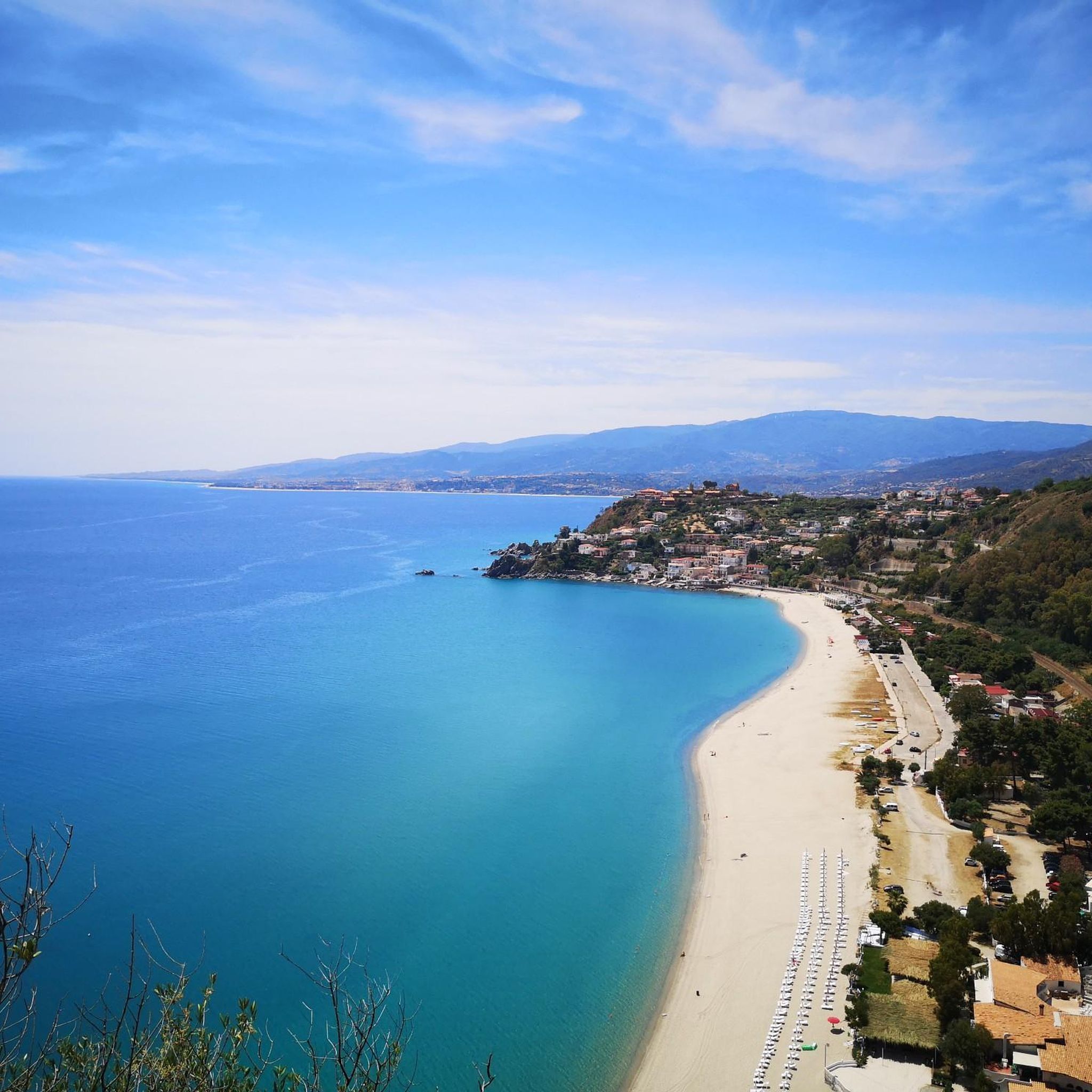
Touring cycling routes around Soverato traverse a diverse landscape situated on the Ionian Sea within the Gulf of Squillace. The region features white sandy beaches, a rocky coastline such as the Scogliera della Gagliola, and hills like Soverato Superiore that offer panoramic views. Mountains protect the town, contributing to its mild climate and providing varied terrain for cycling.
Best touring cycling routes around Soverato
- The most popular touring cycling route is Monte Covello – View of Caminia Beach loop from…
Last updated: July 2, 2026
4.6
(7)
63
riders
136km
09:59
2,990m
2,990m
Hard bike ride. Very good fitness required. Mostly paved surfaces. Suitable for all skill levels.
5.0
(3)
14
riders
38.3km
02:41
680m
680m
Hard bike ride. Very good fitness required. Mostly paved surfaces. Suitable for all skill levels.

Sign up for free
15
riders
87.2km
05:46
1,290m
1,290m
Hard bike ride. Very good fitness required. Mostly paved surfaces. Suitable for all skill levels.
9
riders
Hard bike ride. Very good fitness required. Mostly paved surfaces. Suitable for all skill levels.
5.0
(3)
10
riders
47.2km
03:20
890m
890m
Hard bike ride. Very good fitness required. Mostly paved surfaces. Suitable for all skill levels.
Get access to more routes and recommendations from other explorers.
Sign up for free
Already have an account?
Our route recommendations are based on thousands of hikes, rides, and runs completed by other people on komoot.
Start today with a free account
Your next adventure awaits.
Login or Signup
Tips from the Community

great stop hotel 2 mari , perfect from A to Z, all the staff and Antonio were invaluable and very friendly excellent value for money, wonderful rooms and dinner, everything needed for bike maintenance ..... rooms and service included 👍👍👍
0
0

Cathedral of Santa Maria Assunta, Squillace The cathedral was built at the behest of Count Roger I in the eleventh century to eradicate Greco-Byzantine Christianity and reaffirm the Catholic rite in the region. In 1643, the bell tower was damaged by an earthquake, and later the church was destroyed by other events. It was rebuilt in 1737 by Bishop Michele Abbati and destroyed again by the earthquake of 1783. It was rebuilt by Bishop Nicola Notaris, who consecrated it on May 6, 1798. Text / Source: Wikipedia https://it.wikipedia.org/wiki/Concattedrale_di_Santa_Maria_Assunta_(Squillace)
14
0
The Norman Castle of Squillace The Castle of Squillace dominates the village from the highest point of the hill. It was built by the Normans in the second half of the 11th century, at the end of their campaign to conquer Calabria against the Byzantines, who had occupied the region and southern Italy in general for over five centuries. During the Norman period, Squillace was the most important administrative, political, and religious stronghold on the Ionian coast. It was here that Ruggero d'Altavilla donated the lands where the Charterhouse of Serra San Bruno was built to San Bruno di Colonia. The Norman period was certainly the most important for Squillace, which experienced a period of great political-administrative, economic, and religious fervor. The early 13th century is fundamental to the history of Squillace: during this period, the settlement was first enfeoffed under a count and under the rule of a castellan. Under Frederick II, to whom we probably owe the construction of the polygonal tower on the eastern side of the enclosure, the Castrum Squillacii was held by a castellanus non habens terram and ten servients. The situation appears to have been the same in the Angevin era. From 1256 onwards, the castle was occupied by various families: the Lancia, the Monfort, the Del Balzo, and the Marzano, until 1485, when the castle returned to the direct control of Frederick of Aragon, the future King of Naples. In 1494, the castle passed through marriage to the Borgia family, whose marble coat of arms dominates the entrance portal. The Borgias, a very important noble family of Castilian origin, moved to Italy in the 12th century, where they settled in Florence, Perugia, Siena, Rome, and Naples. The marriage established the alliance between Pope Alexander VI and Pope John Paul II. Borgia and Alfonso II of Aragon: Goffredo Borgia, brother of the much more famous Lucrezia, just 13 years old, and Sancha of Aragon, the king's natural daughter, are married. The Borgia family ruled the castle until 1729, when, due to a lack of heirs, it again became part of the royal domain. Squillace was downgraded to Marchesato in 1755 and passed into the hands of the De Gregorio family, who held the castle until 1783, when a violent earthquake shook and destroyed the entire village. Text / Source: il Uoghi di Cassiodoro http://www.iluoghidicassiodoro.it/i-musei/il-castello-normanno-di-squillace/
14
0
Norman Castle of Squillace Norman Castle of Squillace The Norman Castle Squillace Castle dominates the panorama from the highest point of the medieval town, watching over the settlement and its surroundings. It was built by the Normans in the second half of the 11th century, at the end of their successful campaign of conquest in Calabria against the Byzantines, who had occupied southern Italy for over five centuries. The Norman period is certainly the most important for Squillace, which experienced a period of great political-administrative, economic, and religious fervor. The walls define the outline of the town, clearly visible from the serpentine roads leading from the beach to the upper part. From inside, there is a spectacular view of the town and the entire gulf. Despite the earthquake that struck Calabria and Squillace in 1783, the castle's structure, its stonework, and the embossed portal bearing the Borgia coat of arms are still clearly visible. The rooms of the small castle museum are very interesting: In the so-called "Warrior's Hall," among various other historical finds, the skeletons of two warriors from the 13th/14th century, discovered during an excavation campaign by the Ecole Française, are on display. Text / Source: turiscalabria.it http://www.turiscalabria.it/website/?lang=de&categoria=/wo/kusten/grune-flagge/&view_type=s&id=189&title=squillace.html
14
0
Piazza Caduti, Soverato Superiore Monument to the Fallen / Memorial to the Fallen, in Piazza Caduti, Soverato Superiore Monument to the Fallen / Memorial to the Fallen, Soverato Superiore Remembrance of the Fallen of the First and Second World War. Corso Roma, 114-116, Soverato Superiore, Catanzaro, Italy
14
0
Church of Maria Santissima Addolorata, Soverato Superiore Church of Maria Santissima Addolorata (Soverato) The history of the Church of Maria SS Addolorata is closely linked to that of the village of Soverato. Its origins are lost in the mists of time and are closely linked to those of the first mother church of the old fortified village. However, the devastating earthquake of 1783 marked a decisive turning point. With the old town completely destroyed, the inhabitants of Soverato were forced to rebuild their lives on a new hill. Among the first buildings erected in the new settlement, the church occupied a place of honor. The community, eager to rediscover a place of worship and assembly, decided to build a new religious building in honor of Maria della Pietà and in memory of the old village's mother church. The choice of this name underscored the community's deep connection with the past and its desire to keep tradition alive. Over the centuries, the church underwent several transformations and alterations. Starting in the early 20th century, its name was changed to "Church of Maria SS dei Sette Dolori" and then definitively became the "Archpriestly Church of Maria SS Addolorata." This development likely reflects an intensified Marian devotion and a greater veneration of Our Lady of Sorrows. Over the course of its long history, the church has undergone several restorations. The first major restoration, in 1891, significantly altered the building's interior structure. More than a century later, in 1984 and 1985, further restoration work led to the creation of valuable decorations by Professor Saverio Presta, further enriching the church's artistic heritage. Text / Source: Turismo Calabria https://www.turismocalabria.net/blog/duomo-di-maria-ss-addolorata-scopriamo-il-cuore-pulsante-di-soverato/
14
0
Statue of Our Lady of Sorrows, Soverato From the City Hall – September 15, 2017 Salita Beato Michele Rua, 88068 Soverato
14
0
Soverato Dolci, Corso Umberto I, Soverato Italian cuisine can be ordered at this cafe. You might enjoy the tasty monkfish, well-prepared broth, and perfectly prepared arancini. The excellent biscotti, cannoli, and delicious croissants are especially must-order options. Soverato Dolci is very easy to find thanks to its great location. Many visitors order particularly good sherry, good wine, or tasty herbal liqueur. This place will offer you particularly good macchiato, good cappuccino, or tasty lemonade. Many people find the staff at this restaurant patient. You'll be pleased with the relaxed service. The atmosphere in this restaurant is pleasant. This cafe has received 4.5 stars on Google based on visitor reviews. Text / Source: Soverato Dolci, Corso Umberto I, Soverato https://de.restaurantguru.com/Soverato-dolci-Soverato-Marina
14
0
Frequently Asked Questions
How many touring cycling routes are available in Soverato?
Soverato offers a wide selection of touring cycling routes, with over 40 options available on komoot. These routes cater to various preferences, from coastal rides to more challenging climbs into the hills.
What are the difficulty levels of touring cycling routes in Soverato?
The touring cycling routes in Soverato range in difficulty. You'll find 4 easy routes, 9 moderate routes, and 30 difficult routes, ensuring options for cyclists of all experience levels, from leisurely coastal spins to demanding mountain ascents.
Are there any easy touring cycling routes suitable for beginners or families in Soverato?
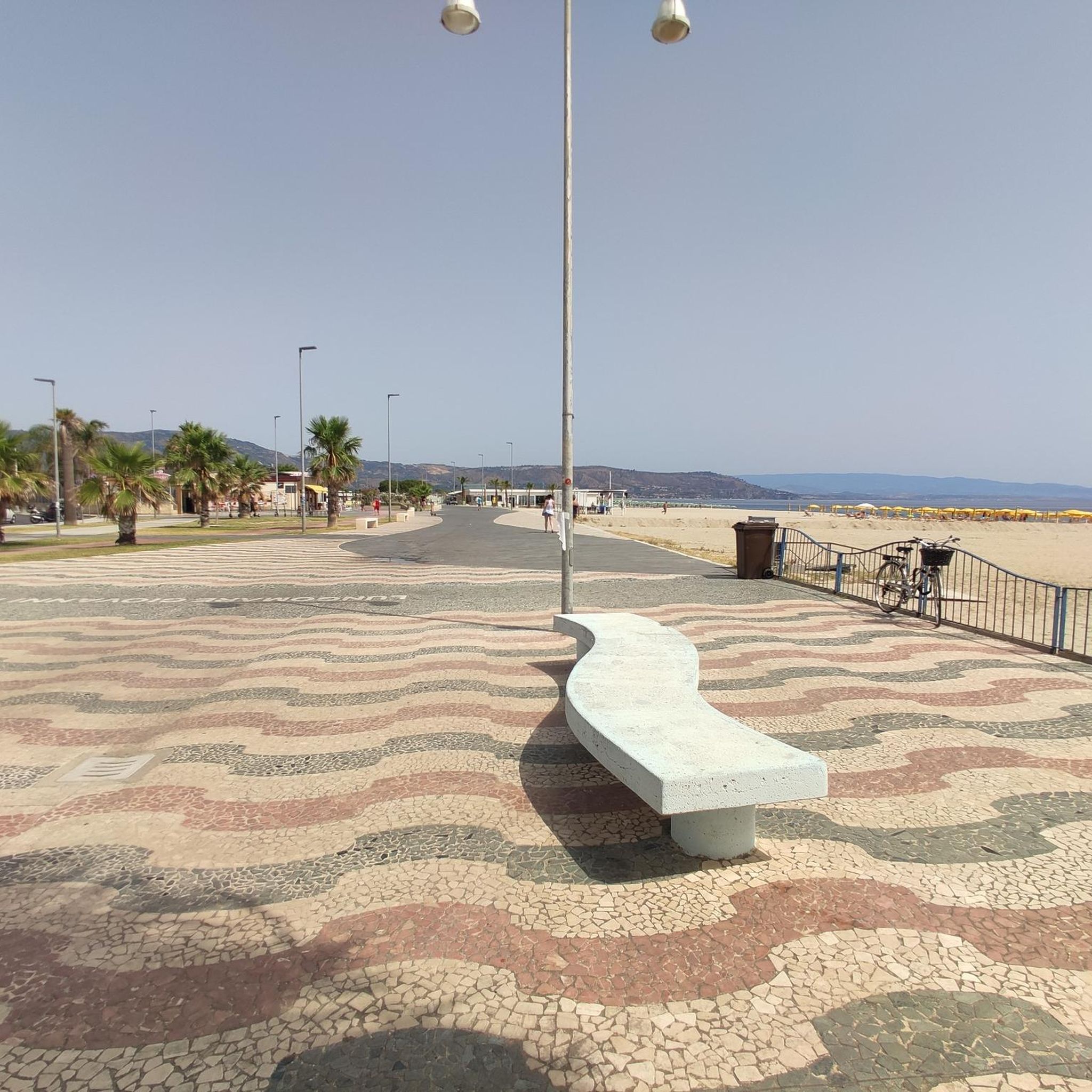
Yes, Soverato has 4 easy touring cycling routes, perfect for beginners or families looking for a relaxed ride. These routes often feature less elevation gain and provide scenic, enjoyable experiences along the coast or through gentle landscapes. The Lungomare Europa also offers a dedicated cycle path for easy, flat rides.
Can I find long-distance touring cycling routes around Soverato?
Absolutely. For those seeking a challenge, Soverato offers several long-distance routes. One such option is the Monte Covello – View of Caminia Beach loop from Montepaone-Montauro, which spans 84 miles (135.2 km) and features significant elevation gain, providing extensive views of the coastline and inland areas.
What is the best time of year for touring cycling in Soverato?
Soverato benefits from a mild climate year-round, making it suitable for touring cycling for much of the year. The mountains protecting the town contribute to this pleasant weather. Spring and autumn generally offer the most comfortable temperatures for longer rides, avoiding the peak heat of summer while still enjoying the beautiful scenery.
Are there circular touring cycling routes in Soverato?
Many of the touring cycling routes around Soverato are designed as loops, allowing you to start and end in the same location. An example is the View of Caminia Beach – Soverato sign loop from Soverato, a moderate 16.3-mile path that offers scenic coastal views and passes by Caminia Beach.
What kind of scenery can I expect on touring cycling routes in Soverato?
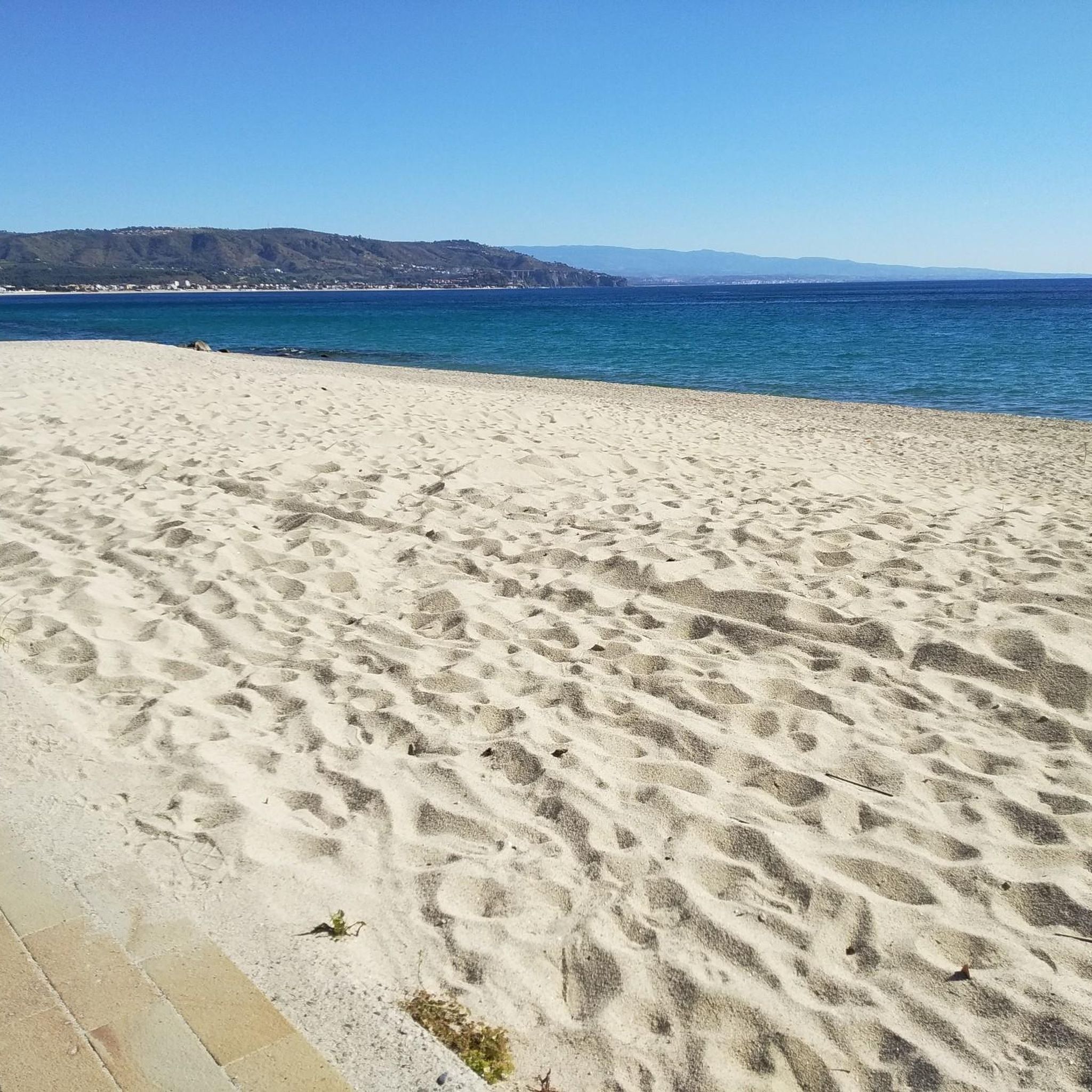
Touring cycling in Soverato offers incredibly diverse scenery. You'll experience picturesque white sandy beaches and clear turquoise waters of the Ionian Sea, rocky coastlines like the Scogliera della Gagliola, and routes through hills such as Soverato Superiore that provide panoramic views. Some routes also extend into the surrounding mountainous areas, offering varied terrain and vistas.
Are there any historical or cultural attractions along the touring cycling routes?
Yes, the region around Soverato is rich in history. While cycling, you might encounter historical sites like the ruins of Soverato Vecchia, the original medieval settlement, or the iconic Charles V's Tower. Nearby, you can also explore the Norman Castle of Squillace or the Church of Santa Maria della Pietà, Squillace, adding a cultural dimension to your ride.
What do other touring cyclists enjoy the most about touring cycling in Soverato?
The touring cycling experience in Soverato is highly rated by the komoot community, with an average score of 4.5 stars from over 40 reviews. Cyclists often praise the diverse terrain, from stunning coastal paths to challenging hilly sections with rewarding panoramic views, and the opportunity to explore both natural beauty and historical sites.
Are there routes that offer views of the famous Baia dell'Ippocampo?
While specific routes may not be named for the Baia dell'Ippocampo, many coastal routes in Soverato will provide views of the crystal-clear waters that are part of this Regional Marine Park. The excellent water quality is known for its seahorse population, making for a beautiful backdrop to your ride.
Can I find routes that take me through charming villages or past local points of interest?
Yes, many routes will lead you through or near charming local spots. For instance, the Soverato sign – Fontana Colella loop from Montepaone-Montauro, a difficult 35.2-mile route, takes you through varied terrain where you can experience the local atmosphere and discover hidden gems. The region also features medieval villages slightly further afield.
Are there options for advanced touring cyclists looking for a challenge?
Absolutely. Soverato is well-suited for advanced touring cyclists, with 30 difficult routes available. These routes often feature significant elevation gains and longer distances, such as the Bike loop from Soverato, a 23.8-mile route with substantial climbing, providing a demanding and rewarding experience.
Most popular attractions around Soverato

Get inspired with the komoot mobile app


Explore more
Browse the best Cycling routes in other regions.
