The best walks and hikes around Castel Volturno
4.2
(73)
320
hikers
20
hikes
Hiking around Castel Volturno offers diverse landscapes, from extensive coastal beaches and pine groves to the rich ecosystems along the Volturno River. The region features volcanic areas, including Lago d'Averno, an extinct crater lake, and nearby hills such as Rocca di Monte Dragonis. These varied terrains provide a range of opportunities for outdoor exploration.
Best hiking trails around Castel Volturno
- The most popular hiking route is Lago d'Averno e Monte Nuovo – loop tour, a 7.2 miles (11.6 km)…
Last updated: June 24, 2026
4.4
(17)
53
hikers
11.6km
03:13
220m
220m
Moderate hike. Good fitness required. Easily-accessible paths. Suitable for all skill levels.
4.7
(3)
20
hikers
13.2km
04:19
610m
610m
Moderate hike. Good fitness required. Easily-accessible paths. Suitable for all skill levels.

Sign up for free
5.0
(2)
8
hikers
7.06km
02:12
290m
290m
Moderate hike. Good fitness required. Easily-accessible paths. Suitable for all skill levels.
10
hikers
5.14km
01:18
10m
10m
Easy hike. Great for any fitness level. Easily-accessible paths. Suitable for all skill levels.
3.4
(5)
7
hikers
Moderate hike. Good fitness required. Easily-accessible paths. Suitable for all skill levels.
Get access to more routes and recommendations from other explorers.
Sign up for free
Already have an account?
Our route recommendations are based on thousands of hikes, rides, and runs completed by other people on komoot.
Start today with a free account
Your next adventure awaits.
Login or Signup
Tips from the Community

The Tower of Lake Patria, usually called Torre di Patria, is a 16th-century coastal tower and part of a vast defensive system in southern Italy. It was built during the Spanish rule of the Kingdom of Naples, primarily under the viceroys in the 16th century. The purpose of these towers was to protect the coast from pirate and Saracen raids, which posed a significant threat to villages, trade, and fishing at that time. The tower is strategically located between Lake Patria and the sea. From here, watchmen could monitor the open sea and the coastline. In case of alarm, smoke or fire signals were relayed from tower to tower—an early warning system that allowed for the rapid organization of military assistance or the evacuation of the population. Architecturally, the Torre di Patria is typical of the period: a massive, square structure with thick walls, few openings, and a raised platform. It was intended less as a residence and more as a purely military and observation post. With the decline of piracy, the tower lost its military significance from the 18th century onward. Today, it is primarily a historical landmark of the region, a reminder of an era when the Campanian coast was under considerable threat. Together with Lake Patria and the ruins of Liternum, it forms a vivid ensemble that combines Roman antiquity, medieval and early modern defenses, and landscape history.
0
0
Liternum gained particular fame as the last residence of the Roman general Publius Cornelius Scipio Africanus, victor over Hannibal in the Second Punic War. Scipio withdrew here into political exile and died in Liternum around 183 BC. His tomb is believed to have been located nearby, which gave the town great symbolic significance.
0
0
Liternium (Liternum) was a Roman colony in Campania, near the modern-day coast north of Naples and not far from present-day Lake Patria. It was founded by the Romans in 194 BC, after the area had previously been inhabited by the Samnites and other Italic peoples. Strategically, Liternum was situated on the Via Domitiana, an important coastal road connecting Rome with southern Italy. Liternum gained particular renown as the final residence of the Roman general Publius Cornelius Scipio Africanus, victor over Hannibal in the Second Punic War. Scipio withdrew here into political exile and died in Liternum around 183 BC. His tomb is believed to have been located nearby, which gave the town great symbolic significance. Economically, Liternum thrived primarily on agriculture, fishing, and trade, facilitated by the fertile soil and its proximity to lagoons and the sea. During the Imperial period, the city boasted typical Roman structures such as a forum, basilica, baths, and an amphitheater. From late antiquity onward, Liternum increasingly declined. Floods, the spread of marshland and malaria, as well as the collapse of the Roman administrative structures, led to the city's abandonment. In the early Middle Ages, Liternum was largely deserted and submerged under sediment and vegetation. Today, the remains of Liternum form an archaeological site near Giugliano in Campania. Excavations provide insights into the city's structure and underscore Liternum's historical significance as a link between Roman history and the landscape surrounding Lake Patria.
1
0

A stretch of the Appian Way and some Roman remains are visible
1
0

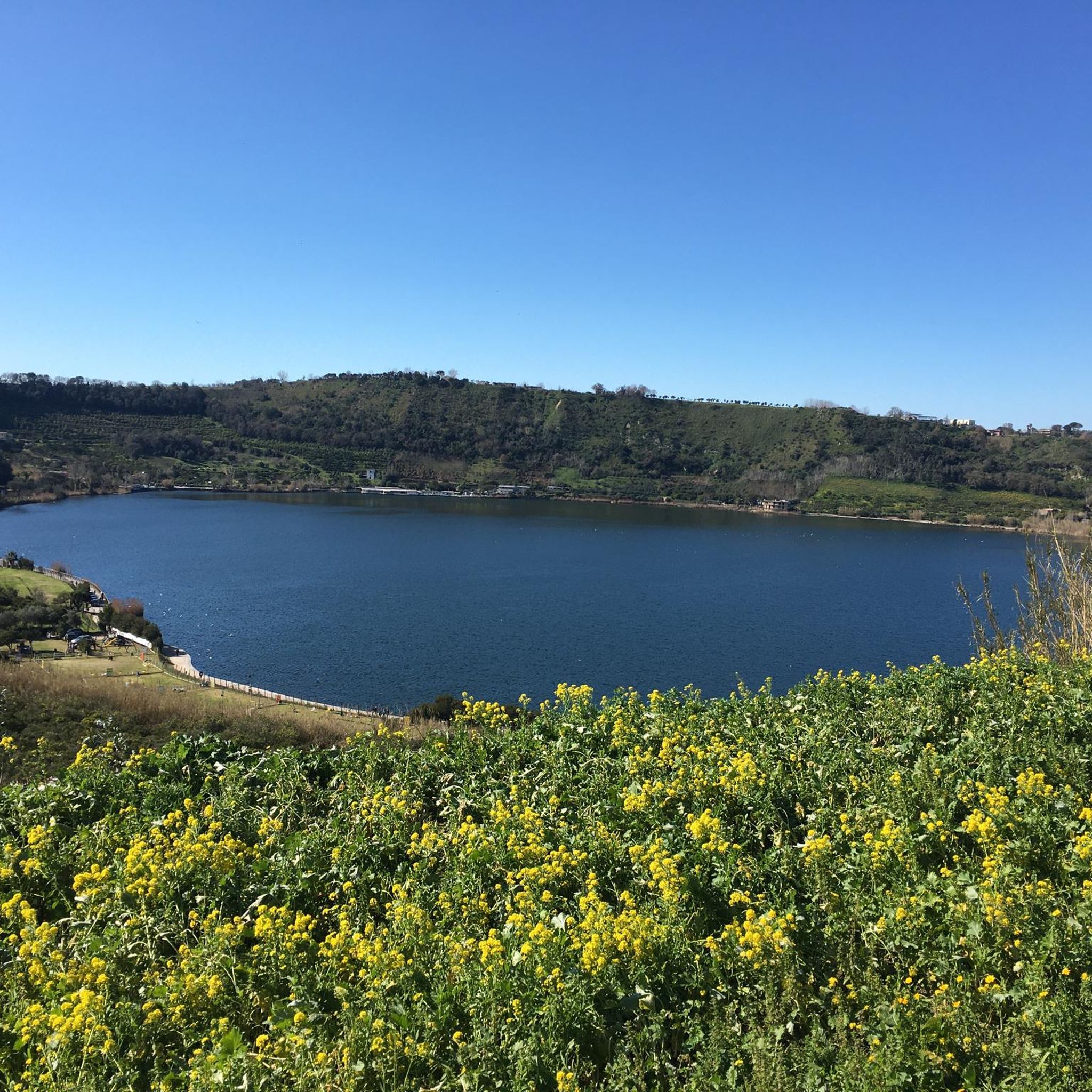
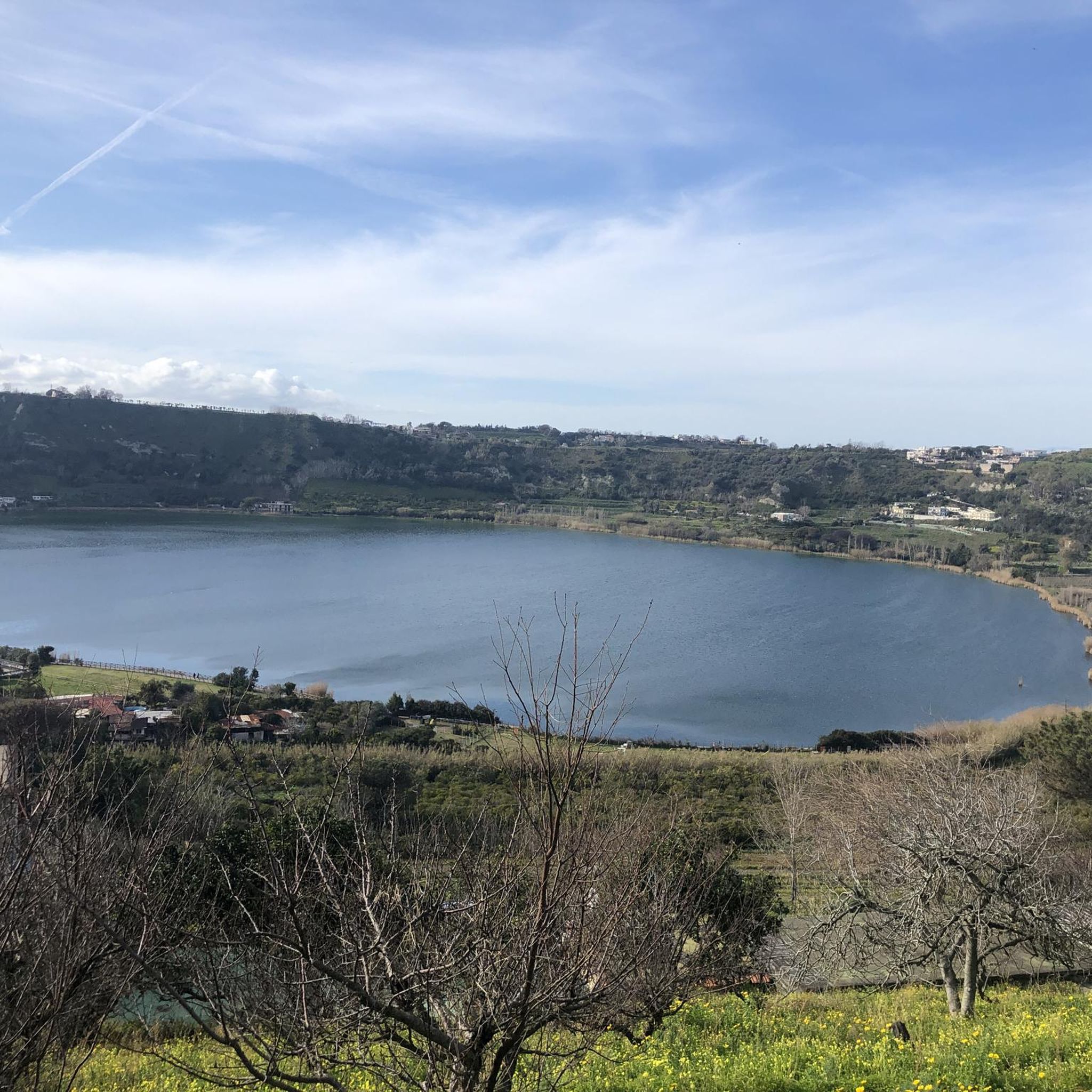
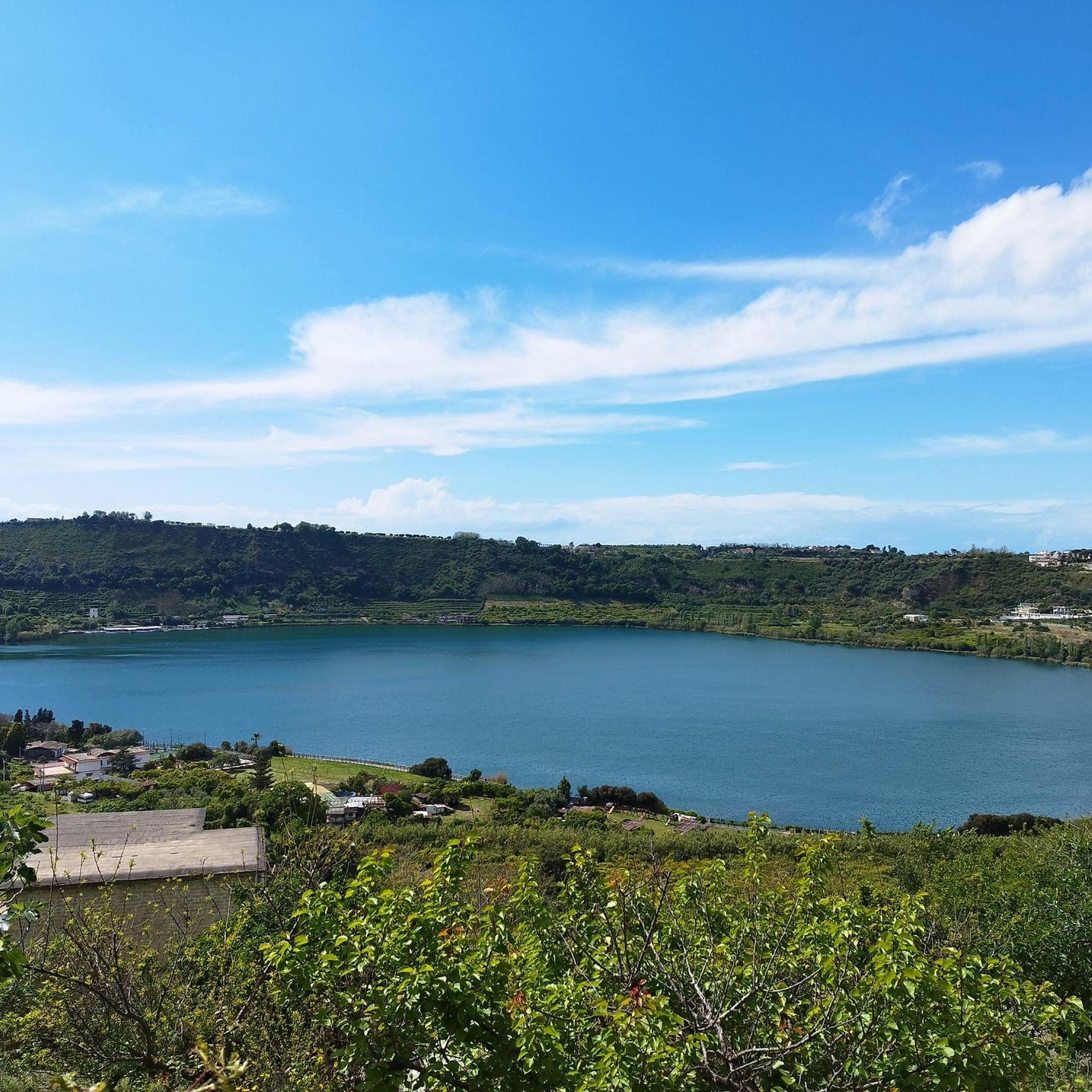
I recommend parking the car in the space outside the Monte Nuovo oasis, crossing the oasis and then going down towards Lake Averno, along this lake there are farmhouses and restaurants
1
0

A walk among nature and wild animals, between dirt roads and cobblestone pavements, not to be missed in any season.
1
0
There is a well-preserved stretch of Appia Antica. The park is not very large and is located in front of the cemetery of Mondragone. The archaeological site is not always open.
0
0

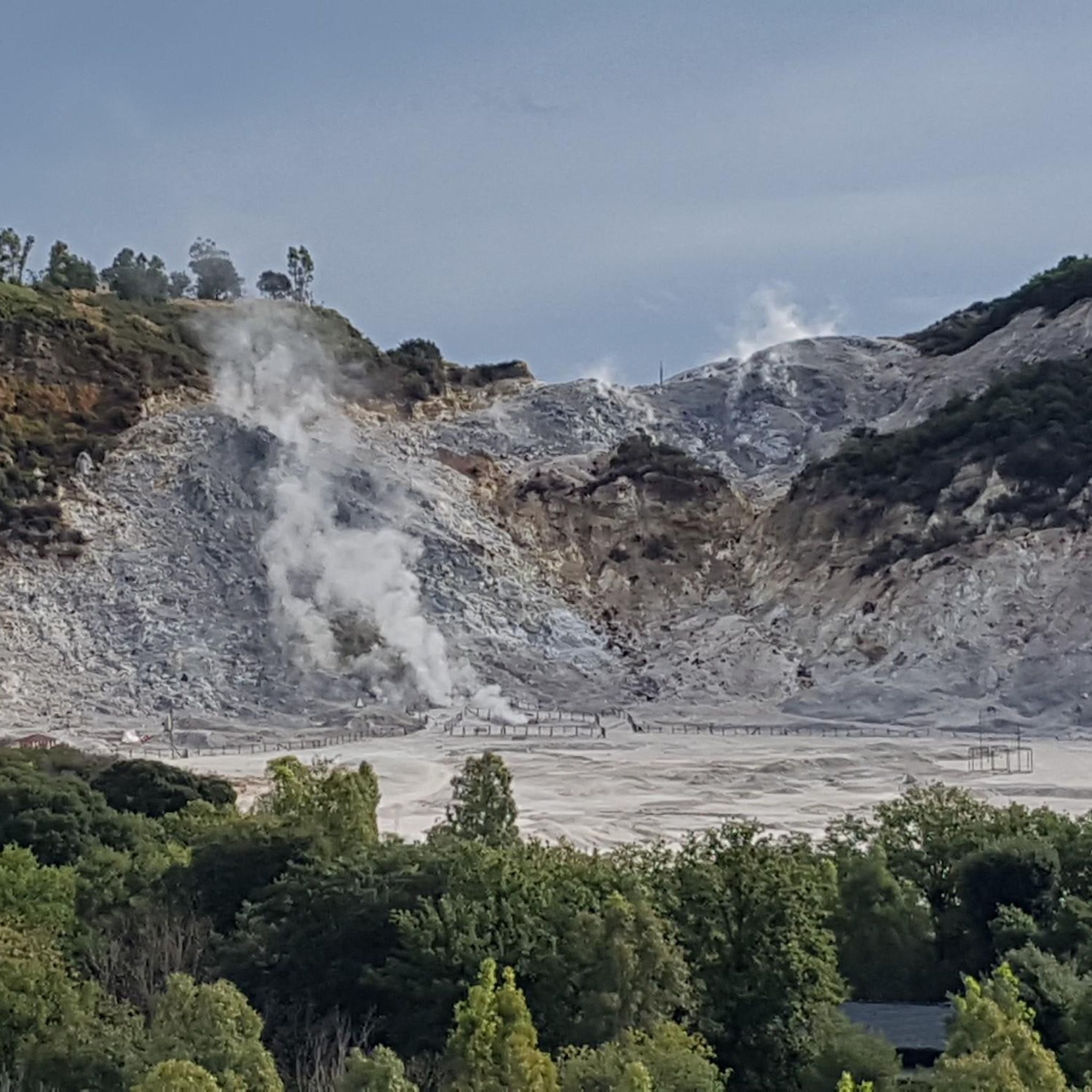
Beautiful volcanic lake with a very simple and comfortable circular tour, during which it is possible to admire local fauna and flora. I recommend it together with the circular tour of Monte Nuovo to have a view of the volcanic panorama of the Campi Flegrei area.
1
0
Frequently Asked Questions
How many hiking trails are available around Castel Volturno?
There are over 15 hiking trails around Castel Volturno, offering a diverse range of experiences. These include easy lakeside strolls, moderate loops combining volcanic features, and more challenging climbs in hilly terrain.
What kind of terrain can I expect on hikes in Castel Volturno?
The region offers a highly diverse landscape. You can expect to find extensive coastal beaches and pine groves, rich ecosystems along the Volturno River, volcanic areas around Lake Avernus, and hilly terrain such as Rocca di Monte Dragonis. This variety provides options from flat, easy walks to more strenuous ascents.
Are there easy hiking trails suitable for beginners or casual walkers?
Yes, Castel Volturno offers several easy trails. A popular choice is the Lago d'Averno – loop tour, an easy 1.8-mile (2.9 km) path that provides a comfortable circular walk around the volcanic lake, suitable for all skill levels.
Are there more challenging hikes for experienced trekkers?
For those seeking a challenge, the area around Rocca di Monte Dragonis offers steeper climbs with rewarding views. Routes like the Monastery of Saint Anna – Rocca di Monte Dragonis loop from chiesetta del Belvedere involve significant elevation gain and are considered moderate to difficult, requiring good fitness.
Can I find circular hiking routes in the area?
Yes, many of the trails around Castel Volturno are circular. Examples include the easy Lago d'Averno – loop tour and the more challenging Lago d'Averno e Monte Nuovo – loop tour, both offering complete loops around scenic areas.
What natural attractions can I see along the hiking trails?
Hikers can explore various natural attractions. The volcanic Lake Avernus is a prominent feature, and you can also discover Lake Lucrino and the Mouth of the Volturno, which is part of a rich riverine ecosystem. The region is also known for its pine groves and diverse birdlife, especially along the Volturno River.
Are there any historical sites or landmarks to explore while hiking?
While hiking, you can encounter historical elements such as the Frigidarium of the Lake Avernus Thermal Baths. The broader region also features stretches of the ancient Appia Antica and Roman remains, offering a historical dimension to your walks.
What do other hikers say about the trails in Castel Volturno?
The routes in Castel Volturno are highly rated by the komoot community, with an average score of 4.4 stars from over 50 reviews. Hikers often praise the diverse landscapes, from the tranquil volcanic lakes to the scenic coastal and riverine paths.
Are the hiking trails in Castel Volturno suitable for families?
Yes, many trails are suitable for families, especially the easier routes. The Lago d'Averno – loop tour is a great option for families due to its gentle terrain and scenic views, making it enjoyable for all ages.
Is public transport available to reach trailheads?
While specific public transport details for every trailhead are not readily available, the region is generally accessible. For routes around Lago d'Averno, it's advisable to check local bus schedules or consider driving, as parking is often available near popular starting points.
Are there any nature reserves or protected areas to hike through?
Yes, Castel Volturno is home to several nature reserves. These include the Oasi dei Variconi, Riserva naturale Foce Volturno - Costa di Licola, and Laghi Nabi. These areas offer excellent opportunities for nature walks and birdwatching, particularly along the Volturno River.
What is the best time of year to go hiking in Castel Volturno?
The best time to hike in Castel Volturno is typically during the spring (April to June) and autumn (September to October) when the weather is mild and pleasant. Summers can be quite hot, especially along the coast, while winters are generally mild but can be rainy.
Most popular attractions around Castel Volturno

Get inspired with the komoot mobile app


Explore more
Browse the best Hikes in other regions.
