Attractions and Places To See around Torre Del Greco - Top 20
Best attractions and places to see around Torre Del Greco offers a blend of historical, cultural, and natural landmarks viewpoints. Located at the southwestern foot of Mount Vesuvius and along the Bay of Naples, the area is known for its maritime traditions and proximity to significant archaeological sites. The town has a rich heritage in coral and cameo craftsmanship, reflecting centuries of artistry. Visitors can explore ancient Roman remains, volcanic landscapes, and a vibrant coastline, making it one of the…
Last updated: October 9, 2026
Pompeii Forum
Highlight • Historical Site
Tip by

Pompeii Excavations
Highlight • Historical Site
Translated by Google •
Tip by

Sign up now to discover places like this
Get recommendations on the best single tracks, peaks, & plenty of other exciting outdoor places.
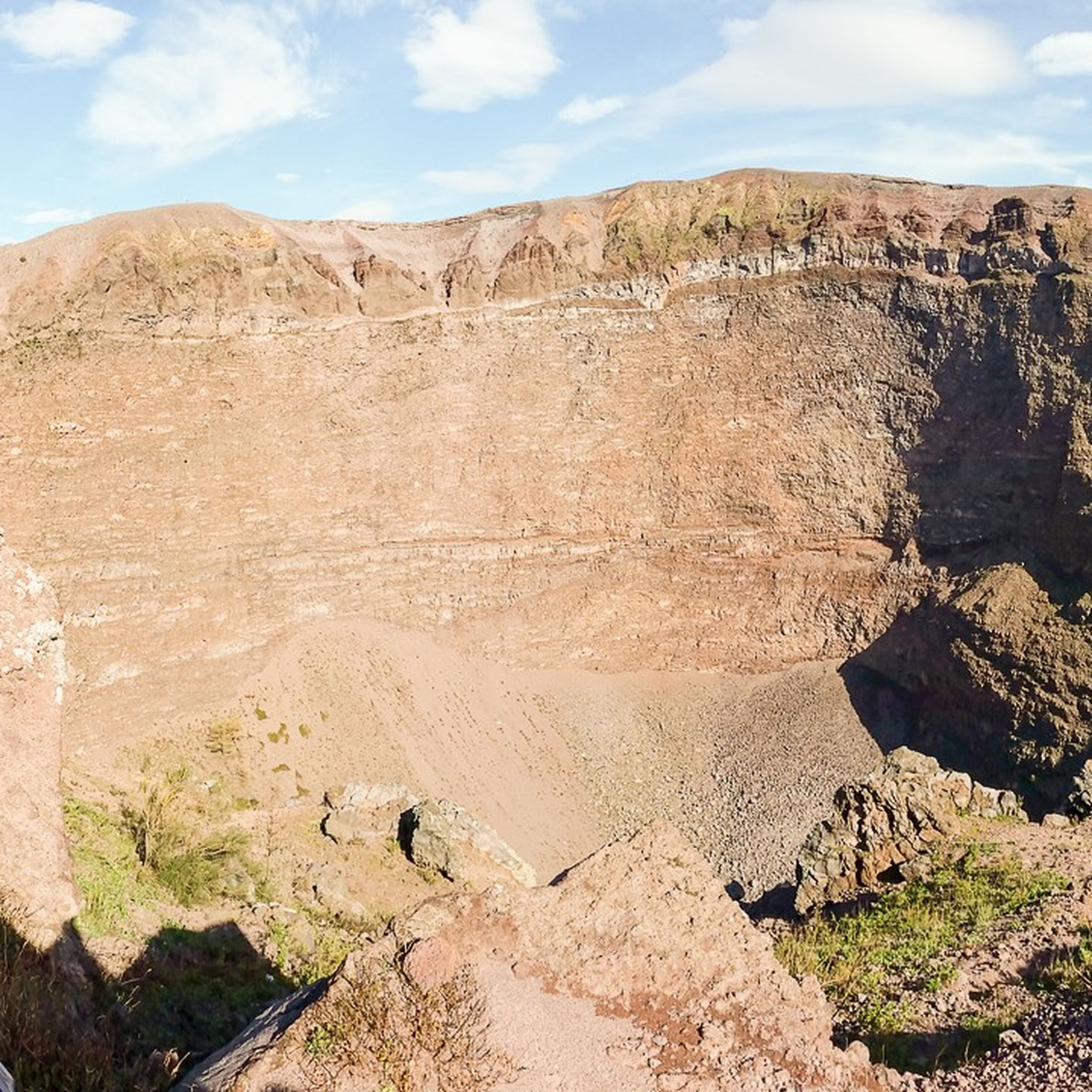
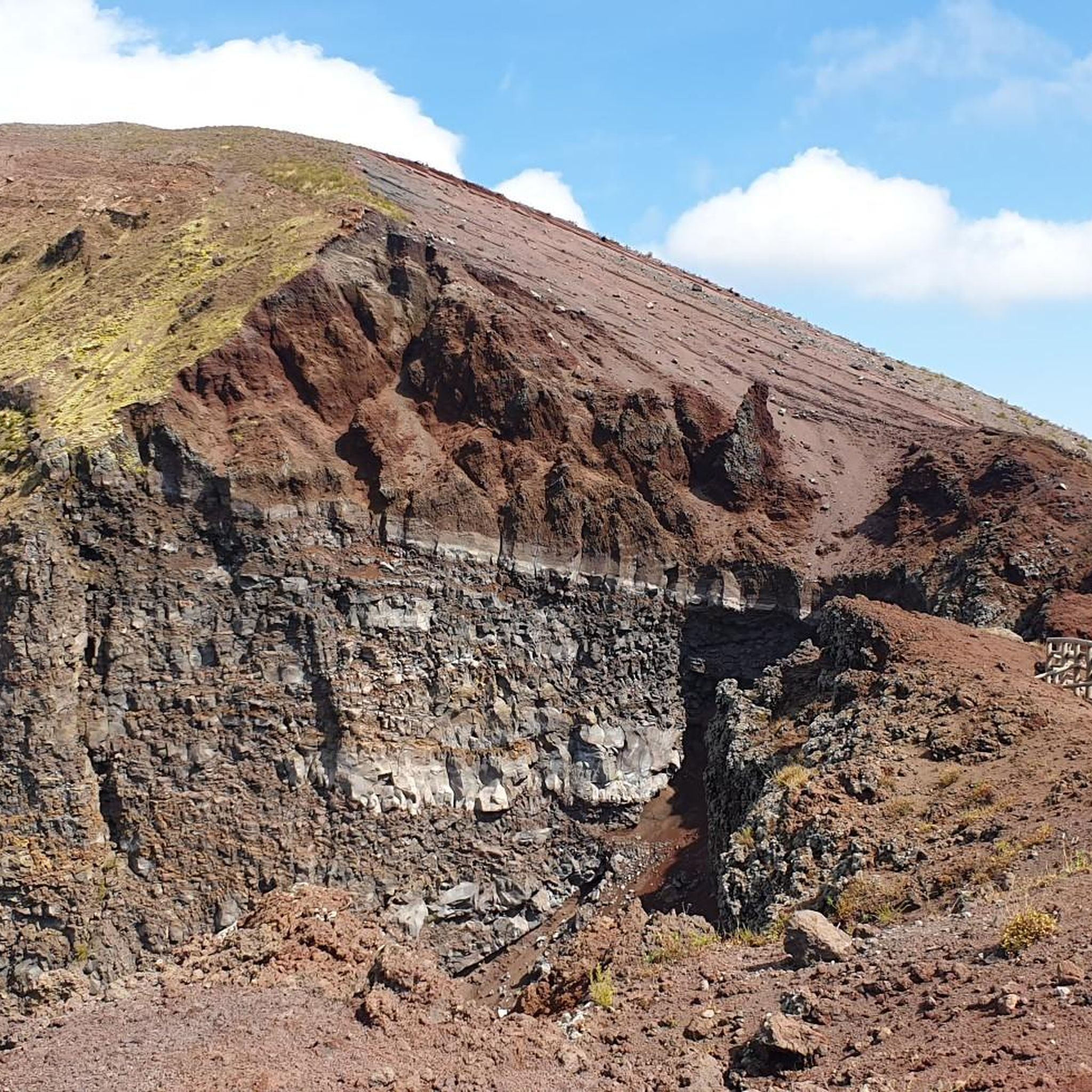
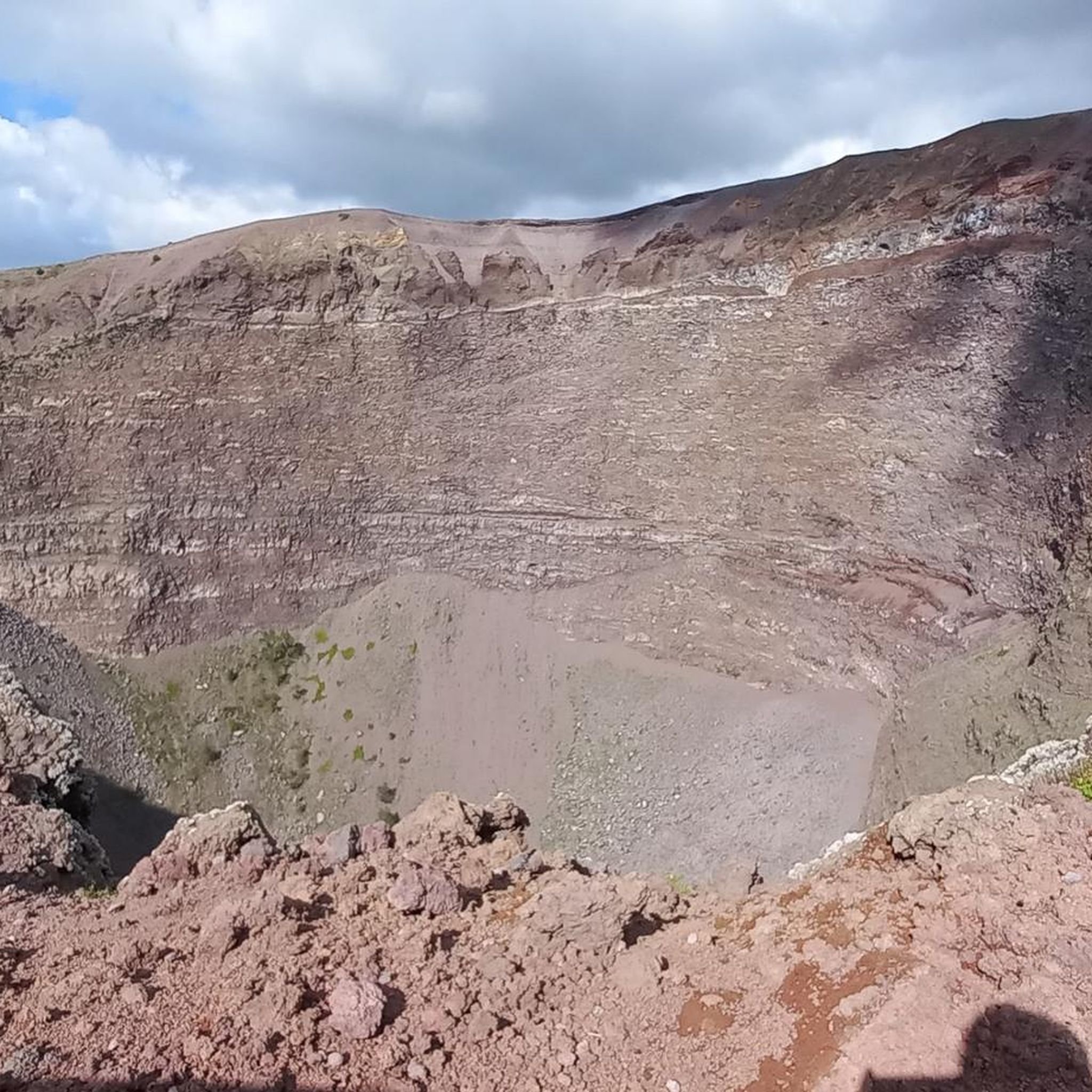
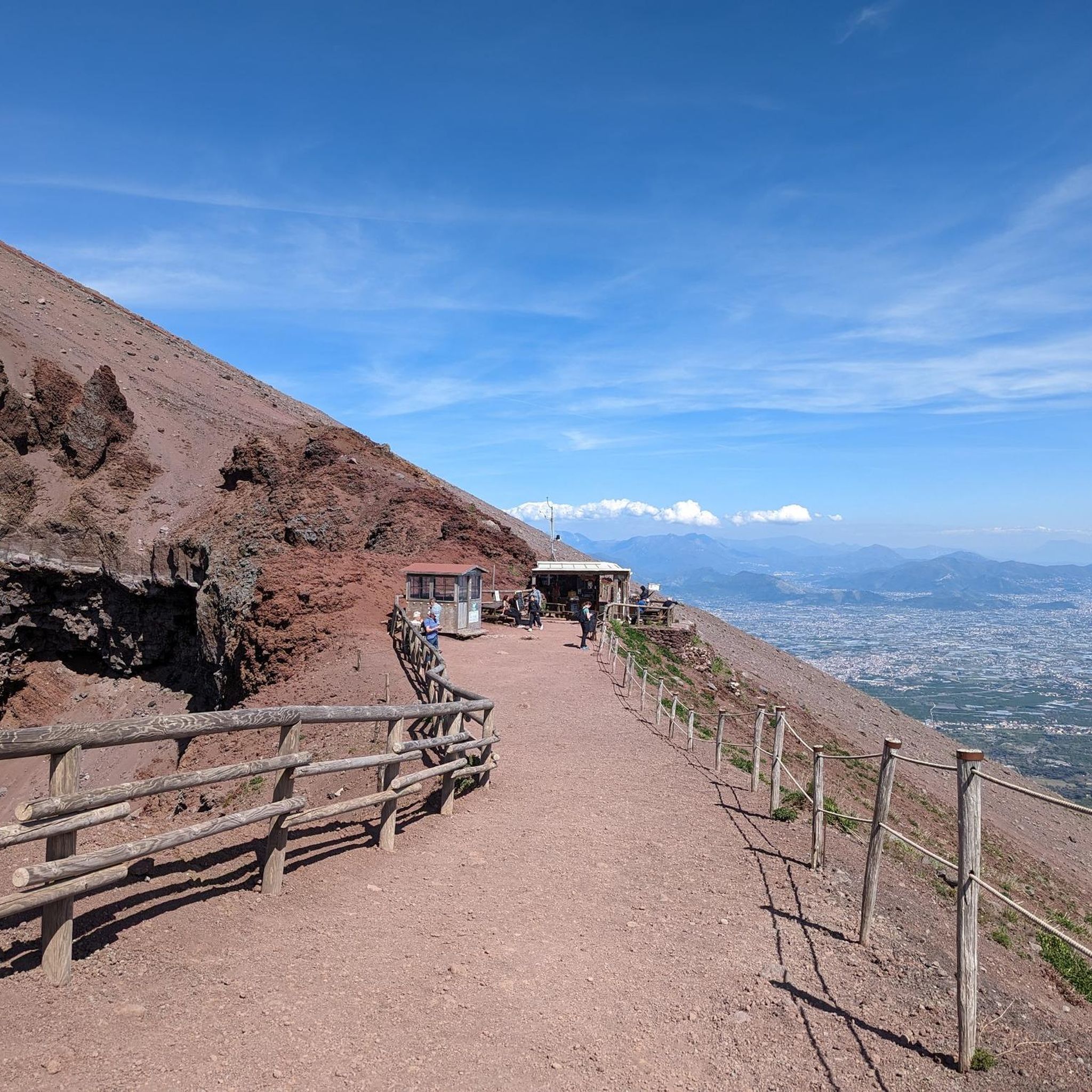
Crater of Mount Vesuvius
Highlight • Volcano
Translated by Google •
Tip by

Castel dell'Ovo (Egg Castle)
Highlight • Castle
Translated by Google •
Tip by

Temple of Apollo
Highlight • Religious Site
Translated by Google •
Tip by
Sign up for free to discover even more attractions around Torre Del Greco.
Already have an account?
Start today with a free account
Your next adventure awaits.

Tips from the Community

Unbelievable how all this is preserved.
0
0

A tourist magnet but also really worth it. The museum and the tour are very exciting and I would definitely recommend it. It feels like a journey back in time to the lives of people in the past.
1
0
The museum and the tour are very exciting and I would definitely recommend it. It feels like a journey back in time to the lives of people from the past.
1
1


I definitely recommend taking a guided tour.
10
0
Frequently Asked Questions
What natural features can I explore around Torre del Greco?
Torre del Greco is situated at the foot of Mount Vesuvius, offering unique natural exploration. You can hike to the Crater of Mount Vesuvius, which is still active and provides breathtaking panoramic views of the entire Gulf of Naples. The coastline itself also features visible lava flows from past eruptions, particularly around the harbor and old town.
What historical and cultural sites are prominent in Torre del Greco?
The region boasts a rich history. You can visit the Pompeii Forum, a significant archaeological site offering insight into ancient Roman life. Other notable historical sites include the Temple of Jupiter, Pompeii, and the Large Theatre of Pompeii. Within Torre del Greco, the Basilica di Santa Croce and the historic Villa delle Ginestre, where Giacomo Leopardi once stayed, are key cultural landmarks. The city is also renowned for its coral and cameo craftsmanship, showcased at the Museum of Coral.
Are there family-friendly attractions around Torre del Greco?
Yes, several attractions are suitable for families. The archaeological sites like Pompeii Forum offer an engaging historical experience for all ages. Additionally, the Castel dell'Ovo (Egg Castle) in nearby Naples is a historical site with a fascinating legend. For more active family fun, the Valle dell'Orso Aqua Park is a nearby option.
What outdoor activities can I do near these attractions?
The area around Torre del Greco offers various outdoor activities, especially cycling. You can find numerous routes for road cycling, gravel biking, and touring. For example, explore 'Road Cycling Routes around Torre Del Greco' including a 'View of the Gulf of Naples loop' or 'Cycling around Torre Del Greco' with the 'Vesuvius National Park Loop'. You can find detailed routes and guides at Road Cycling Routes around Torre Del Greco, Gravel biking around Torre Del Greco, and Cycling around Torre Del Greco.
How long does it take to visit Mount Vesuvius from Torre del Greco?
Torre del Greco is located at the southwestern foot of Mount Vesuvius, making it an ideal starting point. The drive up the mountain can take around 30-45 minutes, depending on traffic. The hike to the Crater of Mount Vesuvius itself typically takes about 1-1.5 hours round trip from the parking area, allowing for time to enjoy the views. Plan for a half-day excursion in total.
What is Torre del Greco known for culturally?
Torre del Greco has a deep-rooted tradition in coral and cameo craftsmanship, dating back to the 17th century. This rich heritage is celebrated at the Museum of Coral, which showcases centuries of artistry. The city's religious architecture, such as the Basilica di Santa Croce, also reflects its cultural identity.
What do visitors particularly enjoy about the attractions around Torre del Greco?
Visitors frequently highlight the impressive and mystical experience of hiking to the Crater of Mount Vesuvius, noting the breathtaking views. The archaeological sites like Pompeii Forum are praised for offering a profound insight into ancient Roman history and life, often described as a 'hike through a catastrophe' that leaves a deep, lasting memory.
How can I get to nearby archaeological sites like Pompeii or Herculaneum from Torre del Greco?
Torre del Greco's strategic location makes it easy to access these world-famous UNESCO World Heritage sites. Both Pompeii and Herculaneum are within easy reach by public transport, typically via the Circumvesuviana train line, which connects Naples to Sorrento and stops at both archaeological parks.
Are there any Roman archaeological remains within Torre del Greco itself?
Yes, Torre del Greco was likely a suburb of Herculaneum in Roman times. Archaeological evidence points to numerous patrician villas along its coast. Notably, the excavated remains of Villa Sora, a large and luxurious residence from the 1st century AD with terraces leading down to the beach, can still be seen today.
What are some good day trips from Torre del Greco?
Beyond the immediate area, Torre del Greco serves as an excellent base for day trips. The vibrant city of Naples, with its historical sites, shopping, and nightlife, is easily accessible. The stunning Amalfi Coast, known for its picturesque towns and dramatic scenery, is also within easy reach for a memorable excursion.
What is the best time to visit Torre del Greco and its attractions?
The spring (April-May) and autumn (September-October) months are generally considered the best times to visit. The weather is pleasant for exploring archaeological sites and hiking Mount Vesuvius, avoiding the intense heat of summer and the cooler, wetter winter months. These periods also tend to be less crowded than peak summer.
Most popular routes around Torre Del Greco
Most popular attractions around Torre Del Greco

Get inspired with the komoot mobile app


Explore more
Still not found the Highlight you’re looking for? See guides of the top attractions in other regions:
