Attractions and Places To See around Fossò - Top 20
Best attractions and places to see around Fossò, a town in the fertile plain of the Riviera del Brenta, offers a blend of local historical sites and convenient access to a wealth of attractions in its surrounding area. Situated in the Metropolitan City of Venice, Italy, Fossò serves as a base for exploring the wider Veneto region. The area features significant waterways, historical villas, and natural reserves.
Best attractions and places to see around Fossò
- The most popular attractions is…
Last updated: October 9, 2026
Villa Pisani
Highlight • Castle
Translated by Google •
Tip by

Villa Giovannelli Colonna
Highlight • Historical Site
Translated by Google •
Tip by

Sign up now to discover places like this
Get recommendations on the best single tracks, peaks, & plenty of other exciting outdoor places.
Tergola Riverbank Trail
Highlight (Segment) • Cycleway
Translated by Google •
Tip by

Mira
Highlight • Settlement
Showing Translation
Tip by

Dolo town center
Highlight • Settlement
Translated by Google •
Tip by

Sign up for free to discover even more attractions around Fossò.
Already have an account?
Start today with a free account
Your next adventure awaits.
Tips from the Community

The first night ride is unforgettable... wow!!!
0
0

Mira is a municipality in the metropolitan city of Venice located along the Riviera del Brenta, a territory historically famous as a holiday resort for the Venetian nobility. The inseparable bond with water characterizes the entire urban landscape, crossed by the Naviglio del Brenta and embellished by extraordinary patrician villas. Among these stands out the famous Villa Foscari, known as "La Malcontenta", an architectural masterpiece designed by Andrea Palladio and included in the UNESCO World Heritage. In addition to its extraordinary historical-artistic richness, Mira boasts significant economic importance due to its historic chemical and industrial center, which developed in the twentieth century close to Porto Marghera. Today the town combines the memory of the villa civilization, its strategic proximity to the Venetian lagoon, and a vibrant productive reality, configuring itself as a crucial cultural and economic hub of the territory.
2
0
The historic center of Dolo is a gem of the Brenta Riviera, a place where water and history merge in a typically Venetian atmosphere. The beating heart of the town is the ancient monumental Squero from the 16th century, once a shipyard for the repair of boats that sailed up the canal, and the nearby Molini, today evocative venues overlooking the river. Strolling along the banks of Isola della Conca, you can breathe in the charm of yesteryear, with the Vincian locks that regulated the flow of water and the imposing bell tower of the Church of San Rocco dominating the panorama. The center unfolds through elegant historic palaces, small bridges, and lively squares that host markets and historic cafes, making Dolo a perfect and dynamic meeting point between the glorious past of the Serenissima and modern daily life.
0
0

Dolo is a delightful town in the province of Venice along the Brenta. A characteristic village for the presence of an old water mill (immortalized by Canaletto), the Squero and the Da Vinci locks. The bell tower of the Church of San Rocco is beautiful and visible, reminiscent of the bell tower of San Marco in Venice, the second in height. An ideal place also for a fish meal.
1
0

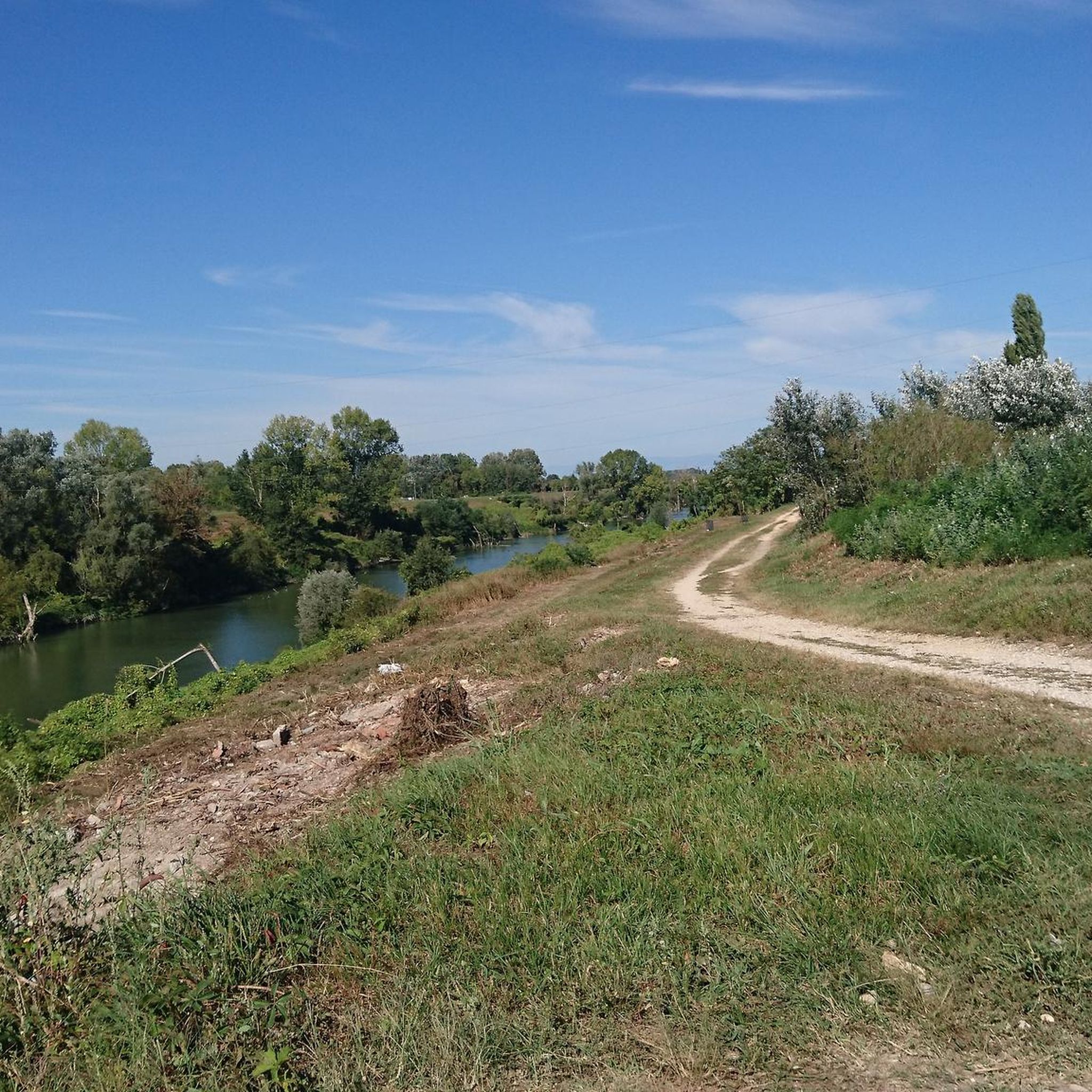
Tergolandia takes its name from the Tergola river that flows near it. It is a beautiful embankment that can be explored on foot or by bicycle, with very beautiful and fun works for adults and children. Along the way you can also stop to rest. If you reach the place by car I recommend parking in the area in front of the church of Bronzola. There are no refreshment points, you bring your own snacks, taking care not to leave rubbish in the area. N.B: I didn't post all the photos, so that you would be curious to go for a walk.
2
3

Villa Pisani is a magnificent villa located in the Veneto region, near the town of Stra. This architectural masterpiece is renowned for its grandeur, stunning gardens, and historical significance. Originally built in the 18th century for the powerful Pisani family, the villa has served various purposes over the years. Key features of Villa Pisani include its opulent interiors adorned with frescoes and artworks, expansive parklands featuring intricate mazes and statues, and a captivating view of the Brenta River. The villa has hosted notable figures throughout history, including Napoleon Bonaparte, who held a summit with other European leaders here in 1807. Visitors to Villa Pisani can explore its lavishly decorated rooms, stroll through the meticulously landscaped gardens, and immerse themselves in the rich history that this architectural gem embodies. The villa stands as a testament to the grandeur of Italian art and culture.
4
0

... and all of a sudden this big system is there.' Nice to look at.
5
1

Villa Giovannelli Colonna is a rural palace in Noventa Padovana in the Veneto region near Padua, northern Italy, once famous for its sumptuous decorations. The villa was commissioned by the Giovanelli family to the architect Antonio Gaspari at the end of the 17th century. In 1738, on the occasion of Maria Amalia of Saxony, the daughter of the Polish King August II the Strong visited the villa, which was associated with King Charles of Naples and Sicily, the future Charles III. From Spain, Andrea Giovanelli and his brother Benedetto were married, decorated the facade of the villa with the festive portico and a precious entrance staircase by Giorgio Massari. On the balustrades are six allegorical statues representing the five senses: the Belvedere (sight/man), Il Odorato (smell/man), Il Tatto (touch/woman), L'Udire (hearing/woman), Il Gusto (Taste/Female) who are observed by La Ragione (top right). They were executed by Antonio Tarsia, Antonio Gai and the brothers Paolo and Giuseppe Groppelli.
5
1
Frequently Asked Questions
What historical villas can I visit near Fossò?
The region around Fossò is rich in historical villas. You can explore Villa Pisani, Stra, often called the 'queen of Venetian villas,' which now functions as a national museum with extensive gardens and a famous boxwood maze. Another notable site is Villa Giovannelli Colonna, known for its elaborate decorations and grand entrance staircase featuring allegorical statues.
Where can I experience nature and wildlife near Fossò?
For nature and wildlife, consider visiting the Tergola Riverbank Trail, which offers a pleasant environment for walking and cycling along the Tergola embankment. Further afield, the Oasi della Cave in Noale is a naturalistic area managed by WWF, home to diverse flora and fauna, especially birdlife. The Riserva Naturale Valle Averto, a 200-hectare WWF reserve, also boasts a rich variety of species, including numerous waterbirds.
Are there good cycling paths around Fossò?
Yes, the area offers several cycling opportunities. The Tergola Riverbank Trail is a popular cycle way. For more extensive routes, you can find various cycling and gravel biking tours. For example, there are routes like the 'Brenta River in Vigonovo – Camin Bridge over the Piovego loop' or the 'Cycle Path on the Serraglio Canal'. You can explore more options on the Cycling around Fossò and Gravel biking around Fossò guide pages.
What outdoor activities can I do near Fossò?
Beyond cycling, you can enjoy walking and running. The Tergola Riverbank Trail is excellent for a leisurely stroll. For more active pursuits, there are numerous running trails, such as the 'Cyclists' osteria – Linda's Salted Cod Tavern loop' or 'Camin Bridge over the Piovego loop'. Discover more routes on the Running Trails around Fossò guide page.
Are there family-friendly attractions around Fossò?
Many attractions in the area are suitable for families. Villa Pisani, Stra, with its extensive gardens and famous boxwood maze, is a great option. The Tergola Riverbank Trail features engaging installations for both adults and children. Additionally, Villa Giovannelli Colonna and Forte Poerio are also considered family-friendly.
What is the best time to visit Fossò and its surrounding attractions?
The best time to visit Fossò and its surrounding attractions is generally during the spring (April to June) and early autumn (September to October). During these months, the weather is pleasant for outdoor activities like cycling and walking, and for exploring the villas and natural reserves without the intense heat of summer.
What significant historical waterways can I see near Fossò?
Near Fossò, you can visit the Confluence of the Brenta River, Piovego Canal, and Naviglio del Brenta in Stra. This historical intersection is crucial for hydraulic control and navigation, featuring locks like the Porte Vinciane, and plays a role in protecting the Venetian lagoon. It's a fascinating spot to observe the region's water management history.
What cultural sites or museums are worth visiting near Fossò?
While Fossò itself offers local historical churches, the proximity to Venice provides access to world-class cultural institutions. You can visit the Museo Diocesano di Arte Sacra, located in a former Benedictine Monastery, which houses art from Venetian churches. The Gallerie dell'Accademia showcases a significant collection of Venetian paintings, and the Museo Marciano explores the heritage of St. Mark's Basilica.
Is there a historical fort to explore near Fossò?
Yes, you can explore Forte Poerio in Mira. This fort was part of the Campo Trincerato di Mestre, a defensive project for Venice. Built in the early 20th century, it features a unique structure with stylized geometric lines and was originally surrounded by a rectangular moat. It's a site of historical interest, though it was never involved in war events.
What do visitors enjoy most about the attractions near Fossò?
Visitors particularly enjoy the blend of historical grandeur and natural beauty. The villas, like Villa Pisani, are appreciated for their architecture and extensive parks. Outdoor enthusiasts love the pleasant gravel tours and scenic views along the Tergola Riverbank Trail. The historical significance of sites like Villa Giovannelli Colonna and the unique engineering of the Confluence of the Brenta River also receive positive feedback.
What is the local history of Fossò itself?
Fossò has a local history centered around its churches. The town is home to both an old and a new church, both dedicated to St. Bartholomew, standing opposite each other on the main square. The original chapel dates back to at least 1130, with subsequent churches built in 1761 and 1957, reflecting the town's growth and enduring local traditions.

Get inspired with the komoot mobile app


Explore more
Still not found the Highlight you’re looking for? See guides of the top attractions in other regions:
