The best walks and hikes around Melzo
4.4
(405)
3,816
hikers
235
hikes
Hiking around Melzo offers opportunities to explore the flat, agricultural landscape and local waterways. The terrain is characterized by minimal elevation changes, making for generally accessible walking experiences. Routes often follow paths through rural areas, connecting small towns and natural features like the Muzza river. The region provides a network of trails suitable for leisurely walks and longer excursions across open countryside.
Best hiking trails around Melzo
- The most popular hiking route is Washhouse loop from Melzo, a 5.3…
Last updated: June 28, 2026
22
hikers
8.59km
02:10
10m
10m
Moderate hike. Good fitness required. Easily-accessible paths. Suitable for all skill levels.
4.0
(3)
9
hikers
Easy hike. Great for any fitness level. Easily-accessible paths. Suitable for all skill levels.

Sign up for free
4.5
(2)
18
hikers
15.4km
03:53
30m
30m
Moderate hike. Good fitness required. Easily-accessible paths. Suitable for all skill levels.
11
hikers
7.76km
01:58
20m
20m
Easy hike. Great for any fitness level. Easily-accessible paths. Suitable for all skill levels.
10
hikers
10.5km
02:39
20m
20m
Moderate hike. Good fitness required. Easily-accessible paths. Suitable for all skill levels.
Get access to more routes and recommendations from other explorers.
Sign up for free
Already have an account?
Our route recommendations are based on thousands of hikes, rides, and runs completed by other people on komoot.
Start today with a free account
Your next adventure awaits.
Login or Signup
Tips from the Community

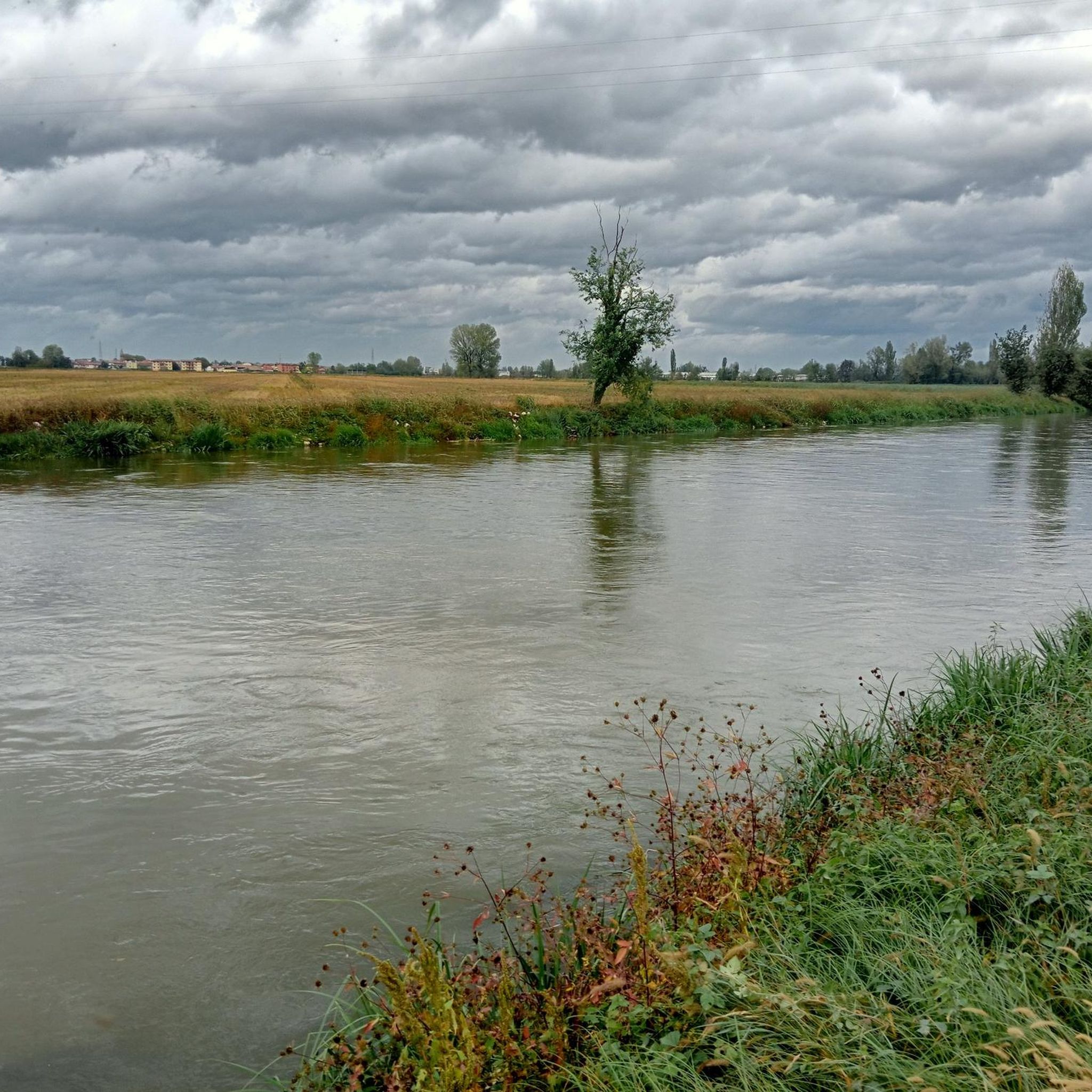
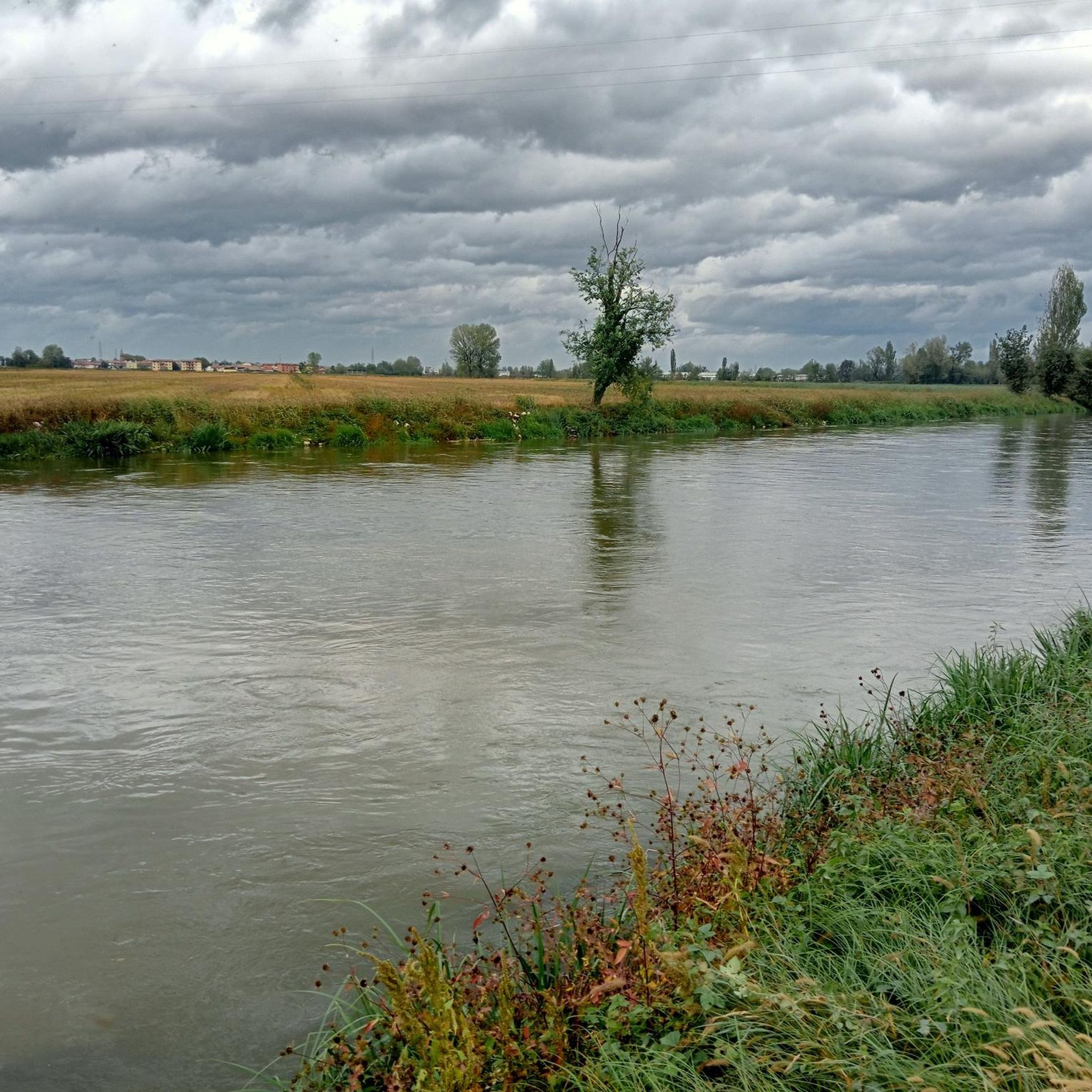
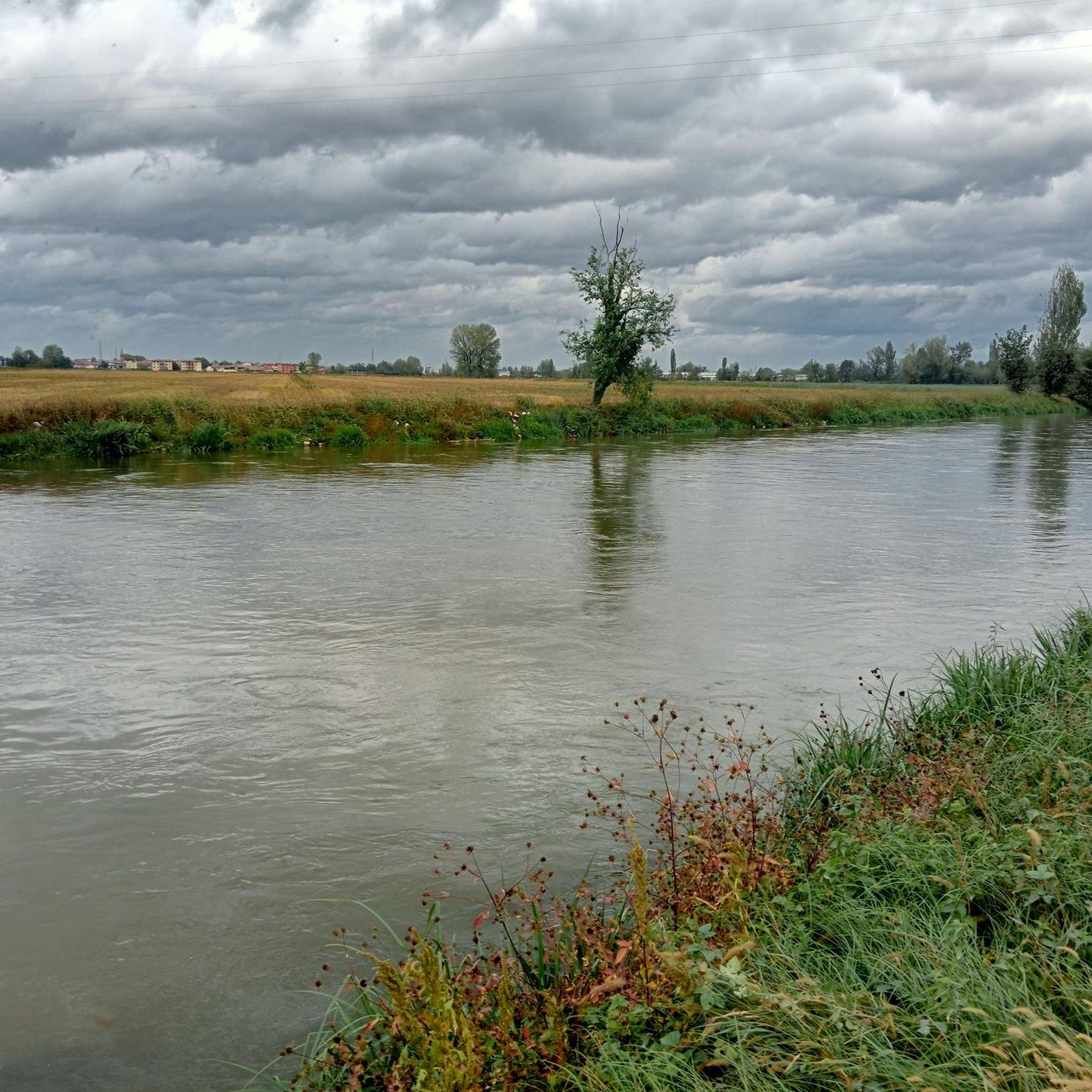
The bridge over the Muzza Canal, located in Lavagna (a hamlet of the municipality of Comazzo in the province of Lodi), is a historical landmark for crossing this ancient artificial waterway. The Muzza is a branch of the Adda river, known for being one of the oldest canals in Europe. Lavagna Lodigiana is a small rural village immersed in the countryside that develops right next to the canal. The bridge area is frequented by cyclists and hikers who travel along the Muzza cycle path or the Muzza-Ponte di Lavagna route, enjoying the river landscape.
0
0

The Muzza Canal is the oldest in Europe and just this year, its 800th anniversary was celebrated by the Municipality of Paullo in collaboration with the Pro Loco and other Municipalities. Its origin dates back to the year 1220, when Frederick II of Swabia, crowned emperor of the Holy Roman Empire, issued an imperial edict that granted the people of Lodi the right to use the waters flowing within their territory. The current route, about 60 km long, receives the waters of the Adda River at Cassano d’Adda, at an altitude of 120 m above sea level, crosses the Lodi territory for about 40 km until near Castiglione d’Adda, at an altitude of 45 m above sea level, and here it releases them back into the Adda River. It has a regulated water regime, with a flow rate, depending on the season, of about 200 thousand liters of water per second; an initial width of 50 meters which reduces to a few meters at the end of its course and an average depth of 2 meters.
0
0
The Muzza canal (61 km long in total) is a branch of the Adda River and has recently celebrated its 800th anniversary, making it one of the oldest in Europe. Its name, with slight variations over the centuries, still recalls the Roman family Mutia who moved here in 90 BC, starting the first land reclamation works. Smaller watercourses branch off from the wide canal, winding through the countryside for a total length of about 1000 kilometers, mainly intended for agricultural irrigation. The surrounding landscape of countryside and farmhouses is evocative, with a succession of tree-lined rows and open fields. It is also very interesting from a naturalistic point of view as it attracts many aquatic birds that can be observed along the route.
1
0
The Naviglio della Martesana, definitively completed in 1496 under the leadership of Ludovico il Moro, flows from Trezzo sull’Adda to Milan for a total length of 38 km. The route runs alongside the ancient Roman road (the current SS 11 padana superiore) which crossed the Adda with two branches: at Vaprio and at Cassano. Irrigation of the land located above the spring belt was for a long time the predominant use of the canal, so much so that initially navigation was limited to two days a week; concurrently with the improvement of the agricultural structure thanks to irrigation, a notable flourishing of stately villas occurred in the Baroque era, aimed at enjoying the convenience of water travel and controlling the owned lands.
0
0
Leonardo's locks on the Naviglio della Martesana, particularly the Conca dell'Incoronata and the Conca di San Marco in Milan, are 15th-16th century engineering systems designed to overcome water level differences and connect the Martesana to the inner network of canals. Designed by Leonardo da Vinci, these locks used wooden leaf gates, designed to facilitate the passage of barges loaded with goods.
0
0
The covered wooden bridge over the Naviglio Martesana in Gorgonzola is a historic and characteristic pedestrian crossing from the 15th century, renovated over time, which connects the two banks of the canal. A local symbol, it unites historic buildings and offers a suggestive view, representing one of the most iconic structures in the town along the canal.
0
0
Completed in 1471, the Naviglio Martesana was a huge hydraulic work of its time. Used for the transport of things and people, on both banks there was the road that was used by horses pulling barges along this important waterway that connected the villages with Milan, the big city. Now the use of the canal as a transport route has fallen into disuse after the mass arrival of rubber-wheeled transport and the route has been transformed into a beautiful cycle path, it is on this route that the Martesana cycle path is described, 36 kilometers on its own protected route and almost not at all trafficked by motor vehicles.
0
0

A very characteristic, ancient bridge located on the Martesana; a photo is a must! I don't think it's called the "Bridge of Sighs," but it's very characteristic.
0
0
Frequently Asked Questions
How many hiking trails are available around Melzo?
There are over 200 hiking routes around Melzo, offering a wide range of options for exploring the local agricultural landscape and waterways. These include easy strolls and moderate walks.
Are there easy hiking trails suitable for beginners or families in Melzo?
Yes, Melzo offers many easy hiking trails perfect for beginners and families. Over 100 routes are classified as easy, characterized by flat paths and minimal elevation changes. A great option is the Riverside Path Along the Muzza – Bridge over the Muzza loop from Cavaione, which provides a scenic walk alongside the Muzza river.
Can I find circular hiking routes near Melzo?
Many of the hiking routes around Melzo are circular, allowing you to start and end your journey in the same location. For example, the popular Washhouse loop from Melzo is a moderate circular path through the local surroundings.
Are there any challenging hikes around Melzo?
The terrain around Melzo is generally flat with minimal elevation changes, making most routes accessible. While there are a few routes classified as difficult, they typically involve longer distances rather than significant climbs. The region is more suited for leisurely walks and moderate excursions across open countryside.
What natural sights or landmarks can I explore while hiking near Melzo?
While hiking near Melzo, you can discover several natural attractions. Consider visiting the Besozza Forest or the Pignone Park and Waterfall on the Adda River. The Le Foppe Oasis of Cavenago Brianza also offers a peaceful natural setting.
Are there any historical sites or castles accessible from the hiking trails?
Yes, the area around Melzo features several historical sites and castles. You can explore the Castello di Peschiera Borromeo or the Corneliano Bertario Castle. The Visconti Castle of Cassano d'Adda is another notable historical landmark in the vicinity.
What do other hikers enjoy most about hiking in Melzo?
The hiking routes in Melzo are highly rated by the komoot community, with an average score of 4.4 stars from nearly 400 reviews. Hikers often praise the peaceful rural landscapes, the flat and accessible paths, and the opportunities to explore local waterways like the Muzza river.
Are dogs allowed on the hiking trails around Melzo?
Generally, dogs are welcome on the hiking trails around Melzo, especially in the open countryside and along rural paths. It's always recommended to keep your dog on a leash, especially when passing through agricultural areas or near livestock, and to carry waste bags.
What is the best season for hiking around Melzo?
Given the flat, agricultural landscape, hiking around Melzo is enjoyable in spring, summer, and autumn. Spring offers pleasant temperatures and blooming scenery, while autumn provides cooler weather and colorful foliage. Summer can be warm, so early morning or late afternoon hikes are often preferred.
Are there trails that follow rivers or have scenic water views?
Yes, several trails in the Melzo area follow local waterways. The Riverside Path Along the Muzza – Bridge over the Muzza loop from Cavaione is a prime example, offering a scenic walk alongside the Muzza river. These routes provide pleasant views and a refreshing atmosphere.
Are there any longer hiking routes for more extended excursions?
For those looking for longer excursions, routes like the Molino Vecchio, Gorgonzola – Farmhouse loop from Melzo offer a more extended experience. This route covers nearly 10 miles (15.6 km) through rural landscapes and past farmhouses, typically taking around 4 hours to complete.
Is parking available at the trailheads around Melzo?
Parking is generally available in or near the starting points of many trails, especially in the towns and villages surrounding Melzo. It's advisable to check local signage for specific parking regulations and availability before you begin your hike.
Most popular attractions around Melzo

Get inspired with the komoot mobile app


Explore more
Browse the best Hikes in other regions.
