Attractions and Places To See around Camino - Top 20
Best attractions and places to see around Camino, a municipality in the Monferrato region of Piedmont, Italy, offer a blend of historical sites and natural landscapes. This area is characterized by rolling hills, vineyards, and significant architectural heritage. Visitors can explore ancient castles and religious sanctuaries that reflect centuries of local history and culture. The region provides opportunities for discovering historical landmarks set within a distinctive agricultural environment.
Best attractions and places to see around Camino
- The most popular attractions…
Last updated: July 7, 2026
Sanctuary of the Madonna di Crea
Highlight • Religious Site
Translated by Google •
Tip by

Camino Castle
Highlight • Castle
As with many ancient buildings in Italy, there are many legends about the castle of …
Translated by Google •
Tip by

Sign up now to discover places like this
Get recommendations on the best single tracks, peaks, & plenty of other exciting outdoor places.
Sign up for free
Principality of Lucedio
Highlight • Historical Site
Translated by Google •
Tip by

Cereseto Castle
Highlight • Castle
The castle was built in the …
Translated by Google •
Tip by
Church of the Most Holy Name of Mary (Our Lady of the Vines)
Highlight • Religious Site
Translated by Google •
Tip by
Sign up for free to discover even more attractions around Camino.
Sign up for free
Already have an account?
Start today with a free account
Your next adventure awaits.
Login or Signup

Tips from the Community

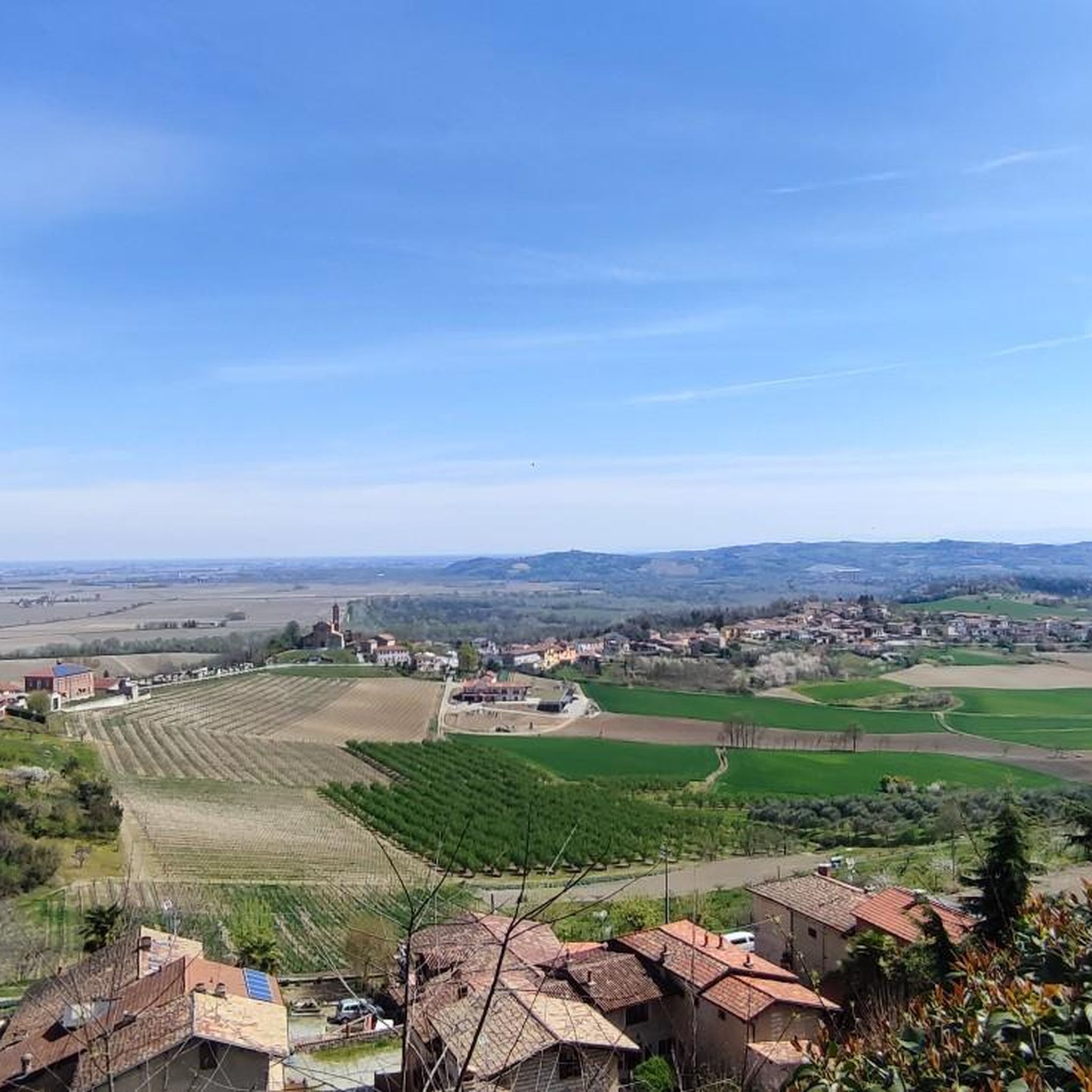
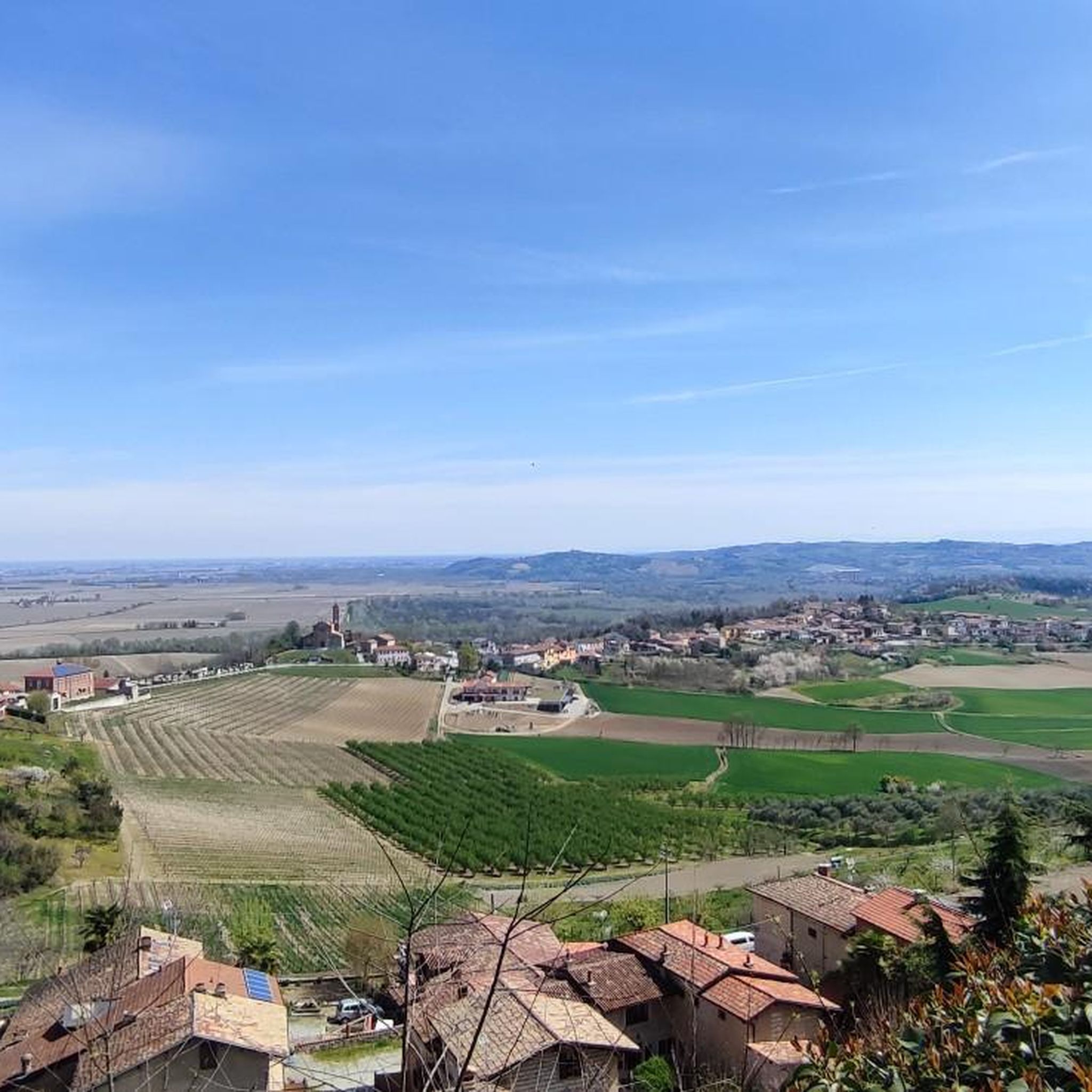
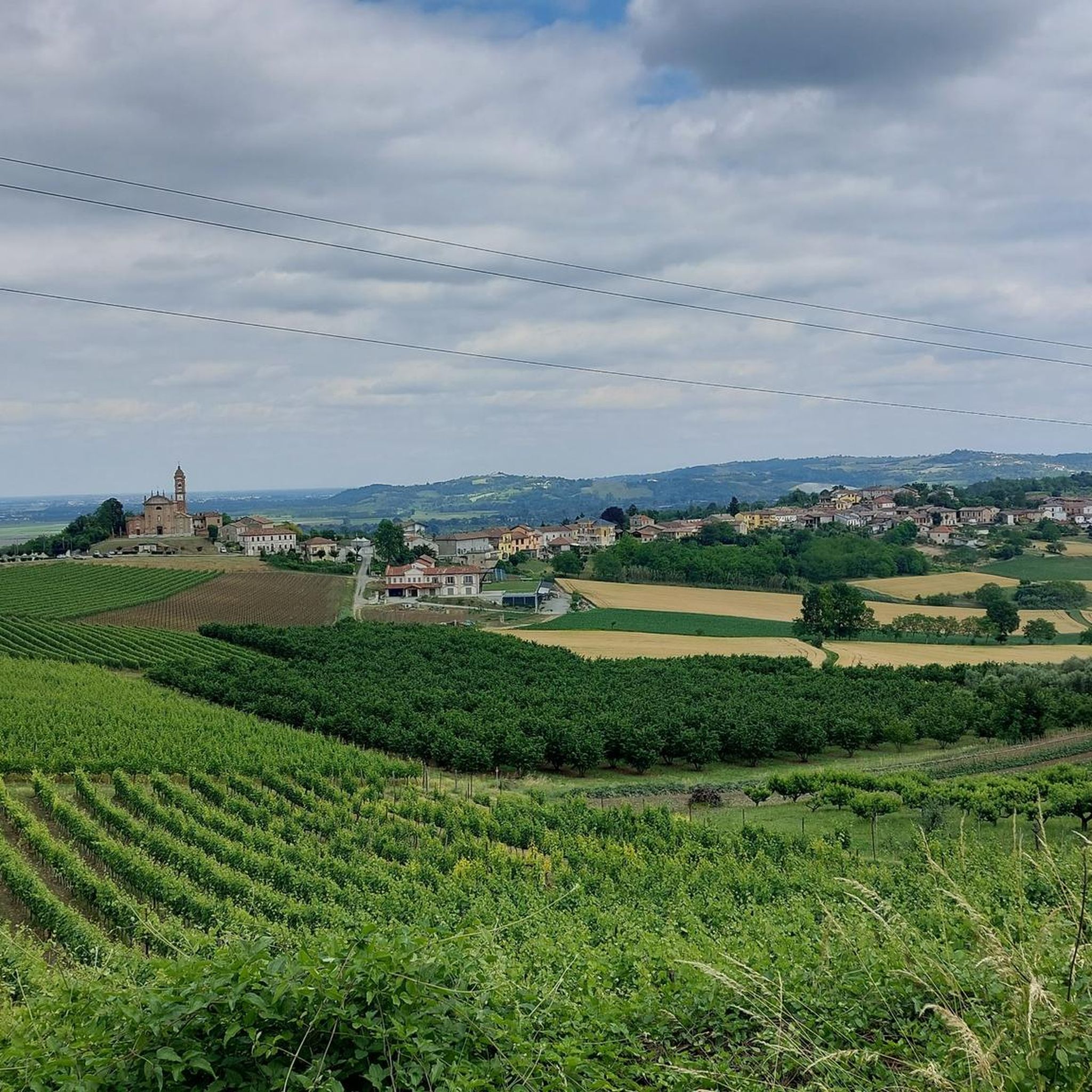
Nestled among centuries-old trees, Camino Castle dominates the ancient village from above and contributes to one of the most easily recognizable hilltop profiles of the Lower Monferrato.
0
0

The German-language television series "Treasures of the World - Heritage of Humanity" - which I highly recommend - is dedicated to short film clips featuring UNESCO World Heritage sites from all continents and eras. This includes the "Sacri Monti" in northern Italy (there are eight of these "Sacred Mountains" in Piedmont, and a ninth in Lombardy), which are presented to culture-loving viewers in a 15-minute segment. This can be accessed in the ARD Media Library at the following link =>> https://www.ardmediathek.de/video/schaetze-der-welt/heilige-berge-in-piemont-italien-folge-396/3sat/Y3JpZDovL3N3ci5kZS84ODgxMzc2
2
0

Open on Sundays only (May 2024)
0
0

On the top of a hill immersed in a splendid landscape of vineyards, stands the Sacro Monte di Crea, founded in 1589. Inspired by the Sacro Monte di Varallo, it was born as a pilgrimage destination and today it is an enchanting place, perfect for walking among the greenery of the protected nature reserve. Along the route you will encounter 23 chapels and 5 hermitages, among which the evocative chapel of Paradise, dedicated to the Coronation of Mary, stands out. From here, your gaze is lost in a breathtaking panorama that embraces the Alpine chain and the surrounding rolling hills.
5
1

In the heart of Monferrato, on the top of a hill surrounded by a wonderful wine-growing landscape, stands the Sacro Monte di Crea, founded in 1589 on the initiative of Costantino Massino, Lateran prior of the Sanctuary of the Madonna Assunta. Costantino Massino proposed building a religious itinerary inspired by the Sacro Monte di Varallo, to encourage prayer and meditation and to renew the Marian devotion linked to the Sanctuary, a pilgrimage destination of considerable importance since the 11th century. The strong bond between the sanctuary and the ruling dynasty in Monferrato made the duke, the nobility, the high clergy and the local communities participate in the enterprise. In the first phase of the history of the Sacro Monte, which ended around 1657, important artists also active in the Sacri Monti of Orta, Varallo and Varese worked there, including Moncalvo, the Prestinari and the de Wespin, authors of the spectacular sculptural complex of the Chapel of Paradise (c. 23), created in the years between 1604 and 1612. During the 18th century, the Sacro Monte gradually fell into a state of abandonment and, between 1796 and 1801, the incursions of the French revolutionary troops contributed to the ruin of many structures, statues and frescoes. For several decades, the Sacro Monte was abandoned and only in 1820 a community of Franciscan friars, who had become responsible for the Sanctuary, began to restore some buildings. In 1885, a systematic restoration campaign began, supported by the bishop of Milan Nazari di Calabiana and destined to last until the 1920s. During this phase, in which some buildings were built from scratch, the famous symbolist sculptor Leonardo Bistolfi intervened in chapel 16, modeling the statues of the Ascent to Calvary. (c) https://www.sacrimonti.org/it/sacro-monte-di-crea
3
0

the church of the most holy name of Mary belonged to the complex of the Lucedio Abbey. today it is abandoned and it is not possible to enter. on the side there is a window from which I took some photos of the interior. Be very careful in summer because I noticed that on the side of the church there is a large nest of wasps or hornets, I can't tell because it is really very high up. the photos you see were taken at the end of February.
0
1

Around 1900, the extremely wealthy entrepreneur, financier, art collector and patron Riccardo Gualino (1879–1964) began building a neo-Romanesque-neo-Gothic castle in a commanding position over the town. The architect of the building was the engineer Vittorio Tornielli. In 1918, the Castello di Cereseto became one of the residences of the Turin family, where lavish parties were celebrated with guests from the Piedmontese business and financial world, from the Agnelli to the Sella. The fort was inhabited by the family until the second half of the 20th century and is therefore well preserved.
6
0

Beautiful, very large. In excellent condition as it is used
0
0
Frequently Asked Questions
What historical sites can I explore around Camino?
The Camino area, nestled in Piedmont's Monferrato region, is rich in history. You can visit the impressive Camino Castle, known for its crenellated walls and towers, which dominates the ancient village. Another significant historical site is the Principality of Lucedio, an ancient abbey founded by Cistercian monks that played a crucial role in introducing rice cultivation to Italy. Additionally, the Cereseto Castle, though its interior is not open to visitors, offers a stunning exterior view.
Are there any notable religious sites in the Monferrato region near Camino?
Yes, the region features several significant religious sites. The most prominent is the Sanctuary of the Madonna di Crea, a Sacro Monte founded in 1589. It features 23 chapels and 5 hermitages, including the Chapel of Paradise, offering breathtaking panoramic views. Another fascinating, albeit deconsecrated, site is the Church of the Most Holy Name of Mary (Our Lady of the Vines), an abandoned 17th-century church with a mysterious atmosphere.
Where can I find the best panoramic views around Camino?
For stunning panoramic views, head to the Sanctuary of the Madonna di Crea. From its Chapel of Paradise, you can enjoy expansive vistas of the Alpine chain and the surrounding rolling hills and vineyards. The Camino Castle also offers a commanding viewpoint over the ancient village and the Lower Monferrato landscape.
What kind of natural landscapes can I expect to see in the Camino area?
The Camino area is characterized by picturesque natural landscapes typical of the Monferrato region. You'll find rolling hills covered with vineyards, which are particularly beautiful during spring and autumn. The area around the Principality of Lucedio also features extensive rice fields, offering a unique agricultural scenery.
Are there family-friendly attractions in Camino?
Yes, several attractions in the Camino area are suitable for families. The Sanctuary of the Madonna di Crea offers a pleasant walk through its chapels and nature reserve. The Principality of Lucedio provides an interesting historical experience for all ages, exploring its ancient abbey and rice fields. Even the exterior of Cereseto Castle can be an exciting sight for children.
What outdoor activities can I do near these attractions?
The Camino region is excellent for outdoor enthusiasts. You can enjoy various activities like hiking, cycling, and gravel biking. There are numerous routes that allow you to explore the scenic Monferrato countryside, vineyards, and historical sites. For detailed routes and guides, you can check out the Cycling around Camino, Hiking around Camino, and Gravel biking around Camino guides.
Are there good hiking trails around Camino?
Absolutely. The area offers several hiking trails suitable for various skill levels. For an easy walk, consider the 'Monferrato countryside trail to Big Bench viewpoint (Trail 709A)' which is about 5 km. Moderate options include the 'Camino Castle loop from Camino' (around 7.8 km) or the 'View of the Hills and Valley – Camino Castle loop from Camino' (about 13.8 km). You can find more hiking routes in the Hiking around Camino guide.
Can I go cycling or gravel biking in the Camino area?
Yes, the rolling hills and quiet roads of Monferrato are ideal for cycling and gravel biking. There are routes like the 'Panoramas of Basso Monferrato - Ring Tour' (around 30 km, difficult) for road cyclists, or the 'Pobietto Estate – Grangia di Pobietto loop from Camino' (around 46 km, moderate). Gravel bikers can explore routes such as the 'Belvedere – The Fontanola Valley loop from Sala Monferrato' (around 19 km, moderate). Discover more options in the Cycling around Camino and Gravel biking around Camino guides.
What do visitors enjoy most about the attractions around Camino?
Visitors particularly appreciate the blend of historical significance and natural beauty. The Sanctuary of the Madonna di Crea is loved for its enchanting walks amidst greenery and breathtaking panoramas. The Camino Castle is admired for its spectacular architecture and the legends surrounding it. The Principality of Lucedio captivates with its unique history and mystical atmosphere among the rice fields.
What is the best time to visit Camino for sightseeing and outdoor activities?
The Monferrato region, including Camino, is generally best visited in spring (April-June) and autumn (September-October). During these seasons, the weather is pleasant for exploring historical sites and enjoying outdoor activities like hiking and cycling. Autumn is particularly beautiful as the vineyards change color, and it's harvest season. Summers can be warm, while winters are cooler but still offer charm.
Are there any unique or lesser-known historical places to discover near Camino?
Beyond the main attractions, you might find the Church of the Most Holy Name of Mary (Our Lady of the Vines) intriguing. This deconsecrated 17th-century church, now in a state of abandonment, is surrounded by legends, including that of the 'devil's score.' It's a fascinating spot for those interested in abandoned buildings and local folklore, reachable via a short path from the abandoned cemetery of Montarolo.
Most popular attractions around Camino

Get inspired with the komoot mobile app


Explore more
Still not found the Highlight you’re looking for? See guides of the top attractions in other regions:
